HR Tech 2026 Booth Planning for Software Demos and Buyer Meetings
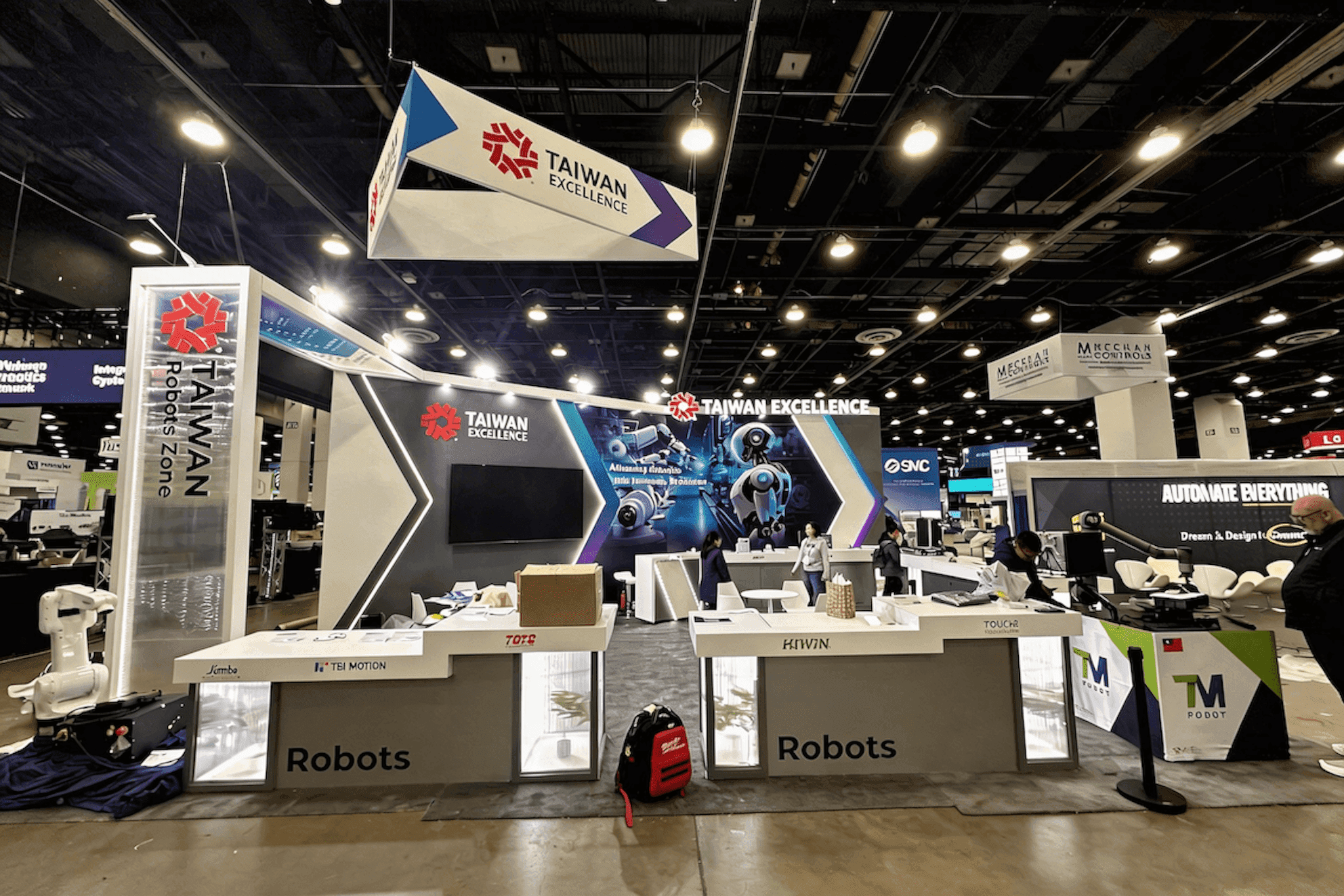
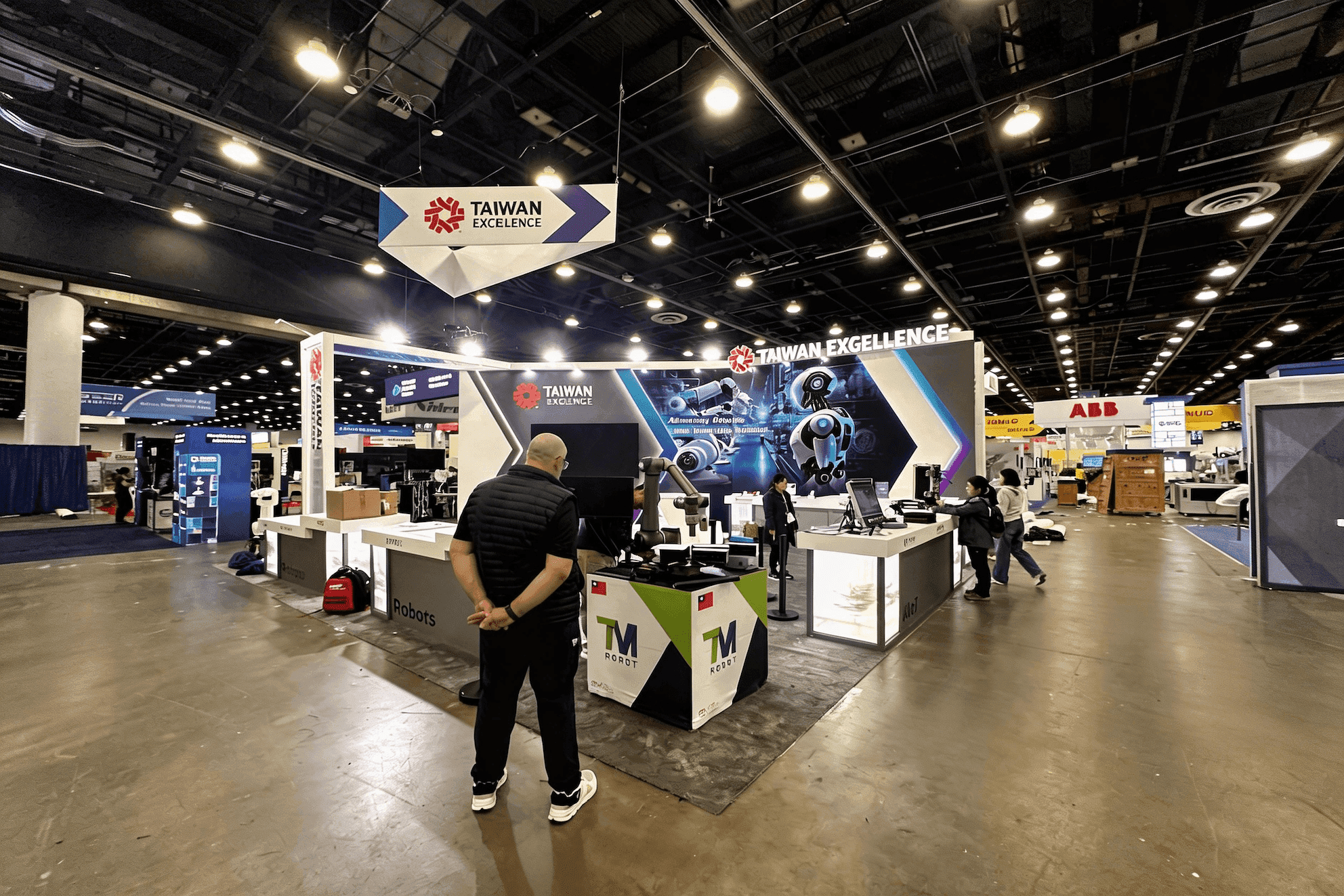


How should exhibitors plan an HR Tech 2026 booth?
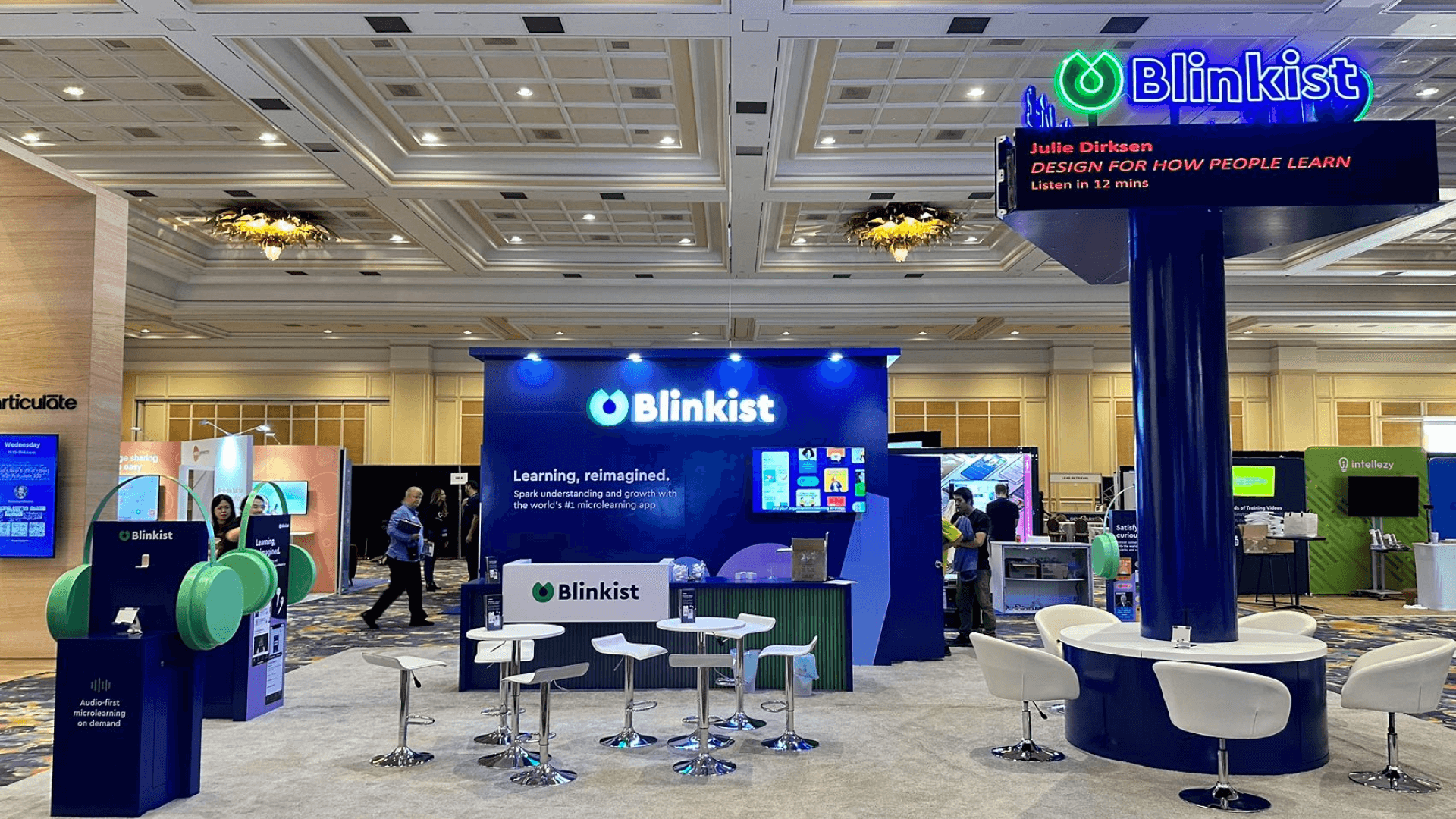
An HR Tech booth should move visitors from category recognition to product evaluation without forcing every person through a long sales presentation. Plan around one clear buyer problem, a short and deeper demo path, qualification, scheduled meetings, screen and device support, hidden storage, and a tested fallback for internet-dependent presentations. The operating plan should also account for changing Expo traffic, scheduled programming, and the booth’s location on the HR Tech 2026 show floor.
HR Tech booth planning starts with the buyer’s first decision—not the number of screens or counters. Visitors should be able to identify the solution category, the HR or workforce problem it addresses, and whether the product deserves a closer review before a staff member begins a longer explanation.
HR Tech 2026 combines exhibitor booths with Demo Theater presentations, Solution Snapshots, Pitchfest and other Expo programming, while AI-focused and startup experiences create additional product-comparison paths across the show floor. AI providers may need to make workflow, human review, data use and system connections visible; those requirements are covered in AI solution demo planning at HR Tech. Companies participating through the Startup Pavilion face different limits around kiosk space, Pitchfest, founder availability and visitor follow-up, explored in Startup Pavilion kiosk planning.
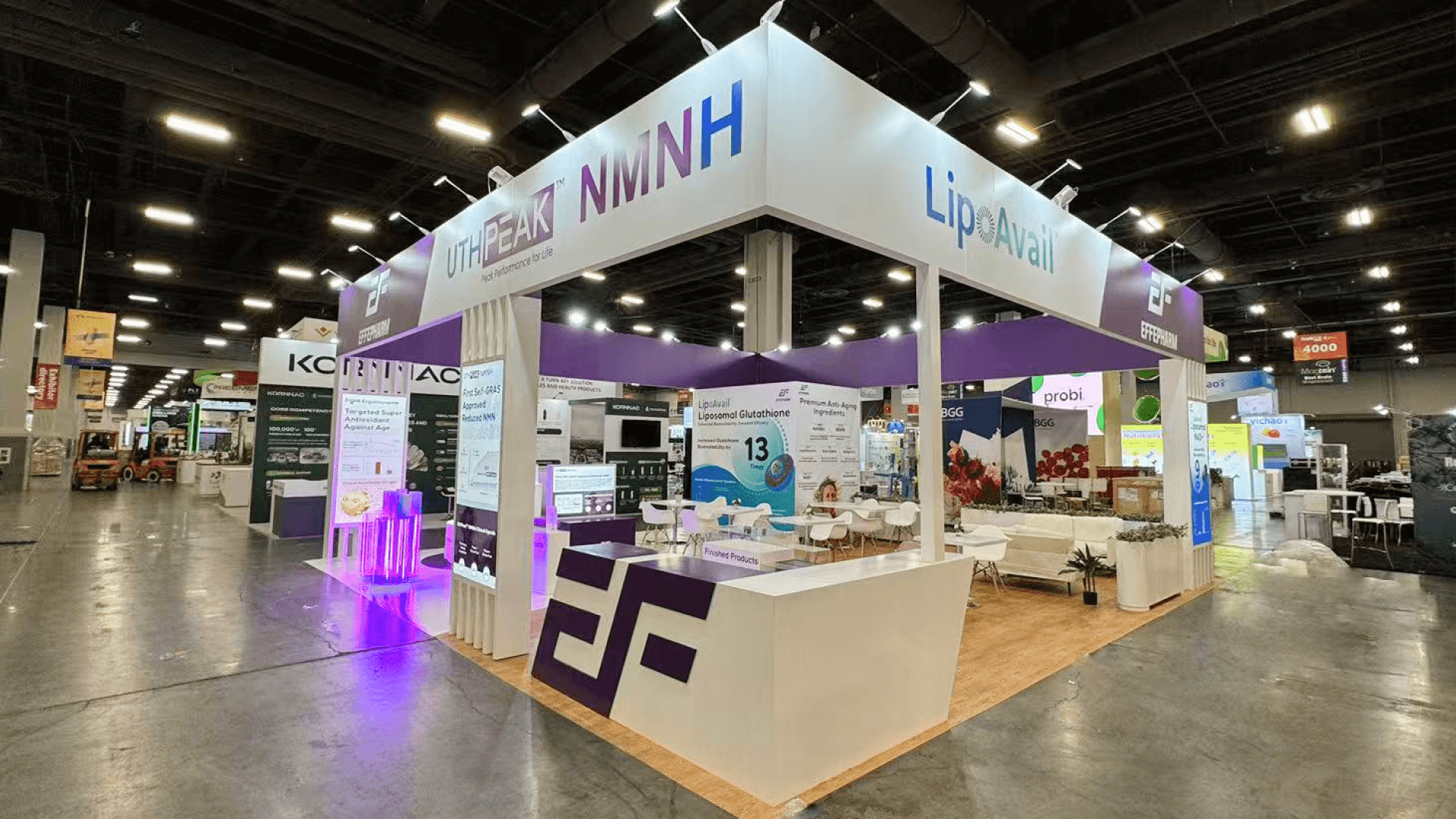
The footprint should follow the operating plan. When walk-in demos, scheduled meetings, staff movement and storage need to function at the same time, a 20x20 booth layout becomes a practical option to evaluate. HR Tech also sits within the broader landscape of Las Vegas technology trade shows, but its booth planning is shaped more specifically by software evaluation, cross-functional buying teams and the timing of activity across the Expo floor.
Why Exhibitors Choose Circle Exhibit
Clear scope, transparent quote review, nationwide booth support, and efficient setup planning for qualified rental and custom exhibit projects.
48hr
Setup Window
10+
Years Since 2014
U.S.
Trade Show Support
Real
Booth Project Proof
The limiting factor is rarely the number of screens. It is whether demos, meetings, staff movement, storage, and walk-in traffic can operate without using the same space.
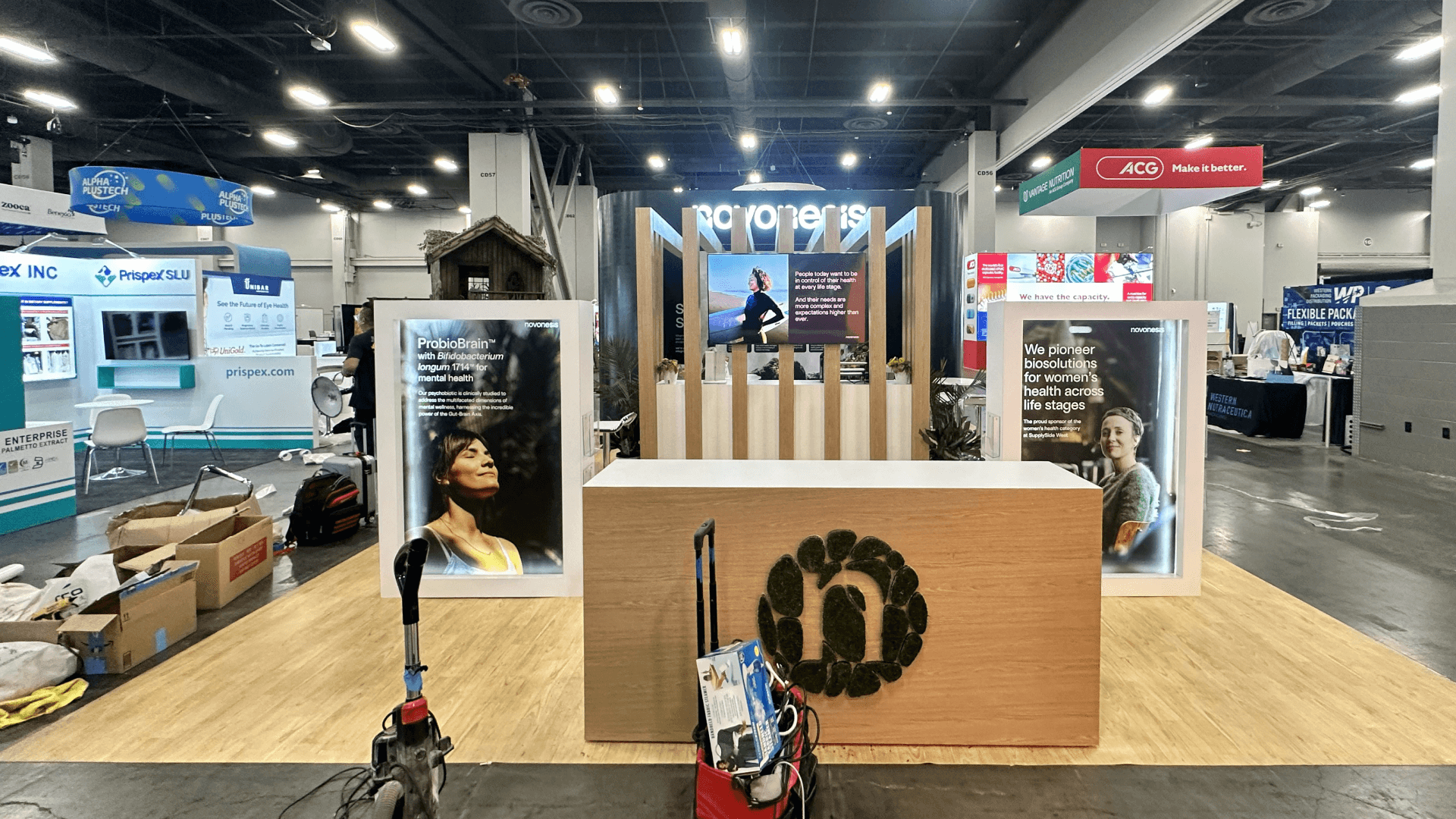
Choose a 10x10 booth layout when one product category, one guided demo, and short qualification conversations can carry the visit. It becomes restrictive when several stakeholders need to review the product together.
A 20x20 booth plan separates aisle engagement, guided demos, stakeholder discussions, and storage. The real gain is functional separation, not simply more floor area.
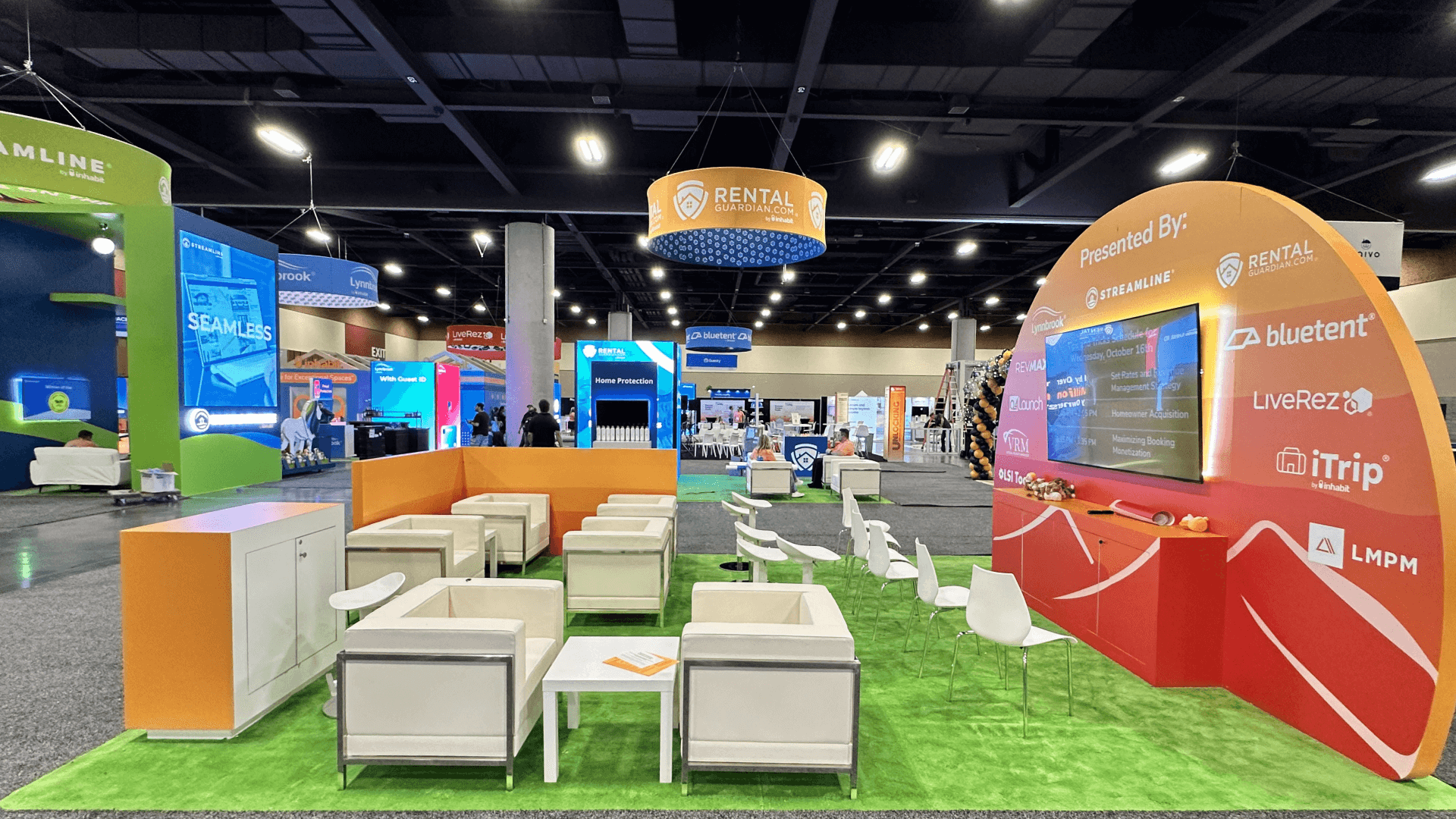
Use 10x20 booth planning when two demos must stay active, or when one demo needs a compact discussion point beside it. The added width also improves screen sightlines and staff movement.
Move to a 20x30 booth layout when several workflows, presentation media, open demos, and semi-private discussions must operate at once. More area adds little value unless the team can staff every function.
Guest Pass invitations, Theater Sessions, and the choice between booth space, sponsorship, and meeting rooms affect different parts of the exhibit plan. Guest Pass meeting strategy focuses on priority accounts and appointment capacity, Theater-to-booth follow-up follows the path from session interest to demos and buyer discussions, and booth, sponsorship, and meeting-room planning compares how each resource supports visibility, product evaluation, and deeper meetings.
Every physical element needs a clear job. Visitors should be able to find the product message, demo, discussion area, and next step without waiting for a staff explanation.
Use one primary message to identify the solution category, intended user, and business problem. Feature lists belong below that first decision.
The first screen handles product orientation. A second position or meeting zone carries workflow detail, integration, implementation, or stakeholder questions.
Reception, demo, and meeting staff need a clear transfer point so qualified visitors can continue without interrupting the next aisle conversation.
Laptops, chargers, adapters, backup devices, literature, personal items, and lead notes should stay out of sight but remain easy for staff to reach.
HR Tech brings exhibitor booths together with product demos, case studies, Solution Snapshots, Pitchfest and other Expo programming. Visitors may compare several solutions in the same day, so the booth should make the category, workflow and next evaluation step clear quickly.
The Expo opens with a shorter evening window on October 20, runs a full day on October 21, and closes earlier on October 22. Staffing, scheduled demos, meetings and booth resets should follow those different traffic patterns rather than using the same operating plan every day.
Once the booth location is known, review aisle exposure, screen orientation, demo crowding, meeting access and nearby activity. Floor-plan position should influence how the booth operates—not only where the company appears on the map.
Not Sure Which Booth Size You Need?
Not every exhibitor knows whether a 10x20, 20x20, 20x30, or larger booth is the right fit. Circle Exhibit can help review your event goals, product display needs, demo areas, meeting space, storage, budget scope, and setup timeline before you choose a booth size.
Turning the Demo Into a Feature Tour
Different Questions From the Same Buying Team
1
Set the Visitor Decision Path
2
3
4
Rental for a Focused Demo and Meeting Plan
Rental is a practical fit when the booth needs one or two demo areas, clear graphics, useful storage, and a defined meeting zone without unusual structural requirements.
Custom Build for a More Complex Visitor Journey
Custom construction becomes more relevant when several product lines, large media surfaces, presentations, enclosed meetings, or highly specific architectural features must work together.
Hybrid for Reuse With Show-Specific Messaging
A reusable structure with event-specific graphics, counters, screens, and meeting components can support HR Tech while adapting to future enterprise-software events.
Internet, electrical, AV, rigging, and cleaning can change screen, counter, cable, and equipment positions. Confirm the required services before final engineering begins.
Test the laptops, accounts, screens, cables, power configuration, and backup content planned for the Expo floor. An office test may miss installation or network issues.
Monitors, laptops, adapters, chargers, scanners, and other valuable devices need a separate plan for delivery, installation, overnight security, storage, and removal.
Before the hall opens, check logins, screens, internet, charging, lead retrieval, meeting schedules, device storage, supplies, and staff assignments.
These screen, demo, and meeting requirements also appear across Las Vegas technology trade shows, although HR Tech places greater emphasis on software evaluation and cross-functional buying teams.
Need a Flexible HR Tech Booth Rental?
A rental-based exhibit can support focused software demos, scheduled buyer meetings, screens, storage, and Las Vegas show-site execution once the functional scope is clear.
What should an HR Tech booth include?
Start with a clear product category, one understandable demo path, buyer qualification, appropriate meeting space, protected storage, and a tested plan for screens, internet, power, and lead capture.
What booth size works for HR software demos?
How should exhibitors prepare live software demos?
Does an HR Tech booth need a separate meeting area?
Why should technical services be confirmed before the booth is finalized?
READY TO PLAN YOUR NEXT BOOTH?
Let’s Build a Booth That Fits Your Event
Share your event name, booth size, city, timeline, product display needs, and design references. Circle Exhibit will review your project direction and help you choose a rental-friendly or custom exhibit path.
3000+
Booth Projects Supported
50+
U.S. Event Cities
Transparent
Quote Review
Review rental options after the demo count, meeting capacity, screens, storage, and structural requirements have been decided.
This page is relevant when structure, counters, graphics, screens, cable access, installation, and final testing need to be resolved together.
Use this resource to organize graphics, devices, freight, venue orders, installation requirements, deadlines, and the opening checklist.
Use graphics planning to organize product categories, workflow stages, proof points, screen labels, and meeting-zone messages without creating a feature wall.
Use this resource to coordinate structure, graphics, screens, venue-service handoffs, final checks, dismantle, and outbound handling at Mandalay Bay.