
Trade Show Booth Logistics & Pre-Show Coordination
Freight timing, drayage planning, move-in schedules, crate labeling, venue access, and booth delivery coordination before the show floor opens.
A trade show booth can be designed and built correctly, but still run into problems if freight, drayage, move-in timing, and venue access are not planned early.
Circle Exhibit teams coordinate booth logistics around the actual show schedule, venue rules, booth size, packing order, installation sequence, and show-site handoff so the booth arrives ready for setup, not stuck in a queue.
Trade Show Booth Logistics & Pre-Show Coordination
Freight timing, drayage planning, move-in schedules, crate labeling, venue access, and booth delivery coordination before the show floor opens.
A trade show booth can be designed and built correctly, but still run into problems if freight, drayage, move-in timing, and venue access are not planned early.
Circle Exhibit teams coordinate booth logistics around the actual show schedule, venue rules, booth size, packing order, installation sequence, and show-site handoff so the booth arrives ready for setup, not stuck in a queue.

What does trade show booth logistics include?
Trade show booth logistics includes freight timing, crate labeling, advance warehouse planning, drayage coordination, move-in scheduling, venue access, delivery documents, and booth handoff before installation. Good logistics planning helps booth components arrive in the right order and gives the install team a clearer setup sequence.
What does trade show booth logistics include?
A customizable trade show booth rental in Las Vegas uses a reusable booth structure with branded graphics, adaptable counters, display areas, lighting, and meeting zones. It gives exhibitors a faster path than a fully custom build while still requiring logistics planning, drayage timing, labor coordination, and on-site installation at major venues like LVCC, Venetian Expo, and Mandalay Bay.
Why Booth Logistics Should Start Before Shipping
Why Booth Logistics Should Start Before Shipping
Logistics should not begin when the truck is already moving. Booth size, venue rules, freight deadlines, drayage timing, and installation sequence all affect how the booth should be packed, labeled, shipped, and received.
Logistics should not begin when the truck is already moving. Booth size, venue rules, freight deadlines, drayage timing, and installation sequence all affect how the booth should be packed, labeled, shipped, and received.


What Logistics & Pre-Show Coordination Includes
This service connects booth preparation with venue delivery. The goal is to reduce late-stage confusion before move-in begins.
Freight Planning
Shipping timelines, carrier coordination, delivery windows, and booth arrival dates are reviewed before the booth leaves storage or production.
Advance Warehouse or Direct-to-Show Review
The shipping route is planned around show deadlines, venue requirements, and whether freight should go to an advance warehouse or directly to the venue.
Crate Labeling and Packing Order
Crates, graphics, counters, hardware, and structure components are labeled so the install team can locate the right items quickly.
Drayage and Material Handling Notes
Drayage timing, material handling rules, crate release, and dock-to-booth movement are reviewed before the move-in window.
Move-In Schedule Coordination
Show schedule, labor timing, venue access, and installation order are aligned so the booth team can work with fewer delays.
Show-Site Handoff
Delivery details, packing notes, floor plans, and setup priorities are prepared for the team handling booth installation.
What Logistics & Pre-Show Coordination Includes
A customizable trade show booth rental in Las Vegas uses a reusable booth structure with branded graphics, adaptable counters, display areas, lighting, and meeting zones. It gives exhibitors a faster path than a fully custom build while still requiring logistics planning, drayage timing, labor coordination, and on-site installation at major venues like LVCC, Venetian Expo, and Mandalay Bay.
Freight Planning
Shipping timelines, carrier coordination, delivery windows, and booth arrival dates are reviewed before the booth leaves storage or production.
Advance Warehouse or Direct-to-Show Review
The shipping route is planned around show deadlines, venue requirements, and whether freight should go to an advance warehouse or directly to the venue.
Crate Labeling and Packing Order
Crates, graphics, counters, hardware, and structure components are labeled so the install team can locate the right items quickly.
Drayage and Material Handling Notes
Drayage timing, material handling rules, crate release, and dock-to-booth movement are reviewed before the move-in window.
Move-In Schedule Coordination
Show schedule, labor timing, venue access, and installation order are aligned so the booth team can work with fewer delays.
Show-Site Handoff
Delivery details, packing notes, floor plans, and setup priorities are prepared for the team handling booth installation.
Logistics Planning by Booth Size
Booth size changes the amount of freight, the number of crates, the install sequence, and how much coordination is needed before move-in.
A 20x20 booth may need coordinated delivery for counters, graphics, flooring, storage, demo areas, and four-sided visitor access.
A 20x30 booth often requires more careful crate order, freight timing, meeting-zone setup, and product display coordination.
A 30x40 island booth usually needs earlier freight planning, larger structure handling, staged installation, and show-site crew coordination.
For exhibitors comparing flexible booth structures, logistics planning also connects closely with customizable booth rental in Las Vegas , especially when graphics, counters, lighting, and modular components need to arrive ready for setup.
Logistics Planning by Booth Size
A customizable trade show booth rental in Las Vegas uses a reusable booth structure with branded graphics, adaptable counters, display areas, lighting, and meeting zones. It gives exhibitors a faster path than a fully custom build while still requiring logistics planning, drayage timing, labor coordination, and on-site installation at major venues like LVCC, Venetian Expo, and Mandalay Bay.
A 20x20 booth may need coordinated delivery for counters, graphics, flooring, storage, demo areas, and four-sided visitor access.
A 20x30 booth often requires more careful crate order, freight timing, meeting-zone setup, and product display coordination.
A 30x40 island booth usually needs earlier freight planning, larger structure handling, staged installation, and show-site crew coordination.
A customizable trade show booth rental in Las Vegas uses a reusable booth structure with branded graphics, adaptable counters, display areas, lighting, and meeting zones. It gives exhibitors a faster path than a fully custom build while still requiring logistics planning, drayage timing, labor coordination, and on-site installation at major venues like LVCC, Venetian Expo, and Mandalay Bay.
Las Vegas Venue Logistics Notes
Las Vegas booth logistics often depends on the venue, the show schedule, and how freight moves from dock to booth space. LVCC, Venetian Expo, and Mandalay Bay can each require different planning around move-in timing, drayage, access, and installation windows.
LVCC Move-In Timing
Large halls and major shows at LVCC can make delivery timing, crate release, freight staging, and booth-space access especially important.
Venetian Expo Access Coordination
Booth logistics at Venetian Expo should account for access timing, staging space, labor coordination, and install sequence before freight arrives.
Mandalay Bay Freight Handling
For shows at Mandalay Bay, logistics planning should consider delivery windows, material handling, booth size, and the order components are needed on site.
Las Vegas Venue Logistics Notes
A customizable trade show booth rental in Las Vegas uses a reusable booth structure with branded graphics, adaptable counters, display areas, lighting, and meeting zones. It gives exhibitors a faster path than a fully custom build while still requiring logistics planning, drayage timing, labor coordination, and on-site installation at major venues like LVCC, Venetian Expo, and Mandalay Bay.
LVCC Move-In Timing
Large halls and major shows at LVCC can make delivery timing, crate release, freight staging, and booth-space access especially important.
Venetian Expo Access Coordination
Booth logistics at Venetian Expo should account for access timing, staging space, labor coordination, and install sequence before freight arrives.
Mandalay Bay Freight Handling
For shows at Mandalay Bay, logistics planning should consider delivery windows, material handling, booth size, and the order components are needed on site.
Las Vegas Venue Logistics and Move-In Notes
Trade show booth logistics in Las Vegas depend heavily on the venue. Freight timing, advance warehouse delivery, drayage, dock access, material release, crate handling, and move-in windows should be planned before booth components arrive on site.
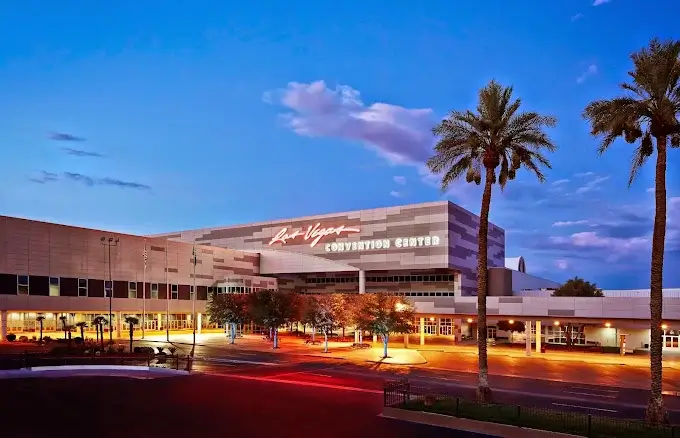
LVCC Freight and Drayage Planning
LVCC shows often involve large halls, staged freight, advance warehouse deadlines, drayage timing, assigned move-in windows, and longer dock-to-booth movement. Logistics planning should align booth size, crate order, and installation sequence early.
LVCC booth logistics planning →
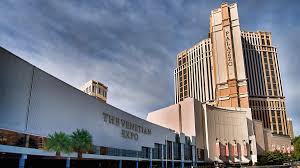
Venetian Expo Access and Staging
Venetian Expo booths often need careful timing around access, product display materials, graphics, lighting, and buyer-ready presentation. Freight and crate planning should support a clean setup before show opening.
Venetian Expo move-in planning →
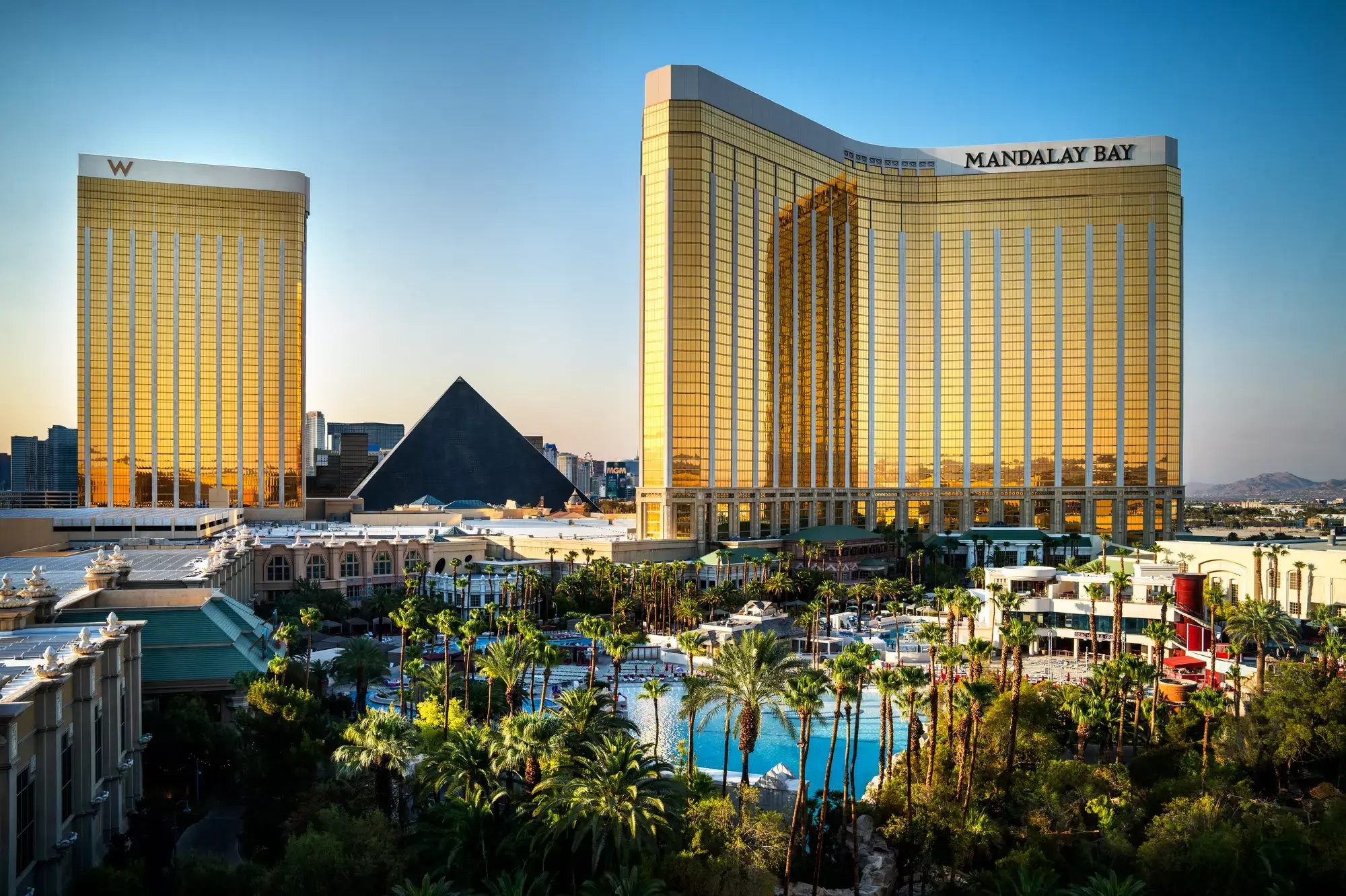
Mandalay Bay Freight Coordination
Mandalay Bay projects may include sample displays, product counters, meeting areas, and larger visitor-flow layouts. Logistics planning should consider freight release, dock access, material staging, and installation timing.
Mandalay Bay freight coordination →
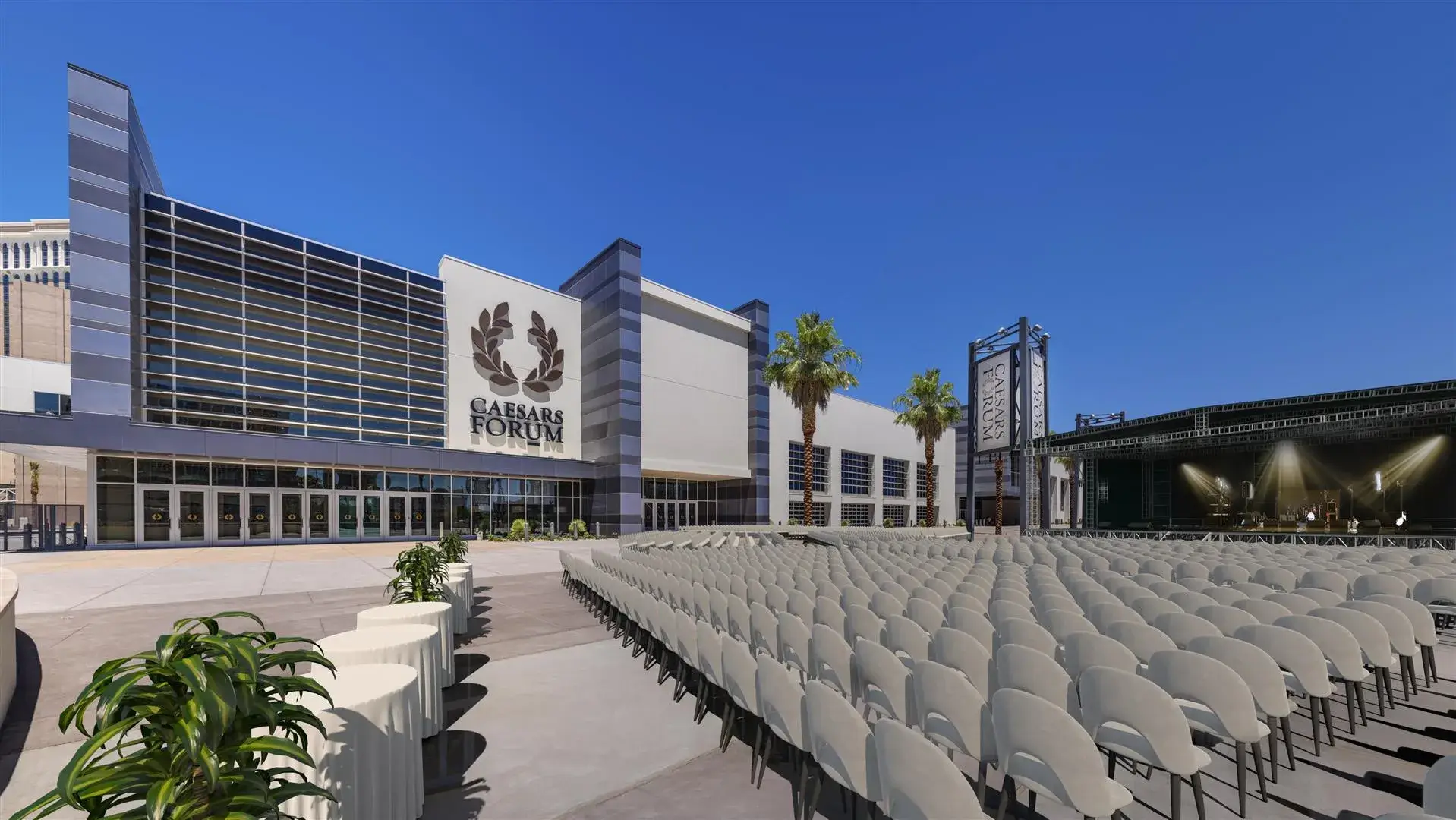
Caesars Forum Move-In Planning
Caesars Forum booths often support conference-style events, modular structures, reception counters, sponsor graphics, and meeting areas. Logistics planning should keep crate movement, setup timing, and final booth readiness organized.
Caesars Forum booth setup planning →
For LVCC shows, logistics planning is part of builder selection. Freight timing, material handling, crate access, move-in sequence, union labor coordination, and install readiness should be clear before the booth reaches the venue. Review this LVCC booth builder planning guide before comparing builder options for Las Vegas Convention Center exhibits.
Las Vegas Venue Logistics and Move-In Notes
Trade show booth logistics in Las Vegas depend heavily on the venue. Freight timing, advance warehouse delivery, drayage, dock access, material release, crate handling, and move-in windows should be planned before booth components arrive on site.
LVCC Freight and Drayage Planning
LVCC shows often involve large halls, staged freight, advance warehouse deadlines, drayage timing, assigned move-in windows, and longer dock-to-booth movement. Logistics planning should align booth size, crate order, and installation sequence early.
LVCC booth logistics planning →
Mandalay Bay Freight Coordination
Mandalay Bay projects may include sample displays, product counters, meeting areas, and larger visitor-flow layouts. Logistics planning should consider freight release, dock access, material staging, and installation timing.
Mandalay Bay freight coordination →
Venetian Expo Access and Staging
Venetian Expo booths often need careful timing around access, product display materials, graphics, lighting, and buyer-ready presentation. Freight and crate planning should support a clean setup before show opening.
Venetian Expo move-in planning →
Caesars Forum Move-In Planning
Caesars Forum booths often support conference-style events, modular structures, reception counters, sponsor graphics, and meeting areas. Logistics planning should keep crate movement, setup timing, and final booth readiness organized.
Caesars Forum booth setup planning →
For LVCC shows, logistics planning is part of builder selection. Freight timing, material handling, crate access, move-in sequence, union labor coordination, and install readiness should be clear before the booth reaches the venue. Review this LVCC booth builder planning guide before comparing builder options for Las Vegas Convention Center exhibits.
How Logistics Connects With Installation
Logistics and installation are connected. If crates arrive out of order, graphics are packed separately from their frames, or key structure components are delayed, the install team may lose valuable setup time. Good logistics planning supports on-site installation and dismantle support by keeping freight timing, labeling, access notes, and setup priorities clear before the crew reaches the show floor.
Structure First
Large walls, counters, rigging points, and flooring usually need to be available before finishes and graphics can be completed.
Graphics Need Clean Handoff
Backwalls, SEG panels, lightboxes, and signage should be packed and labeled so they match the planned installation sequence.
Closeout Starts Early
Dismantle, repacking, outbound freight, and storage needs should be considered before the booth is installed.
Logistics for Rental and Custom Booth Projects
Rental-friendly booth systems and fully custom booth builds both need logistics planning, but the handling can differ. Rental booths often involve modular components, branded graphics, counters, lighting, and reusable structures that need clean packing and fast setup.
Custom builds may involve larger wall sections, specialty finishes, product display structures, overhead elements, or more detailed crate sequencing. For projects that require full build coordination, Las Vegas trade show booth builder support can connect design, fabrication, logistics, and installation planning.
When rental components need branded graphics, counters, and show-site setup, customizable booth rental in Las Vegas can help align the rental structure with freight timing and venue delivery.
Rental-friendly booth systems and fully custom booth builds both need logistics planning, but the handling can differ. Rental booths often involve modular components, branded graphics, counters, lighting, and reusable structures that need clean packing and fast setup.
Custom builds may involve larger wall sections, specialty finishes, product display structures, overhead elements, or more detailed crate sequencing. For projects that require full build coordination, Las Vegas trade show booth builder support can connect design, fabrication, logistics, and installation planning.
When rental components need branded graphics, counters, and show-site setup, customizable booth rental in Las Vegas can help align the rental structure with freight timing and venue delivery.
Related Booth Planning Resources
Related Booth Planning Resources
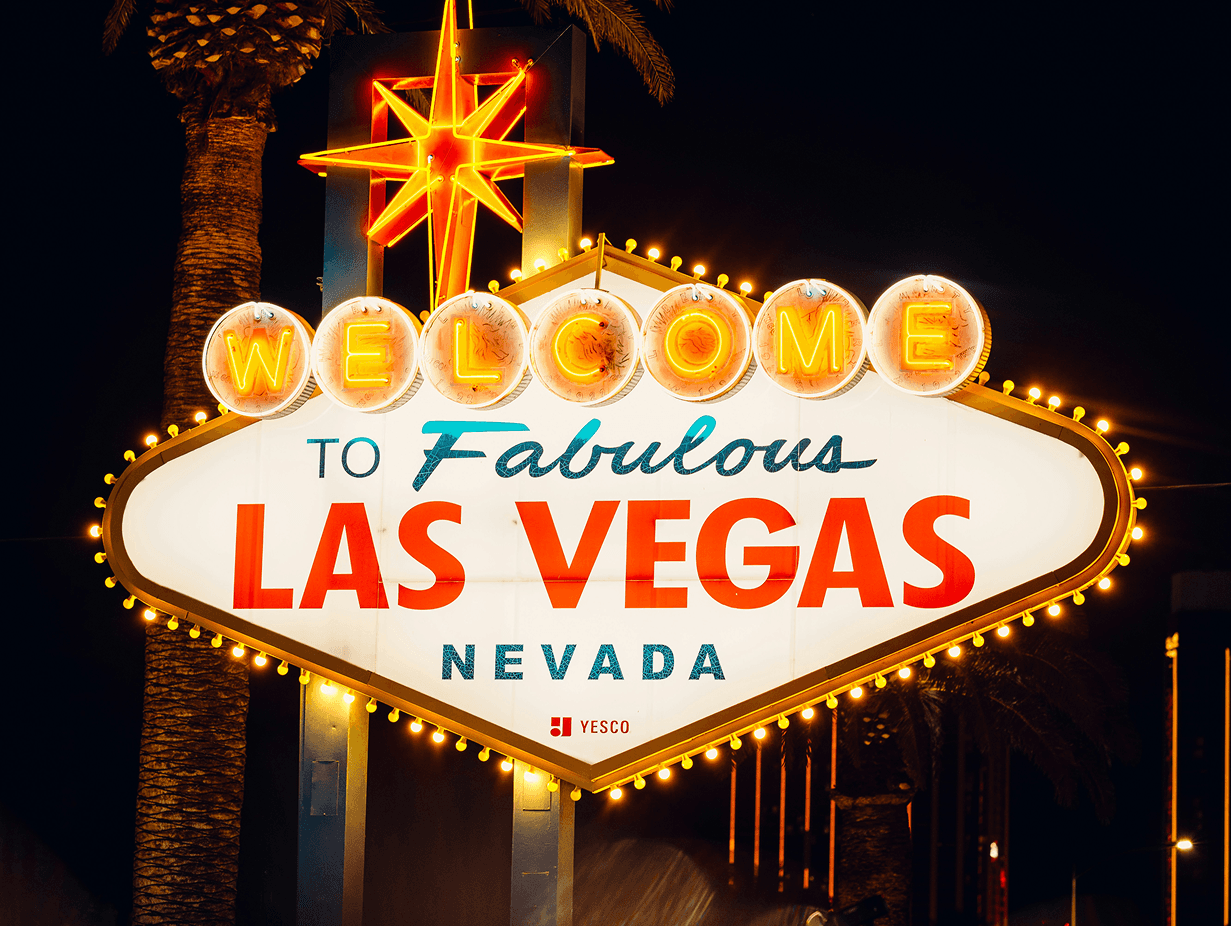
Las Vegas Trade Show Booth Builder
For custom booth projects that need design, fabrication, logistics, and show-site execution support.
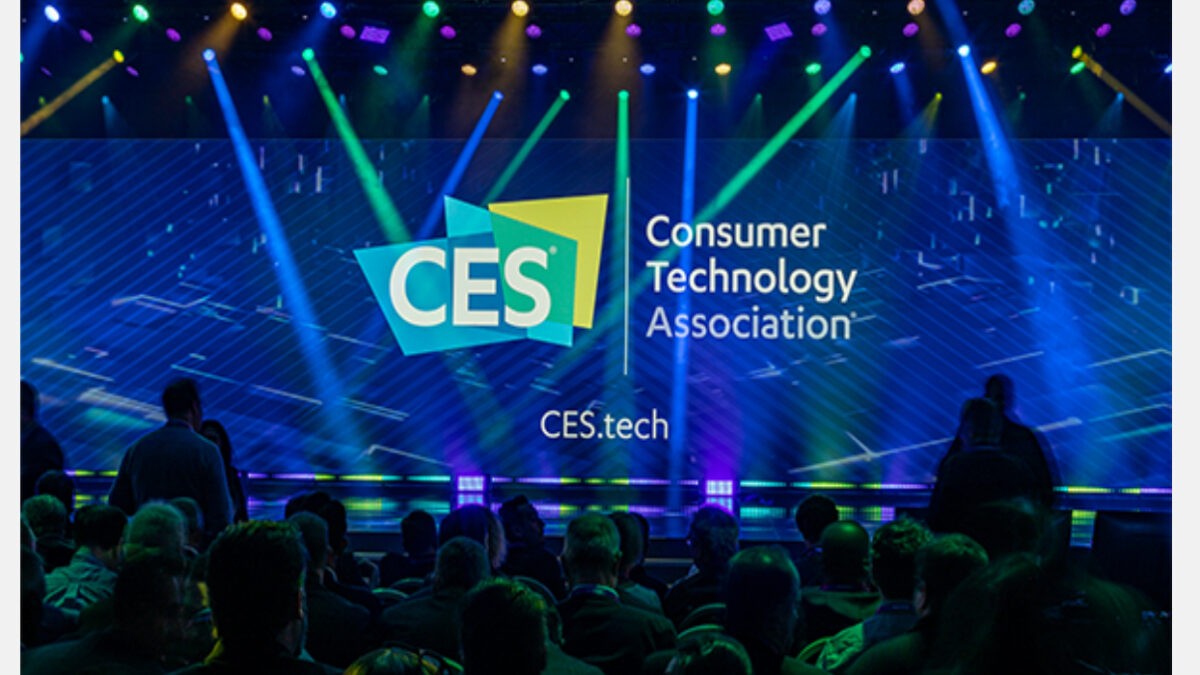
Customizable Booth Rental in Las Vegas
For rental-friendly booth systems that need branded graphics, modular structure, and coordinated show-floor setup.
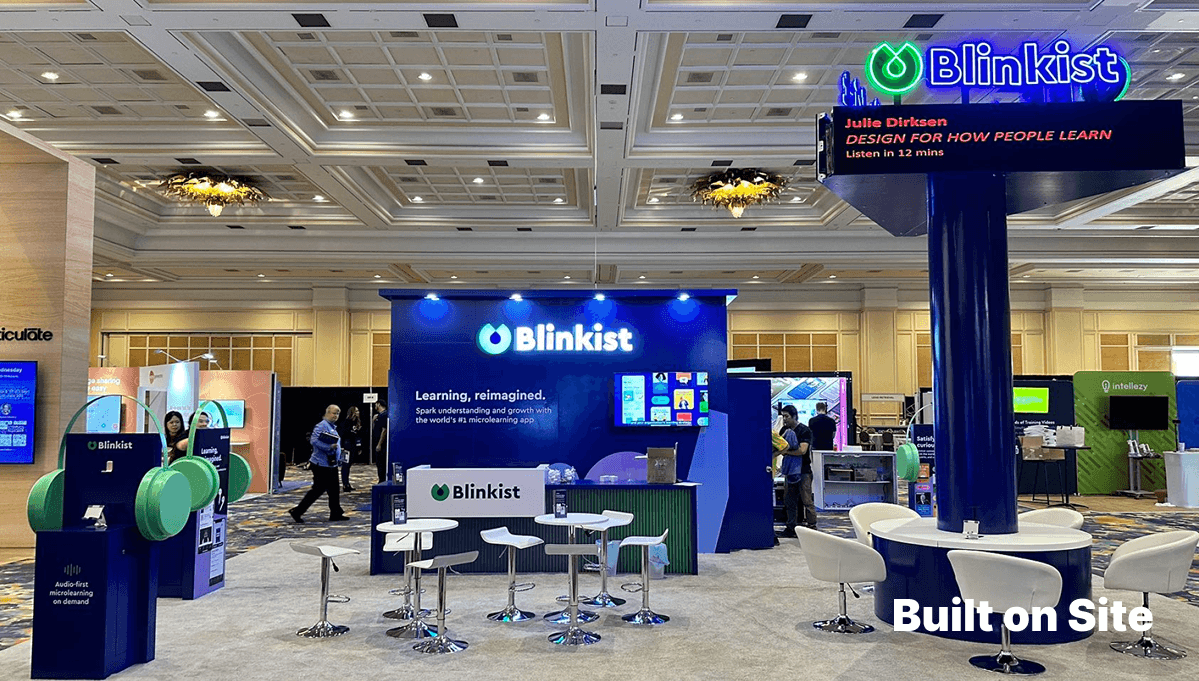
On-Site Installation & Dismantle
For setup sequence, graphics alignment, final adjustments, dismantle, repacking, and closeout after the show.
Trade Show Booth Case Studies
See how booth logistics, graphics, installation, and venue execution connect in real projects.
FAQs
Quick clarity on scope, timeline, and execution workflow
Quick clarity on scope, timeline, and execution workflow
What does trade show booth logistics include?
Trade show booth logistics includes freight planning, crate labeling, drayage coordination, advance warehouse or direct-to-show delivery review, move-in scheduling, venue access notes, and show-site handoff before installation begins.
Why is drayage important for trade show booth planning?
Should logistics be planned before booth fabrication is finished?
Do rental booths need logistics coordination?
Need Help Coordinating Booth Logistics Before the Show?
Need Help Coordinating Booth Logistics Before the Show?
Share your show name, booth size, venue, freight status, and move-in timeline. Circle Exhibit teams can help review logistics needs before your booth reaches the venue.