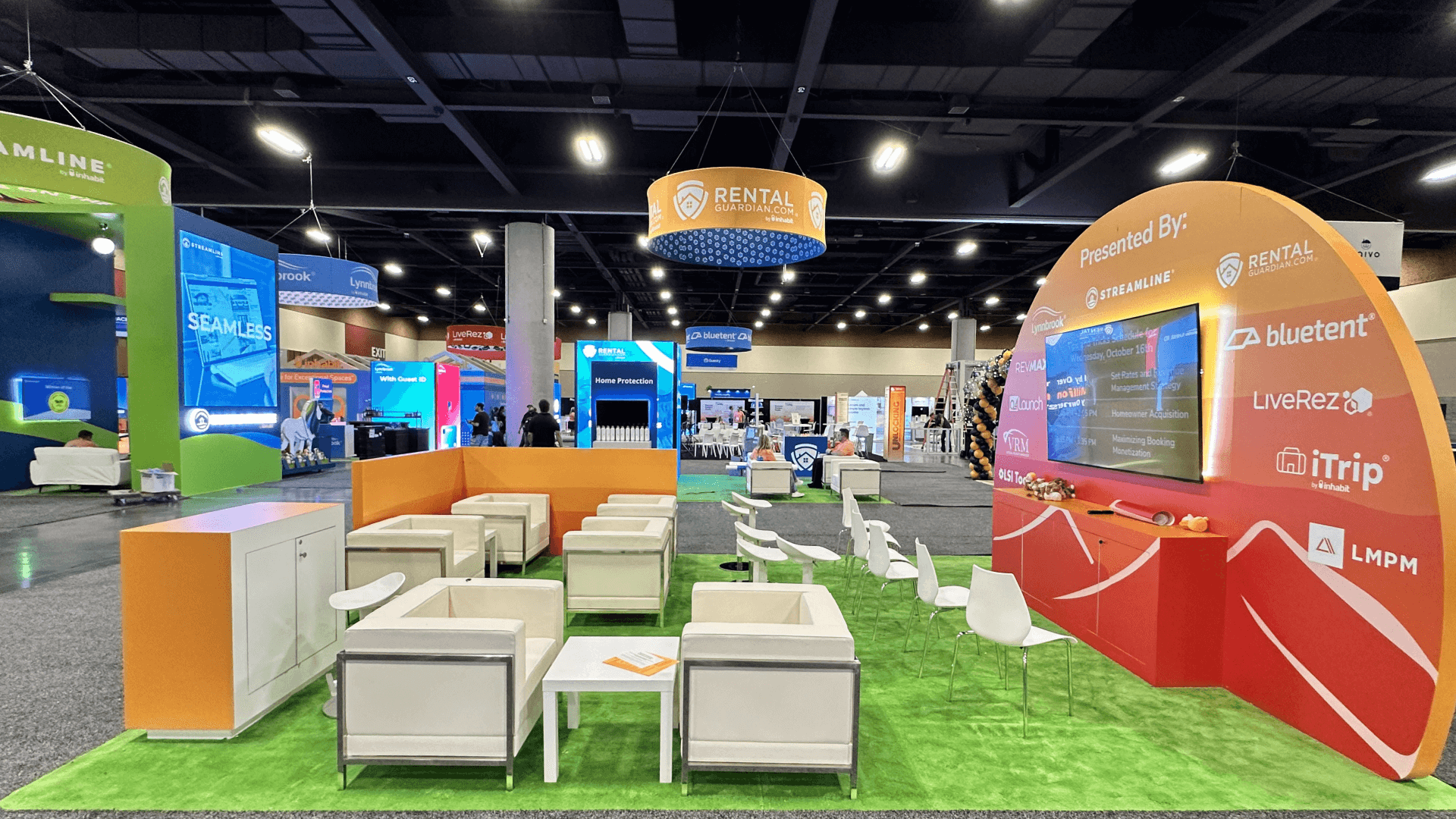
AWS re:Invent Partner Booth Planning

How Should AWS Partners Plan an AWS re:Invent Booth?
An AWS re:Invent partner booth should first show what the company adds to the AWS environment and which customer problem the solution addresses. Visitors can then move from a short live demo to the right product or technical specialist, with enough space for scheduled customer meetings. Sponsor requirements, booth services, staffing, storage, and backup demo content should be confirmed before production begins.
Visitors may recognize the AWS relationship before they understand what the partner actually provides. The first message needs to make the customer problem and partner role clear, then show where the product fits in the AWS environment.
One main use case should lead the story. Visitors can then move into a short product walkthrough, a deeper architecture discussion, or a scheduled meeting. Early booth design and engineering helps keep demo stations, meeting space, equipment, and specialist handoffs from competing with one another.
Broader AWS re:Invent booth planning covers the full Expo program. Partners have an additional task: connecting their own value to the AWS environment without turning the exhibit into a wall of diagrams. Compared with many Las Vegas technology trade shows, AWS re:Invent places more pressure on live integrations, technical depth, and quick handoffs to the right specialist.
Why Exhibitors Choose Circle Exhibit
Clear scope, transparent quote review, nationwide booth support, and efficient setup planning for qualified rental and custom exhibit projects.
48hr
Setup Window
10+
Years Since 2014
U.S.
Trade Show Support
Real
Booth Project Proof
Choose the footprint around how many demos, specialists, and customer conversations need to happen at the same time. Screen count matters less than whether separate teams and visitors need their own working space.
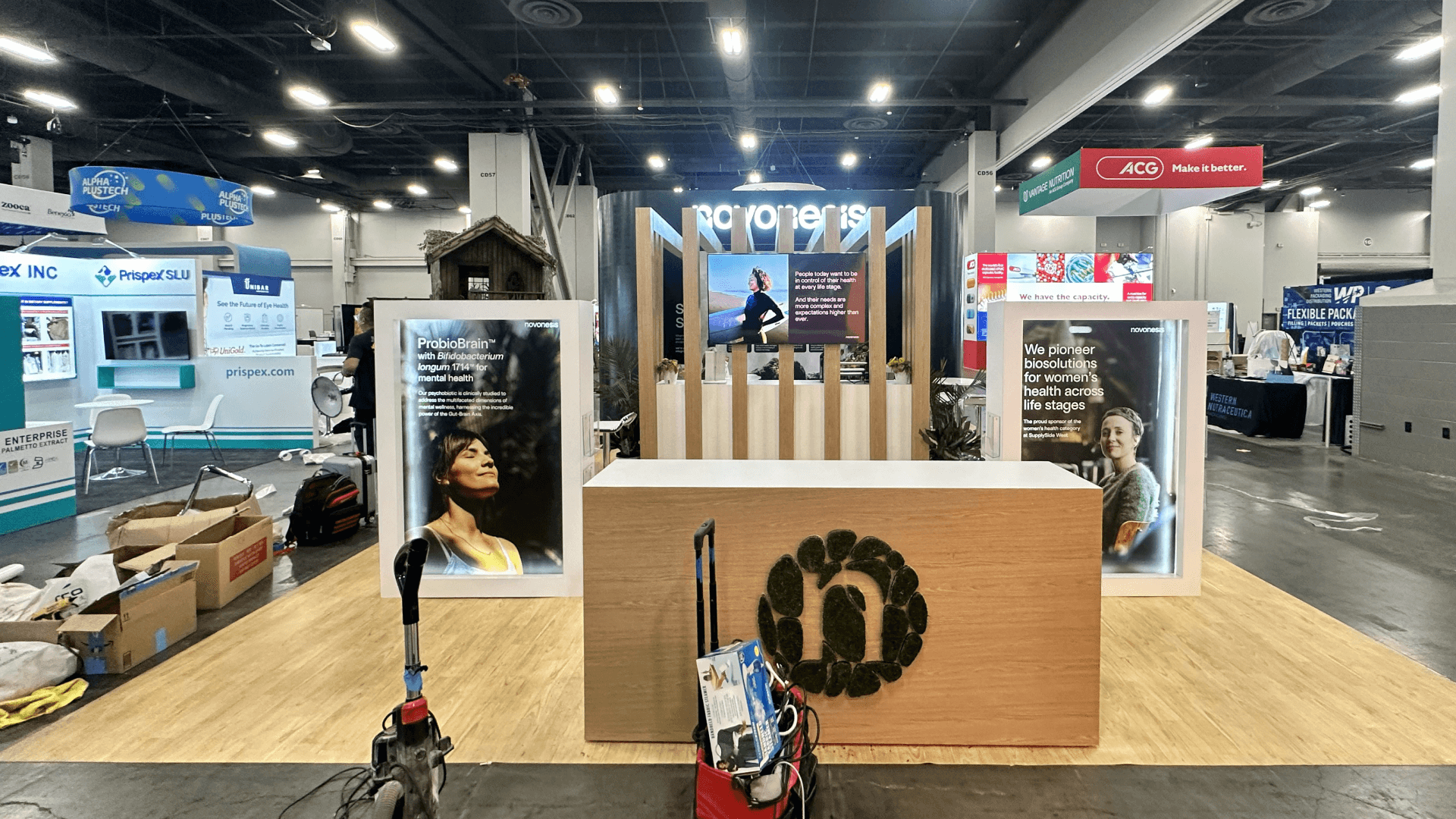
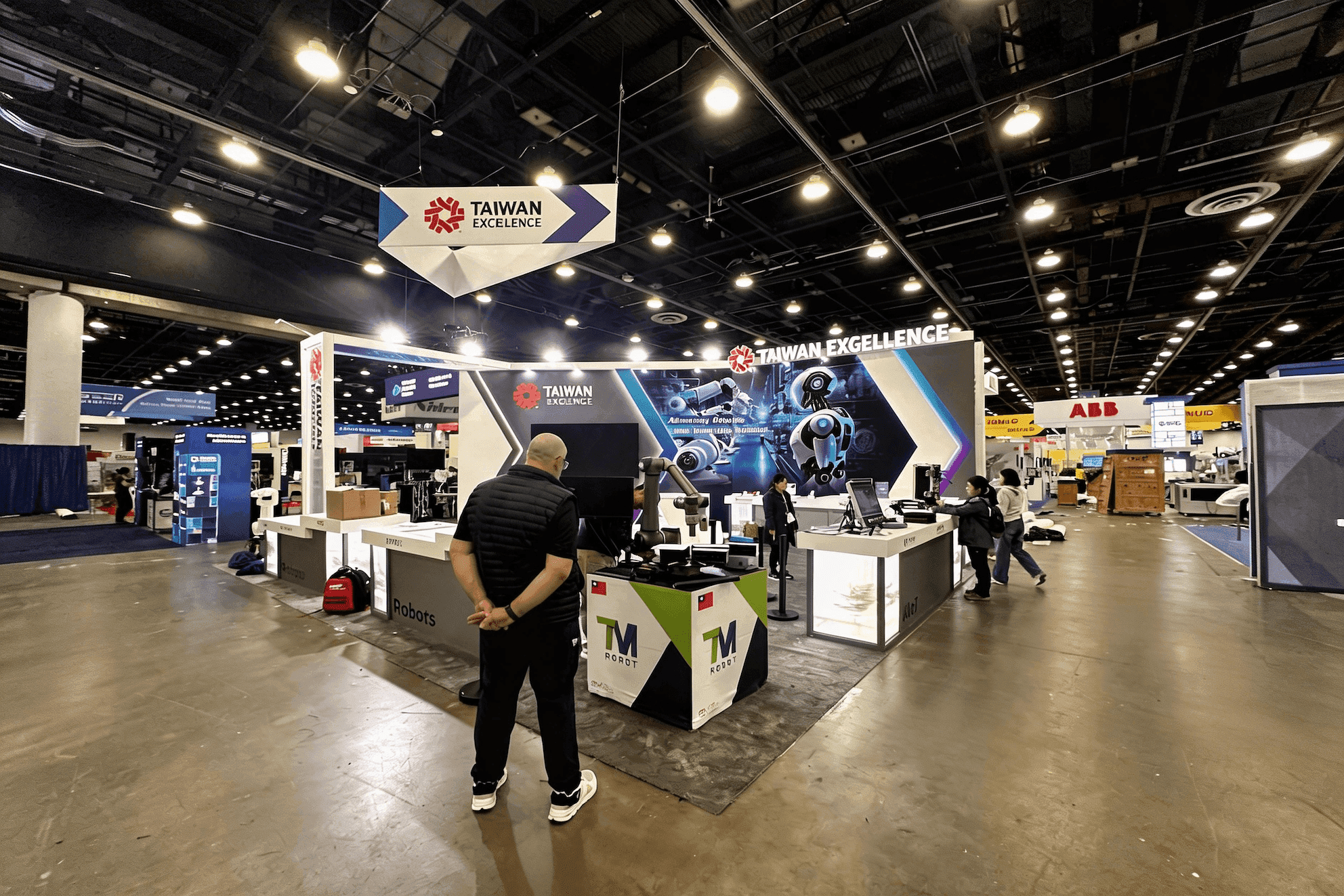
A 10x20 booth fits one product story, one main AWS use case, and one or two guided demos. Reception and storage need to remain compact, while longer architecture discussions may need to continue elsewhere.
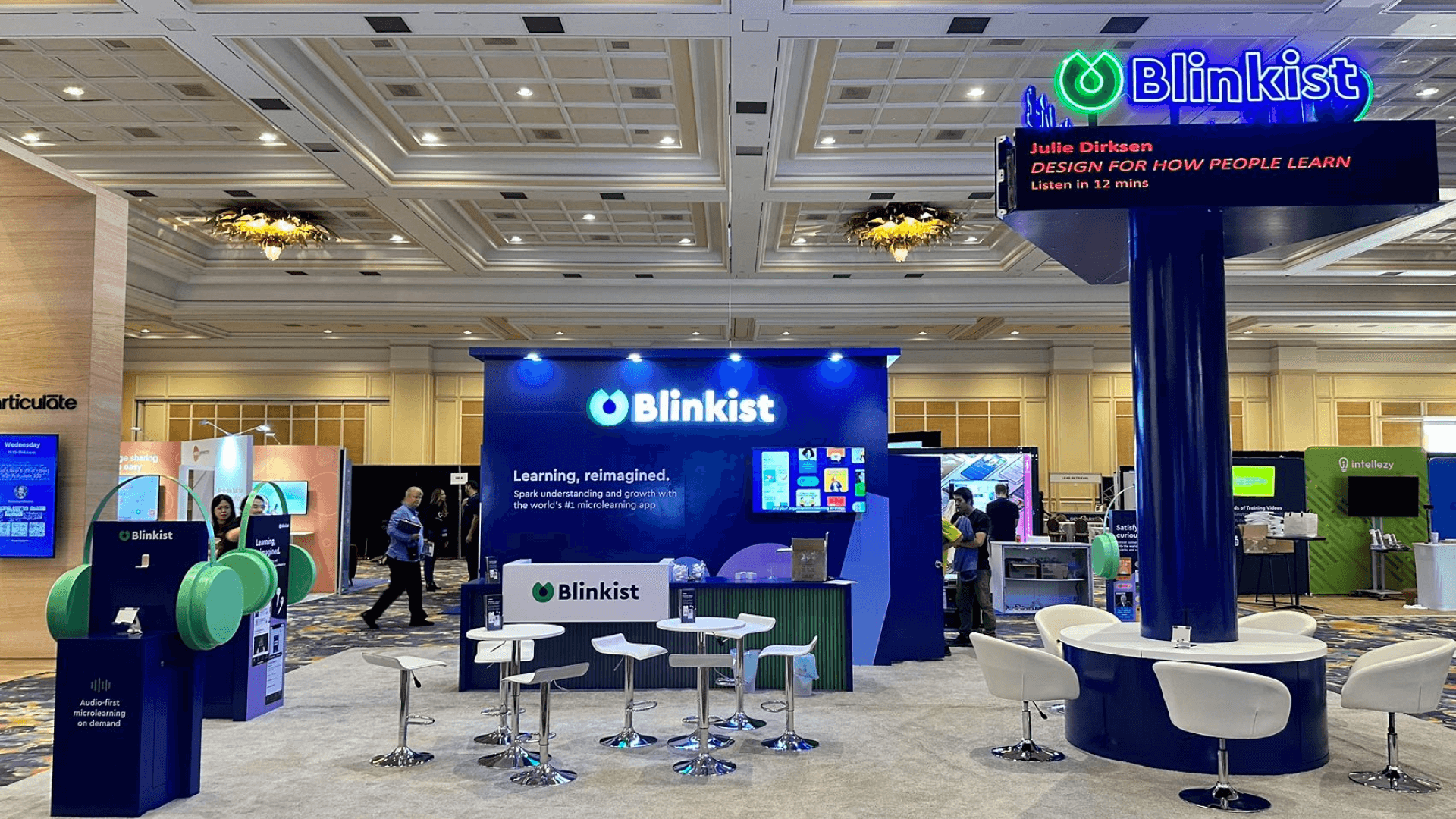
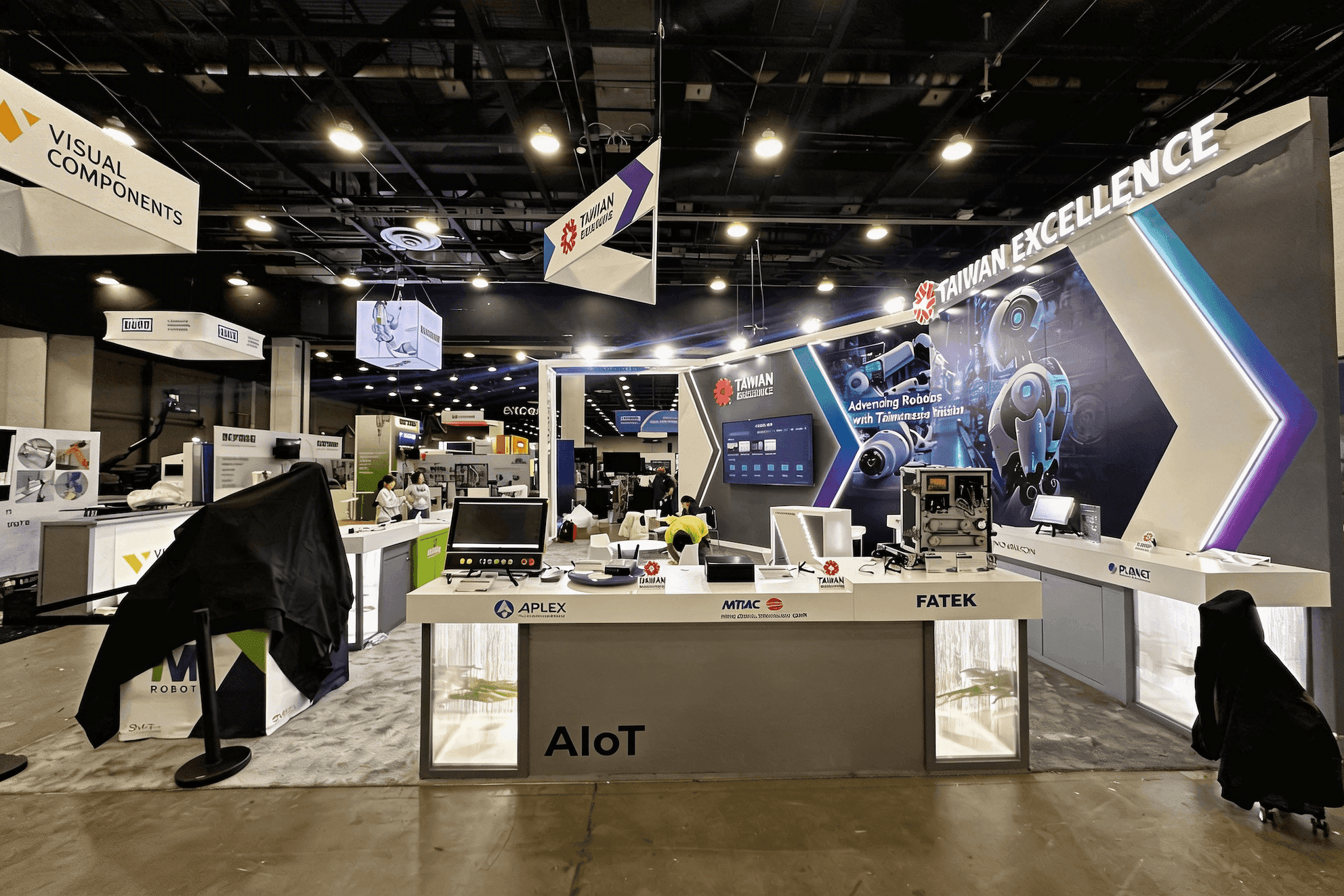
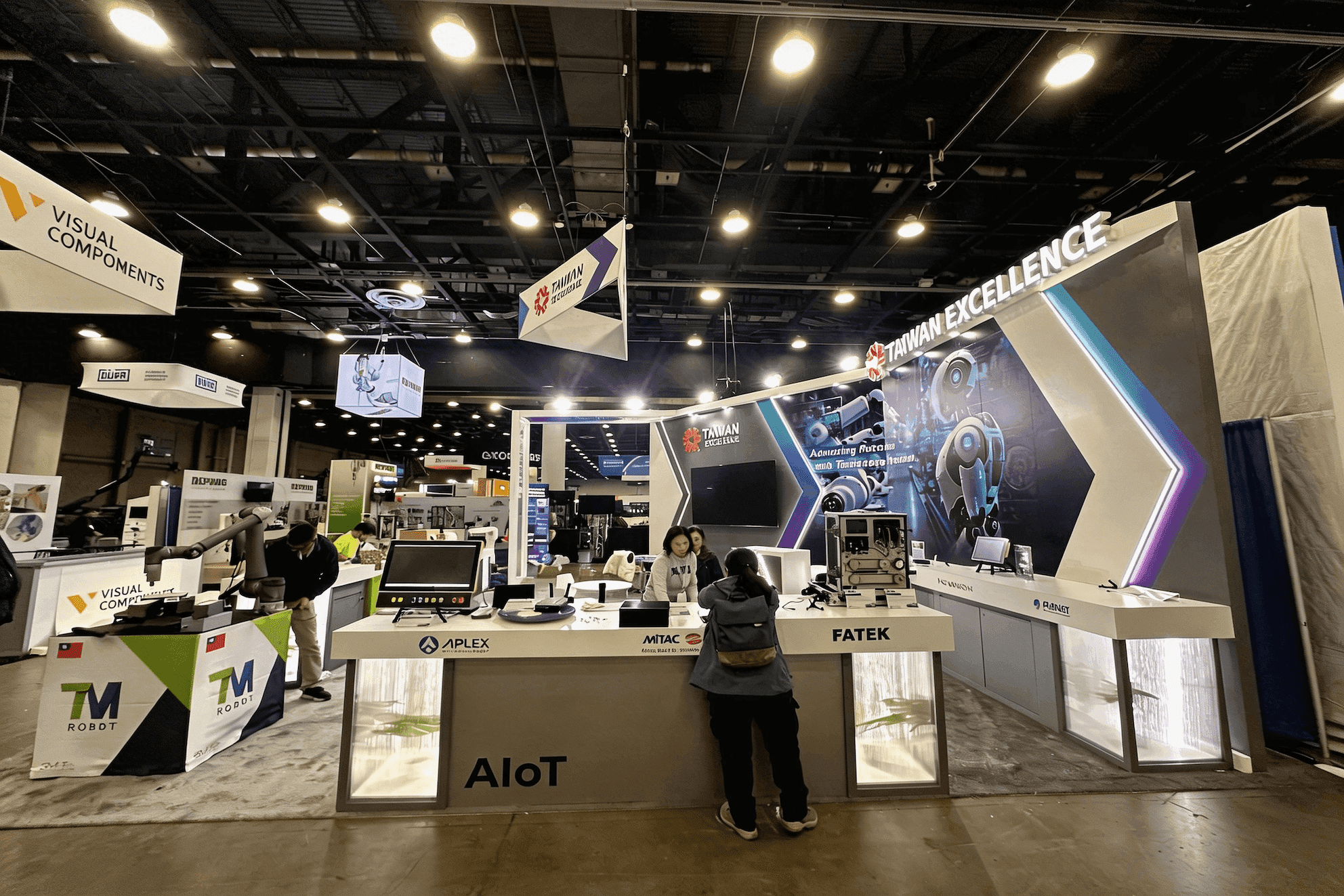
A 20x30 booth gives exhibitors room to separate quick demos, architecture discussions, and scheduled meetings. Several integrations or industry use cases can be presented without forcing every conversation onto the same screen.
A 20x20 booth layout can support two focused demo points, a small discussion area, and concealed storage. It works well when one partner story leads the booth and technical questions can move quickly to the right specialist.
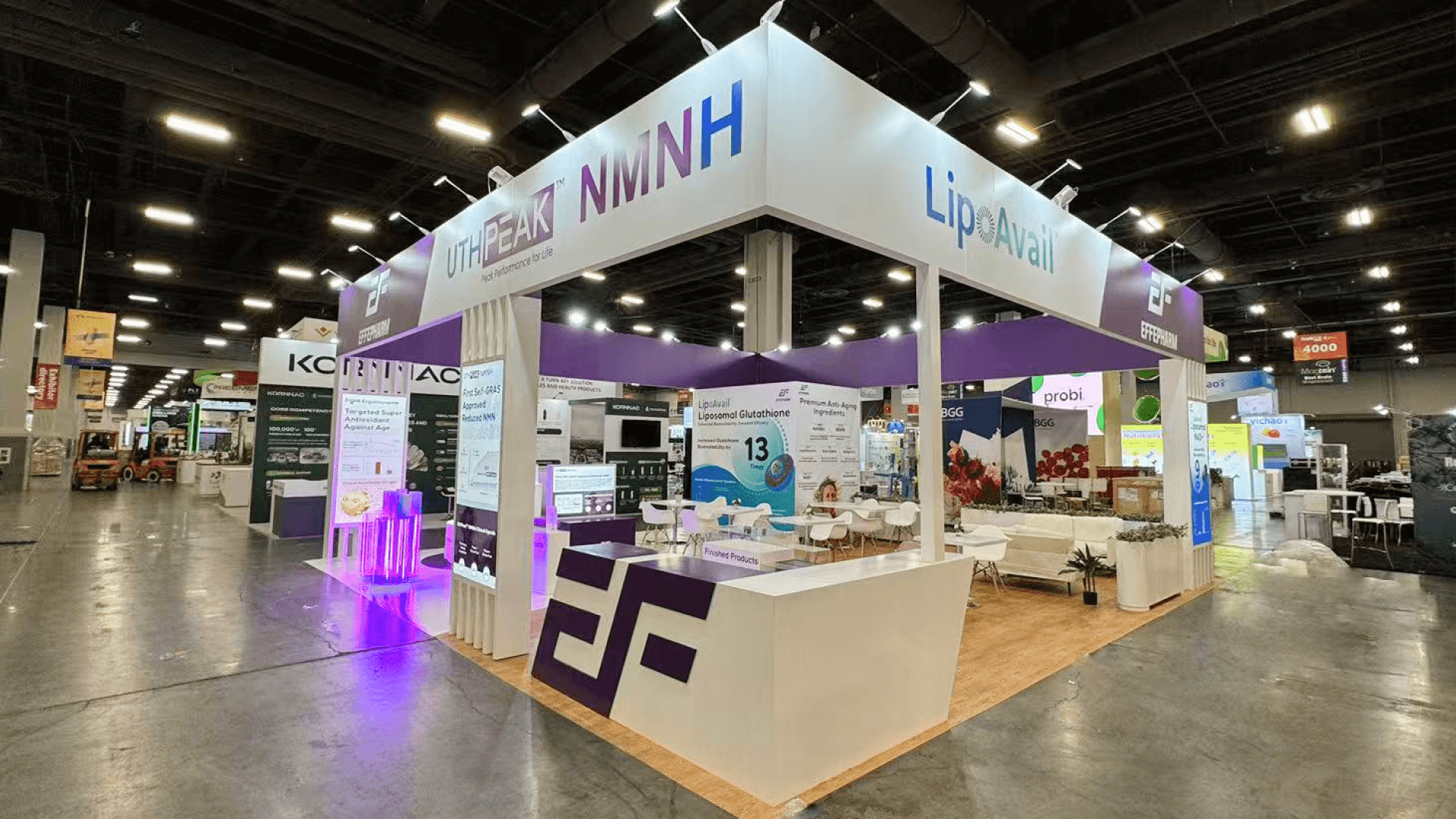
A 30x40 booth layout suits multiple product groups, a presentation area, and more private customer or executive meetings. The added space only works when each zone has a defined audience, staff role, and next step.
Partner exhibits often rely on connected demos, specialist handoffs, backup content, and scheduled meetings. AWS re:Invent Expo Booth Execution Planning follows those needs through packing, move-in, testing, daily operation, and dismantle.
A partner booth does not need to explain every service or integration at once. Visitors first need enough context to understand the offer, choose a relevant demo, and reach the right person for a deeper conversation.
AWS branding and service names provide context, but they do not explain what the partner adds. Clear booth graphics and brand presentation should show the customer problem, the partner’s role, and where the product fits in the AWS environment.
Show the sequence the customer would actually follow—connect, migrate, secure, analyze, deploy, or operate. Introduce architecture detail only when the conversation moves beyond the main use case.
Connect product capabilities to a result the visitor can understand, such as faster deployment, less manual work, better visibility, or lower operating risk. Avoid claims the booth team cannot explain with a demo, example, or customer proof.
After reception or a short demo, visitors should be able to reach the right product specialist, industry lead, or meeting contact without repeating the entire conversation.
The Expo opens Monday afternoon and continues daily through Thursday at The Venetian. AWS re:Invent runs through Friday, with sessions and activities spread across several Las Vegas properties.
The zone connects attendees with AWS Partners working across AI, migration, security, and industry solutions. Its AWS Marketplace Showcase gives visitors another way to evaluate ready-to-deploy options.
Current sponsorship options include private meeting rooms, Lightning Talks, breakout sessions, and networking receptions. Partners using several formats should keep the same use case and value story consistent across the booth, sessions, and customer meetings.
Not Sure Which Booth Size You Need?
Not every exhibitor knows whether a 10x20, 20x20, 20x30, or larger booth is the right fit. Circle Exhibit can help review your event goals, product display needs, demo areas, meeting space, storage, budget scope, and setup timeline before you choose a booth size.
Architecture Can Arrive Before Context
Too Many Product Stories Blur the Starting Point
1
Start With the Customer Problem
2
3
4
Rental for a Focused Partner Program
A customizable booth rental can work when one partner story, two or three demo points, a small meeting area, and concealed storage share the same footprint. It also leaves room to update graphics or messaging for a future event.
Custom Build for Separate Zones
A custom program with booth fabrication and show-site support becomes more relevant when product groups need their own areas, presentations run inside the booth, or executive meetings need separation from aisle traffic.
Decide What Stays After the Show
Confirm which structures are rented, which graphics and equipment remain client-owned, and who handles packaging, storage, repairs, and future reconfiguration.
The Expo is at The Venetian, but sponsor packages and assigned locations may include different services. Use the current exhibitor materials to confirm access, freight, labor, power, internet, graphics, and move-in details.
A screen may be ready before the product environment is. Test account access, user roles, connected services, demo data, audio, lead devices, and the walkthrough staff will use.
Store recorded demos, architecture screenshots, customer examples, backup devices, chargers, adapters, and access notes in one location. Assign someone to handle opening checks and daily resets.
Sessions and customer activities take place across several AWS re:Invent properties. Keep enough trained staff at the booth while specialists attend meetings or conference sessions elsewhere.
When a Rental Booth Fits an AWS re:Invent Partner Program
For a focused 20x20 or 20x30 partner program, a customizable booth rental can handle two or three demo points, a small meeting area, and concealed storage. The structure can be reused while graphics, product messaging, or demo content change for the next event.
What Should an AWS re:Invent Partner Booth Include?
The booth should include a clear partner message, one or more focused demos, space for technical questions, assigned equipment storage, and a direct route into scheduled customer meetings.
Should AWS Branding Lead the Booth Message?
What Booth Size Works for a Partner Demo Program?
Does Every AWS Integration Need Its Own Demo?
Should the Booth Mention AWS Marketplace?
READY TO PLAN YOUR NEXT BOOTH?
Let’s Build a Booth That Fits Your Event
Share your event name, booth size, city, timeline, product display needs, and design references. Circle Exhibit will review your project direction and help you choose a rental-friendly or custom exhibit path.
3000+
Booth Projects Supported
50+
U.S. Event Cities
Transparent
Quote Review
Start with the broader event page for general booth sizing, live demos, staffing, meeting space, and Expo preparation.
Review venue context, booth access considerations, freight timing, and show-site preparation for exhibits at The Venetian.
See how booth planning changes across cloud, AI, cybersecurity, software, and other technology events in Las Vegas.
Compare common exhibit footprints by demo capacity, meeting needs, visitor flow, storage, and presentation requirements.
Review exhibit fabrication, prebuild checks, freight coordination, installation, dismantle, and local show-site support.