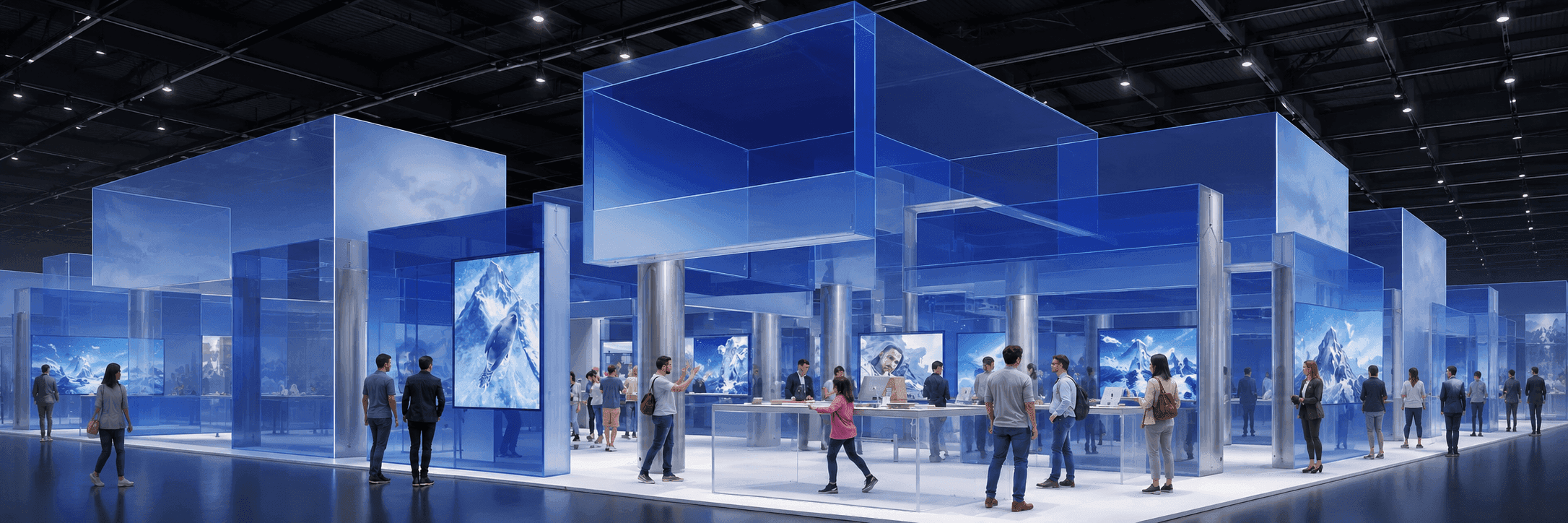

What is a 20x20 trade show booth?
A 20x20 trade show booth provides 400 sq. ft. of exhibit space. It is commonly used for island or peninsula-style exhibits, although the actual number of open sides depends on the assigned floor plan.
Within that footprint, exhibitors can usually combine a primary demo or product presentation with reception, a small meeting area, screens, branded graphics, and concealed storage. The challenge is not filling the space—it is deciding which functions deserve priority.
20 ft. × 20 ft.
400 sq. ft. footprint
Multiple Entry Points
Depending on the assigned open sides
Demo + Conversation
Enough room to separate active and quieter functions
Integrated Storage
When planned into counters or structure early
Start With the 20x20 Footprint and Open Sides
Before choosing a booth style, confirm how the space connects to the surrounding aisles.
A four-side island behaves very differently from a 20x20 footprint with only two primary visitor approaches. Reception, demos, screens, storage, and meeting areas should follow the actual traffic pattern rather than a generic rendering.
Four-Side Entry
Keep the perimeter open and place the strongest booth feature closer to the center. Visitors should be able to understand the booth from more than one direction.
Two Primary Aisles
Use the strongest traffic sides for demos, reception, or product messaging. Quieter functions can sit deeper inside the footprint.
Center Aisle
A clear route through the booth can divide two activities without adding walls—for example, a demo zone on one side and conversations on the other.
Controlled Entry
Some exhibits work better with fewer intentional entry points, especially when visitors need to stop for longer demos or focused conversations.
Do not assume all four sides of a 20x20 footprint will be open. Use the actual exhibitor floor plan before finalizing the layout.
When a 20x20 Booth Makes Sense
A 20x20 booth works well when a 10x20 feels too linear, but the program does not yet require the scale of a 20x30 or 30x30 island.
It is a useful middle ground for exhibitors that need several functions without turning the booth into a collection of separate rooms.
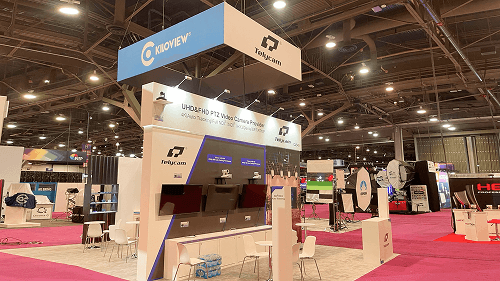
Product demo booth
There is enough room for visitors to stop, watch, test, or discuss a product without forcing every interaction into the aisle.
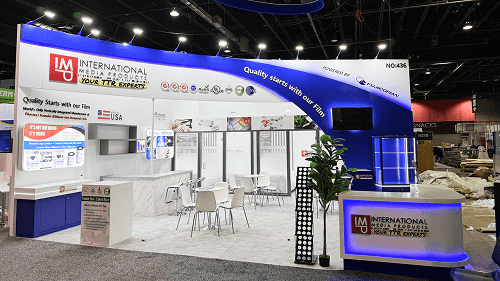
Reception + Conversation
A defined greeting point can help staff direct visitors toward demos, sales conversations, or product displays.
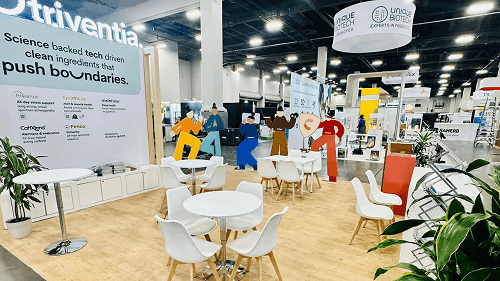
One Small Meeting Zone
A compact seated area can work well as long as it does not take over the footprint.
Screens and Product Displays
Displays can face different visitor approaches while the center of the booth remains open.
Staff Storage
Counters, structural walls, or enclosed elements can hide bags, literature, equipment, and personal items without adding loose cabinets later.
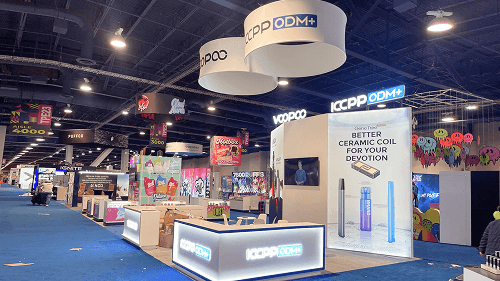
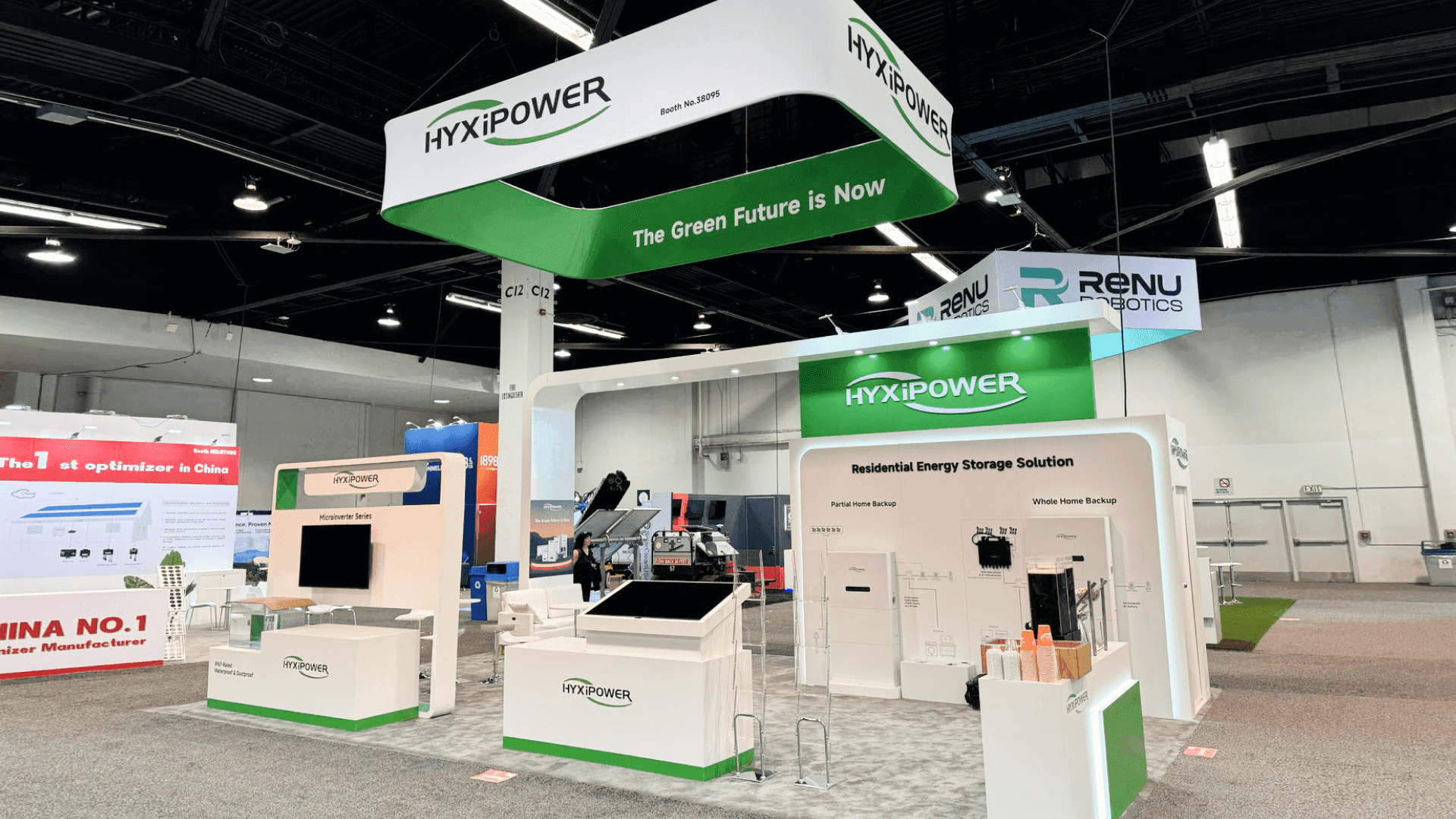
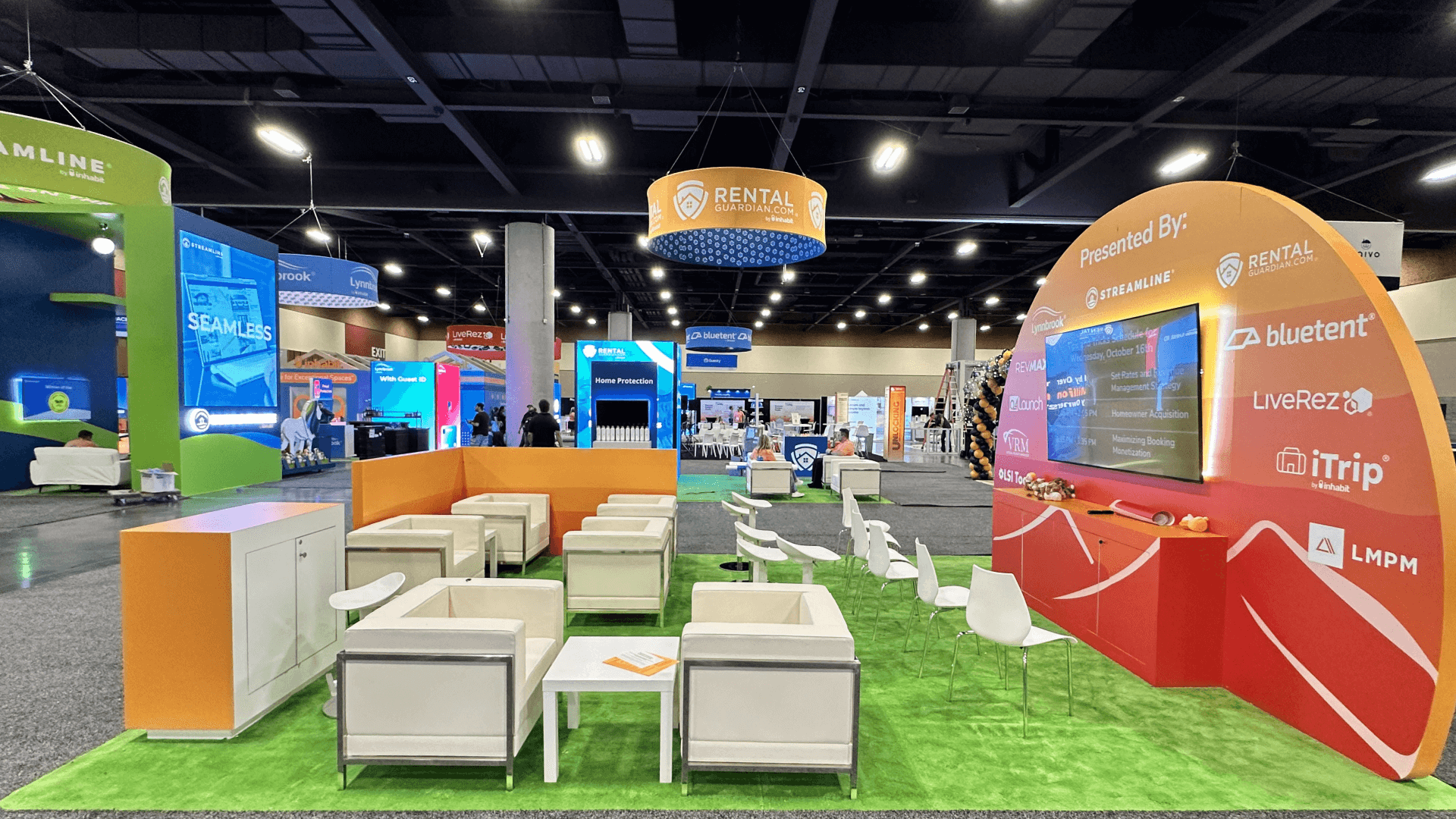
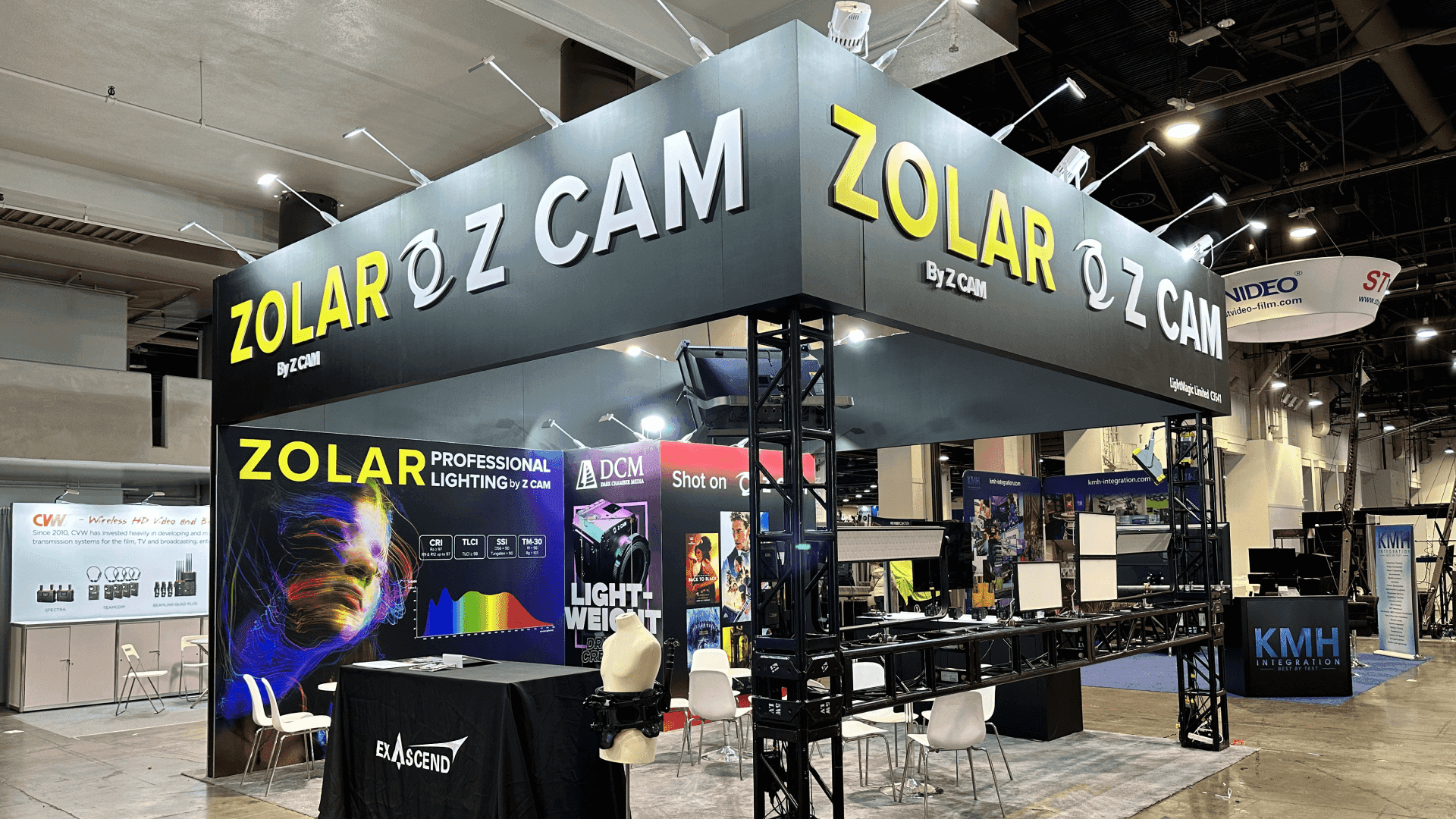
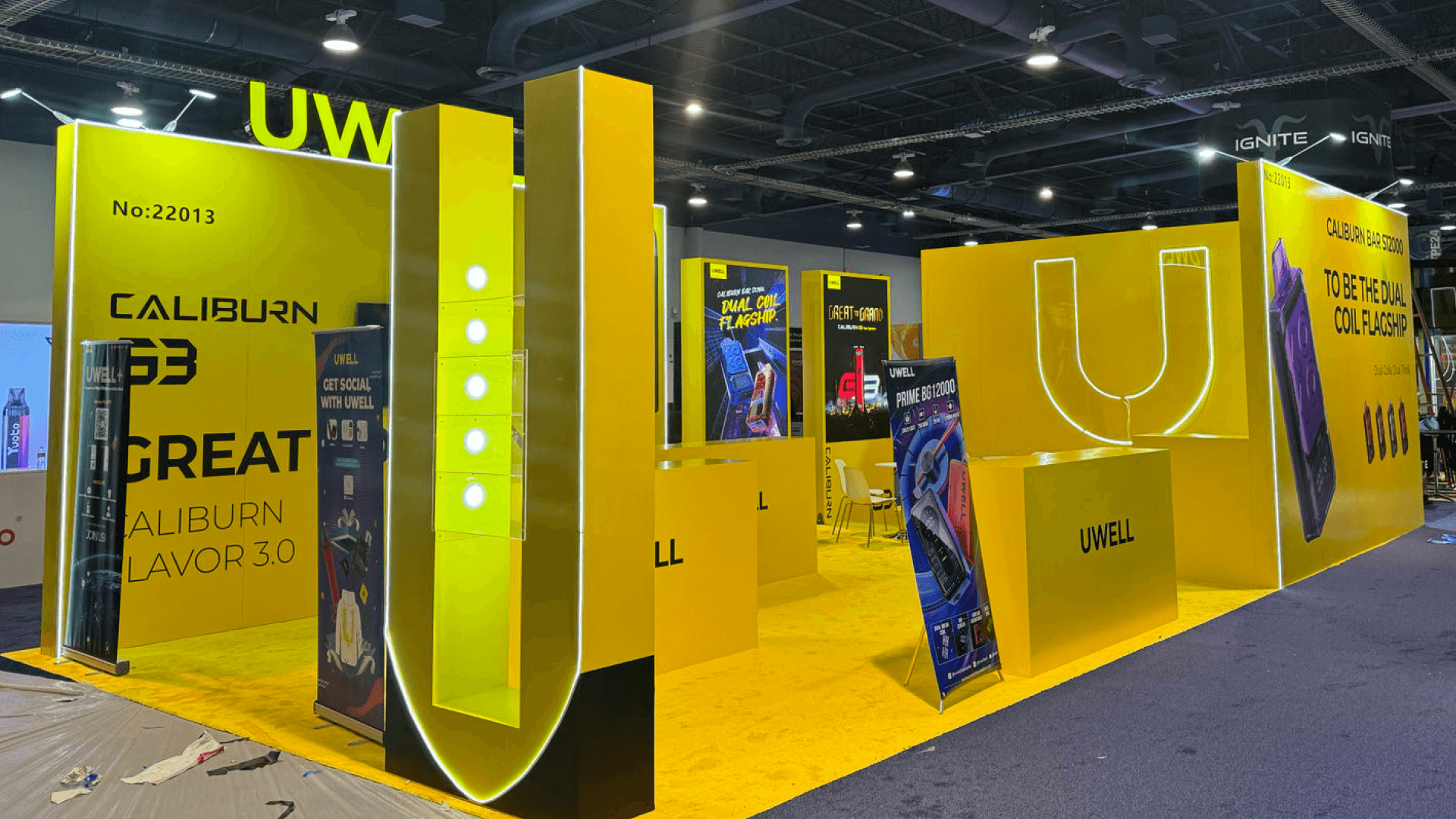
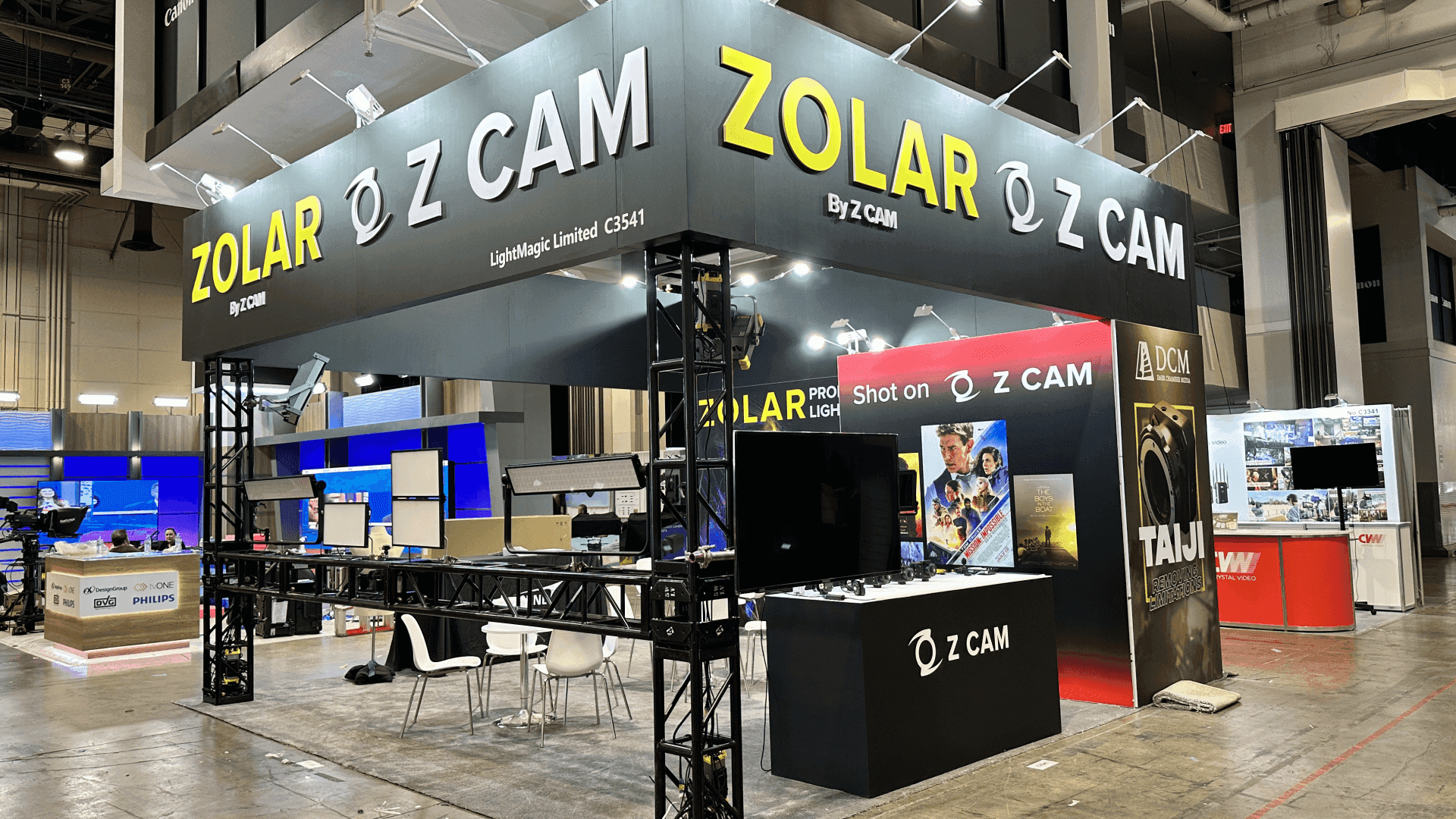
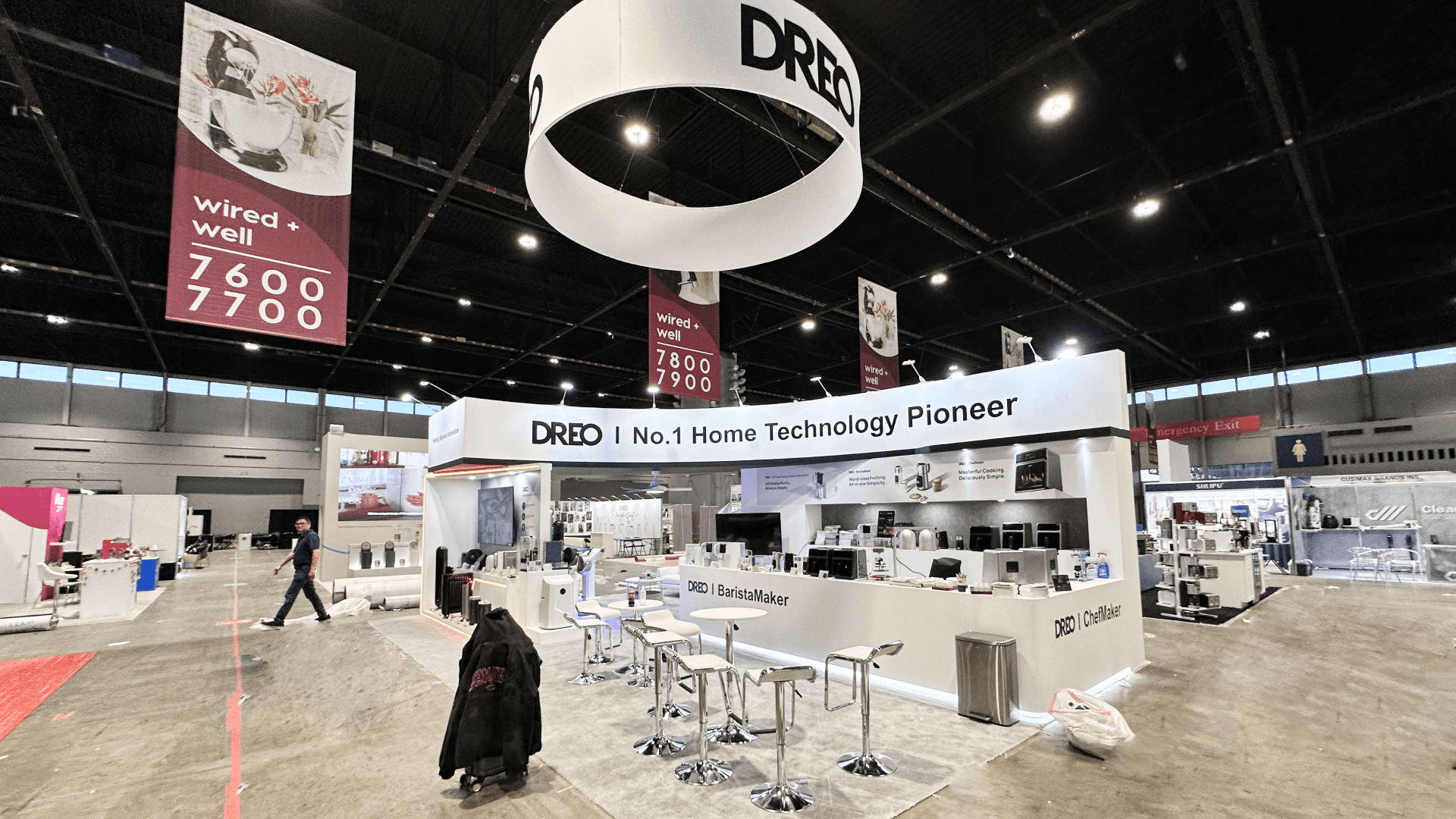
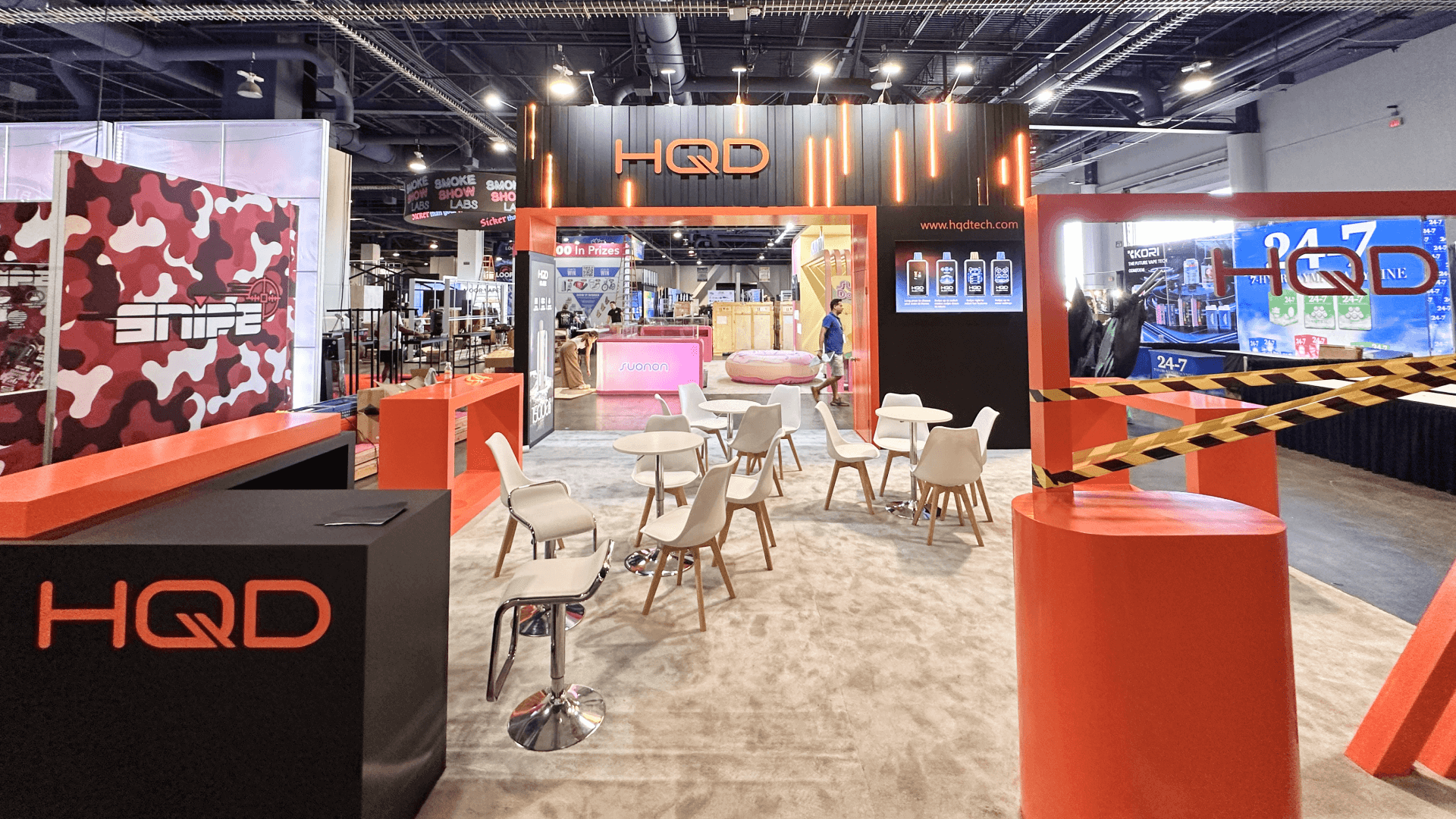
Real 20x20 Booth Project References
The same 20x20 footprint can behave very differently depending on the product, open sides, visitor path, and amount of meeting space required.
Use these projects to compare how the space was organized, not simply how each booth looked.

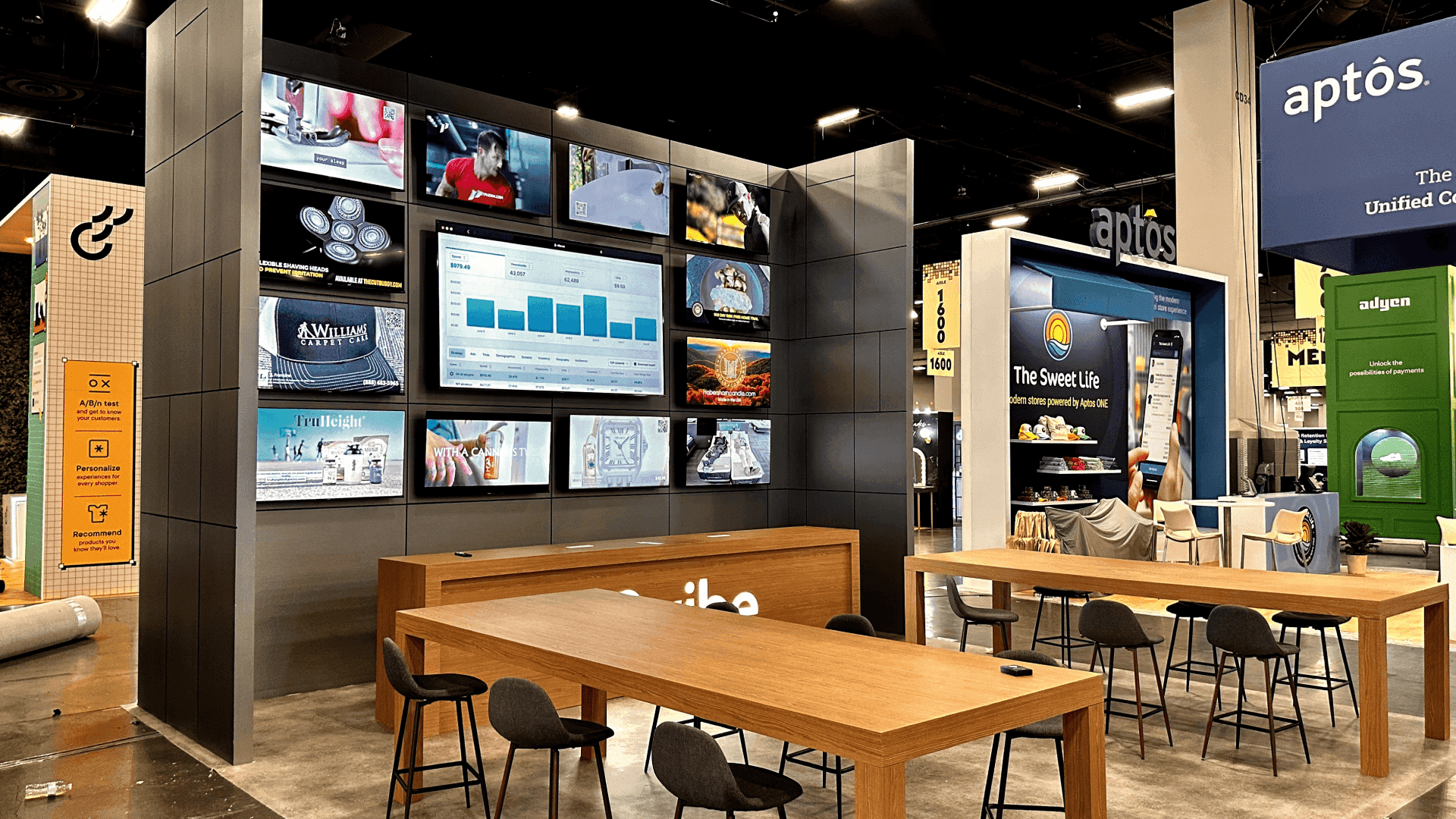
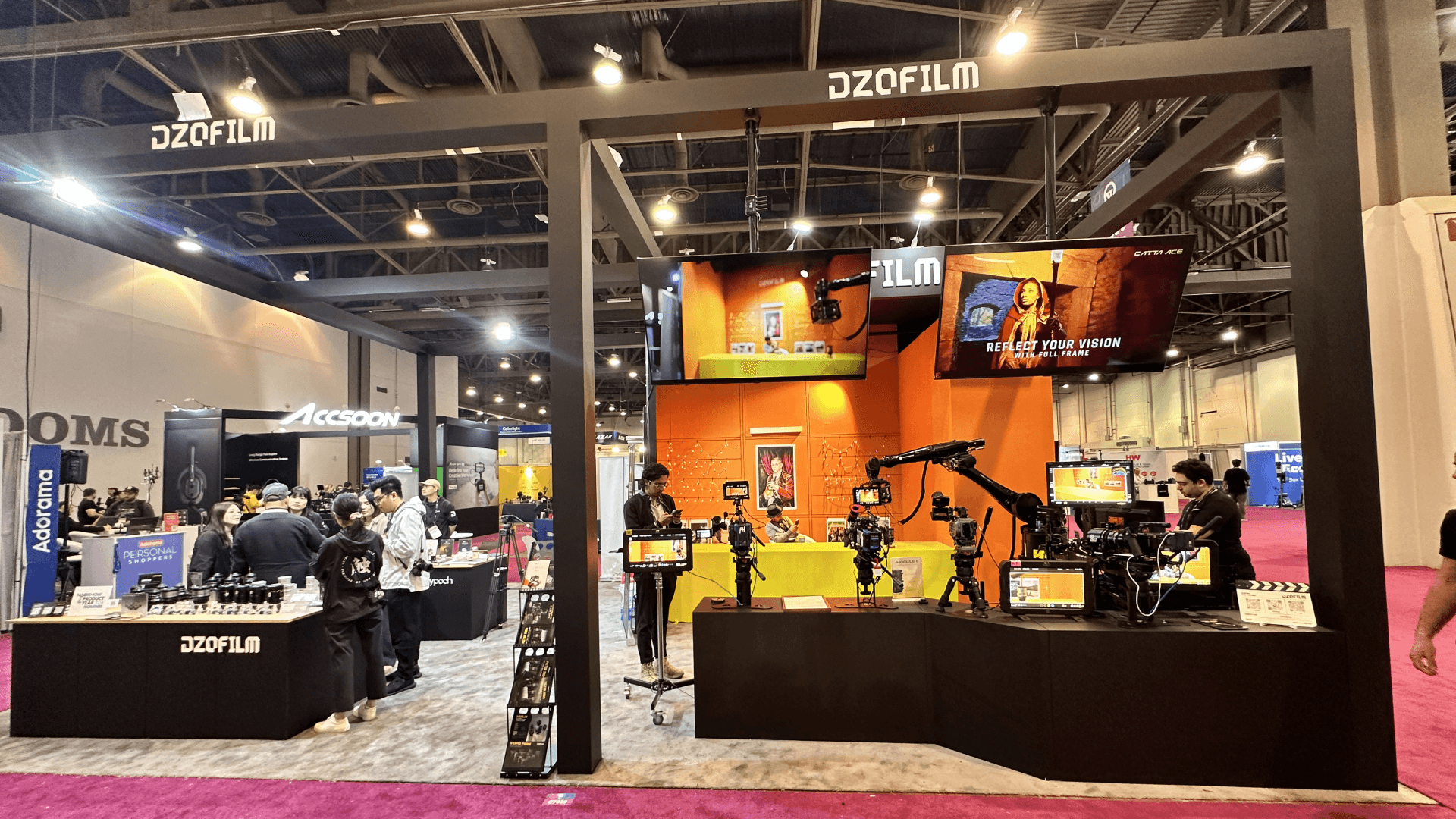
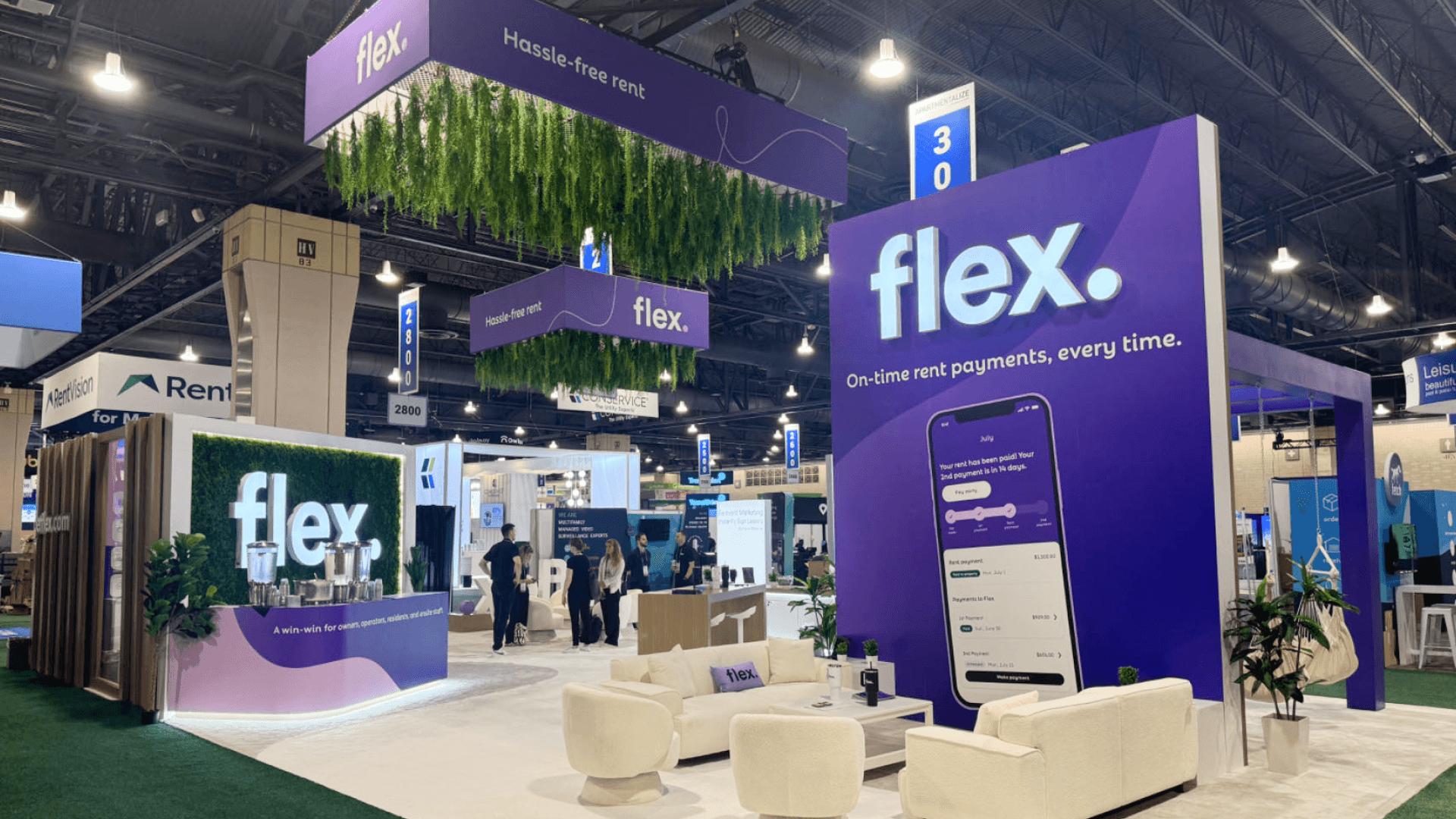
Want to compare more 20x20 booth layouts, graphics, logistics, and installation details? View more trade show booth case studies.
What Can Fit Inside a 20x20 Trade Show Booth?
A 20x20 booth works best when one main activity leads the layout and the remaining space supports it. Instead of filling all 400 sq. ft. evenly, organize the booth around a clear visitor path and a few essential functions.
Three Common Space Combinations
Demo-Led Layout
Product Demo · Reception · Storage
Keep the main interaction visible from the aisle, with reception and storage supporting the demo without interrupting visitor flow.
Meeting-Led Layout
Demo · Small Meeting Area · Screen
Use the open side for product interaction and place a compact conversation area slightly deeper inside the booth.
Display-Led Layout
Product Displays · Standing Conversations · Staff Support
Give products and graphics more visibility while keeping enough open floor space for short conversations and staff movement.
Plan the Space in This Order
01
Main Activity
Choose the action visitors should notice or do first.
02
Visitor Flow
Map where people enter, stop, and move through the booth.
03
Demo or Product Area
Reserve enough working room around products and equipment.
04
Conversation Space
Decide whether discussions need standing space or seated meetings.
05
Storage
Keep staff items and supplies accessible without leaving them in view.
The goal is not to fit the most into 400 sq. ft.—it is to give the most important activities enough room to work.
Three Practical 20x20 Booth Layouts
There is no single “best” 20x20 layout. The right one depends on the open sides, product, visitor behavior, staffing, and how long people are expected to stay.
Four-Side Entry + Central Demo
Best For
product launches, technology demonstrations, or exhibits that need visibility from several aisles.
Keep the perimeter relatively open and use the center of the booth for the main product, demo, screen, or branded feature.
Reception can sit near one edge without becoming a front desk that blocks entry.
Works well with:
Central demo · Standing conversations · Screens · Integrated storage
Watch for:
Tall perimeter walls or oversized counters that close off the corners.
Center Aisle + Split Zones
Best For
booths that need two different activities inside the same footprint.
A clear route through the center separates the booth without adding enclosed rooms. One side might handle demonstrations while the other supports product consultation, a screen presentation, or short conversations.
Works well with:
Demo zone · Product display · Consultation area · Compact storage
Watch for:
Furniture creeping into the center path and making the layout feel narrower than 20 feet.
Demo + Meeting + Storage
Best For
exhibitors that need active product interaction and a quieter place for sales conversations.
Place the main demo closer to the strongest aisle, move the meeting area slightly deeper into the footprint, and keep staff storage close enough to use without crossing through visitor conversations.
Works well with:
Front demo · Reception · One small meeting zone · Screen · Staff storage
Watch for:
Turning the meeting area into a large lounge and losing too much demo or circulation space.
Planning demos and meetings inside the same footprint? See our 20x20 booth planning guide for product demos and meetings.
How Many Staff Can Work in a 20x20 Booth?
There is no fixed staffing number for a 20x20 booth. The useful number depends on how many people need a permanent station and how many visitor conversations happen at the same time.
As a planning rule of thumb:
2–4 Active Staff
Usually comfortable for a booth built around one demo, reception, and short conversations.
5–6 Active Staff
Still workable when the layout stays open and not every team member needs a chair, desk, or fixed station.
7+ Staff
At this point, staffing can begin to compete with visitor space. Rotating team members or reducing fixed furniture may work better than trying to place everyone inside the booth at once.
These are planning ranges, not occupancy limits. A booth that feels open with four staff can feel crowded quickly once several visitors stop for a demo.
What Usually Does Not Fit Comfortably in a 20x20 Booth?
Four hundred square feet gives you flexibility, but it still forces choices.
A 20x20 booth starts to feel crowded when too many space-heavy functions are treated as equally important.
Multiple Enclosed Meeting Rooms
Two or more enclosed rooms can consume most of the usable footprint and make the booth feel closed from the aisle.
Large Lounge + Multiple Demo Stations
Both need circulation around them. Putting them together often leaves less usable space than the floor plan suggests.
Oversized Product Displays
Large equipment needs more than its physical footprint. Visitors, staff, operation, power, and service access all take additional room.
Too Much Furniture
Extra tables and chairs can reduce flexibility faster than walls do.
Large Back-of-House Storage
If cases, inventory, equipment, and staff belongings require substantial storage, 20x20 may no longer be the right footprint.
Too Many Simultaneous Activities
A demo, meeting room, lounge, reception desk, screens, products, and storage may all fit on a drawing. That does not mean they will work well together during the show.
If every function feels essential, the question may no longer be “How do we fit everything into 20x20?”
It may be:“Is 20x20 still the right booth size?”
Compare Trade Show Booth Sizes
Before You Approve a 20x20 Booth Layout
Define the Main Visitor Action
Decide whether the booth is mainly built for demos, product inspection, meetings, lead qualification, or another activity.
Confirm the Open Sides
Use the actual show floor plan rather than assuming all four sides will stay accessible.
Keep a Clear Visitor Path
Counters, seating, displays, and structure should not create unnecessary bottlenecks.
Place the Main Demo Deliberately
Put the primary interaction where visitors can notice it without creating congestion directly at the aisle edge.
Protect Staff Storage
Plan storage before production instead of adding loose cabinets after the layout is already full.
Check Graphic Sightlines
Key brand messages should remain visible from the approaches that actually matter.
Confirm Screens, Power and Equipment
AV, demo equipment, power access, devices, and cable routing need to be considered before structure is finalized.
Test Staff + Visitor Density
Review the layout with realistic numbers of people inside it—not as an empty rendering.
Once you know how the 20x20 footprint needs to work, the next step depends on what you are looking for.
Need Inspiration?
See different ways exhibitors use open layouts, demo areas, screens, meetings, product displays, and visitor flow inside the same 400 sq. ft. footprint.
Explore 20x20 Trade Show Booth Ideas
Ready to Compare Actual Starting Points?
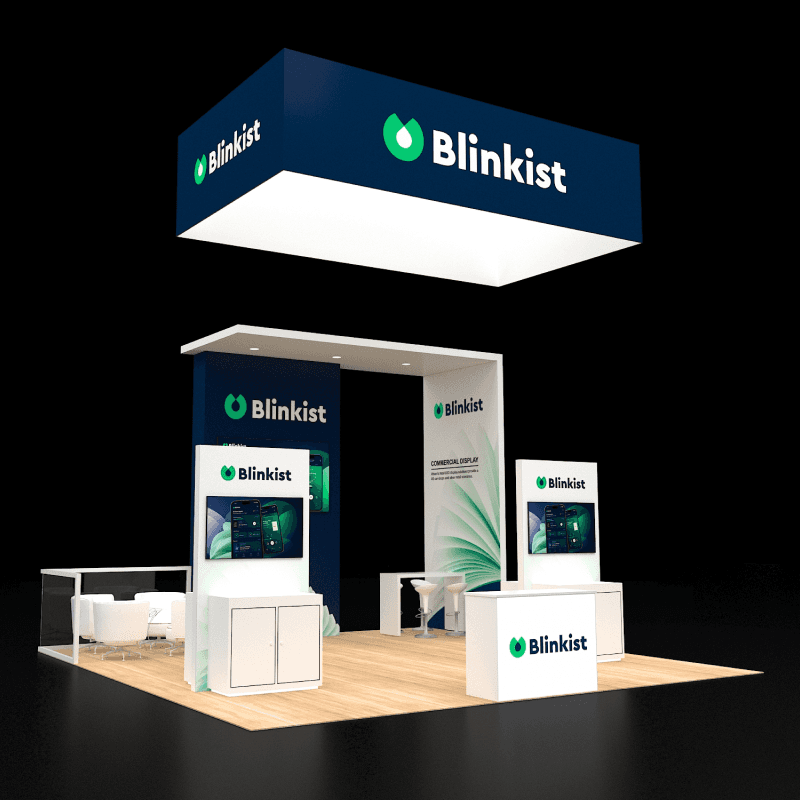
Review rental-friendly 20x20 configurations that can be adapted with graphics, counters, screens, storage, meeting areas, and product presentation.
Browse 20x20 Rental Booth Designs
20x20 Booth Rental in Las Vegas
FAQs
Is a 20x20 trade show booth considered an island booth?
A 20x20 footprint is commonly used for island or peninsula-style exhibits, but the actual configuration depends on the space assigned by the show organizer. Confirm the open sides before planning entrances, walls, graphics, and demonstrations.
How much space is in a 20x20 trade show booth?
Can a 20x20 booth include a demo area and meeting space?
How many staff members can work in a 20x20 booth?
When should I consider a booth larger than 20x20?
Planning a 20x20 Booth for an Upcoming Show?
Share your event, booth space, products, staffing plan, demo requirements, meeting needs, and any floor plan or reference design you already have.
We can help turn those requirements into a practical 20x20 layout before the booth moves into detailed design and production.