What Should the HR Tech Exhibit Accomplish?
Before comparing booth sizes or official opportunities, identify the main result expected from the Expo. One package rarely handles every objective equally well.
Natural Expo traffic: Give attendees an open point for discovery and short conversations.
Product demonstration: Keep screens, presenters, devices, and workflows visible and available.
Brand visibility: Extend the company’s presence beyond its physical footprint.
Thought leadership: Provide context, education, or a category point of view.
Buyer qualification: Help visitors quickly judge product fit and reach the right specialist.
Private discussion: Create space for customer plans, commercial terms, or sensitive questions.
Procurement or technical review: Support longer conversations with HRIS, IT, security, legal, implementation, or procurement.
Choose the objective that cannot be compromised. Secondary goals can then be assigned to the booth, sponsorship, meeting space, or a combination of the three.
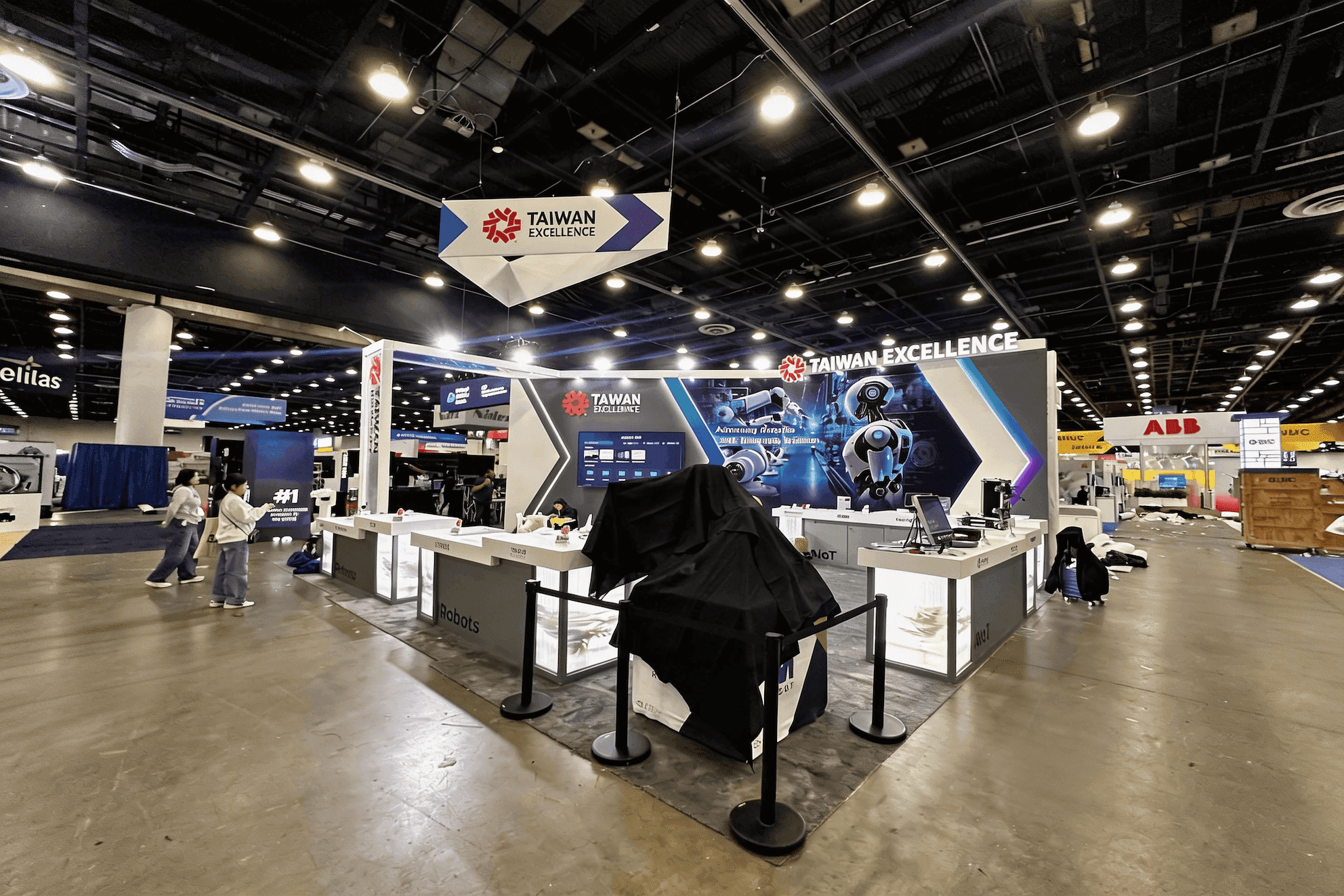
A booth supports Expo discovery and product demonstrations, sponsorship extends visibility, and a meeting room provides space for longer or more private buyer discussions.
When Does a Larger Booth Add Real Capacity?
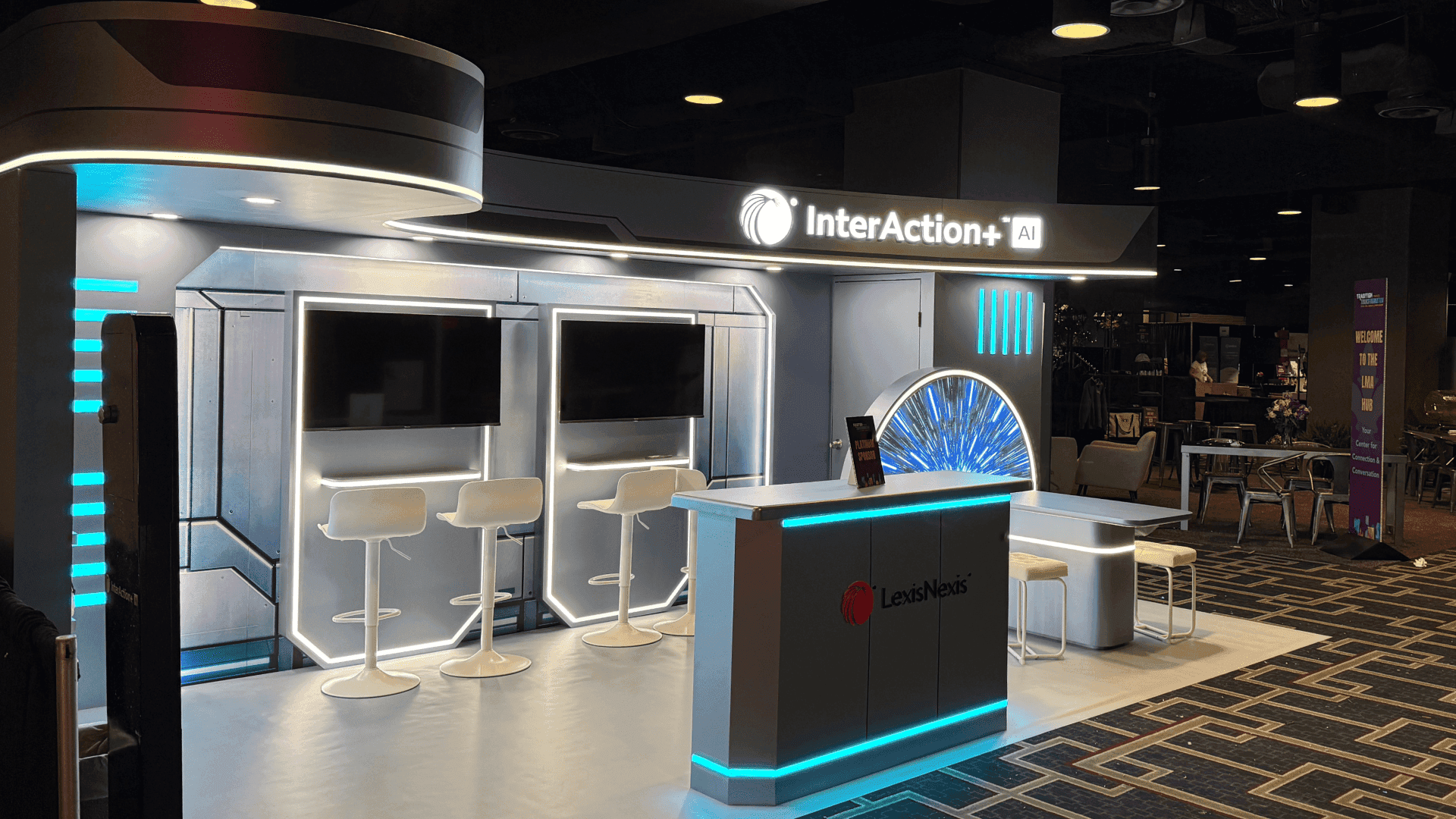
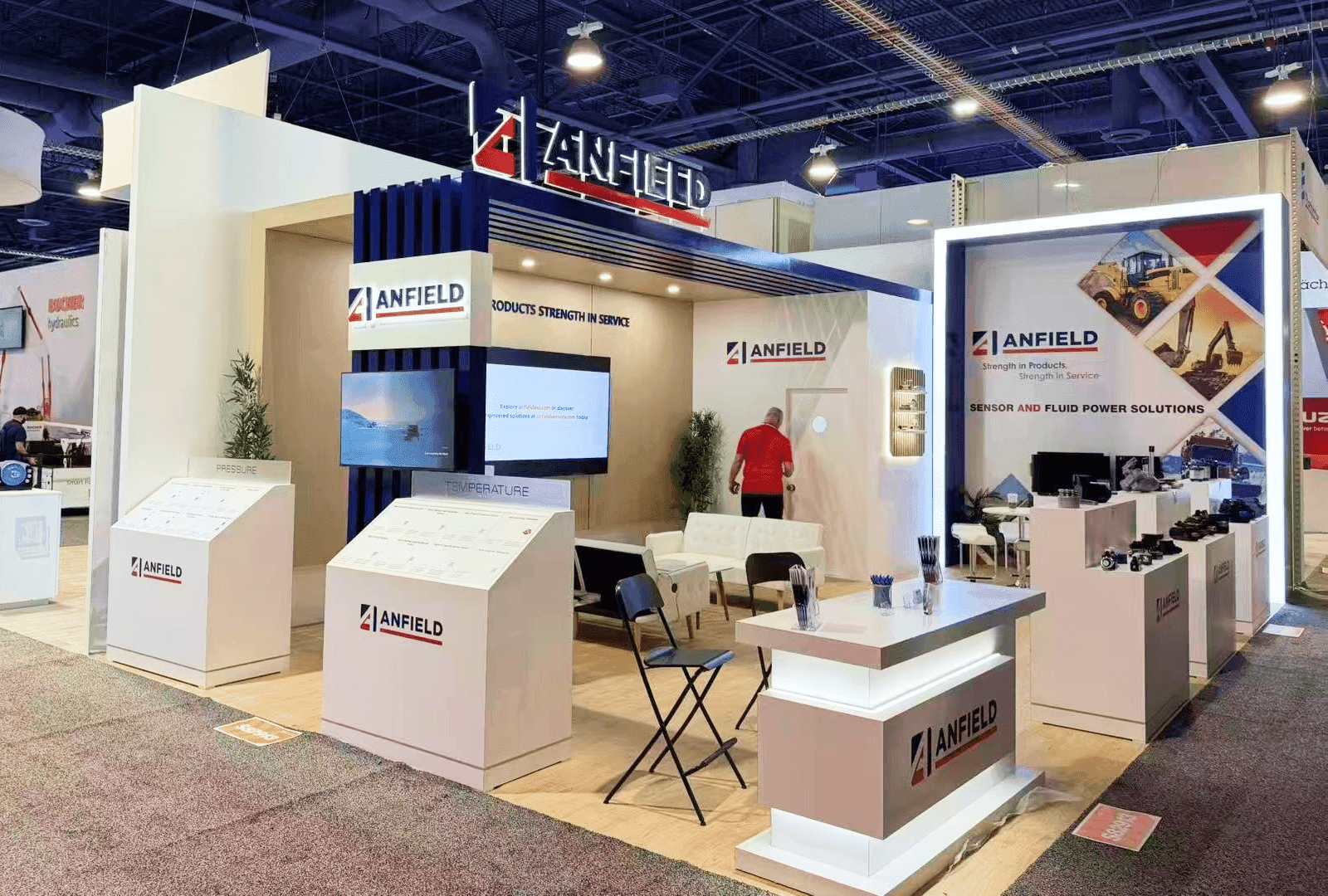
A standard 10x10 or 10x20 booth may be enough when the exhibit has one primary product story, one or two demo points, quick visitor qualification, a limited meeting schedule, and straightforward storage. It remains workable as long as demonstrations and buyer conversations do not depend on the same person or occupy the same visitor path.
A larger footprint becomes relevant when several functions must continue together: multiple workflows, scheduled discussions beside an active demo, different staff roles, more equipment, semi-private conversations, and clearer circulation. The benefit comes from operating capacity—not simply larger graphics.
A practical warning sign is when a buying group gathers around the main screen and leaves no clear route for the next visitor. When demonstrations, meetings, circulation, and storage need distinct functional areas, 20x20 booth planning helps test whether those activities can coexist within one footprint.
More floor area adds little value when every demo and meeting still depends on the same specialist. Space, staffing, and product content need to expand together.
What Sponsorship and Meeting Rooms Actually Solve
Sponsorship and meeting space can both extend the exhibit plan, but they address different gaps. Neither is a simple replacement for the booth.
Sponsorship
Sponsorship is most useful when the priority is thought leadership, content visibility, category authority, session participation, or broader event exposure. It can introduce an idea or product perspective before a buyer reaches the Expo floor.
It does not create more demo stations, equipment space, visitor qualification, technical-review capacity, or room for booth meetings. Those functions still depend on the physical exhibit and onsite team.
Separate Meeting Room
A meeting room is better suited to longer or more private conversations, including procurement discussions, customer renewals, legal or security reviews, and meetings involving several stakeholders. It also removes scheduled appointments from aisle noise and interruptions.
What it does not provide is Expo discovery. A meeting room will not generate walk-in traffic, explain the product to a passing visitor, or handle quick qualification. The booth still needs to provide a clear entry point into the conversation.
Sponsorship extends reach and authority. A meeting room adds privacy and discussion capacity. The booth remains the main place for discovery, demonstration, and initial evaluation.
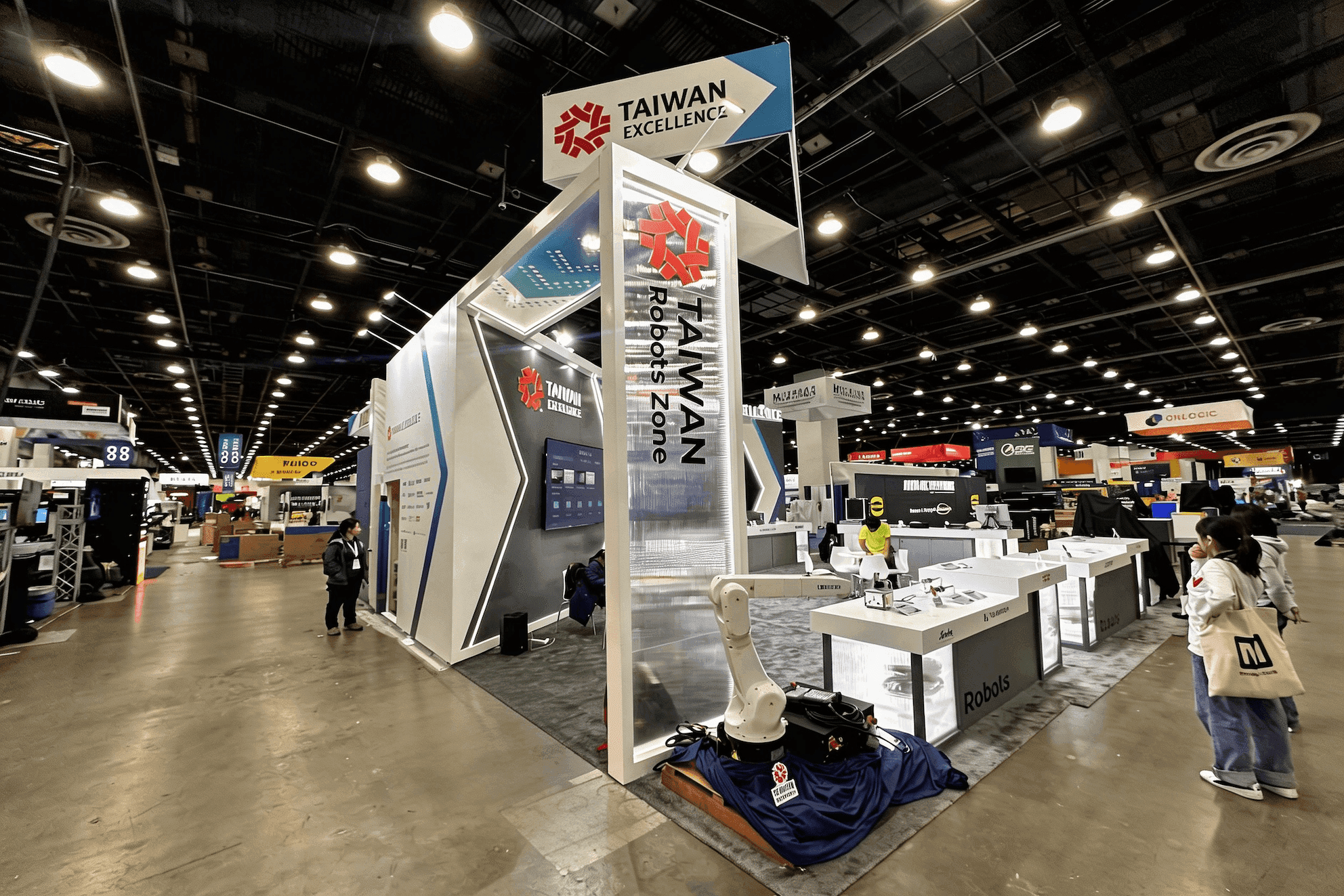
Combination plans work when each resource has a separate role and the staffing calendar connects session attendees, booth demonstrations, and scheduled meetings.
Which Booth, Sponsorship, and Meeting Room Mix Fits the Plan?
A combination works only when each resource has a separate job and the team has enough people to support all of them.
Booth + Meeting Room
The booth handles product discovery, demonstrations, and early qualification, while the meeting room supports longer or more private discussions.
This model can also work with a smaller booth when the product story is focused but the calendar includes many scheduled buyer meetings. In that case, the booth remains the visible discovery point instead of trying to carry every detailed conversation.
Booth + Sponsorship
The booth provides onsite product validation, while sponsorship extends visibility through content, branding, or thought leadership. The sponsored message should create a reason to continue the conversation rather than repeat the booth presentation.
A session may also send several attendees toward the exhibit within a short period. Staff coverage, demo availability, visitor routing, and lead context should be prepared before that happens. Those handoff decisions are covered in HR Tech theater-to-booth follow-up planning.
Booth + Session + Meeting Room
This model can support thought leadership, product validation, and deeper buying-committee discussions, but it also creates the greatest staffing and calendar pressure.
Someone must remain at the booth, someone must support the session, and qualified buyers need a clear path into scheduled meetings. Without defined handoffs and follow-up ownership, the three resources can operate as separate activities rather than one exhibit plan.
Decision Matrix
Primary objective | Most relevant direction |
|---|---|
Natural Expo traffic | Booth |
Multiple active product demos | Larger booth |
Thought leadership | Sponsorship |
Private procurement discussion | Meeting room |
Discovery plus deeper meetings | Booth + meeting room |
Content visibility plus onsite validation | Booth + sponsorship |
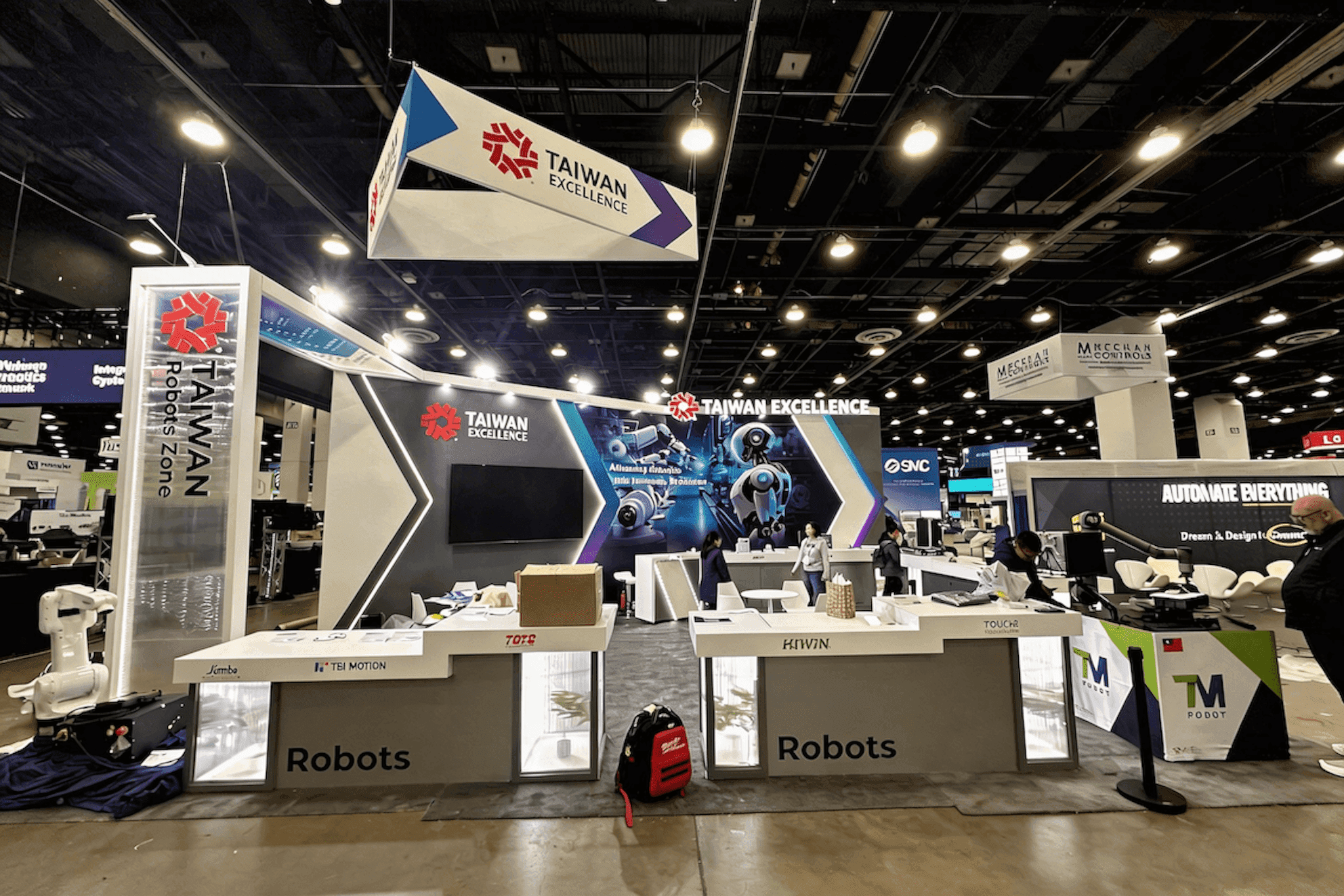
The published space or sponsorship fee is only one part of the exhibit budget. Structure, graphics, technical services, logistics, labor, and meeting-room requirements should be scoped separately.
What the HR Tech Exhibit Budget Needs to Include
The published space, package, or sponsorship fee is only one part of the HR Tech exhibit budget. The final cost depends on the structure, media, technical services, labor, and meeting functions needed to operate the selected plan.
Break the estimate into separate scopes:
Official space or package: Exhibit space, registration, included furnishings, and package benefits.
Booth structure: Rental system, custom elements, flooring, counters, storage, and discussion areas.
Graphics: Printed panels, fabric graphics, signage, production, and installation.
AV: Screens, mounts, computers, playback equipment, audio, and technical support.
Internet and electrical: Connections, power drops, cable routes, and device requirements.
Logistics and labor: Freight, material handling, installation, dismantling, and onsite labor.
Cleaning and show-site support: Daily cleaning, equipment checks, storage, and last-minute services.
Meeting-room extras: Furniture, AV, catering, connectivity, branding, and access needs.
Sponsorship: The official fee plus the content, staffing, booth handoff, and follow-up needed to use it effectively.
Keep these scopes separate while comparing options. A sponsorship fee is not the complete cost of exhibiting, and a meeting-room charge does not include the staff, technology, or follow-up needed to make the meetings productive.
This approach allows the team to compare the resource mix without relying on an unsupported total or treating one official fee as the entire event budget.
From Resource Mix to Booth Size and Rental Scope
Booth size should follow the operating model. Before defining the rental scope, confirm:
how many demonstrations must remain active;
what types of meetings will take place;
how many screens and devices are required;
how much storage the team needs;
whether sponsorship or a separate room carries part of the attendee journey;
how many staff members will cover each function;
what AV, internet, electrical, and show-site services are required.
A larger booth may still feel restrictive when demos, scheduled discussions, equipment, and circulation compete for the same area. A smaller footprint may work well when sponsored content or a separate meeting room handles part of the plan.
Once the functions are clear, the Las Vegas rental booth options can be scoped around the required structure, graphics, screens, furniture, storage, equipment, and onsite execution. The rental solution should reflect the resource decision rather than determine it.
Frequently Asked Questions
Is a larger booth better than a separate meeting room at HR Tech?
Not necessarily. A larger booth is more useful when the problem is demo capacity, walk-in traffic, staff movement, or several functions operating at once. A separate meeting room is better when privacy, longer discussions, or multi-stakeholder review matter more than additional Expo floor space.
When does sponsorship add more value than extra booth space?
Sponsorship may add more value when the primary goal is thought leadership, content visibility, category authority, or broader event exposure. It is less useful when the real need is more demo capacity, equipment space, buyer qualification, or meeting room inside the booth.
Can exhibitors combine a booth, sponsored session, and meeting room?
Yes, but each resource needs a separate role. The booth can handle discovery and product validation, the session can build visibility or interest, and the meeting room can support deeper discussions. Staff coverage, calendars, handoffs, and follow-up ownership must connect all three.