CES Technology Product Demo Booth Planning for Exhibitors

How should exhibitors plan a CES technology product demo booth?
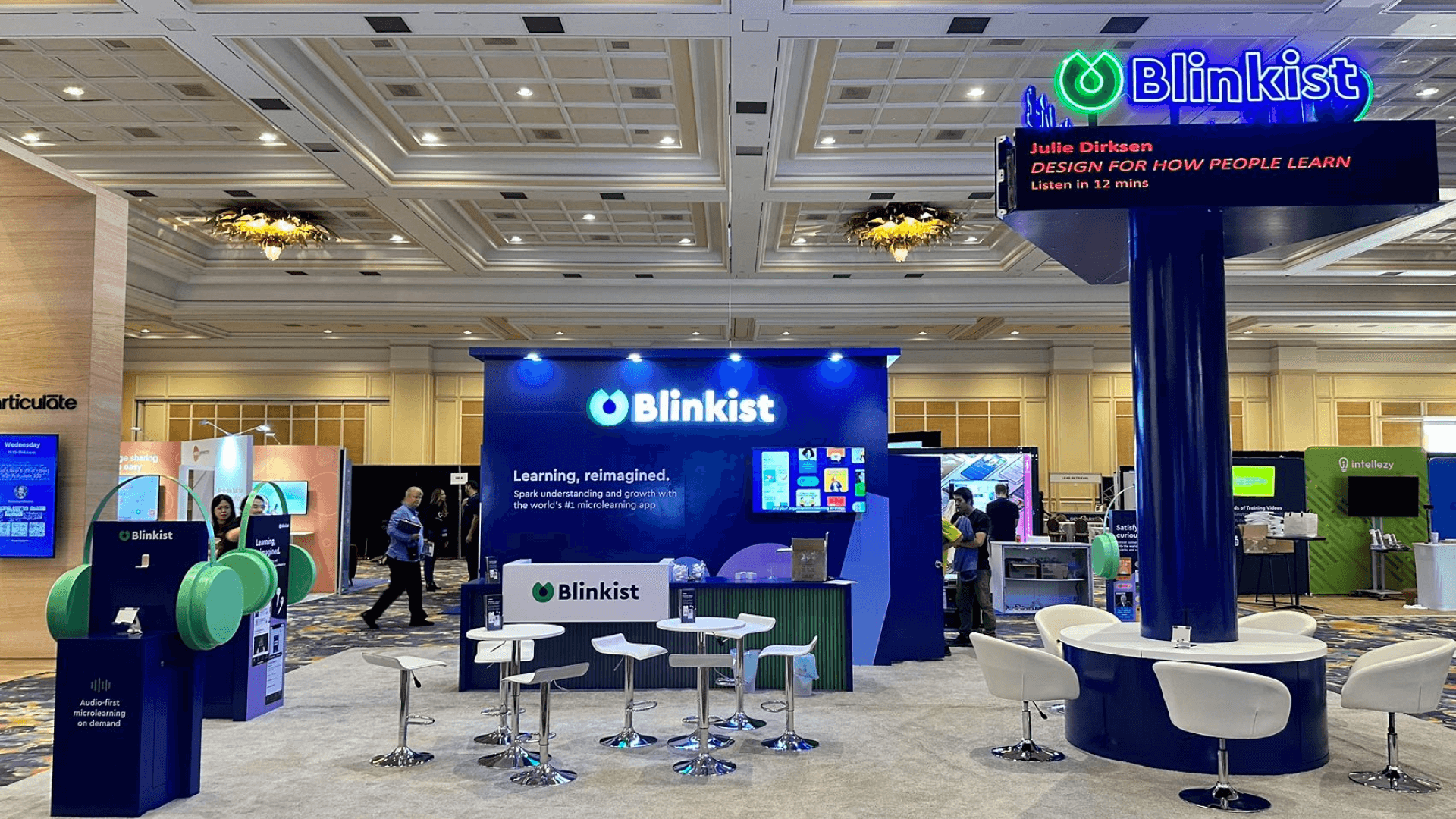
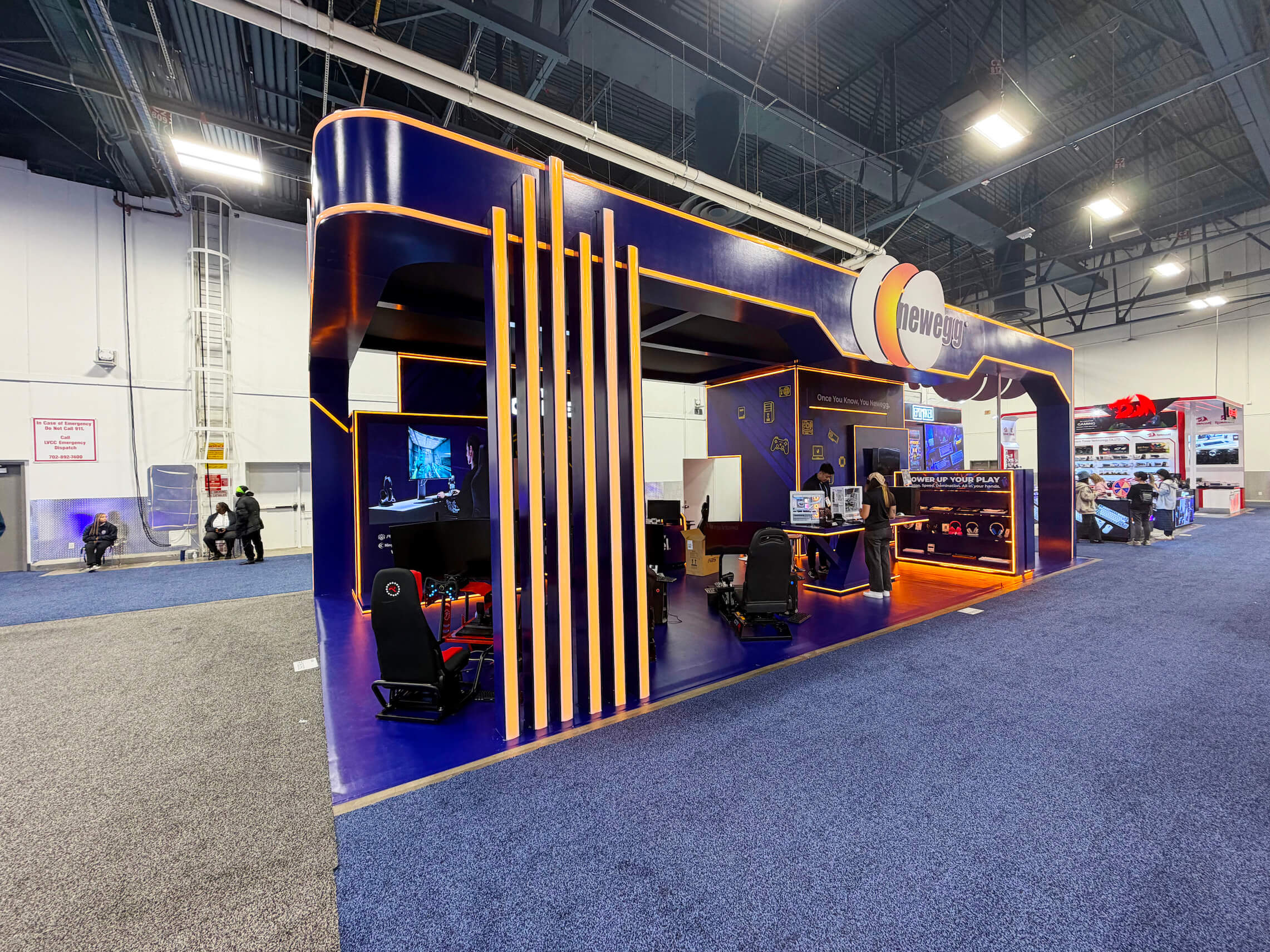
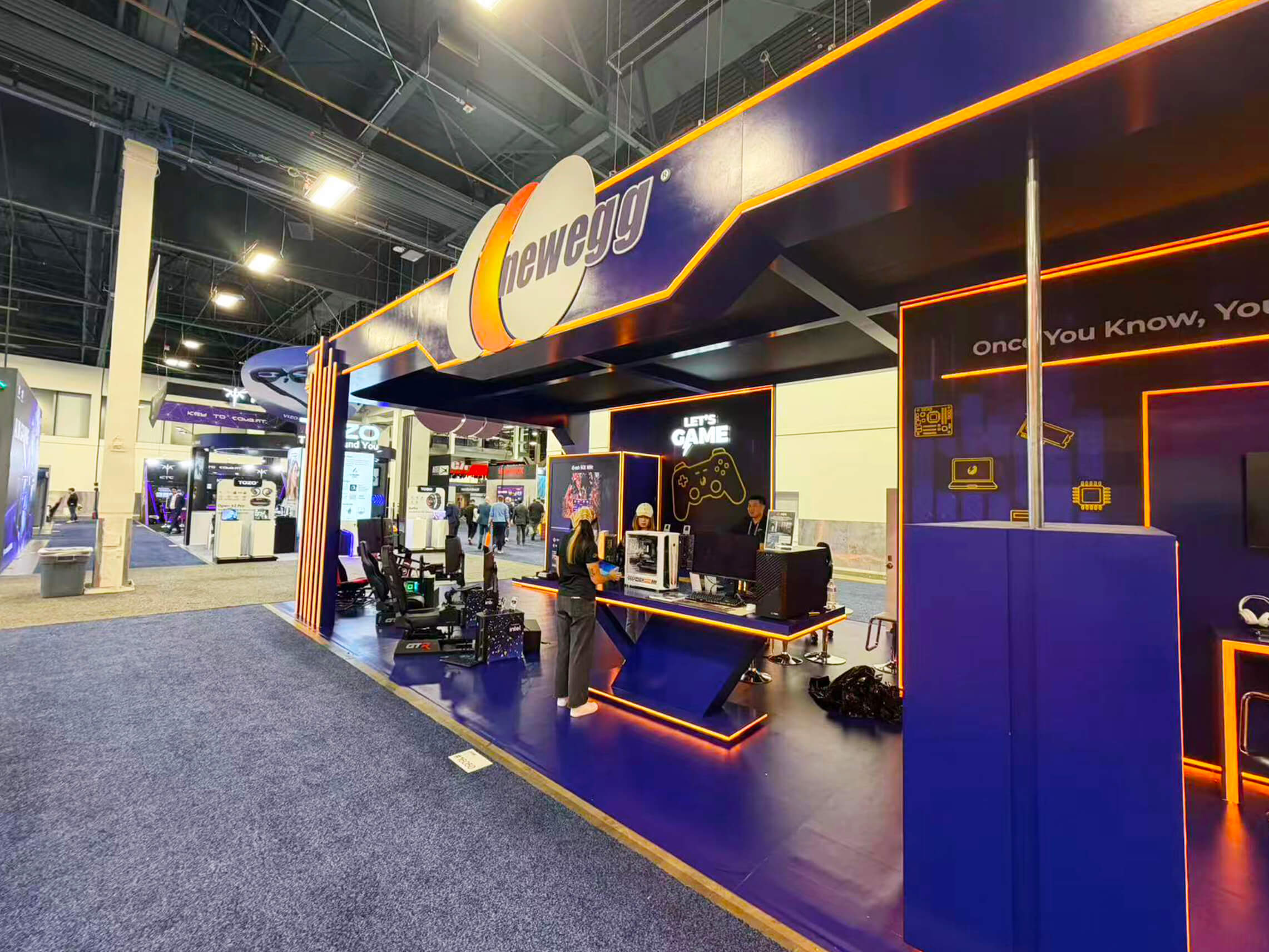
A CES technology product demo booth should help visitors understand, test, and discuss the product in a clear sequence. Exhibitors should plan the aisle message, demo counters, hands-on testing flow, screen-led walkthroughs, product proof points, technical staff handoff, storage, AV support, and show-site setup before production begins.
A CES technology product demo booth should help visitors understand what the product does, how it works, and why the demo is worth a deeper conversation. For consumer electronics, connected devices, hardware, software, mobility technology, digital health, AI tools, robotics, smart home products, and startup prototypes, the booth needs a clear demo path instead of a crowded product display.
The layout should connect aisle messaging, demo counters, product samples, screen-led walkthroughs, hands-on testing points, storage, cable control, technical staff handoff, lead capture, and LVCC setup into one practical exhibit plan. Working with Las Vegas trade show booth builders can help align booth structure, graphics, product display, logistics, and installation around the demo experience.
This page focuses on CES technology product demo booth planning, demo counter placement, screen-led product explanations, hands-on testing flow, technical buyer conversations, storage, and show-site readiness. For broader CES planning, use CES booth planning in Las Vegas. For broader technology-focused exhibiting context, review Las Vegas technology trade show booth planning, which connects CES product demos, consumer electronics displays, screen-led presentations, and local Las Vegas booth setup needs. For booth graphics, product messaging, screen content, and branded demo surfaces, review graphics and brand presentation.
Why Exhibitors Choose Circle Exhibit
Clear scope, transparent quote review, nationwide booth support, and efficient setup planning for qualified rental and custom exhibit projects.
48hr
Setup Window
10+
Years Since 2014
U.S.
Trade Show Support
Real
Booth Project Proof
CES technology demo booths should be sized around the product experience first. Exhibitors should consider how many products need to be shown, how many visitors can interact at once, whether the booth needs screen-led explanations, how technical staff will manage questions, and where qualified visitors should go after the first demo.
A 10x20 CES demo booth can work for one focused product demo, a compact software walkthrough, or a single connected device presentation. This inline layout is best for one demo counter, a clear backwall message, light storage, simple lead capture, and quick technical conversations. For compact inline planning, review 10x20 booth planning.
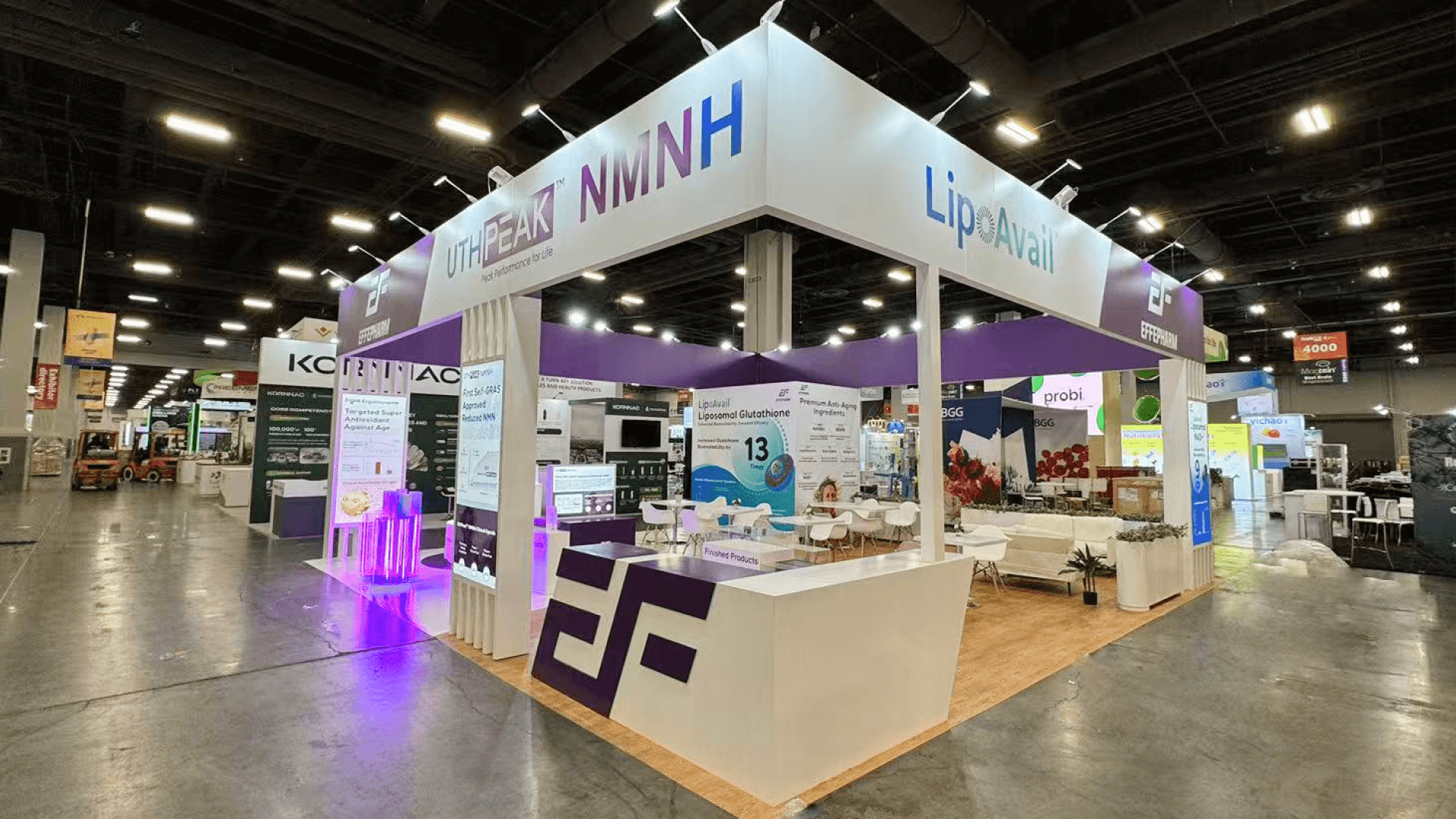
A 20x30 CES product demo booth is stronger when the team needs multiple demo counters, screen-led walkthroughs, storage, meeting space, and a controlled demo-to-meeting flow. This size can support hardware product demos, connected device explanations, software walkthroughs, technical buyer conversations, and staff handoff. For a larger demo-focused layout, review 20x30 trade show booth planning.
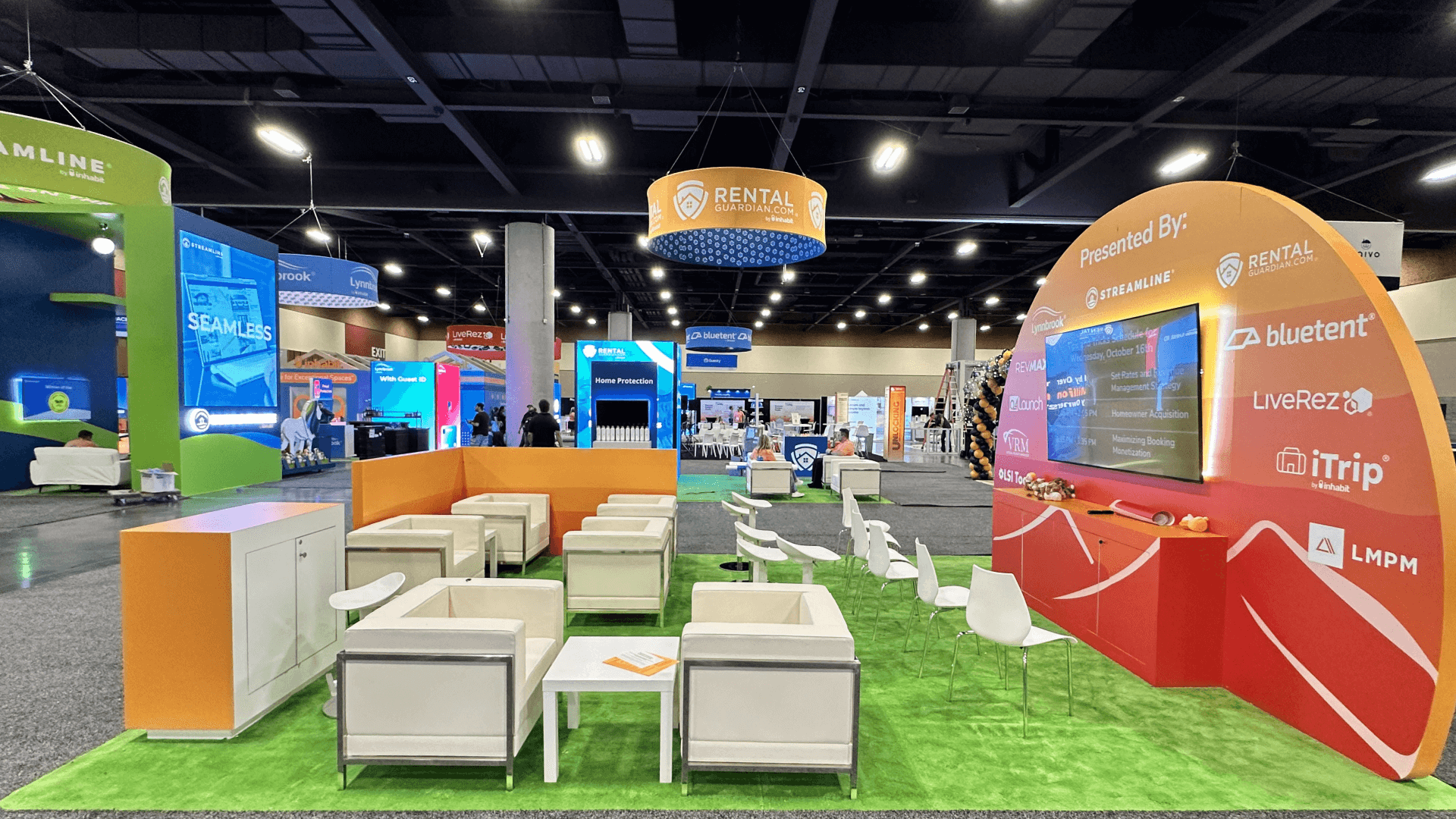
A 20x20 CES technology demo booth works well when the exhibitor needs one main demo area, product display counters, screen support, a small meeting zone, and clear visitor flow. This size gives more room for hands-on testing, product proof points, branded graphics, storage, and staff movement while staying practical for show-site setup. For this footprint, see 20x20 trade show booth planning.
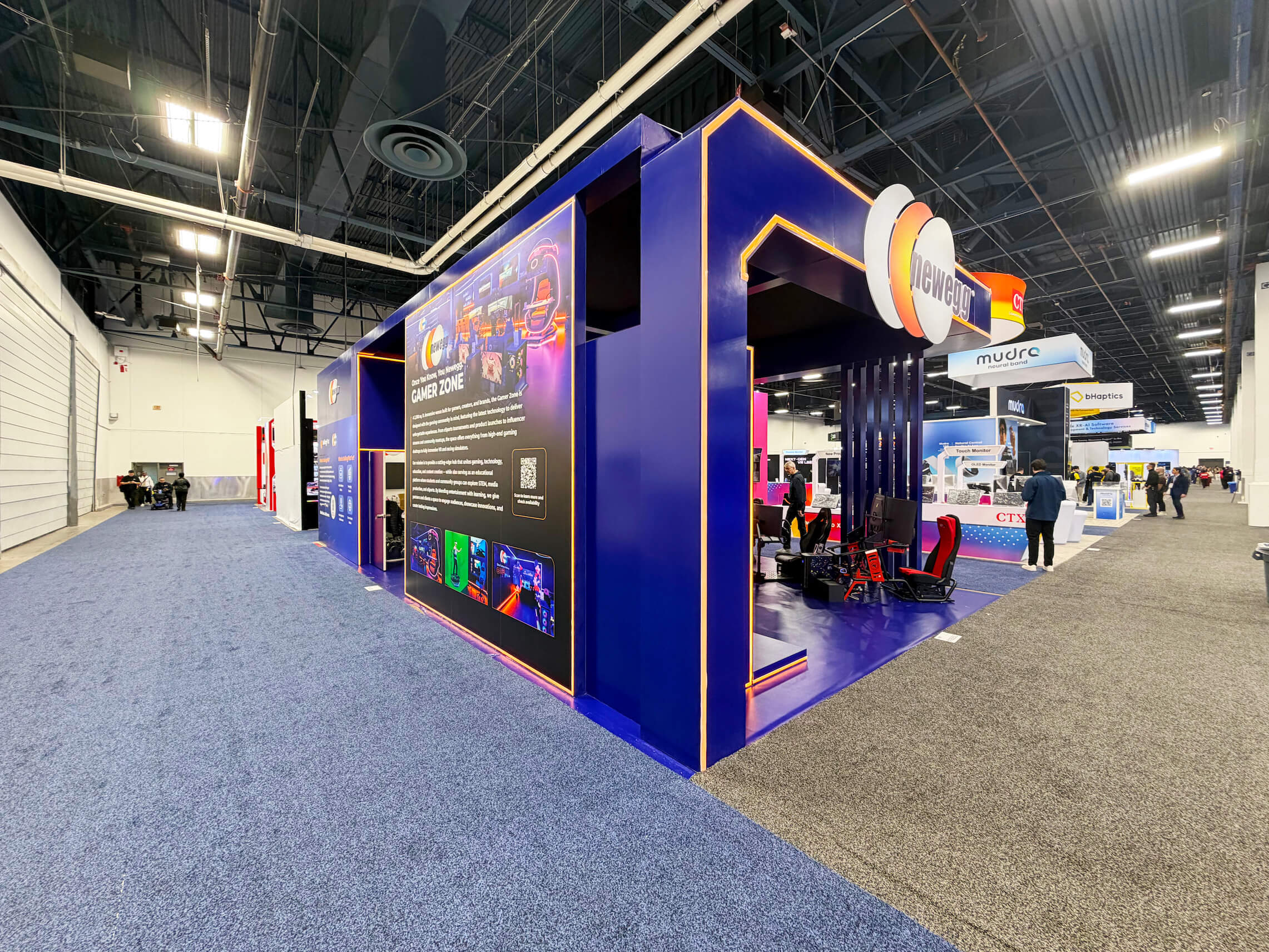
A larger CES demo booth can support multiple hands-on testing points, screen walls, private meeting rooms, technical stations, storage, overhead branding, AV support, and a complete visitor journey. Larger layouts should be planned around demo sequence, aisle visibility, qualified visitor handoff, cable control, and installation timing before fabrication begins.
These supporting articles help CES exhibitors plan product demo counters, interactive booth technology, screen-led walkthroughs, visitor engagement, technical staff handoff, graphics, storage, and LVCC setup before booth production begins. Start with CES 2026 interactive booth technology and engagement planning, which connects interactive product demos, visitor participation, booth technology, and performance-focused exhibit planning. For visitor behavior and product experience context, review CES 2025 audience experience and consumer trends. For broader CES booth strategy, use CES booth planning guide for exhibitors in Las Vegas. Exhibitors can also use CES booth planning in Las Vegas for the main event hub and Las Vegas technology trade show booth planning for broader technology exhibit context across CES, NAB, ISC West, product demos, screen displays, and Las Vegas booth setup.
CES technology demo booths are judged by how quickly visitors understand the product and whether the demo feels easy to follow. The booth should make the product category, core use case, and next action clear from the aisle, then guide visitors toward the right counter, screen, sample, or staff member.
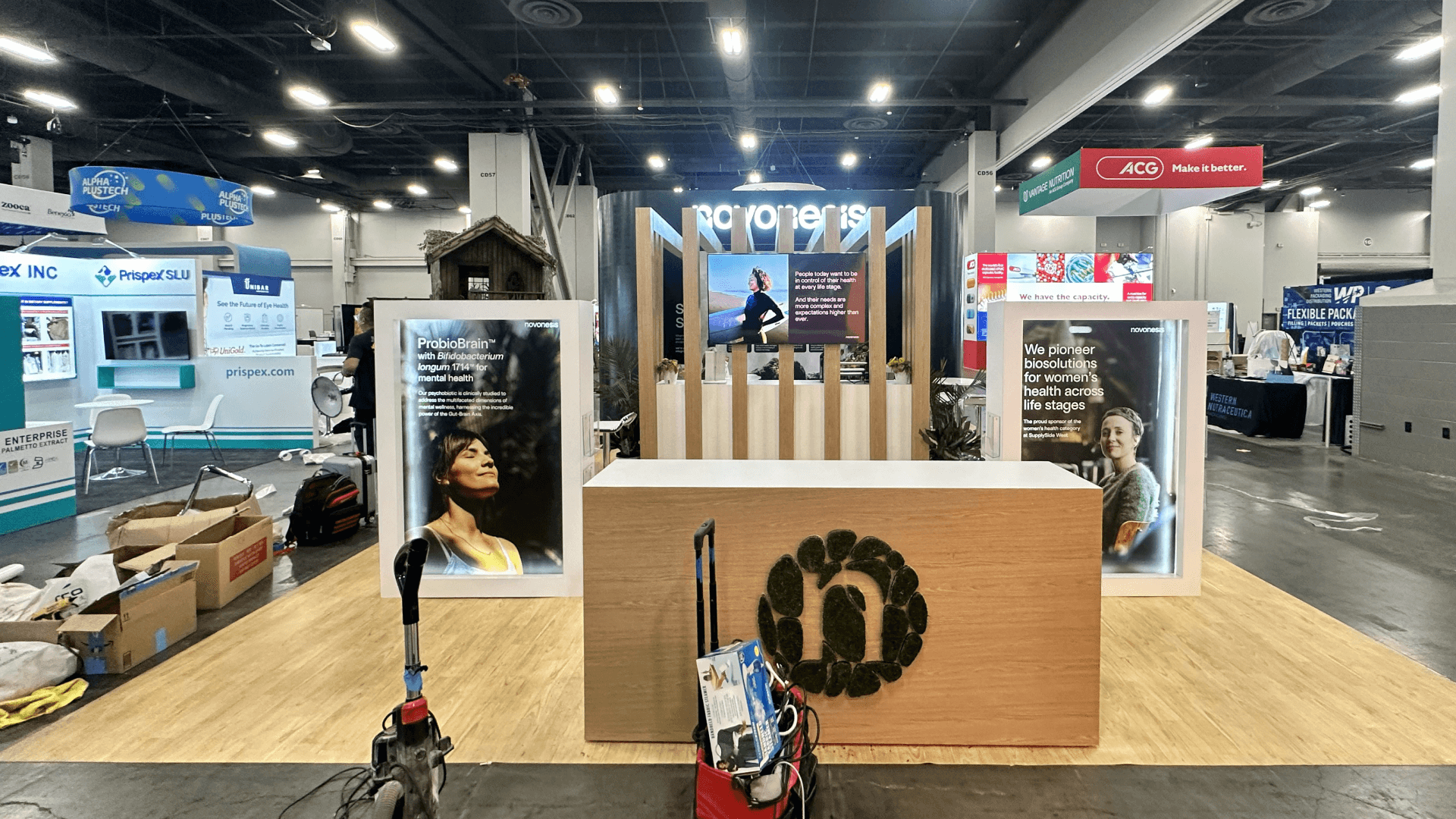
Product demo counters should give visitors a clear place to stop, test, watch, or ask questions without blocking the aisle. Counter height, sample placement, cable access, device charging, storage, and staff position should be planned together so hands-on testing feels organized during busy CES hours.
Screen-led walkthroughs help explain software platforms, connected devices, dashboards, product ecosystems, and technical workflows. Screen placement should support the first product explanation from the aisle, while nearby counters or meeting areas give the team space to continue the conversation. Strong graphics and brand presentation helps connect screen content, booth messaging, and product display areas.
Hands-on testing should have a clear start and finish. Visitors need to know where to stand, what to try, what the product proves, and where to ask follow-up questions. A good testing flow reduces crowding, improves demo readiness, and helps staff manage several visitors without losing the product story.
Technology demos often move from a quick explanation to a deeper technical conversation. The booth should make it easy to hand off qualified visitors from a demo counter to a product specialist, meeting area, or follow-up conversation without interrupting the next visitor interaction.
A support article for exhibitors who need to plan demo counters, screen-led walkthroughs, hands-on testing flow, visitor movement, product proof points, and staff handoff inside a CES booth.
Many technology exhibitors rely on live demonstrations, product samples, interactive screens, and staff-led explanations. These elements should be planned into the booth structure early, so the demo does not feel added after the layout is finished.
A clear demo flow helps the booth team manage quick introductions, hands-on testing, technical questions, lead capture, and follow-up conversations without slowing down the next visitor interaction.
Not Sure Which Booth Size You Need?
Not every exhibitor knows whether a 10x20, 20x20, 20x30, or larger booth is the right fit. Circle Exhibit can help review your event goals, product display needs, demo areas, meeting space, storage, budget scope, and setup timeline before you choose a booth size.
Avoiding Demo Counter Crowding
Connecting Screens with Real Product Demos
1
Define the Demo Goal
2
3
4
When Rental Can Work
A rental booth can work when the exhibitor needs branded graphics, product counters, screen support, light storage, lead capture, and a practical LVCC setup path for one or two focused demos. This can be enough for compact hardware, software, connected device, or consumer electronics presentations. For this direction, review Las Vegas trade show booth rental.
When Custom Build Support Helps
Custom build support is stronger when the demo requires special counters, integrated screens, product mounts, cable control, private technical conversations, storage integration, lighting, or a more guided visitor journey. In these cases, booth fabrication and show-site execution helps keep the demo experience consistent from design to installation.
How to Decide
Choose based on the demo sequence, not only the booth size. If visitors need to test products, compare features, ask technical questions, and move through multiple demo stations, the booth structure should be planned around that flow from the start. A focused demo may fit a 20x20 trade show booth planning model, while multiple counters, screens, storage points, and meeting space may need 20x30 trade show booth planning.
Demo products should be packed, labeled, staged, and placed according to the booth layout. Teams should know which samples are for display, which are for hands-on testing, which need power, and which are backup units.
Screens, connected devices, routers, chargers, demo stations, and software walkthroughs need early power and cable planning. Clean cable paths help the booth stay safer, easier to operate, and more reliable during live demos.
Technology demo booths need storage for samples, chargers, literature, cases, tools, and backup materials. Storage should be close enough for staff to use, but not visible from the main visitor path.
Before opening, the team should check screen content, device charging, demo counter height, sample placement, cable safety, staff positions, lead capture, and visitor flow. Logistics and pre-show coordination helps keep these details aligned before the booth opens.
For exhibitors planning a CES product launch booth, these related pages can help separate the launch message from other CES booth planning needs: CES booth planning in Las Vegas for the main event hub, CES technology product demo booth planning for hands-on product explanations, CES AI product demo booth planning for AI workflow demonstrations, CES automotive technology booth planning for mobility and vehicle technology displays, and CES Eureka Park startup booth planning for compact startup and prototype-focused booths.
Need a Flexible CES Product Launch Booth Rental?
A rental-based booth can work when a CES product launch needs branded graphics, a clear product reveal area, screen support, product counters, light storage, lead capture, and a practical show-site setup path. This option is best when the launch message is clear and the booth does not require a fully custom structure for every element.
What is a CES technology product demo booth?
A CES technology product demo booth is planned around showing how a product works. It usually includes demo counters, product samples, screen-led explanations, branded graphics, staff-led walkthroughs, storage, lead capture, and a visitor path that moves people from quick understanding to deeper conversation.
What should a CES demo booth include?
Is a 20x20 booth enough for a CES technology demo?
When should a CES demo booth use screen-led walkthroughs?
How can exhibitors avoid crowding around CES demo counters?
READY TO PLAN YOUR NEXT BOOTH?
Let’s Build a Booth That Fits Your Event
Share your event name, booth size, city, timeline, product display needs, and design references. Circle Exhibit will review your project direction and help you choose a rental-friendly or custom exhibit path.
3000+
Booth Projects Supported
50+
U.S. Event Cities
Transparent
Quote Review
Use the main CES event page for broader booth planning, booth size choices, rental vs custom build decisions, LVCC setup notes, and CES project references.
For broader technology exhibit planning across CES, NAB, ISC West, product demo booths, screen-led displays, buyer conversations, and Las Vegas show-site setup.
For CES exhibitors planning multiple demo counters, screen-led walkthroughs, storage, meeting space, and a more controlled visitor path.
For CES technology booths that need clear product messaging, screen content, branded surfaces, aisle-facing graphics, and product display support.
For exhibitors that need booth structure, demo counters, graphics, logistics, installation, cable control, storage planning, and show-site execution support for CES.