Technology, Consumer Electronics, Artificial Intelligence, Robotics, Smart Home, Software, Mobility Technology

Technology, Consumer Electronics, Artificial Intelligence, Robotics, Smart Home, Software, Mobility Technology

CES Technology Product Demo Booth Planning for Exhibitors

📍

Las Vegas

·

NV

·

US

🌆

Las Vegas Convention Center

📅

-

  • 📍

    Las Vegas

    ·

    NV

    ·

    US

  • 🌆

    Las Vegas Convention Center

  • 📅

    -

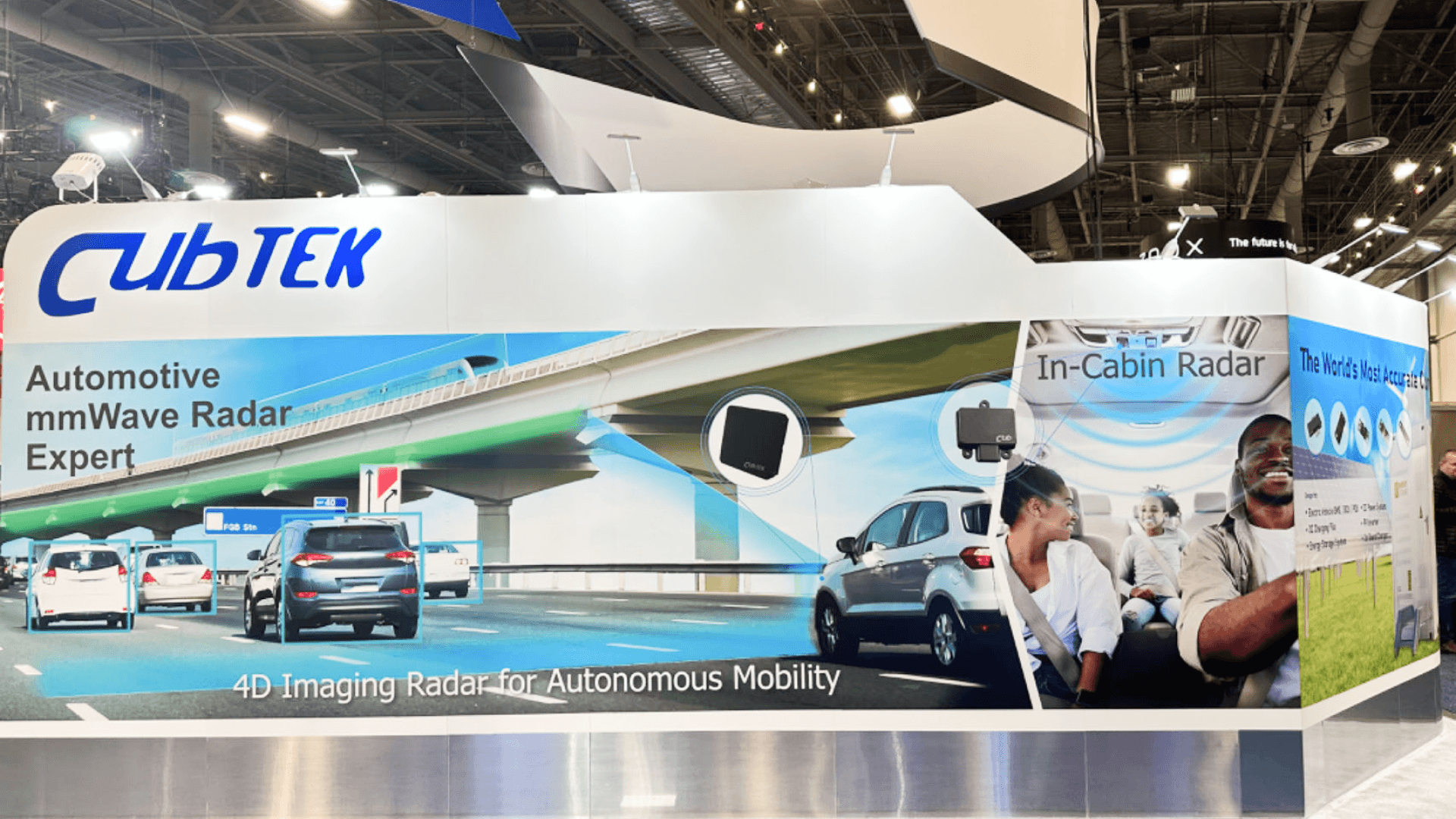
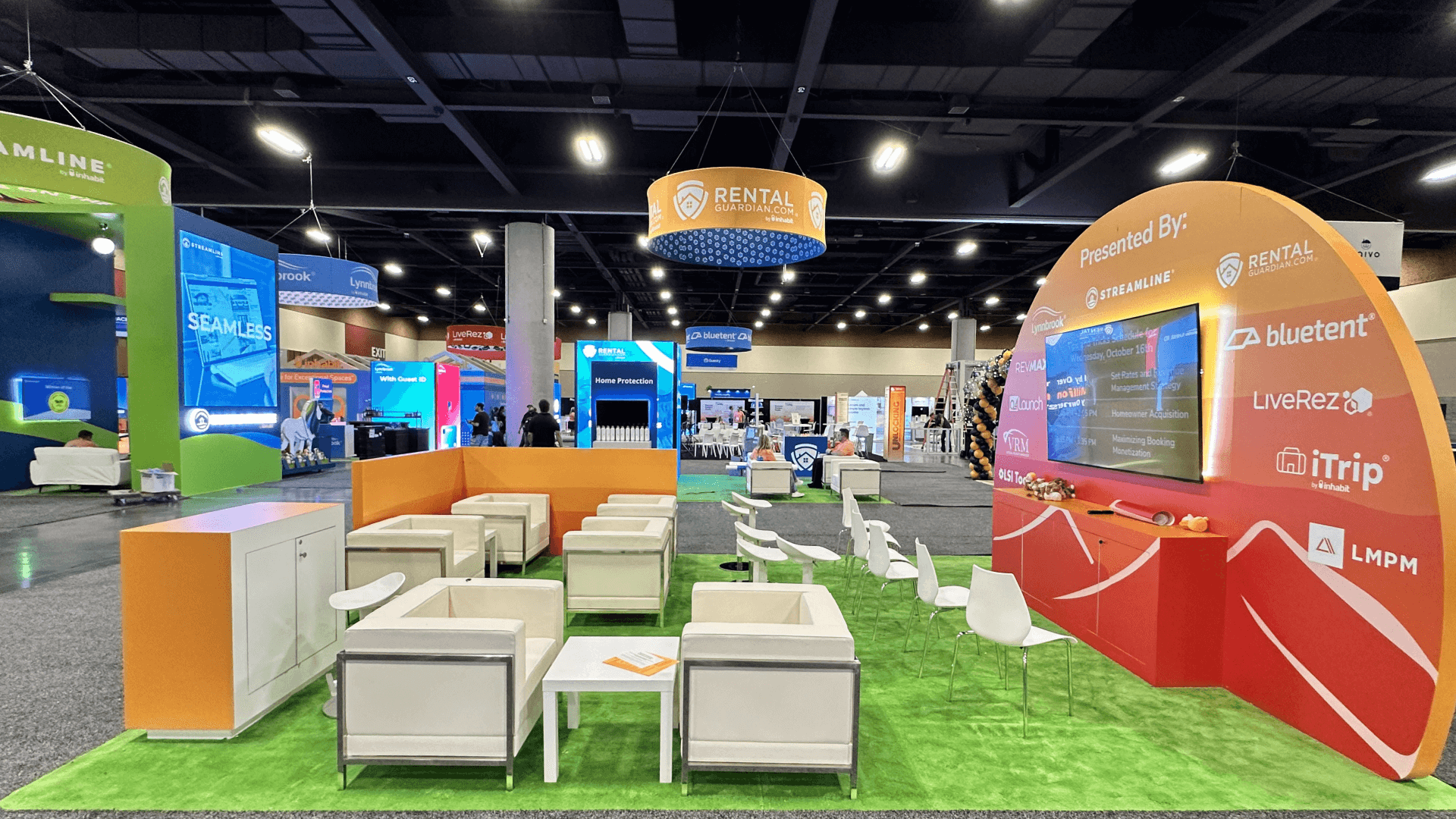
CES technology product demo booth with screen placement, demo counter, branded graphics, and visitor flow planning
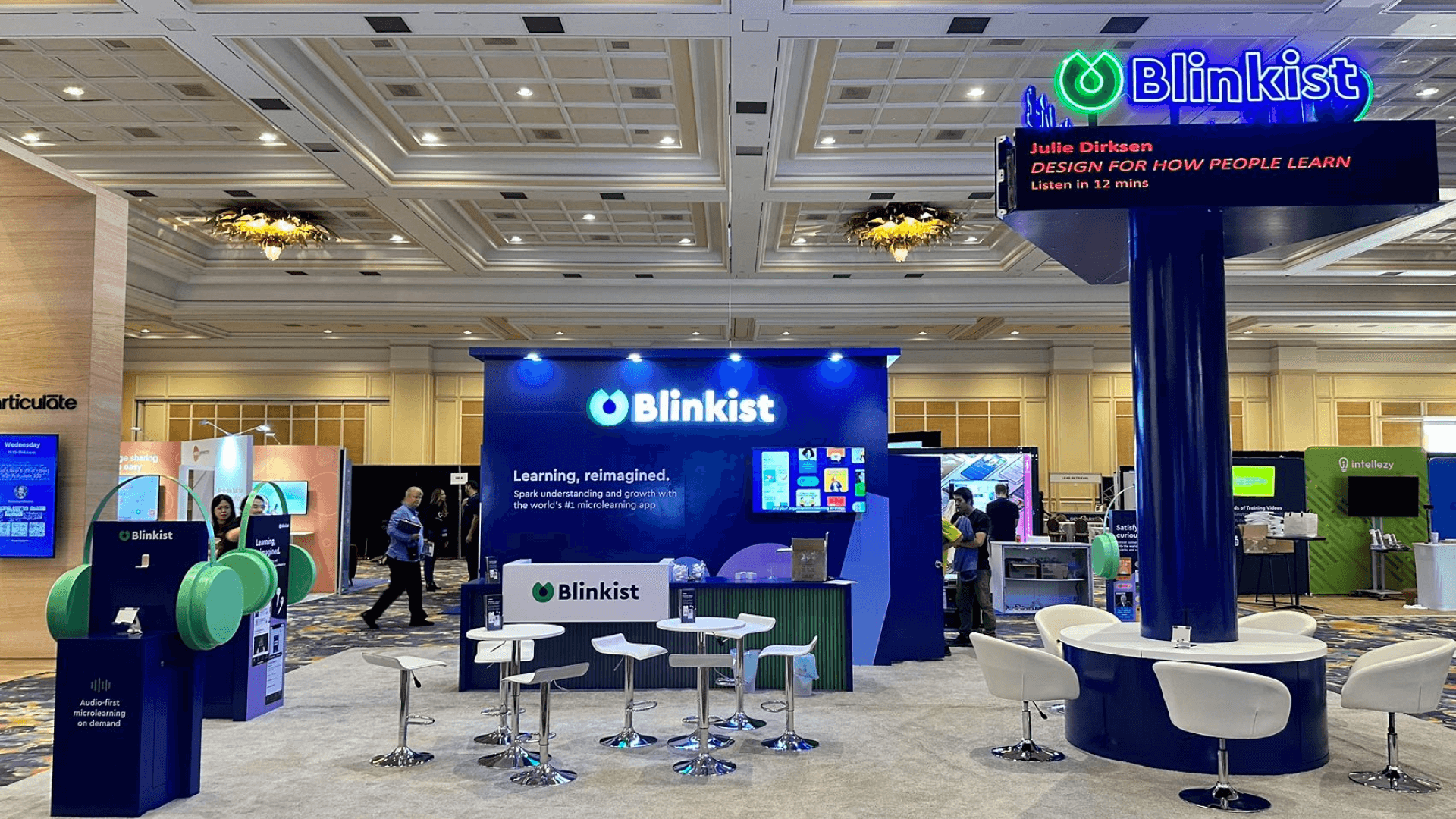
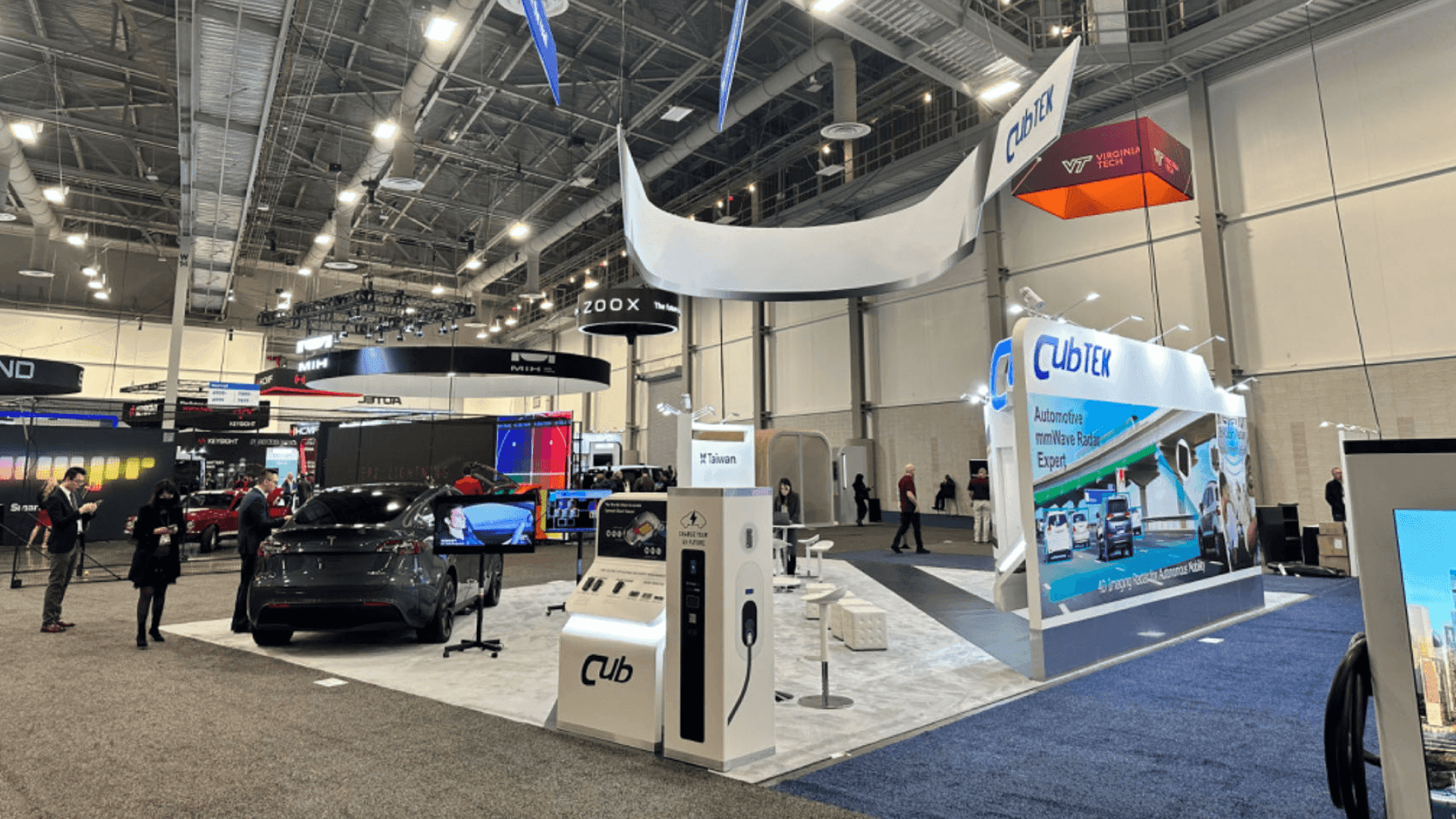
20x20 CES product demo booth layout with screen zone, demo counter, storage, and staff-guided visitor flow
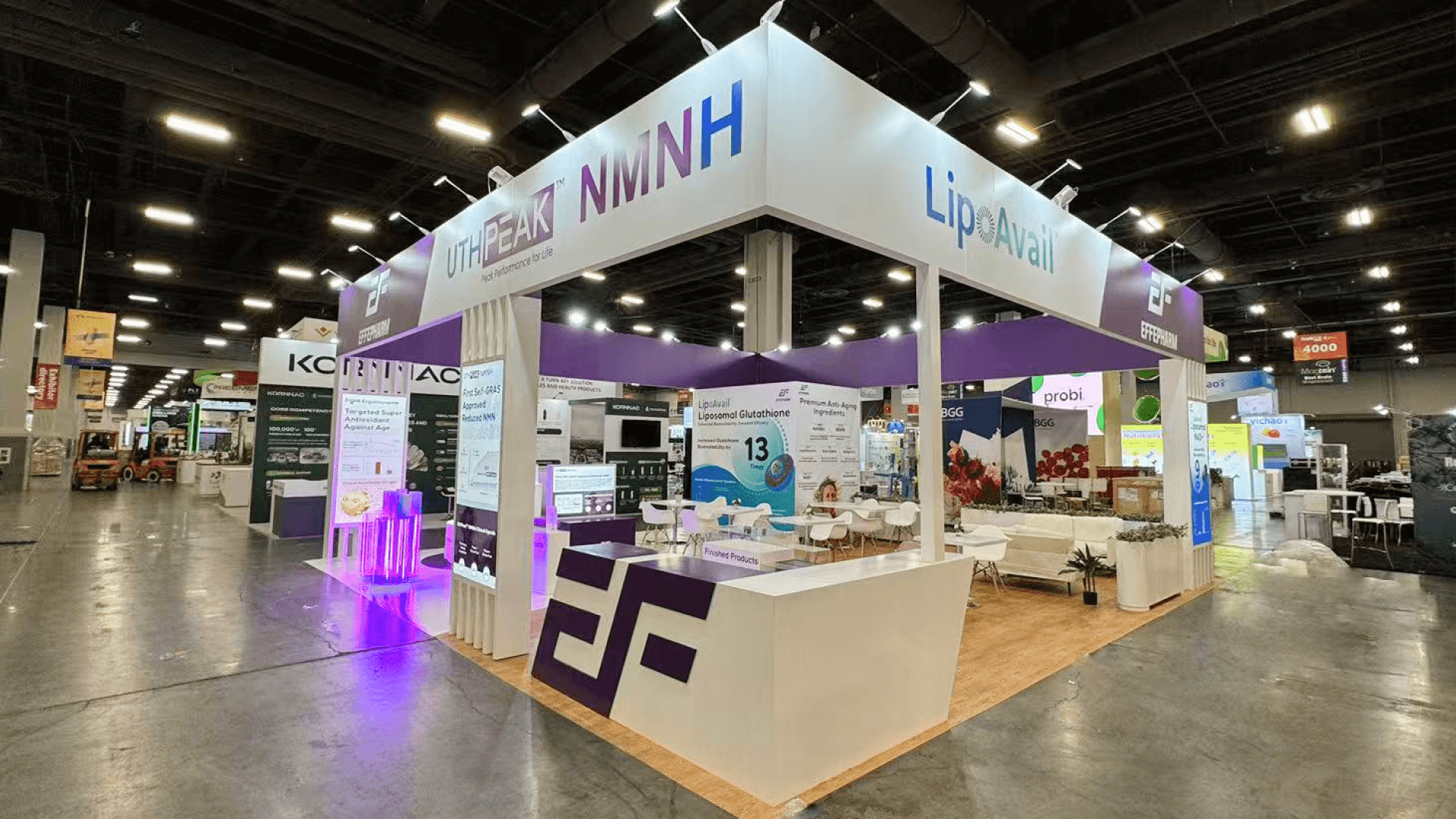
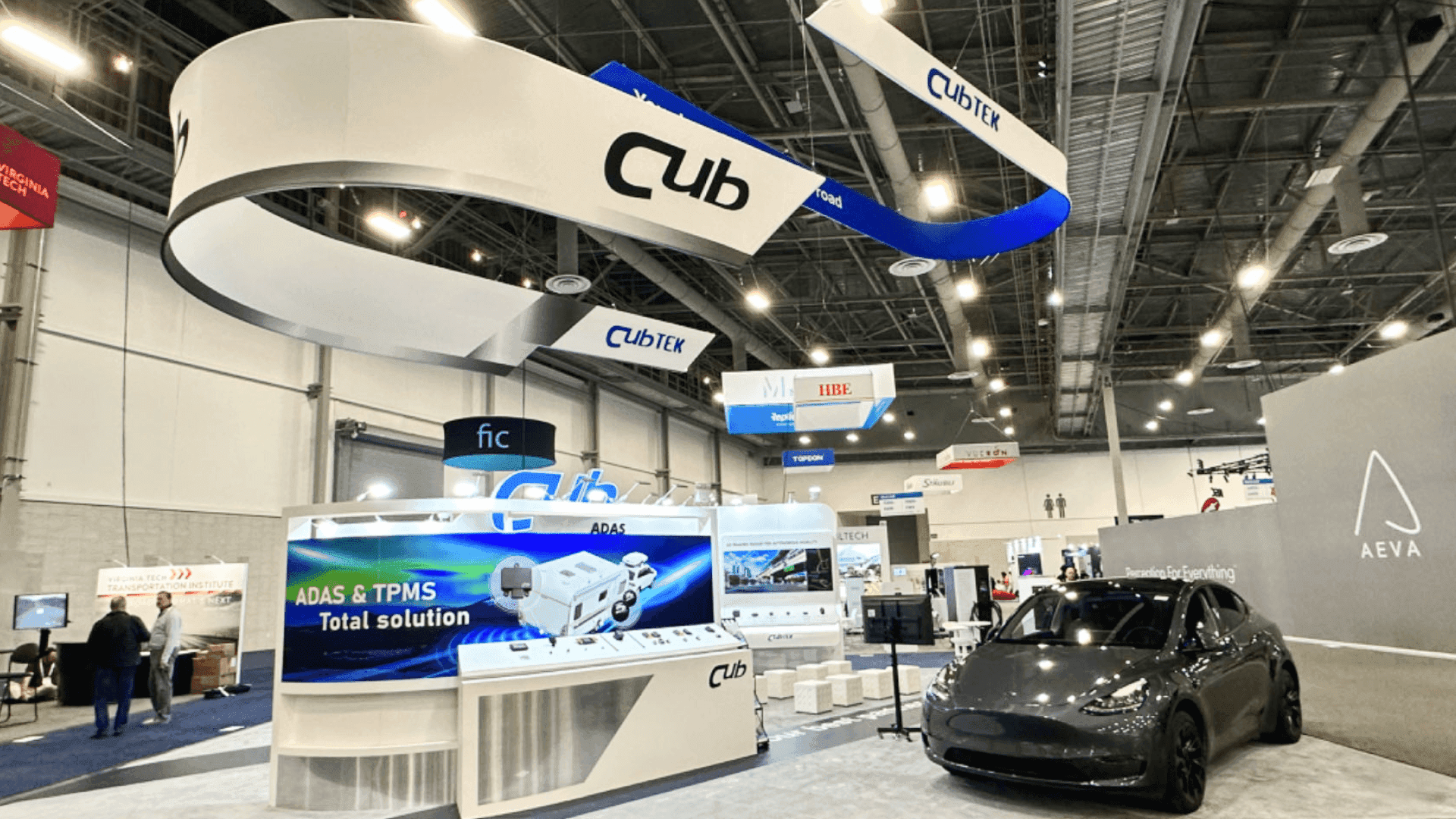
20x30 CES technology demo booth with media wall, multiple product demo stations, branded graphics, and meeting space

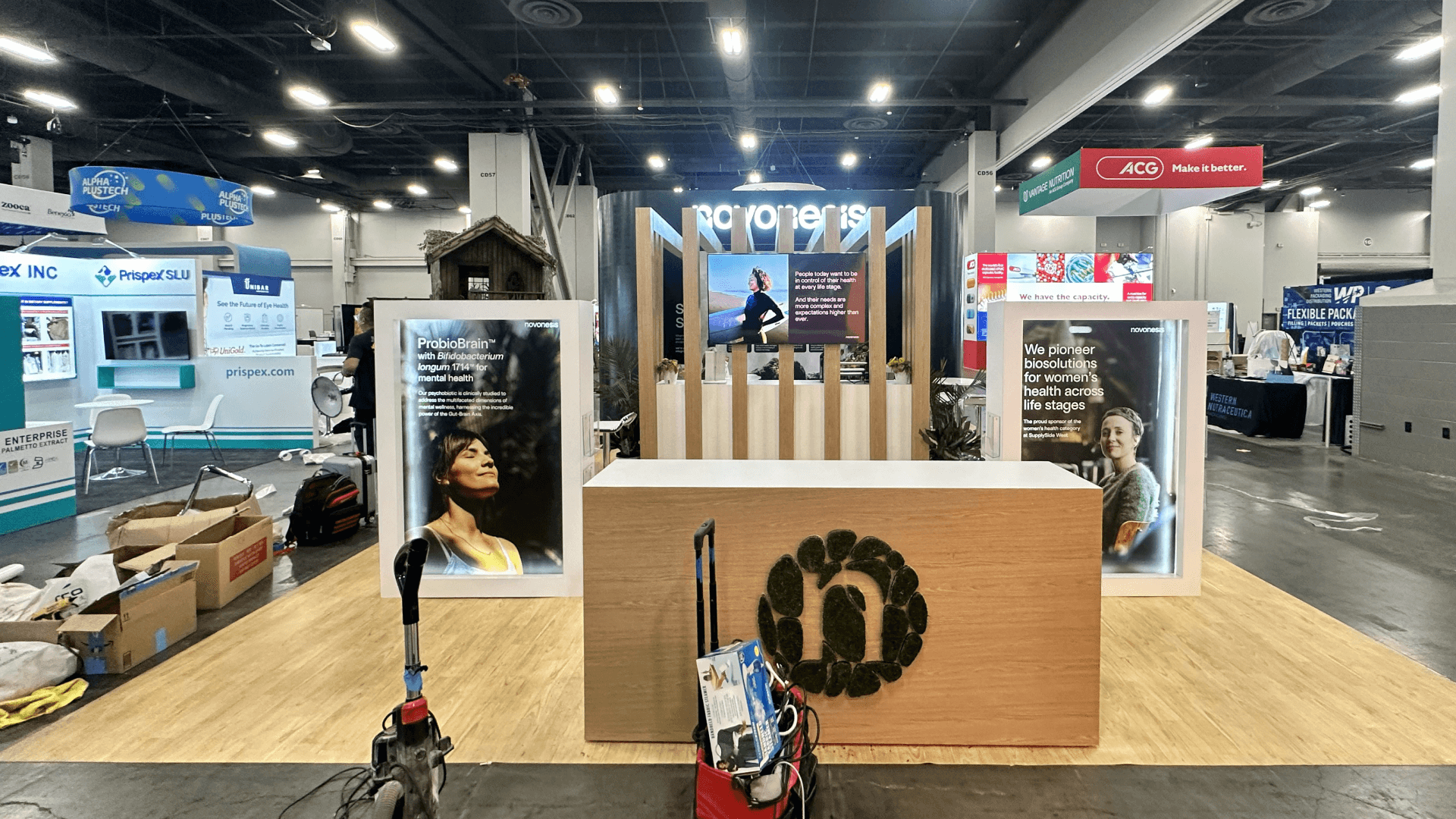
CES 2024 30x40 Technology Product Demo Booth

CES technology product demo booth with screen placement, demo counter, branded graphics, and visitor flow planning
20x20 CES product demo booth layout with screen zone, demo counter, storage, and staff-guided visitor flow
20x30 CES technology demo booth with media wall, multiple product demo stations, branded graphics, and meeting space

CES 2024 30x40 Technology Product Demo Booth

What should exhibitors plan for a CES technology product demo booth?

Exhibitors planning a CES technology product demo booth should define the demo flow, product display points, screen visibility, staff positions, meeting space, storage needs, graphic hierarchy, power requirements, LVCC move-in timing, and final booth installation sequence before approving the booth structure.

OVERVIEW

OVERVIEW

CES technology product demo booths need more than a clean structure and branded graphics. Many exhibitors use CES to explain new devices, software platforms, AI tools, robotics, connected hardware, mobility systems, smart home products, or enterprise technology. The booth has to help visitors understand the product quickly, follow the demo, and speak with the right staff member without creating aisle congestion.

A strong CES product demo booth usually starts with one question: what should visitors understand in the first 10 seconds? That answer affects the booth layout, screen placement, demo counter position, storage location, lighting, graphic hierarchy, staff flow, and final installation sequence.

For exhibitors planning CES booth execution in Las Vegas, Las Vegas trade show booth builder support can help connect design, fabrication, graphics, logistics, rental structure choices, and show-site installation around one clear demo plan. A 20x30 booth planning approach can give technology exhibitors more room for multiple demo stations, screen visibility, staff movement, and buyer conversations, while graphics and brand presentation support helps align screen content, demo labels, product messaging, and branded booth surfaces.

Booth Size Planning for CES Technology Product Demo Booths

Booth Size Planning for CES Technology Product Demo Booths

CES technology exhibitors often choose booth size based on how many products, screens, demo stations, and meeting areas they need. A smaller booth can work when the demo is simple and staff-guided. A larger booth may be needed when the product requires multiple touchpoints, screen walls, private conversations, media moments, or more controlled visitor movement. A 20x20 booth planning approach can support one focused product demo, one screen zone, light storage, and a small meeting point. A 20x30 booth planning approach gives more room for multiple demo stations, stronger screen visibility, better staff separation, and more comfortable visitor movement.

10x20 CES Demo Booth

10x20 CES Demo Booth

A 10x20 booth can work for one focused CES product demo, one counter, simple screen support, and a clear staff-guided explanation. It is best for exhibitors with a compact product story, limited equipment needs, and a simple product message.

20x30 CES Technology Booth

20x30 CES Technology Booth

A 20x30 booth supports multiple demo stations, a stronger media wall, better visitor circulation, and clearer staff separation. It is often a strong fit for software demos, AI products, connected devices, robotics, or enterprise technology presentations.

20x20 CES Product Demo Booth

20x20 CES Product Demo Booth

A 20x20 booth gives technology exhibitors room for a product demo station, screen visibility, storage, a small meeting point, and better staff movement. This size is useful when the product needs live explanation but does not require multiple demo zones.

30x40 CES Product Launch Booth

30x40 CES Product Launch Booth

A 30x40 booth can support a larger CES product launch, multi-zone demos, private meetings, media moments, overhead branding, storage, and a more controlled visitor path. It is better for exhibitors with complex products or larger brand presentations.

Related CES Booth Planning Articles

Related CES Booth Planning Articles

Use these CES booth planning resources to compare technology demo flow, booth size decisions, graphics planning, and Las Vegas show-site execution before finalizing a product demo booth. Start with the main CES booth planning page, then compare 20x20 booth planning and 20x30 booth planning for demo layouts, screen placement, storage, and meeting space. For product messaging, screen content, demo labels, and branded booth surfaces, review graphics and brand presentation support.

CES Technology Product Demo Display Needs

CES Technology Product Demo Display Needs

CES technology product demo booths should be planned around how visitors see, understand, test, and discuss the product. Many exhibitors need screen walls, demo counters, product stations, lighting control, charging access, storage, technical staff positions, and clear messaging that explains the product before a visitor asks questions. The booth should make the product category visible from the aisle, keep the demo point easy to find, and support staff conversations without blocking traffic. For technology exhibitors, the booth is not only a display structure. It is a working product explanation environment.

Screen Visibility

Screen Visibility

Screens should be visible from the aisle but close enough to support the live demo. Screen height, viewing angle, counter placement, and lighting should be planned together so visitors can follow the product explanation.

Demo Counters

Demo Counters

Demo counters should give staff a controlled place to explain devices, software, interfaces, samples, or connected systems. Counter height, visitor standing space, cable routing, and product access should be planned before production.

Visitor Flow

Visitor Flow

The booth should guide visitors from the aisle to the demo point, then toward a staff conversation, lead capture area, or meeting space. This keeps the main demo zone from becoming crowded.


Storage and Power Access

Storage and Power Access

CES product demo booths often need hidden storage for devices, cases, literature, staff items, chargers, samples, and backup equipment. Power access, AV routing, and storage doors should be planned together.

Event Facts

Event Facts

Parent Event

Parent Event

CES is the parent event for this booth planning page, with a focus on technology exhibitors preparing product demos, screen-led presentations, and show-site booth execution in Las Vegas.

Booth Planning Focus

Booth Planning Focus

This page focuses on CES technology product demo booths, including demo counters, screen placement, visitor flow, product messaging, staff handoff, storage, graphics, power access, and installation planning.

Recommended Booth Sizes

Recommended Booth Sizes

20x20 and 20x30 booths are the main planning sizes for CES technology product demos. A 20x20 booth can support one focused demo, while a 20x30 booth gives more room for multiple stations, stronger screen visibility, and visitor movement.

Exhibiting Challenges

Exhibiting Challenges

Challenges 1

Demo Visibility from the Aisle

Demo Visibility from the Aisle

A CES technology booth needs to communicate the product category before visitors step inside. If the screen, product station, or main message is blocked from the aisle, visitors may pass by without understanding what the booth offers.

A CES technology booth needs to communicate the product category before visitors step inside. If the screen, product station, or main message is blocked from the aisle, visitors may pass by without understanding what the booth offers.

Challenges 2

Screen Placement and Product Explanation

Screen Placement and Product Explanation

Screens are often central to CES product demos, especially for software, AI, electronics, robotics, and connected device exhibitors. Screen height, viewing angle, demo counter placement, and lighting should be planned together so visitors can see the content while staff explains the product.

Screens are often central to CES product demos, especially for software, AI, electronics, robotics, and connected device exhibitors. Screen height, viewing angle, demo counter placement, and lighting should be planned together so visitors can see the content while staff explains the product.

Challenges 3

Visitor Flow Around Demo Stations

Visitor Flow Around Demo Stations

Technology demos can create crowding when visitors stop in the same place. A clear booth path should guide visitors from the aisle to the demo point, then to a staff conversation or meeting area without blocking new visitors.

Technology demos can create crowding when visitors stop in the same place. A clear booth path should guide visitors from the aisle to the demo point, then to a staff conversation or meeting area without blocking new visitors.

Challenges 4

Staff Handoff During Busy Booth Traffic

Staff Handoff During Busy Booth Traffic

CES booths often need separate staff roles for greeting, demo explanation, technical questions, lead capture, and buyer meetings. The booth layout should give each team member a natural position instead of forcing everyone into the same demo zone.

CES booths often need separate staff roles for greeting, demo explanation, technical questions, lead capture, and buyer meetings. The booth layout should give each team member a natural position instead of forcing everyone into the same demo zone.

Challenges 5

Storage for Devices, Cases, and Literature

Storage for Devices, Cases, and Literature

Product demo booths often require equipment cases, samples, backup devices, charging items, literature, staff belongings, and small tools. Storage should be included early so the booth stays clean during peak traffic.

Product demo booths often require equipment cases, samples, backup devices, charging items, literature, staff belongings, and small tools. Storage should be included early so the booth stays clean during peak traffic.

Challenges 6

Power, AV, and Installation Timing

Power, AV, and Installation Timing

Technology booths may depend on screens, devices, lighting, demo hardware, chargers, media players, or networked displays. Electrical planning, cable routing, AV checks, and installation timing should be reviewed before production approval.

Technology booths may depend on screens, devices, lighting, demo hardware, chargers, media players, or networked displays. Electrical planning, cable routing, AV checks, and installation timing should be reviewed before production approval.

Preparation Steps

Preparation Steps

1

Define the Main Demo Story

Before choosing booth structure or graphics, define what the product demo needs to prove. The booth should make the product category, main value, and next visitor action clear from the aisle.

Before choosing booth structure or graphics, define what the product demo needs to prove. The booth should make the product category, main value, and next visitor action clear from the aisle.

2

Match Booth Size to Demo Flow

Match Booth Size to Demo Flow

A 20x20 booth can work for one focused demo, one screen zone, light storage, and a small meeting point. A 20x30 booth gives more room for multiple demo stations, stronger screen visibility, and better staff separation.

A 20x20 booth can work for one focused demo, one screen zone, light storage, and a small meeting point. A 20x30 booth gives more room for multiple demo stations, stronger screen visibility, and better staff separation.

3

Plan Graphics, Screens, and Demo Counters Together

Plan Graphics, Screens, and Demo Counters Together

Graphics should not compete with the screen or product station. Backwall messaging, SEG panels, lightbox visuals, demo labels, and screen content should all support the same product explanation.

Graphics should not compete with the screen or product station. Backwall messaging, SEG panels, lightbox visuals, demo labels, and screen content should all support the same product explanation.

4

Confirm Show-Site Execution Details

Confirm Show-Site Execution Details

Before final approval, confirm freight timing, electrical needs, AV requirements, storage access, screen mounting, graphic dimensions, installation sequence, and final booth handoff. Demo booths should be reviewed for both appearance and on-site buildability.

Before final approval, confirm freight timing, electrical needs, AV requirements, storage access, screen mounting, graphic dimensions, installation sequence, and final booth handoff. Demo booths should be reviewed for both appearance and on-site buildability.

Rental vs Custom Build for CES Technology Product Demo Booths

Rental vs Custom Build for CES Technology Product Demo Booths

Rental Booth for Focused CES Product Demos

A rental booth in Las Vegas can support branded graphics, counters, screen placement, lighting, storage, and a professional structure without requiring exhibitors to own the full booth system. It is a strong option when the timeline is shorter or the booth will be adapted for different shows.

Custom Build for Complex Technology Launches

A Las Vegas trade show booth builder may be a better fit when the product requires unique demo stations, large integrated screens, enclosed rooms, overhead branding, specialized structures, or a layout that cannot be solved with a standard rental system.

Hybrid Structure for Demo Flexibility

Some CES exhibitors use a hybrid approach: rental structure, custom demo counters, branded graphics, AV support, and show-specific layout planning. This can balance cost, speed, and product presentation quality while keeping the demo experience clear for visitors.

Local Execution Notes

Local Execution Notes

CES Booths Need Early Execution Alignment

CES Booths Need Early Execution Alignment

CES booth planning should connect layout, graphics, demo equipment, power, AV, freight, and installation early. Small details such as cable paths, monitor locations, storage doors, and counter placement can affect the live demo experience.

LVCC Demo Booths Should Be Reviewed for Build Sequence

LVCC Demo Booths Should Be Reviewed for Build Sequence

For CES booths at LVCC, exhibitors should review how the booth will be delivered, assembled, wired, tested, cleaned, and handed off before the show opens. A good demo booth is not only designed well; it must also be installed in the right order.

Rental and Custom Build Choices Should Match the Product Demo

Rental and Custom Build Choices Should Match the Product Demo

A rental booth can work well for 20x20 and 20x30 CES demos that need branded graphics, counters, lighting, and a professional structure. A custom build may be better for large product launches, special demo stations, integrated screens, enclosed rooms, or multi-zone product environments.

Power, AV, and Demo Equipment Should Be Checked Before Final Handoff

Power, AV, and Demo Equipment Should Be Checked Before Final Handoff

CES technology exhibitors should not wait until the booth is visually complete to test screens, demo equipment, lighting, charging access, and cable routing. A final booth handoff should include a walkthrough of demo stations, staff access points, storage, AV placement, and any product-specific setup needs.

Need a CES booth rental for a technology product demo?

A rental booth can support 20x20 and 20x30 CES demo layouts with branded graphics, counters, lighting, screen placement, storage, and show-site installation support. It can be a practical option for exhibitors who need a professional demo environment without building a fully custom structure.

Frequently Asked Questions

Frequently Asked Questions

Frequently Asked Questions

What is a CES technology product demo booth?

A CES technology product demo booth is a trade show booth planned around showing how a product, platform, device, or system works. It usually includes demo counters, screens, product display areas, staff positions, storage, lighting, graphics, and a visitor flow designed for short product explanations.

What booth size works best for CES technology exhibitors?

Should a CES product demo booth be rental or custom built?

How should screens be placed in a CES demo booth?

What should exhibitors prepare before approving a CES booth design?

Related CES Booth Planning Links

Related CES Booth Planning Links

Related CES Booth Planning Links

Use these related pages to compare CES booth planning, booth size decisions, graphics support, project examples, and Las Vegas booth execution options.

Use these related pages to compare CES booth planning, booth size decisions, graphics support, project examples, and Las Vegas booth execution options.

Use these related pages to compare CES booth planning, booth size decisions, graphics support, project examples, and Las Vegas booth execution options.

Use these related pages to compare CES booth planning, booth size decisions, graphics support, project examples, and Las Vegas booth execution options.

Use these related pages to compare CES booth planning, booth size decisions, graphics support, project examples, and Las Vegas booth execution options.

Use these related pages to compare CES booth planning, booth size decisions, graphics support, project examples, and Las Vegas booth execution options.

ces trade booth show builder
CES Product Demo Booths

CES Technology Product Demo Booth Planning
Event Time

-

Venue

Las Vegas Convention Center

Organizer

Consumer Technology Association

Exhibitor Scale

Global technology exhibitors, product launch teams, startups, enterprise brands, hardware companies, software companies, AI brands, mobility technology exhibitors, and consumer electronics companies.

Audience Type

Technology buyers, media, partners, investors, distributors, product teams, engineers, innovation leaders, and business decision-makers.

Typical Booth Size

20x20, 20x30, and 30x40

Related Case Studies

Related Case Studies

Related Case Studies

Related Articles

Related Articles

Related Articles