CES Eureka Park Startup Booth Planning for Exhibitors



How should exhibitors plan a CES Eureka Park startup booth?
A CES Eureka Park startup booth should make the startup’s product, prototype, or core idea clear within a few seconds. Exhibitors should plan compact booth messaging, prototype placement, founder-led demo flow, investor conversation space, lead capture, branded graphics, storage, and show-site setup before the event opens.
A CES Eureka Park startup booth should help visitors understand the startup quickly. The booth usually has less space than a larger island exhibit, so the message needs to be sharp, the prototype needs to be easy to find, and the visitor path should move naturally from first look to founder conversation.
For early-stage technology companies, the booth should connect prototype display, compact graphics, product samples, demo talking points, storage, lead capture, and staff positioning into one simple plan. Working with CES booth builder support can help keep booth structure, graphics, setup details, and show-site execution aligned without making the booth feel overbuilt.
This page focuses on Eureka Park startup booth planning, prototype display, founder-led demo flow, investor conversations, compact booth messaging, and small booth setup. For broader booth size, rental, LVCC setup, and general CES planning, use CES booth planning in Las Vegas.
Why Exhibitors Choose Circle Exhibit
Clear scope, transparent quote review, nationwide booth support, and efficient setup planning for qualified rental and custom exhibit projects.
48hr
Setup Window
10+
Years Since 2014
U.S.
Trade Show Support
Real
Booth Project Proof
CES Eureka Park startup booths should be planned around message clarity, prototype visibility, and founder conversation flow. The booth size may be compact, so every element should support one clear story: what the product is, why it matters, and what the visitor should do next.
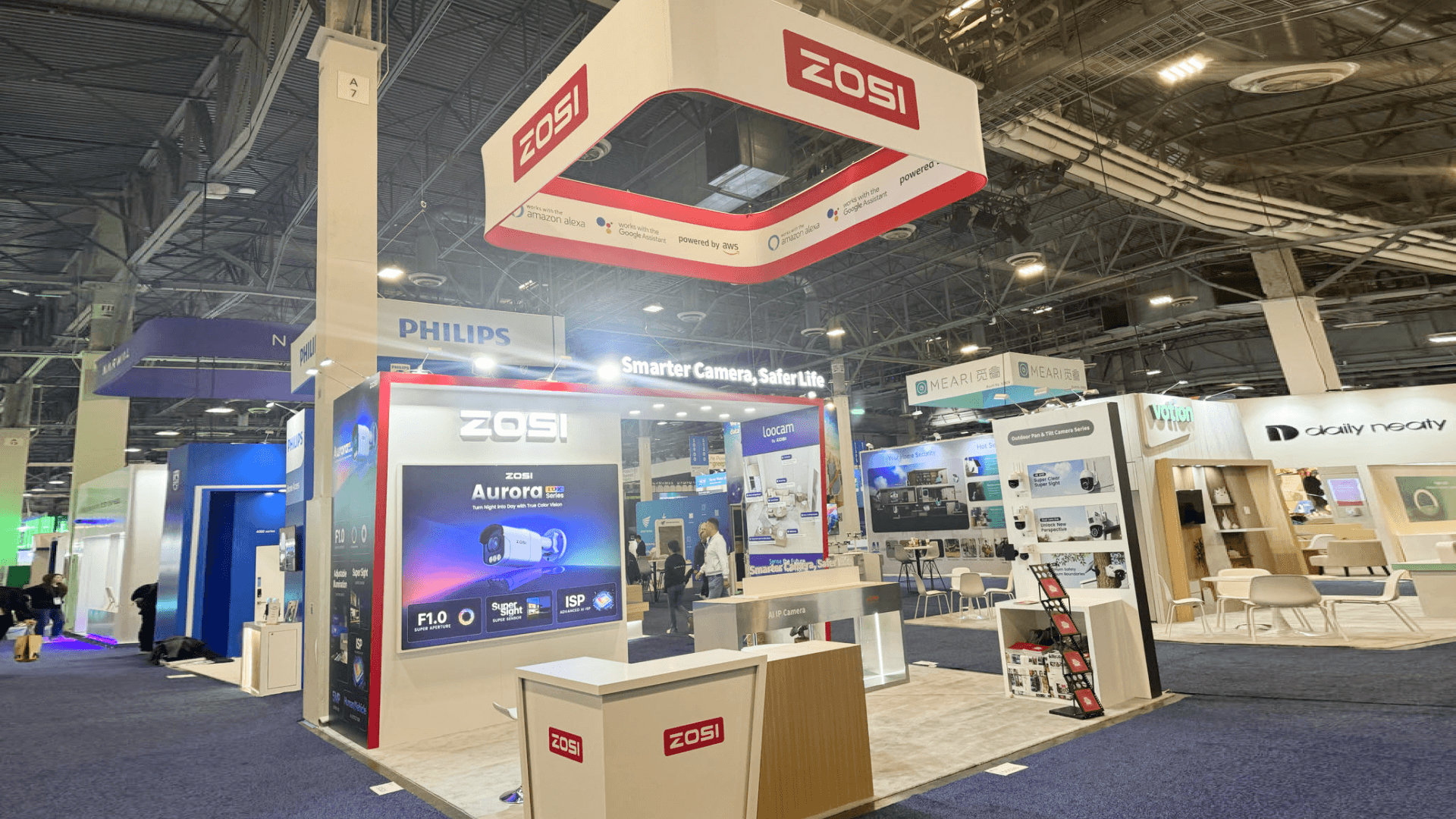
A compact Eureka Park startup booth works best when the exhibitor has one clear product message, one prototype or visual sample, a simple counter, light storage, and a founder-led explanation. This layout should keep the aisle message short, make the prototype easy to see, and give staff enough room to talk with visitors without blocking the path.
A 10x20 startup demo booth gives more room for a prototype display, simple screen support, side-by-side product explanation, storage, and a clearer visitor path. This size can work when the startup needs to show more than one product angle while still keeping the pitch short and easy to follow. For inline planning, see 10x20 booth planning.
A 10x10 CES startup booth can work when the team needs a clean backwall message, a small demo counter, one product sample, lead capture, and space for quick investor or buyer conversations. This footprint should avoid crowded graphics or too many product claims. For compact layouts, review 10x10 booth planning.
A small startup booth should not try to act like a large exhibit. It should make space for a clear first impression, a short founder-led demo, lead capture, and a natural handoff into investor or buyer follow-up. The layout should support quick conversations without hiding the prototype or blocking the aisle.
Use focused support articles to explain how exhibitors can plan a CES Eureka Park startup booth around prototype display, compact booth messaging, founder-led demo flow, investor conversations, and show-site readiness. The first support article should focus on how to plan a CES Eureka Park startup booth, including prototype placement, short booth messaging, lead capture, and founder talking points. A second article can explain 10x10 booth planning and 10x20 booth planning for startup exhibitors deciding how much space they need for product samples, graphics, storage, and conversations. A third article can explain how graphics and brand presentation helps a startup booth stay clear without turning the page into a general technology demo guide.
CES Eureka Park startup booths need to explain the product quickly and give visitors a reason to stop. The booth should make the prototype, problem, use case, and next step clear before the founder or team member begins a longer conversation.
The prototype display area should be the easiest part of the booth to understand. Product samples, demo units, mockups, or visuals should be placed where visitors can see them quickly and ask a clear first question.
Startup booth messaging should be short, direct, and easy to read from the aisle. The booth should explain the product category, problem, core benefit, and next step without forcing visitors to read a long paragraph. Strong graphics and brand presentation helps keep the booth message clear in a small space.
Many startup booths rely on the founder or small team to explain the product. The booth should support a short demo path: first message, prototype view, quick use-case explanation, question, and lead capture.
A startup booth should make it easy to move from quick interest to a more useful conversation. The layout should support short investor questions, buyer interest, partner introductions, and follow-up without making the booth feel crowded.
Eureka Park startup booths often need to introduce an early-stage company, prototype, or product idea in a compact space. The booth should help visitors understand the product quickly before the conversation becomes detailed.
Many startup exhibitors rely on a prototype, simple product sample, screen visual, or founder-led explanation. These elements should be planned together so the first visitor interaction feels clear and useful.
Startup booths may attract investors, buyers, partners, media, and industry visitors. The booth should support quick introductions, focused questions, lead capture, and follow-up conversations without feeling overdesigned.
Not Sure Which Booth Size You Need?
Not every exhibitor knows whether a 10x20, 20x20, 20x30, or larger booth is the right fit. Circle Exhibit can help review your event goals, product display needs, demo areas, meeting space, storage, budget scope, and setup timeline before you choose a booth size.
Showing a Prototype in a Small Space
Keeping the Founder Demo Short
1
Define the Startup Message
2
3
4
Rental Booth Option for Compact CES Startup Displays
A rental-based CES startup booth can work when the exhibitor needs branded graphics, a simple counter, prototype placement, light storage, lead capture, and a practical setup path. This option is often enough when the product message is clear and the booth does not need a fully custom structure. For this direction, review Las Vegas trade show booth rental.
Custom Build Support for Prototype-Focused Startup Booths
Custom build support is useful when the startup needs special product placement, cleaner storage, stronger branded surfaces, custom counters, cable control, or a more polished visitor path. In these cases, booth fabrication and show-site execution helps keep the startup booth consistent from design to installation.
Choosing Based on Prototype Visibility and Conversation Flow
Choose based on how the prototype needs to be seen and how quickly visitors should move into a useful conversation. If the booth only needs one clear message, one display point, and simple lead capture, rental may be enough. If the booth needs a more controlled demo path or stronger brand presentation, custom support may be safer.
Prototype units, samples, mockups, chargers, and display materials should be packed, labeled, and matched to the booth layout before setup begins. Staff should know which items are for display, testing, backup, or private explanation.
Startup booth graphics, counters, and product samples should be placed so visitors can understand the message without crowding the booth. A small booth needs enough open space for staff to talk and visitors to pause.
Startup booths need storage for literature, chargers, cases, tools, product samples, backup devices, business cards, and lead capture materials. Storage should stay close enough for staff use but out of the main visitor path.
Before opening, the team should check prototype placement, screen content, charging, graphics, counter setup, lead capture, staff positions, and visitor flow. Logistics and pre-show coordination helps keep these startup booth details aligned before opening.
For exhibitors planning a CES Eureka Park startup booth, these related pages help separate compact startup booth planning from other CES booth planning needs: CES booth planning in Las Vegas for the main event hub, 10x10 booth planning for compact startup layouts, 10x20 booth planning for larger prototype display needs, and graphics and brand presentation for clear small booth messaging.
Need a Flexible CES Startup Booth Rental?
A rental-based booth can work when a CES Eureka Park startup booth needs branded graphics, a simple counter, prototype placement, light storage, lead capture, and a practical show-site setup path. This option is best when the startup message is clear and the booth does not require a fully custom structure.
What is a CES Eureka Park startup booth?
A CES Eureka Park startup booth is a compact booth planned around an early-stage company, prototype, or product idea. It usually includes short booth messaging, a prototype display, founder-led explanation, lead capture, and a visitor path that moves people from first interest to a useful conversation.
What should a Eureka Park startup booth include?
Is a 10x10 booth enough for a CES startup?
How should a startup prepare its booth message for Eureka Park?
How can startup exhibitors make investor conversations easier at the booth?
READY TO PLAN YOUR NEXT BOOTH?
Let’s Build a Booth That Fits Your Event
Share your event name, booth size, city, timeline, product display needs, and design references. Circle Exhibit will review your project direction and help you choose a rental-friendly or custom exhibit path.
3000+
Booth Projects Supported
50+
U.S. Event Cities
Transparent
Quote Review
Use the main CES event page for broader booth planning, booth size choices, rental vs custom build decisions, venue setup notes, and CES project references.
For startup exhibitors planning compact booth messaging, one prototype display, lead capture, small storage, and a short founder-led demo path.
For startups that need more room for product samples, screen support, side-by-side conversations, storage, and a clearer visitor path.
For Eureka Park booths that need a clear aisle message, simple product explanation, branded surfaces, and prototype display support.
For startup exhibitors that need booth structure, graphics, storage, setup support, and show-site execution aligned around a compact prototype booth.