Lock the Booth Plan Before Production
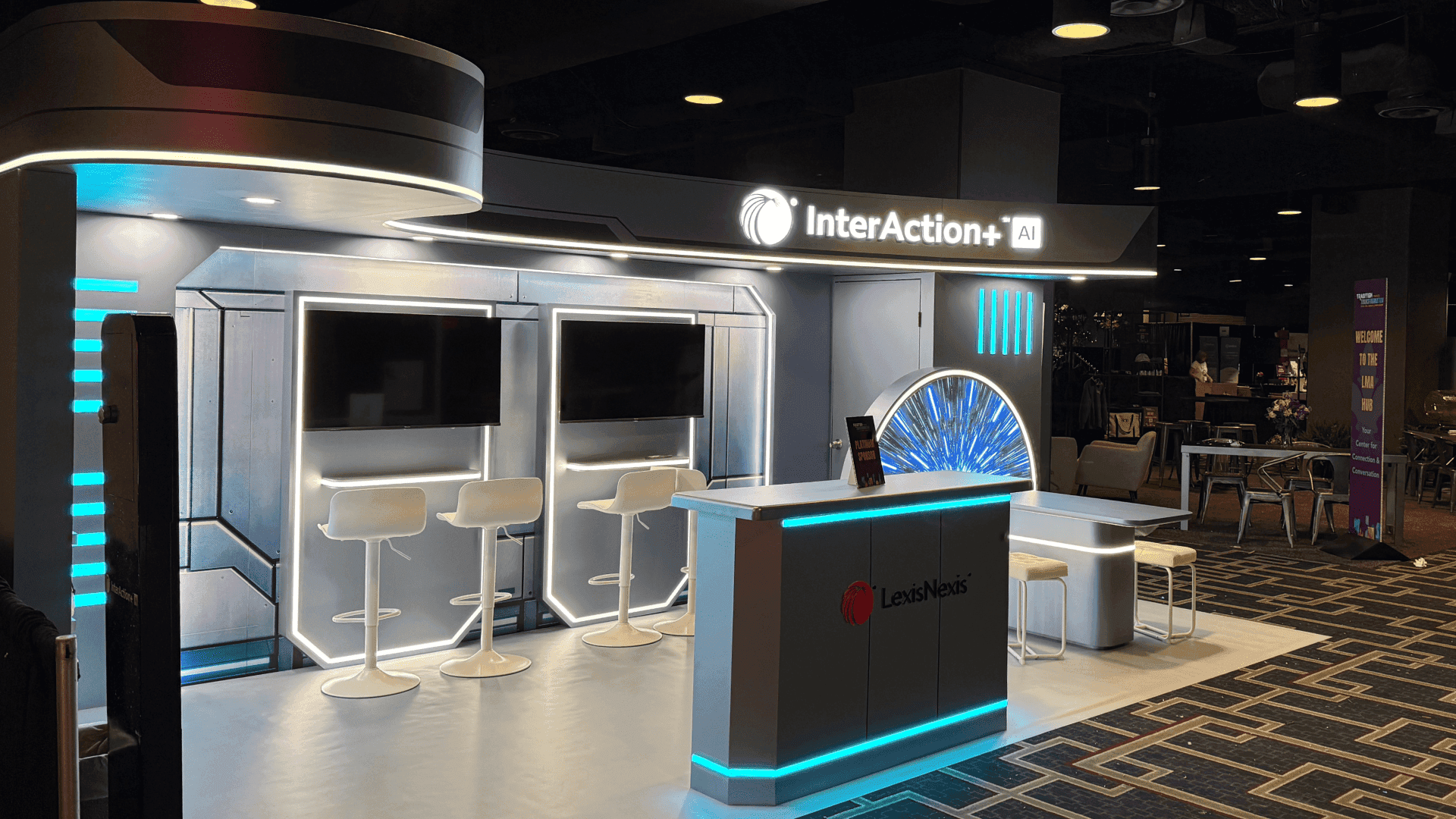
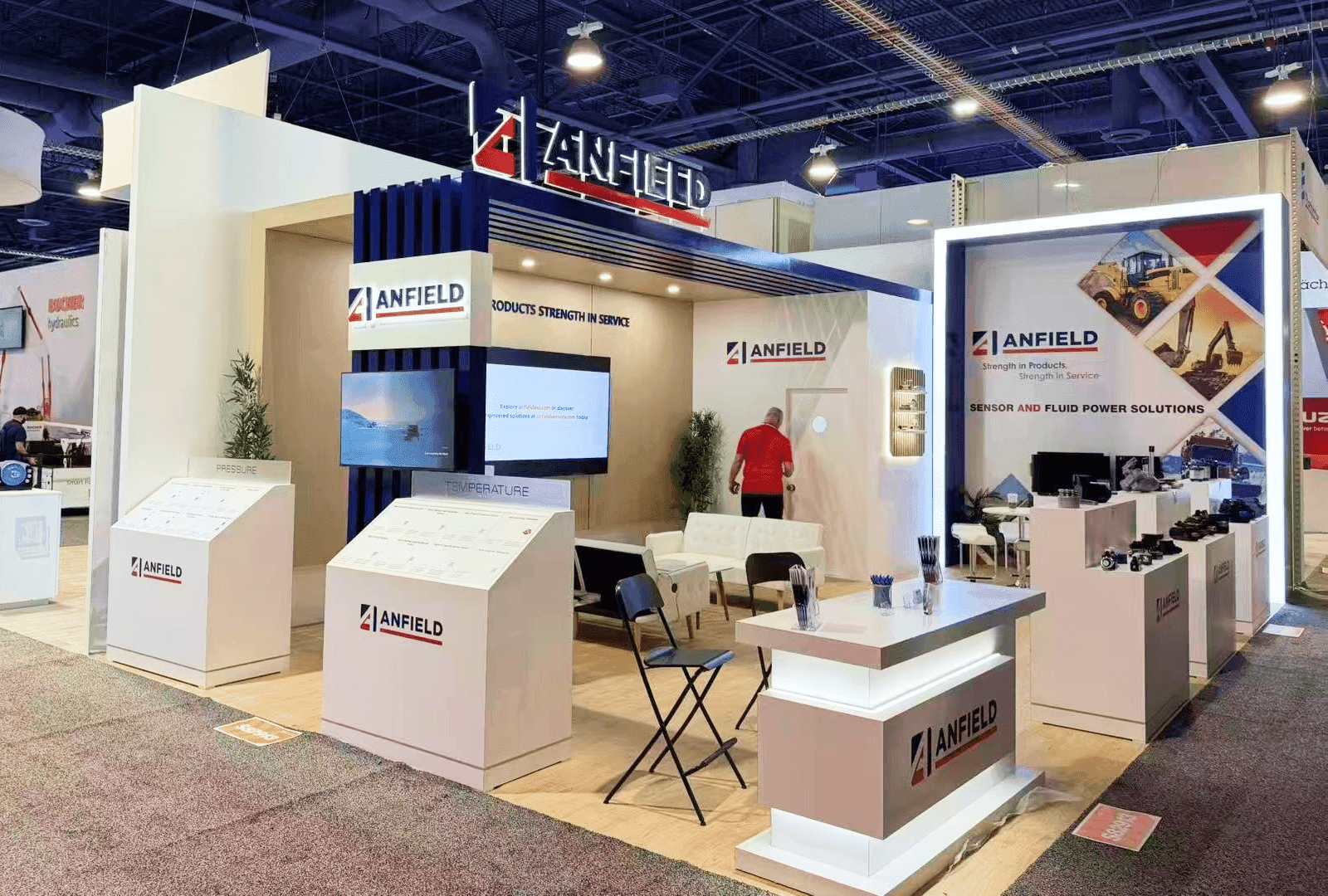
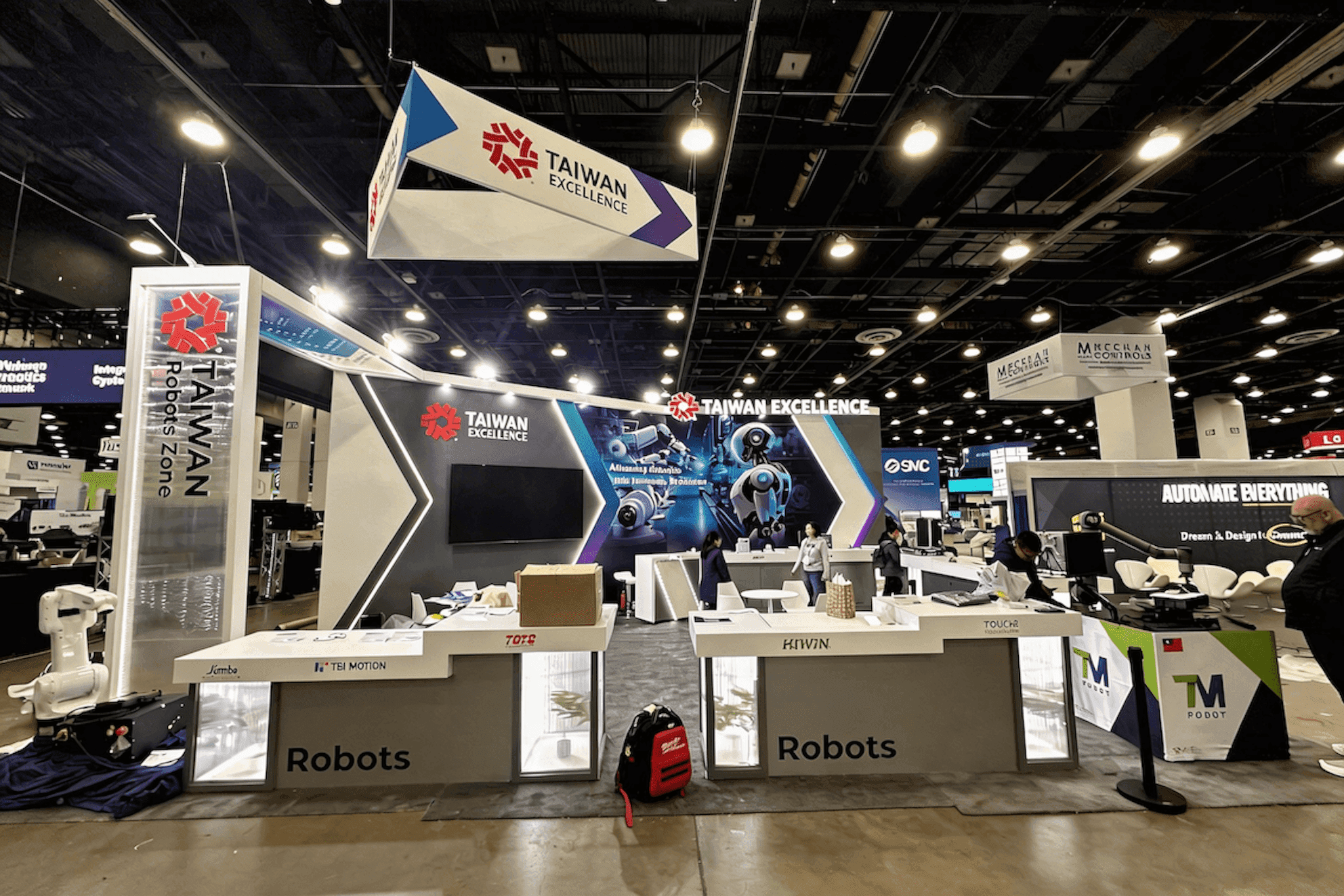
Start with the assigned booth space, included services, and current exhibitor requirements. The final layout should reflect the actual footprint, access conditions, screen locations, demo equipment, storage, meeting needs, and any sponsor package limits that apply.
Screen placement affects more than visibility. It changes power and internet requirements, cable routes, staff positions, visitor clearance, storage access, meeting-area separation, and installation order. Once those relationships are resolved, production drawings, show-service orders, packing plans, and installation can follow one approved layout.
A late change to a screen, counter, or demo station should be checked against the rest of the plan before production continues. Moving one element may also change electrical access, cable routing, visitor flow, or equipment placement.

Packing each demo station as one complete kit helps the installation team locate devices, adapters, login notes, and backup content in the correct order.
Pack Each Demo Station Before Move-In at The Venetian
Pack each demo station as one working kit: laptop or tablet, keyboard, chargers, adapters, audio equipment, lead device, login notes, and backup content. Label every case with its station and opening priority so the on-site team knows what needs to reach the booth first.
Keep client-owned devices separate from rental components and structural or graphics materials. For move-in at The Venetian Expo, the packing order should follow the approved sequence for the structure, graphics, screens, power access, and demo hardware.
Case numbers, equipment locations, and opening order should be aligned during pre-show logistics coordination. A critical adapter or demo device should not remain inside a case that cannot be reached until late in the installation.

A powered screen is not a ready demo. The full visitor walkthrough should be tested in the actual product environment before the Expo opens.
Test the Demo Visitors Will Actually See
A powered screen is not a ready demo. The assigned staff member should run the same sequence planned for the Expo floor:
Open the correct product environment.
Confirm account access and the intended user role.
Load the correct demo data and connected services.
Test the screen, audio, and lead device from the visitor side.
Complete the walkthrough, technical handoff, and visitor’s next step.
This process can expose problems that a basic hardware check misses. An account may open under the wrong permission level, demo data may be outdated, or a connected service may behave differently from the rehearsal environment.
When the live environment is unavailable, move first to a backup device, then to a recorded walkthrough or local screenshots. Staff should still be able to explain the core demo sequence, key result, and follow-up path without relying on the live platform.

Daily resets keep demo stations ready during the show, while clear equipment ownership and packing plans reduce confusion during dismantle.
Keep the Booth Ready Each Day
Each demo station should be able to run the planned walkthrough and move visitors into the right follow-up conversation.
Before opening:
Confirm screen content, login status, demo data, lead devices, backup content, and staff assignments.
Check chargers, storage access, scheduled meetings, and specialist availability.
After the Expo closes:
Recharge devices, reset accounts and demo data, and return equipment to its assigned storage.
Confirm the next day’s demo coverage, customer meetings, and staff handoffs.
Sessions and customer meetings may pull specialists away from the booth. Trained backup staff should be able to run the first demo, answer initial questions, and keep the discussion moving until the right specialist is available.
When the same specialists are covering demos, sessions, and customer meetings, the staffing plan should also reflect the wider AWS re:Invent partner booth planning needs.
The right coverage depends on booth size, active demo stations, scheduled meetings, and the time needed to move between AWS re:Invent venues. AWS officially advises attendees to allow additional travel time between properties.
Track Equipment Through Dismantle
Before dismantle begins, inventory client products, demo devices, lead equipment, and other electronics. Keep client-owned materials separate from rental structures, and pack graphics, custom components, and electronics by type.
The fabrication and installation plan should also guide the dismantle order. Screens, graphics, rental structures, and client-owned equipment need to be separated without mixing ownership or damaging reusable components.
Confirm return freight, storage, or possible reuse before the show closes. Record damaged or missing items, and make sure login notes, lead devices, demo accounts, and customer information leave with the assigned team rather than remain inside cases or booth storage.
Frequently Asked Questions About AWS re:Invent Booth Execution
What Should Be Tested Before the AWS re:Invent Expo Opens?
Run the complete visitor walkthrough rather than checking only the hardware. Confirm the product environment, account access, user roles, demo data, connected services, screens, audio, lead devices, staff handoff, and backup path.
What Should Be Reset After Each Expo Day?
Recharge devices, restore screen content, reset accounts and demo data, and return equipment to its assigned storage. Before leaving, confirm the next day’s meetings, demo coverage, and specialist availability.
How Should Exhibitors Staff the Booth During Sessions and Meetings?
Keep trained staff at the booth who can run the main demo, answer initial questions, and direct visitors to the right specialist. Coverage should reflect booth size, active demo stations, scheduled meetings, and travel time between AWS re:Invent venues.