NFMT West Booth Planning by Buyer Evaluation Path
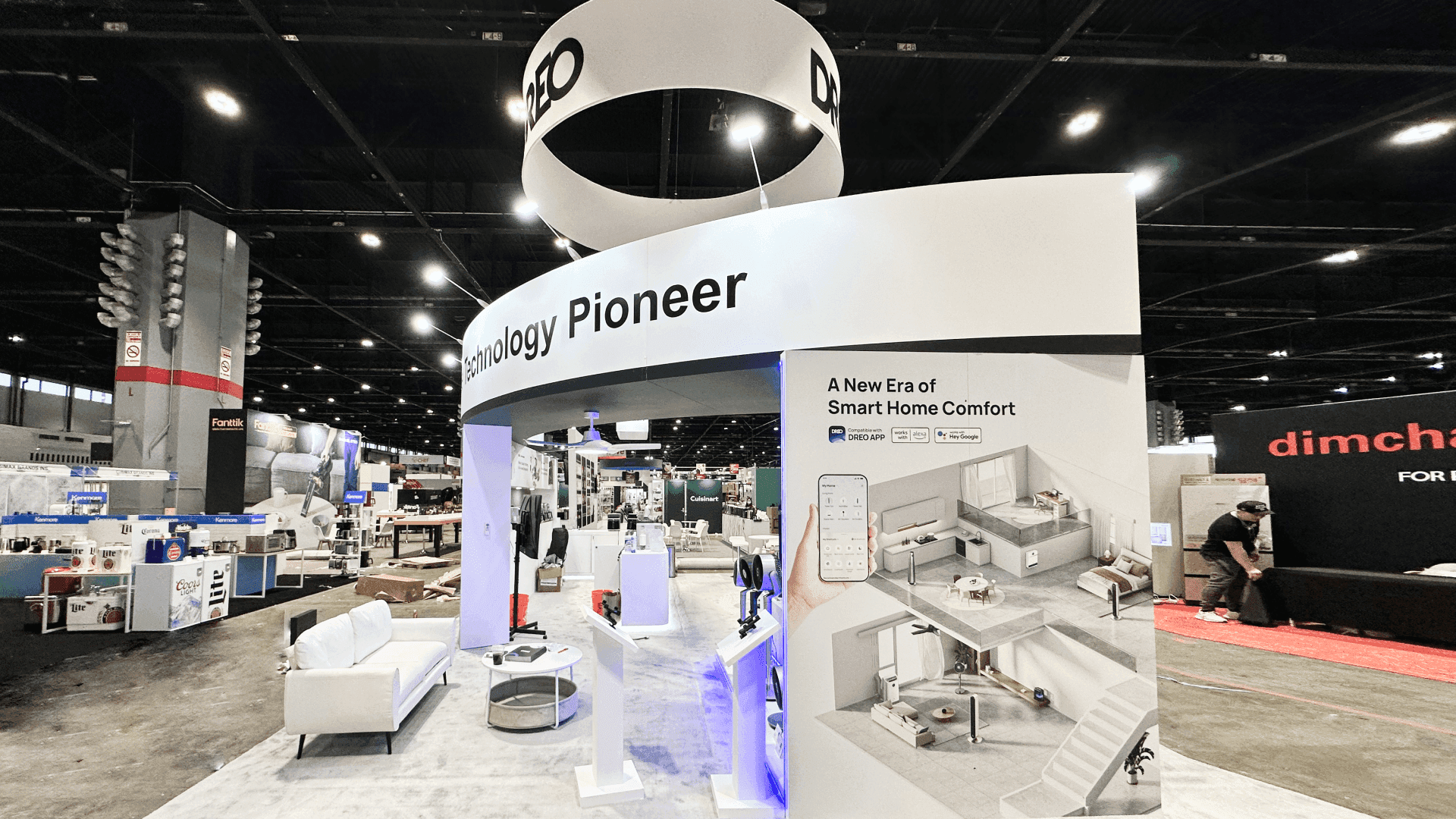

How should exhibitors plan a booth for NFMT West?
Start with what the buyer needs to verify. Connected systems usually need a guided demonstration, physical products need inspection or hands-on evaluation, and service-led solutions need a clear problem–proof–consultation path. That choice should determine the booth’s footprint, conversation space, screens, product access, and show-site requirements.
NFMT West brings together facility professionals looking for practical ways to operate, maintain, improve, and modernize buildings. The way buyers evaluate a solution depends on what is being shown: BAS and software platforms often need a guided demonstration, physical equipment needs room for inspection or operation, while service-led solutions rely more on evidence, methodology, and focused consultation.
That difference should shape the footprint. A focused 10x20 may be enough when one evaluation task dominates. A 20x20 booth begins to separate a demo or product-inspection area from deeper technical conversations, while a 20x30 becomes more useful when several activities, larger products, storage, or meeting functions need to operate at the same time.
Exhibitors presenting BAS, IoT, CMMS, controls, dashboards, or other connected-building systems can move into the NFMT West smart building systems planning path. NFMT West 2026 is held at Horseshoe Event Center. Teams coordinating design, fabrication, and show-site setup locally can also work with experienced Las Vegas trade show booth builders.
Why Exhibitors Choose Circle Exhibit
Clear scope, transparent quote review, nationwide booth support, and efficient setup planning for qualified rental and custom exhibit projects.
48hr
Setup Window
10+
Years Since 2014
U.S.
Trade Show Support
Real
Booth Project Proof
NFMT booth size should follow the work taking place inside the exhibit. Move up in size when another demo needs to run at the same time, equipment needs more inspection clearance, technical conversations begin competing with the main evaluation area, or storage starts taking space away from the buyer path.
A 10x20 booth works best when one product, system demo, or consultation drives the visit. Keep the evaluation focused, conversations mostly standing, and storage limited so the primary task remains easy to understand.
A 20x30 booth gives multiple demos or products, meeting space, storage, and visitor movement enough separation to operate without competing for the same area.
A 20x20 booth begins to make sense when the main demo or product-inspection area needs to stay active while another buyer moves into a longer technical discussion.
A 30x40 booth is better suited to several equipment or technology zones, larger physical displays, multiple meeting functions, or substantial support space that must work independently.
NFMT West buyers may encounter the same solution through education, a booth conversation, and later technical review, but each stage should add something new. When a Learning Lab establishes the facility problem first, the exhibit can move directly into evidence buyers can observe, inspect, or compare. That distinction between Learning Lab education and booth proof helps keep the buyer journey moving forward instead of repeating the same presentation twice.
The conversation can become more specific when facility managers arrive with drawings, specifications, or site photos. Those materials may support an initial fit or application discussion, but they do not automatically provide enough information for a final technical conclusion. A clear approach to evaluating facility specs at the booth helps exhibitors recognize what can be discussed immediately and what still needs technical follow-up.
NFMT buyers should be able to tell quickly whether a solution applies to their facility, see enough proof to evaluate it, and know where to continue when the first question becomes technical. The booth should make those steps easy to follow instead of asking every visitor to interpret the full product story at once.
Make the operating, maintenance, energy, safety, or building-management problem clear before explaining the solution. Buyers should be able to recognize why the booth matters to their facility from the aisle.
That first action may be a guided system demo, physical product inspection, side-by-side comparison, project evidence, or a conversation with a specialist. One clear entry point is more useful than presenting every form of proof with equal weight.
A short demo or inspection often leads to application, specification, integration, service, or purchasing questions. Plan where that deeper conversation can happen without occupying the main evaluation area.
When a booth combines software, physical products, and consultative services, each should have a clear role. Screens, equipment, graphics, and staff conversations should support different parts of the buyer journey rather than compete in the same zone.
NFMT West brings facility professionals into an Expo Hall where they can compare solutions, watch live demonstrations, evaluate products, and speak directly with manufacturers and solution providers.
NFMT West 2026 runs November 3–4 at Horseshoe Event Center in Las Vegas.
The show connects exhibitors with facility professionals responsible for evaluating and influencing products, technologies, and operational solutions for buildings.
Not Sure Which Booth Size You Need?
Not every exhibitor knows whether a 10x20, 20x20, 20x30, or larger booth is the right fit. Circle Exhibit can help review your event goals, product display needs, demo areas, meeting space, storage, budget scope, and setup timeline before you choose a booth size.
The Facility Problem Must Be Clear Before the Product Story
A Good Demo Can Still Block the Next Buyer
1
Identify What the FM Buyer Must Verify
2
3
4
Stay Rental When the Evaluation Setup Is Standard
A Las Vegas trade show booth rental can work when the exhibit needs branded walls, counters, screens, storage, and clearly defined demo or conversation functions without specialized structural integration.
Move to Custom When the Proof Changes the Structure
Custom fabrication becomes more useful when equipment, embedded technology, product fixtures, or technical environments must become part of the exhibit itself. booth fabrication and prebuild support is more relevant when those requirements affect engineering or installation.
Use Hybrid When the Proof Elements Need to Travel Again
A rental structure can carry custom demo modules, product fixtures, graphics, or reusable technology components when exhibitors want to reuse the specialized parts without rebuilding the entire booth.
NFMT provides dedicated operations contacts for move-in and move-out, contractors, and rules and regulations. Verify the latest exhibitor toolkit and service information before final production.
Identify which screens, devices, equipment, or demonstrations depend on power, data, or other services before booth structure and cable paths are finalized.
Product placement, screen checks, demo testing, labeling, meeting setup, and staff walkthroughs should happen after the main exhibit structure is stable.
Operational information can change as the show approaches, so confirm current move-in, contractor, service-order, and show rules before freight and crew plans are released.
Rental Booths for NFMT West Evaluation Paths
A rental booth can work well when the NFMT exhibit needs clear product or system evaluation, branded walls, demo counters, screens, storage, and technical-conversation space without heavily integrated custom structures.
What should an NFMT West booth be planned around?
Plan around what the facility manager needs to verify first: a connected system, a physical product, or a service solution. That determines the proof, conversation path, and functional space.
Which booth size works for NFMT West exhibitors?
Should NFMT exhibitors prioritize demos or meetings?
What if an NFMT exhibitor sells a service instead of equipment or software?
What should be confirmed before NFMT West booth production starts?
READY TO PLAN YOUR NEXT BOOTH?
Let’s Build a Booth That Fits Your Event
Share your event name, booth size, city, timeline, product display needs, and design references. Circle Exhibit will review your project direction and help you choose a rental-friendly or custom exhibit path.
3000+
Booth Projects Supported
50+
U.S. Event Cities
Transparent
Quote Review
Use this planning path when facility managers need to inspect, operate, or compare equipment, components, samples, or other physical building products before discussing application fit.
Relevant for exhibitors whose NFMT solutions involve energy management, building efficiency, controls, monitoring, electrification, or other facility-energy applications.
Use 20x30 planning when multiple evaluation activities, larger products, technical meetings, and storage need clearer separation.
Useful when equipment, screens, custom fixtures, technology, utilities, and visitor flow need to be resolved together before fabrication.
Use logistics planning when exhibit components, equipment, samples, and installation dependencies need to arrive in a controlled sequence.