Separate Presentation, Handling, and Reserve Roles
Assign every sample to a specific operating role before deciding how many sets to ship. Only open handling sets count toward active review capacity; intact references and reserve components support the review without creating another working station.
Sample role | What the buyer can assess | Counts toward active review capacity? | Allocation rule |
|---|---|---|---|
Intact reference | The complete product combination, packaging order, and client-ready presentation | No | Keep one for each featured program whose finished presentation should remain visible |
Open handling set | Individual products, inserts, decoration details, substitutions, and packaging layers | Yes | Assign one to each staffed review point that can reset it independently |
Reserve set or components | Replacements for missing, damaged, or heavily handled pieces | No | Pack only the backup pieces required to restore an active set |
The same physical set can change roles after a complete reset, but it should not routinely serve as both the intact reference and the overflow handling sample. Once the reference is opened, the booth no longer has a dependable finished presentation. Repeatedly borrowing it is a sign that the handling-set allocation is too low.
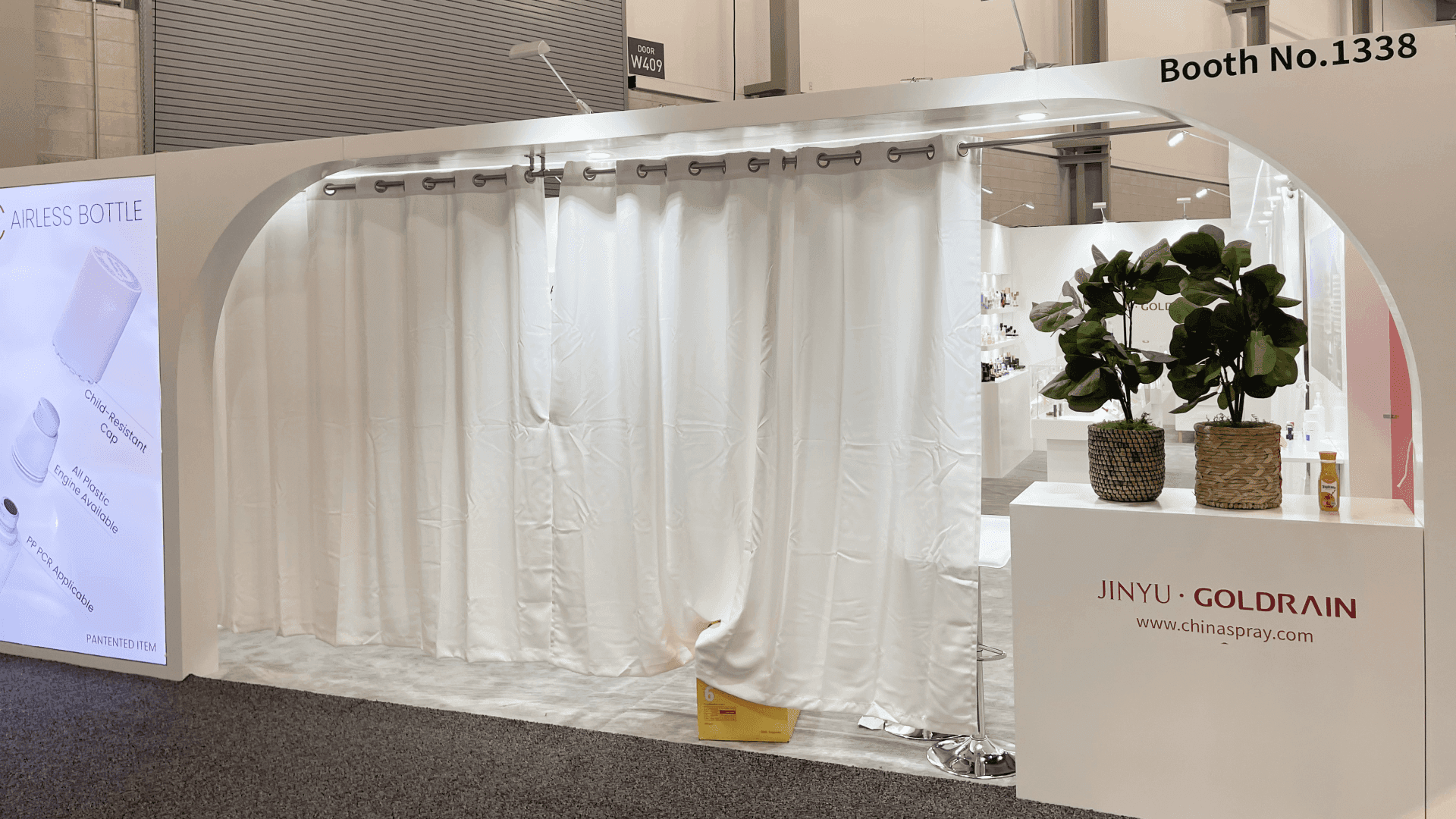
Separate the finished reference, buyer-handling sample, and reserve components before deciding how many gift sets should remain open.
Match the Open-Sample Count to Review Demand
Begin with the number of gift-set reviews that may need to continue at the same time—not the number of programs listed in the catalog.
Use the operating pattern that best matches the booth:
Operating pattern | When it fits | Open-sample decision | Failure signal |
|---|---|---|---|
One active handling set | One staffed review point can complete a review and reset before the next one begins | Keep one set open and rotate programs as needed | Buyers regularly wait while the set is being used or rebuilt |
Two active handling sets | Buyer reviews frequently overlap and each review point has assigned staff | Keep one open set at each review point | Components cross between sets, or one set remains incomplete after a review |
Rotate on demand | Several programs share one review point, but not all need to remain open | Keep one core program open and bring other labeled handling sets forward when requested | Retrieval repeatedly interrupts conversations or delays comparisons |
A featured program may have both an intact reference and an open handling set, while lower-demand handling copies remain closed until a buyer asks to inspect them.
A second open sample is justified only when rehearsal or prior show experience reveals recurring overlap and the team can maintain a separate reset cycle for each set. Surface area alone does not establish the need for another handling sample.
Use Reset Capacity as the Ceiling
An open handling set remains available only if the team can return it to a complete, buyer-ready state. The real operating capacity may still be one set even when the surface appears able to hold several.
Before increasing the number of open samples, confirm:
who is responsible for resetting each review point;
where lids, inserts, sleeves, cards, and removed products will wait during inspection;
how similar components will remain associated with the correct gift program;
who will retrieve a missing or damaged piece from reserve stock;
whether resetting one set will pull staff away from another buyer; and
whether the complete presentation can be restored before the next review begins.
If any responsibility remains unclear, reduce the active count or rotate programs on demand. More open samples increase capacity only when each set can remain complete. Otherwise, they create more unfinished presentations—not more usable review points.

A second open gift set adds capacity only when both review points can keep components separate and return each set to a complete presentation.
Run a Concurrent-Review Test Before Packing
Use the largest or most complicated gift program to test the exact sample allocation planned for the show.
Stage the intact reference, proposed handling set or sets, and required reserve components.
Simulate a complete buyer review, including product removal, comparison, discussion, and reset.
Complete the reset without borrowing products or packaging pieces from the intact reference.
If two handling sets are planned, operate both review points at the same time using the staff assignments intended for the show.
Record any buyer delay, component crossover, missing piece, or incomplete reset.
Set the final quantity from what happens during the test. If one cleanly reset set creates recurring waits, a second may be warranted. If two sets cannot remain separate or return to a finished state, the booth’s working capacity is still one—even if the counter can physically hold both.
Map each intact reference, handling set, and reserve location in a trade show booth design mockup before finalizing the packing list. The mockup can confirm where each role belongs, but it cannot prove that staff can operate the plan under simultaneous buyer demand.
When samples, surfaces, and reset responsibilities need to be validated together, include the concurrent-review trial in the booth fabrication and prebuild checks.
FAQ
Does every featured gift program need its own open handling set?
No. Keep an open handling set for programs that buyers are likely to inspect repeatedly. Lower-demand handling copies can remain closed and move to the review point when requested.
The intact reference should remain complete unless the team deliberately changes its role and can restore the presentation afterward.
Do the intact reference and open handling set need to match?
Using the same version helps buyers connect the finished presentation with the individual products and packaging layers they are handling.
If the versions differ, label the variation clearly and explain which products, decoration details, inserts, or packaging components have changed.
Do reserve components count as another open gift set?
No. Reserve components are there to replace missing, damaged, or unavailable pieces in an active handling set.
They count toward review capacity only when they are assembled into another complete handling set with its own review position and staffed reset process.