Start With What the Counter Already Has to Do
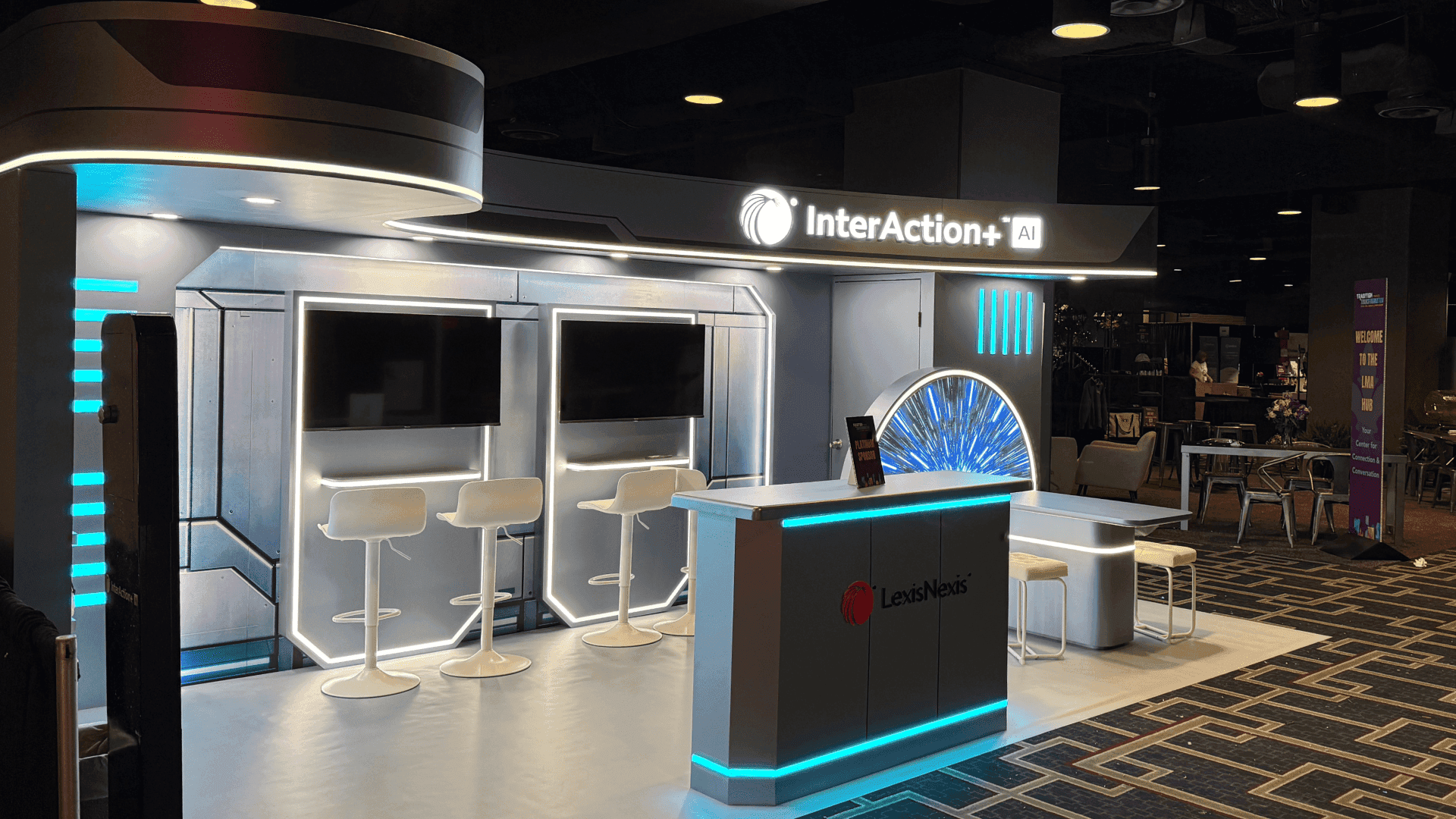
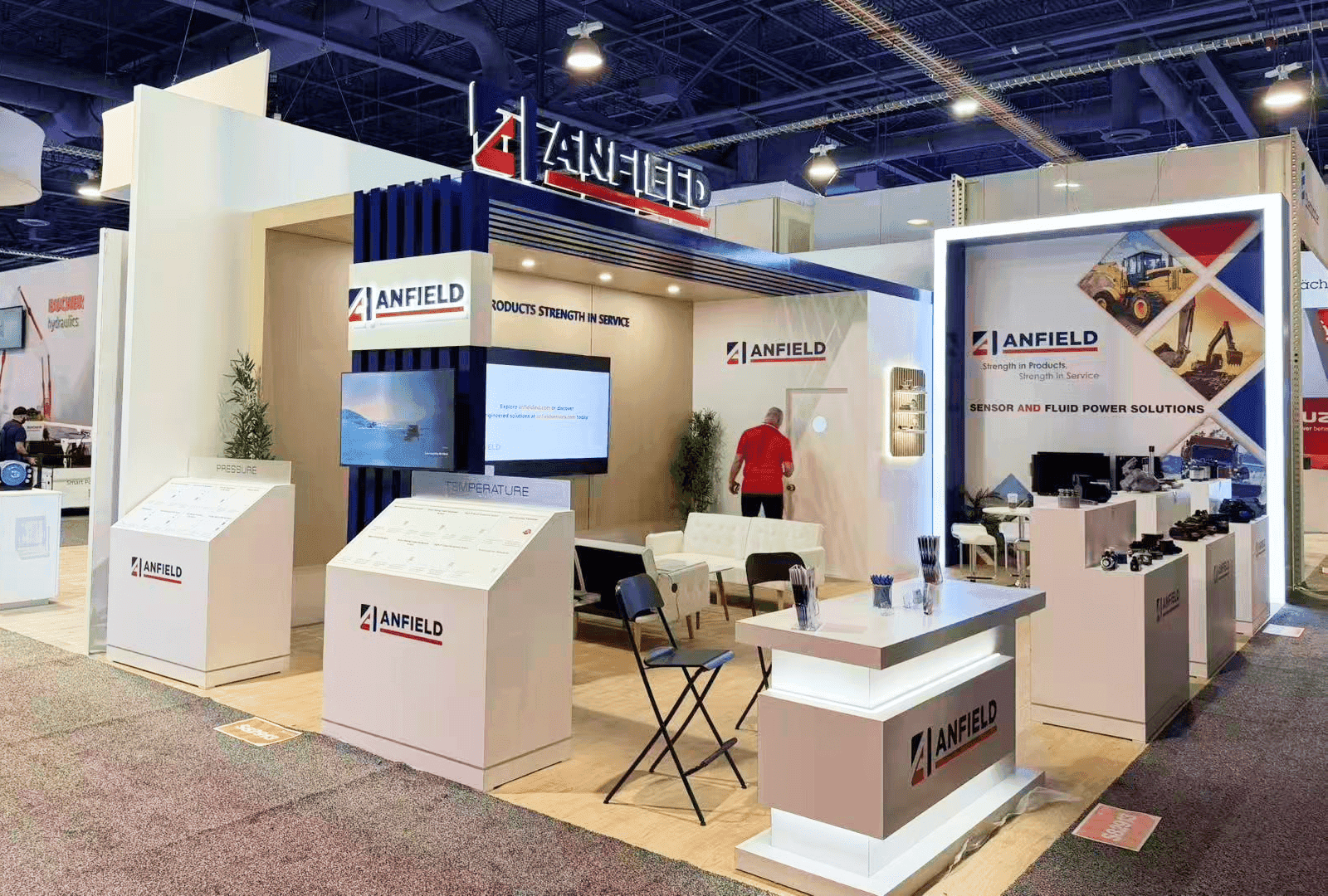
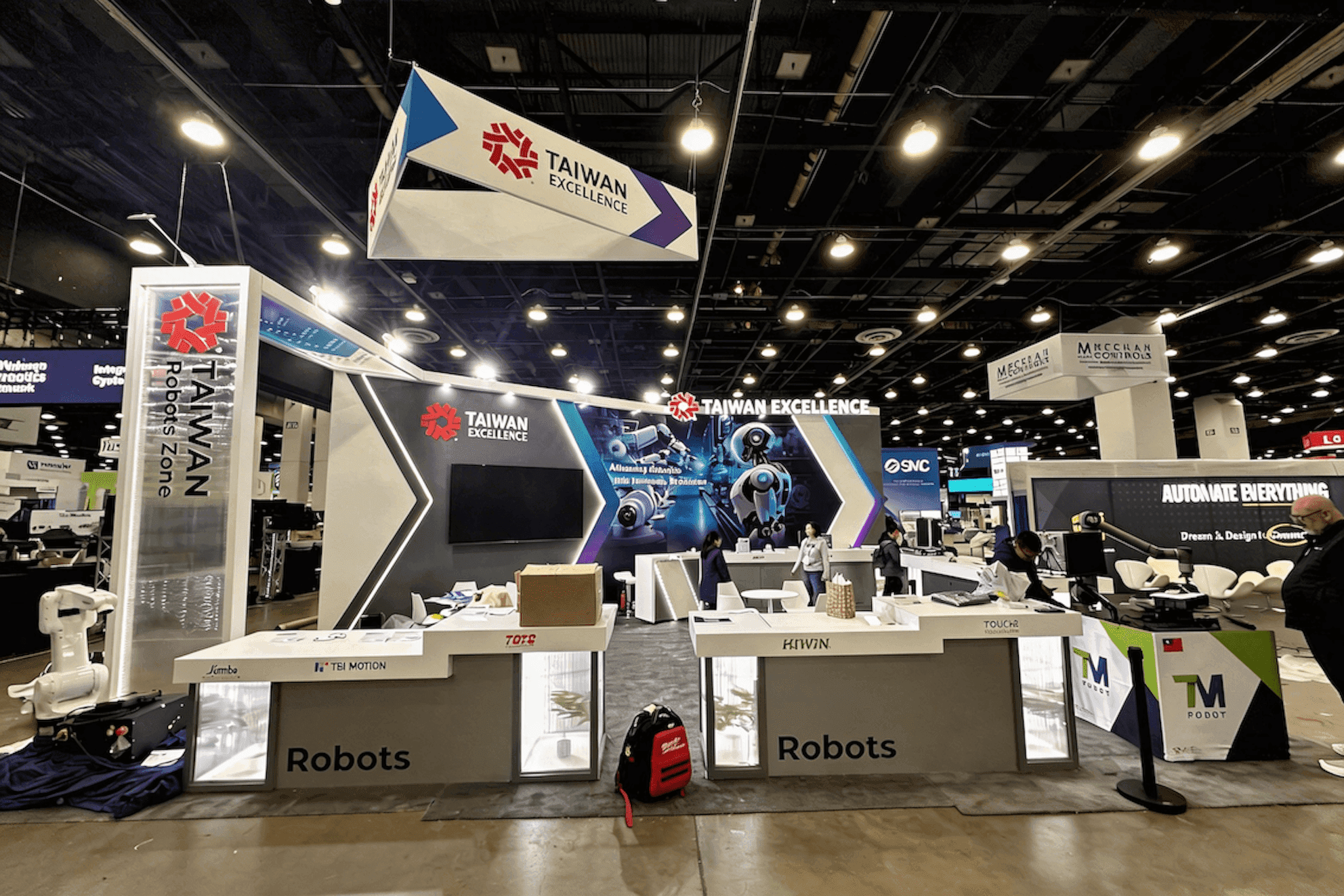
Begin by identifying the counter’s primary job. A surface that appears open in a rendering can fill quickly once staff add a tablet, scanner, catalogs, decoration references, and returned samples.
Existing counter job | How garment review can interfere |
|---|---|
Reception and lead capture | A garment covers the scanner, tablet, or writing area while another visitor checks in. |
Catalog or specification handoff | The sample hides materials a salesperson needs to explain product or decoration options. |
Sample return and sorting | Reviewed garments from different racks begin collecting in one place, making sorting and return harder. |
Concealed-storage access | Staff must move the garment—or interrupt the buyer—to open a door or reach supplies. |
Even an occasional counter task may need protected space; the practical test is which necessary job becomes harder as soon as a garment occupies the surface.

A shared counter can support brief, single-garment reviews when reception tools remain clear and the sample can return directly to the rack.
When One Counter Is Enough for Apparel Review
A shared counter works best when one garment comes off the rack, the buyer checks a few relevant details, and staff return it before another task needs the surface.
This arrangement is usually workable when:
only one garment is handled at a time;
the item can be reviewed without lying fully flat;
side-by-side comparison is occasional rather than routine;
reception or lead capture can pause during the review;
devices and reference materials leave a clear handling area; and
staff can return the sample without reaching across another buyer.
An edited collection with short, staff-guided reviews may therefore need no extra furniture; if a separate table would not support a recurring task that the counter cannot already handle, it is likely to add congestion rather than capacity. This is where simpler booth design works better: every added element needs a job of its own.
Signs That Apparel Review Needs a Separate Table
A separate table becomes useful when buyers need more time or another working position—for example, to open a jacket, inspect an inside label, compare fabrics, or keep one garment visible while discussing another.
The clearest signal is recurring overlap: if garment review regularly takes the counter out of service or returned samples keep occupying its working area, separate the functions with a dedicated station that prevents product comparison from interrupting reception and sales support.

A separate review table keeps side-by-side comparison from interrupting lead capture, reception, or access to stored materials.
Test the Layout With Real Garments and Two Staff Roles
Use the largest or most difficult garment in the collection and include every item that will remain on the counter during the show.
Place the garment on the proposed review surface.
Open, turn, or spread it as a buyer would.
Add the tablet, scanner, catalogs, decoration references, and other counter items.
Have one staff member handle the garment while another performs the counter’s primary task.
Return the garment, hanger, and any packaging to the correct position without crossing another buyer’s path.
Before approval, confirm the largest garment, the number of items compared at once, the counter’s primary non-review job, and the route back to the rack. Review those elements together in a trade show booth design mockup, because an empty counter cannot show whether people, products, and equipment can use the space at the same time.
Carry the Surface Decision Into the Booth Plan
Turn the result into a specific design instruction: if one surface will serve both roles, reserve a clear handling area and keep scanners, tablets, and forms outside it; if garment review needs its own table, place it close enough to the rack for easy sample return without narrowing the entrance or blocking storage.
Pass those operating requirements into trade show booth design and engineering, where counter clearance, furniture placement, and the surrounding layout can be reviewed together. Depending on the task, the solution may be a rental table, an integrated counter extension, or a purpose-built review surface.
FAQ
How much clear counter space does apparel review need?
No single dimension works for every booth. The clear area must hold the largest garment in the position required for inspection without covering lead-capture tools, catalogs, or decoration references, so test it with the real garment before fixing the counter design.
Can buyers compare two garments on the same booth counter?
Yes, provided both garments fit without covering lead-capture tools or reference materials and the comparison does not stop another counter task. If side-by-side review happens regularly, a separate surface will be easier to operate.
Where should a reviewed garment go before it returns to the rack?
Give it a defined temporary position where it will not cover the next sample, mix collections, or block the counter. If the booth has no controlled return position, the surface plan is incomplete.