Equipment Inspection, Demo and Application Planning for NFMT West
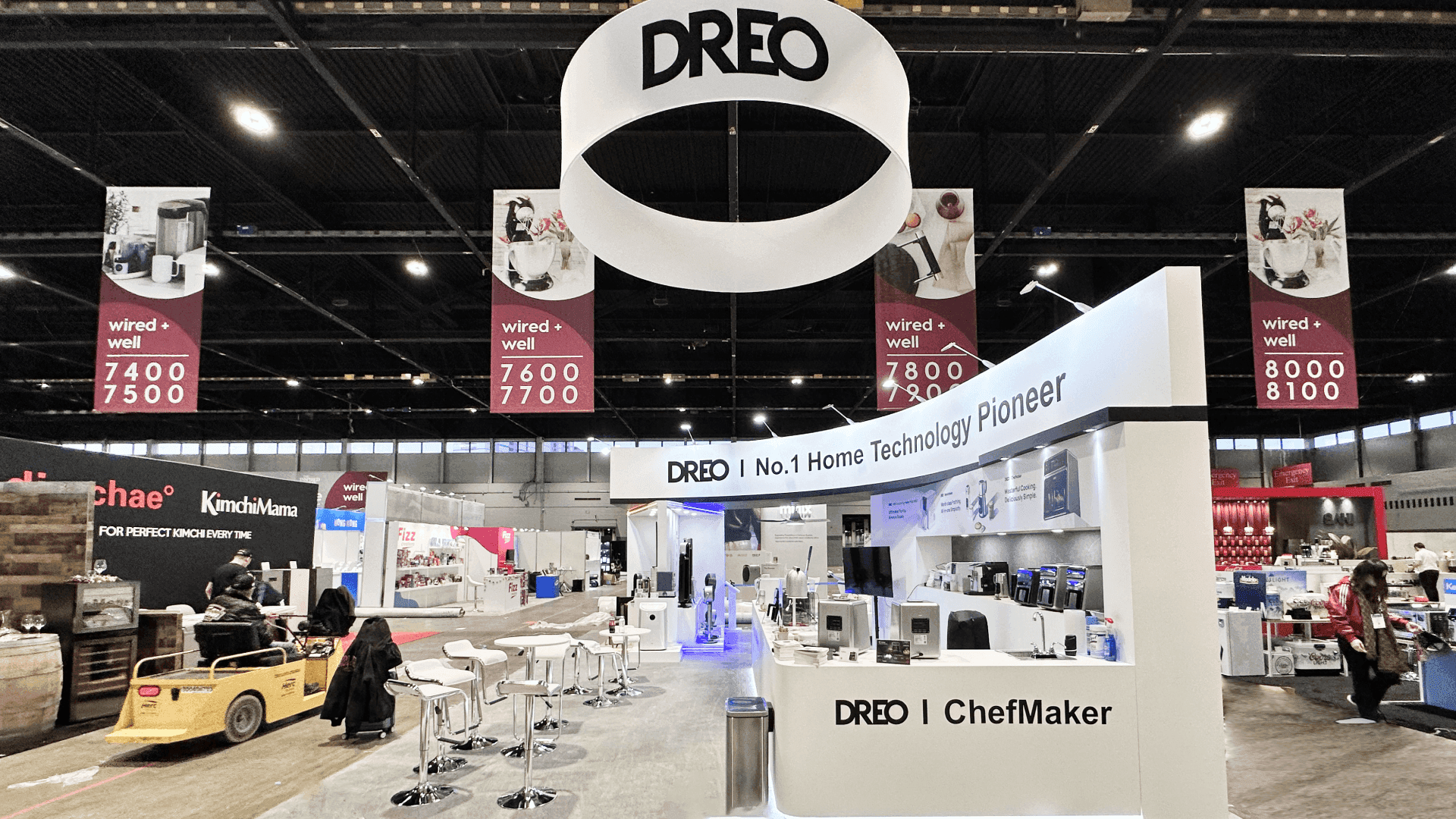
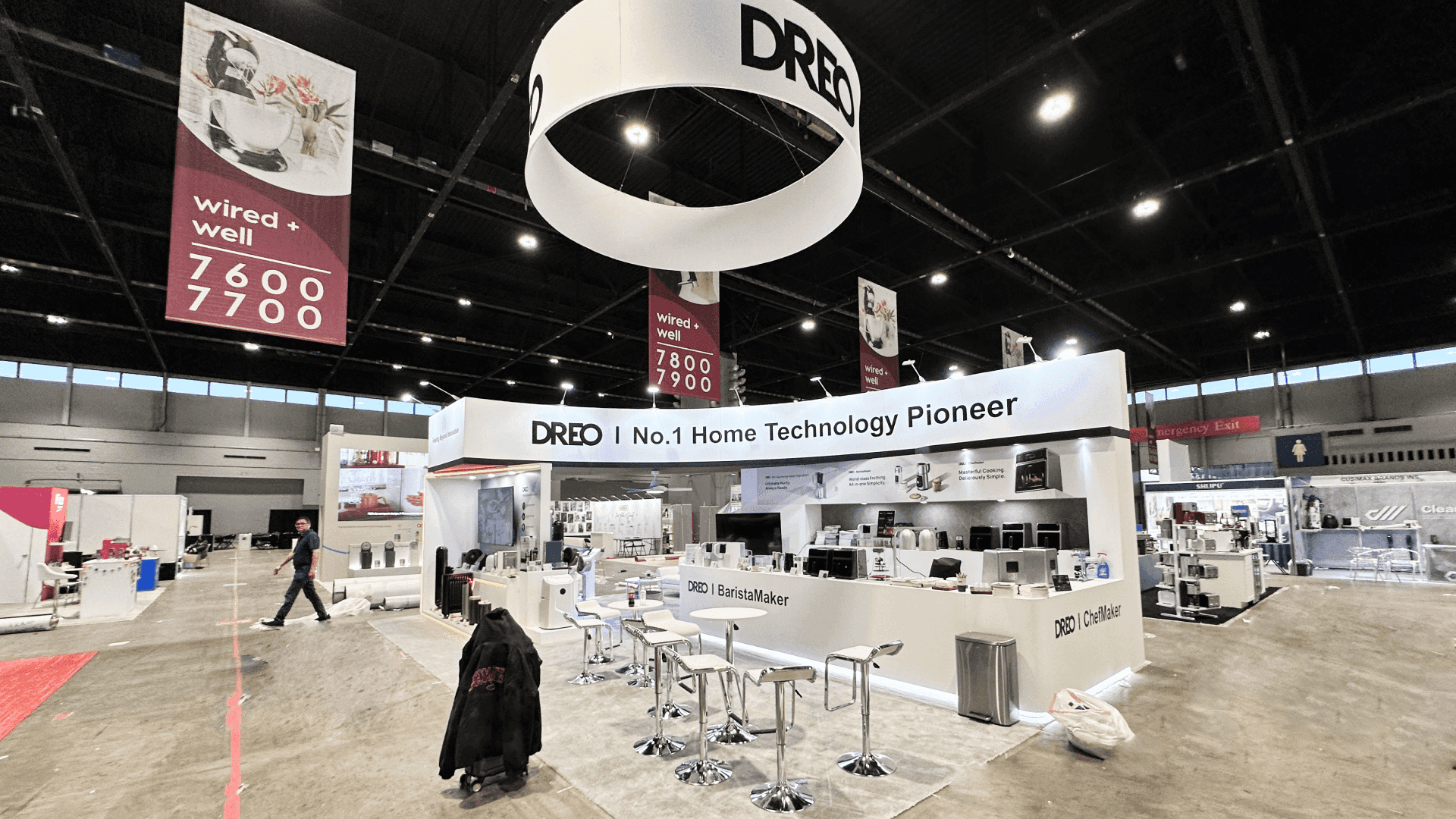
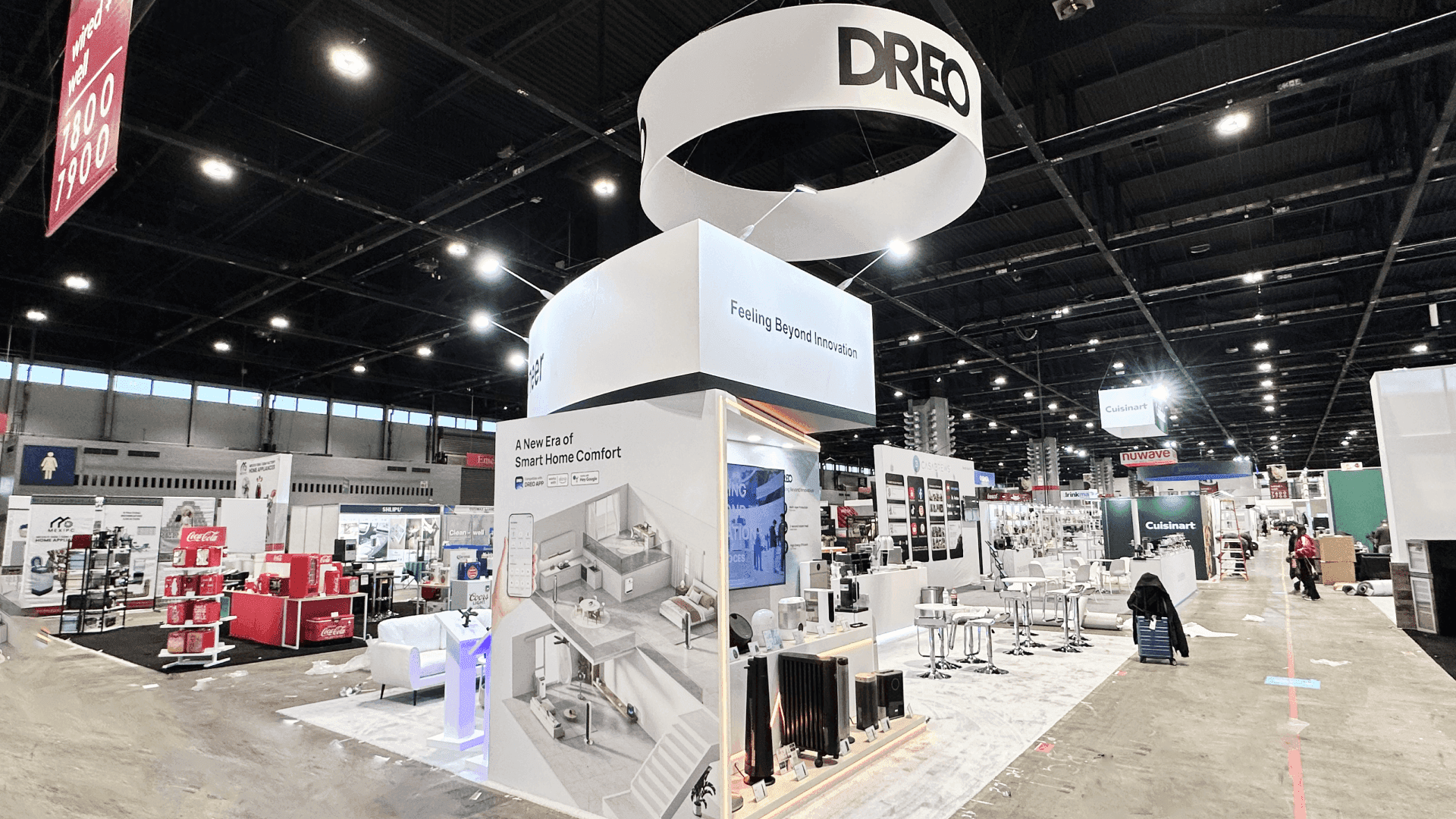

How should equipment be displayed and demonstrated at NFMT West?
Plan the booth around what the facility manager must physically verify. The buyer may need to approach the product, inspect components, operate it, compare versions, or discuss how it fits a specific building application. Product footprint, clearance, staff access, storage, utilities, and technical-conversation space should support that sequence.
Physical products need more than display space. Facility managers may need to inspect components, operate equipment, compare configurations, or understand installation conditions before discussing application fit.
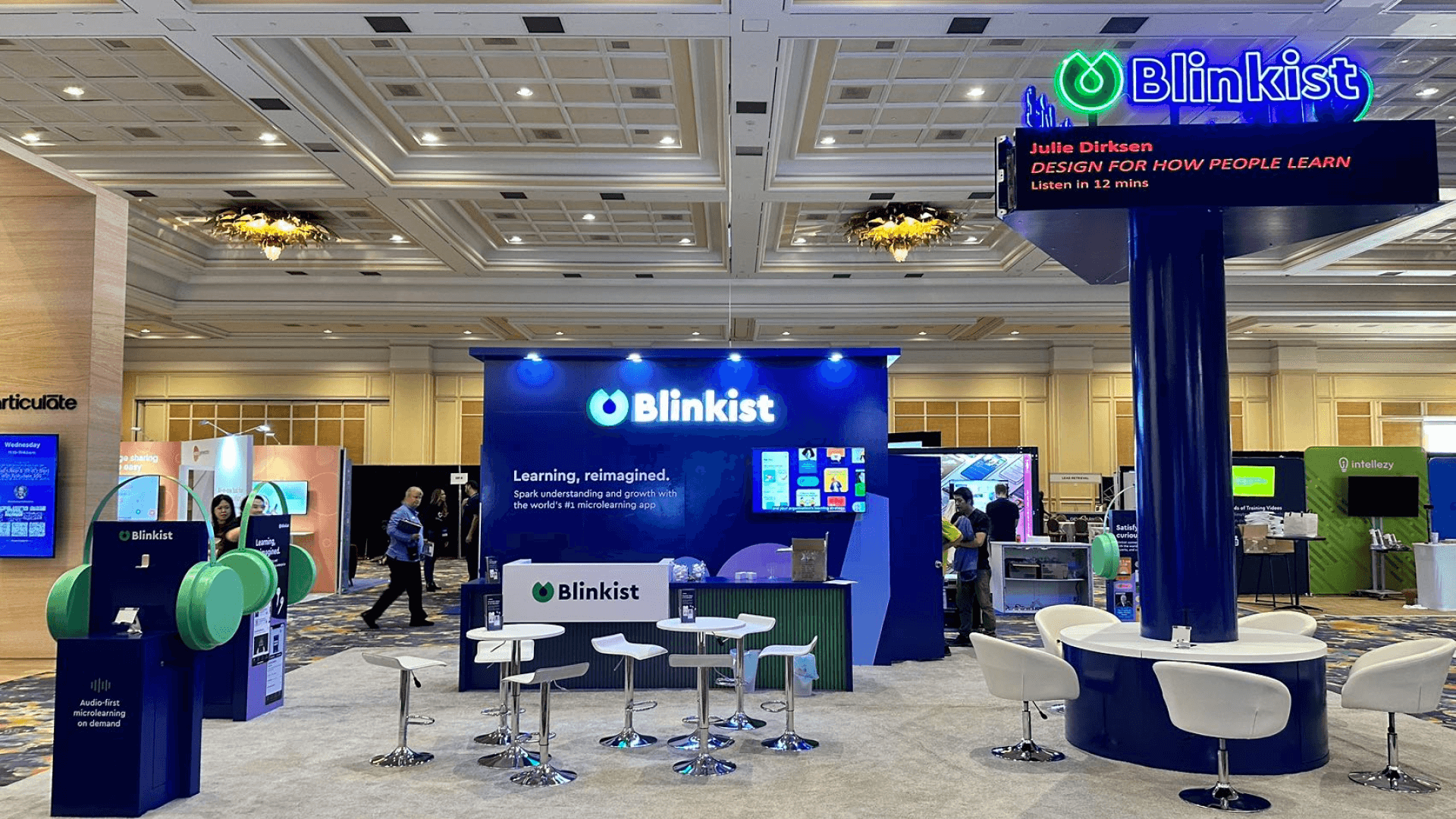
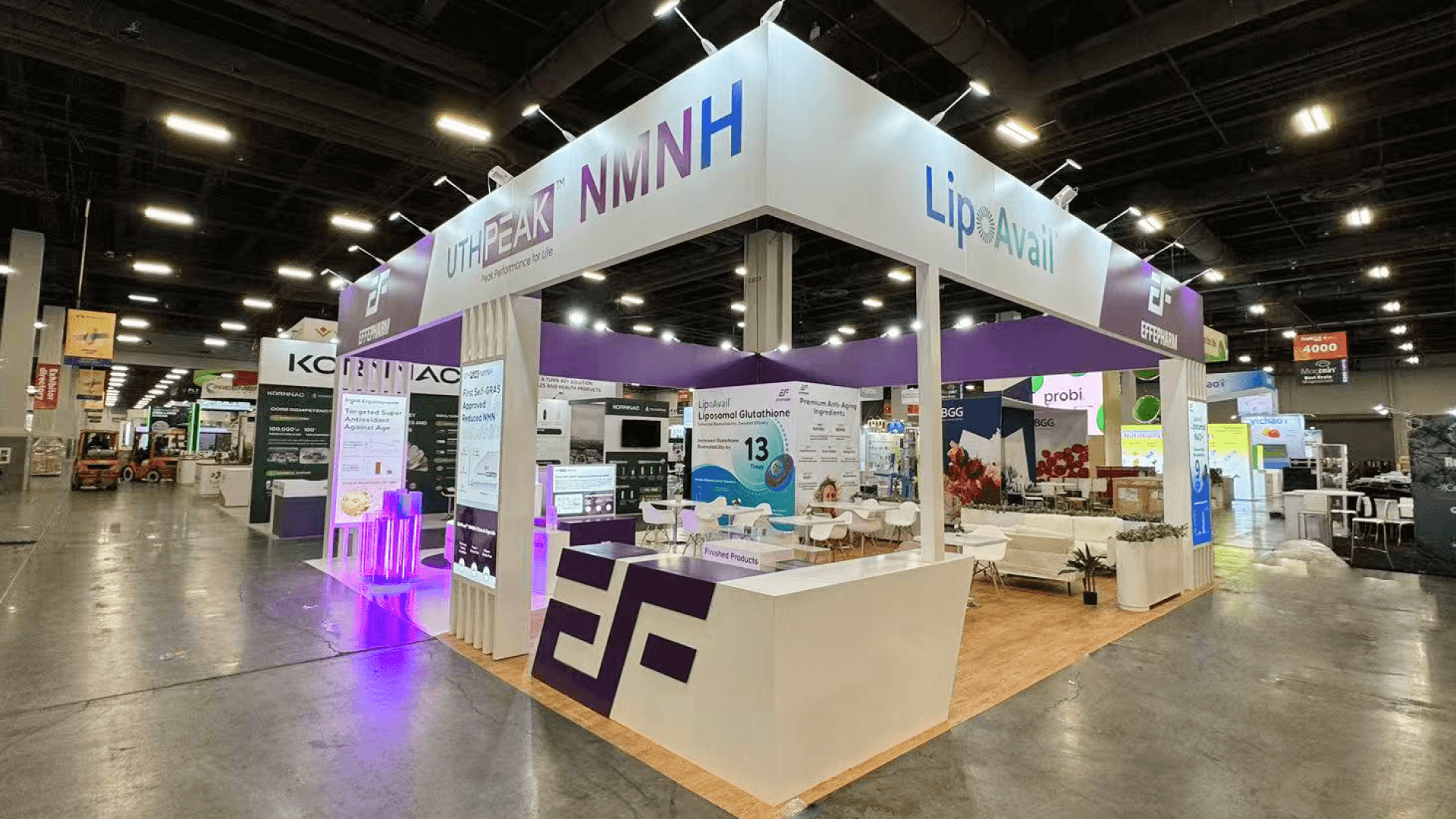
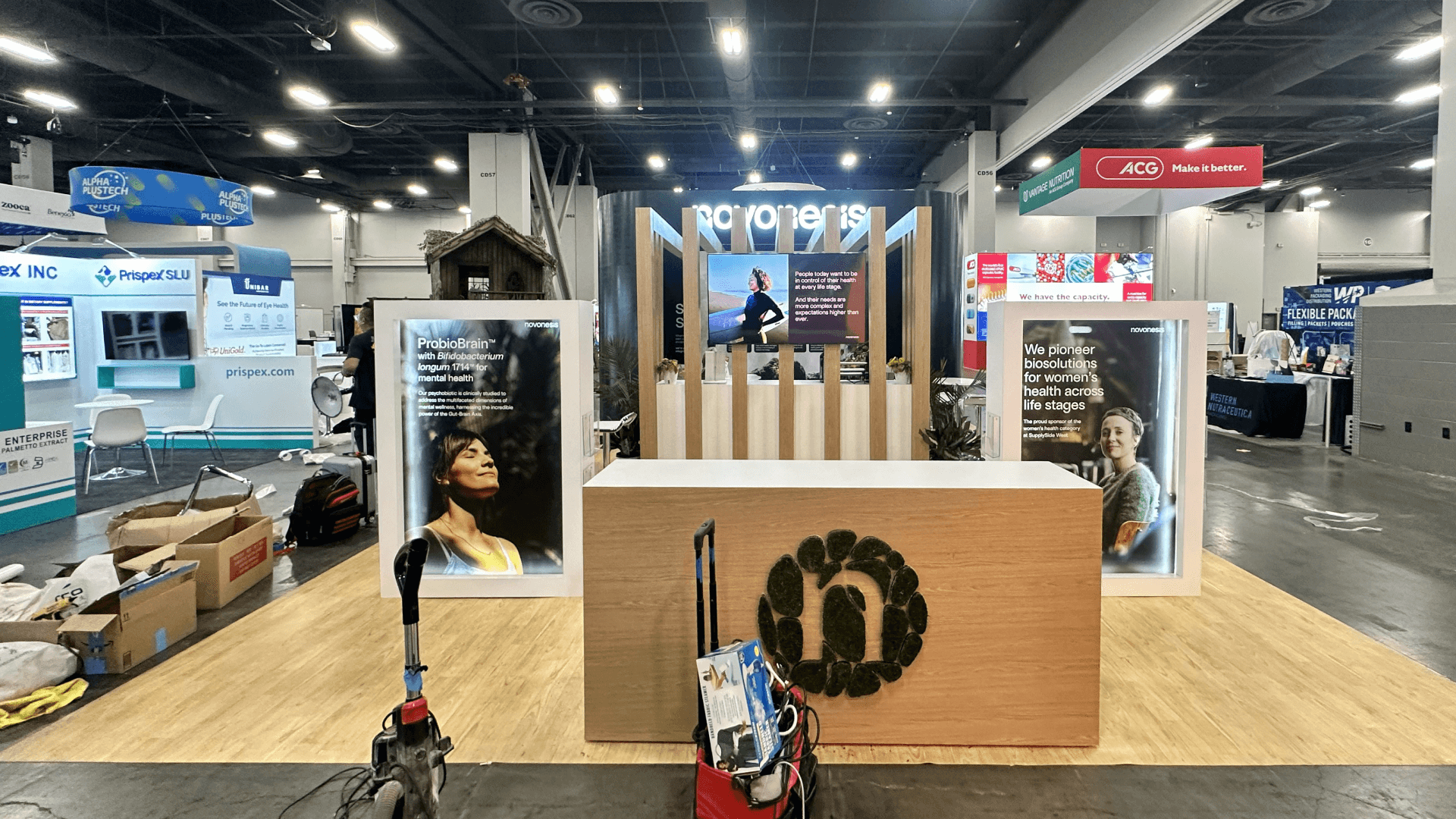
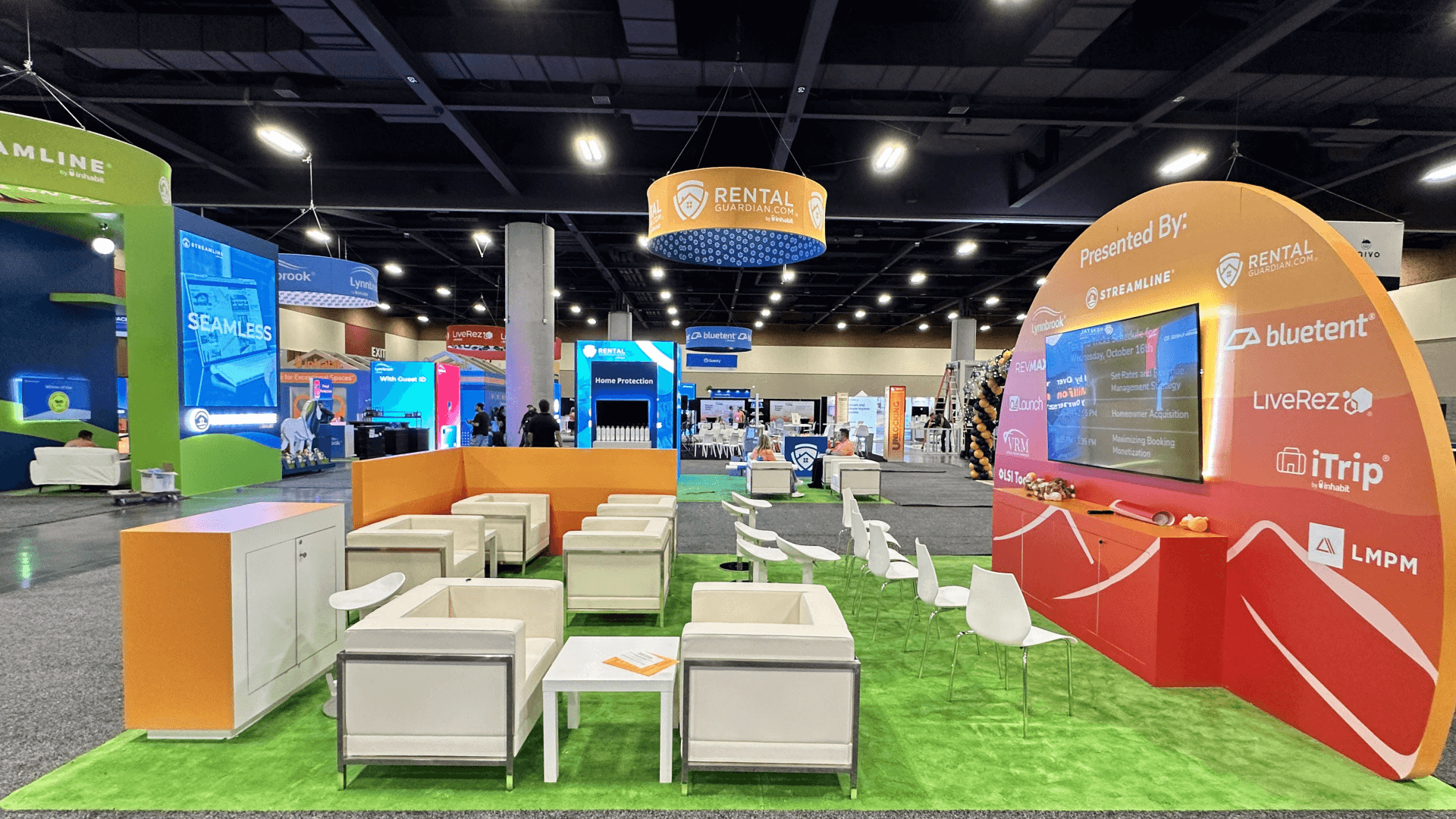
A compact 10x20 can work for one product, cutaway, or sample. A 20x20 supports one principal display with controlled inspection access, while a 20x30 booth becomes more useful when demo clearance, visitor movement, technical discussion, and storage need separate space.
For digital systems, service-led solutions, or mixed exhibits, use the NFMT West booth planning hub. At Horseshoe Event Center, confirm equipment dimensions, utilities, handling, placement, and current show-service requirements before production and freight are finalized.
Why Exhibitors Choose Circle Exhibit
Clear scope, transparent quote review, nationwide booth support, and efficient setup planning for qualified rental and custom exhibit projects.
48hr
Setup Window
10+
Years Since 2014
U.S.
Trade Show Support
Real
Booth Project Proof
Physical products consume more than their listed dimensions. Inspection clearance, operator position, access, storage, utilities, and the technical conversation that follows should all be included in the footprint decision.
A 10x20 booth can work for one compact product, component, cutaway, or sample when inspection is brief and the demonstration does not require significant operating clearance.
A 20x30 booth provides more separation between equipment, active demo clearance, inspection traffic, technical conversations, and support storage.
A 20x20 booth can support one principal product, controlled inspection access, a standing technical discussion point, and limited hidden support storage.
A 30x40 booth becomes relevant when several equipment systems, active demo positions, substantial clearance, meetings, and back-of-house support must operate independently.
Physical equipment gives buyers the opportunity to inspect, operate, and compare something directly, but that proof is more useful when the underlying facility problem is already clear. A Learning Lab can establish the operating issue or application context first, leaving the exhibit to demonstrate what the product actually changes. This progression from education to booth-level proof keeps the two touchpoints connected without turning the booth into a replay of the session.
Actual facility dimensions, drawings, site photos, or operating requirements can make the equipment discussion more precise. They may help a buyer compare configuration or application fit, but some questions still depend on information that cannot be confirmed on the show floor. Framing facility-specific booth evaluation this way helps the discussion stay useful without overstating what the available information can support.
Physical proof should help a facility manager understand what the product is, what can be examined or operated, and what application questions need to be discussed next.
Visitors should be able to approach the product from the side that matters, see relevant components, and inspect useful details without entering the main aisle.
Define where staff operate the product, where buyers stand, what clearance is required, and what must be reset before the next demonstration.
Use graphics for configuration, performance, application context, model differences, or installation conditions that the physical object alone cannot explain.
Keep accessories, spare samples, tools, literature, packaging, replacement items, and reset materials close enough for staff use without turning them into visible clutter.
This planning scenario applies when buyers need to see, approach, inspect, operate, or compare a physical product rather than understand the solution only through software or conversation.
NFMT West runs November 3–4, 2026 at Horseshoe Event Center in Las Vegas.
NFMT West promotes live product demonstrations and hands-on evaluations, making product access and demonstration planning directly relevant to this exhibitor scenario.
Not Sure Which Booth Size You Need?
Not every exhibitor knows whether a 10x20, 20x20, 20x30, or larger booth is the right fit. Circle Exhibit can help review your event goals, product display needs, demo areas, meeting space, storage, budget scope, and setup timeline before you choose a booth size.
Inspection Needs More Than Product Footprint
A Working Demo Can Easily Become an Aisle Bottleneck
1
Choose the Physical Proof
2
3
4
Rental Works When the Equipment Remains Freestanding
A Las Vegas trade show booth rental can work when products or samples remain independent of the structure and the booth mainly needs standard walls, graphics, counters, storage, and straightforward utility access.
Custom Is Needed When the Product Changes the Structure
Equipment that must be mounted, recessed, framed, surrounded by custom fixtures, or integrated into a specific operating environment can justify custom fabrication. Use booth fabrication and prebuild support when the product changes engineering or installation.
Hybrid Works When Only the Product Fixtures Are Specialized
A rental framework can carry custom platforms, product supports, sample fixtures, graphics, or demo components when the specialized requirement is limited to the product-facing portion of the booth.
Confirm product dimensions, orientation, access, and placement sequence early enough that booth structure and show-site labor can be planned around the equipment.
Check current NFMT and venue information for power and any other service required to operate or demonstrate the product safely and reliably.
After placement, test operation, inspect clearance, organize tools and accessories, and rehearse the buyer-facing demonstration before opening.
Keep packaging, tools, return materials, reusable components, and dismantle dependencies organized so the product can be removed without improvising after the show closes.
Rental Booths for Freestanding Equipment Displays
Rental structures can work when equipment, components, or samples remain freestanding and the exhibit mainly needs product access, graphics, counters, support storage, and straightforward demo utilities without custom structural integration.
Should NFMT equipment exhibitors bring full equipment or smaller samples?
Bring the form that proves what the buyer needs to evaluate. A full unit is useful only when its scale, operation, components, or physical access adds information a sample or cutaway cannot provide.
How much clearance should an equipment demo leave?
When does equipment require a larger booth?
How should product inspection lead into a technical discussion?
What should be confirmed before equipment is delivered to NFMT West?
READY TO PLAN YOUR NEXT BOOTH?
Let’s Build a Booth That Fits Your Event
Share your event name, booth size, city, timeline, product display needs, and design references. Circle Exhibit will review your project direction and help you choose a rental-friendly or custom exhibit path.
3000+
Booth Projects Supported
50+
U.S. Event Cities
Transparent
Quote Review
Use the parent Event Hub when the exhibit also includes smart-building systems, service-led solutions, or wider event-level booth decisions.
Use 20x30 planning when equipment footprint, active demo clearance, technical discussion, visitor movement, and storage need separate functional zones.
Relevant when several equipment displays, large product zones, multiple demos, meetings, and substantial back-of-house support require a larger island environment.
Use logistics planning when booth components, equipment, samples, packaging, tools, and installation dependencies need to arrive in a controlled order.
Useful when equipment placement, booth structure, utility access, product testing, and dismantle must be coordinated as one show-site sequence.