Identify What the Buyer Is Actually Trying to Verify
Two facility managers can bring similar drawings and still be asking very different questions. One may be checking whether a product will physically fit; another may be trying to understand whether it can work with equipment or controls already in the building.
The first task is to identify the verification question.
Physical fit — Will the product, component, or configuration fit the available space or mounting condition?
Existing system compatibility — Can the solution work with the buyer’s current controls, software, equipment, or infrastructure?
Operating condition — Will the product or system function under the facility’s actual operating environment?
Installation constraint — Are there access, mounting, utility, structural, or service conditions that could affect installation?
Existing equipment relationship — Does the new solution replace, supplement, or depend on equipment already in place?
Application fit — Is the product appropriate for the buyer’s building type, use case, or operating requirement?
These are not product categories. They are different verification tasks, and each one calls for different evidence before a useful answer can be given.
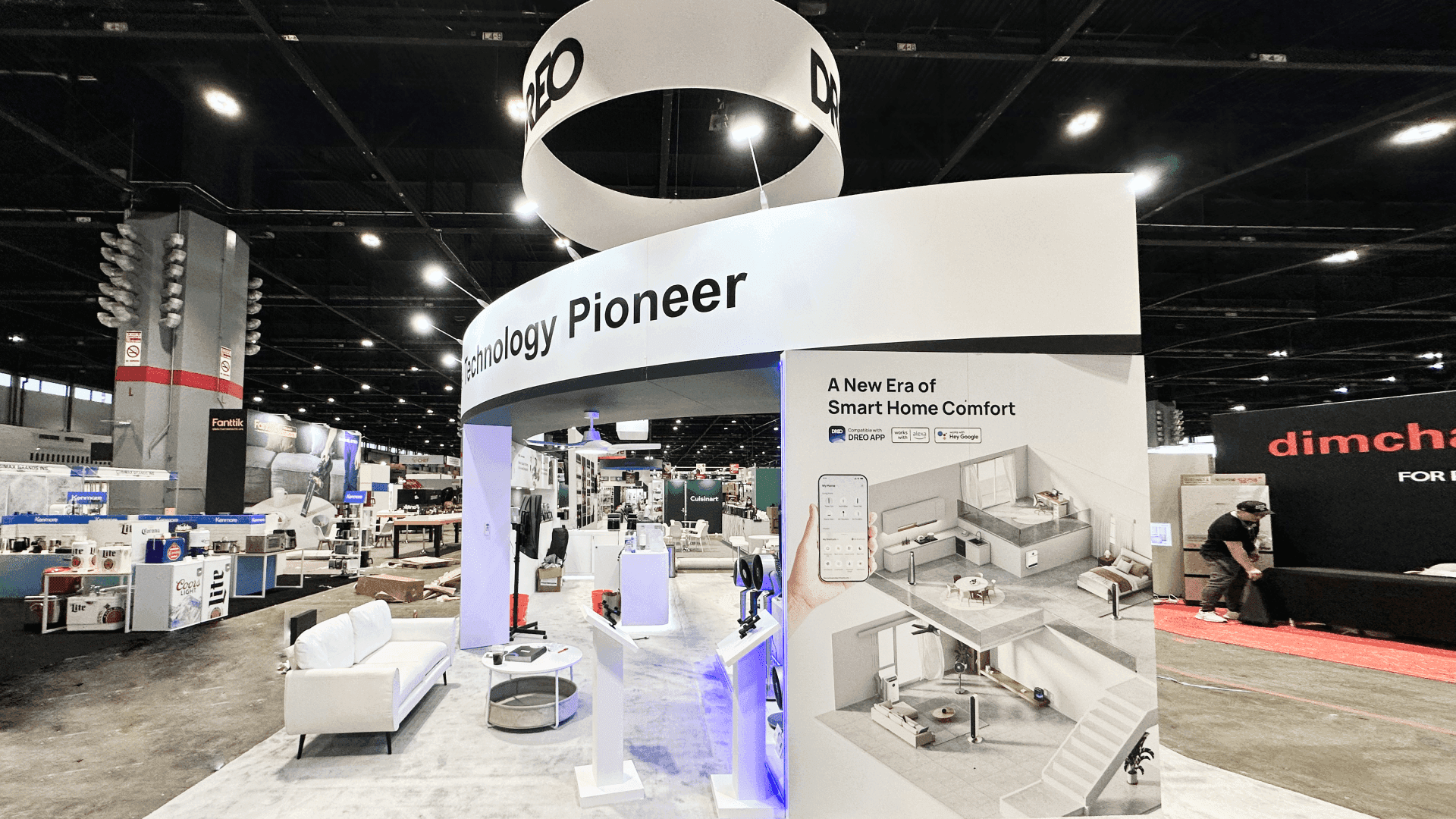
Facility drawings, specifications, and site photos can help exhibitors move an NFMT West booth conversation from a general product overview toward a more specific fit or application discussion.
Match the Buyer’s Information With the Right Booth Evidence
More information is not automatically more useful. The best evidence is the material that addresses the buyer’s actual question and helps narrow the decision without overstating what can be confirmed on the show floor.
Buyer is trying to verify | Useful booth evidence | What it helps establish |
|---|---|---|
Physical fit | Dimensions or configuration reference | Whether basic dimensions or configurations appear compatible |
Existing system relationship | Compatibility or architecture reference | Likely integration points and open compatibility questions |
Application condition | Comparable application example | Whether the solution has been used in a similar operating context |
Workflow | System or process diagram | How the solution operates and where key handoffs occur |
Performance requirement | Published specification or technical reference | Whether documented capability addresses the stated requirement |
Installation constraint | Installation reference or required clearances | Which site conditions still need verification |
This is a planning framework, not an NFMT rule. The evidence should support a preliminary judgment, not make incomplete information look definitive.
If the question turns on how controls, data, devices, or software interact with an existing building system, a guided demonstration may be more useful than another specification sheet. The deeper planning issues for that situation are covered in smart building demo planning.
Physical products create a different evaluation problem. Dimensions, samples, cutaways, or configuration references may support the first comparison, but some questions require the buyer to inspect or operate the product itself. Those show-floor requirements are covered in equipment demo planning.
Decide What Can Be Evaluated Now—and Where the Booth Should Stop
Not every facility-specific question should be resolved on the show floor. The booth is useful for narrowing the problem, testing what the available evidence supports, and identifying what is still unknown. It should not create certainty where critical inputs are missing.
Enough to Discuss at the Booth
A preliminary evaluation is reasonable when the buyer’s information is specific enough to compare with known product requirements or application conditions. That may include general compatibility, configuration options, visible installation constraints, likely use cases, or whether the solution appears suitable for further review.
The useful outcome is a more informed next decision, not a final approval.
The Question Is Clear, but Key Inputs Are Missing
Sometimes the buyer knows exactly what they are trying to solve, but the available information is incomplete. Missing inputs may include exact dimensions, existing-system details, operating conditions, site conditions, or technical requirements that materially affect the answer.
In that situation, the right outcome is to identify what is missing and define what should be collected next rather than force a yes-or-no conclusion.
The Answer Requires a Technical Review
Questions involving site-specific engineering, detailed integration, formal specifications, implementation validation, or other buyer-specific technical requirements should move beyond the booth. Sales or product staff may be able to address general fit and use cases, while technical specialists can clarify compatibility or integration questions.
When the answer depends on engineering assumptions, site-specific conditions, or formal technical review, stop short of a final conclusion and move the issue into a deeper design and engineering review after the required facility information has been collected.
An initial fit discussion is not the same as engineering approval.
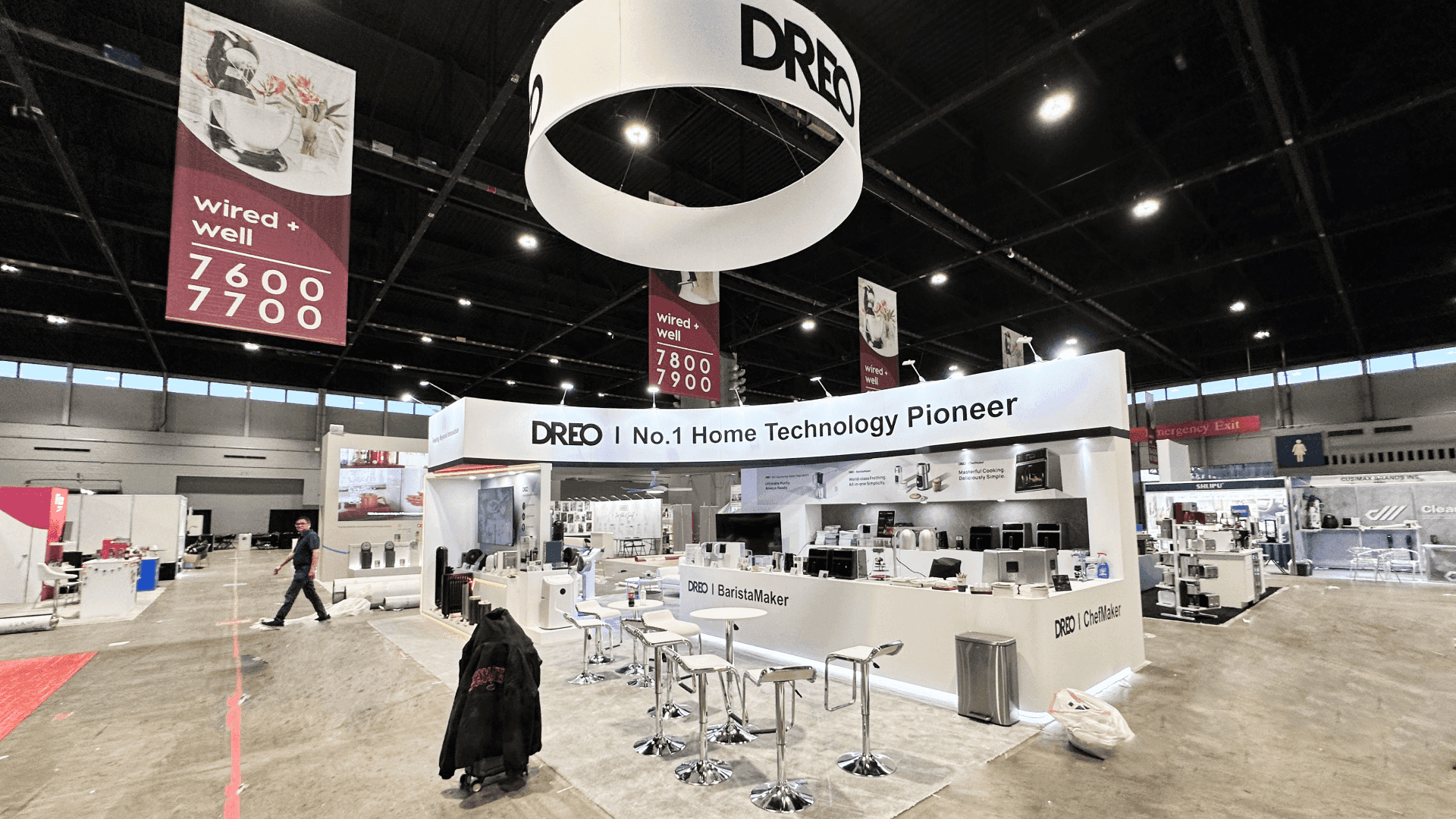
Buyer-provided facility information can support a preliminary show-floor evaluation, while questions involving detailed integration, engineering, or formal specifications should move into technical follow-up.
Capture the Missing Information, Not Just the Lead
A name, company, and email address are not enough to continue a facility-specific evaluation. The next person should be able to understand the buyer’s problem, what was already established, and why the discussion could not be completed at the booth.
Preserve four things:
The problem — What is the buyer trying to solve, and under what facility condition?
What is already known — Which dimensions, systems, equipment, site details, or operating conditions were confirmed?
What is still unresolved — What information is missing, and what technical question could not be answered?
What happens next — What additional information is needed, who should review it, and what type of follow-up is required?
The goal is to let the next conversation continue from where the booth evaluation stopped instead of starting over.
FAQ
Can an NFMT exhibitor confirm product compatibility from a drawing or site photo?
Usually only at a preliminary level. Final compatibility may still depend on exact dimensions, operating conditions, existing-system details, or engineering review.
What should an exhibitor record when the buyer’s facility information is incomplete?
Record the known facility conditions, the specific missing information, the unresolved technical question, and the next person or review needed to continue the evaluation.
When should an NFMT booth conversation become a post-show technical review?
Move it beyond the booth when the answer depends on site-specific engineering, detailed integration, formal specifications, or conditions that cannot be verified reliably during the show.