Powder Processing / Bulk Material Handling / Industrial Manufacturing

Powder Processing / Bulk Material Handling / Industrial Manufacturing

The Powder Show Booth Planning for Equipment and System Exhibitors

📍

Rosemont

·

IL

·

US

🌆

Donald E. Stephens Convention Center

📅

-

  • 📍

    Rosemont

    ·

    IL

    ·

    US

  • 🌆

    Donald E. Stephens Convention Center

  • 📅

    -

The Powder Show brings OEMs, equipment suppliers, and technical service providers face to face with process engineers, plant managers, maintenance teams, and manufacturing decision-makers. Within the wider Chicago manufacturing trade show calendar, visitors need to understand where a solution fits, inspect the relevant equipment or system, and know what to discuss next.  For teams planning a dry processing equipment booth, the challenge is to connect the machine with its input material, operating evidence, and output. A bulk material handling booth must do something different: turn a facility-scale material path into a floor presentation buyers can follow. The choice is between proving a process and explaining how connected equipment moves material through a system.  That choice should drive the footprint. A 10x20 display can focus on one component or application, while a 20x20 layout can add inspection space and an area for short technical conversations. A 20x30 exhibit can separate equipment viewing from meetings and storage, while a 30x40+ booth can support multiple equipment zones, system comparisons, longer project discussions, and staff circulation. Rosemont plans should remain provisional until the 2027 Exhibitor Portal confirms final service, move-in, and dismantle requirements.
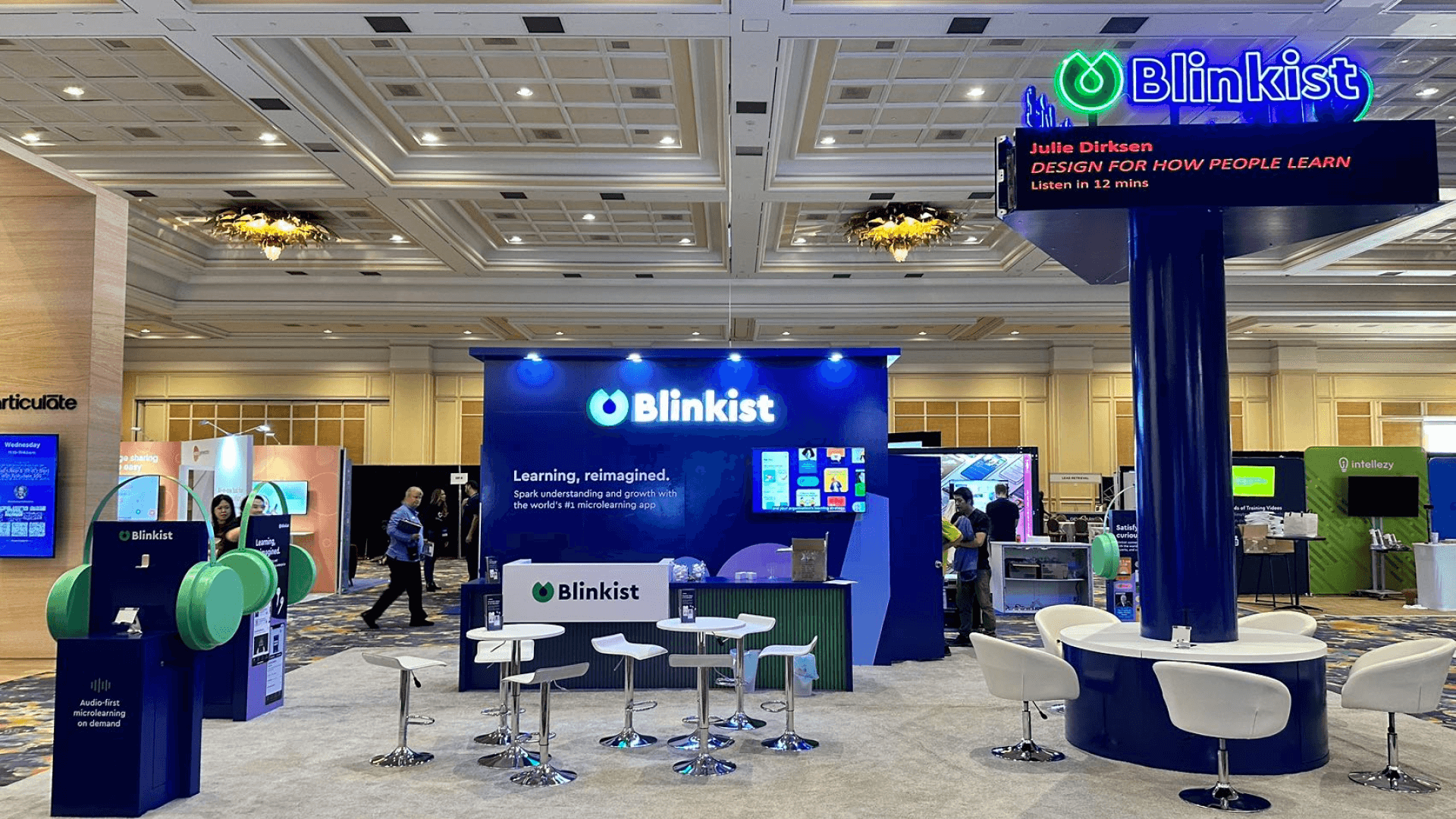
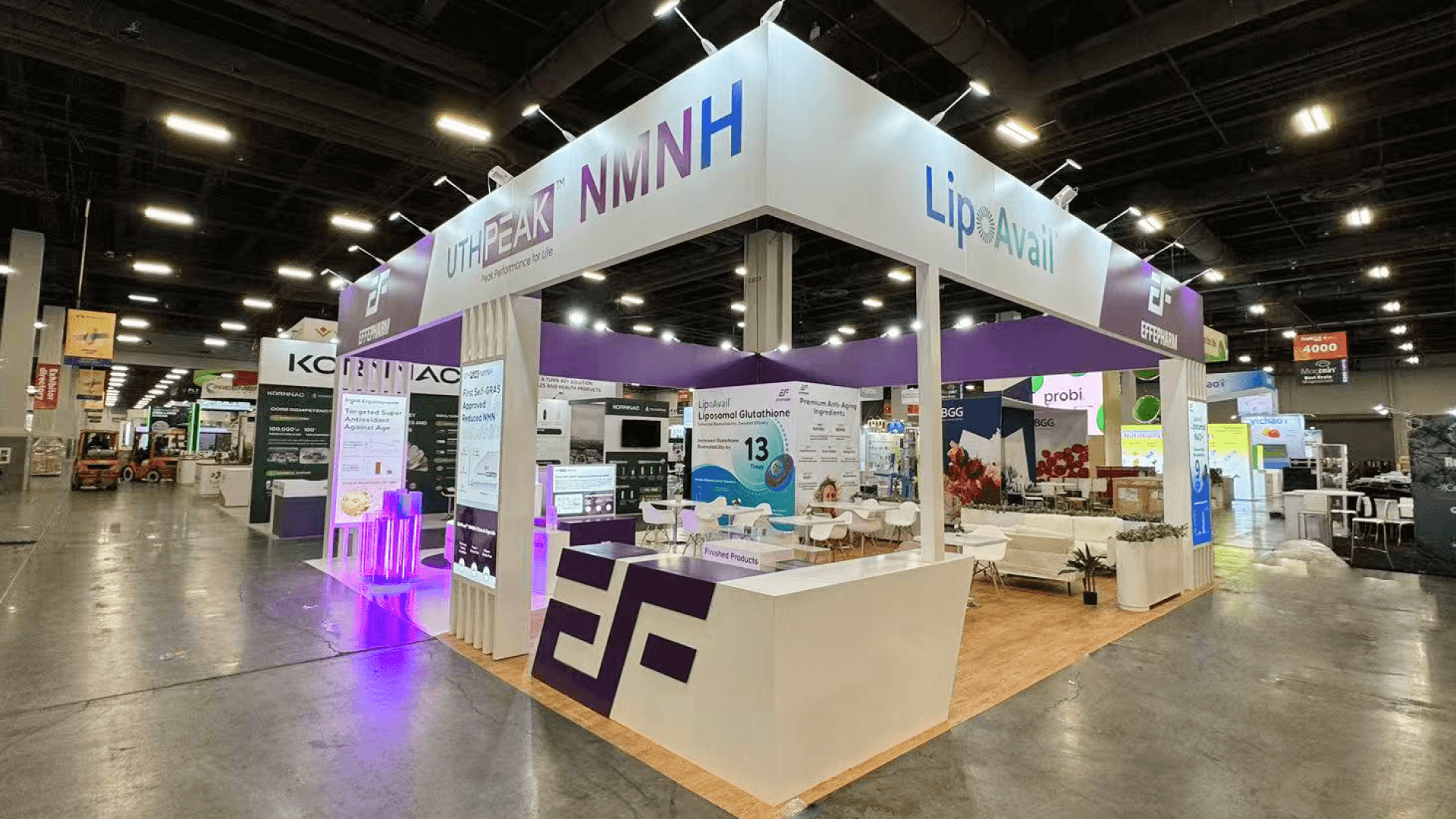
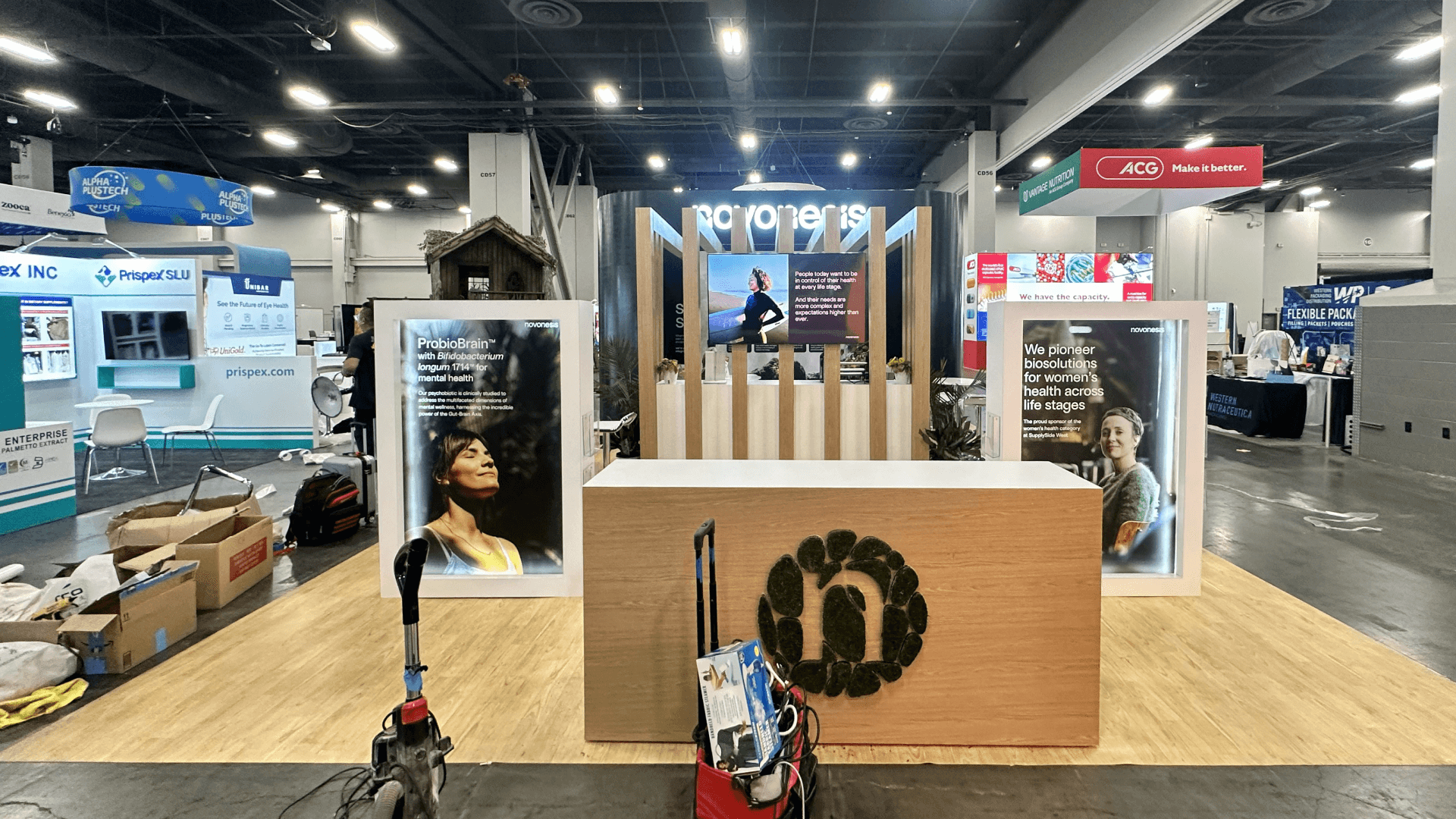
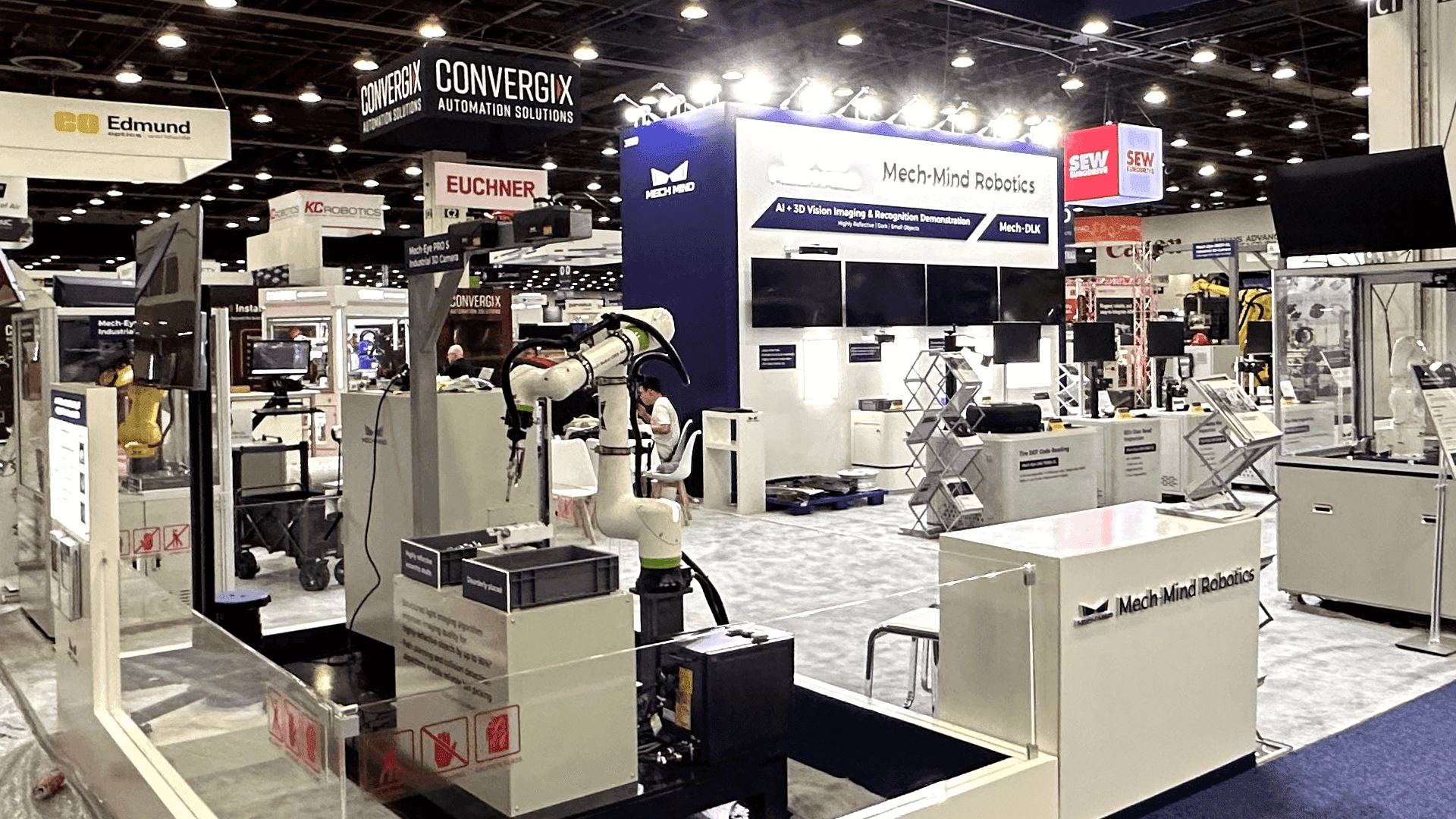
20x30 powder processing trade show exhibit with demonstration and consultation zones
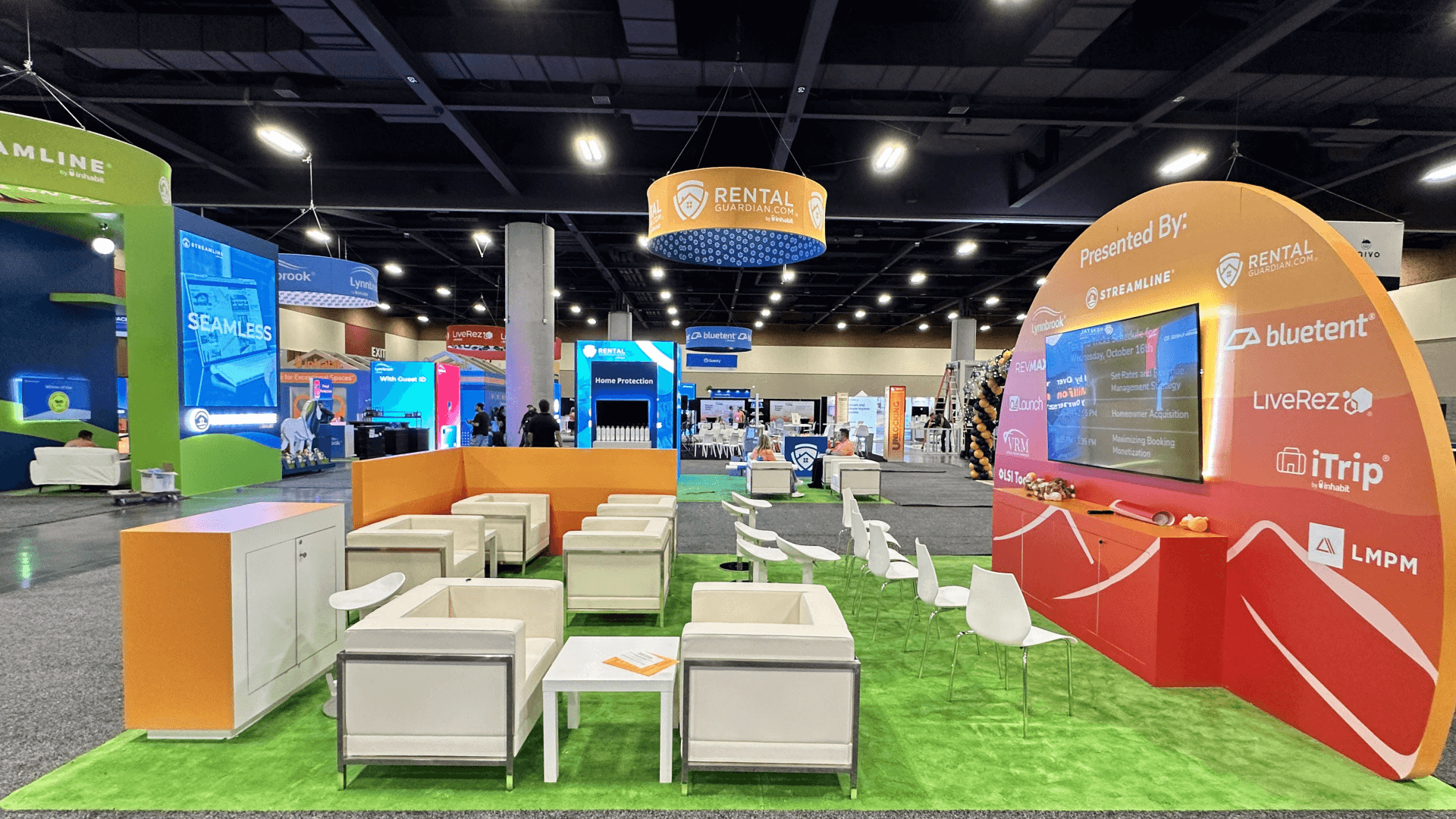
1. 30x40 industrial equipment booth with multiple displays and open buyer circulation

The Powder Show Equipment and System Booths — Built for clear product priorities, technical evaluation, and practical show-floor execution

How Should Exhibitors Plan a Booth for The Powder Show?

Start with the decision a buyer needs to make. A component-led display, a process proof, and a connected handling system require different equipment positions, sightlines, and conversation space. Once that task is clear, exhibitors can choose a footprint and coordinate storage, utilities, freight, and installation around the equipment that truly needs to be on the floor.

OVERVIEW

OVERVIEW

The Powder Show brings OEMs, equipment suppliers, and technical service providers face to face with process engineers, plant managers, maintenance teams, and manufacturing decision-makers. Within the wider Chicago manufacturing trade show calendar, visitors need to understand where a solution fits, inspect the relevant equipment or system, and know what to discuss next.

For teams planning a dry processing equipment booth, the challenge is to connect the machine with its input material, operating evidence, and output. A bulk material handling booth must do something different: turn a facility-scale material path into a floor presentation buyers can follow. The choice is between proving a process and explaining how connected equipment moves material through a system.

That choice should drive the footprint. A 10x20 display can focus on one component or application, while a 20x20 layout can add inspection space and an area for short technical conversations. A 20x30 exhibit can separate equipment viewing from meetings and storage, while a 30x40+ booth can support multiple equipment zones, system comparisons, longer project discussions, and staff circulation. Rosemont plans should remain provisional until the 2027 Exhibitor Portal confirms final service, move-in, and dismantle requirements.

Why Exhibitors Choose Circle Exhibit

Clear scope, transparent quote review, nationwide booth support, and efficient setup planning for qualified rental and custom exhibit projects.

48hr

Setup Window

10+

Years Since 2014

U.S.

Trade Show Support

Real

Booth Project Proof

Match the Footprint to the Buyer Task

Match the Footprint to the Buyer Task

Square footage should follow the product and evaluation task, not the size of the equipment catalog. Added space must change what buyers can see, inspect, or discuss.

10x20 | One Focused Product Decision

10x20 | One Focused Product Decision

Use 10x20 booth planning when one component, instrument, or compact product family can carry the conversation. Preserve enough depth for a counter, light storage, and a short technical exchange.

20x30 | Separate Viewing from Discussion

20x30 | Separate Viewing from Discussion

A 20x30 layout works when equipment viewing belongs near the aisle and longer technical conversations need more separation. The added depth can also absorb storage, screens, or a second product point.

20x20 | Equipment with Evaluation Space

20x20 | Equipment with Evaluation Space

A 20x20 footprint can place one compact machine or product group at the center while leaving access on more than one side. It also creates room for controls, samples, and a discussion point.

30x40+ | Large or Multiple Evaluation Points

30x40+ | Large or Multiple Evaluation Points

Choose a 30x40 booth or larger for substantial equipment, several product families, or more than one buyer path. Space must remain after placement for inspection, circulation, meetings, and support functions.

When the Equipment Needs to Lead the Layout

When the Equipment Needs to Lead the Layout

Full-size machines, utility access, service clearance, technical screens, and installation routes can begin limiting the layout before the surrounding exhibit is designed. Equipment-first booth planning explains when the final product position should become a starting condition for the booth instead of remaining a flexible display choice.

What the Booth Must Make Clear

What the Booth Must Make Clear

The strongest display makes the buyer's evaluation path visible before a detailed conversation begins.

The Problem from the Aisle

The Problem from the Aisle

A short message should identify the processing, handling, safety, or operating problem the exhibit addresses. Product names alone rarely tell a plant team why it should stop.

A Visible Product Priority

A Visible Product Priority

Give one machine, component family, or system story visual priority. Secondary offerings can remain in supporting graphics or conversations instead of competing at the same scale.

A Route into Technical Evaluation

A Route into Technical Evaluation

Show where a visitor can inspect a part, review evidence, follow a system diagram, or speak with an engineer. Staff should not have to explain where every interaction begins.

Space the Team Can Operate

Space the Team Can Operate

Staff positions, storage access, tools, literature, and lead capture need assigned locations. A clean public display depends on the working space behind it.

Event Facts

Event Facts

Processing and Handling Marketplace

Processing and Handling Marketplace

The show connects suppliers of dry processing, powder technology, and bulk material handling equipment with engineers, plant teams, and manufacturing decision-makers.

April 27–29, 2027 in Rosemont

April 27–29, 2027 in Rosemont

The Powder Show returns to the Donald E. Stephens Convention Center in Rosemont, Illinois, in the Chicago area.

3,000+ Attendees and 350+ Exhibitors

3,000+ Attendees and 350+ Exhibitors

The official event site lists more than 3,000 expo attendees and 350 exhibitors across processing, conveying, storage, controls, safety, and related technologies.

Not Sure Which Booth Size You Need?

Not every exhibitor knows whether a 10x20, 20x20, 20x30, or larger booth is the right fit. Circle Exhibit can help review your event goals, product display needs, demo areas, meeting space, storage, budget scope, and setup timeline before you choose a booth size.

Exhibiting Challenges

Exhibiting Challenges

The Buyer Decision Is Undefined

The Buyer Decision Is Undefined

An aisle visitor may be comparing a component, a processing result, or an entire system. Until the team names that decision, equipment, graphics, and meeting space compete for attention.

An aisle visitor may be comparing a component, a processing result, or an entire system. Until the team names that decision, equipment, graphics, and meeting space compete for attention.

The Booth Tries to Cover Every Product

Large catalogs quickly turn into unrelated machines, samples, and screens. A clear product hierarchy keeps secondary offerings available without giving each one equal floor space.

Large catalogs quickly turn into unrelated machines, samples, and screens. A clear product hierarchy keeps secondary offerings available without giving each one equal floor space.

The Footprint Follows the Machine List

Selecting space from the equipment list alone can leave no room for inspection, questions, or staff circulation. Size the booth by the buyer task as well as the physical product.

Selecting space from the equipment list alone can leave no room for inspection, questions, or staff circulation. Size the booth by the buyer task as well as the physical product.

Technical Conversations Block the Aisle

Technical Conversations Block the Aisle

When product viewing and engineering discussions happen in the same spot, a small group can stop the entire front edge. Give first questions and detailed discussions different places.

When product viewing and engineering discussions happen in the same spot, a small group can stop the entire front edge. Give first questions and detailed discussions different places.

Storage and Staff Space Arrive Late

Storage and Staff Space Arrive Late

Literature, personal items, tools, and backup materials often appear after the public layout is set. Reserving support space early protects the visitor path and keeps the display ready.

Literature, personal items, tools, and backup materials often appear after the public layout is set. Reserving support space early protects the visitor path and keeps the display ready.

The Layout Freezes Too Early

The Layout Freezes Too Early

Service orders, freight timing, equipment dimensions, and floor access may still change. Early plans need enough flexibility to absorb confirmed information without redesigning the entire booth.

Service orders, freight timing, equipment dimensions, and floor access may still change. Early plans need enough flexibility to absorb confirmed information without redesigning the entire booth.

Preparation Steps

Preparation Steps

1

Define the Buyer Outcome

Write one sentence describing what a qualified visitor should understand, inspect, or discuss before leaving. Use it to rank every product and feature.

Write one sentence describing what a qualified visitor should understand, inspect, or discuss before leaving. Use it to rank every product and feature.

2

Choose the Planning Path

Choose the Planning Path

Decide whether the exhibit centers on a product decision, process evidence, or a connected handling system. That choice determines what belongs on the floor.

Decide whether the exhibit centers on a product decision, process evidence, or a connected handling system. That choice determines what belongs on the floor.

3

Set a Working Footprint

Set a Working Footprint

Place the essential equipment first. Then reserve inspection clearance, conversation space, storage, and staff circulation before treating the layout as final.

Place the essential equipment first. Then reserve inspection clearance, conversation space, storage, and staff circulation before treating the layout as final.

4

Confirm the Show-Site Inputs

Confirm the Show-Site Inputs

Recheck the 2027 Exhibitor Portal before production. Final service orders, shipping instructions, move-in windows, and contractor requirements should drive the installation plan.

Recheck the 2027 Exhibitor Portal before production. Final service orders, shipping instructions, move-in windows, and contractor requirements should drive the installation plan.

Rental vs Custom Build for The Powder Show

Rental vs Custom Build for The Powder Show

Rental Exhibit for a Defined Footprint

A rental exhibit fits a plan built from standard walls, counters, graphics, light storage, and meeting furniture. It works best when the equipment can sit within a modular structure without extensive integration.

Custom Build for Integrated Equipment

Custom construction becomes more useful when large equipment, special clearances, platforms, or a controlled visitor path shape the architecture. Chicago-area booth fabrication and show-site execution can connect those requirements to the build plan.

Hybrid Exhibit for Changing Product Mixes

A hybrid approach can combine owned product displays or custom fixtures with rental walls, graphics, and furniture. It suits teams that expect the equipment mix to change while reusing the main exhibit system.

Rosemont Show-Site Planning

Rosemont Show-Site Planning

Work from the 2027 Exhibitor Portal

Work from the 2027 Exhibitor Portal

The organizer is still preparing the portal. Use it as the final source for service orders, deadlines, badges, freight instructions, and approved vendors once access opens.

Resolve Freight before Final Placement

Resolve Freight before Final Placement

Equipment size, weight, packaging, and arrival method can change the installation sequence. Confirm what must enter before walls, counters, or graphics restrict access.

Coordinate Services with the Floor Plan

Coordinate Services with the Floor Plan

Power, rigging, labor, material handling, and signage may affect equipment position and build order. Submit orders from the approved layout, not an earlier concept.

Run a Final Buyer-Path Check

Run a Final Buyer-Path Check

After installation, walk the booth from the aisle through inspection, discussion, and lead capture. Correct blocked views or tight clearances before product detailing is complete.

Need a Rental Booth for The Powder Show?

For a defined equipment plan, a rental system can provide branded walls, counters, storage, lighting, and meeting furniture without committing to a fully custom structure. Confirm equipment dimensions and service needs before choosing the layout.

Frequently Asked Questions

Frequently Asked Questions

Frequently Asked Questions

What should a booth at The Powder Show include?

Give visual priority to the main equipment or system story, preserve inspection access, and provide a clear place for technical questions. Storage, staff positions, utilities, and lead capture should support that path rather than interrupt it.

What booth size works for equipment exhibitors?

How much equipment should an exhibitor bring?

Does processing equipment need a live demonstration?

What show-site details should be confirmed before production?

READY TO PLAN YOUR NEXT BOOTH?

Let’s Build a Booth That Fits Your Event

Share your event name, booth size, city, timeline, product display needs, and design references. Circle Exhibit will review your project direction and help you choose a rental-friendly or custom exhibit path.

3000+

Booth Projects Supported

50+

U.S. Event Cities

Transparent

Quote Review

Related Planning for The Powder Show Exhibitors

Related Planning for The Powder Show Exhibitors

Related Planning for The Powder Show Exhibitors

Use these pages for broader commercial planning, engineering, logistics, installation, and graphics support after the event-specific booth task is defined.

Use these pages for broader commercial planning, engineering, logistics, installation, and graphics support after the event-specific booth task is defined.

Use these pages for broader commercial planning, engineering, logistics, installation, and graphics support after the event-specific booth task is defined.

The Powder Show 2027 logo
The Powder Show

The Powder Show 2027

Event Time

-

Venue

Donald E. Stephens Convention Center

Organizer

Informa Markets

Exhibitor Scale

3,000+ expo attendees and 350+ exhibitors across dry processing, powder technology, and bulk material handling.

Audience Type

Equipment manufacturers, component suppliers, process technology companies, engineers, plant managers, maintenance teams, safety teams, purchasing teams, and manufacturing decision-makers.

Typical Booth Size

10x20, 20x20, 20x30, and 30x40+ equipment and system exhibits

Related Case Studies

Related Case Studies

Related Case Studies