Dry Processing Equipment Booth Planning at The Powder Show


How Can Dry Processing Equipment Prove Its Results on the Show Floor?
Begin with the material change a buyer needs to verify. Connect the equipment to its input, processing action, and resulting output, then choose the simplest evidence that supports the claim. Live operation is one option. Samples, cutaways, operating data, or recorded runs may communicate the result more clearly with fewer show-site dependencies.
Dry processing buyers rarely judge a machine by appearance alone. They want to know what material goes in, what the equipment does to it, what comes out, and whether the result can be repeated under their operating conditions.
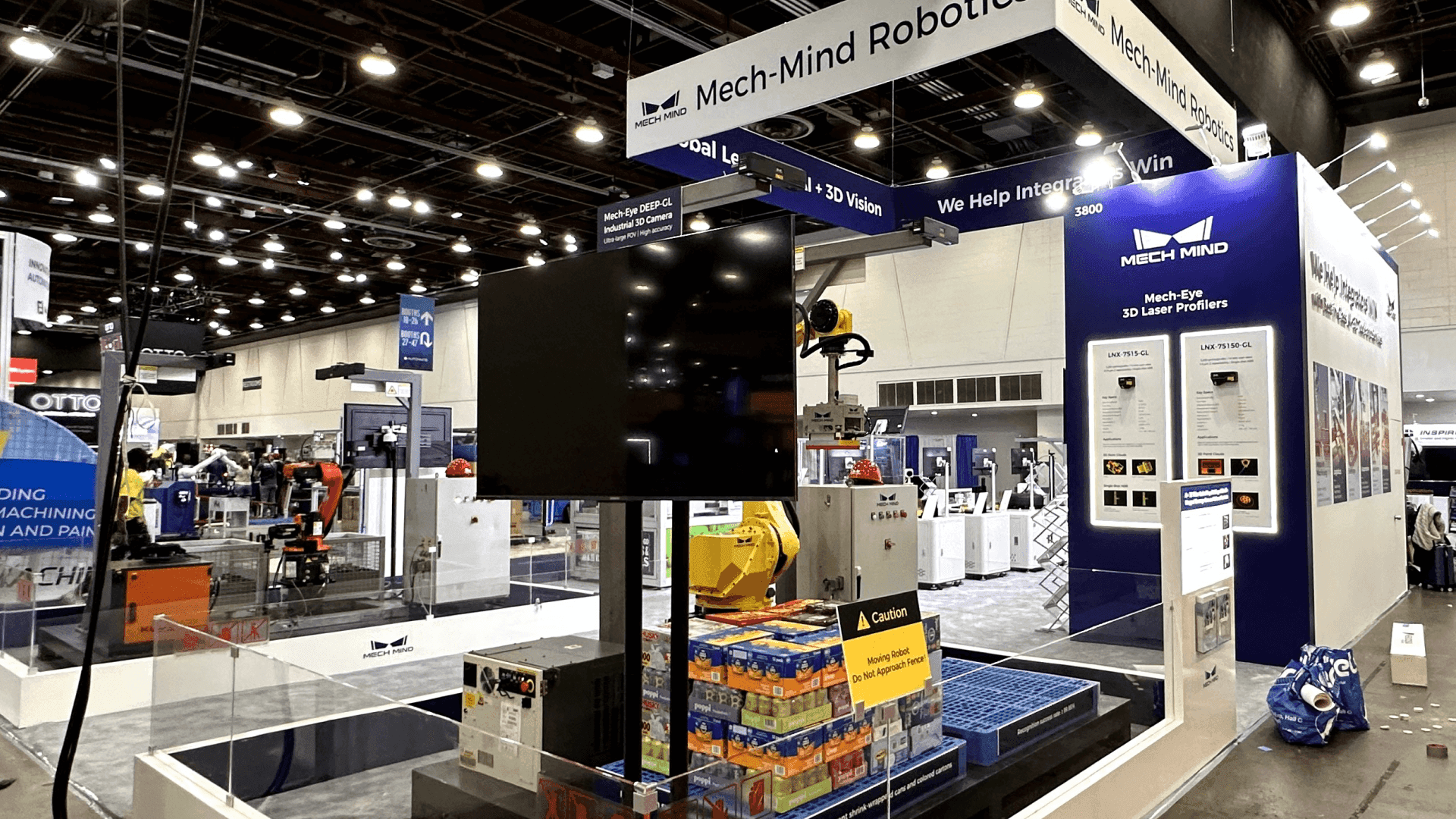
At The Powder Show, this applies to mixers, mills, dryers, screeners, separators, and related equipment. A strong display surrounds the machine with evidence buyers can inspect, including representative samples, operating data, control points, access areas, and utility requirements. Booth design and engineering can translate those proof elements into a layout that keeps the machine central and the evidence easy to follow. A 10x20 or 20x20 booth may focus on one machine with an input-to-output sample sequence, while 20x30 and 30x40+ layouts can separate inspection, process explanation, technical meetings, and storage.
Once exhibitors decide how they will prove performance, on-site installation and dismantle becomes part of the evidence plan. In Rosemont, machine position, utility connections, guarding, sample placement, and final testing need to align before the booth is ready for technical evaluation. Final service and move-in assumptions should remain provisional until the 2027 Exhibitor Portal is published.
Why Exhibitors Choose Circle Exhibit
Clear scope, transparent quote review, nationwide booth support, and efficient setup planning for qualified rental and custom exhibit projects.
48hr
Setup Window
10+
Years Since 2014
U.S.
Trade Show Support
Real
Booth Project Proof
The footprint must hold more than the machine. It also needs the evidence, inspection access, operator position, and conversation space required to make the result credible.
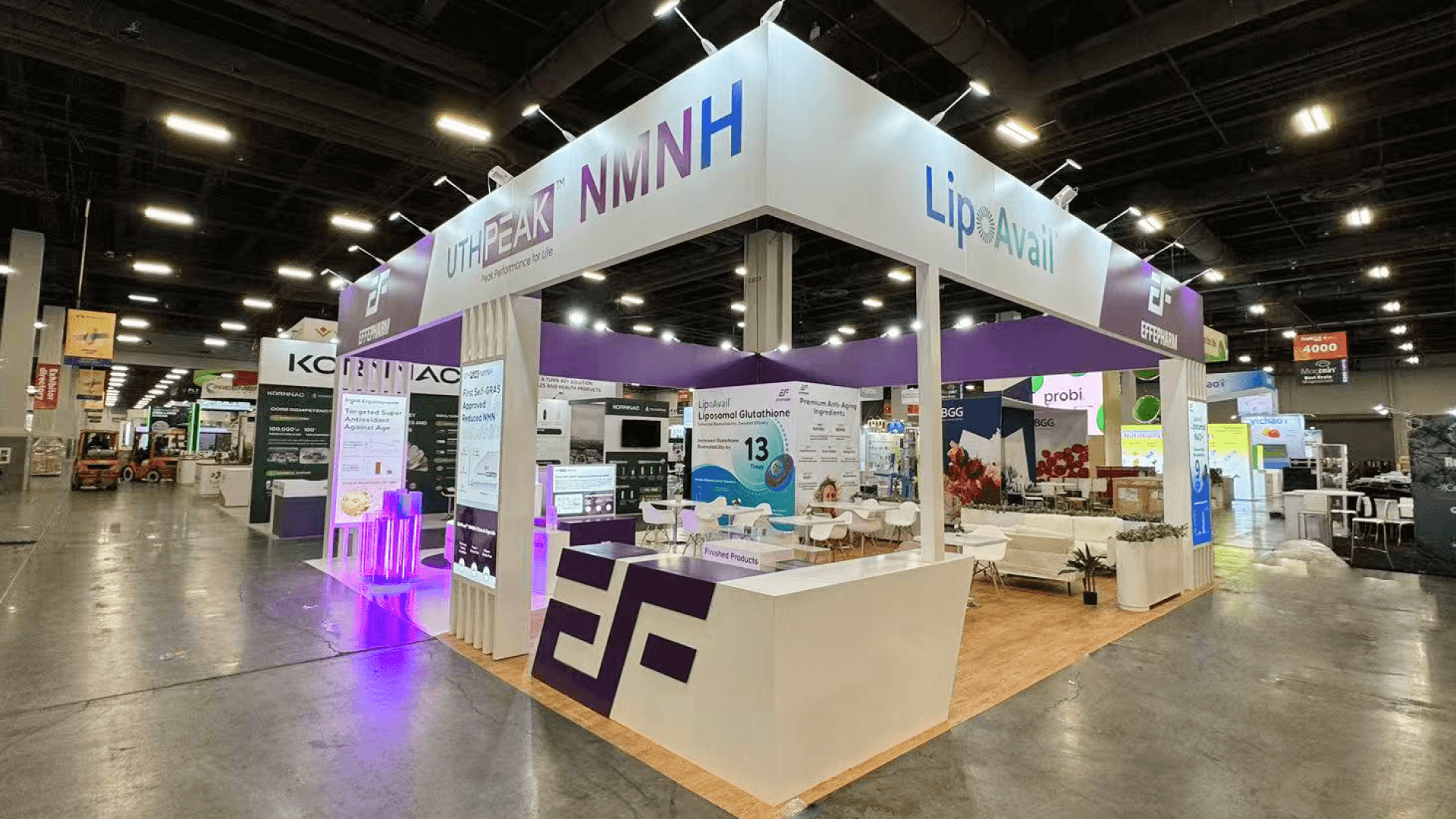
A 10x20 booth can support a compact unit, cutaway, sample comparison, or recorded process when one claim leads the display. Keep the proof visible from the aisle and avoid adding a second equipment story.
A 20x30 footprint can separate the machine from sample review, data, and application discussions. The added depth also supports utility routing, staff reset, and storage without closing the inspection path.
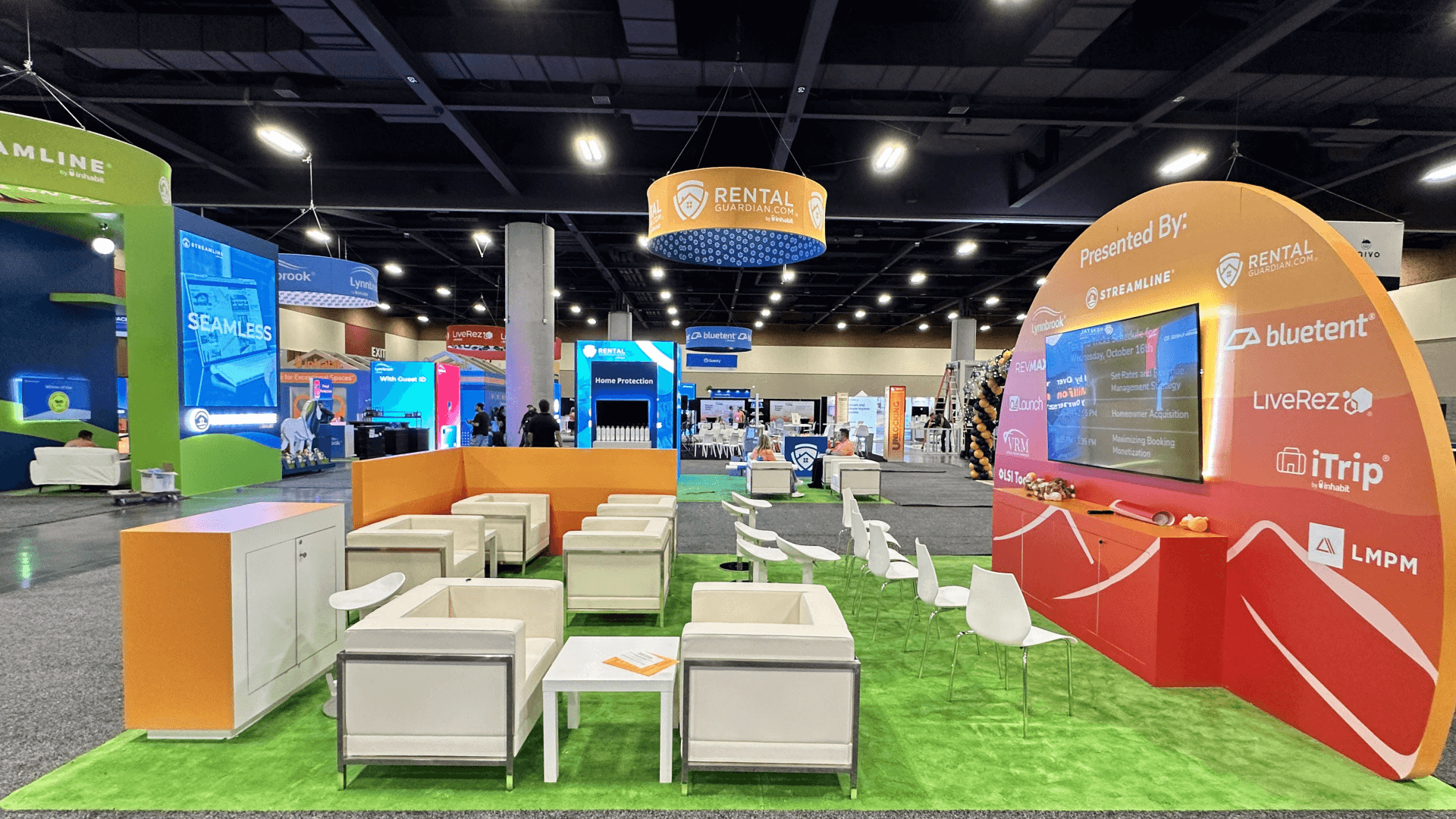
A 20x20 layout gives one machine room for feed and discharge views, controls, samples, and a short technical conversation. It suits equipment that needs access from several sides without a full process line.
A 30x40 booth or larger may be justified when several stages must be understood together or the equipment requires controlled operation. The layout still needs a single proof sequence.
A dry processing display needs to connect the machine with its input material, operating conditions, and output. When the complete process cannot run on site, equipment evidence without a live demo helps exhibitors choose the machine view, samples, operating data, and process visuals buyers need for evaluation.
If one step can operate safely and repeatedly on the show floor, live demonstration booth planning covers the viewing space, utilities, staff access, and product-testing conditions around that repeatable step.
Every visible element should connect the machine to a material change, an operating condition, or an application decision.
Place input material, the processing action, and the resulting output in a sequence buyers can follow. Labels should explain the relationship without turning the display into a technical poster.
Preserve views of feed, discharge, controls, screens, chambers, or other decision points. If safe physical access is limited, use a cutaway, camera view, or close-up image.
Samples, data, video, and claims should identify the equipment and condition they represent. Loose proof points weaken credibility when buyers cannot tell how the result was produced.
Operators need room for samples, tools, cleaning, reset, and follow-up materials. Keep that work zone close enough to function but out of the buyer's inspection path.
Mixers, mills, dryers, screeners, separators, and related equipment need a display that connects the machine to the material change buyers are evaluating.
This planning page covers a dry processing exhibit at the April 27–29 event in the Donald E. Stephens Convention Center in Rosemont.
The intended audience includes engineers, operators, maintenance leaders, quality teams, and buyers comparing equipment performance, consistency, capacity, and application fit.
Not Sure Which Booth Size You Need?
Not every exhibitor knows whether a 10x20, 20x20, 20x30, or larger booth is the right fit. Circle Exhibit can help review your event goals, product display needs, demo areas, meeting space, storage, budget scope, and setup timeline before you choose a booth size.
A Live Demo Adds More Work Than Proof
The Samples Do Not Explain the Process
1
Write Down the Claim Buyers Must Verify
2
3
4
Rental Exhibit around a Single Machine
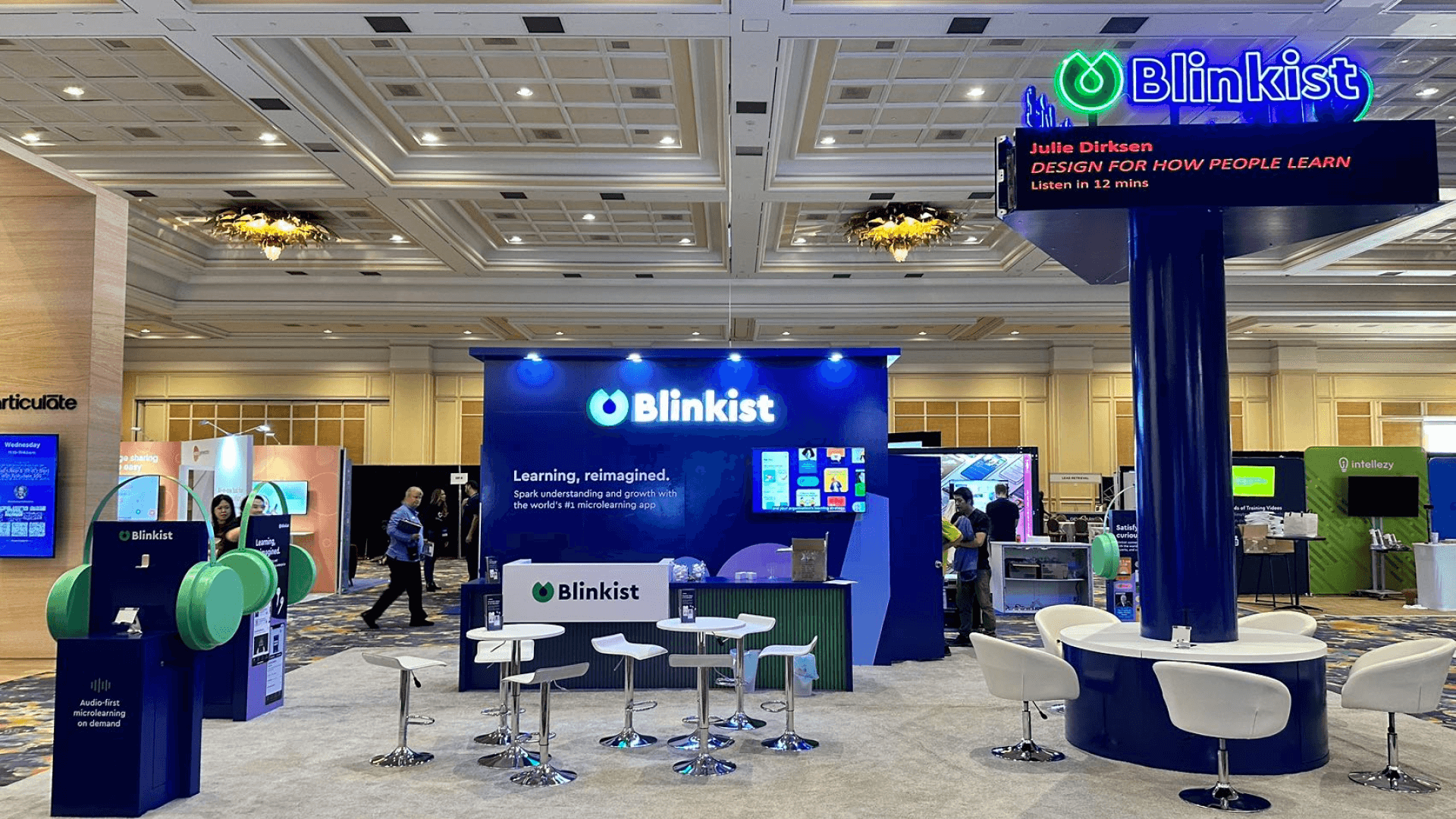
A rental system can frame one machine with branded walls, data graphics, sample counters, and light storage. It works best when the equipment stands independently and the proof does not require extensive built-in services.
Custom Build for Controlled Process Evidence
Custom work becomes useful when access panels, integrated platforms, utility concealment, guarded views, or purpose-built sample stations shape the layout. Chicago-area booth fabrication can coordinate those elements with the machine and installation sequence.
Hybrid Exhibit for Equipment and Modular Messaging
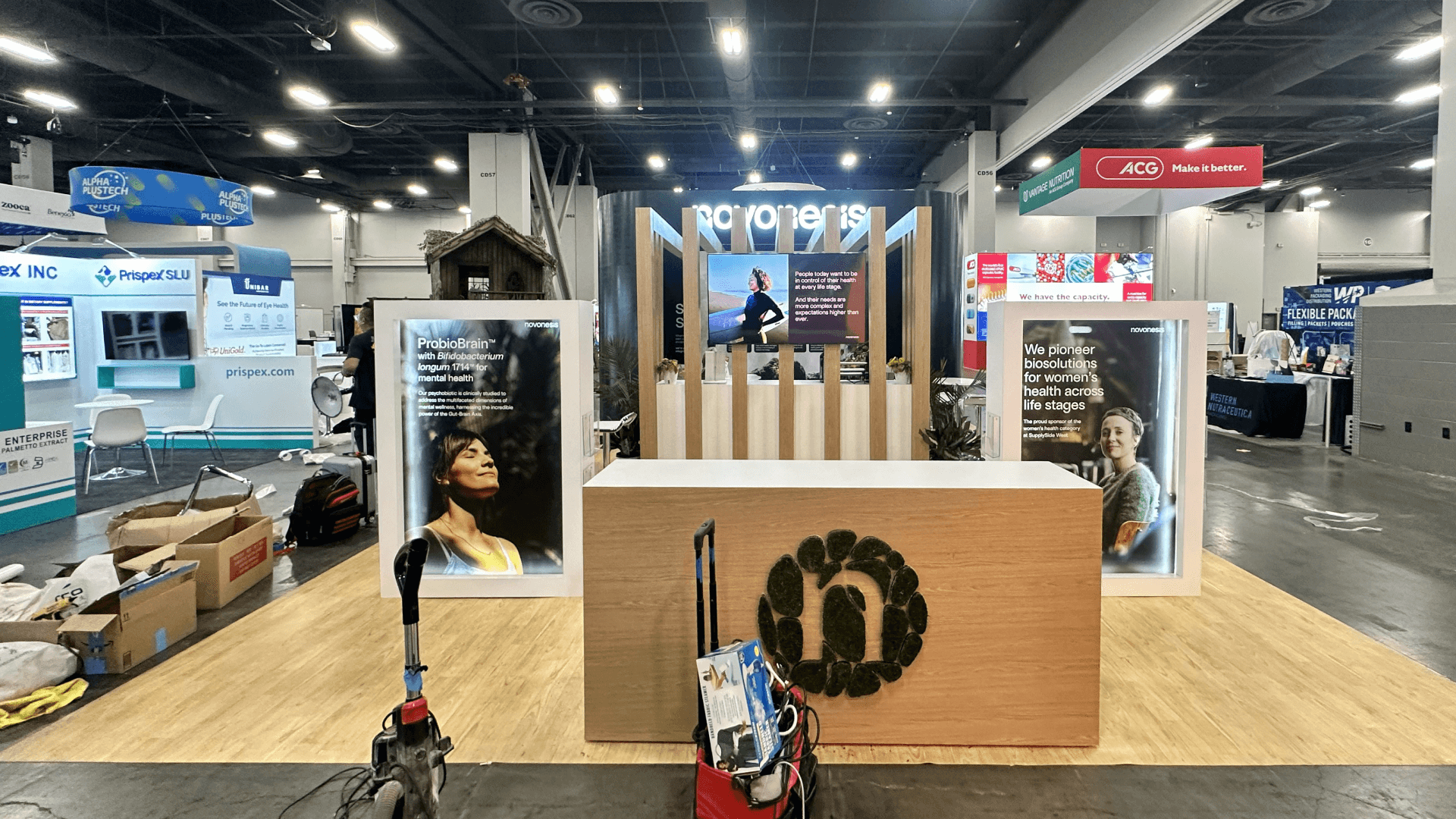
A hybrid exhibit can pair the owned machine or custom fixture with rental walls, graphics, counters, and furniture. It gives the team a stable equipment base while allowing the message and proof format to change.
Decide whether the machine will run, move without material, remain static, or be represented by a cutaway. Do not order services until that state is fixed.
Base power, air, exhaust, collection, and control connections on the approved equipment position. A late rotation can change cable runs, access, guarding, and the visitor path.
If samples or material will be handled, assign containers, refill points, waste collection, and cleaning responsibility. Keep loose powder away from controls, graphics, and public circulation.
Before opening, run the explanation from input through result and application fit. Check sightlines, screen content, sample labels, staff positions, and reset time.
Need a Rental Booth for Dry Processing Equipment?
A rental system can support one independently placed machine with branded walls, process graphics, a sample counter, light storage, lighting, and a technical discussion point. Confirm access and utility needs before selecting the layout.
Does dry processing equipment need to run live?
No. Run it only if motion materially proves the result and the team can support utilities, safety, cleaning, and repeated reset. Static equipment with samples, cutaways, operating data, or recorded footage may be easier to evaluate.
How should exhibitors show before-and-after material?
What booth size works for one processing machine?
How much operating data should the booth display?
What should be confirmed before production begins?
READY TO PLAN YOUR NEXT BOOTH?
Let’s Build a Booth That Fits Your Event
Share your event name, booth size, city, timeline, product display needs, and design references. Circle Exhibit will review your project direction and help you choose a rental-friendly or custom exhibit path.
3000+
Booth Projects Supported
50+
U.S. Event Cities
Transparent
Quote Review
Use this page when buyers must follow connected conveying, feeding, controls, and transfer stages rather than evaluate one processing result.
Connect The Powder Show with the wider manufacturing event market and industrial exhibitor planning context in the Chicago area.
For input-to-output diagrams, sample labels, operating data, and equipment callouts that must remain readable around the machine.
For machine dimensions, freight method, staging, service orders, and installation dependencies that affect the final equipment position.
Use the broader commercial resource when the project needs one team to connect the equipment plan with structure, graphics, production, and delivery.