Service World Expo Product & Equipment Demo Booth Planning
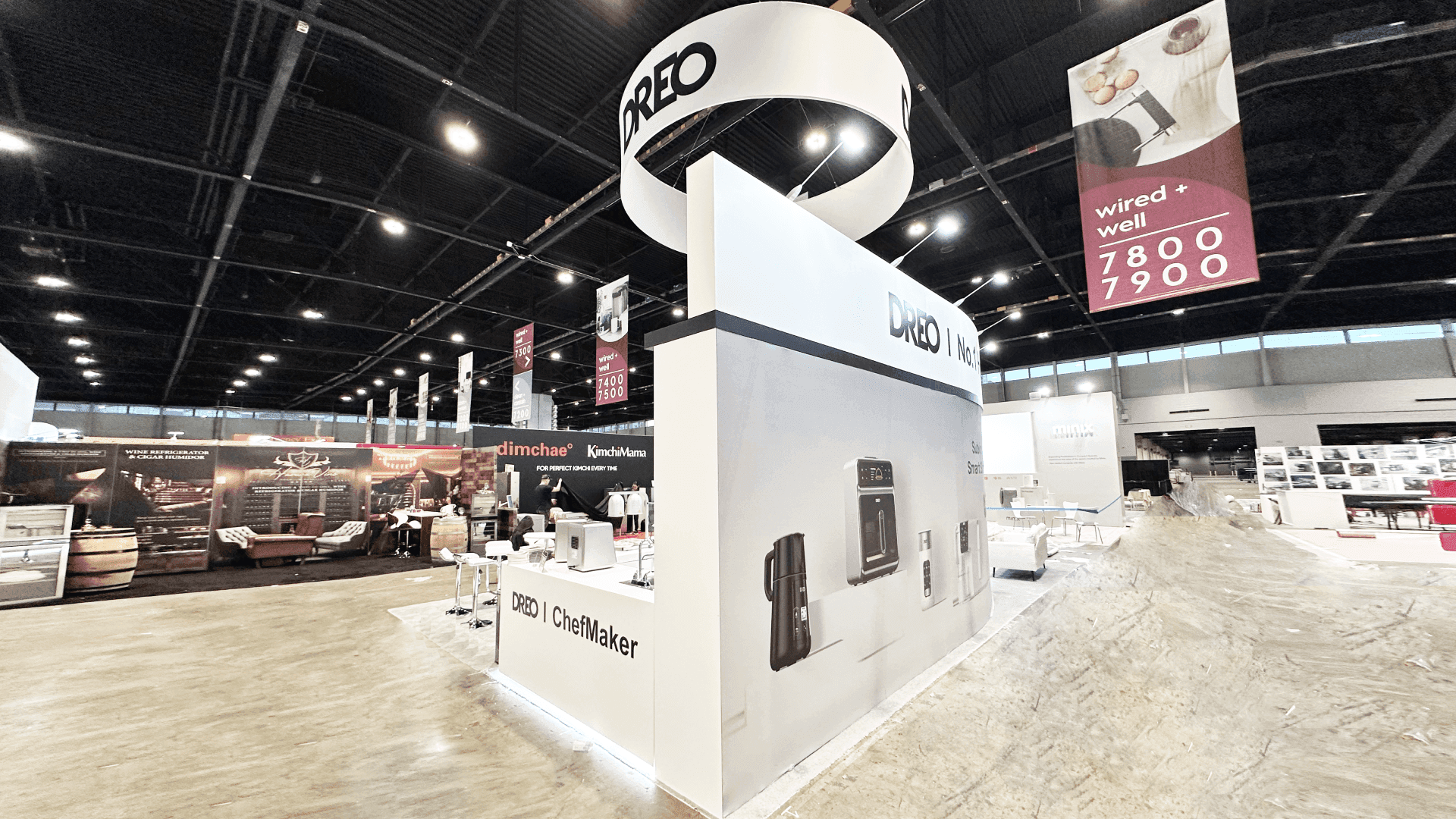

How should product and equipment exhibitors plan a Service World Expo booth?
Build the booth around how contractor owners will see, understand, inspect, and discuss the product. Keep only the products that genuinely need floor space, protect viewing and demo clearance, and give interested buyers somewhere to continue the conversation without blocking the next demonstration.
Manufacturers, distributors, equipment suppliers, and tool brands at Service World Expo are often speaking to business owners rather than a technician-only audience. A product display therefore needs to show more than how the equipment works. Buyers also need to understand where it fits in their operation, what problem it helps solve, and whether it deserves a deeper purchasing conversation.
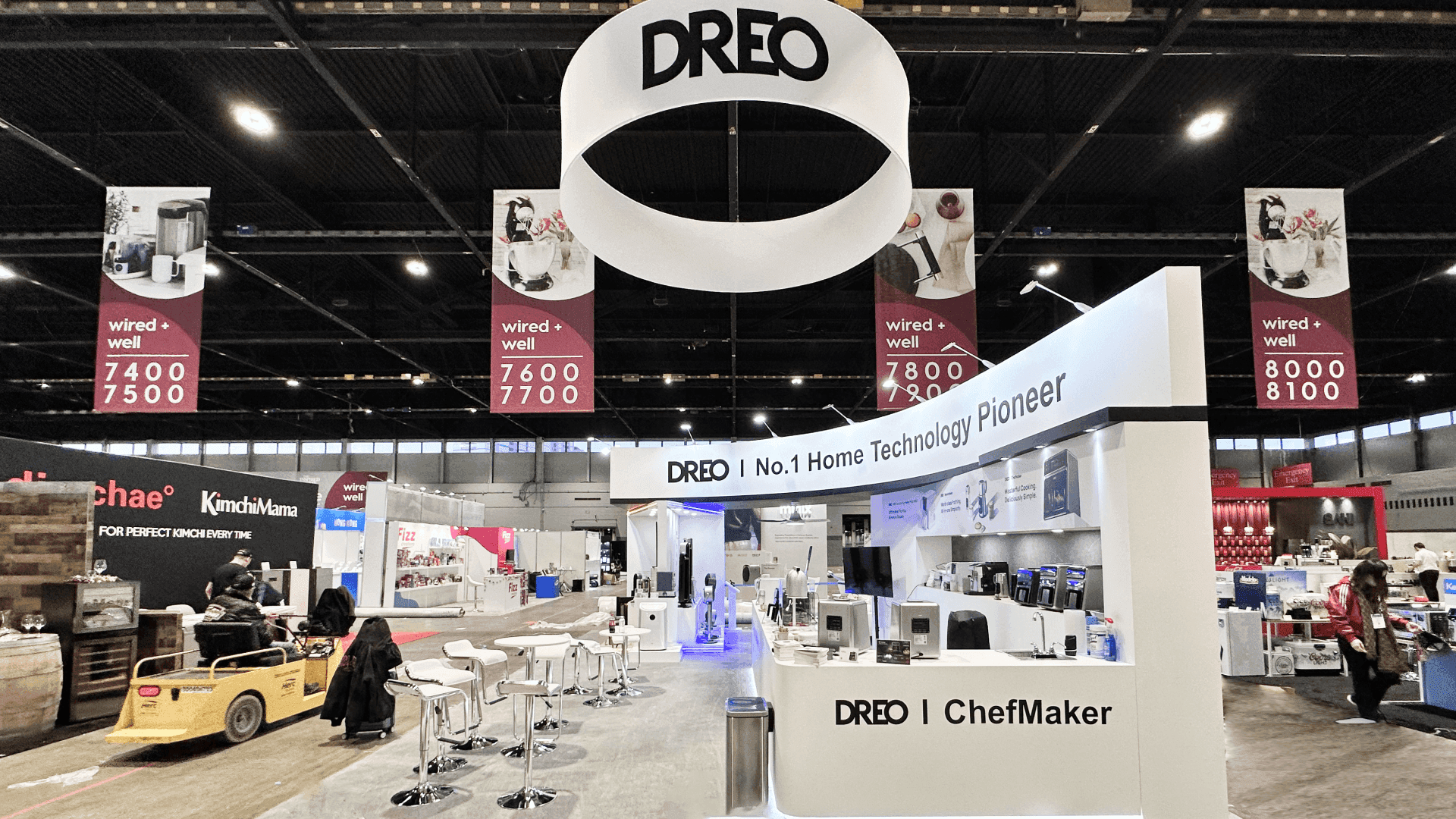
A focused product story can work in a 10x20 when one product or demo clearly leads the exhibit. Once buyers need room to inspect equipment, watch a demonstration, move around the display, and continue the conversation without blocking the next group, a 20x20 booth layout usually gives the experience more breathing room. Product dimensions, power, demo clearance, staff position, and support storage should be planned together rather than added after the layout is already fixed.
At Caesars Forum, those product-display decisions also need to work within current show rules and service-order requirements. Exhibitors that are still deciding whether the booth should be built around physical product evaluation or a software- and consultation-led experience can use the broader Service World Expo booth planning guide to set that direction first.
Why Exhibitors Choose Circle Exhibit
Clear scope, transparent quote review, nationwide booth support, and efficient setup planning for qualified rental and custom exhibit projects.
48hr
Setup Window
10+
Years Since 2014
U.S.
Trade Show Support
Real
Booth Project Proof
The footprint needs to accommodate the product itself, viewing clearance, demo activity, buyer conversation, staff movement, and the support space required to keep everything running.
A 10x20 booth works best when one product line or demo clearly leads the exhibit. It can support application graphics, limited storage, and short buyer conversations without overloading the footprint.
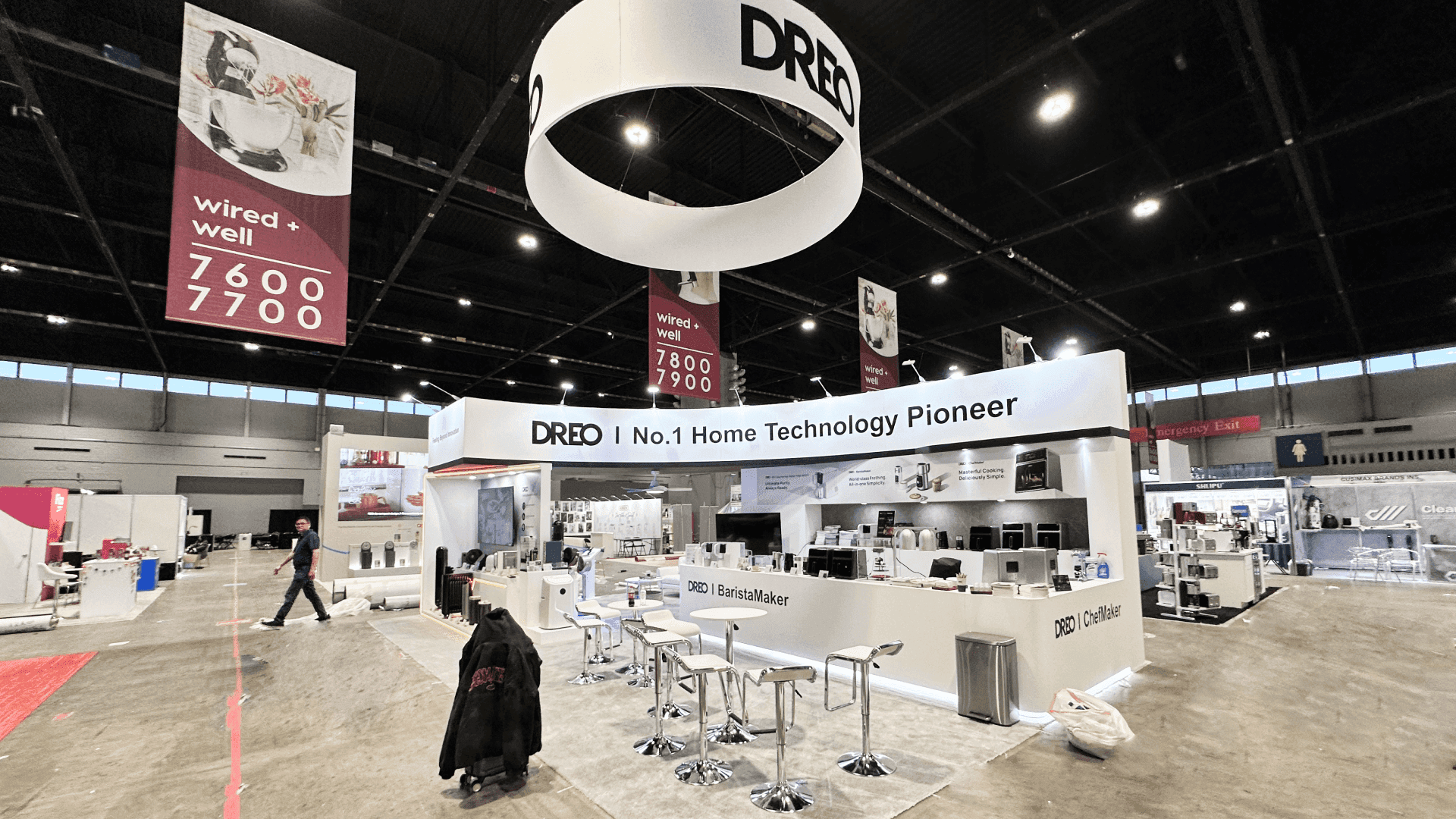
A 20x30 booth becomes useful when several product groups or active demos need to operate at the same time. The added space helps keep demonstrations and buyer conversations from interfering with one another.
A 20x20 booth works well when the product needs its own demo area and buyer conversations should move away from the equipment. This creates clearer separation between viewing, staff, and storage.
A 30x40 booth makes sense when large equipment, multiple active demos, substantial storage, or specialist conversations create a genuine space requirement. The larger footprint should support the operating plan, not simply increase visual presence.
A product booth should still be useful when the primary technical specialist is temporarily away. Exhibitors need to know what can be demonstrated safely, what can be explained without deeper technical support, and how an interested buyer moves to the right specialist or scheduled follow-up.
Those decisions are part of planning booth coverage around Learning Labs, because reduced specialist availability should change the depth of the interaction—not make the product display stop working.
The product needs to be easy to recognize, easy to evaluate, and easy to discuss without turning the booth into a crowded equipment display.
Give the strongest product or application a clear sightline instead of surrounding it with every available model and accessory.
Plan operator position, visitor viewing, hands-on access, power, safety, and circulation as one working area.
Use graphics to explain where the product fits, what task it supports, and why it matters rather than relying on model numbers or technical labels alone.
Once a buyer has seen enough to ask deeper questions, the conversation needs somewhere to move without losing product context or blocking the next group.
Manufacturers, distributors, tool brands, and equipment suppliers use the show floor to help buyers inspect, compare, and understand physical products.
Service World Expo 2026 takes place November 9–11 at Caesars Forum in Las Vegas, Nevada.
Service World Expo attracts contractor owners and purchasing decision-makers, so product demos need to connect technical performance with practical business use.
Not Sure Which Booth Size You Need?
Not every exhibitor knows whether a 10x20, 20x20, 20x30, or larger booth is the right fit. Circle Exhibit can help review your event goals, product display needs, demo areas, meeting space, storage, budget scope, and setup timeline before you choose a booth size.
Balancing Product Visibility and Visitor Clearance
Turning a Technical Demo into Owner-Level Evaluation
1
Select the Hero Product Set
2
3
4
Rental Booth for Focused Product Displays
A Las Vegas trade show booth rental can work well when the product fits within a modular structure built around branded walls, counters, screens, storage, and flexible demo space. This approach is especially practical when the display does not depend on specialized structural integration.
Custom Build for Integrated Product Requirements
When the product requires dedicated mounts, built-in fixtures, structural support, oversized display elements, or a highly specific demo setup, Las Vegas exhibit fabrication becomes a more natural fit. The booth can then be engineered around the product instead of forcing the product into a standard structure.
Rental Structure with Custom Product Fixtures
A modular rental booth can still include custom product mounts, demo counters, branded fixtures, or equipment supports where the display needs something more specific. One specialized element does not automatically require a fully custom exhibit.
Non-island booths currently use an 8-foot maximum backwall and 3-foot sidewalls. Review tall fixtures, products, screens, and graphics before fabrication.
Check the product, power, operator position, buyer sightline, screen support, cable routing, and reset process as one operating demonstration.
Tools, spare parts, chargers, packaging, cleaning items, and other support materials need to stay accessible to staff without reducing buyer access.
Before opening, rehearse where buyers stand, who runs the demo, where deeper discussions move, who resets the product, and how the next group enters.
Need a Flexible Product Demo Booth?
A rental structure can support branded product displays, demo counters, screens, storage, and buyer conversation space when the equipment does not require specialized structural integration.
How many products should a Service World Expo booth display?
Show the products that genuinely help buyers understand the primary application or category. Extra SKUs should stay visible only when they support useful comparison.
When should a product be demonstrated instead of statically displayed?
How much space should be planned around a product demo?
When does a product booth need more storage?
What should be confirmed before shipping equipment to Service World Expo?
READY TO PLAN YOUR NEXT BOOTH?
Let’s Build a Booth That Fits Your Event
Share your event name, booth size, city, timeline, product display needs, and design references. Circle Exhibit will review your project direction and help you choose a rental-friendly or custom exhibit path.
3000+
Booth Projects Supported
50+
U.S. Event Cities
Transparent
Quote Review
Return to the Main Hub when the team still needs to compare product and software/service operating models or make broader Event-level decisions.
Useful when several product groups or parallel demonstrations need separate working zones and more circulation.
Use design and engineering support when product dimensions, demo fixtures, structural requirements, storage, and visitor flow need to work together.
Use logistics planning when product freight, crates, decorator orders, staging, and arrival timing affect the installation sequence.
Use installation support when product placement, utilities, fixtures, testing, and booth structure need to be coordinated on site.