Why Service World Expo Booth Staffing Needs a Coverage Plan
For 2026, the Expo Hall is open Tuesday from 11:30 AM to 4:30 PM, with Learning Labs scheduled inside the hall at 1:00, 2:00, and 3:00 PM. Wednesday has a shorter 11:30 AM to 2:30 PM exhibit window, with additional Learning Labs during exhibit hours. Those times should not be treated as a traffic forecast; a Learning Lab does not automatically mean the booth will become busier or quieter before or after the session. The more useful point is that education and exhibiting share the same operating window.
That matters when a booth depends heavily on one product expert, technical specialist, or senior consultant. If every meaningful interaction requires that person to be present, the staffing model has a single point of failure. A better plan defines which visitor interactions must still work when that person steps away, so staffing becomes less about keeping a fixed roster in place and more about preserving the functions that actually move a visitor forward.
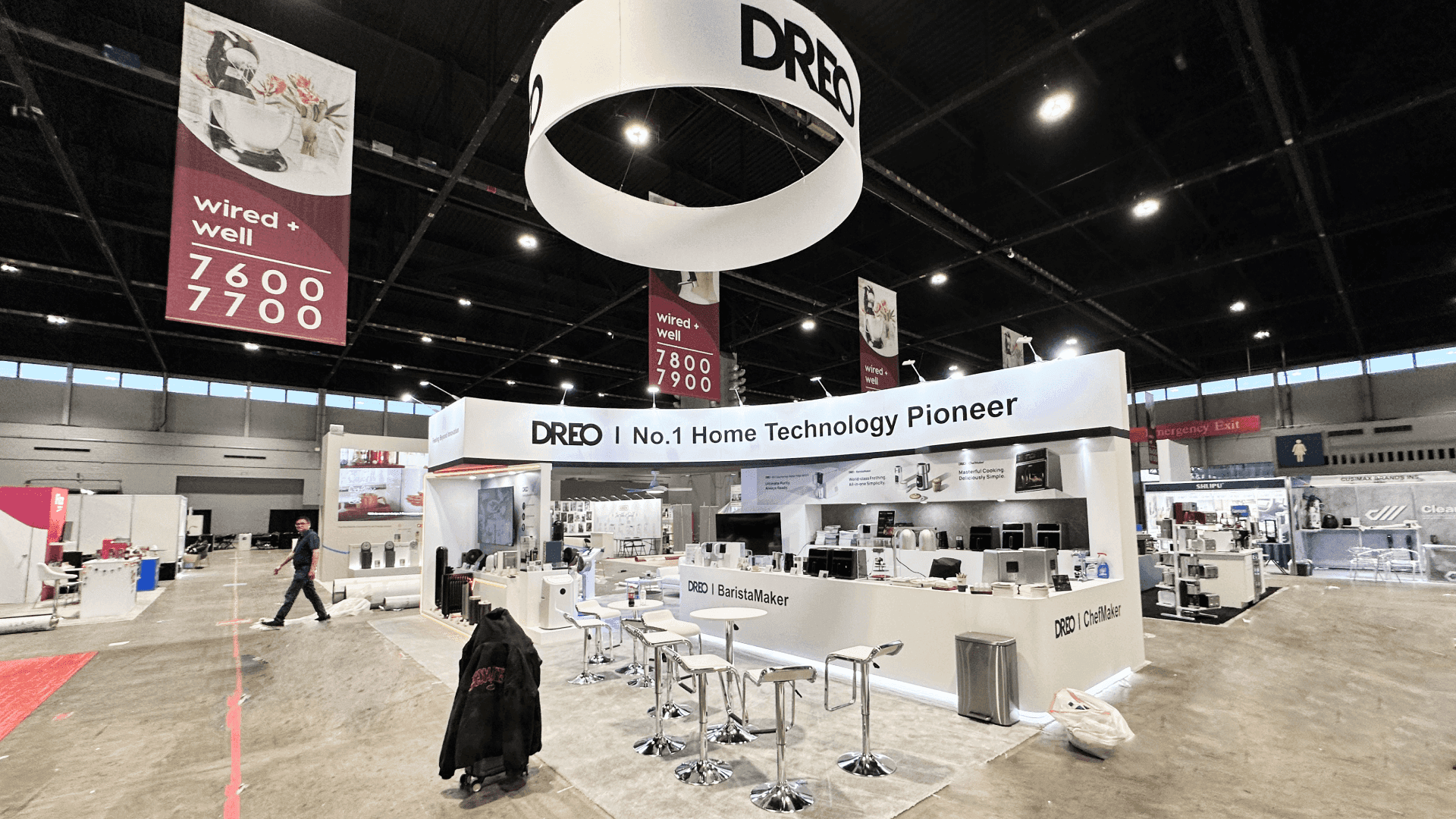
A flexible coverage plan keeps qualification, demos and handoffs moving when specialists rotate into Learning Labs or other event activities.
Define the Minimum Operating Coverage
Minimum operating coverage is the booth's baseline capability: the smallest set of functions that must remain available when staff availability changes. Before assigning people to shifts, define what the booth still needs to accomplish if part of the team is elsewhere.
Always-On Function | What Must Remain Possible |
|---|---|
Receive & Qualify | A visitor can be received and the reason for the visit understood well enough to choose the next interaction. |
Explain Accurately | The core product or solution can still be explained accurately, even when the full specialist-led demo is unavailable. |
Handoff or Schedule | A qualified visitor can reach the right specialist, meeting, later demo, or scheduled next step without reaching a dead end. |
Own the Next Step | The visitor's need, context, and agreed follow-up have a clear owner. |
A handoff means transferring both the qualified visitor and the context already learned about them to the person or next step best suited to continue the conversation.
These four functions are not four separate jobs. One person may receive and qualify visitors while recording the next step, while another provides the first product or solution explanation. The number of people required depends on how many of these functions need to operate at the same time and how much expertise each interaction requires. Simply adding people does not improve coverage if every serious conversation still depends on the same expert.
Adapt the Conversation to Specialist Availability
A coverage state is the booth's temporary operating mode based on which specialists are available at that moment. The booth does not need to deliver exactly the same interaction under every staffing condition, but it does need to remain accurate and give a relevant visitor a useful next step.
Full Specialist Coverage
When the product expert, technical specialist, or senior consultant is available, the booth can move from qualification into a complete demo or deeper discussion.
Qualify → Full Demo → Deeper Discussion
Complex product questions, detailed software demonstrations, technical comparisons, implementation issues, and higher-level commercial discussions fit here.
Core Coverage
When part of the team is elsewhere, the interaction can become shorter without becoming less useful.
Qualify → Short Explanation → Handoff or Schedule
A visitor should still be able to understand what the company offers and whether a deeper conversation makes sense. General staff do not need to reproduce the full specialist-led experience; they need to move the right visitor toward it.
Specialist Unavailable
If the person needed for the deeper discussion is temporarily away, the team can narrow the conversation further.
Confirm Need → Capture Context → Schedule the Next Conversation
This is often better than asking a non-specialist to improvise a technical answer or run a demo they cannot properly support. The visitor leaves with a clear next step, while the specialist receives enough context to continue without starting over. Reduced specialist availability should change the depth of the interaction, not the accuracy of it.
Product and Software Exhibitors Need Different Fallbacks
The fallback for a physical product booth is different from the fallback for software or business services because visitors are trying to evaluate different things.
Product Exhibitors
Physical products create practical dependencies around safe presentation, live operation, technical questions, and resetting the display after use. Staff need to know what can be shown without a specialist, what can be demonstrated safely, and where the conversation should stop when deeper technical knowledge is required. At Service World Expo, equipment that needs inspection clearance, live operation, or a technical handoff should have those requirements built into the product demo booth plan from the beginning, so the display remains useful even when the primary specialist is away.
The fallback does not need to imitate the full demo. An accurate first explanation, a useful product view, and a scheduled technical conversation may be enough to keep the opportunity moving.
Software and Service Exhibitors
Software, finance, marketing, coaching, and other service exhibitors depend less on keeping a physical demonstration running and more on preserving qualification and context. A general team member may be able to identify the visitor's business problem, provide a concise explanation, and decide which consultant should take the conversation further. When qualification, screen demos, and consultations form the main visitor path, the software and service booth plan should make that first interaction useful before a specialist steps in.
The goal is not to stretch every conversation into a consultation. It is to pass enough context forward that the next person can continue the discussion instead of restarting it.
Make the Booth Layout Support the Operating Plan
Even a well-staffed booth can fail operationally if the first interaction, live demo, deeper conversation, and support tools all compete for the same space. The primary demo or qualification point should remain accessible while other discussions continue nearby, and a qualified visitor should be able to move into a deeper conversation without blocking the next person who approaches.
For exhibitors already considering a 20x20 booth layout, that footprint can make it easier to separate an active demo from a deeper buyer conversation without forcing one interaction to stop for the other. The point is not that every coverage problem requires a 20x20; simultaneous interactions simply need enough physical separation to work.
The booth also needs a practical fallback when a specialist is away. Screens, product information, lead capture, demo materials, chargers, storage, and reset supplies should remain easy for the active team to reach.
Once those interactions are defined, exhibit design and engineering can translate the operating plan into demo zones, conversation space, storage, staff positions, and the clearances needed to keep them working together.
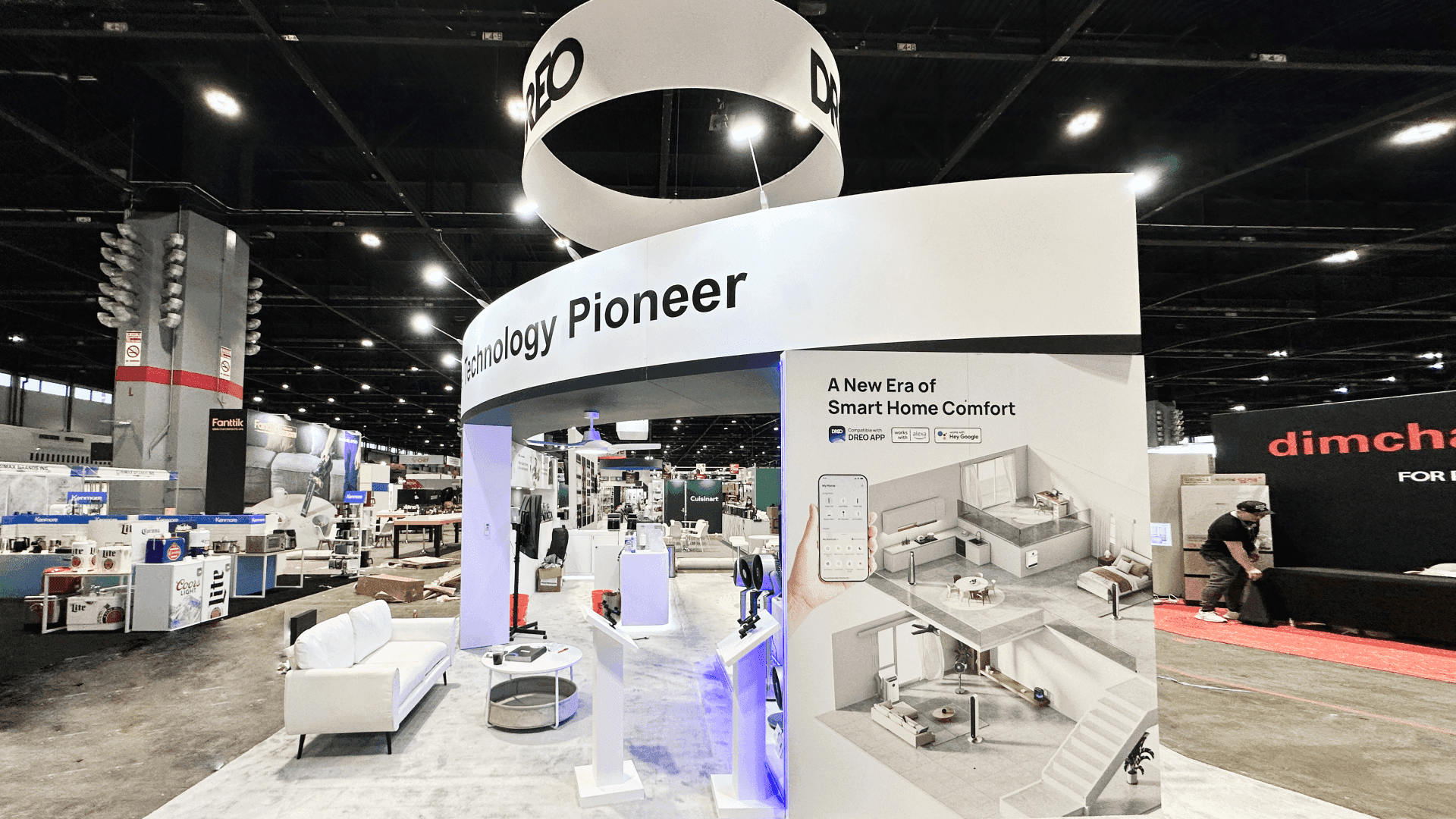
Separating the primary demo from deeper buyer conversations helps the booth stay operational when multiple interactions need to happen at the same time.
Your Service World Expo Coverage Plan Should Define
Before the show, the team should know:
Which booth capabilities must remain available
Which team members can rotate away without breaking those capabilities
Which specialist roles should not be unavailable at the same time
What replaces a full demo when a specialist is away
How product and software fallback requirements differ
Whether multiple interactions need to operate at the same time
Who owns each scheduled follow-up or next step
FAQ
Are Learning Labs held inside the Service World Expo Hall?
Yes. Learning Labs are held inside the Expo Hall and generally run for 30–45 minutes. Because education and exhibiting overlap, exhibitors should make sure essential visitor interactions can continue even when selected team members attend a Lab.
Should Service World Expo booth demos be scheduled around Learning Labs?
Not necessarily. The better approach is to match the interaction to the people available at the time. With full specialist coverage, a complete demo or deeper consultation may make sense. If the needed expert is away, qualification and a scheduled follow-up can be more useful than trying to force the same demo format.
How many booth staff should stay at Service World Expo?
There is no single staffing number that fits every Service World Expo booth. The answer depends on the booth footprint, demo complexity, qualification volume, consultation needs, and how many essential functions must operate at the same time. Define the minimum operating coverage first, then determine how many people are needed to maintain it.
Conclusion
A useful final test is simple: if a specialist steps away, can the team still receive the right visitor, explain the offer accurately, and establish a clear next step? If the answer is yes, the booth has a workable operating plan. If not, the issue is broader than headcount; staff roles, interaction depth, and physical space need to be planned together.