PRINTING United Apparel Zone Booth Planning



How should exhibitors plan a PRINTING United Apparel Zone booth?
An Apparel Zone booth should lead with one decoration workflow and show how it changes a blank garment into a finished application. DTF, DTG, embroidery, screen printing, and heat press exhibitors need different working zones and visitor viewpoints, while finished samples should help buyers compare fabric compatibility, production use, quality, and business potential.
The PRINTING United Apparel Zone is not simply a place to display finished garments. Visitors are comparing decoration methods, equipment, consumables, production steps, finished quality, and whether a new workflow fits their current operation. The booth should make one primary production story easy to follow from blank garment to finished application.
The PRINTING United Expo planning overview covers equipment-led, sample-led, and workflow-led exhibitors across the print industry. Larger production presses, finishing systems, and machinery requiring extensive service clearance or placement coordination are addressed in the equipment demo booth planning guide.
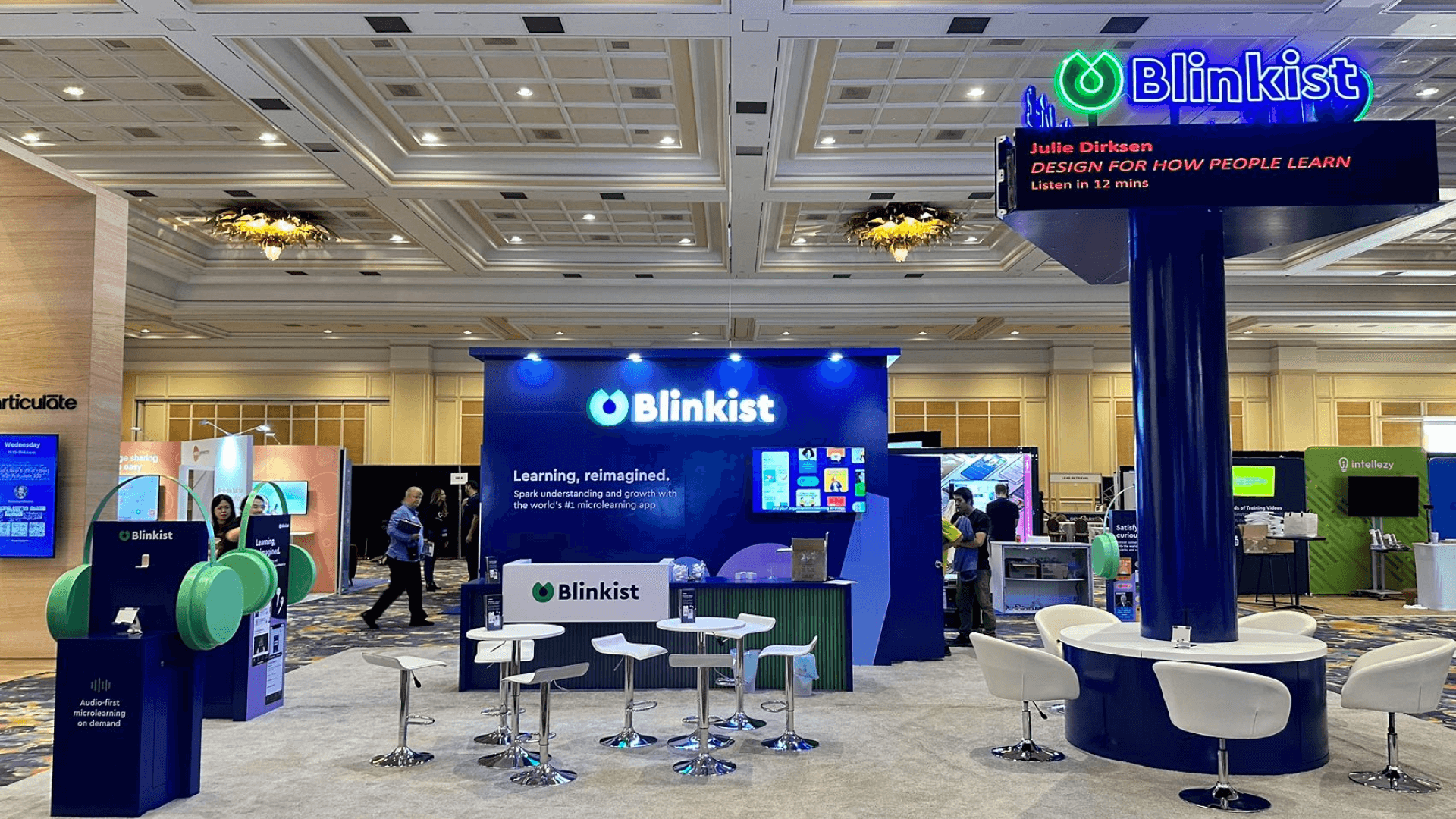
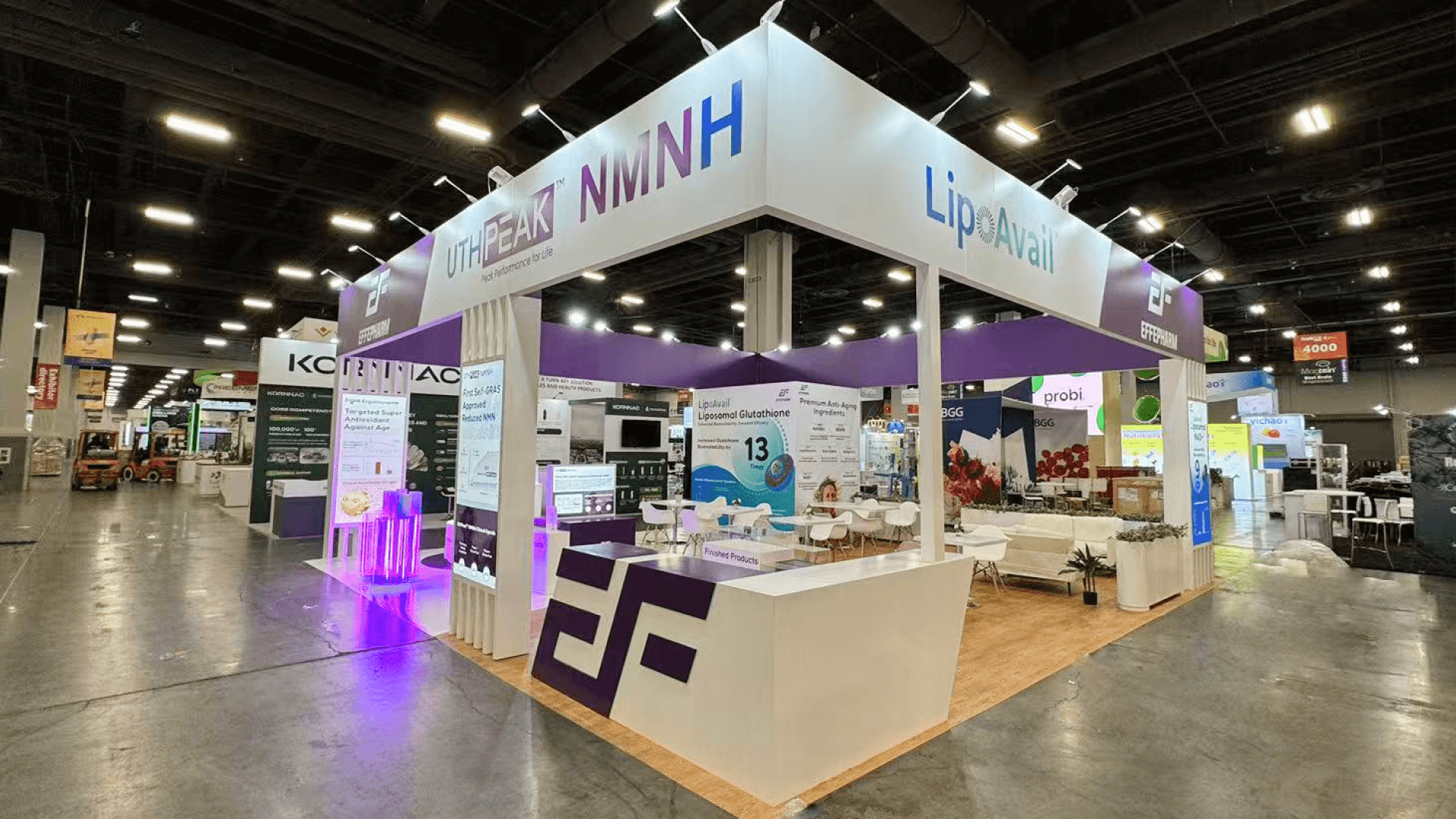
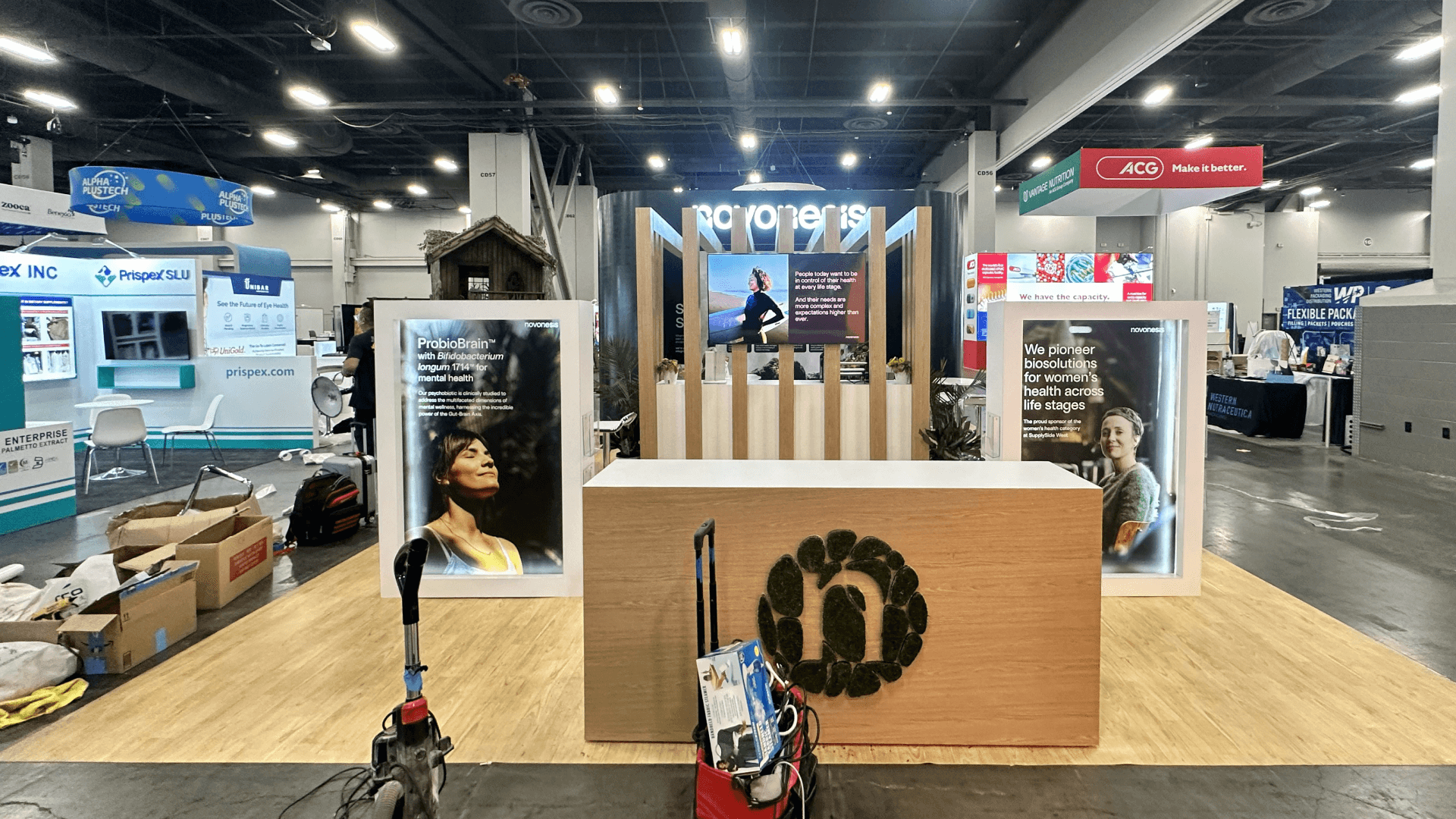
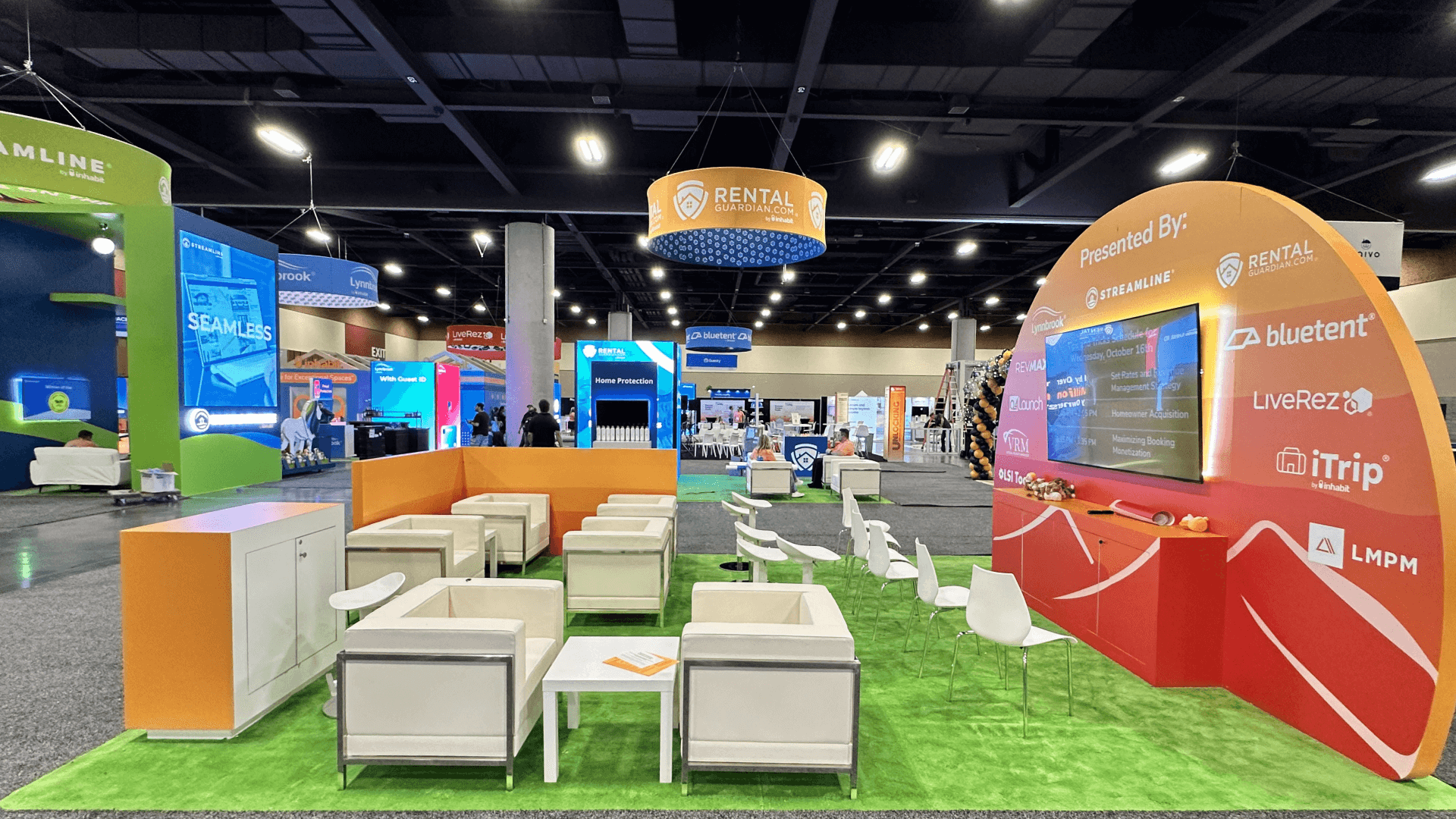
A focused Apparel Zone exhibit can be organized with modular rental booth components in Las Vegas when standard demo stations, garment displays, screens, counters, concealed supplies, and buyer-discussion areas can support the selected workflow. A 20×20 apparel booth plan is most practical when one decoration method leads the experience; exhibitors running several technologies as equal live demonstrations will usually need a larger footprint or a scheduled demo program.
Why Exhibitors Choose Circle Exhibit
Clear scope, transparent quote review, nationwide booth support, and efficient setup planning for qualified rental and custom exhibit projects.
48hr
Setup Window
10+
Years Since 2014
U.S.
Trade Show Support
Real
Booth Project Proof
Booth size should reflect how many decoration methods operate live, how garments move, how finished applications are compared, and whether buyer conversations require separate space.
Choose 10×20 when one compact DTF, DTG, embroidery, or heat press process leads the booth. Other technologies should appear as finished samples rather than equal live stations.
Move to 20×30 when two techniques operate, demonstrations repeat throughout the day, finished samples need a larger comparison system, or dealer discussions require separation.
A 20×20 apparel booth layout works when one production workflow needs input materials, an operating station, finished samples, concealed storage, and a compact buyer discussion area.
Use a 30×40 booth when several production methods, scheduled demonstrations, education, sourcing conversations, larger garment displays, and daily replenishment must work together.
For DTF, DTG, embroidery, screen-printing, and heat-press exhibitors, booth size is only part of the budget. The PRINTING United booth cost article shows how electrical service, garments, consumables, finished-sample displays, concealed storage, and daily resets can shape the final exhibit scope.
The display should help visitors understand where each decoration method fits, what the finished result looks and feels like, and what adopting the workflow could require.
Show where the blank garment, film, ink, transfer, thread, or other material enters the process and where the completed application becomes available for inspection.
Position visitors according to what matters in each process: transfer steps for DTF, preparation and curing for DTG, stitch detail for embroidery, or time and pressure for heat application.
Group finished garments by method, fabric, production use, detail, finished feel, short-run application, scaled production, or target customer.
Keep conversations about capacity, consumables, blank sourcing, training, dealer support, workflow integration, and business expansion outside the active work zone.
The Apparel Zone focuses on decorated apparel technologies, production methods, trending techniques, and opportunities to expand apparel offerings.
PRINTING United Expo runs September 23–25, 2026, at the Las Vegas Convention Center’s North and Central Halls.
Visitors need to understand how garments move through a decoration process and how equipment, materials, and finished output support real production needs.
Not Sure Which Booth Size You Need?
Not every exhibitor knows whether a 10x20, 20x20, 20x30, or larger booth is the right fit. Circle Exhibit can help review your event goals, product display needs, demo areas, meeting space, storage, budget scope, and setup timeline before you choose a booth size.
Each Technique Creates a Different Visitor Experience
Blank and Finished Garments Need Separate Logic
1
Lead with One Decoration Workflow
2
3
4
Rental for One Focused Apparel Workflow
Rental components work well for one or two compact stations, garment walls, counters, screens, concealed supplies, and a small buyer discussion area.
Custom Build for Several Integrated Methods
Custom fabrication becomes more relevant when multiple techniques, specialized work surfaces, utilities, education, larger sample systems, or an integrated production environment define the booth.
Hybrid for Reusable Demo Stations
A hybrid approach can combine reusable architecture with custom workstations, garment displays, process graphics, storage, or dealer-meeting features.
Label blank garments, consumables, equipment, tools, finished display pieces, demo supplies, and replacement materials by their role in the workflow.
Check electrical service, network needs, presses, curing or heat steps, screens, work surfaces, and the finished result before staff rehearsal.
Install structures, graphics, utilities, garment displays, and storage without blocking operator movement, heat clearance, or material replenishment.
Replenish the exact garments, films, inks, thread, transfers, tools, and finished applications required for each scheduled workflow.
Rental Booth Planning for Apparel Zone Workflows
A modular rental booth can combine one primary decoration workflow with demo stations, garment displays, screens, counters, concealed supplies, and a compact buyer discussion area. It is most practical when DTF, DTG, embroidery, screen printing, or heat press demonstrations can operate within clearly defined work zones.
Should a small booth demonstrate every apparel decoration method?
No. One method should lead the live experience, while secondary techniques can appear as finished samples or scheduled demonstrations.
How should finished apparel samples be organized?
What do apparel buyers discuss after a demonstration?
What booth size works for an Apparel Zone demonstration?
How should blank garments and production materials be stored?
READY TO PLAN YOUR NEXT BOOTH?
Let’s Build a Booth That Fits Your Event
Share your event name, booth size, city, timeline, product display needs, and design references. Circle Exhibit will review your project direction and help you choose a rental-friendly or custom exhibit path.
3000+
Booth Projects Supported
50+
U.S. Event Cities
Transparent
Quote Review
Coordinate work surfaces, demo stations, garment displays, operator clearance, concealed supplies, screens, and installation around the decoration method that leads the booth.
Translate DTF, DTG, embroidery, screen printing, or heat press steps into separate material, operating, viewing, sample, and discussion zones.
Label samples by method, fabric, application, production result, finished feel, or target market so the display communicates meaningful differences.
Plan quantities and labels for blank garments, consumables, finished samples, equipment, tools, cleaning supplies, rejects, and replacement materials.
Install structures, utilities, work surfaces, equipment, garment displays, and graphics in an order that keeps every operating station accessible through testing.