PACK EXPO Booth Planning for Packaging and Processing Exhibitors



What should exhibitors consider when planning a PACK EXPO booth?
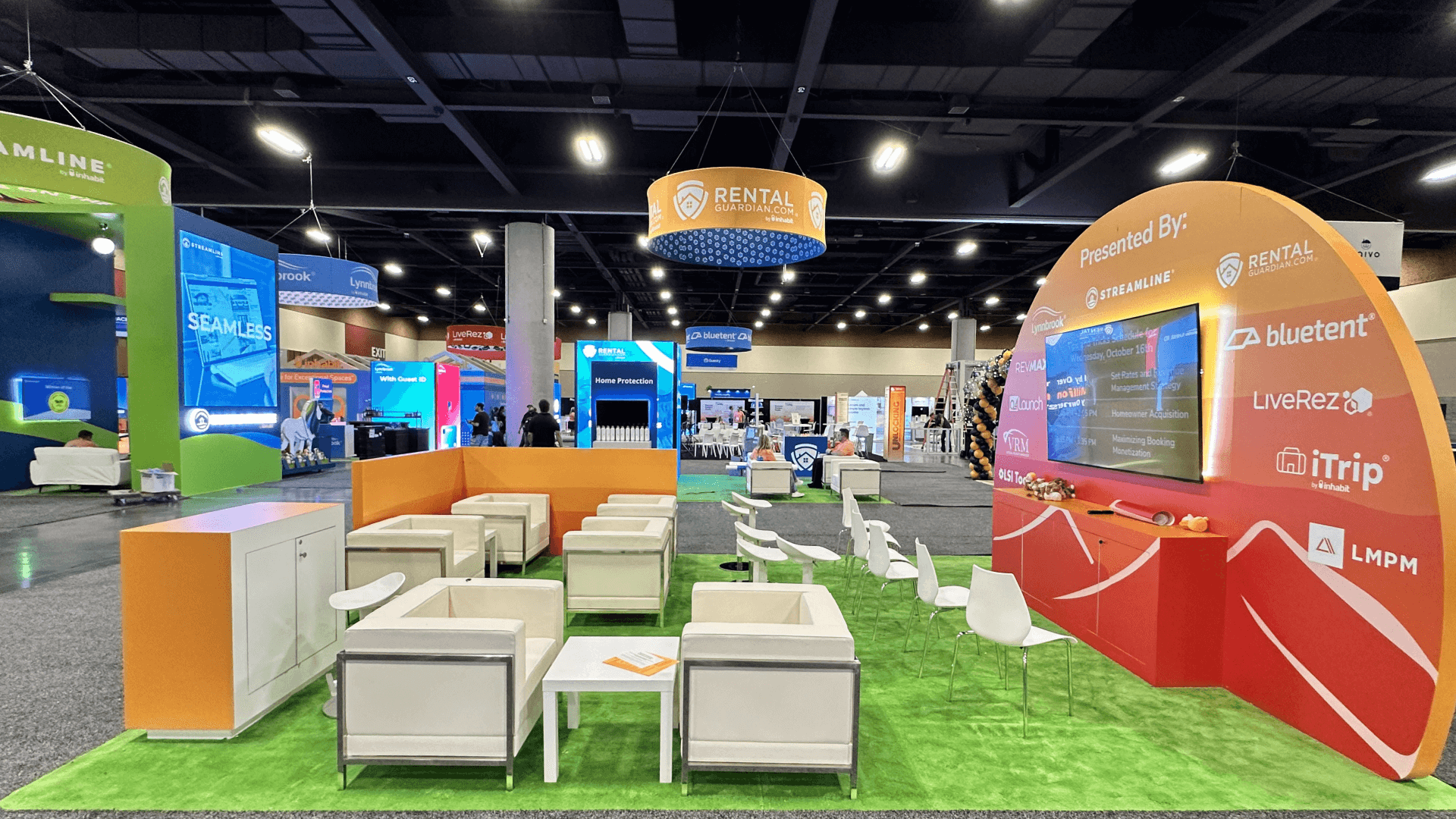
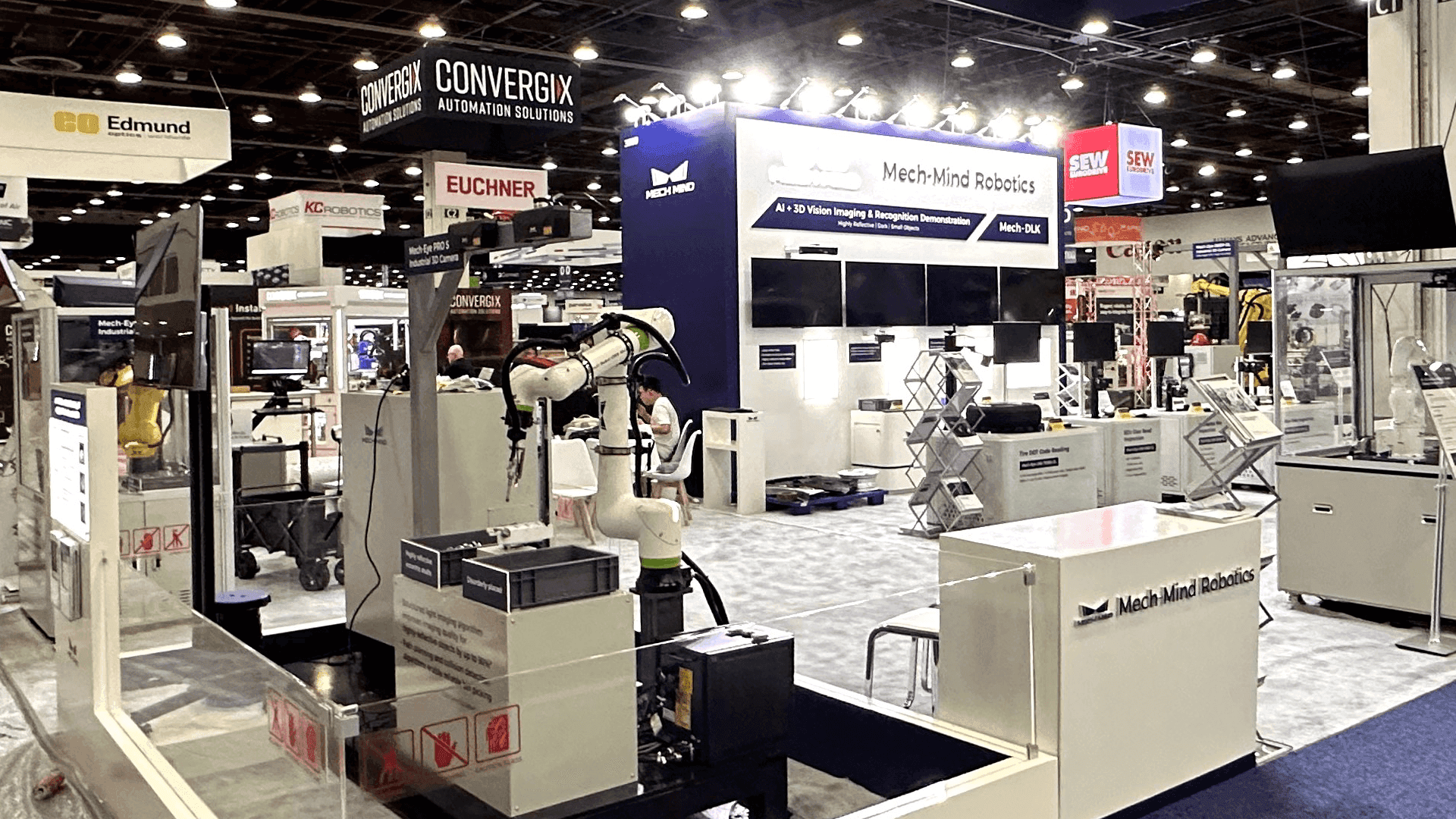
PACK EXPO booths need more than a clean structure. Exhibitors often bring machinery, packaging samples, material displays, printed examples, or technical product lines that must be easy to understand from the aisle. A strong booth plan should separate demo space, product explanation, visitor flow, storage, and meeting areas while leaving enough room for freight, installation, and show-site adjustments.
PACK EXPO booths usually need to explain more than a brand name. Exhibitors may bring packaging equipment, containers, printed samples, automation systems, material options, or processing solutions that buyers need to understand quickly from the aisle.
That makes the booth layout very practical. A materials brand may need a simple sample wall, clear category graphics, and a counter for buyer review. A processing equipment company may need more open space around a machine, enough demo clearance, and a visitor path that does not block sightlines.
For more focused planning, exhibitors with larger machinery or production systems can review our PACK EXPO Food & Beverage Processing Zone booth planning, while brands focused on containers, samples, and packaging materials can review our PACK EXPO Containers and Materials Pavilion booth planning.
For McCormick Place, booth details should be planned early, including layout, product zones, graphics, fabrication, freight timing, storage, and show-site readiness. Circle Exhibit supports exhibitors with Chicago trade show booth builder support, logistics and pre-show coordination, and 20x30 booth planning when the booth needs room for equipment, samples, meetings, and visitor flow.
Why Exhibitors Choose Circle Exhibit
Clear scope, transparent quote review, nationwide booth support, and efficient setup planning for qualified rental and custom exhibit projects.
48hr
Setup Window
10+
Years Since 2014
U.S.
Trade Show Support
Real
Booth Project Proof
PACK EXPO exhibitors should choose booth size around product type, demo needs, sample volume, storage, freight, and how much space the sales team needs for buyer conversations.
A 10x20 booth can work for focused sample displays, compact product lines, printed examples, or a smaller packaging solution. It should stay selective and use clear graphics rather than trying to show too much.
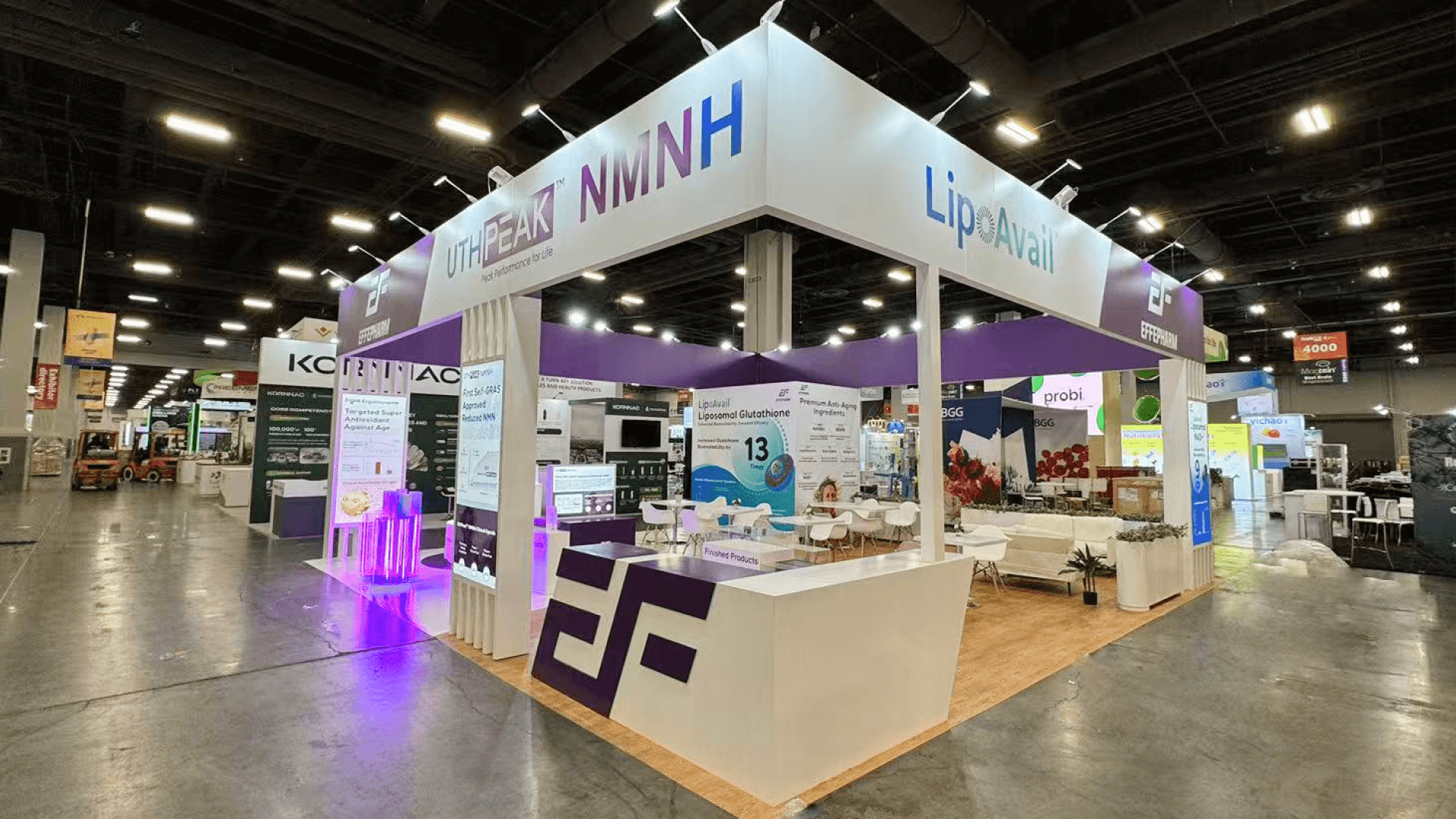
A 20x30 layout gives more flexibility for demo zones, packaging samples, product counters, graphics, storage, and meeting space. It is a practical fit for many PACK EXPO exhibitors with mixed display needs.
A 20x20 booth gives more room for sample displays, counters, storage, and buyer conversations. This size works well when the exhibitor needs a balanced layout without moving into a large machinery footprint.
A 30x40 booth is a stronger fit when the exhibitor needs machinery, larger product displays, several demo points, or a more open buyer flow around processing and packaging equipment.
Use the PACK EXPO booth planning article as a broader guide for exhibitors comparing booth layout, product samples, equipment displays, graphics, logistics, and show-site preparation. The article gives general planning context for the main PACK EXPO page, while each Pavilion or Zone page can stay focused on its own display needs.
PACK EXPO booths need to make physical products, equipment, samples, and technical benefits easy to understand without crowding the booth.
Machinery or processing systems need enough space for viewing, access, safety, and explanation. The booth should not let equipment block the entire visitor flow.
Samples should be grouped by material, application, industry, or buyer need so visitors can compare quickly instead of scanning a cluttered product table.
Technical products need short graphics, category labels, and simple visual hierarchy. The booth should help visitors understand the offer before a salesperson steps in.
Even product-heavy booths need space for qualified conversations and hidden storage for literature, samples, tools, and sales materials.
PACK EXPO brings together packaging and processing companies across machinery, materials, containers, automation, printing, labeling, healthcare packaging, food and beverage processing, and logistics.
The event takes place at McCormick Place in Chicago, where booth planning needs to account for freight movement, installation timing, show-floor access, and large-building navigation.
The strongest PACK EXPO booths make complex products easier to compare by separating demo areas, product explanation, visitor flow, storage, and buyer meeting space.
Not Sure Which Booth Size You Need?
Not every exhibitor knows whether a 10x20, 20x20, 20x30, or larger booth is the right fit. Circle Exhibit can help review your event goals, product display needs, demo areas, meeting space, storage, budget scope, and setup timeline before you choose a booth size.
Samples Need Order, Not Clutter
Technical Messaging Must Be Readable from the Aisle
1
Start with What the Visitor Must Understand First
2
3
4
Rental Booth for Mixed Product Displays
A rental booth can work well when the exhibitor needs a clean structure, clear graphics, product counters, storage, and a practical 10x20, 20x20, or 20x30 layout. It is a good fit for packaging samples, printed materials, compact equipment, or a focused product story.
Custom Build for Complex Booth Requirements
A custom build may be better when the booth needs large machinery integration, specialty display fixtures, private meeting rooms, custom counters, or a stronger branded environment. This approach gives more control when the product presentation is complex or the booth needs to stand out across a larger footprint.
Hybrid Booth for Practical Show Execution
For many PACK EXPO exhibitors, the best approach is a rental-based or hybrid booth customized around product zones, graphics, storage, and show-site execution. It keeps the structure practical while still giving the booth enough detail to support equipment, samples, meetings, and buyer flow.
Chicago shows at McCormick Place require close attention to move-in timing, freight routes, building location, and installation coordination.
A booth can look strong in design but still struggle if crates, graphics, flooring, or product displays arrive out of sequence.
PACK EXPO booths often include samples, equipment, screens, lighting, and printed materials. A good plan leaves room for final checks and small fixes.
Before the show opens, the team should confirm whether the booth message, product zones, graphics, and demo areas are clear from the aisle.
PACK EXPO has several planning paths depending on the show location, product category, and booth setup. These related pages help exhibitors compare Las Vegas booth planning, Chicago show context, packaging materials, healthcare packaging, food and beverage processing, and print-focused displays:
Need a PACK EXPO Booth Rental or Show-Ready Exhibit?
A rental-based booth can work well for PACK EXPO when the layout is customized around samples, product explanation, demo space, storage, and buyer flow. The booth should feel built for the product, not like a generic structure.
What type of booth works well for PACK EXPO?
The best booth type depends on what the exhibitor needs to show. Sample-heavy brands may work well in a 10x20 or 20x20 layout, while machinery or multi-station demos often need a 20x30, 30x40, or larger island booth.
When should exhibitors start planning a PACK EXPO booth?
Why does PACK EXPO booth planning need more detail than a general trade show booth?
Can a rental booth work for PACK EXPO exhibitors?
What should be checked before the show opens?
READY TO PLAN YOUR NEXT BOOTH?
Let’s Build a Booth That Fits Your Event
Share your event name, booth size, city, timeline, product display needs, and design references. Circle Exhibit will review your project direction and help you choose a rental-friendly or custom exhibit path.
3000+
Booth Projects Supported
50+
U.S. Event Cities
Transparent
Quote Review
Use this page for local booth planning and show-site support around Chicago trade shows and McCormick Place execution.
Use this service page when the booth involves freight timing, samples, equipment, graphics, storage, and setup planning before the show opens.
Use this service page when the booth requires careful setup, final checks, show-site adjustments, and dismantle coordination.
Use this page when the booth needs demo zones, samples, storage, and meeting space without moving into a large island exhibit.
Use this page when the booth needs larger machinery, several demo points, open visitor flow, and stronger show-floor visibility.
Use this page for Las Vegas-specific booth planning, LVCC move-in, equipment demos, packaging machinery displays, and local show-site coordination.