Start With the Product Type Buyers Need to Understand
A PACK EXPO booth should begin with the product buyers need to understand first. Packaging equipment, processing machinery, healthcare packaging, material samples, and printing or labeling systems do not need the same display approach.
Some products need a live demo. Others need a sample wall, a counter for close review, or a screen that explains the process behind the product. If the booth tries to treat every product the same way, the display can look busy but still leave buyers unsure about what matters.
Product / Booth Type | What Buyers Need to Understand | Booth Planning Focus |
|---|---|---|
Packaging equipment | What the machine does and where it fits in the line | Demo space, screen explanation, buyer viewing angle |
Processing equipment | Production flow, output, speed, or system role | Footprint, clearance, power, and safe visitor flow |
Healthcare packaging | Product safety, sample quality, and application use | Clean display, sample comparison, focused messaging |
Containers and materials | Format, material, finish, and sustainability claims | Sample wall, touch-and-feel display, labeling |
Food and beverage processing | Equipment role, automation, and processing steps | 20x30 or larger layout, logistics, and setup planning |
Package printing | Print quality, labeling, coding, or marking result | Print samples, demo counter, screen explanation |
Once the product type is clear, the booth becomes easier to plan. The layout can give the right amount of space to equipment, samples, screens, storage, and buyer conversations instead of forcing every product into one display style.

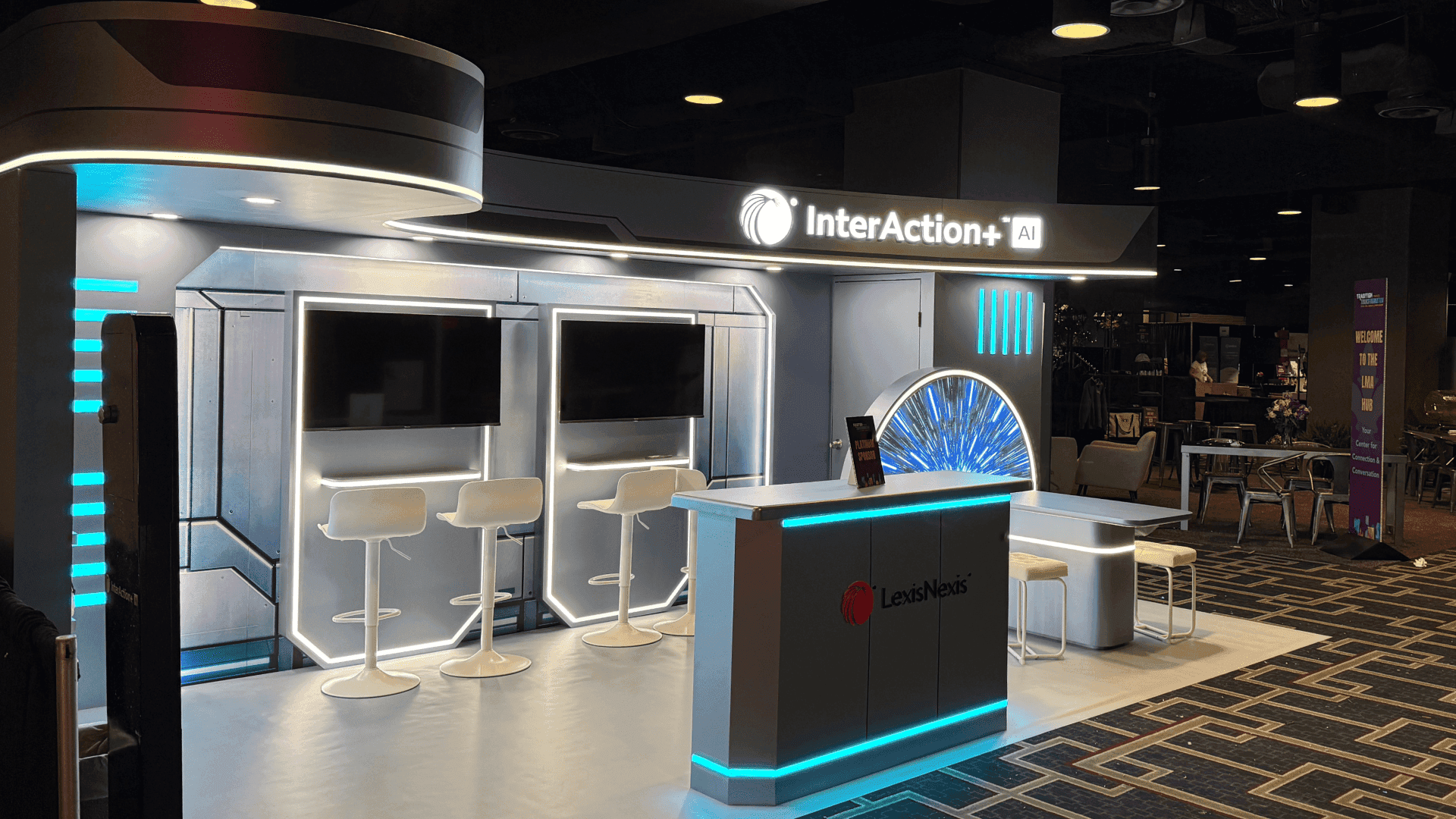
PACK EXPO exhibitors often need to show equipment, packaging samples, materials, or printed outputs in a way buyers can compare quickly from the aisle.
Match Booth Areas to Equipment, Samples, and Buyer Flow
Once the main display priority is set, the booth should be planned around how visitors move through it. A PACK EXPO booth often needs to do several things at once: show equipment, present samples, explain a process, and give staff space for technical conversations.
Equipment should stay visible from the aisle instead of blocking the first view. If a live demo is part of the booth, visitors need a clear place to pause, watch, and move on without stopping traffic.
Samples should sit close to the product story. A buyer looking at a pouch, bottle, label, material, or finished package should be able to connect it back to the machine, process, or system being shown.
Counters, storage, screens, and staff positions should support that path. The booth should feel simple to follow: see the product, review the output, then continue the discussion with the right team member.

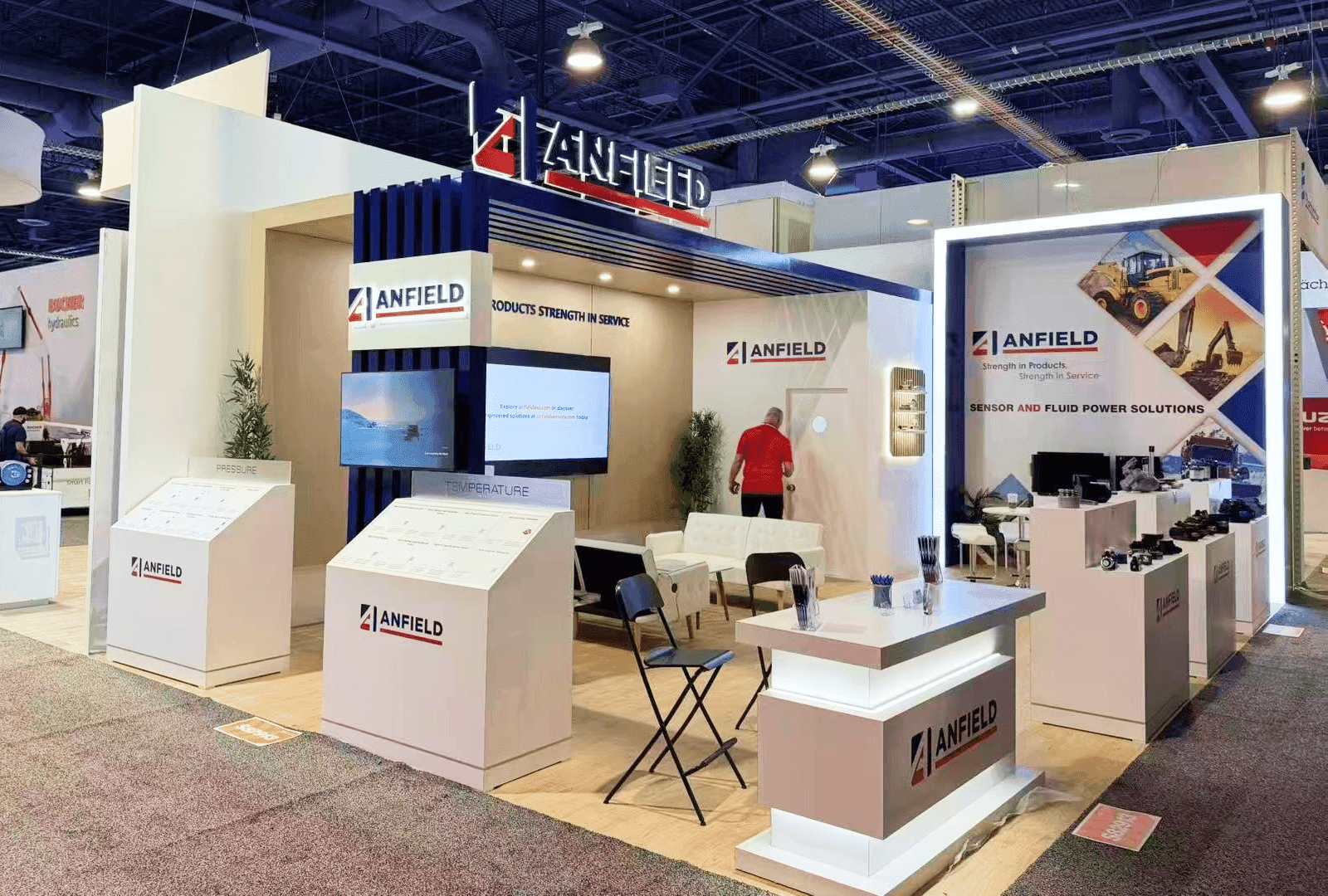
A clear booth path helps visitors move from the equipment demo to sample review and then into a focused technical conversation.
Use Pavilion Context Without Overloading the Booth Plan
PACK EXPO exhibitors may share the same show floor, but a healthcare packaging booth, a materials display, a processing equipment booth, and a package printing booth should not be planned the same way.
Healthcare packaging exhibitors may need a cleaner sample display and focused messaging around product safety or application use. For deeper direction, see Healthcare Packaging Pavilion booth planning.
Containers and materials exhibitors usually need buyers to compare formats, finishes, textures, labeling surfaces, or sustainability claims. That planning can connect to Containers and Materials Pavilion booth planning.
Food and beverage processing exhibitors often need more room for equipment, workflow explanation, power, and setup planning. This is where Food & Beverage Processing Zone booth planning can support a more detailed layout.
For printing, labeling, coding, or marking exhibitors, the booth should make output quality easy to review. PACKage Printing Pavilion booth planning can carry the deeper print-sample and demo planning.
This article keeps the Pavilion context light. The goal is to help exhibitors understand which direction their booth belongs to, then use the right Pavilion page for more specific planning.
Choose Booth Size Around Demo Space and Show-Site Setup
Booth size should follow the product and demo plan. A small sample display may only need a focused counter, but packaging and processing exhibitors often need room for equipment, output samples, screens, storage, and staff movement.
A 20x30 booth layout can work well when the booth needs a machine demo, sample review area, screen support, and a short conversation point in one clear path. Larger equipment or processing lines may need more space for footprint, clearance, power access, and safe viewing.
Show-site setup should be considered before the layout is locked. Freight timing, crate handling, electrical placement, and final installation can all affect where equipment should sit and how buyers will move around it.
For PACK EXPO exhibitors, the right booth size is not just about square footage. It is about whether the booth can support the demo, samples, staff, and setup process without making the space feel crowded.
Use Screens and Graphics to Explain Packaging Applications
Screens and graphics work best when they make the product easier to place in a real packaging or processing context. A machine, container, material sample, or printed label may be visible from the aisle, but buyers still need to understand the application behind it.
Screen content can show process steps, finished output, material use, package formats, labeling results, or before-and-after examples. Keep it short enough for visitors to understand while standing near the product.
Graphics should not repeat every specification. They should help buyers quickly identify the product category, use case, and main advantage before staff step into a deeper explanation.
When the booth relies on visual clarity, trade show booth graphics and brand presentation can help connect product displays, screen content, and booth messaging into one clear presentation.

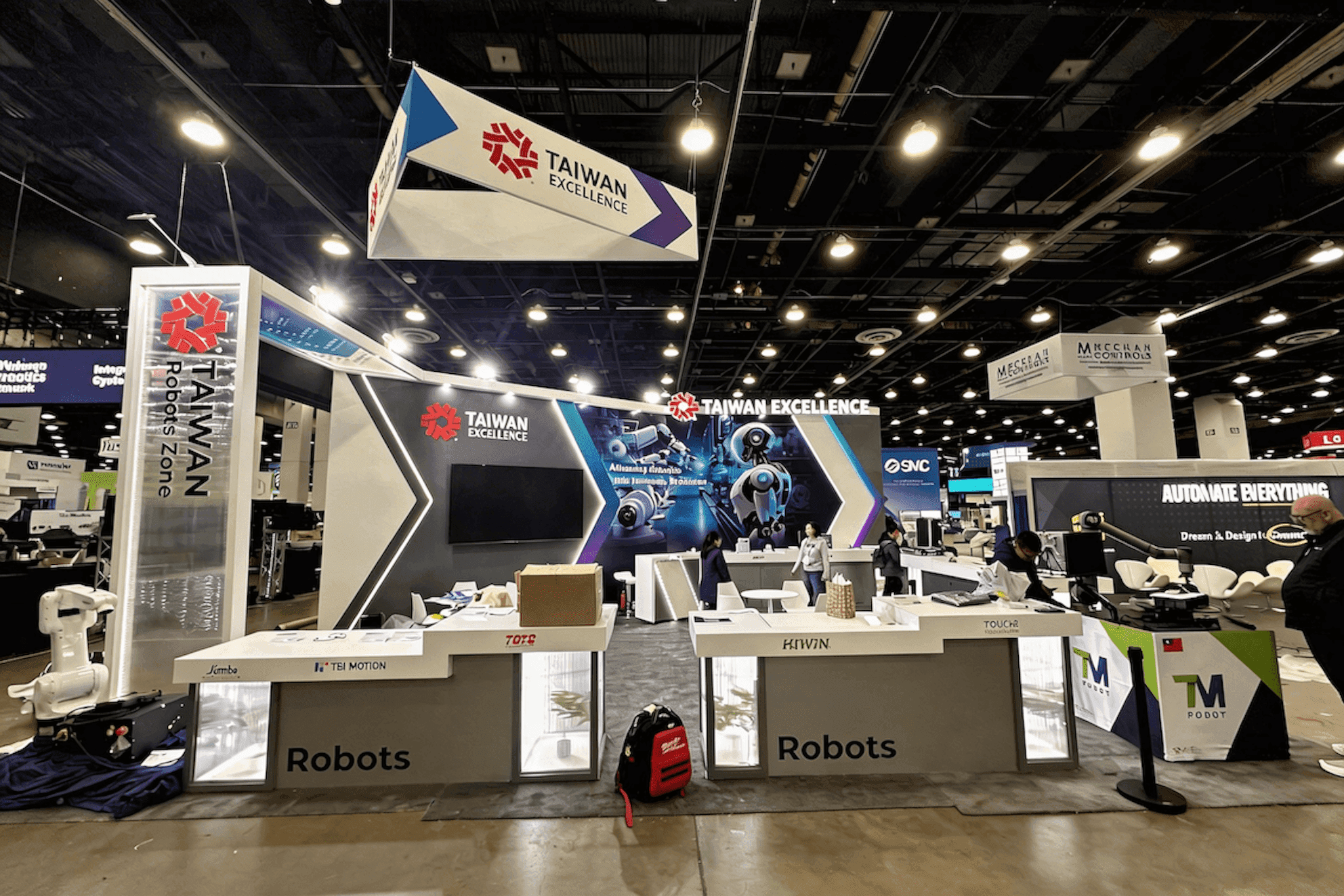
A 20x30 booth can support machine demos, sample counters, screen content, storage, and show-site setup needs for packaging and processing exhibitors.
PACK EXPO Booth Planning Checklist
Before finalizing a PACK EXPO booth, exhibitors should check whether the layout supports the product, the demo, and the way buyers will review the display.
Is the main packaging or processing product clear from the aisle?
Can visitors follow the demo without a long explanation?
Are samples, materials, or finished outputs easy to compare?
Is the equipment area separated from the buyer review space?
Does screen content explain the product, process, or output being shown?
Does the booth size support equipment footprint, storage, and staff movement?
Have freight, power, crate handling, and show-site setup needs been reviewed?
Does the layout support the broader PACK EXPO booth planning direction?
A strong booth does not ask visitors to guess what matters. It gives them a clear product view, a useful sample or demo point, and enough space to move into a real conversation.
FAQ
What should exhibitors plan for a PACK EXPO booth?
PACK EXPO exhibitors should plan around the product being shown, the demo or sample display, visitor flow, screen content, storage, and show-site setup. Packaging equipment, processing systems, materials, healthcare packaging, and printing examples each need a different booth layout.
What booth size works well for PACK EXPO exhibitors?
A 20x30 booth can work well when exhibitors need a machine demo, sample review area, screen support, storage, and a small conversation space. Larger booths may be needed for processing equipment, multiple machines, heavier displays, or layouts that require more clearance.
How should packaging and processing exhibitors use samples or demos?
Samples and demos should show what the product does in a real packaging or processing setting. Finished packages, material samples, labels, coding examples, or product output should be placed where buyers can compare them easily with the equipment or process being presented.
Final Takeaway
A PACK EXPO booth should not be planned as a generic display. The layout needs to match what the exhibitor is showing: equipment, materials, samples, healthcare packaging, processing systems, or print output.
When demo space, sample review, screens, storage, and setup planning work together, the booth becomes easier to read from the aisle and easier for qualified buyers to discuss on site.