PACK EXPO Containers and Materials Booth Planning

How should exhibitors plan a Containers and Materials Pavilion booth at PACK EXPO?
A Containers and Materials Pavilion booth should help buyers compare packaging materials, container formats, protection features, and sustainability options without visual clutter. The booth should use organized material sample walls, clear container groupings, application-based displays, short graphics, and a hands-on review counter so visitors can quickly understand how each material or container fits their packaging needs.
The Containers and Materials Pavilion at PACK EXPO is built around comparison. Visitors may be reviewing packaging materials, containers, closures, films, cartons, sustainable formats, or sample applications, so the booth needs to make product differences easy to see from the aisle.
Instead of covering every surface with samples, the layout works better when products are grouped by material, use case, industry, or buyer need. Clear category graphics, a simple sample wall, and a counter for closer review can help buyers understand the options without crowding the space.
For broader show context, exhibitors can start with PACK EXPO booth planning. For a sample-focused booth with more room for review, storage, and conversations, 20x20 booth planning is often a practical fit. For sample walls, category labels, and material comparison graphics, use graphics and brand presentation support.
Why Exhibitors Choose Circle Exhibit
Clear scope, transparent quote review, nationwide booth support, and efficient setup planning for qualified rental and custom exhibit projects.
48hr
Setup Window
10+
Years Since 2014
U.S.
Trade Show Support
Real
Booth Project Proof
Containers and materials exhibitors should choose booth size based on sample volume, material categories, product review needs, and whether the booth needs a quiet space for buyer conversations.
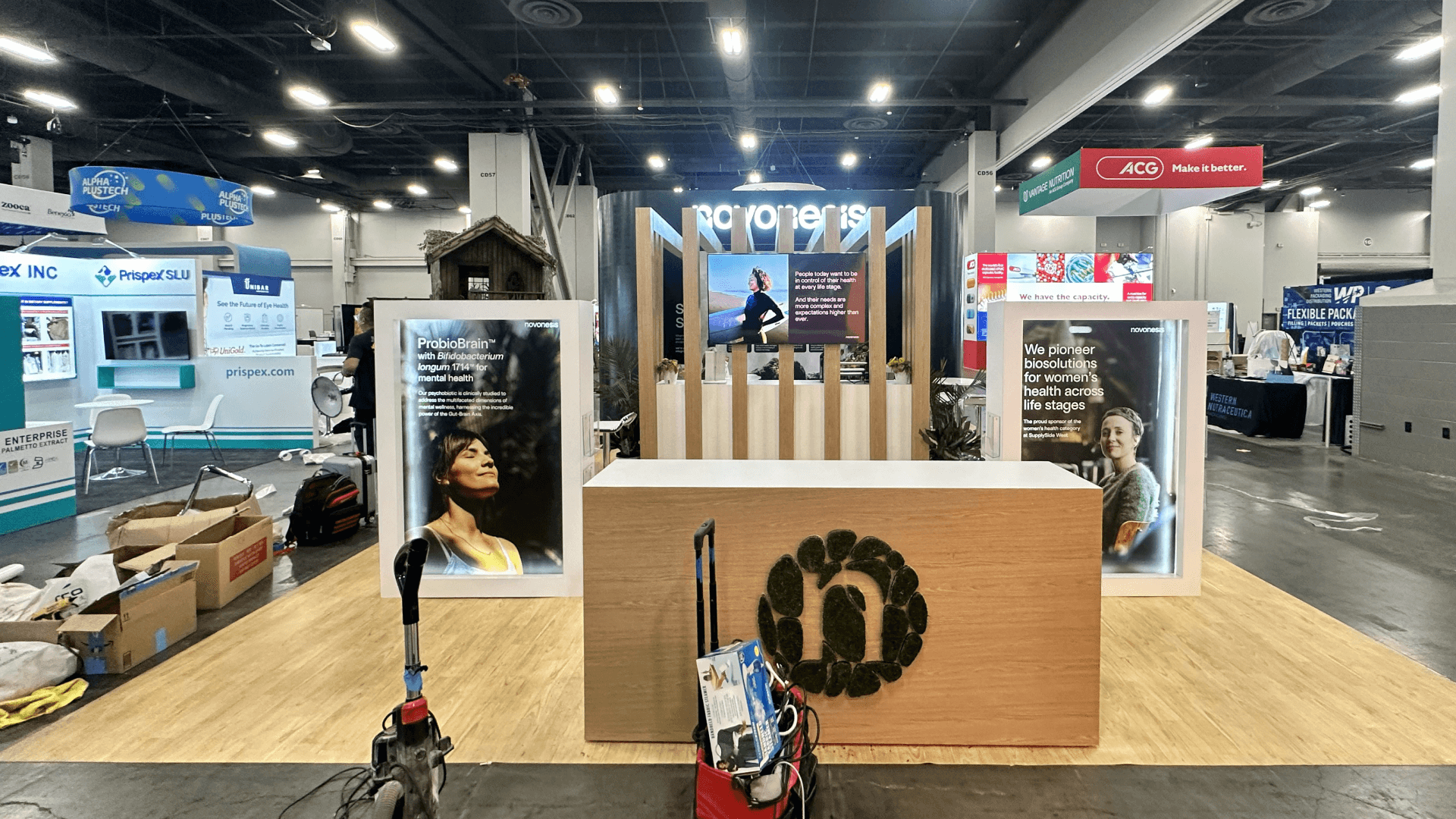
A 10x20 booth can work for a focused material line, a small container collection, or a single sustainability story. It should use one strong sample wall, one review counter, and clear graphics.
A 20x30 layout works well when the exhibitor has several material categories, such as paperboard, glass, plastic, protective packaging, recyclable materials, or e-commerce packaging solutions.
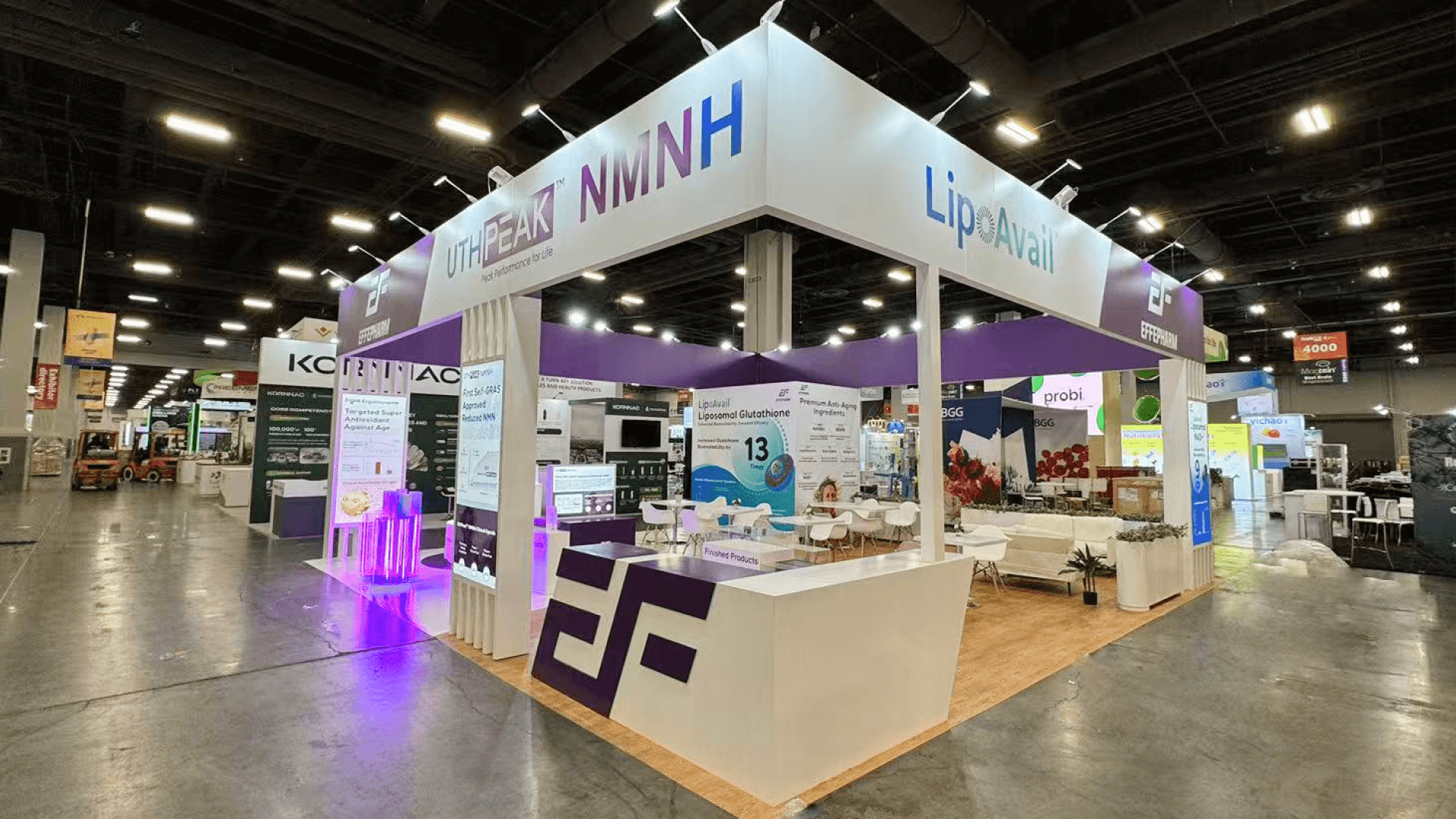
A 20x20 booth gives more room for material grouping, container samples, a product review table, hidden storage, and buyer conversations.
An island booth is useful when the brand needs visibility from multiple aisles, larger sample displays, stronger storytelling, and separate zones for different applications.
For exhibitors working with packaging materials, containers, and sustainable options, the PACK EXPO booth planning article can help with the wider planning questions around booth size, product flow, graphics, logistics, and show-site preparation. This Pavilion page keeps the focus on what buyers actually compare in the booth: material feel, container formats, sustainability claims, sample access, and a clear path from quick review to deeper conversation.
A Containers and Materials Pavilion booth should feel organized, tactile, and easy to compare. Buyers need to understand what each material or container does, where it fits, and why it may be better than the options they already use.
A material sample wall helps visitors scan substrates, textures, finishes, colors, closures, protective materials, and container formats quickly. The display should be grouped by buyer use case, not simply arranged by internal product catalog order.
Sustainability claims should be tied to clear material benefits, such as recyclability, compostability, lightweight structure, refill use, protection, or waste reduction.
Containers and materials often need to be touched, opened, compared, or discussed up close. A review counter gives buyers a practical place to examine structure, finish, feel, closure, durability, and application fit.
Packaging materials are easier to understand when grouped by use case, such as food, beverage, personal care, e-commerce, protective packaging, retail display, or product launch needs.
The Containers and Materials Pavilion is designed for exhibitors presenting packaging materials, containers, formats, finishes, sustainable options, protective packaging, and product innovation solutions.
Visitors in this pavilion often want to compare samples closely. They may review material feel, structure, finish, durability, sustainability claims, container shape, or application fit.
The booth should support organized sample display, hands-on review, short product explanation, sustainability messaging, hidden storage, and a clear path from aisle interest to buyer discussion.
Not Sure Which Booth Size You Need?
Not every exhibitor knows whether a 10x20, 20x20, 20x30, or larger booth is the right fit. Circle Exhibit can help review your event goals, product display needs, demo areas, meeting space, storage, budget scope, and setup timeline before you choose a booth size.
Sustainability Claims Need Specific Proof Points
Container Formats Need Application-Based Grouping
1
Decide the Main Comparison Story
2
3
4
Rental Booth for Material Sample Walls
A rental booth can work when the exhibitor needs a clean wall system, material shelves, a review counter, hidden storage, and a practical 10x20 or 20x20 layout. It is a strong fit for focused material lines, container collections, or a clear sustainability story.
Custom Build for Tactile Product Comparison
A custom build may be better when the booth needs built-in sample walls, custom container displays, premium material finishes, application zones, or a stronger brand environment. This approach works well when the product differences are tactile and need to be shown with more control.
Hybrid Booth for Material Comparison
For many Containers and Materials Pavilion exhibitors, a hybrid booth offers the right balance. A rental structure can provide the base, while custom sample walls, counters, labels, and sustainability graphics help buyers compare materials and container options without visual clutter.
Material samples, containers, printed pieces, display shelves, and counters should be packed and installed in a clear sequence.
Small sample labels, surface finishes, transparent containers, and textured materials can look different under show lighting.
Extra samples should be easy for the team to reach but not visible to visitors.
Before the show opens, the team should check whether the strongest samples and material categories are visible from the aisle.
Need a Containers and Materials Booth Rental for PACK EXPO?
A rental-based booth can work well for Containers and Materials Pavilion exhibitors when the layout is customized around sample walls, material review counters, clean graphics, hidden storage, and buyer comparison flow.
What type of booth works well for Containers and Materials Pavilion exhibitors?
A 10x20 booth can work for a focused material line, while a 20x20 booth is often better when the exhibitor needs sample walls, product counters, hidden storage, and buyer conversations.
How should packaging materials and containers be displayed at PACK EXPO?
Why is sustainability messaging important for this Pavilion?
Is a 20x20 booth enough for a containers and materials exhibitor?
What should exhibitors prepare before finalizing the booth design?
READY TO PLAN YOUR NEXT BOOTH?
Let’s Build a Booth That Fits Your Event
Share your event name, booth size, city, timeline, product display needs, and design references. Circle Exhibit will review your project direction and help you choose a rental-friendly or custom exhibit path.
3000+
Booth Projects Supported
50+
U.S. Event Cities
Transparent
Quote Review
Use the main PACK EXPO event page for broader packaging and processing booth planning, show context, and related Pavilion booth planning.
Use this page when the booth needs a material sample wall, container review counter, hidden storage, and enough space for buyer conversations.
Use this service page when material categories, sustainability messaging, product labels, and buyer-facing graphics need to be clearer.
Use this page for local booth planning and show-site support around Chicago trade shows and McCormick Place execution.
Use this service page when the booth involves sample shipments, display fixtures, printed materials, storage, freight timing, and setup planning before the show opens.