PACK EXPO Las Vegas Booth Planning



How should exhibitors plan a PACK EXPO Las Vegas booth at LVCC?
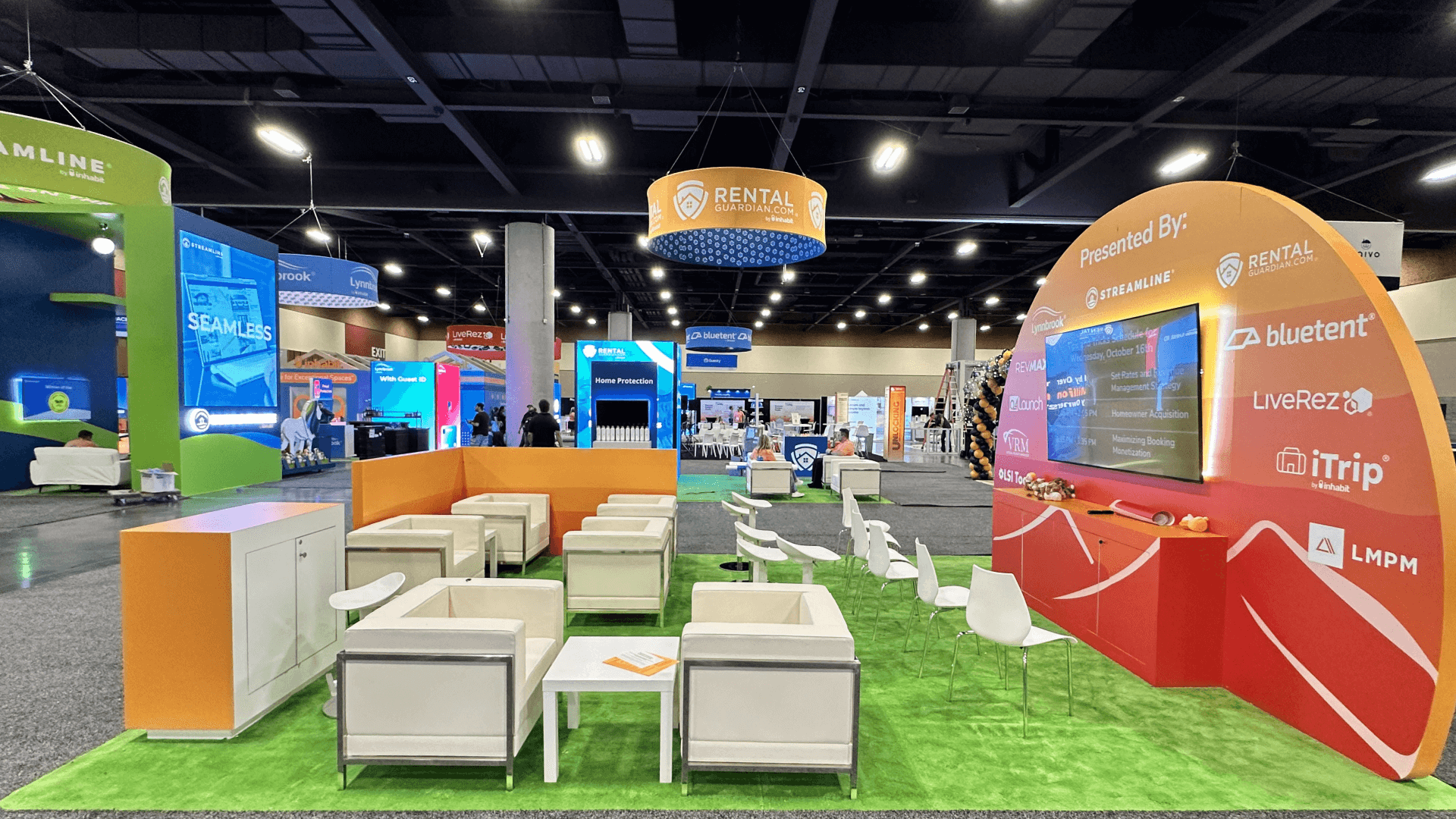
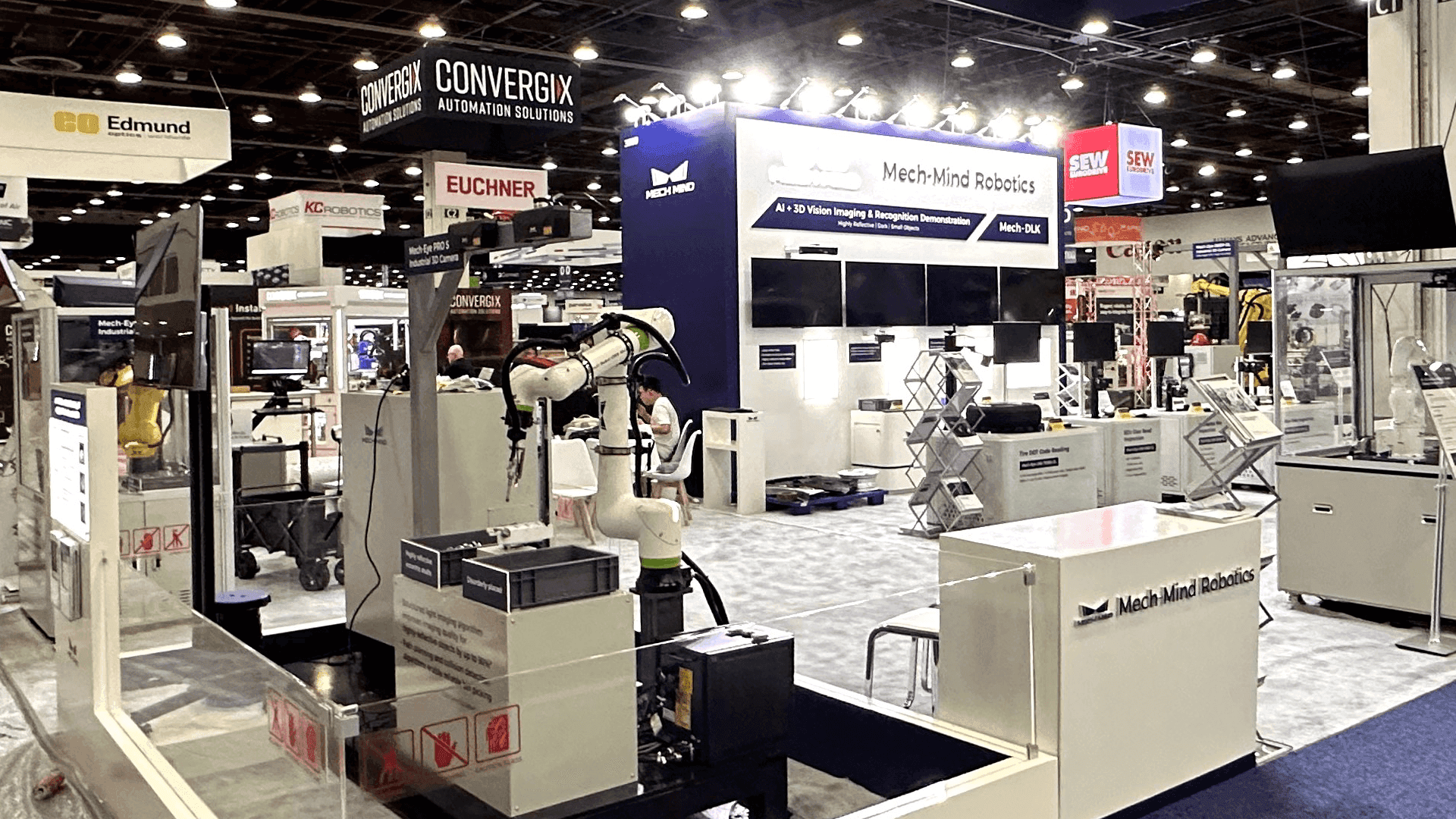
PACK EXPO Las Vegas booths often need to support packaging equipment, live demos, aisle visibility, freight movement, and technical conversations. Exhibitors should plan the equipment footprint, demo clearance, power and cable routing, storage, graphics, installation timing, and LVCC move-in logistics early, especially for machinery-forward 20x30 or 30x40 layouts.
PACK EXPO Las Vegas is built around packaging and processing systems that buyers often need to see in motion. Exhibitors may bring filling equipment, labeling systems, coding and marking units, inspection vision, conveyors, robotics, case packing, palletizing, or end-of-line automation that must be easy to understand from the aisle.
At the Las Vegas Convention Center, booth planning needs to account for equipment movement, demo clearance, forklift timing, cable routing, storage, and install sequencing. For local move-in, labor, material handling, and show-site setup, exhibitors can start with our Las Vegas trade show booth builder guide.
For machinery-forward booths, 30x40 booth planning is often a better fit when the layout needs demo zones, storage, technical conversations, and visitor flow. For freight timing, crate order, labor calls, and pre-show setup, logistics and pre-show coordination is the most relevant service path. For the broader show cluster, see PACK EXPO booth planning.
Why Exhibitors Choose Circle Exhibit
Clear scope, transparent quote review, nationwide booth support, and efficient setup planning for qualified rental and custom exhibit projects.
48hr
Setup Window
10+
Years Since 2014
U.S.
Trade Show Support
Real
Booth Project Proof
At PACK EXPO Las Vegas, booth size should follow what needs to happen in the space: sample review, equipment display, live demos, storage, staff conversations, or visitor flow. A compact packaging display and a machinery demo booth should not be planned the same way.
A 10x20 booth can work well for a focused packaging presentation, printed samples, a simple counter, and short buyer conversations. It is best when the product story is clear and the booth does not need large equipment, deep storage, or multiple demo points.
A 20x30 booth is useful when the display includes a larger product, a small demo setup, palletized materials, or a semi-private discussion area. The extra depth helps keep equipment visible while leaving enough space for staff, buyers, and basic storage.
A 20x20 layout gives exhibitors more room to separate sample display, digital explanation, storage, and conversation space. It can work for packaging materials, containers, labeling examples, or compact equipment when visitors need to compare details without crowding the aisle.
A 30x40 footprint is usually a better fit for machinery-forward exhibitors with conveyors, filling systems, inspection units, robotics, palletizing, or end-of-line automation. The space can support demo clearance, operator access, visitor flow, storage, and technical conversations without forcing everything into one crowded area.
PACK EXPO Las Vegas is not only about larger machines or faster production lines. Buyers also pay attention to how packaging technology connects automation, data, traceability, sustainability, and real conversations on the show floor. This PACK EXPO Las Vegas article on intelligent packaging and the human touch gives exhibitors more context for shaping booth messaging, demo areas, and buyer conversations around smart packaging trends.
At PACK EXPO Las Vegas, buyers often judge a booth by how quickly they can understand what is running, what problem it solves, and whether the team can explain the system without slowing down traffic. The display has to work for motion, samples, technical questions, and show-floor visibility at the same time.
Machines, conveyors, inspection units, filling systems, or automation displays need enough viewing distance and a clear operator side. Visitors should be able to see what enters the system, what changes during the demo, and what comes out without standing in the aisle or leaning over cables.
Large graphics should do more than show a logo. They should help buyers identify the equipment category, application, and production use case before they step into the booth, especially when machinery, counters, or sample displays sit behind the front line.
PACK EXPO conversations can quickly move into throughput, materials, integration, maintenance, changeover, or production fit. The booth needs a clear place for those discussions so buyers can ask specific questions without blocking the demo or crowding the front of the stand.
A machinery booth can look simple in a rendering but become difficult on-site if freight, crates, power, storage, and install order are not planned early. The setup should support how the equipment is moved in, positioned, tested, and reset before visitors arrive.
Many exhibitors run packaging and processing equipment live (filling, labeling, case packing, palletizing, inspection), so booth plans must support safe demo stations, stable utilities, and clear visitor flow.
Robotics cells, conveyors, and integrated line concepts are common—often requiring larger footprints, equipment access, and structured zones for technical walkthroughs.
Beyond machinery, packaging materials, recyclability, and efficiency upgrades drive buyer intent—booths benefit from clear category storytelling and sample handling setups.
Not Sure Which Booth Size You Need?
Not every exhibitor knows whether a 10x20, 20x20, 20x30, or larger booth is the right fit. Circle Exhibit can help review your event goals, product display needs, demo areas, meeting space, storage, budget scope, and setup timeline before you choose a booth size.
Heavy Freight + Crating Sequencing
Demo Safety Boundaries + Access Control
1
Confirm Demo Requirements + Utilities Checklist
2
3
4
Rental Booth for Sample-Focused Displays
A rental booth can work well when the main goal is to present packaging samples, printed materials, containers, labels, or brand visuals in a clean and organized way. It is usually a practical option when the booth does not require heavy equipment integration or complex demo zones.
Custom Booth for Machinery and Live Demos
A custom build makes more sense when the booth needs to support conveyors, filling systems, robotics, inspection units, palletized equipment, or integrated production demonstrations. In these cases, the structure, storage, access points, and visitor path need to be planned around the equipment first.
Hybrid Booth for Mixed Product and Equipment Needs
Many PACK EXPO Las Vegas exhibitors fall between the two. A hybrid approach can use rental structure for the main booth frame while adding custom counters, graphics, demo areas, storage, or equipment-facing details where the product presentation needs more control.
Plan around LVCC material handling release windows and forklift scheduling—especially for crated machinery and palletized systems.
Labor calls and task sequencing should match LVCC rules and on-site realities; delays often come from mismatched install order and labor timing.
Confirm hall access routes, staging areas, and turning radii early so large equipment moves don’t get blocked during move-in.
For machinery or automation displays at LVCC, leave time to position, power, test, and adjust the demo before final graphics, counters, samples, and meeting areas are reset.
For exhibitors looking at past PACK EXPO Las Vegas booth examples, the PACK EXPO Argentina 2023 10x20 booth case study shows how a smaller packaging-related booth used clear graphics, a front counter, and selective product presentation without overcrowding the space.
That project is different from a large machinery booth, but it is still useful for exhibitors who need a compact, aisle-facing layout that keeps the message easy to understand.
PACK EXPO Las Vegas can connect with the broader PACK EXPO planning cluster. These related pages cover different booth scenarios, from materials and samples to machinery, food processing, healthcare packaging, and print-focused displays:
Customizable Booth Rentals for PACK EXPO Las Vegas
For exhibitors who do not need a fully custom build, a customizable rental booth can still support branded graphics, counters, sample displays, storage, and meeting space. Machinery-heavy exhibits may need more custom planning, but rental or hybrid layouts can work well for packaging brands with lighter product displays or clear aisle-facing presentations.
What booth size works best for packaging machinery demos at PACK EXPO Las Vegas?
For a single machinery demo (e.g., labeling machine, inspection station, or compact conveyor cell), many exhibitors start at 20x20; if you need multiple demo stations plus meeting space, a 20x30 layout usually handles equipment access paths, demo buffers, and visitor flow more comfortably.
How early should we start planning for PACK EXPO Las Vegas if we’re shipping equipment?
What are common execution risks for live processing equipment booths at LVCC?
What booth size works best for machinery demos at PACK EXPO Las Vegas?
Why should freight and installation planning start early for PACK EXPO Las Vegas?
READY TO PLAN YOUR NEXT BOOTH?
Let’s Build a Booth That Fits Your Event
Share your event name, booth size, city, timeline, product display needs, and design references. Circle Exhibit will review your project direction and help you choose a rental-friendly or custom exhibit path.
3000+
Booth Projects Supported
50+
U.S. Event Cities
Transparent
Quote Review
Review the broader PACK EXPO booth planning page for packaging, processing, equipment, materials, healthcare packaging, and printing-related exhibit needs.
Use this page when the booth is more focused on containers, materials, sample displays, packaging formats, and buyer review areas.
A larger footprint can help PACK EXPO exhibitors plan demo zones, equipment clearance, operator access, storage, meeting space, and visitor flow.
For equipment-heavy booths, freight timing, crate order, labor calls, storage, and demo setup should be coordinated before the show floor opens.