MJBizCon Buyer Program Terms Used in This Guide
Retail Buyer Program — qualified retail professionals involved in purchasing or vendor selection.
Hosted Buyer Program — an invitation-only program for senior-level buyers with purchasing authority.
The Exchange — curated, pre-scheduled one-to-one meetings connecting qualified Hosted Buyers with relevant exhibitors.
These formats can exist alongside normal Expo-floor discovery, creating different levels of buyer intent inside the same event.
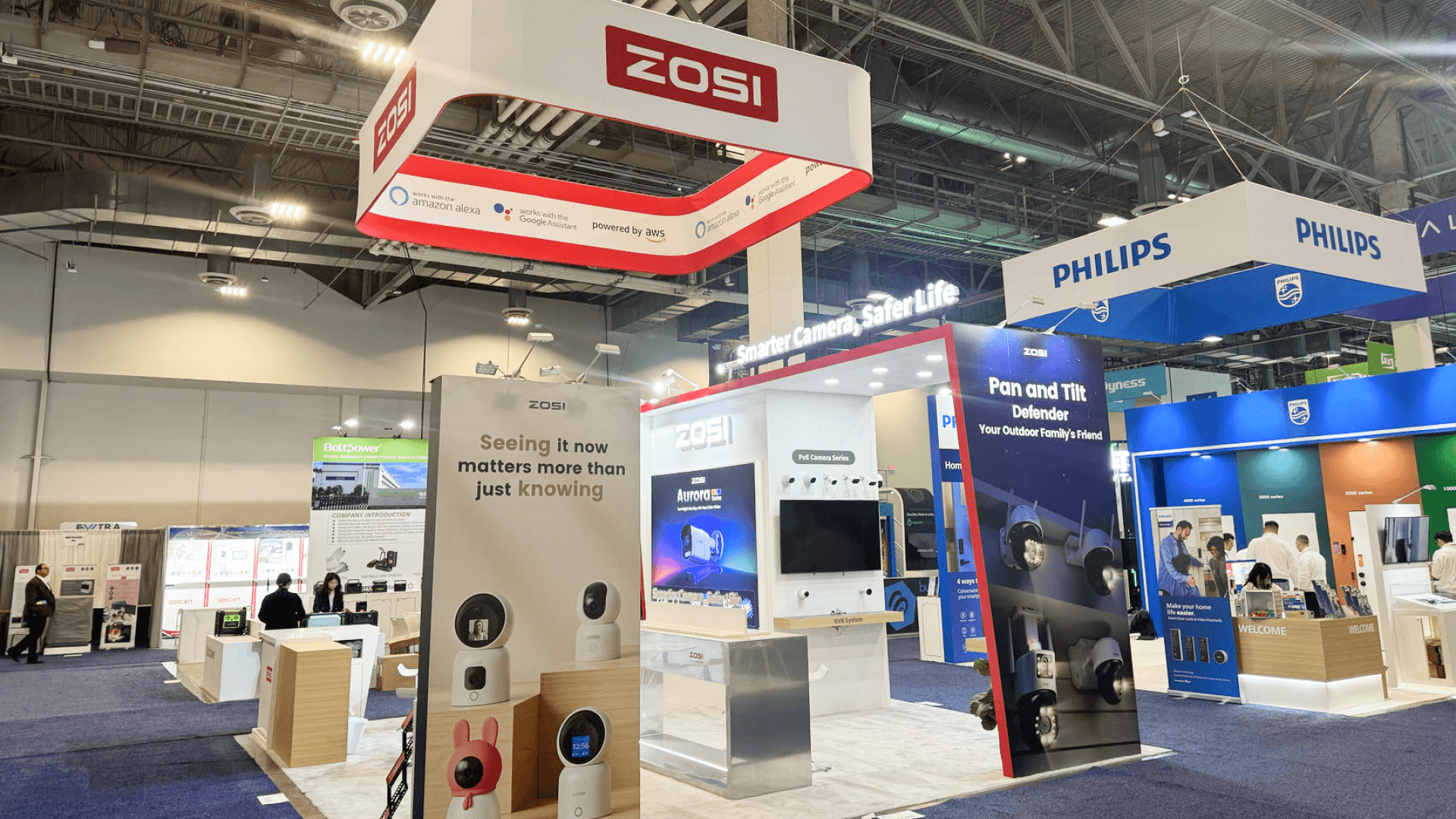
Different MJBizCon buyer contexts can create different booth conversations, from product discovery and sourcing discussions to scheduled one-to-one meetings.
Different MJBizCon Buyer Contexts, Different Booth Conversations
The first distinction is not simply whether someone is a “buyer.” It is how much intent is already established before the conversation begins.
Retail Buyer Context
Product Discovery → Comparison → Assortment Fit → Commercial Conversation
Retail buyers may encounter a brand while actively sourcing products and evaluating suppliers. The booth therefore has to make the product category and key differences understandable quickly, while giving stronger prospects somewhere to continue the discussion.
That transition is important. Product discovery can happen from the aisle, but pricing, assortment fit, distribution, and other commercial questions are harder to handle when the same space is still being used for browsing.
For product-focused exhibitors, MJBizCon Retail + Brand booth planning addresses the merchandising side of that problem. This article focuses on what happens once product interest becomes a buyer conversation.
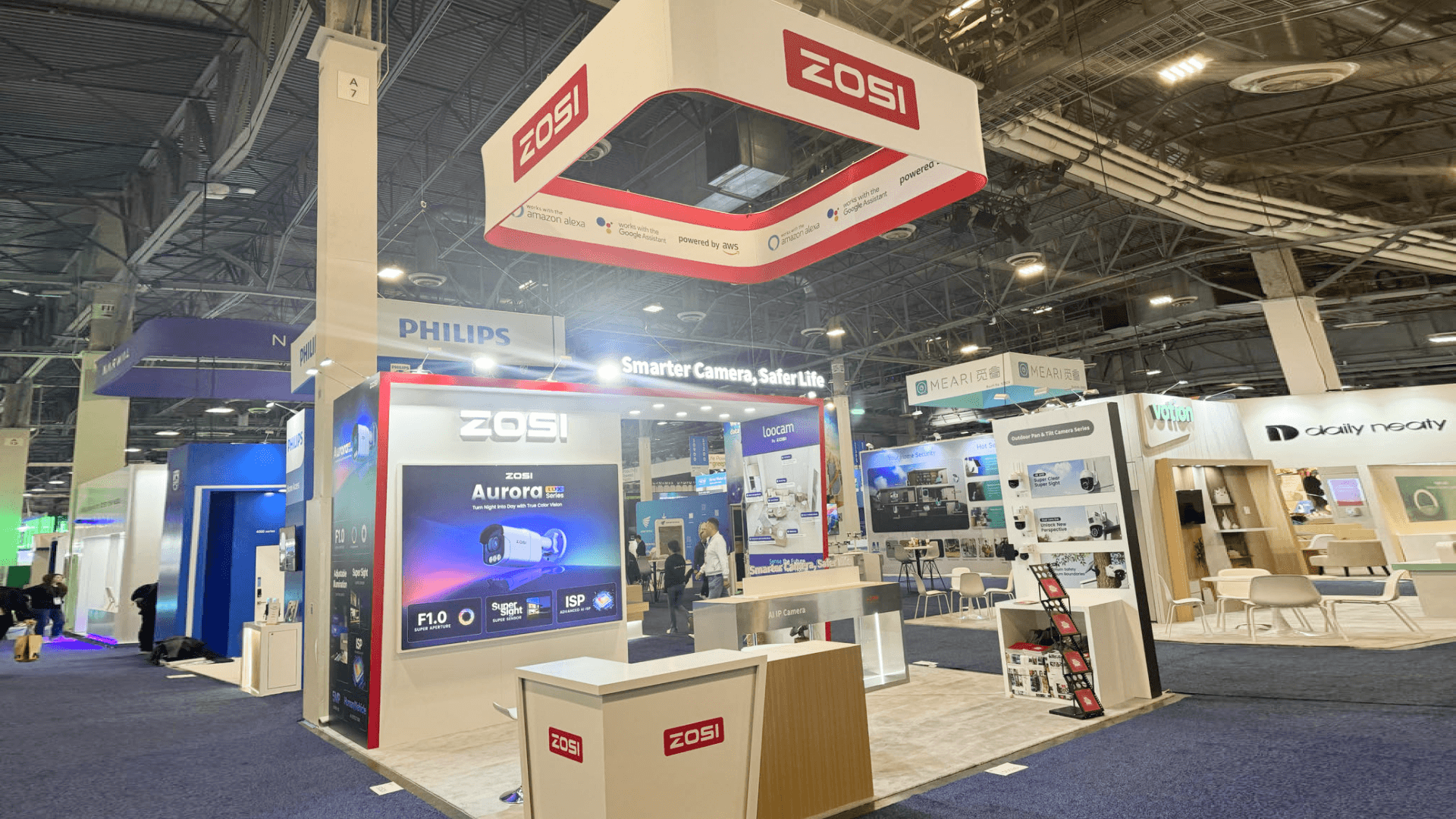
Meeting capacity should be planned around simultaneous buyer conversations, waiting, staff movement, and privacy—not simply the number of chairs in the booth.
Hosted Buyer Context
Known Business Need → Focused Conversation → Relevant Specialist
Hosted Buyers enter MJBizCon with stronger purchasing authority and a more intentional business context. The booth team should therefore spend less time on generic qualification and more time identifying what the buyer needs and who can move that discussion forward.
Depending on the exhibitor, the next person may be responsible for sales, distribution, manufacturing, product, or technical questions.
A qualified conversation loses momentum when the correct specialist is somewhere in the booth but the buyer has to restart the discussion to reach them.
The Exchange as a Scheduled Meeting Layer
The Exchange changes the workflow again because the meeting is expected.
Matched Buyer → Arrival → 1:1 Meeting → Outcome
Reception knows a buyer is coming. A staff member should already own the appointment. Meeting space needs to be available at the expected time, and the discussion should end with a recognizable business outcome.
The important distinction is that The Exchange does not replace normal show-floor activity. Scheduled conversations and spontaneous discovery can coexist, which means the booth may need to operate in both modes at once.
When Meeting Capacity Starts to Change the Booth Layout
Meeting capacity is not the number of chairs that fit inside a footprint. It is the number of conversations the booth needs to support at the same time.
A short product question may only require a standing counter. A scheduled buyer discussion may need seating and some separation from aisle traffic. Problems begin when one meeting is underway while another buyer arrives, a specialist is already occupied, and a demo or product conversation is happening nearby.
At that point, several functions are competing for the same space:
active buyer conversation;
scheduled meeting;
waiting or transition space;
staff circulation;
demo or product activity;
some degree of conversational separation.
A smaller footprint can work when these activities happen sequentially. The layout starts to become restrictive when they must operate simultaneously.
This is where a 20x20 booth can become relevant. The reason is not simply that 400 square feet allows more furniture. It can provide enough separation for multiple conversations and supporting functions to operate without one interaction blocking another.
A useful planning test is simple: if a second qualified buyer arrived while the first meeting was still running, where would that conversation go?
If there is no clear answer, meeting capacity is already influencing the footprint.
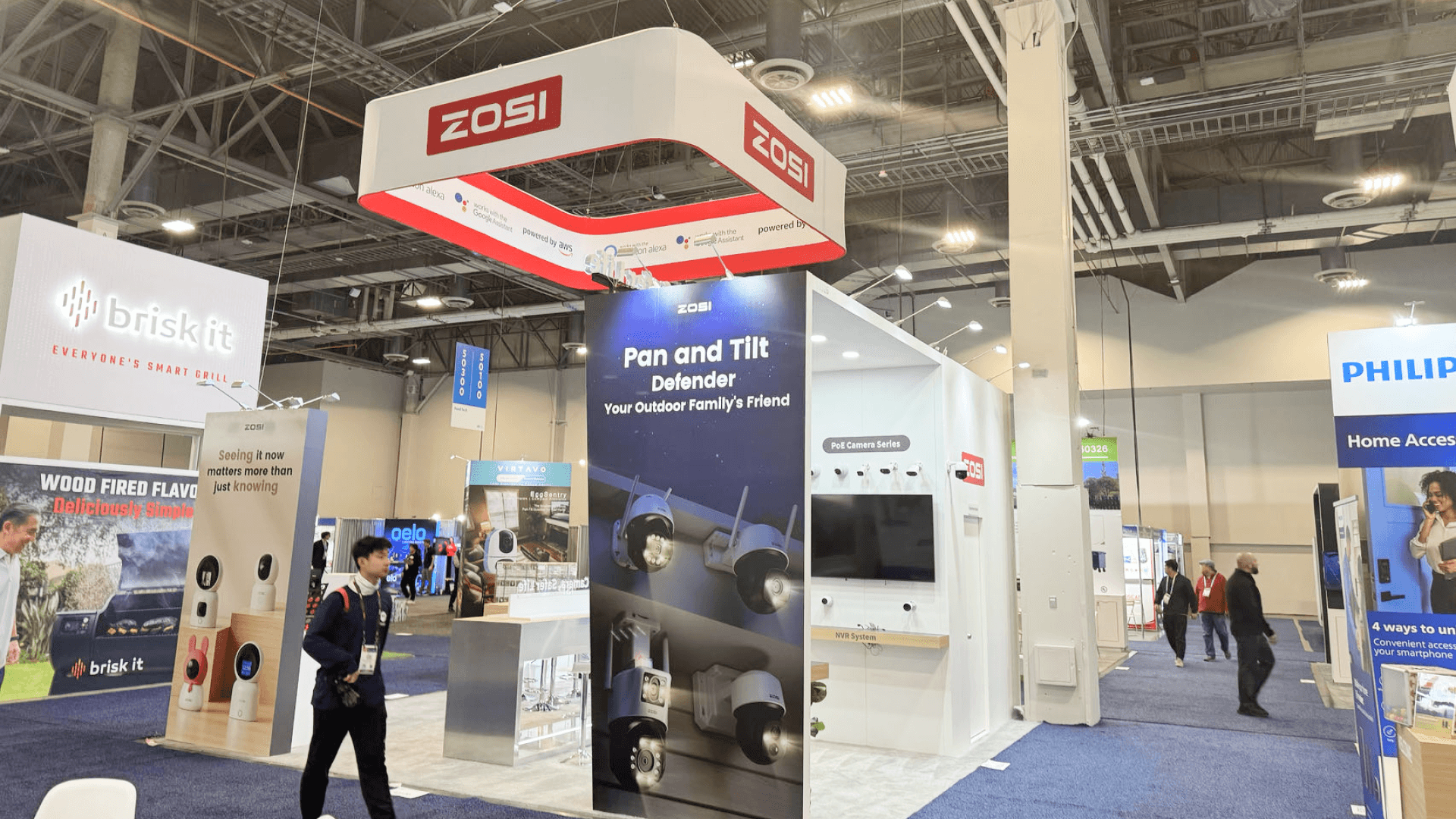
A buyer meeting workflow should connect reception, staffing, specialist handoffs, outcome capture, booth reset, and a clear next action after the conversation.
Reception, Staffing, and Buyer Handoffs Need One Workflow
A scheduled buyer should not arrive at the booth and become a general visitor while someone searches for the right salesperson.
Reception should recognize why the buyer is there, confirm who owns the conversation, and direct the person without making them repeatedly explain their purpose. If the assigned staff member is still occupied, there should also be a clear transition or waiting point.
From there, staffing should follow the conversation:
Arrival → Recognition → Assignment → Conversation → Specialist Handoff
Sales may handle qualification and commercial fit. Product specialists can answer deeper assortment or application questions. Technical exhibitors may need an engineer or subject specialist. Some conversations may eventually justify an executive handoff.
The important part is continuity. Whoever receives the buyer should know who takes over and what context needs to move with them.
A good handoff feels like the same conversation continuing with the right person—not a new conversation starting from zero.
Capture the Meeting Outcome Before the Next Buyer Arrives
A badge scan records that someone was there. It does not record whether the buyer wants a quotation, needs a technical answer, is evaluating distribution, or agreed to another meeting.
Before the conversation disappears into the next appointment, capture four things:
the buyer's main need;
the meeting outcome;
the agreed next action;
who owns that action.
Then reset the physical meeting environment.
Samples should return to position, materials should be replenished, seating and surfaces cleared, and screens or demo content returned to the correct starting point. Staff should also know who is expected next and whether that appointment needs a sales, product, technical, or executive participant.
This small gap between meetings matters. A booth that handled the previous buyer well can still give the next buyer a poor experience if materials are missing, the table is cluttered, or nobody is ready for the appointment.
From Buyer Meeting to Quote, Demo, or Follow-Up
Not every successful MJBizCon buyer conversation should produce the same next step.
A product discussion may lead to a quotation or sample. A retailer may want to continue a distribution conversation. A manufacturing question may need an operations review. A technical discussion may require a specialist call or deeper demo. Other meetings should simply continue with the right additional decision-makers.
The meeting outcome should determine that path.
What matters is that the next person receives enough context to continue rather than repeat discovery. A distribution opportunity should not arrive internally as a generic “interested lead,” and a technical follow-up should retain the requirement or application that created the question.
Every qualified outcome therefore needs two things:
one clear owner and one clear next action.
When the buyer hears from the exhibitor again, the conversation should continue from where it ended at MJBizCon.
FAQ: MJBizCon Buyer Program Booth Meeting Planning
How much meeting space should an MJBizCon booth plan?
Plan around simultaneous conversations rather than chair count. A single standing or seated discussion needs limited dedicated space, but scheduled meetings, overlapping buyers, waiting, demos, and specialist handoffs can quickly require more separation and circulation.
Should scheduled buyer meetings be separated from product browsing?
They do not always need a fully enclosed meeting room, but they should have enough separation to avoid constant interruption. Product discovery can remain open to aisle traffic while qualified commercial or technical conversations move into a more defined meeting zone.
How should exhibitors handle overlapping MJBizCon buyer meetings?
Assign meeting ownership before appointments begin. Reception should know who owns each buyer, who can cover if a discussion runs long, and where another buyer can wait or begin a conversation without interrupting the current meeting.