PACK EXPO Food & Beverage Processing Booth Planning
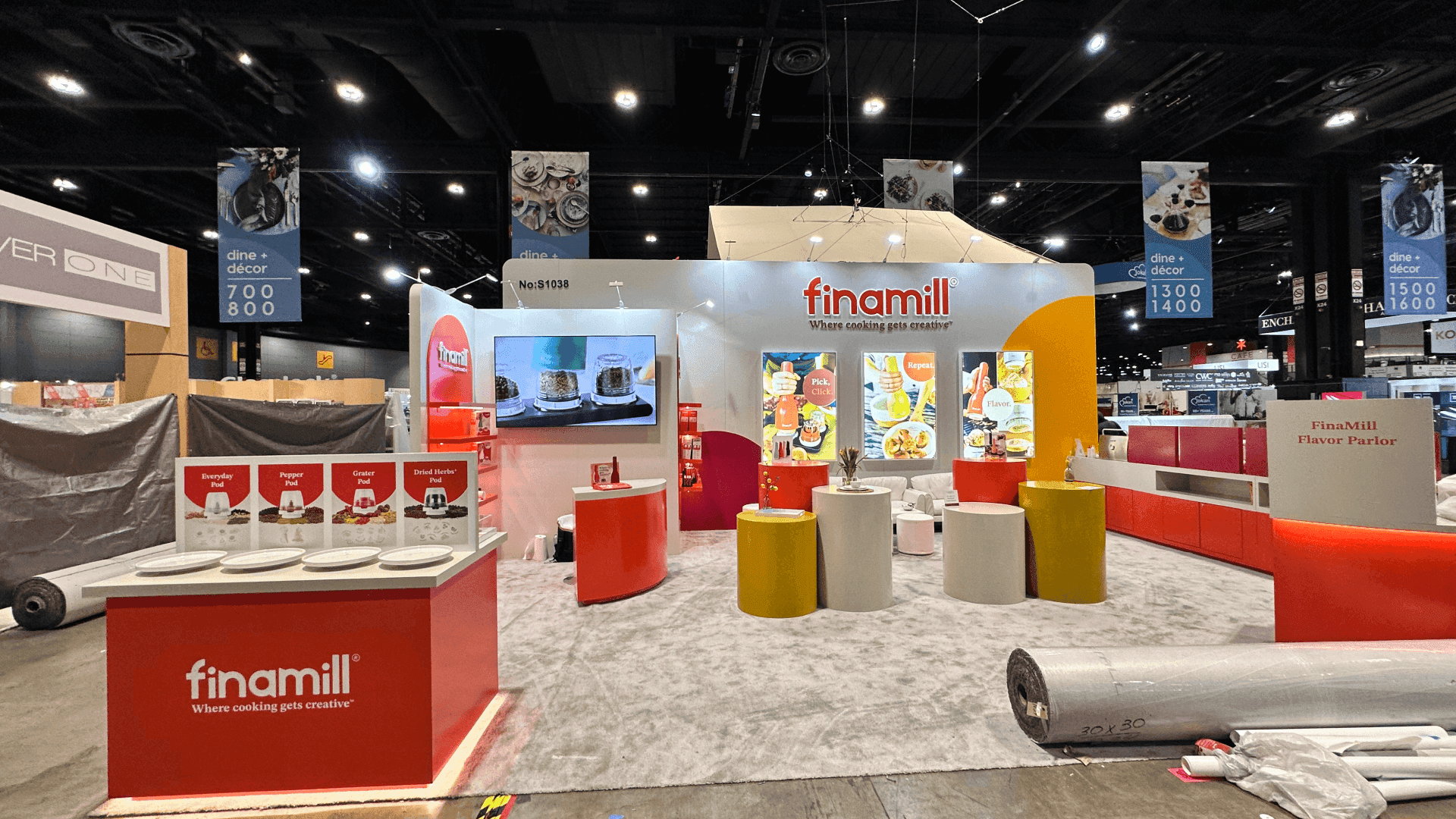

How should exhibitors plan a Food & Beverage Processing Zone booth at PACK EXPO?
A Food & Beverage Processing Zone booth should be planned around equipment size, demo clearance, product flow, visitor safety, and clear technical explanation. Many exhibitors need space for machinery, automation systems, or processing line examples, so the booth layout should separate equipment display, demo viewing, graphics, storage, lead capture, and buyer conversations without blocking aisle traffic.
The Food & Beverage Processing Zone at PACK EXPO is built around equipment, systems, and process demonstrations. Exhibitors may bring processing equipment, automation systems, conveyors, filling or handling solutions, production line components, or technical systems that buyers need to understand in context.
For this type of booth, the layout should start with the equipment footprint. Machines may need clearance, access points, demo viewing space, electrical planning, crate handling, and enough room for the team to explain how the system fits into a real production line. The booth should help visitors follow the process without forcing them to crowd the aisle.
For broader show context, exhibitors can start with PACK EXPO booth planning. For larger equipment or multi-zone demonstrations, 30x40 booth planning is often a better fit. For freight timing, installation sequence, storage, and move-in coordination, logistics and pre-show coordination is the most relevant service path.
Why Exhibitors Choose Circle Exhibit
Clear scope, transparent quote review, nationwide booth support, and efficient setup planning for qualified rental and custom exhibit projects.
48hr
Setup Window
10+
Years Since 2014
U.S.
Trade Show Support
Real
Booth Project Proof
Food and beverage processing exhibitors should choose booth size around equipment footprint, demo behavior, visitor flow, safety clearance, and how much technical explanation the sales team needs to provide.
A 20x20 booth can work for compact processing equipment, a single machine display, or one focused automation solution.
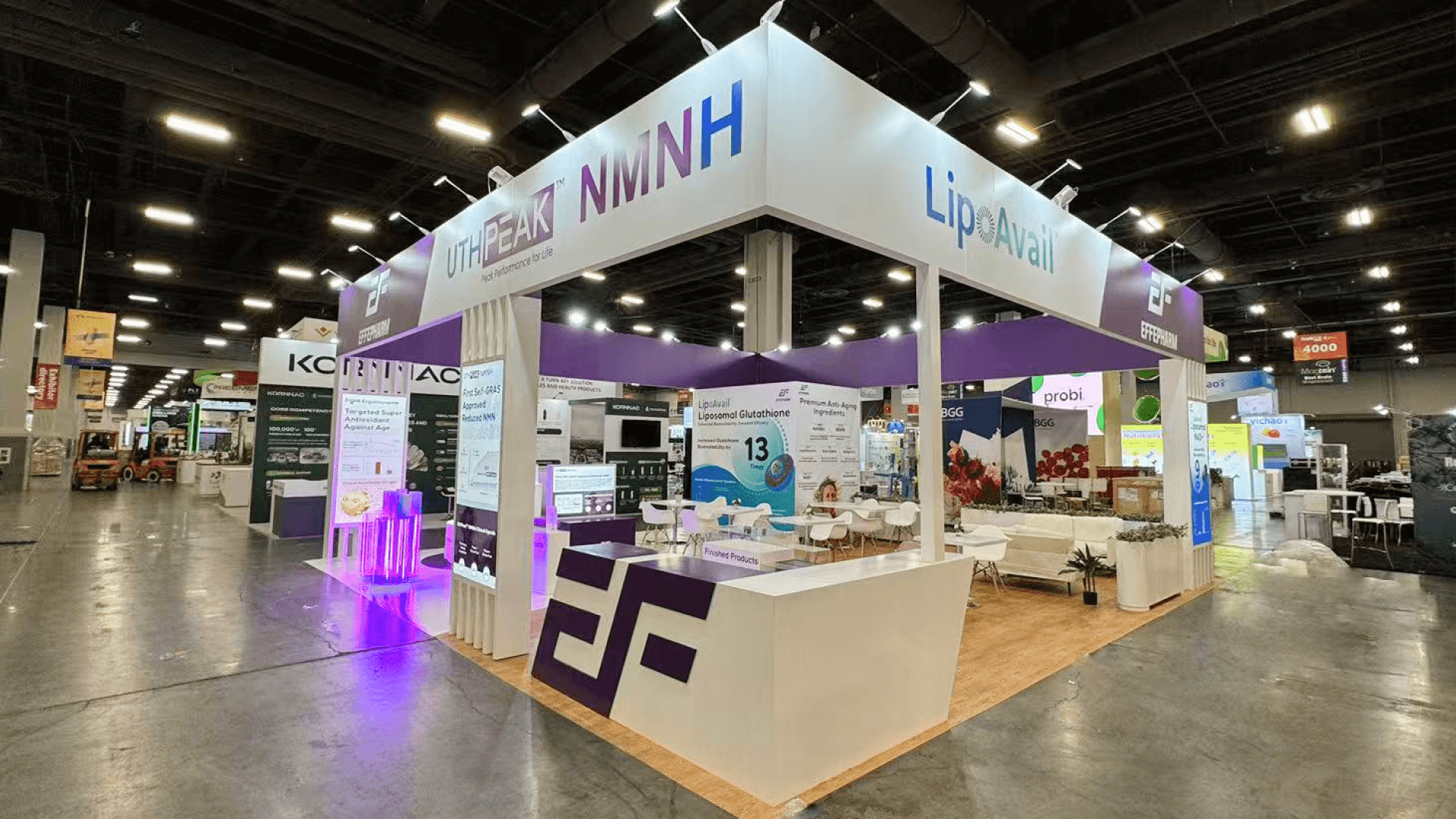
A 30x40 booth is a stronger fit when the exhibitor needs to show multiple machines, a partial processing line, automation flow, or several demo stations.
A 20x30 layout gives more room for equipment placement, product flow explanation, and buyer conversations.
A larger island booth can support multiple viewing angles, larger machinery, private meetings, storage, and stronger brand visibility.
For food and beverage processing exhibitors, the PACK EXPO booth planning article is useful when the team still needs to think through booth size, product flow, graphics, logistics, and show-site preparation at a broader level. This Zone page keeps the focus on the heavier planning work: equipment footprint, demo clearance, processing flow, machinery placement, freight timing, and making a larger booth work smoothly on the show floor.
A Food & Beverage Processing Zone booth should make machinery and production logic easy to understand while keeping enough open space for buyers to see how the equipment works.
Processing equipment should be placed first in the booth plan. The team needs to consider machine size, clearance, viewing angle, access points, and visitor movement.
A live or guided demo can attract strong traffic, but it can also block the booth entrance. The layout should give visitors a natural place to watch.
Many buyers need to understand where the equipment fits in a production line. Simple flow graphics and short labels can reduce explanation time.
Equipment buyers often need a deeper discussion after the first demo. A seated area, side counter, or semi-private meeting space helps move serious conversations away from the machine zone.
The Food & Beverage Processing Zone is designed for exhibitors presenting processing equipment, food and beverage production systems, automation, machinery, and related solutions used before, during, or around packaging operations.
Visitors in this Zone often want to see how equipment works, how it fits into a line, how much space it needs, and whether the system can solve a production or efficiency problem.
The booth should support equipment display, demo viewing, processing flow explanation, visitor movement, technical graphics, storage, and qualified buyer conversations.
Not Sure Which Booth Size You Need?
Not every exhibitor knows whether a 10x20, 20x20, 20x30, or larger booth is the right fit. Circle Exhibit can help review your event goals, product display needs, demo areas, meeting space, storage, budget scope, and setup timeline before you choose a booth size.
Demo Crowds Can Block Aisle Flow
Processing Flow Can Be Hard to Explain
1
Start with the Equipment Footprint
2
3
4
Rental Booth for Compact Equipment Demonstrations
A rental booth can work when the exhibitor is showing compact equipment, one focused demo, strong graphics, and a practical 20x20 or 20x30 layout. It should still be planned around machine placement, demo viewing, storage, and a clear path for buyers to enter the booth.
Custom Build for Machinery and Processing Lines
A custom build may be better when the booth needs larger machinery, built-in demo zones, raised platforms, heavier product displays, private meeting areas, or a layout shaped around a processing line. This gives the team more control over how buyers see and understand the equipment.
Hybrid Booth for Equipment Move-In and Demo Flow
For many Food & Beverage Processing Zone exhibitors, a hybrid booth is the most practical choice. The structure can stay efficient, while the layout is customized around equipment footprint, demo flow, freight timing, installation sequence, storage, and final show-site checks.
Processing equipment should be planned with move-in timing, crate handling, floor access, and installation sequence in mind.
Equipment displays may need power, screens, lighting, or controlled demo setup. These requirements should be checked before production.
Before the show opens, the team should check whether the equipment is visible from the aisle and whether the demo area feels open.
Processing equipment booths often need tools, spare parts, samples, printed sheets, cleaning items, or demo materials. Storage should be hidden but close.
Need a Processing Equipment Booth Rental for PACK EXPO?
A rental-based booth can work for Food & Beverage Processing Zone exhibitors when the structure is customized around equipment placement, demo viewing, storage, technical graphics, and buyer flow.
What booth size works well for Food & Beverage Processing Zone exhibitors?
A 20x20 booth can work for compact equipment or one focused demo. A 20x30 or 30x40 booth is usually better when the exhibitor needs larger machinery, storage, and room for buyer conversations.
How should processing equipment be placed in the booth?
Why is logistics planning important for this Zone?
Can a rental booth work for processing equipment exhibitors?
What should exhibitors prepare before finalizing the booth design?
READY TO PLAN YOUR NEXT BOOTH?
Let’s Build a Booth That Fits Your Event
Share your event name, booth size, city, timeline, product display needs, and design references. Circle Exhibit will review your project direction and help you choose a rental-friendly or custom exhibit path.
3000+
Booth Projects Supported
50+
U.S. Event Cities
Transparent
Quote Review
Use the main PACK EXPO event page for broader packaging and processing booth planning, show context, and related Pavilion or Zone booth planning.
Use this page when the booth needs larger machinery, multiple demo points, storage, and enough open space for buyer movement.
Use this service page when the booth involves equipment freight, crate timing, show services, electrical planning, installation sequence, and show-site preparation.
Use this service page when the booth requires careful machinery placement, final setup checks, show-site adjustments, and dismantle coordination.
Use this page for local booth planning and show-site support around Chicago trade shows and McCormick Place execution.