What Must Be Final Before MJBizCon Freight Moves
Before freight is released, the booth scope should be stable enough that every major dependency has an owner. Confirm the exhibit structure, flooring, equipment footprint, utility locations, graphics, storage, and installation responsibilities before shipping begins.
The exhibitor defines product and equipment requirements. The booth builder coordinates the exhibit structure and build sequence. An approved EAC performs authorized show-site work, while official providers retain services assigned to them by the show. EAC documentation, insurance, drawings, and required service orders should already be underway before move-in.
One of the easiest ways to lose time on the floor is to discover that the approved layout, utility order, and equipment position were developed from different versions of the booth plan. The individual items may all look correct until crews try to make them work together.
Before freight moves, confirm:
the physical booth and equipment scope is ready to release;
utility locations match the final layout;
exhibitor, builder, EAC, and official-service responsibilities are assigned;
required drawings, insurance, and show documentation are complete or underway.
If machinery placement or operating clearance is still unresolved, return to MJBizCon processing and packaging equipment booth planning before committing freight. Execution should not become the stage where the booth is still being designed.
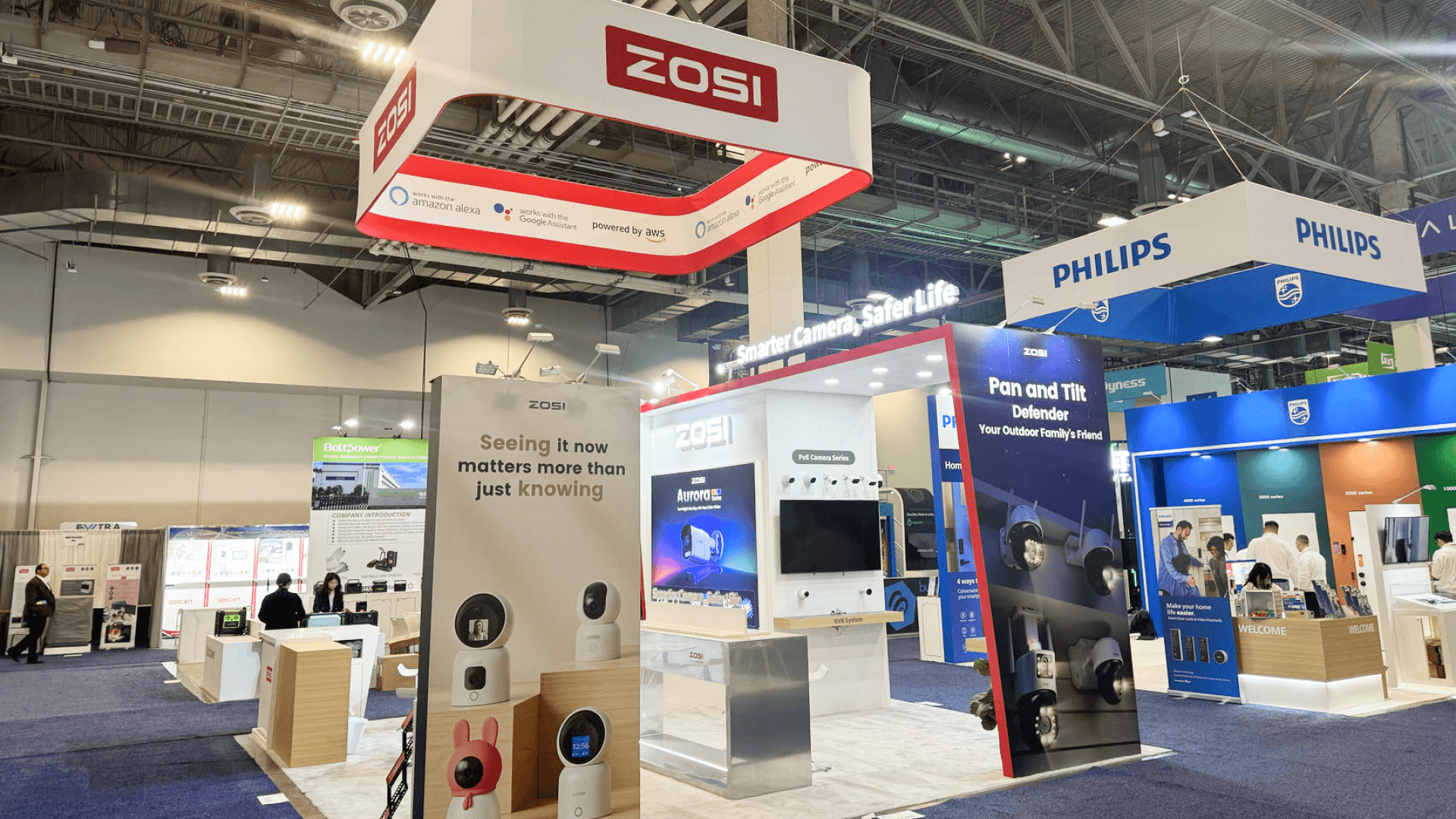
MJBizCon booth execution begins with freight timing, material handling, and a move-in sequence that matches when each exhibit component is needed on the show floor.
Advance Warehouse or Direct? Match Freight to the Move-In Sequence
Freight strategy should follow the installation plan. Modular components that are complete early, oversized machinery that needs controlled access, and late-finished pieces do not necessarily belong on the same delivery path.
Advance-warehouse shipping can create useful schedule buffer when early staging reduces risk, but it is not automatically the better choice for every shipment. A machine that finishes production late or needs to arrive close to its installation window may be better coordinated as direct freight.
For MJBizCon, larger booths and exhibits involving heavy machinery may also require different move-in timing from smaller, simpler builds. That makes the relationship between freight arrival and installation more important than simply choosing the earliest possible delivery date.
The useful questions are:
When is this item actually needed on the floor?
Does equipment need to enter before surrounding construction?
Can the shipment be staged early, or should arrival stay close to installation?
Do crate size, weight, or handling requirements change the sequence?
Trade show logistics planning should connect those answers to the build schedule. The deciding question is not how early a crate can reach Las Vegas, but whether it can arrive when the next installation step is ready for it.
When Equipment Has to Be Positioned Before the Booth Around It
The installation sequence becomes critical when one physical element determines the position of another.
Consider a processing machine that needs a fixed electrical or utility point. The service location influences the machine position. That position establishes operating clearance and visitor viewing space. Only then can surrounding walls, counters, screens, graphics, and demo materials be finalized around the equipment.
A practical dependency may look like:
Utilities → Equipment Position → Structure → Graphics → Product / Demo Setup
The exact order can vary, but the dependency cannot be ignored. A common sequencing problem is finishing walls or counters around an assumed machine position, then discovering that the final utility connection or equipment clearance requires the machine to shift. What looked like a small placement change can turn into structural, graphic, or access rework.
If surrounding construction restricts the path needed to place machinery, equipment has to enter first. When an exhibit structure must be fabricated and installed around machinery interfaces, Las Vegas trade show booth builder support should be coordinated with equipment placement rather than handled as a separate installation task.
The crews on the floor should be executing a known dependency chain—not moving recently installed components to make room for equipment that could have been sequenced earlier.
Installed Is Not the Same as Show Ready
A booth can be physically complete and still not be ready for visitors.
Machinery and demonstrations should run under the conditions expected during show hours. Screens, lighting, controls, and connected devices need to be checked from the visitor side of the booth, not only from behind the equipment. Final graphics should be reviewed after structure and equipment positions are stable.
A screen that powers on, a machine that starts, and graphics that are installed do not prove the booth is ready. The more useful test is whether staff can run the expected visitor sequence without stopping to move tools, find samples, reset controls, clear storage, or work around unfinished details.
Before sign-off, check that:
machinery and demonstrations operate correctly;
screens, lighting, controls, and graphics support the intended viewing path;
products and supporting materials are in their final positions;
storage remains usable without cluttering the booth;
reception, demo, and discussion areas can operate at the same time.
For MJBizCon 2026, booths are required to be installed and complete before the Expo opens. The final review should therefore focus on operational readiness, not just construction completion.
Installed is not the same as show ready.
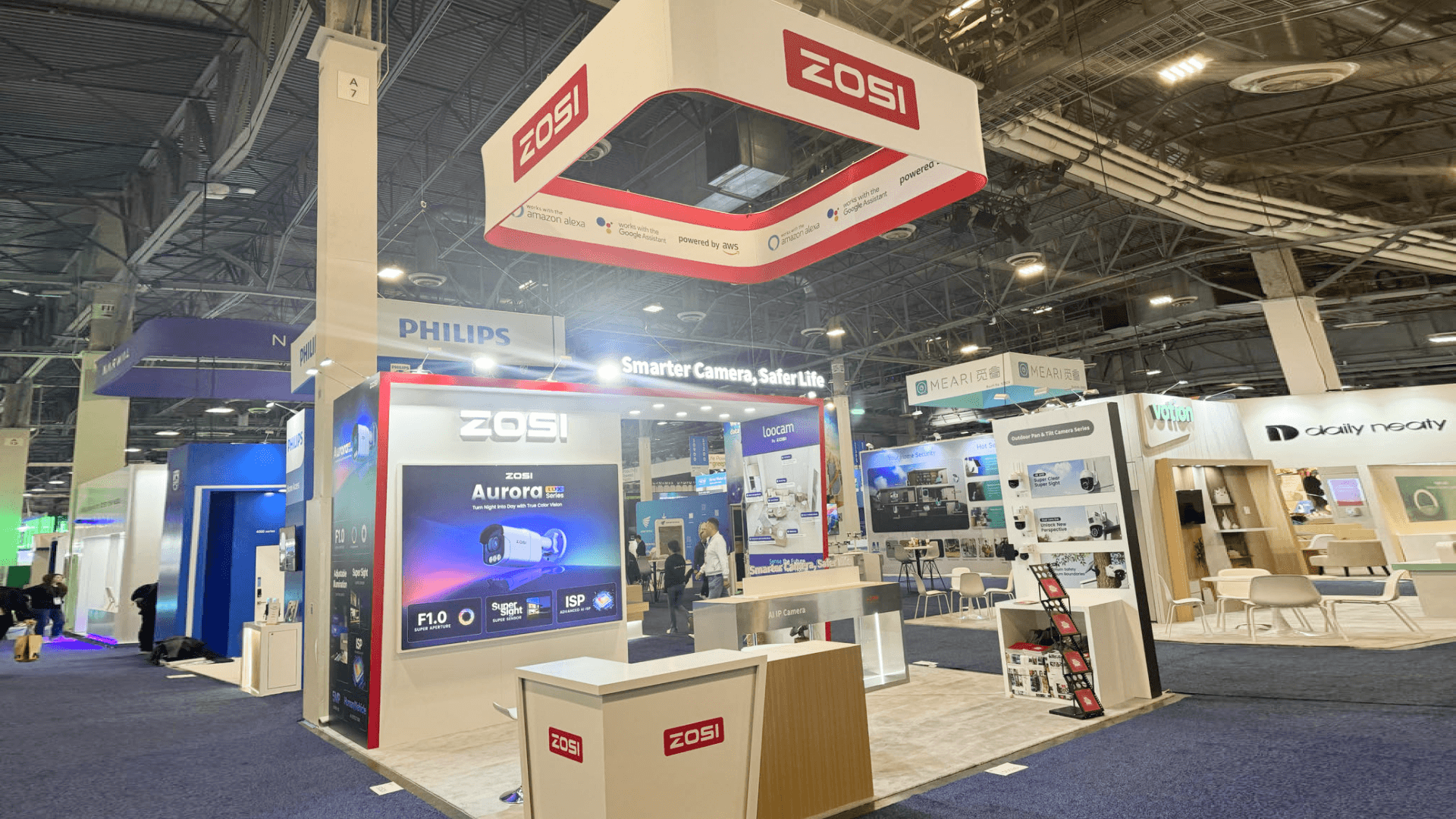
Equipment-heavy exhibits should coordinate utilities, machine placement, access clearance, and booth construction as one installation sequence rather than separate tasks.
Move-Out Starts Before the MJBizCon Floor Closes
Move-out should not begin with the question, “What do we do now?”
Before show close, three things should already be known:
what comes apart first, how the freight will leave, and who owns the final handoff.
Equipment-heavy booths may need machinery prepared before surrounding structures disappear. Reusable exhibit components may need specific crates, while graphics, products, specialty fixtures, and machinery can follow different packing paths.
Outbound delays often begin before the crate is closed. The carrier may still be unclear, material-handling paperwork may be incomplete, or nobody may have been assigned to release the finished shipment. A packed booth is not necessarily freight-ready.
Before the move-out window begins, confirm the carrier, outbound paperwork responsibility, packing sequence, equipment-removal order, and person responsible for the final freight handoff.
That closes the same execution loop that began before move-in:
what moves → in what order → who handles it → where it goes next.
FAQ: MJBizCon Booth Execution
When should MJBizCon freight and installation planning begin?
Freight and installation planning should begin once the booth scope, equipment requirements, utility locations, and major structural elements are stable. Shipping decisions should follow the installation sequence so crates, machinery, exhibit components, and show-site services arrive when they can actually be used.
What should exhibitors confirm before equipment arrives at LVCC?
Confirm the final equipment position, required utilities, access clearance, material-handling plan, installation responsibilities, and whether surrounding booth components depend on machinery being positioned first. Required EAC documents, drawings, insurance, and official-service orders should also be addressed before move-in.
Why should move-out planning be completed before the show closes?
Move-out depends on dismantle order, equipment removal, packing materials, outbound paperwork, carrier timing, and the final freight handoff. Resolving those items before show close reduces the chance that packed exhibit materials are left waiting for shipping instructions or pickup coordination.