Irrigation Show 2026 Booth Planning for Equipment and Technology Exhibitors


What should exhibitors plan for an Irrigation Show booth?
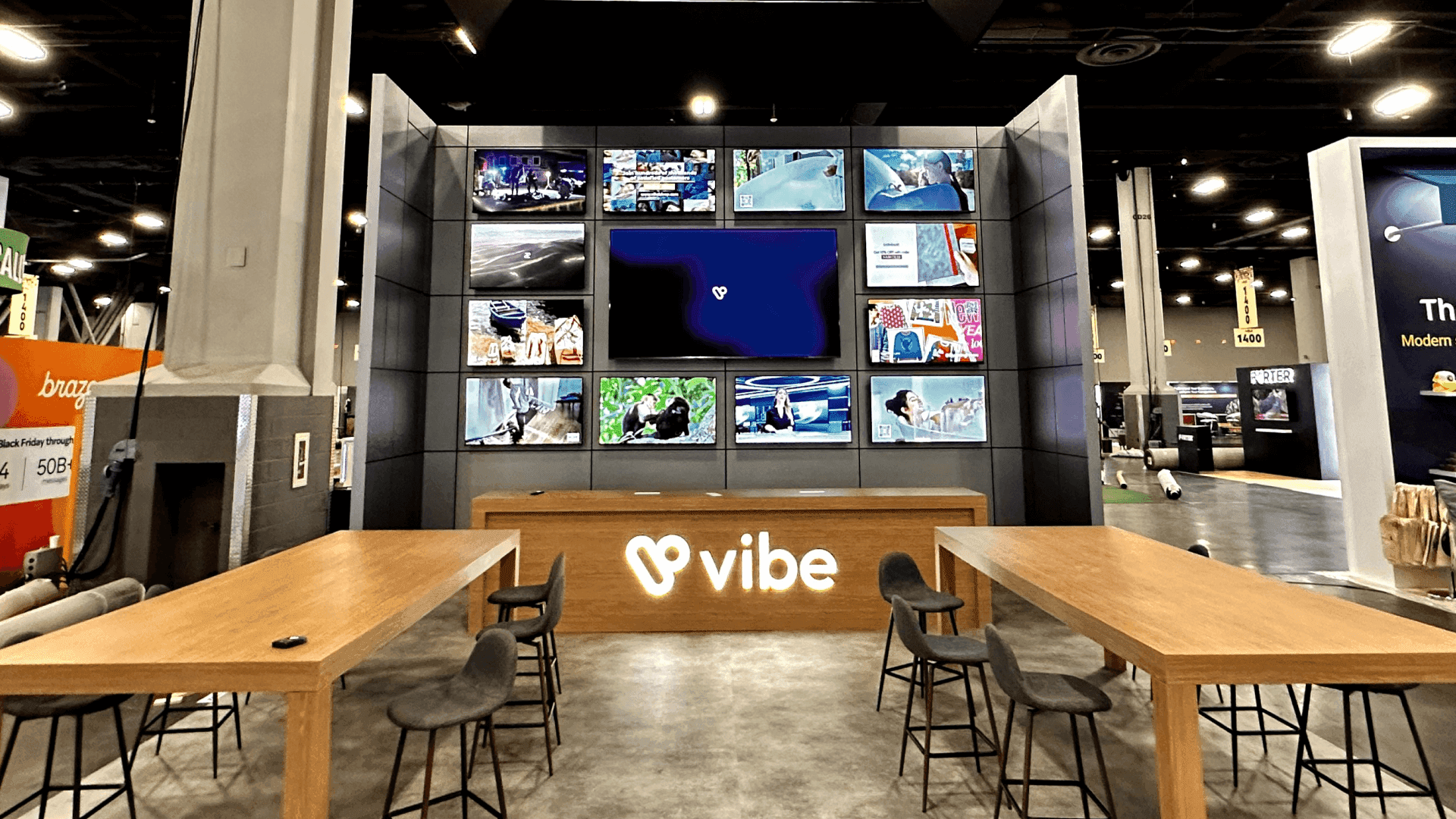
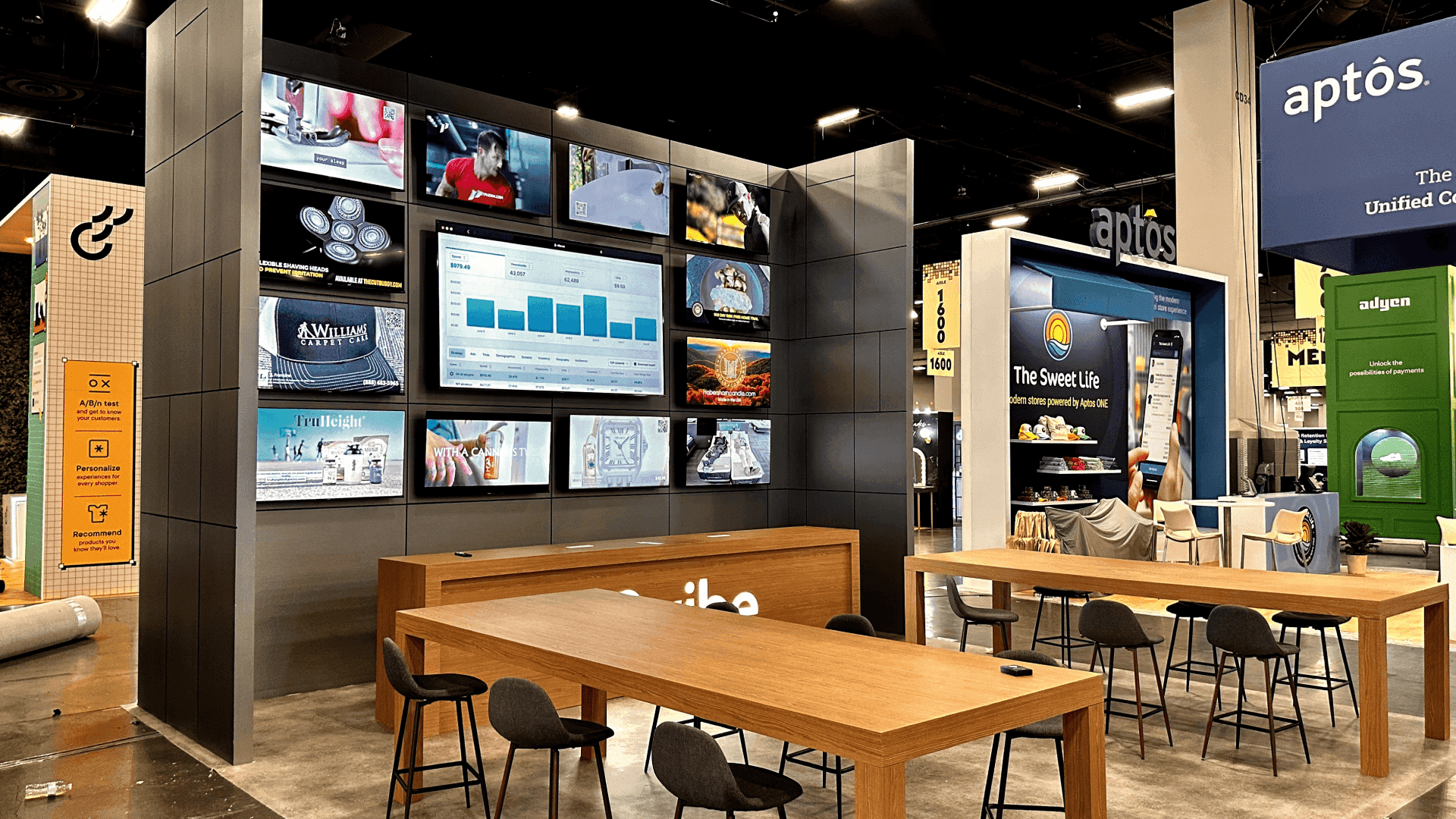
An Irrigation Show booth should help contractors, dealers, growers and technical buyers quickly understand how controllers, sensors, pumps, valves, filtration, software and field applications work together. Exhibitors should plan clear product grouping, visible system relationships, practical demonstration space, buyer conversation areas, concealed storage and early coordination for utilities, equipment access and final testing.
Irrigation Show exhibitors often need to present smart controllers, sensors, software platforms, pumps, valves, filtration equipment, sprinklers, drip components and landscape lighting within one connected booth story. The main planning challenge is to show how individual products support an irrigation application without turning the exhibit into a crowded parts display.
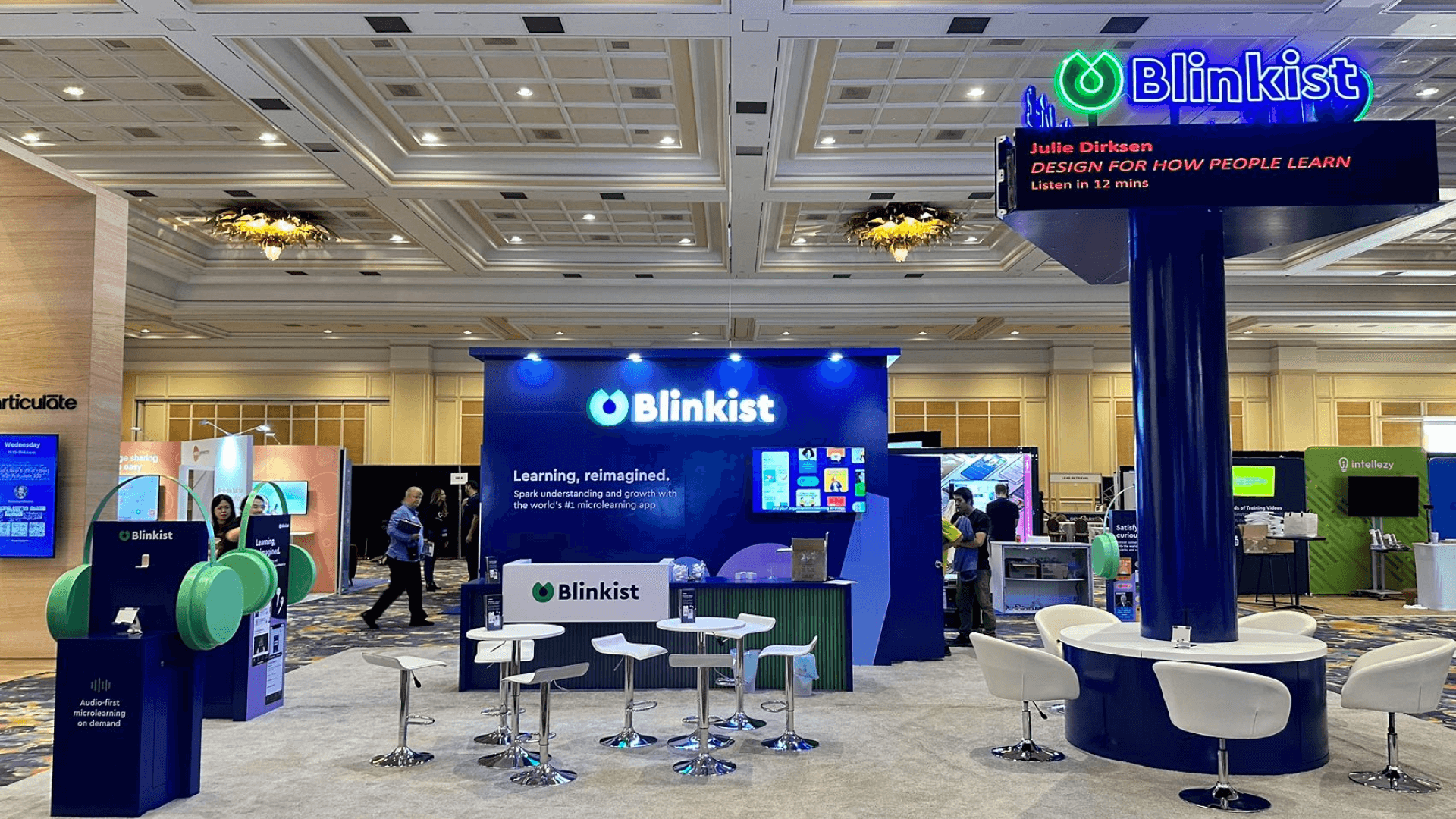
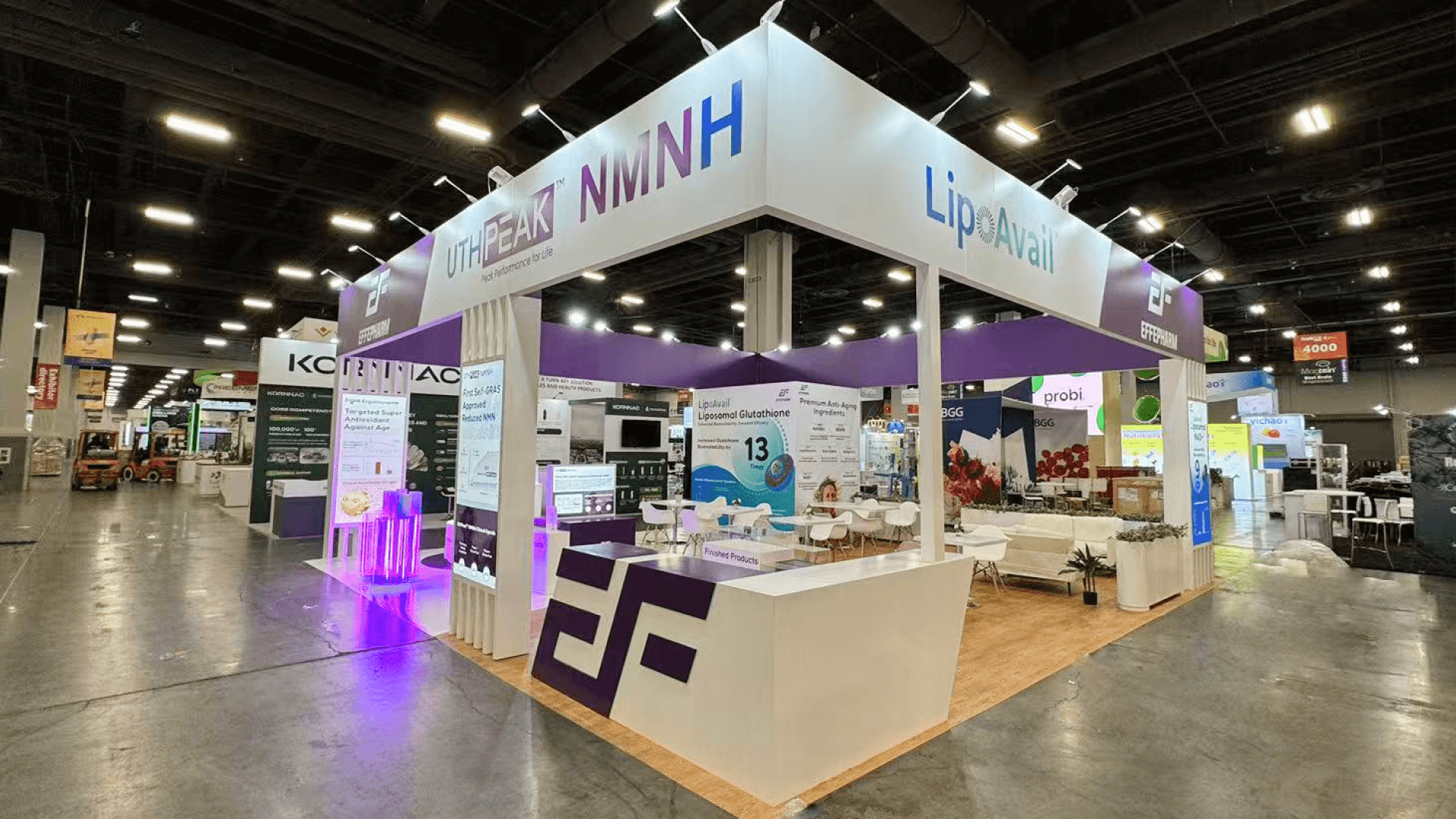
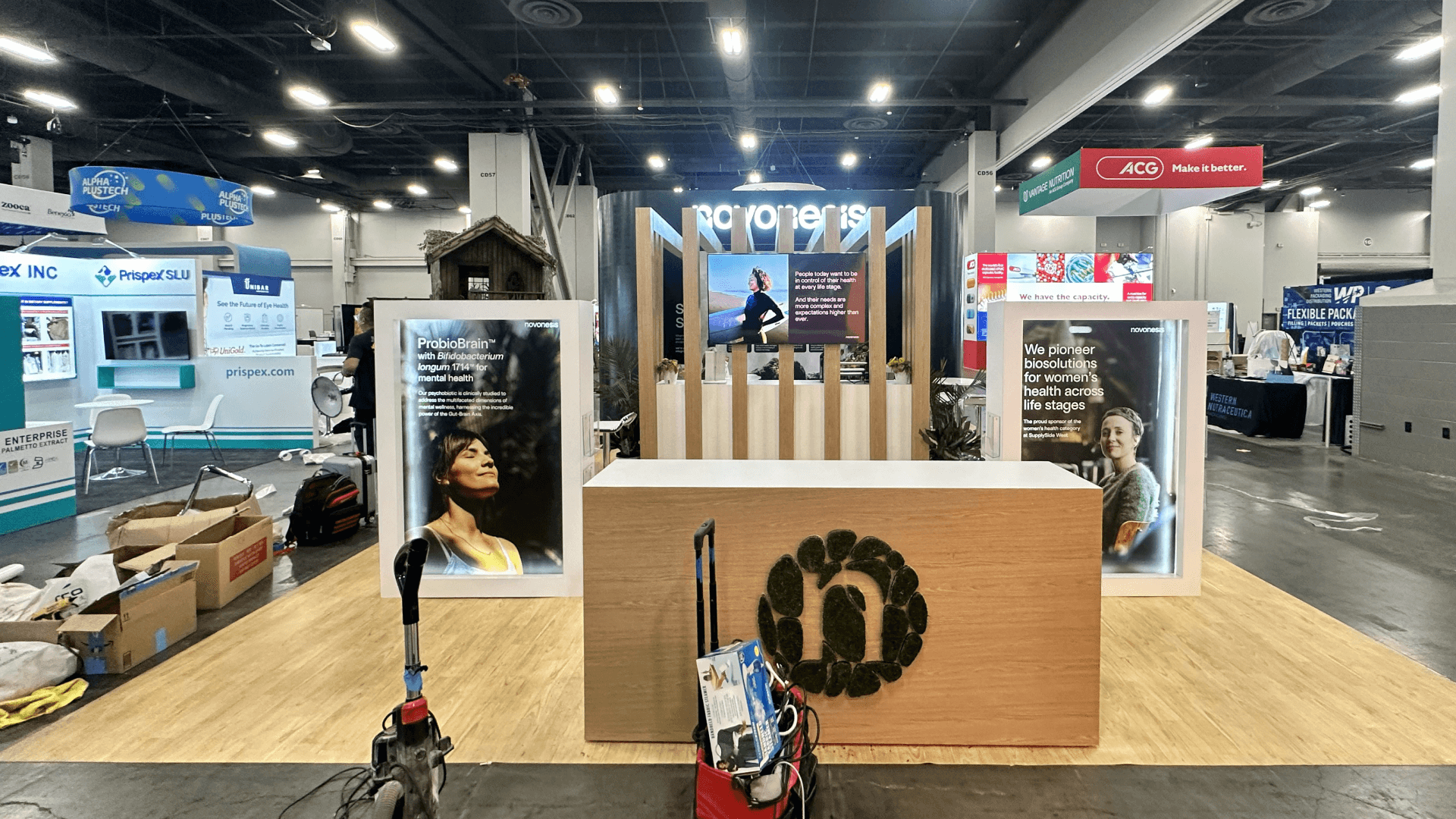
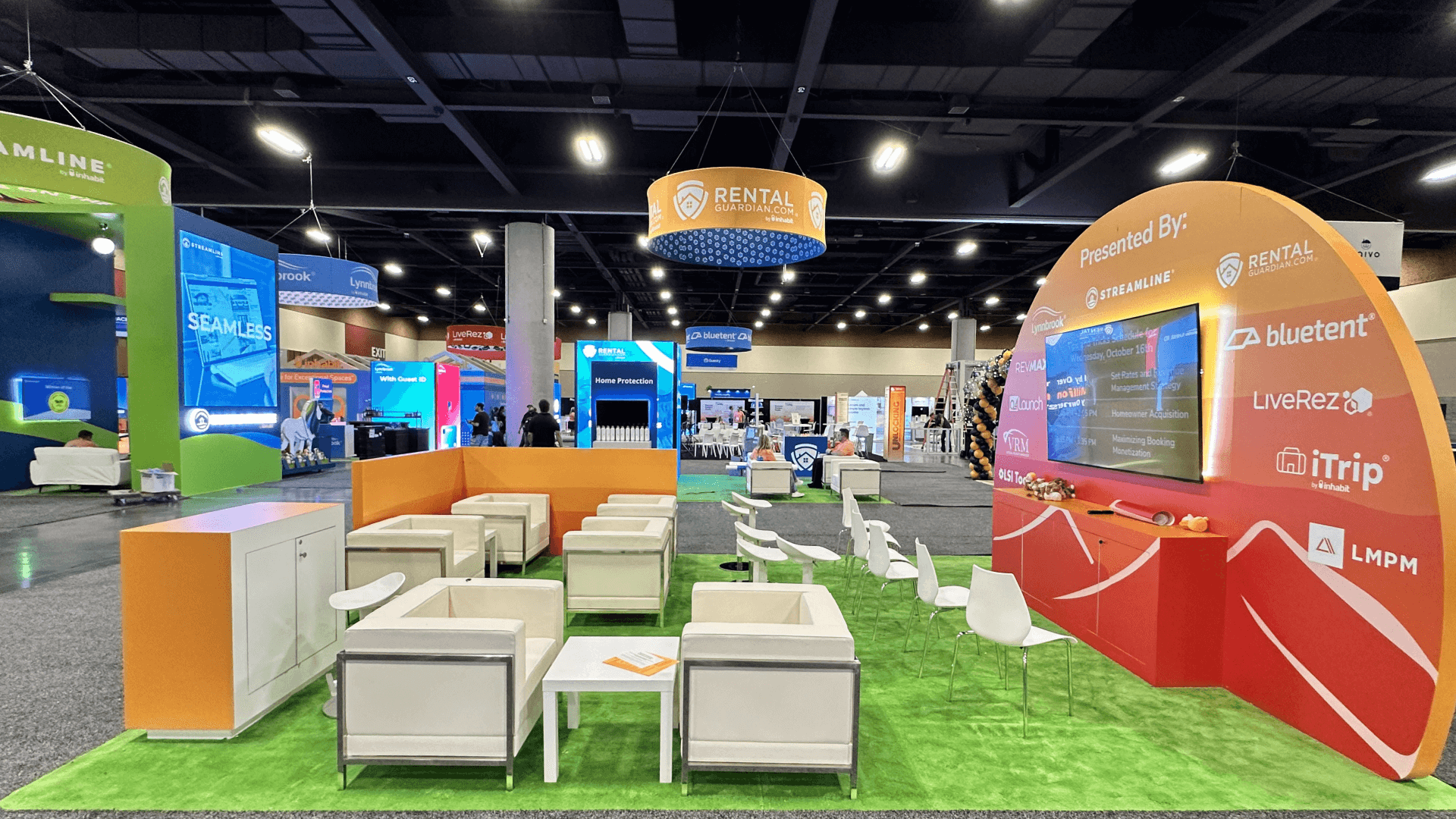
Working with full-service Las Vegas trade show booth builders helps keep layout planning, fabrication, graphics, freight and show-site installation within one coordinated process. The booth should give contractors, dealers, growers and technical buyers a clear starting point before they move into product specifications, demonstrations or detailed sales conversations.
Equipment access, electrical service, network requirements, water containment, drainage, floor protection and final testing can all affect the layout. Exhibitors should account for Las Vegas Convention Center booth setup planning before production begins. For many mid-sized exhibitors, a 20x20 booth layout provides enough room for grouped product displays, one or two demonstration areas, buyer conversations and enclosed storage.
Why Exhibitors Choose Circle Exhibit
Clear scope, transparent quote review, nationwide booth support, and efficient setup planning for qualified rental and custom exhibit projects.
48hr
Setup Window
10+
Years Since 2014
U.S.
Trade Show Support
Real
Booth Project Proof
Choose the footprint based on the number of product families, demo stations, equipment pieces, buyer conversations and storage requirements the booth must support.
A 10x10 booth works best for one controller, sensor platform, tool or focused product family supported by clear graphics, one demonstration point and a compact conversation area.
A 20x20 booth layout can separate multiple product families, one or two demonstration areas, buyer conversations and enclosed storage while keeping visitor movement clear.
A 10x20 booth can support one product wall, a technical screen or demonstration counter, a reception point and compact storage without overcrowding the aisle-facing space.
A 20x30 booth layout works when pumps, filtration equipment, tanks, controls, working demonstrations, storage and a dedicated buyer discussion area must share the exhibit.
Connected controllers, sensors and software need a visible sequence from input to equipment response. The smart irrigation demo workflow explains how to organize that sequence and choose between guided and self-guided interaction. Pumps, valves, filters, sprinklers and flow meters raise a different question: whether buyers need live performance, repeatable recirculation or a clear view of product structure. The comparison of live water, closed-loop and dry demo methods helps exhibitors make that choice around utilities, containment, testing and service access.
The booth should help buyers connect physical products, control technology and field applications without crowding the aisle or hiding key comparison details.
When controllers, sensors and software platforms are central, smart irrigation demo booth planning should keep hardware, screens, data visibility and visitor interaction within one clear demonstration area.
Pumps, valves, filters, flow meters and other irrigation components need irrigation equipment display planning that groups products by agricultural, landscape or commercial irrigation applications.
Clear graphics and brand presentation should help buyers compare flow, pressure, coverage, control methods, system compatibility and maintenance requirements quickly.
Because the 2026 Irrigation Show is co-located with Groundwater Week exhibit planning, brands should separate irrigation applications from well construction, drilling and groundwater use cases.
Irrigation equipment, smart controls, landscape lighting, startups and new products support agricultural, landscape and water-management applications.
Irrigation Show and Education Week runs Dec. 7–10, 2026, with the trade show open Dec. 9–10 at the Las Vegas Convention Center.
Contractors, manufacturers, dealers, distributors, consultants, growers, researchers and educators evaluate irrigation equipment, connected technology and practical field applications.
Not Sure Which Booth Size You Need?
Not every exhibitor knows whether a 10x20, 20x20, 20x30, or larger booth is the right fit. Circle Exhibit can help review your event goals, product display needs, demo areas, meeting space, storage, budget scope, and setup timeline before you choose a booth size.
Individual Components Do Not Explain the System
Hardware and Software Become Separate Stories
1
Define the Primary Buyer Question
2
3
4
Rental Booth for Focused Technology and Product Displays
A customizable Las Vegas trade show booth rental works well for focused controllers, sensors, small irrigation components, technical screens and branded counters within a repeatable 10x20 or 20x20 structure.
Custom Build for Equipment-Heavy Displays
booth fabrication and prebuild support are more appropriate when pumps, filtration systems, tanks, custom product mounts or utility-dependent demonstrations determine the structure, service access and installation sequence.
Hybrid Booth for Reusable and Custom Elements
A hybrid approach can combine a reusable framework with custom platforms, equipment mounts or demonstration elements. Integrated trade show booth design and build in Las Vegas helps keep the rental structure, custom components, freight and show-site installation within one coordinated execution plan.
Review power, network, water, drainage, floor protection and equipment access before production drawings are locked.
Move pumps, tanks and larger equipment before smaller controls, graphics, samples and final display components.
Keep queues, staff service access and utility connections outside the main aisle-facing visitor route.
Run screens, controllers, sensors, software and any contained water display before the exhibit hall opens.
Need a Flexible Irrigation Show Booth Rental?
A rental-based booth can work when controllers, sensors, product walls, technical screens, meeting space and storage fit within a configurable structure. The layout should still be customized around the products and demonstrations rather than treated as a generic package.
What should an Irrigation Show booth include?
The booth should combine clear product grouping, technical explanation, demo space, buyer conversations and hidden storage. The exact mix depends on whether the exhibit focuses on smart controls, physical equipment or both.
What booth size works for Irrigation Show exhibitors?
How should irrigation equipment be displayed?
Can exhibitors use live water demonstrations?
Why does LVCC setup planning matter for Irrigation Show booths?
READY TO PLAN YOUR NEXT BOOTH?
Let’s Build a Booth That Fits Your Event
Share your event name, booth size, city, timeline, product display needs, and design references. Circle Exhibit will review your project direction and help you choose a rental-friendly or custom exhibit path.
3000+
Booth Projects Supported
50+
U.S. Event Cities
Transparent
Quote Review
Plan product grouping, demo stations, screen placement, buyer conversations and storage before exhibit production begins.
Confirm product mounts, equipment clearances, demonstration components, graphics alignment and service access before the exhibit ships.
Coordinate pumps, components, screens, samples and utility-dependent demo equipment around freight and move-in timing.
Sequence equipment placement, structure assembly, graphics, utility connections, testing and teardown with fewer show-site conflicts.
Use the venue page for more detailed planning around utilities, freight access, move-in, floor protection, installation and final show-site testing.