Groundwater Week 2026 Booth Planning
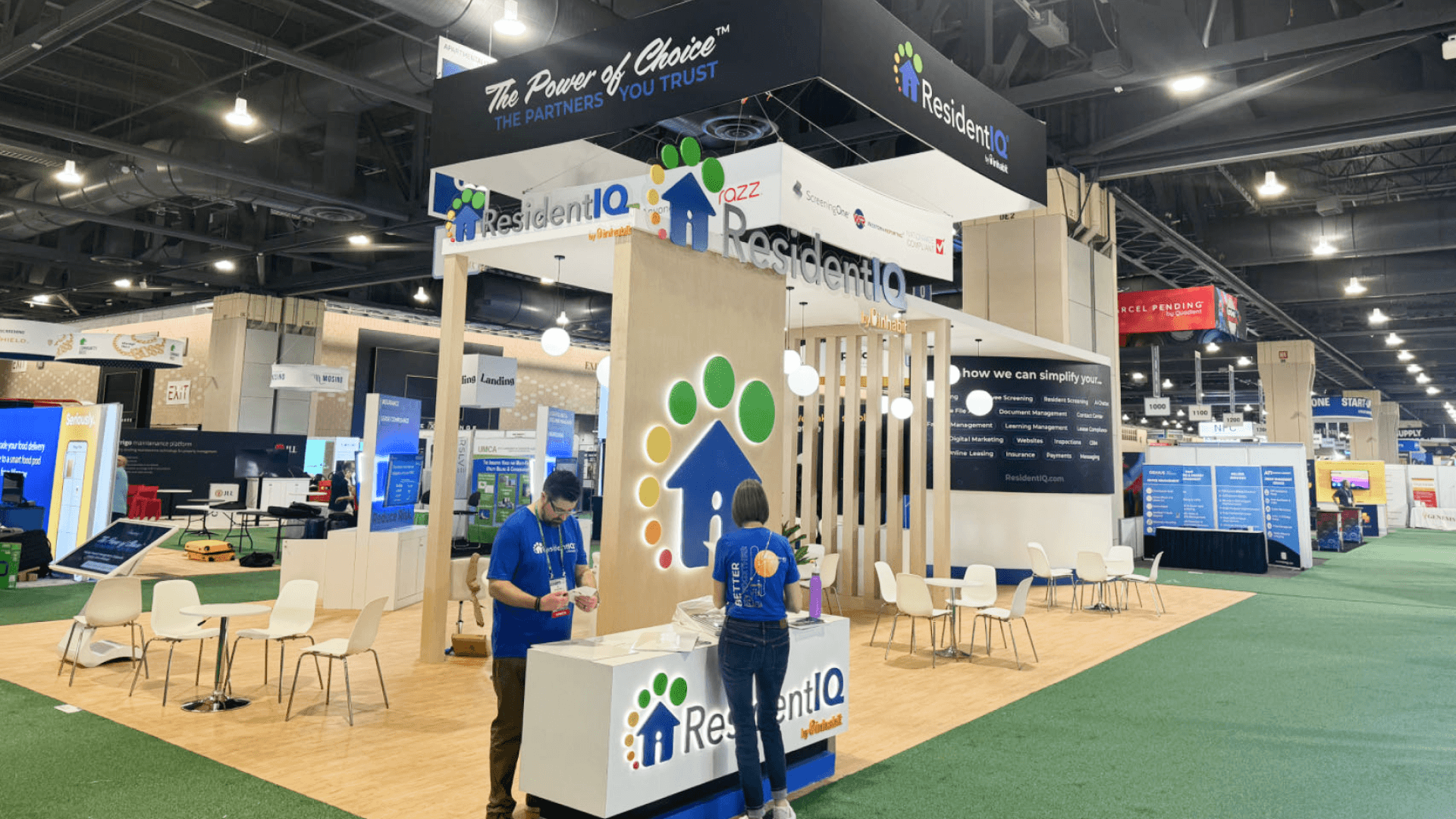

When and where is Groundwater Week 2026?
Groundwater Week 2026 is scheduled for December 8–10, 2026, at the Las Vegas Convention Center in Las Vegas. Exhibitors should coordinate drilling equipment, pump system displays, water system samples, technical graphics, contractor meeting flow, freight timing, labor scheduling, and LVCC move-in requirements before the show.
Groundwater Week brings water well contractors, drilling professionals, pump system suppliers, groundwater engineers, manufacturers, geothermal specialists, safety providers, and water system companies to the Las Vegas Convention Center for a show centered on field applications and practical groundwater work. Exhibitors need to make drilling equipment, pump systems, well maintenance solutions, geothermal applications, and field-service value clear from the aisle. When equipment, technical graphics, utilities, product displays, and contractor meeting areas must work within one layout, exhibit fabrication and show-site execution help define how the exhibit will be built and installed.
The audience is highly technical and application-focused. Contractors may compare pump performance, drilling tools, water system components, geothermal products, monitoring systems, and safety practices during a short visit. A 20x30 booth layout can provide enough room for product displays, technical graphics, samples, inspection access, storage, and contractor conversations without making the booth feel crowded.
Execution becomes more predictable when production details are resolved before move-in. Booth fabrication and prebuild checks help confirm walls, counters, display hardware, graphics, sample placement, product supports, and utility interfaces before the exhibit ships to LVCC.
Why Exhibitors Choose Circle Exhibit
Clear scope, transparent quote review, nationwide booth support, and efficient setup planning for qualified rental and custom exhibit projects.
48hr
Setup Window
10+
Years Since 2014
U.S.
Trade Show Support
Real
Booth Project Proof
Choose the footprint around what contractors need to inspect, compare, and discuss. Product count matters, but equipment clearance, technical graphics, storage, utilities, and meeting space often determine how much room the exhibit needs.
A 10x10 booth works best for one pump component, monitoring product, safety solution, maintenance service, or technical offer. Keep the aisle message focused and avoid mixing unrelated categories.
A 20x20 booth provides space for several related pumps, drilling components, monitoring products, or water system samples, along with inspection access, storage, and a small meeting area.
A 10x20 booth layout can connect one primary product family with controls, performance data, application graphics, and a compact contractor discussion area.
A 20x30 booth can bring pumps, motors, controls, technical graphics, samples, storage, and contractor meetings into one connected layout without crowding product access.
Pumps, motors, drives, controls, and performance data are easier to understand when they are presented as one connected system. This pump system booth planning guide covers product hierarchy, application-based grouping, technical graphics, booth size, inspection access, mounting, and power requirements.
Groundwater Week booths should help contractors understand field applications, compare equipment, and move easily into technical conversations.
Drilling tools, rig components, and service equipment need open inspection space, visible operating details, and clear access to key features.
Pumps, motors, drives, controls, tanks, and monitoring products should be grouped by function. Keep performance data and application graphics close to the products they explain.
Cutaway models, water system components, geothermal samples, and safety products need stable supports, concise labels, and enough room for side-by-side comparison.
The layout should move visitors from product inspection into technical discussion without blocking the aisle. Storage, literature, samples, and meeting space should also support a quick daily reset.
Groundwater Week 2026 brings together contractors, scientists, engineers, manufacturers, suppliers, drilling professionals, pump system companies, and groundwater service providers in Las Vegas.
The event is especially relevant for exhibitors showing water well drilling equipment, pump systems, well maintenance tools, geothermal technologies, safety products, monitoring equipment, and groundwater services.
Exhibitors should make equipment, applications, and supporting information easy to review while allowing room for contractor meetings, technical graphics, product staging, literature storage, and opening-day readiness at LVCC.
Not Sure Which Booth Size You Need?
Not every exhibitor knows whether a 10x20, 20x20, 20x30, or larger booth is the right fit. Circle Exhibit can help review your event goals, product display needs, demo areas, meeting space, storage, budget scope, and setup timeline before you choose a booth size.
Making Room for Review and Discussion
Separating Product Categories
1
Set the Main Groundwater Message
2
3
4
Rental Booth for Pump and Control Displays
A Las Vegas booth rental can support compact pump systems, controls, monitoring products, samples, graphics, storage, and a small meeting area. It fits standard 10x20, 20x20, or 20x30 layouts when no unusual structural support is required.
Custom Booth for Heavy or Fixed Equipment
Custom construction suits drilling rigs, pump hoists, heavy product bases, oversized assemblies, and fixed utilities. The layout can be built around exact support points, inspection clearance, and installation order.
Hybrid Booth for Mixed Display Requirements
A hybrid booth combines rental walls, counters, graphics, and storage with custom product bases, equipment surrounds, or utility details. It works when one large product anchors the exhibit but the rest of the booth should remain flexible.
Align carrier timing, material handling, booth delivery, equipment spotting, and installation order before move-in. Rigs, vehicles, and bulk exhibits may require separate handling and positioning support.
Pump systems, drilling components, monitoring tools, and water system displays need clear space for inspection and comparison. Place counters, graphics, and meeting areas around the product-access zone.
LVCC labor rules can affect freight handling, machinery movement, installation, and dismantling. Confirm labor responsibilities and product-handling limits before equipment arrives.
After final placement, test control panels, monitoring displays, AV, and enclosed pump demonstrations. Confirm cable routing, screen content, daily reset steps, and any water containment or drainage needs.
Flexible Booth Rentals for Groundwater Week
For exhibitors showing pumps, controls, monitoring products, samples, and technical graphics, a rental booth can provide branded structure, storage, and meeting space in a 10x20, 20x20, or 20x30 layout without unnecessary custom construction.
What booth size works best for Groundwater Week exhibitors?
For many Groundwater Week exhibitors, a 20x30 booth is a practical choice because it gives enough room for equipment visuals, pump system displays, technical graphics, product counters, and contractor conversations. A 10x20 can work for service or software providers, while larger equipment-focused companies may need 30x30 layouts.
How should exhibitors plan a booth for Groundwater Week?
What makes Groundwater Week booth execution different?
Should Groundwater Week exhibitors use a rental, custom, or hybrid booth?
What should be confirmed before heavy equipment move-in at Groundwater Week?
READY TO PLAN YOUR NEXT BOOTH?
Let’s Build a Booth That Fits Your Event
Share your event name, booth size, city, timeline, product display needs, and design references. Circle Exhibit will review your project direction and help you choose a rental-friendly or custom exhibit path.
3000+
Booth Projects Supported
50+
U.S. Event Cities
Transparent
Quote Review
Confirm dimensions, weight, support points, positioning, floor protection, freight separation, and move-out before machinery arrives.
Review LVCC access, labor conditions, move-in routes, utilities, and show-site requirements before setup begins.
Align freight timing, material handling, equipment spotting, carrier handoffs, and installation sequence before move-in.
Plan labor, setup order, utility access, product placement, and dismantle around the equipment and booth structure.
Review exhibit design, fabrication, logistics, installation, and show-site delivery for Groundwater Week and other Las Vegas events.