Irrigation Show 2026 Booth Planning for Pumps, Valves and Equipment Displays
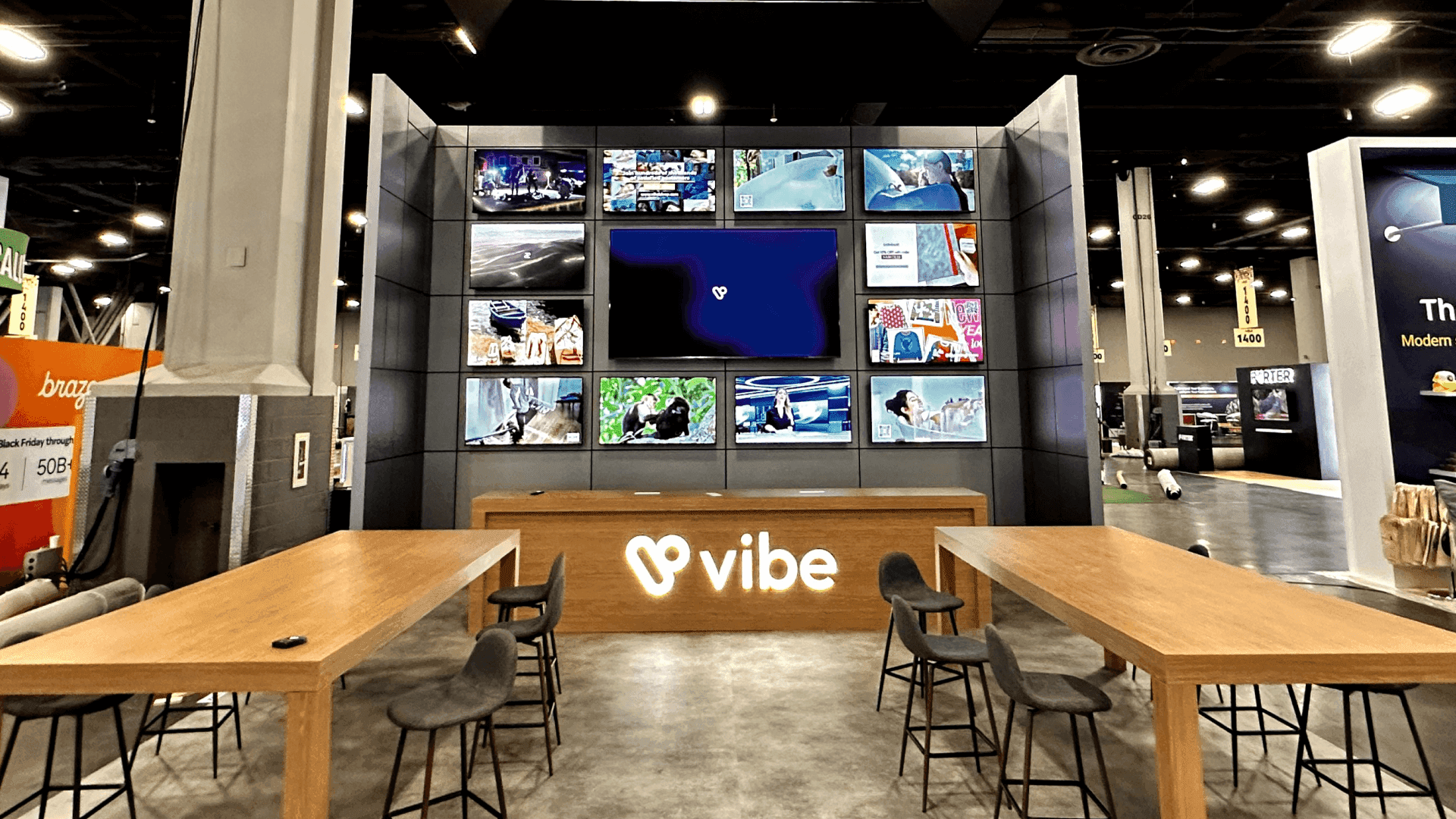

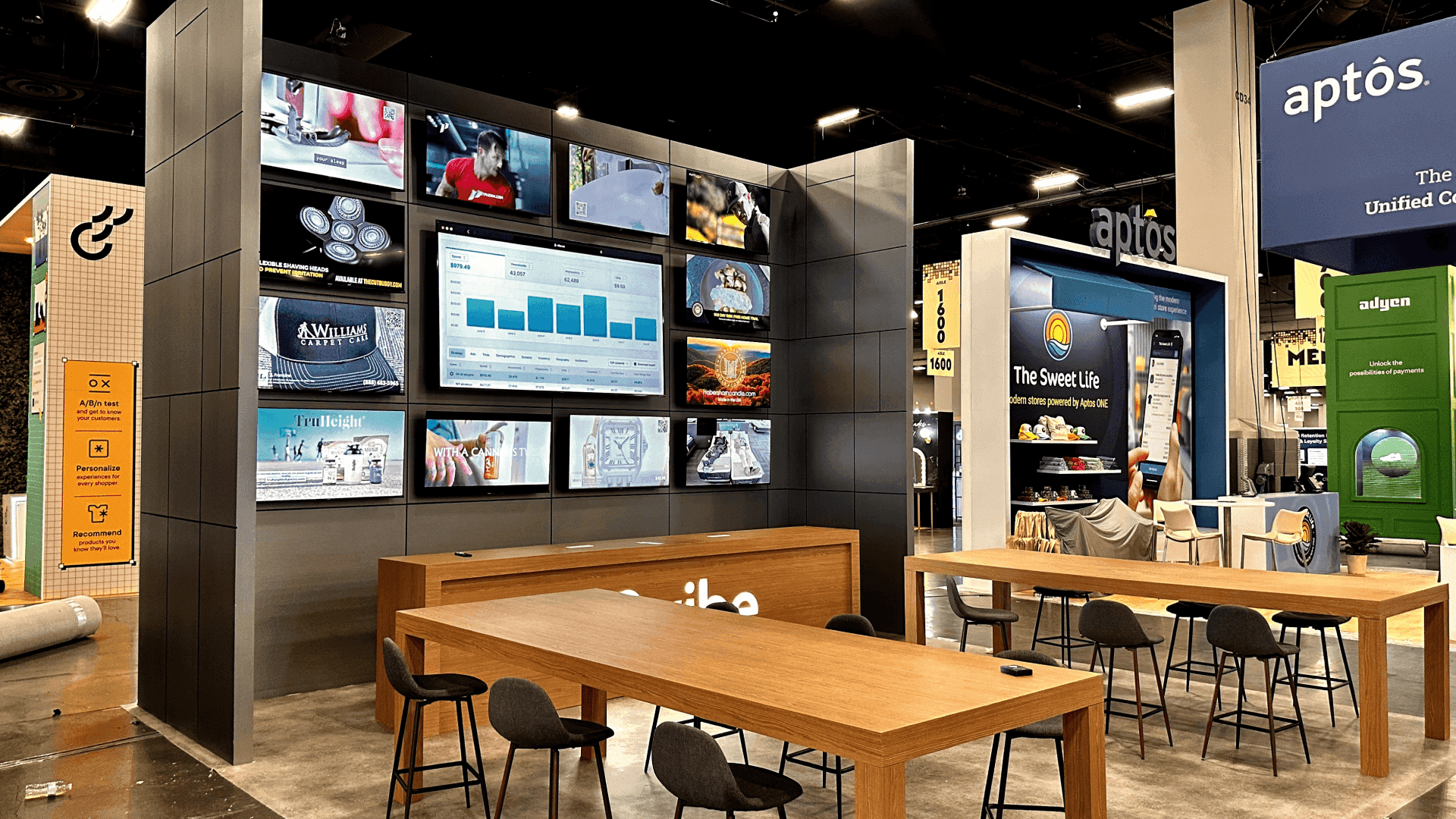

How should pumps, valves and irrigation equipment be organized in the booth?
An Irrigation Show equipment display booth should group pumps, valves, filters, sprinklers and related components by application or water-delivery sequence rather than model number alone. Large equipment, smaller parts, technical graphics, product comparison areas, service access, storage and contained demonstrations should work together as one clear irrigation system display.
Physical irrigation products need more than shelves or isolated display pedestals. Pumps, valves, filters, flow meters, sprinklers, drip components, pipes and fittings should be organized so buyers can understand how each product supports an agricultural, landscape, turf or commercial irrigation application.
This page covers the physical-equipment branch of the broader Irrigation Show booth planning cluster. Exhibitors with heavy products, custom mounts or contained demonstrations may need booth fabrication for equipment displays that connects fabrication, freight and installation.
Equipment weight, utilities, water containment and testing can affect the layout. Exhibitors should consider LVCC setup planning for equipment displays, while a 20x30 booth layout can separate product groups, technical explanations, buyer conversations and concealed support space. When controllers, sensors or monitoring software are also displayed, the digital demo path should remain separate from heavy equipment. Brands serving both irrigation and groundwater markets should also distinguish irrigation applications from well construction and drilling use cases.
Why Exhibitors Choose Circle Exhibit
Clear scope, transparent quote review, nationwide booth support, and efficient setup planning for qualified rental and custom exhibit projects.
48hr
Setup Window
10+
Years Since 2014
U.S.
Trade Show Support
Real
Booth Project Proof
Choose the footprint by the number, size and weight of the products, the comparison depth, demonstration setup, storage needs and buyer discussions the exhibit must support.
A 10x20 booth can support one focused product line, a perimeter display, one technical graphic or system model, a reception point and compact storage.
A 20x30 booth layout provides room for larger products, a contained demonstration or transparent model, technical comparison, storage and a separate meeting area.
A 20x20 booth layout can separate pumps, valves, filters and related components into readable product groups while preserving space for a central system explanation and buyer conversations.
A 30x40 booth works when multiple irrigation systems, heavy equipment, working demonstrations, storage and dedicated buyer discussions need separate circulation paths.
Spray pattern, pressure response, flow change, filter performance and product structure do not require the same setup. The guide to irrigation equipment demo methods compares live water, closed-loop and dry models while accounting for water source, drainage, containment, leak testing, service access and the final drain-down plan.
The exhibit should connect separate products into one clear irrigation application while preserving comparison space, service access and safe show-site operation.
Group pumps, filters, valves, meters, sprinklers and fittings around a buyer task or water-delivery sequence so they read as one system rather than unrelated inventory.
Clear graphics and technical product presentation should help buyers compare flow, pressure, coverage, compatibility, maintenance and installation without relying on dense specification sheets.
Live water, closed-loop models, transparent sections and dry displays require different floor space, service access, containment and testing conditions. Reserve this space before finalizing the booth layout.
Keep the visitor path separate from utility connections, pump access, tanks, hoses, reset points and the staff space needed to operate or maintain the display.
This exhibit focus covers pumps, valves, filters, sprinklers, drip products, flow equipment and other components used to deliver or manage irrigation water.
Irrigation Show and Education Week runs Dec. 7–10, 2026, with the trade show open Dec. 9–10 at the Las Vegas Convention Center.
Contractors, dealers and technical buyers evaluate product applications, operating specifications, installation requirements, durability and compatibility with other irrigation components.
Not Sure Which Booth Size You Need?
Not every exhibitor knows whether a 10x20, 20x20, 20x30, or larger booth is the right fit. Circle Exhibit can help review your event goals, product display needs, demo areas, meeting space, storage, budget scope, and setup timeline before you choose a booth size.
Individual Components Do Not Explain the System
Technical Comparison Becomes Difficult
1
Define the Primary Applications
2
3
4
Rental Booth for Smaller Irrigation Products
A customizable Las Vegas trade show booth rental can support valves, sprinklers, drip products, small pumps, filters and technical graphics within modular walls, counters and standard display structures.
Custom Build for Heavy Equipment Displays
booth fabrication for equipment displays is more appropriate when heavy pumps, tanks, custom mounts, containment systems or service clearances determine the structure and installation sequence.
Hybrid Booth for Reusable and Custom Elements
A hybrid approach can combine reusable exhibit walls and meeting space with custom platforms, equipment mounts or demonstration elements. Logistics and pre-show coordination should keep the reusable structure, equipment freight, installation sequence and final testing within one execution plan.
Position pumps, filters, tanks, platforms and other large products before installing smaller components, graphics and final display details.
Route water, drainage, electrical connections, hoses and staff service access away from the main aisle-facing circulation path.
Store spare components, tools, packaging and replacement materials away from products intended for buyer comparison.
Complete equipment response, containment, leak, screen and system testing before final floor cleaning and exhibit opening.
Need a Flexible Irrigation Equipment Display Booth?
A configurable rental booth can support product walls, smaller pumps, valves, filters, technical graphics, meeting space and enclosed storage when the equipment does not require a fully custom structural solution.
What should an irrigation equipment display booth include?
The booth should include application-based product grouping, visible system relationships, technical comparison, buyer conversation space, concealed storage and protected service access.
What booth size works for pumps, valves and irrigation equipment?
How should pumps, valves and filters be organized?
Should the booth use live water or a model?
Why does LVCC setup planning matter for equipment displays?
READY TO PLAN YOUR NEXT BOOTH?
Let’s Build a Booth That Fits Your Event
Share your event name, booth size, city, timeline, product display needs, and design references. Circle Exhibit will review your project direction and help you choose a rental-friendly or custom exhibit path.
3000+
Booth Projects Supported
50+
U.S. Event Cities
Transparent
Quote Review
Use application diagrams, product labels, cutaways and comparison graphics to show how separate components work within one irrigation system.
Confirm equipment mounts, platforms, clearances, containment, graphics alignment and service access before the exhibit ships.
Coordinate heavy products, smaller components, crates, tools and demonstration equipment around freight timing, move-in and storage.
Sequence platforms, structures, products, graphics, utilities and final testing so the complete equipment display is ready before opening.
Plan equipment access, water and electrical service, floor protection, utility routes, installation order and testing around the Las Vegas venue.