AWFS Fair Booth Planning for Woodworking Exhibitors



How should exhibitors plan a booth for AWFS Fair?
Start with how buyers will evaluate the products being shown. Tools, components, static equipment, operating machinery, and larger production systems create different needs for display, demonstrations, buyer conversations, storage, and physical space, so the booth should be built around those tasks rather than a standard layout.
AWFS Fair brings woodworking buyers face to face with machinery, tools, components, materials, automation, and production technology. At the Las Vegas Convention Center, booth planning should start with how buyers will evaluate the product—whether they need to handle it, watch it operate, compare options, review an application, or move into a technical conversation.
A 10x20 can work for a focused product line with a simple evaluation path and limited support space. A 20x20 booth gives exhibitors more room to separate demonstrations, product comparison, storage, and technical conversations instead of forcing those activities into the same area. When live equipment begins to determine the footprint, access, utilities, and viewing space, AWFS operational machinery booth planning should start with the machine itself.
Product dimensions, demonstrations, graphics, storage, utilities, freight, and installation often affect the same physical plan. Treating those decisions as one coordinated build scope helps reduce late layout and production changes, particularly when working with Las Vegas trade show booth builders on an AWFS exhibit.
Why Exhibitors Choose Circle Exhibit
Clear scope, transparent quote review, nationwide booth support, and efficient setup planning for qualified rental and custom exhibit projects.
48hr
Setup Window
10+
Years Since 2014
U.S.
Trade Show Support
Real
Booth Project Proof
The right footprint depends on what buyers need to do inside the exhibit. More space is useful only when it solves a real conflict between product display, demonstrations, visitor movement, technical conversations, storage, or other support functions.
A 10x20 booth works well for one focused product line, compact tools, components, or samples with a simple evaluation path. It becomes restrictive when larger equipment, a second demo point, seated conversations, or meaningful storage must share the same footprint.
A 20x30 booth works well when product display, demonstrations, technical discussions, and support space need to function as separate zones. The extra depth helps visitors pause at one activity without blocking another demo or conversation nearby.
A 20x20 booth gives exhibitors room to separate product evaluation, technical conversations, and storage while keeping visitor movement clear. If several demos or larger equipment begin to control the layout, the booth may need more depth.
A 30x40 booth suits equipment-heavy exhibits that need separate viewing, demonstration, meeting, and support areas. The larger footprint is most useful when several product zones must operate at the same time without creating congestion.
For exhibitors participating in the Tool Tour, the demo area has to do more than show how a tool works. It needs to make the featured product easy to identify, give each visitor a clear hands-on interaction, and reset quickly while qualified buyers move into a separate conversation. The operating sequence behind that experience is covered in AWFS Tool Tour booth operations, with a focus on testing, waiting, buyer handoff, and product reset rather than turning every stop into a full sales presentation.
The booth should help buyers quickly understand what is being shown, evaluate the product in the right way, find the technical detail they need, and move naturally into a deeper conversation.
Buyers should be able to tell at a glance whether the booth is focused on machinery, tools, components, materials, automation, software, or a larger production system.
Products should be displayed in the way buyers actually assess them—handling a tool, examining a material sample, watching machinery run, comparing equipment, or reviewing an application with staff.
Start with the product category or application, then reveal deeper information where it is useful. Capability, material compatibility, throughput, automation, and specifications do not all need to compete for attention at aisle level.
Once a buyer shows interest, the layout should make it easy to move into technical questions, purchasing or dealer discussions, lead capture, or a more focused meeting.
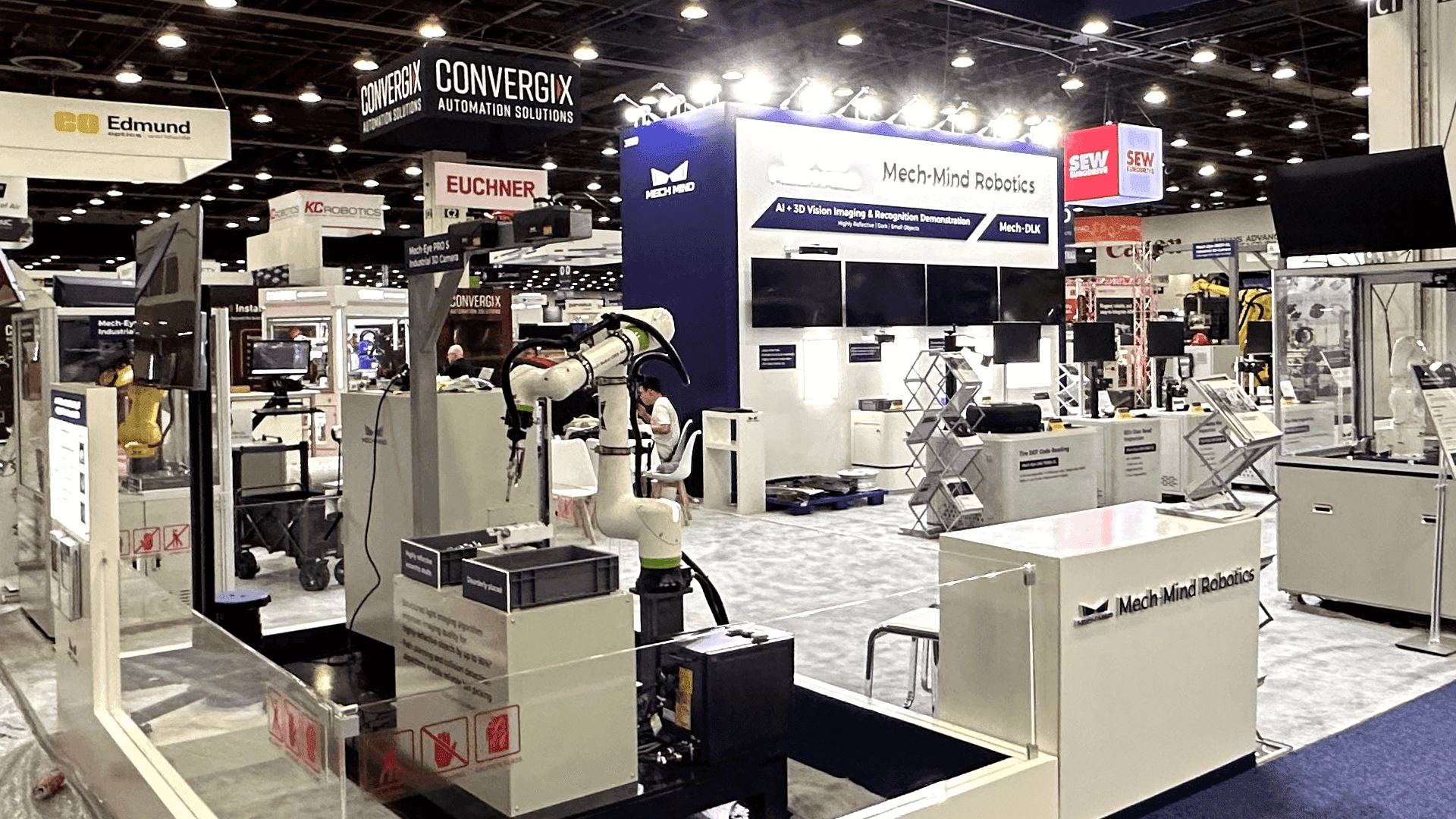
Hand tools, components, static machines, and operating systems create different booth demands. Each changes how buyers interact with the product and how much space the display needs.
AWFS Fair 2027 runs July 13–15 in the West Hall of the Las Vegas Convention Center. Distributor-badge attendees also receive show-floor access on July 12.
Buyers may handle tools, watch machinery operate, compare equipment, review applications, and ask technical questions before moving into purchasing, dealer, or distributor conversations.
Not Sure Which Booth Size You Need?
Not every exhibitor knows whether a 10x20, 20x20, 20x30, or larger booth is the right fit. Circle Exhibit can help review your event goals, product display needs, demo areas, meeting space, storage, budget scope, and setup timeline before you choose a booth size.
Buyers Need a Clear Evaluation Path
Product Space Can Crowd Out Buyer Space
1
Classify the Exhibit Mode First
2
3
4
When the Products Stay Independent of the Structure
Rental can work well when tools, components, samples, or lighter equipment remain separate from the exhibit structure. In that case, the booth mainly needs flexible walls, graphics, screens, storage, counters, and conversation space, which fits naturally with Las Vegas booth rental planning.
When Product Handling Changes the Architecture
Custom fabrication becomes more relevant when machinery access, product fixtures, demo interfaces, or clearance requirements begin to shape the booth itself. These projects benefit from coordinating the structure, product access, and booth fabrication and prebuild support as one physical plan.
When Only the Product Interface Needs Customization
A hybrid approach works when the main walls, graphics, storage, and meeting areas can remain reusable while only the equipment interface, demo fixture, or product-support element requires custom engineering.
Booth position affects orientation, open sides, equipment access, freight planning, and how buyers approach the exhibit. Those conditions should be known before the design is treated as final.
AWFS currently treats operating machinery as a floor-planning condition, including a requirement that operational machinery exhibit on the left side of the hall. Operating status therefore needs to be resolved before surrounding booth functions are finalized.
Products, machinery, exhibit structure, electrical services, graphics, and crates may have different access and installation requirements. Planning them separately can create conflicts on site.
Move-in information, service ordering, booth rules, and contractor details can change by show cycle. Current-year exhibitor documents should be checked again before production and shipping.
Rental Booths for AWFS Product Evaluation
Rental works well when the booth needs flexible walls, graphics, screens, storage, and conversation space while tools, components, samples, or lighter equipment remain independent from the structure. It gives exhibitors room to organize product evaluation without overbuilding the exhibit.
What should an AWFS Fair booth include?
Include the functions buyers actually need: clear product display, evaluation or demonstrations where relevant, technical information, conversation space, lead capture, storage, and any product-specific physical requirements.
How should exhibitors choose booth size for AWFS Fair?
Does operating machinery change AWFS booth planning?
How should product evaluation and buyer conversations be balanced?
What should be confirmed before an AWFS booth goes into production?
READY TO PLAN YOUR NEXT BOOTH?
Let’s Build a Booth That Fits Your Event
Share your event name, booth size, city, timeline, product display needs, and design references. Circle Exhibit will review your project direction and help you choose a rental-friendly or custom exhibit path.
3000+
Booth Projects Supported
50+
U.S. Event Cities
Transparent
Quote Review
Pellet, biomass, grinding, drying, and wood-waste processing exhibitors face a different problem: explaining a multi-stage system that may be too large to show in full.
Machine dimensions, demo positions, buyer viewing, storage, graphics, and staff movement often compete for the same footprint. Design and engineering resolves those dependencies before the exhibit reaches production.
Equipment, product crates, exhibit components, and graphics may not share the same delivery or installation sequence. Pre-show coordination identifies those dependencies before move-in.
Product placement, machinery access, exhibit assembly, graphics, utilities, and final readiness need to happen in a workable order once the materials reach LVCC.
AWFS buyers often need to understand application, capability, compatibility, or product differences quickly. Graphics should support that evaluation instead of competing with the physical product.