AWFS Fair Operational Machinery Booth Planning for Live Demos



How should exhibitors plan a booth around operating machinery at AWFS?
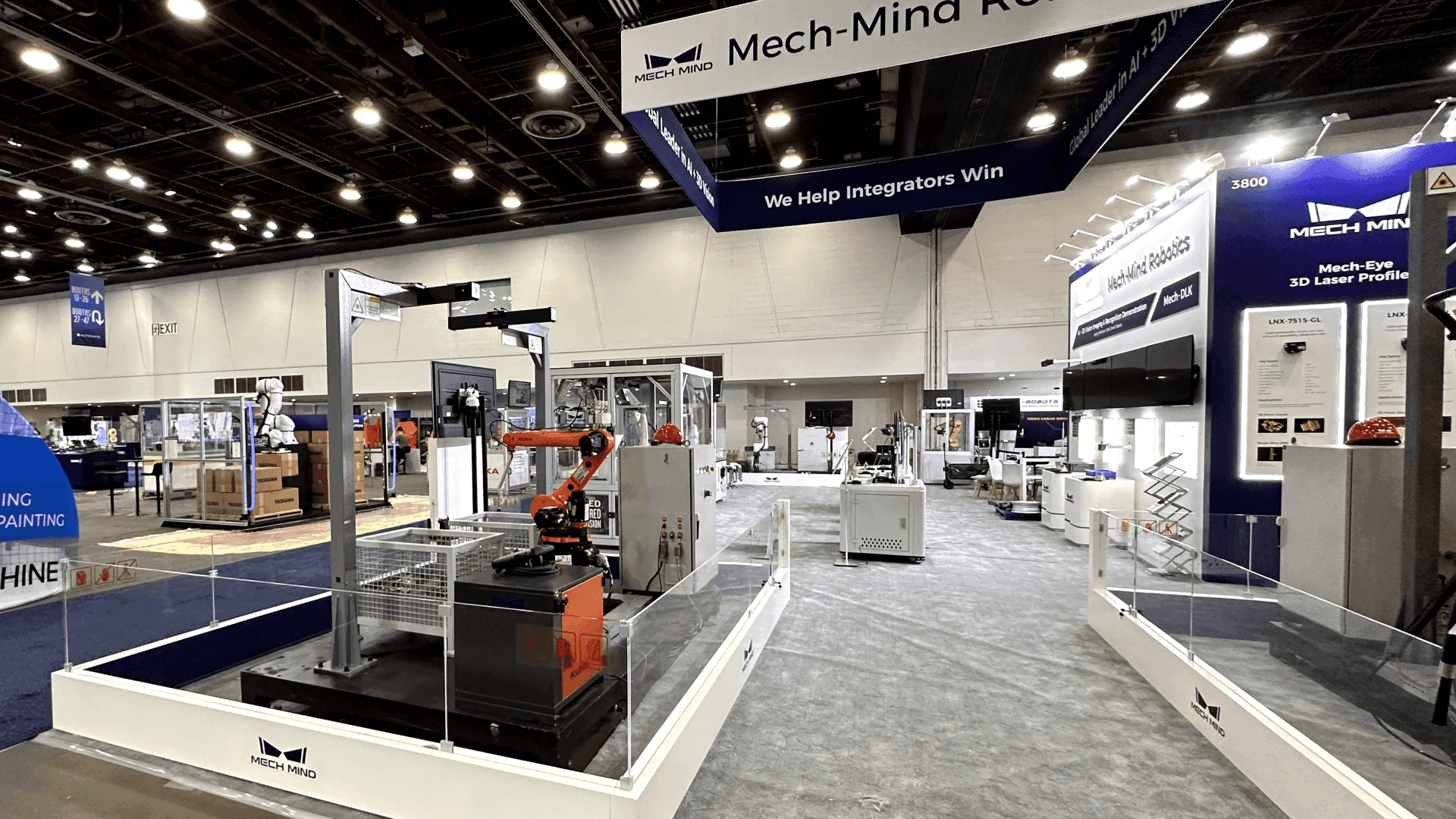
Start with the machine, not the booth structure. Its dimensions, operating requirements, operator position, buyer viewing, service access, utilities, and placement needs determine the minimum functional footprint before graphics, meeting space, storage, or surrounding architecture are added.
When machinery will run on the AWFS show floor, the machine—not the surrounding booth structure—sets the planning order. AWFS currently requires operating machinery to be located on the left side of the hall, so booth location and machine orientation need to be resolved early. The broader AWFS Fair booth planning framework still applies, but live equipment adds a separate layer of spatial and execution constraints.
The footprint needs to account for the machine, operator space, buyer viewing, service access, circulation, technical conversations, and storage. A 20x20 can work when those functions remain clearly separated, while a 20x30 booth offers more flexibility when the machine needs its own viewing side, greater service access, or clearer separation between demonstration and discussion.
Because AWFS takes place at the Las Vegas Convention Center, freight access, utilities, machine placement, surrounding structures, graphics, and testing eventually have to come together on the same show floor. Those dependencies should be resolved before later booth elements make the equipment harder to place, service, or test.
Why Exhibitors Choose Circle Exhibit
Clear scope, transparent quote review, nationwide booth support, and efficient setup planning for qualified rental and custom exhibit projects.
48hr
Setup Window
10+
Years Since 2014
U.S.
Trade Show Support
Real
Booth Project Proof
For operating machinery, booth size should follow the space required for the machine, operator, buyer viewing, service access, and technical conversation. The footprint is too small when those functions begin to overlap.
A 20x20 booth can work when the machine, operator, buyer viewing, service access, and conversation space remain clearly separated. If access or viewing begins to overlap, the footprint is already too tight.
A 30x40 booth suits larger machinery that needs broader sightlines, several viewing positions, service access, and a separate discussion area without crowding the operating zone.
A 20x30 booth becomes useful when the machine needs a dedicated viewing side, more service access, or clearer separation between the live demonstration and technical conversations.
A larger island makes sense when several machines, multiple viewing sides, wider service access, or separate technical stations need to operate at the same time.
Before the booth structure is finalized, the selected space has to work with the machine’s required orientation, buyer-facing demo side, placement access, and service needs. A location that looks stronger on the floor plan can still create avoidable compromises once the equipment is placed.
The location decision can be worked through in AWFS machinery booth location planning, where eligible spaces are compared before the full machine-first layout begins. Once a Preferred Location and Acceptable Backup are established, this page can take over the detailed planning around footprint, viewing, utilities, surrounding structure, and show-site execution.
The machine should remain the primary object of evaluation. Viewing positions, technical information, staff placement, and the surrounding exhibit should support the demonstration rather than compete with it.
Buyers should be able to tell quickly what machine is operating, what application it serves, and which part of the process they are watching.
Define where the operator works, where visitors stand, how people move around the demonstration, and how service access remains clear during show hours.
Capacity, application, compatibility, workflow, or performance information is most useful when buyers can connect it directly to what the machine is doing in front of them.
The demonstration should lead naturally into questions about specifications, applications, integration, pricing, dealer opportunities, or next-step evaluation without blocking the machine area.
AWFS currently places operational machinery exhibitors on the left side of the hall, so machine status and booth location should be confirmed before the surrounding layout is finalized.
AWFS Fair 2027 runs July 13–15 in the West Hall of the Las Vegas Convention Center in Las Vegas.
Visitors may watch machinery run, compare capabilities, review applications, and move directly into technical, purchasing, dealer, or distributor conversations.
Not Sure Which Booth Size You Need?
Not every exhibitor knows whether a 10x20, 20x20, 20x30, or larger booth is the right fit. Circle Exhibit can help review your event goals, product display needs, demo areas, meeting space, storage, budget scope, and setup timeline before you choose a booth size.
The Machine Determines the Minimum Footprint
Operation and Viewing Need Separate Space
1
Document the Machine First
2
3
4
When the Machine Stands Independently
If the machine remains a separate floor object, the surrounding walls, screens, storage, counters, and discussion areas can often be handled through Las Vegas trade show booth rental without changing how the equipment itself is positioned or operated.
When the Architecture Must Fit the Machine
When equipment access, custom surrounds, integrated fixtures, or demo interfaces begin to shape the booth itself, the project moves closer to booth fabrication and prebuild support, with the structure planned around the machine from the start.
When Only the Machine Interface Is Custom
A hybrid approach keeps the main exhibit structure reusable while custom engineering is limited to equipment supports, demo interfaces, access features, or other machine-specific elements.
AWFS currently requires operating machinery exhibitors to be positioned on the left side of the hall. Preferred booth location and machine orientation should therefore be considered together.
A machine cannot be placed if structure, crates, graphics, furniture, or other booth elements close the access path too early. Installation planning needs to preserve a workable route to the final position.
Machine-specific electrical, air, extraction, network, monitoring, or other services should be identified early enough to support placement and testing before the exhibit is considered complete.
The final check should confirm operation, operator access, viewing positions, technical messaging, surrounding graphics, conversation flow, and any adjustments needed before opening.
Rental Booths Built Around Operating Machinery
Rental can work when the machine remains a separate floor object and the surrounding booth handles graphics, screens, storage, counters, and technical conversations. This keeps the exhibit flexible while preserving the access, viewing, service, and testing space the machine needs.
How does operating machinery affect booth location at AWFS?
AWFS currently treats operating machinery as a floor-planning condition and requires operational machinery exhibitors to be positioned on the left side of the hall. Location should therefore be considered before machine orientation and surrounding booth functions are finalized.
How should exhibitors determine booth size around a live machine?
What should be confirmed before machinery operates at the show?
When should machine placement happen during installation?
How should buyer viewing be arranged around a live demo?
READY TO PLAN YOUR NEXT BOOTH?
Let’s Build a Booth That Fits Your Event
Share your event name, booth size, city, timeline, product display needs, and design references. Circle Exhibit will review your project direction and help you choose a rental-friendly or custom exhibit path.
3000+
Booth Projects Supported
50+
U.S. Event Cities
Transparent
Quote Review
A machine cannot be placed or tested properly if structure, graphics, furniture, or service work closes the access path too early. Installation planning covers the sequence needed to keep the equipment physically reachable.
Crates, exhibit components, machinery, and show-site services may have different arrival and handling dependencies. Those dependencies need to be resolved before the machine reaches its final booth position.
The machine envelope alone is not the booth footprint. Operator access, buyer viewing, utilities, service space, storage, and technical discussion need to be translated into one buildable plan.
A larger footprint becomes relevant when machinery needs wider viewing, more service access, several buyer positions, or a separate discussion zone rather than simply because the equipment itself is large.
When machinery placement, exhibit structure, specialized fabrication, and installation affect one another, local fabrication and show-site execution need to be planned as part of the same physical project.