AWFS Fair Pellet Tech Booth Planning for Multi-Stage Process Displays
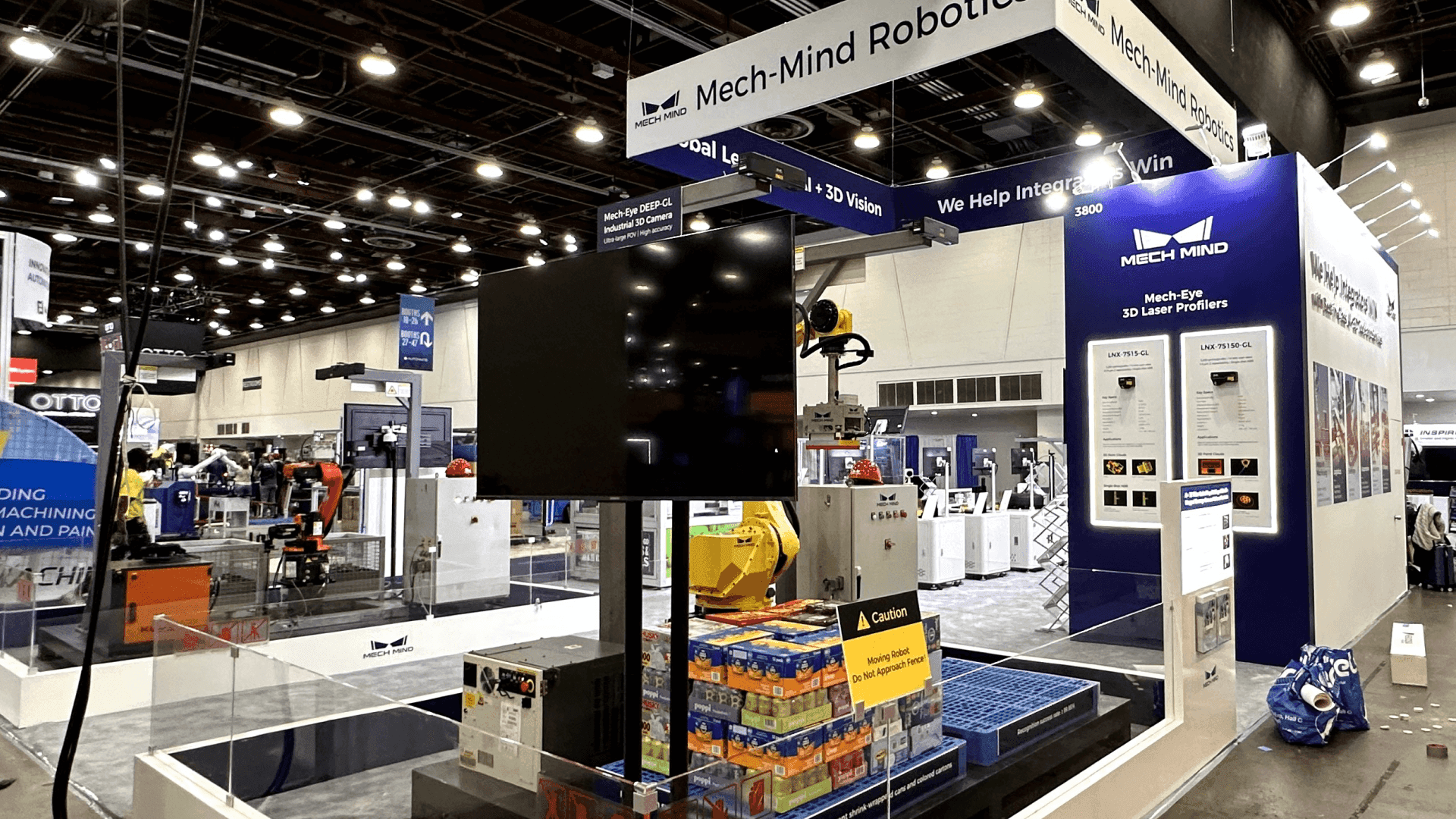
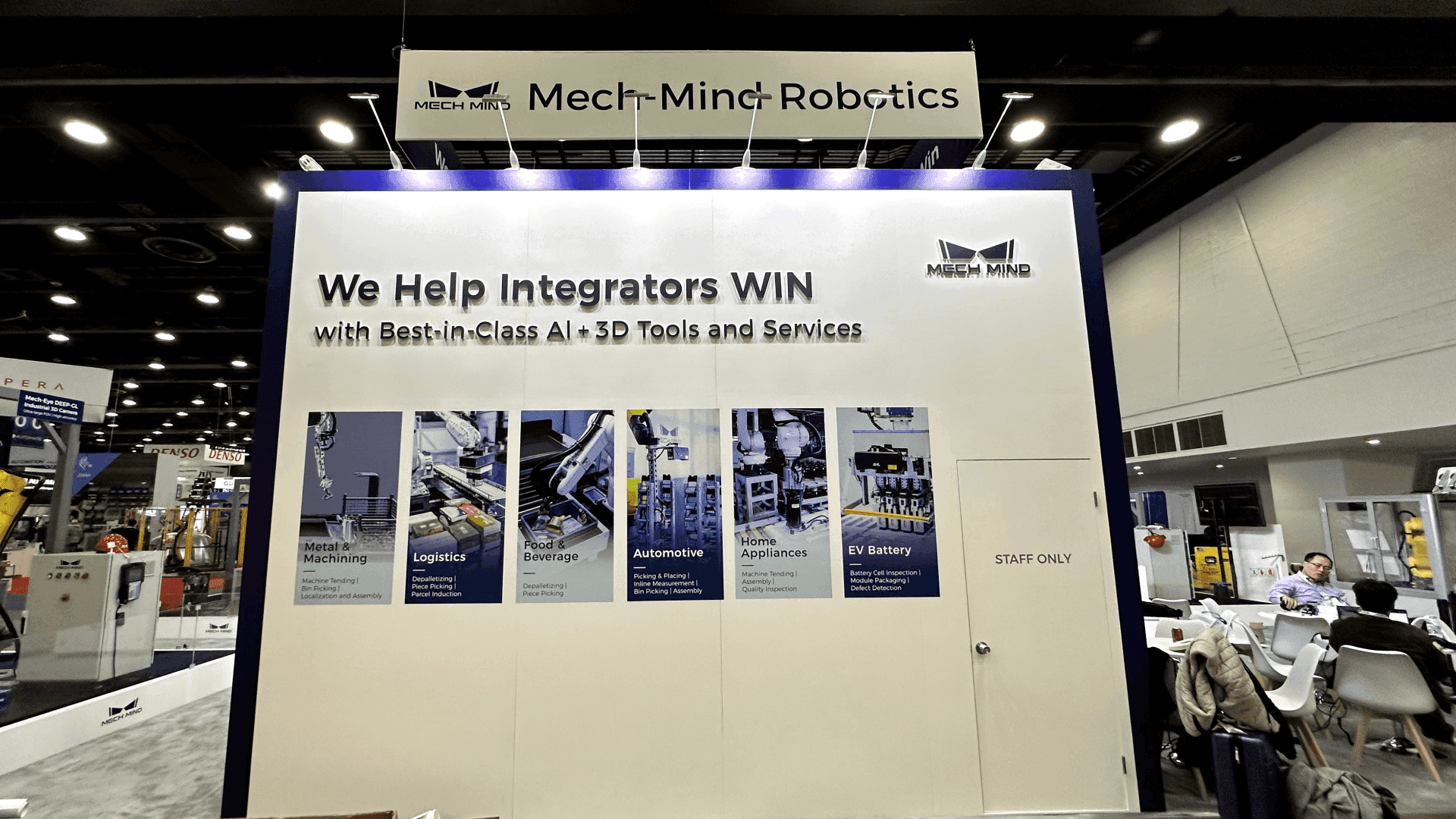
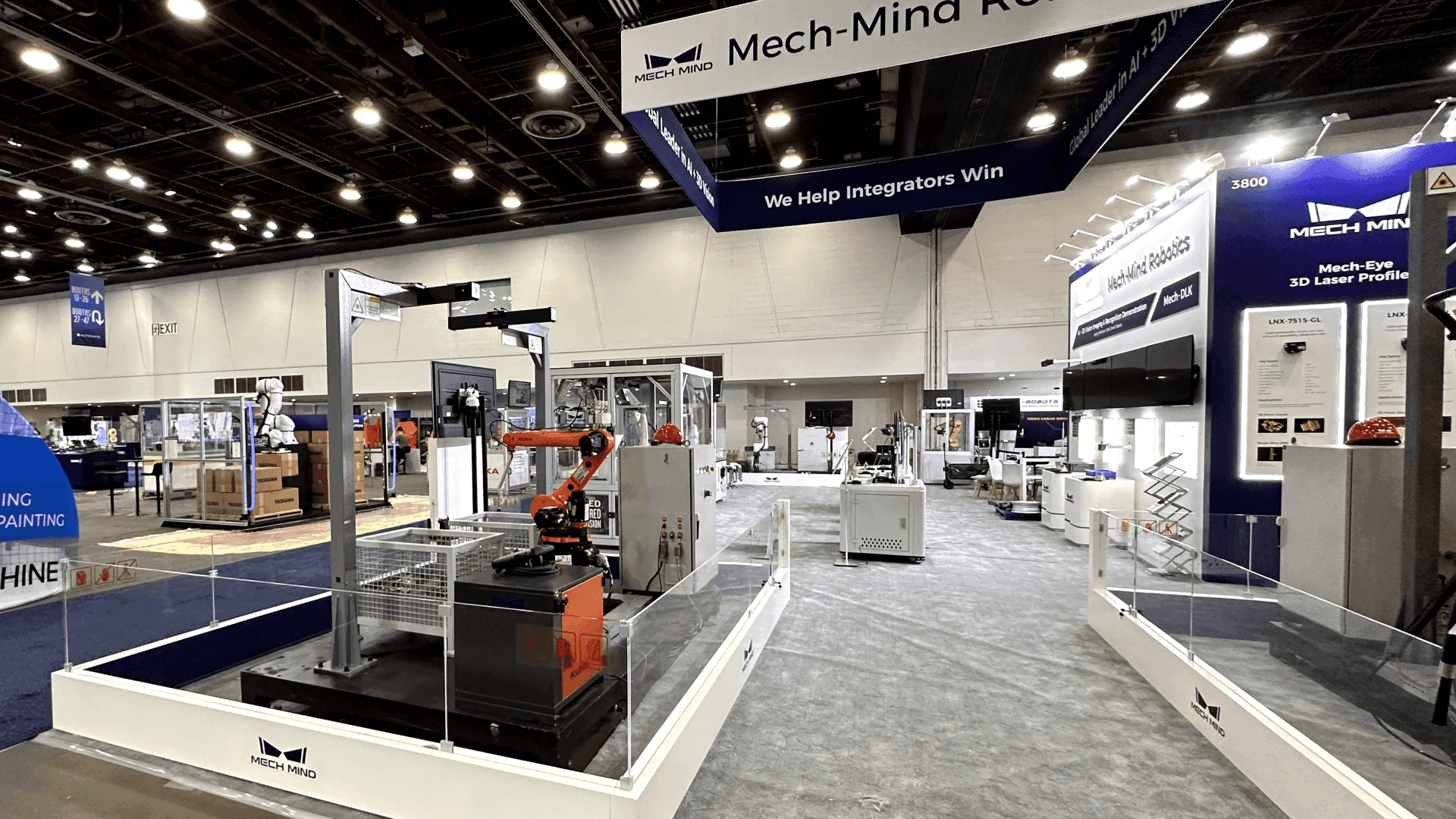

How should exhibitors plan a Pellet Tech booth?
A Pellet Tech booth should not try to reproduce an entire production line. Start by deciding what buyers need to see physically, then use equipment, material samples, process graphics, and digital explanation to connect the missing stages into a clear input-to-output story with room for deeper technical discussion.
Pellet Tech exhibitors face a different challenge from the broader AWFS show floor: a pellet, biomass, grinding, drying, or material-handling system may span several machines and production stages that cannot all be shown physically in one booth. For the broader event context, start with AWFS Fair booth planning; this page focuses on how to reduce a larger production process into a clear exhibit story.
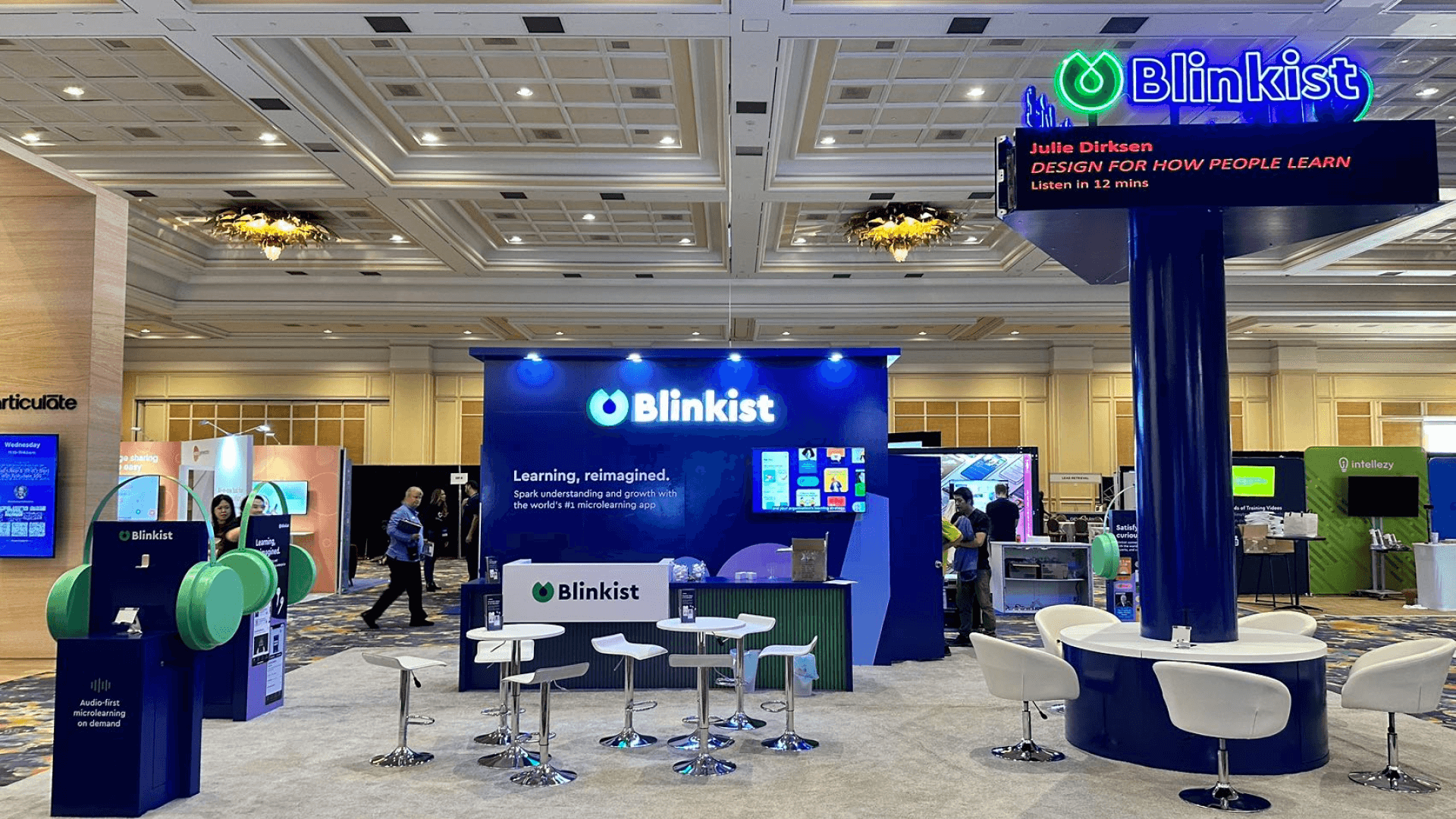
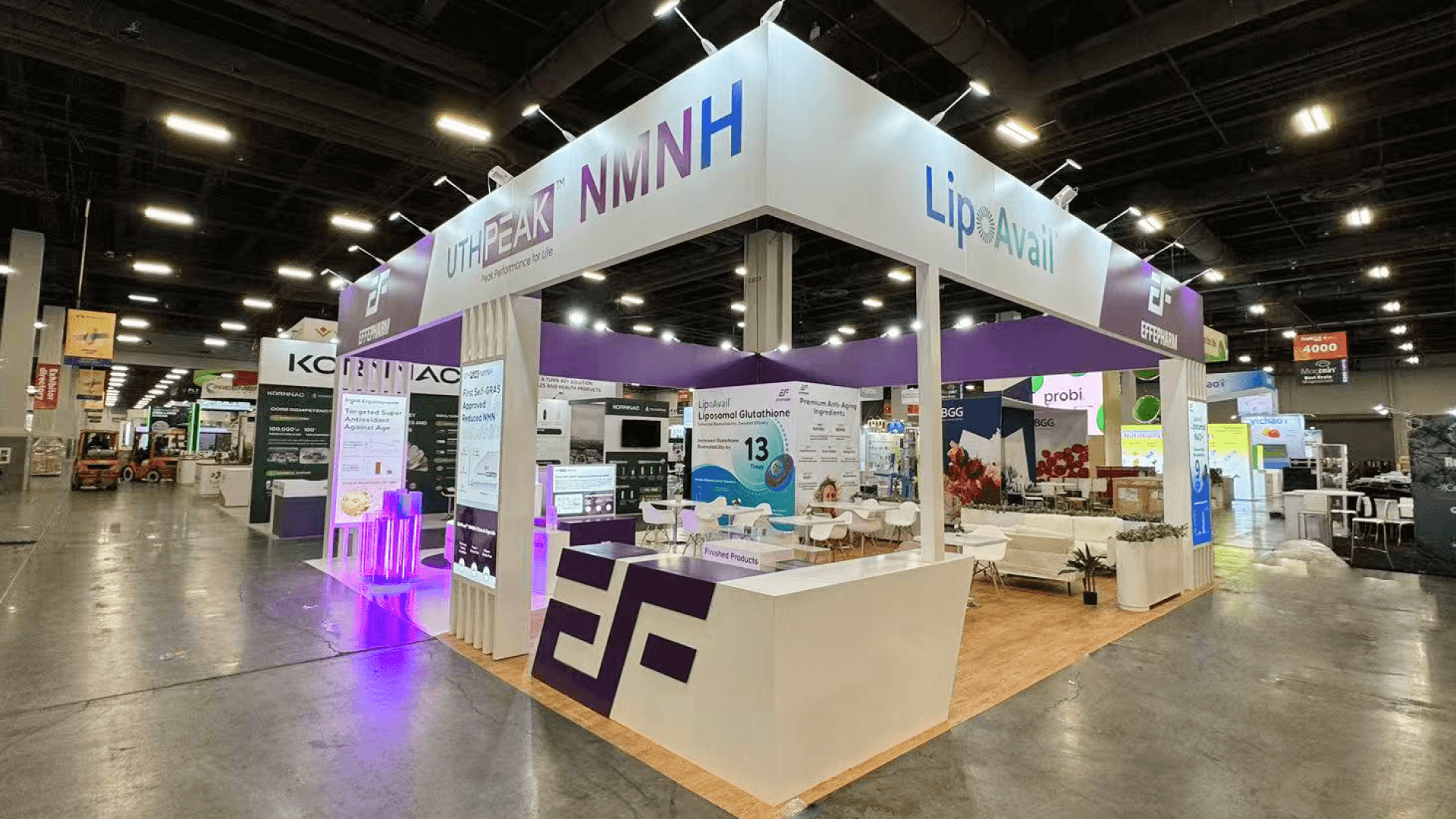
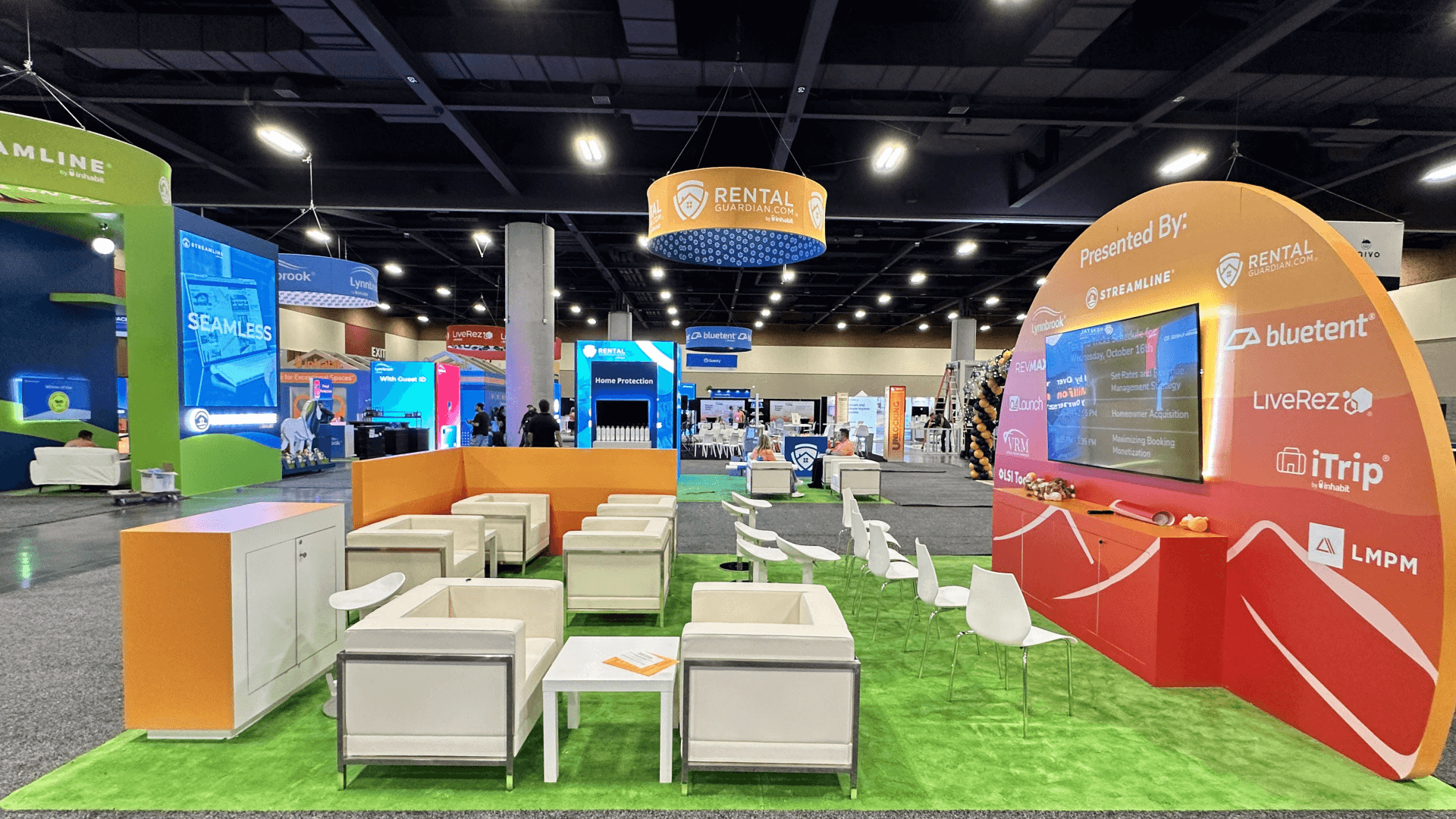
A focused 10x20 can work when one machine, component, or material sample provides the main physical reference and graphics or a screen explain the missing stages. A 20x20 booth gives more room to combine equipment, input and output samples, process visualization, storage, and technical discussion without crowding the sequence. Larger footprints are useful only when additional process stages genuinely need physical representation.
At the Las Vegas Convention Center, equipment, graphics, screens, samples, and storage still have to come together as one workable exhibit. The goal is not to recreate the production floor, but to give buyers enough physical and visual evidence to understand how the system works and decide whether a deeper technical conversation makes sense.
Why Exhibitors Choose Circle Exhibit
Clear scope, transparent quote review, nationwide booth support, and efficient setup planning for qualified rental and custom exhibit projects.
48hr
Setup Window
10+
Years Since 2014
U.S.
Trade Show Support
Real
Booth Project Proof
The footprint should reflect how much of the process needs physical representation. More space is useful only when it makes the system easier to understand or gives technical discussions enough room.
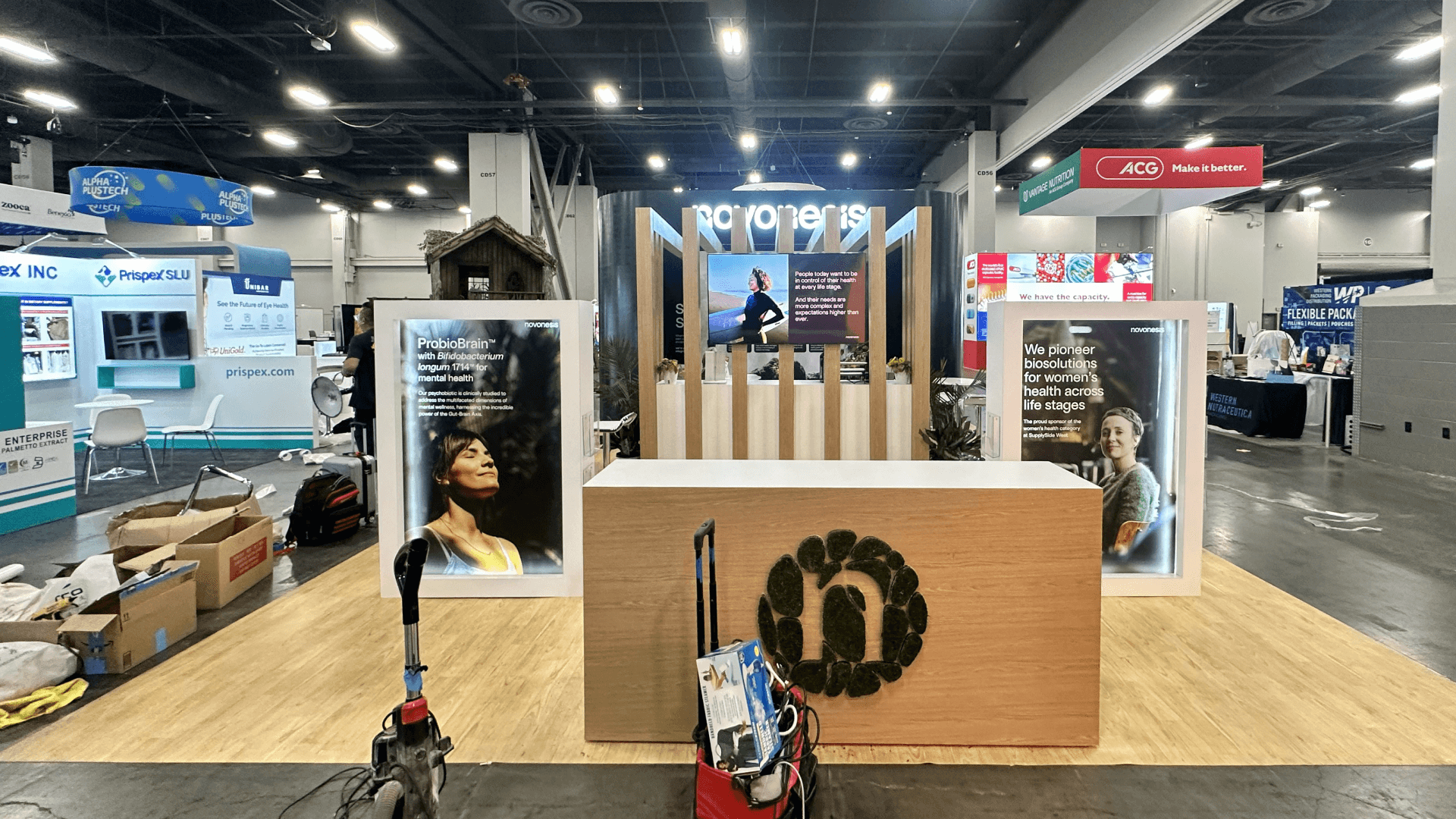
A 10x20 booth works when one machine, component, or sample provides the main physical reference and the rest of the process is explained visually.
A 20x30 booth becomes useful when several process stages need physical representation and buyers need to move clearly from one stage to the next.
A 20x20 booth can combine one strong physical anchor, samples, process graphics, storage, and technical discussion space without making the display feel crowded.
A 30x40 booth supports several physical process points with clearer movement, stronger separation, and dedicated technical discussion space.
Pellet Tech exhibitors often have to represent more of the production process than can physically fit inside the booth. When equipment, samples, process graphics, screens, storage, and technical conversations all need space, the footprint has to support clear separation between those functions rather than simply provide more square footage.
That same zoning problem becomes especially relevant in a 20x20 booth, where demonstration space, product presentation, storage, and buyer conversations have to work together without competing for the same area. For Pellet Tech, the value of the larger footprint comes from making the process easier to follow.
The exhibit should give buyers enough physical and visual evidence to understand the system without trying to reproduce the full production line.
Raw material, intermediate examples, pellets, components, or finished outputs can show what enters the system and what the process ultimately produces.
Diagrams, screens, illuminated flow paths, or animation should connect separate equipment and materials into the same story rather than functioning as unrelated displays.
Use physical equipment where scale, construction, or operation adds real value. Use digital explanation where a complete machine or production stage would consume space without improving understanding.
Once the basic process is clear, buyers need somewhere to discuss capacity, materials, integration, equipment configuration, plant requirements, and next steps.
Pellet Tech is a targeted AWFS Fair 2027 area focused on technologies that turn wood waste and residual materials into pellets, energy, and other usable outputs.
Pellet Tech takes place July 13–15 during AWFS Fair 2027 in the West Hall of the Las Vegas Convention Center.
Buyers may need to understand how grinding, drying, pelletizing, automation, storage, and material handling connect as parts of one larger production system.
Not Sure Which Booth Size You Need?
Not every exhibitor knows whether a 10x20, 20x20, 20x30, or larger booth is the right fit. Circle Exhibit can help review your event goals, product display needs, demo areas, meeting space, storage, budget scope, and setup timeline before you choose a booth size.
Not Every Stage Needs to Be Physical
Separate Equipment Can Hide the Process
1
Map the Production Process
2
3
4
When a Rental Structure Is Enough
Rental works well when one machine, component, or sample provides the physical anchor and graphics, screens, and materials explain the rest of the process. Exhibitors using this lighter structural approach can review Las Vegas trade show booth rental for broader rental planning.
When Process Equipment Needs Custom Integration
Custom fabrication becomes more relevant when several process stages require physical equipment, specialty fixtures, or integrated interfaces that need to function as one coordinated display.
Where a Hybrid Build Makes Sense
A hybrid approach keeps the main exhibit structure reusable while custom engineering is limited to process-specific fixtures, equipment interfaces, or display elements that genuinely need it.
Large equipment, heavy components, or primary process objects should be placed before surrounding graphics, screens, furniture, and storage make access more difficult.
Graphics and screens should follow the same order a buyer is expected to understand the process. AV should explain missing stages rather than repeat what can already be seen.
Input materials, pellets, components, literature, and backup samples need a replenishment point that staff can reach during the show without turning the visible display into storage.
Before opening, walk the sequence from aisle to physical object to graphics to technical conversation. If the system still requires a long staff explanation before it makes sense, the display hierarchy needs another pass.
Rental Booths for Pellet Tech Process Displays
Rental is a strong fit when one machine, component, or material sample provides the physical anchor and the rest of the process is explained through graphics, screens, samples, and technical discussion. The structure supports the process story without trying to custom-build the full production line.
What should a Pellet Tech booth physically display?
Show the equipment, component, material, or sample that gives buyers the strongest physical evidence of how the system works. Other stages can be explained visually.
How can exhibitors explain a production line that does not fit inside the booth?
What booth size works for a Pellet Tech exhibit?
Should exhibitors use equipment, samples, graphics, or video?
When does a Pellet Tech booth need live-machinery planning?
READY TO PLAN YOUR NEXT BOOTH?
Let’s Build a Booth That Fits Your Event
Share your event name, booth size, city, timeline, product display needs, and design references. Circle Exhibit will review your project direction and help you choose a rental-friendly or custom exhibit path.
3000+
Booth Projects Supported
50+
U.S. Event Cities
Transparent
Quote Review
A production process has to be reduced into a workable combination of equipment, screens, samples, graphics, storage, and conversation space before the exhibit can be engineered.
When several stages are missing from the physical display, graphics and screens carry the connections between them. Their job is to explain sequence, not simply add technical content.
A larger footprint becomes useful when several process stages need physical representation and buyers still need room to move between them or continue into technical consultation.
Equipment, components, samples, booth materials, and graphics may arrive or install on different schedules. Those dependencies need to be resolved before move-in.
Physical equipment, process displays, graphics, AV, samples, and storage need to come together in a workable sequence without blocking equipment access or final display checks.