WISPAPALOOZA Booth Planning for ISP Buyer Evaluation
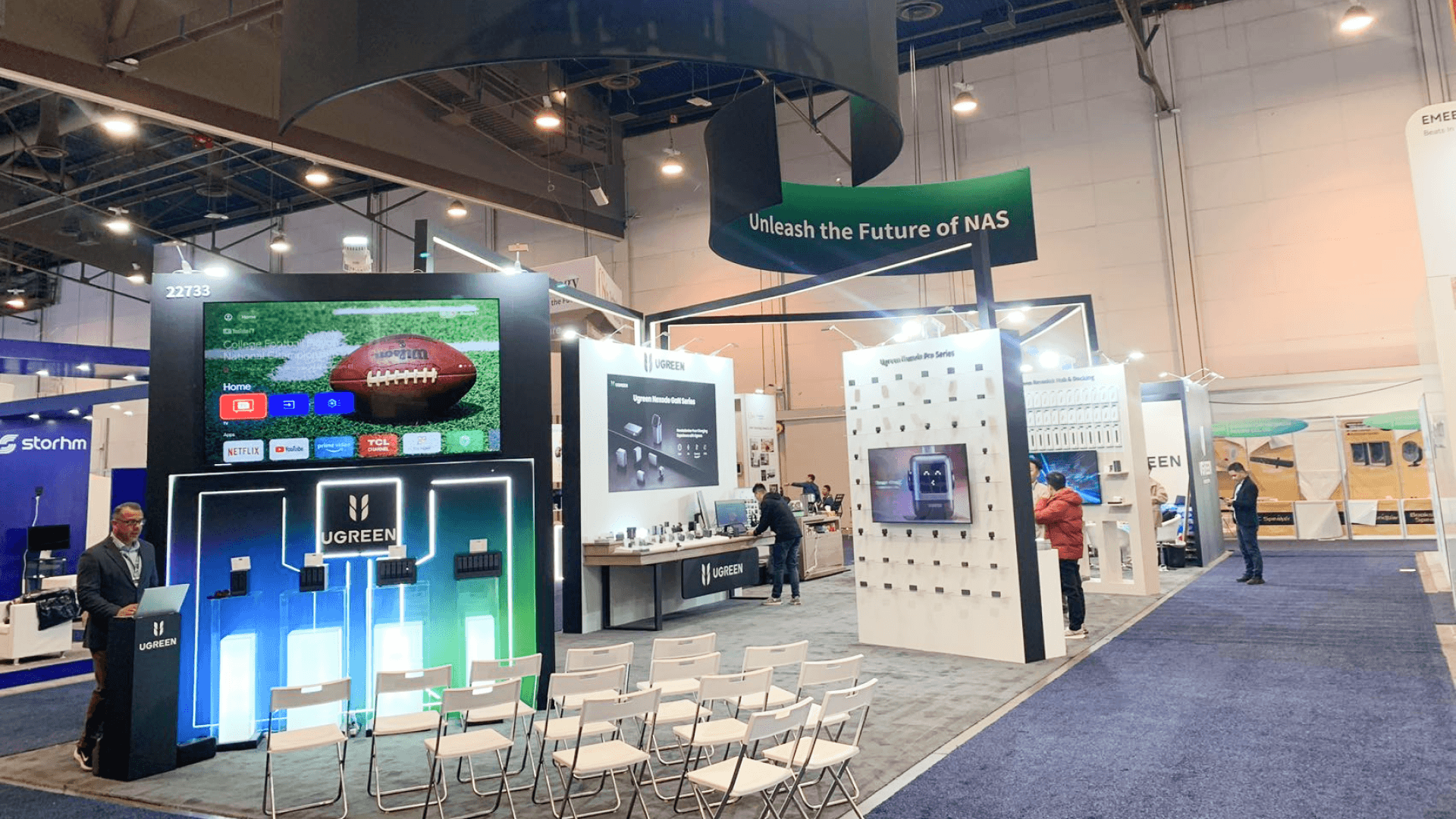
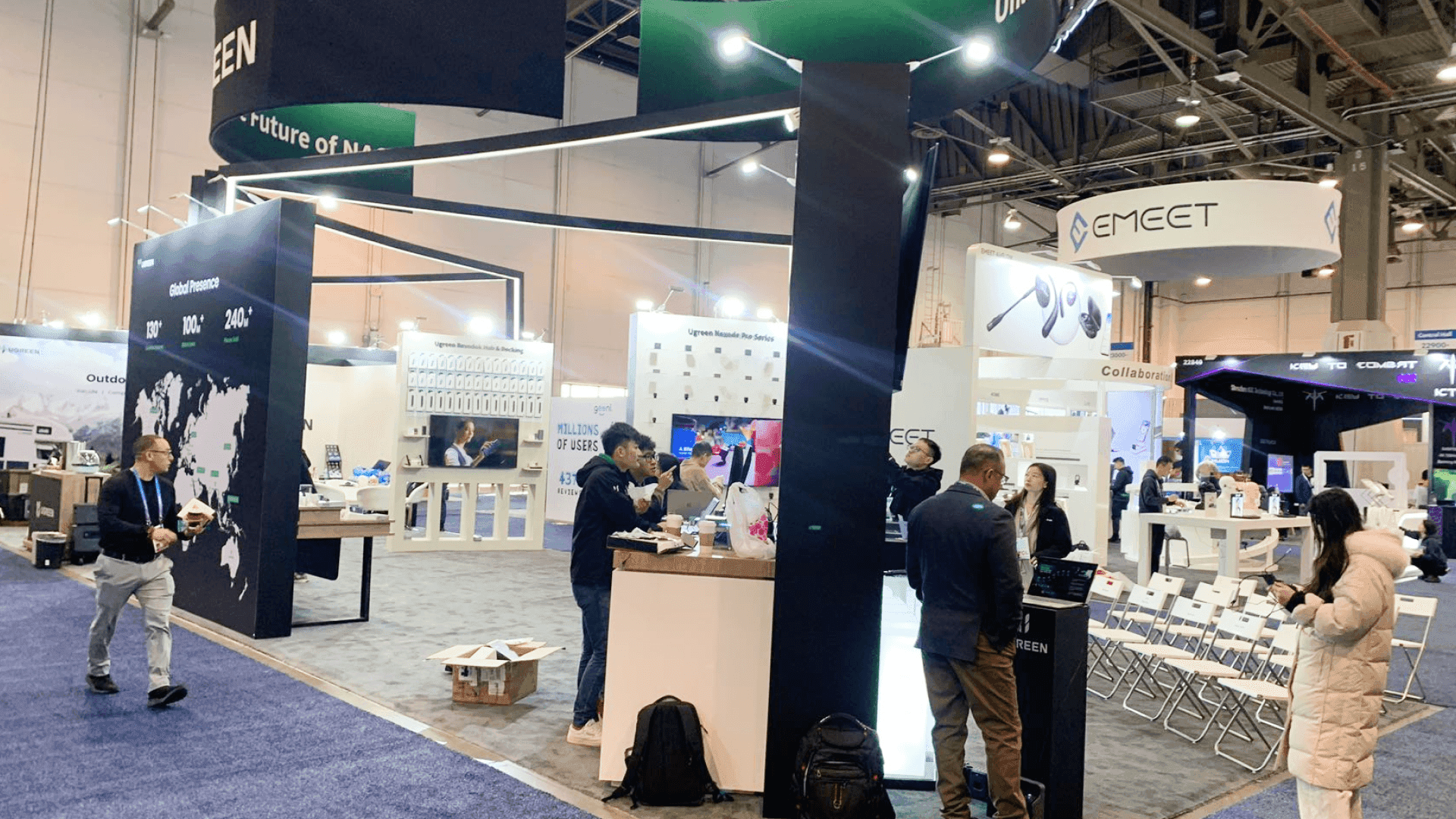
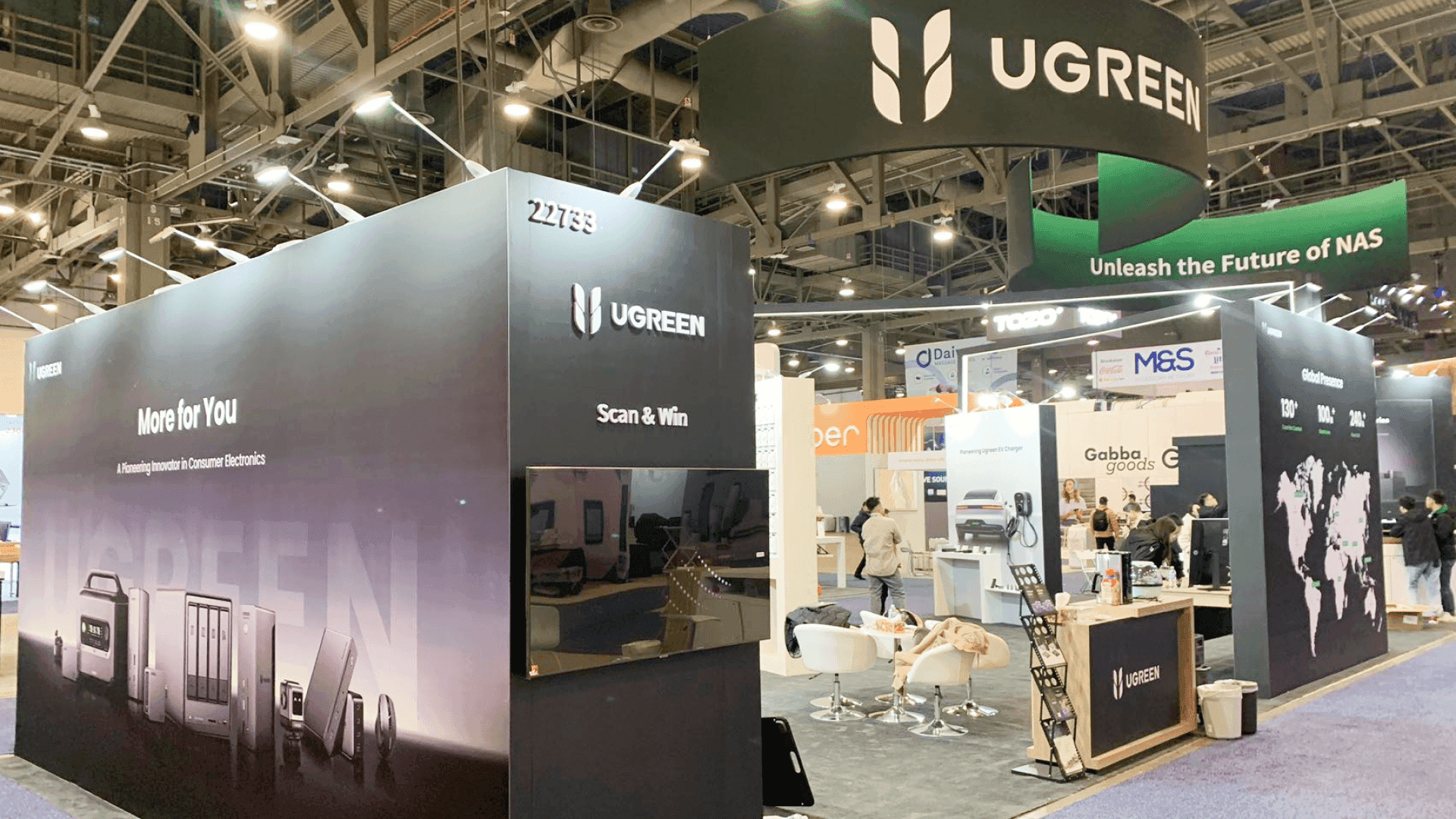

How should exhibitors plan a booth for WISPAPALOOZA?
WISPAPALOOZA exhibitors should plan around how ISP operators identify vendors, compare broadband products or software, watch a focused demonstration, ask technical questions, and continue into a meeting or follow-up. Booth size, proof method, staffing, lead capture, and show-site preparation should support that evaluation path rather than simply maximize display space.
WISPAPALOOZA brings ISP operators into a focused vendor-evaluation environment where broadband hardware, software platforms, and service providers can be compared within the same Expo Hall. Exhibitors therefore need to make their role clear quickly—whether they support network deployment, ISP operations, subscriber management, or another operating need—before an operator decides to inspect a product, watch a workflow, or begin a deeper technical conversation.
The proof method changes with the offering. Physical broadband equipment often needs inspection access and deployment context, while software relies more on a focused operational workflow. A 10×10 can support one clear evaluation point, while a 10×20 booth gives a live demo more room to stay active as another operator moves into technical discussion. For radios, routers, fiber components, network appliances, and similar physical products, these requirements become more specific around product access, technical proof, and storage in WISPAPALOOZA broadband equipment booth planning.
At Caesars Palace, concentrated Expo Hall periods and scheduled 1:1 meetings also make staffing, meeting handoff, and show readiness part of the booth plan. Once those WISPAPALOOZA-specific requirements are clear, coordinating them into one buildable exhibit becomes the practical role of Las Vegas trade show booth builders.
Why Exhibitors Choose Circle Exhibit
Clear scope, transparent quote review, nationwide booth support, and efficient setup planning for qualified rental and custom exhibit projects.
48hr
Setup Window
10+
Years Since 2014
U.S.
Trade Show Support
Real
Booth Project Proof
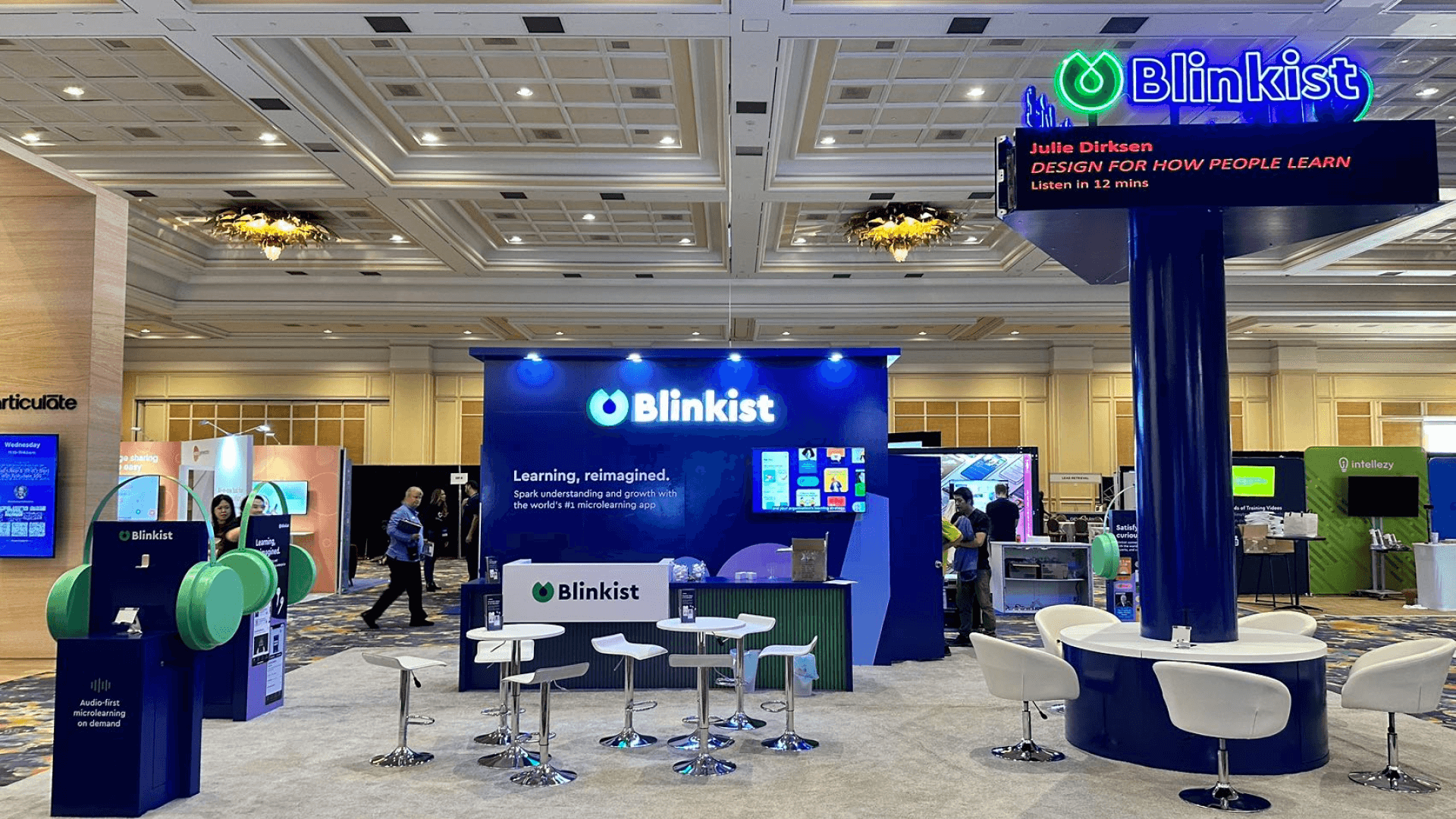
WISPAPALOOZA offers Tabletop through 20×30 exhibit options, but footprint should follow what an ISP operator needs to do inside the booth. Start with the interaction task, then determine which official space or configuration can support it.
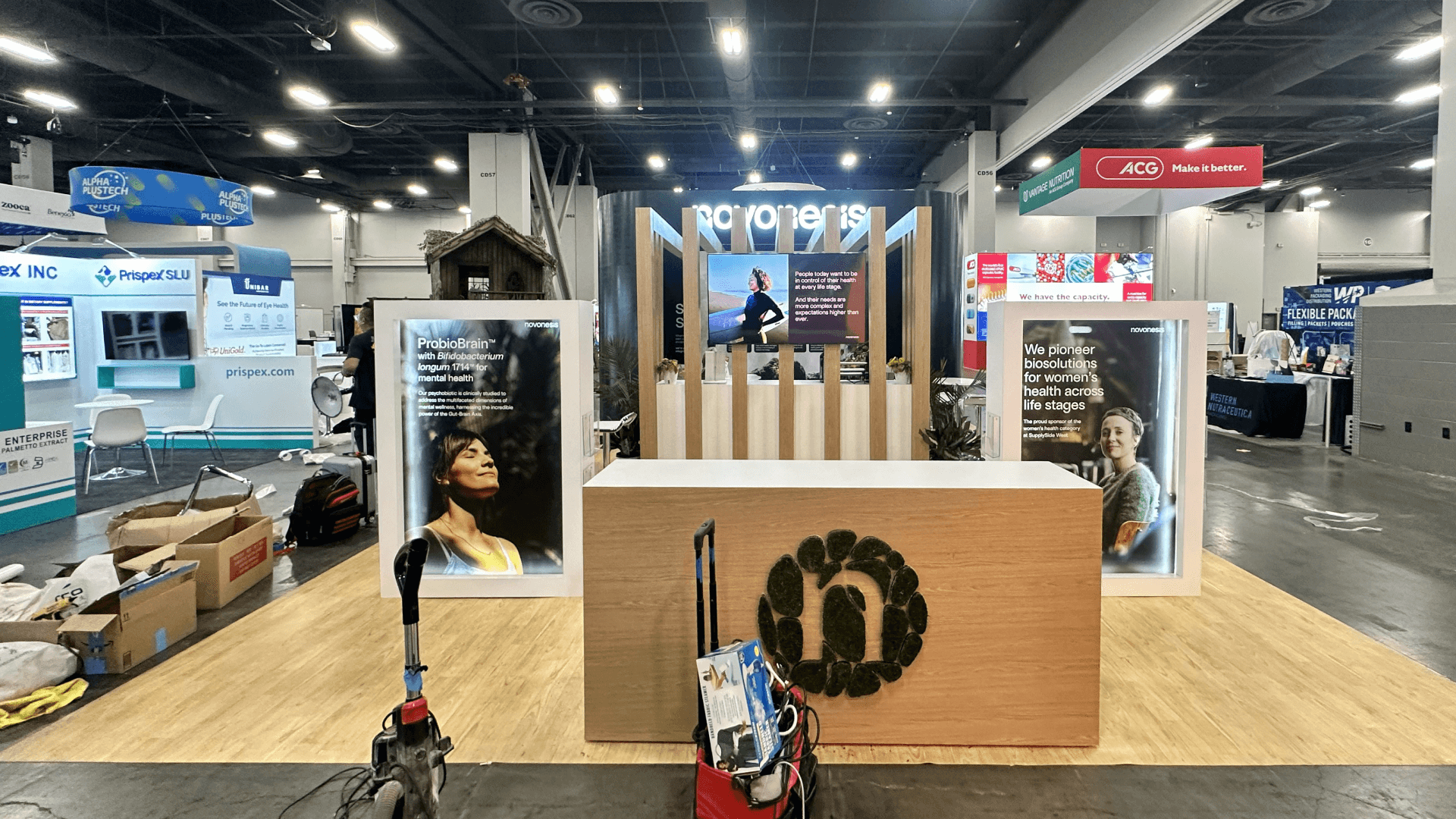
A Tabletop or compact footprint may be enough when the main task is a one-to-one introduction, laptop conversation, or limited product discussion rather than a public demonstration environment.
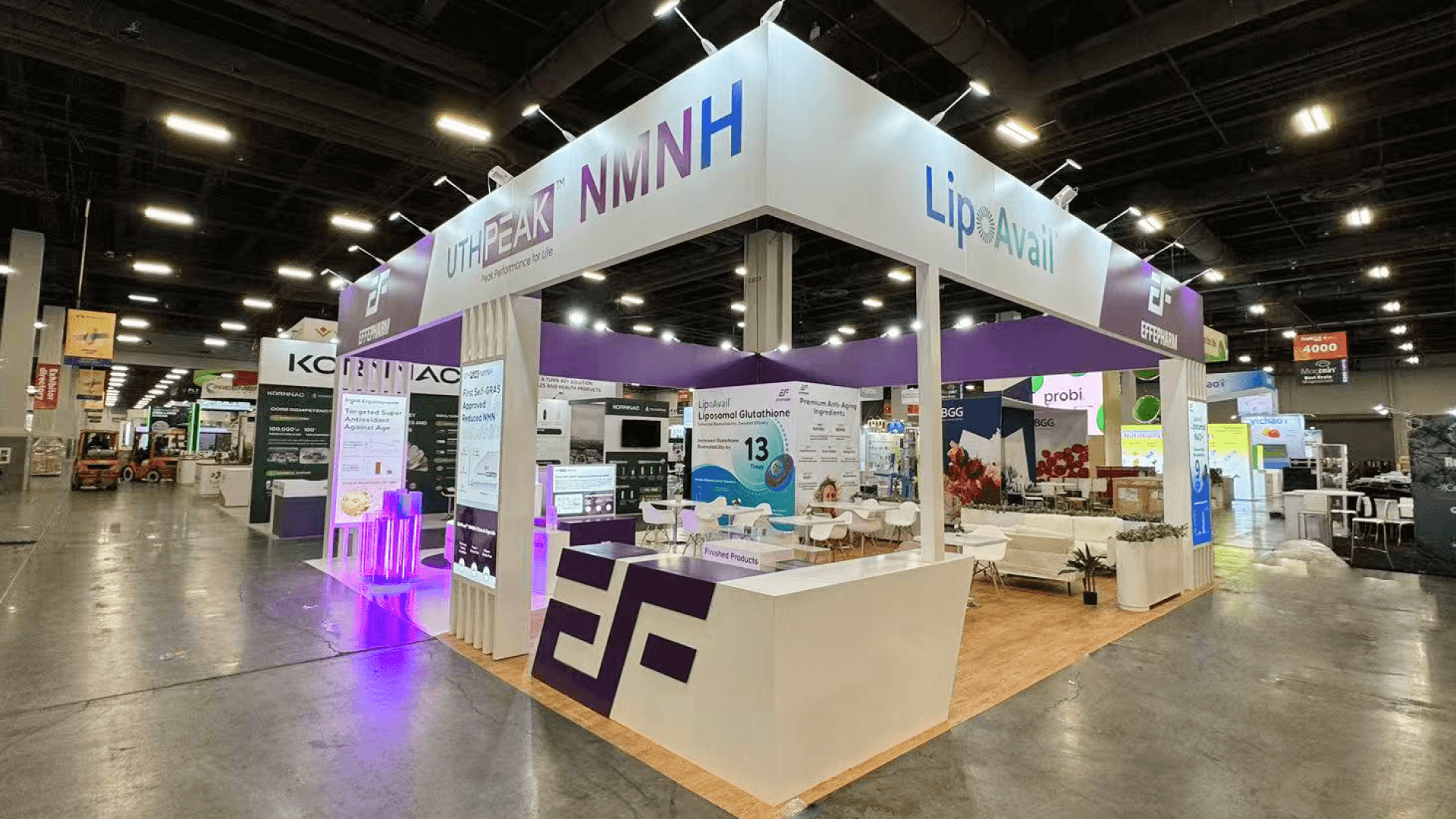
A 10×20 booth gives more working depth when the primary demo needs to remain available while a qualified operator moves into specifications, deployment, integration, or another deeper discussion.
A 10×10 context works when one physical product story or one software workflow can carry the evaluation. Adding several unrelated screens or products usually weakens the first operator decision instead of improving the booth.
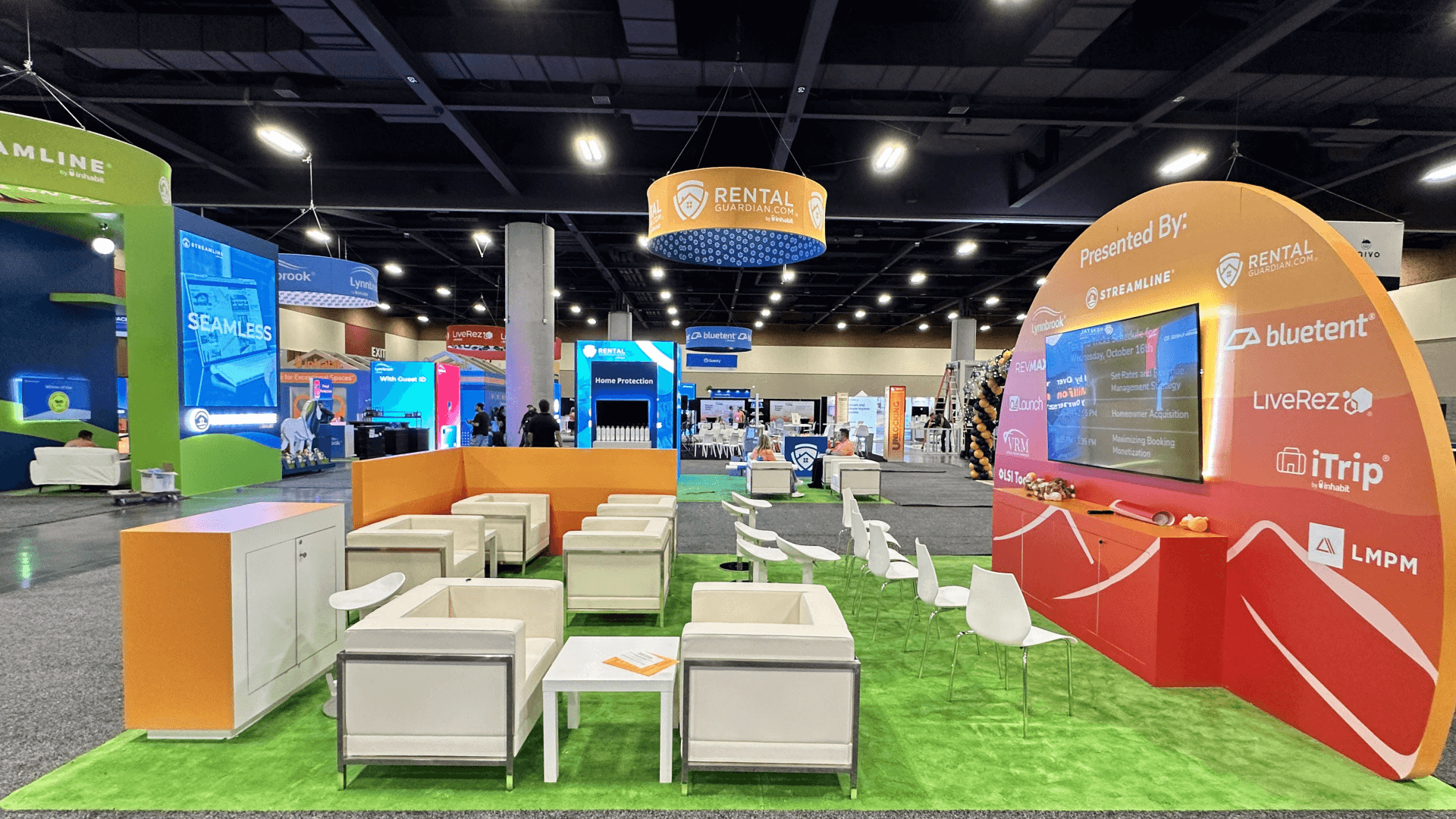
A 20×20 booth or larger footprint becomes relevant when several products, workflows, staff conversations, or buyer-evaluation tasks need to operate simultaneously without blocking one another.
Before layout work starts, exhibitors need to know whether a Tabletop, Inline booth, End-Cap, or larger footprint can handle the product, demo, staffing, and technical conversations they expect. Those WISPAPALOOZA booth options become especially important when full display length, simultaneous demos, or WISPA sightline rules affect the space choice.
Companies taking part in the Emerging Tech Showcase face a second timing issue. A 10–15 minute Main Stage presentation may be followed quickly by Expo Hall activity, so stage-to-booth follow-up should already be planned around the product proof, workflow, technical staff, and next conversation waiting on the show floor.
The strongest display functions at WISPAPALOOZA help an operator move from vendor recognition into useful proof, technical qualification, and a clear next step.
The first layer of messaging should identify the broadband network, ISP operation, subscriber, or business problem the exhibitor addresses. Technical detail is more useful after the operator knows why the offering is relevant.
Physical equipment may need inspection and deployment context, while software needs a focused operational workflow. The booth should not force both into the same generic screen-and-counter presentation.
Once questions become more detailed, the booth should allow the operator to move away from the primary proof point so the next visitor can still inspect the product or watch the workflow.
Lead retrieval should sit inside the conversation flow rather than at a separate last-minute counter. Staff should know which interactions require a scan, useful notes, a scheduled meeting, or an agreed follow-up.
WISPAPALOOZA brings ISP operators together with close to 200 product, software, and service exhibitors, creating a show floor built around comparing solutions for broadband networks and ISP operations.
WISPAPALOOZA 2026 runs November 2–5 at Caesars Palace Las Vegas, with exhibits located in the Julius Ballroom.
Concentrated Expo Hall periods, scheduled 1:1 meetings, and the Emerging Tech Showcase give exhibitors several ways to move an ISP operator from first discovery into deeper vendor evaluation.
Not Sure Which Booth Size You Need?
Not every exhibitor knows whether a 10x20, 20x20, 20x30, or larger booth is the right fit. Circle Exhibit can help review your event goals, product display needs, demo areas, meeting space, storage, budget scope, and setup timeline before you choose a booth size.
Different Proof for Hardware and Software
Concentrated Expo Hall Windows
1
Define the ISP Decision the Booth Should Support
2
3
4
Rental for a Changing WISPAPALOOZA Program
A configurable Las Vegas trade show booth rental is useful when booth size, screens, product emphasis, graphics, or meeting needs may change between events. The structure can remain flexible while the hardware, software workflow, or ISP message is updated for the current show.
Hybrid for a Stable Framework With Changing Proof
A hybrid approach can keep major walls, storage, counters, or meeting elements consistent while allowing product displays, screens, graphics, and workflow content to change. This works well when the overall ISP evaluation path is stable but the proof presented inside it changes regularly.
Choose the Structure After the Buyer Task
Do not choose custom simply because WISPAPALOOZA is an important event. First define what operators need to inspect, watch, compare, and discuss; then choose the structure that supports that path with the least unnecessary complexity.
The Julius Ballroom is fully carpeted, but the purchased Inline or End-Cap configuration still controls display height, sightlines, and usable product or wall positions.
Electrical is not included in the booth purchase. Screens, computers, powered equipment, chargers, and other demo elements should be identified before counters and display positions are locked.
Move-in runs Monday and Tuesday morning, and booths must be show ready no later than 11:30 AM Tuesday. Structure, utilities, products, screens, lead retrieval, and final testing need to fit inside that sequence.
Packing or dismantling before 12:45 PM Thursday is prohibited. The booth should remain visitor-ready through the final Expo Hall session rather than treating the closing morning as an early move-out period.
Rental Booths for WISPAPALOOZA Buyer Evaluation
A configurable rental booth can support the core WISPAPALOOZA interaction path—vendor recognition, focused product or software proof, technical conversation, storage, and meeting handoff—without requiring a fully custom structure.
What should a WISPAPALOOZA booth help ISP operators understand first?
Operators should first understand what part of broadband deployment or ISP operations the vendor addresses. Product details and technical demonstrations become easier to evaluate after that relevance is clear.
What should determine a WISPAPALOOZA booth format?
How do WISPAPALOOZA 1:1 meetings affect booth planning?
Should exhibitors plan their own lead capture?
When must a WISPAPALOOZA booth be ready?
READY TO PLAN YOUR NEXT BOOTH?
Let’s Build a Booth That Fits Your Event
Share your event name, booth size, city, timeline, product display needs, and design references. Circle Exhibit will review your project direction and help you choose a rental-friendly or custom exhibit path.
3000+
Booth Projects Supported
50+
U.S. Event Cities
Transparent
Quote Review
Software and platform exhibitors have a different evaluation path from physical-equipment vendors. This page focuses on turning ISP operational problems into clear workflows, screen-based proof, technical discussions, and meeting handoff.
Use graphics planning to connect the aisle-facing ISP problem, product or workflow category, supporting technical explanation, and deeper booth content without turning every surface into specifications.
Use pre-show logistics planning when booth components, products, screens, demo hardware, freight timing, venue access, and installation dependencies need to arrive in the correct sequence.
Use show-site installation support when structure, utilities, graphics, products, screens, testing, and final readiness need to be coordinated within the WISPAPALOOZA move-in window.
Use the Las Vegas Builder page when the booth requires fabrication, EAC coordination, integrated displays, structural work, or more complex local show-site execution.