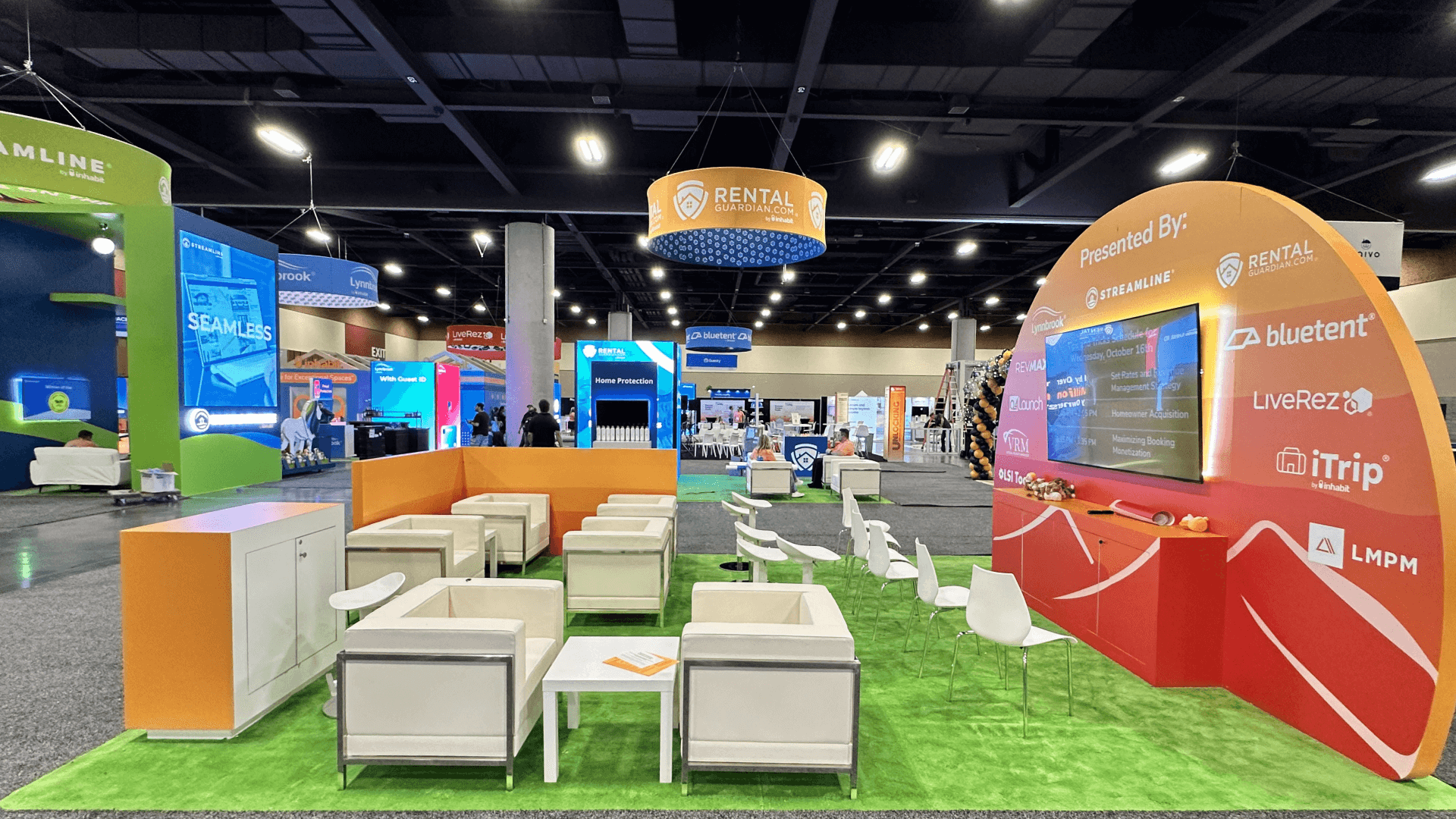
SEMA LVCC Booth Installation Planning for Exhibitors

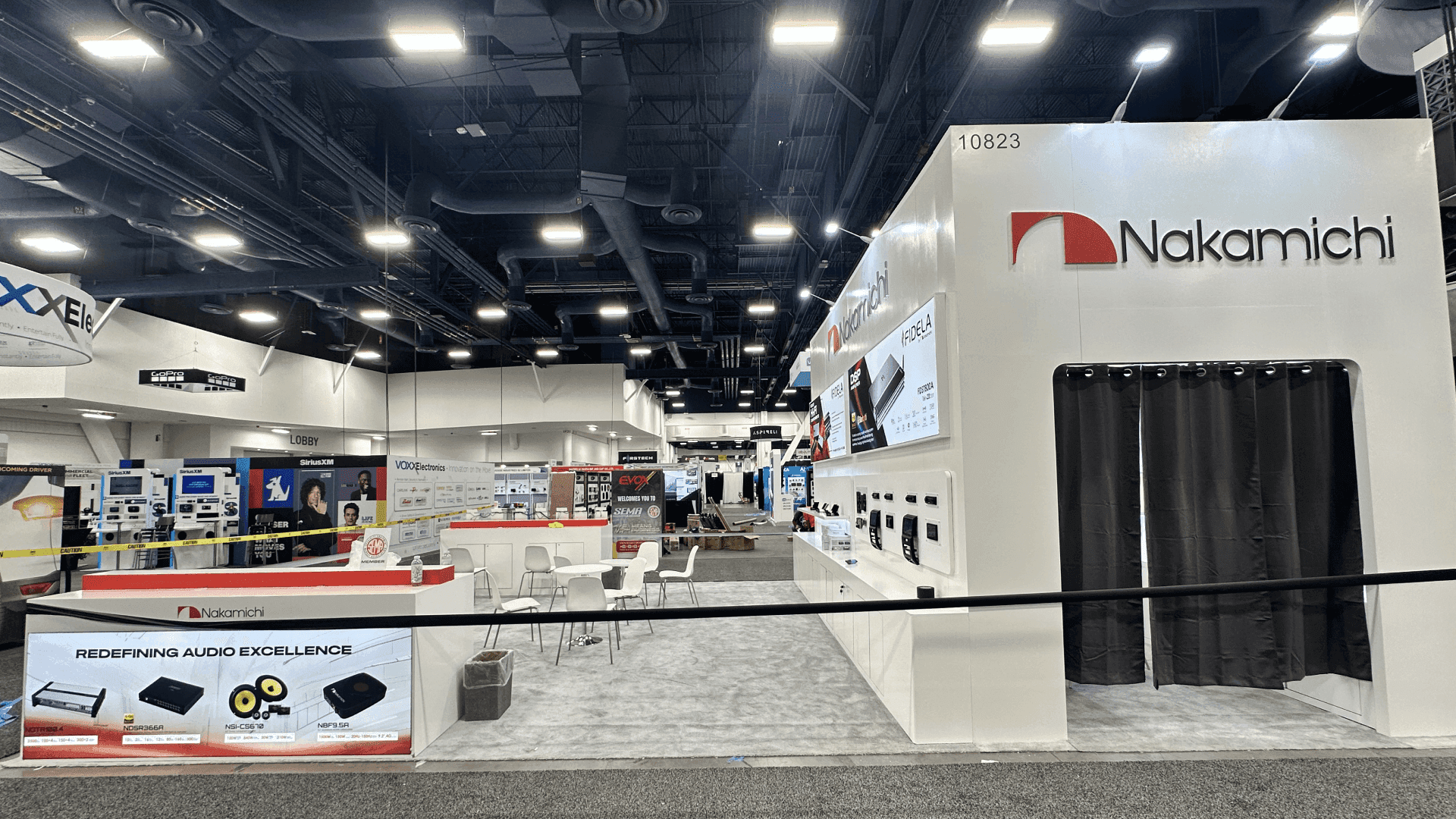
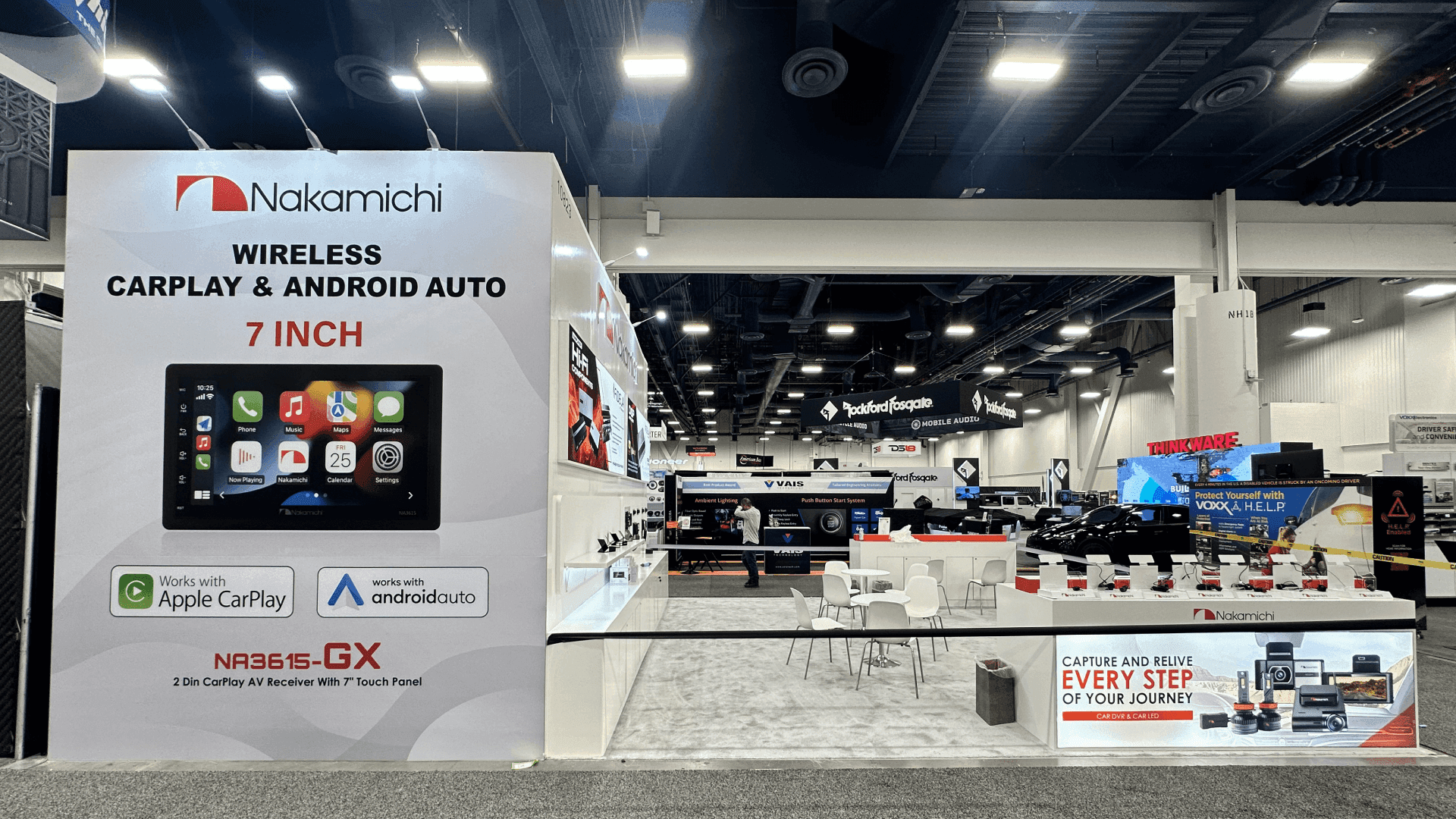

How should exhibitors plan SEMA booth installation at LVCC?
SEMA booth installation at LVCC should follow a coordinated sequence covering freight arrival, drayage, flooring, structure, electrical work, graphics, product staging, and final handoff. Exhibitors should confirm move-in access, vehicle or equipment placement, AV testing, storage, and cleaning requirements before installation begins to avoid delays and ensure opening-day readiness.
SEMA booth installation should follow the approved SEMA Show booth plan, with freight arrival, drayage, flooring, structure, electrical work, graphics, and product placement arranged in a practical sequence. AV testing, storage access, cleaning, and final handoff also need to fit the setup schedule.
At the Las Vegas Convention Center, a 20x20 booth generally has fewer installation dependencies, while 20x30 and 30x40 layouts may involve larger structures, equipment, utilities, and multiple crews. Each footprint needs sufficient working space throughout installation.
Vehicle and equipment displays require additional staging and access planning. Freight timing, crate order, and pre-show logistics coordination should be confirmed before product walls, counters, screens, and lighting restrict installation access.
Why Exhibitors Choose Circle Exhibit
Clear scope, transparent quote review, nationwide booth support, and efficient setup planning for qualified rental and custom exhibit projects.
48hr
Setup Window
10+
Years Since 2014
U.S.
Trade Show Support
Real
Booth Project Proof
Booth size affects freight volume, installation access, utility coordination, and crew scheduling. Larger SEMA exhibits often require more careful sequencing as structures, product displays, and technical services come together.
A 20x20 booth usually involves fewer installation dependencies, but flooring, structure, power, graphics, and product displays still need coordination. Keep access clear for material deliveries, final lighting checks, and cleaning.
A 30x40 SEMA booth may involve large equipment, vehicle access, overhead elements, and multiple installation teams. Coordinate freight delivery and assembly before closing routes needed for major display components.
A 20x30 booth adds coordination between product zones, screens, utilities, graphics, and storage. Stage materials in the order crews need them so completed sections remain accessible for installation and final checks.
Large island exhibits may require multiple freight deliveries, overhead structures, vehicle staging, and coordinated installation crews. Keep access paths open for major equipment before completing graphics, lighting, flooring finishes, and final technical checks.
SEMA installation planning begins with material availability, not simply the freight arrival date. Effective SEMA drayage planning helps coordinate crate delivery, staging, and crew readiness before assembly begins.
Vehicle displays introduce another dependency. Vehicle installation sequencing affects entry routes, floor protection, surrounding structures, and the timing of final product placement. Both requirements should be resolved before the move-in schedule is finalized.
SEMA LVCC booth installation should be planned around how booth materials arrive, how the structure is built, where flooring and electrical work happen, when graphics are installed, how products are staged, and how the final display is checked before handoff. Many exhibitors need freight coordination, drayage planning, product placement, vehicle or equipment access, power checks, AV review, storage setup, graphic alignment, lighting direction, cleaning, and dismantle planning. The goal is to reduce show-site surprises and make the booth ready for visitors before opening.
Plan the installation sequence around freight availability, flooring, electrical work, structural assembly, graphics, and product staging. Confirm which tasks depend on earlier work so crews can complete the booth without blocking access or delaying final checks.
SEMA exhibitors should confirm freight timing, material handling, crate order, product staging, and drayage details early. Poor freight planning can delay booth assembly, graphic installation, product setup, and final handoff.
Graphics, product walls, counters, screens, labels, lighting, and display elements should be installed in the right sequence. Product placement should support the booth story while leaving room for staff movement and final checks.
Final handoff should include structure review, graphic checks, product alignment, lighting direction, power access, AV tests, storage access, cleaning, and staff walkthrough. The booth should be checked from the visitor side, not only from the installer side.
SEMA Show is the parent event for this LVCC booth installation planning page, with a focus on automotive exhibitors preparing move-in, booth setup, freight coordination, drayage, graphics, product placement, and show-site execution.
This page focuses on SEMA LVCC booth installation planning, including booth setup sequence, freight arrival, drayage, flooring, electrical access, graphics, product displays, storage, AV checks, cleaning, and final booth handoff.
20x20, 20x30, 30x40, and large island booths all require different installation planning. Larger SEMA booths usually need more coordination for structure, product zones, power, storage, display placement, and dismantle timing.
Not Sure Which Booth Size You Need?
Not every exhibitor knows whether a 10x20, 20x20, 20x30, or larger booth is the right fit. Circle Exhibit can help review your event goals, product display needs, demo areas, meeting space, storage, budget scope, and setup timeline before you choose a booth size.
Freight and Drayage Delays
Graphics Installed Too Late
1
Confirm the Booth Setup Sequence
2
3
4
SEMA Booth Rental vs Custom Build at LVCC
A Las Vegas booth rental can simplify structural fabrication, but SEMA installation still requires coordinated freight, graphics, utilities, product displays, and final checks. Rental layouts should be evaluated against LVCC access conditions and the exhibitor's actual setup schedule.
Custom Booth Installation
Custom walls, integrated lighting, special counters, overhead branding, large equipment, and vehicle-related displays usually create more dependencies between fabrication, freight, labor, utilities, and final placement.
Hybrid SEMA Booths
Some exhibits combine rental structure with custom graphics, product walls, displays, and lighting. Installation planning should focus on where the standardized structure ends and the show-specific elements begin.
Confirm the assigned move-in schedule, freight arrangements, crate order, and contractor responsibilities before materials arrive. Review current LVCC and SEMA requirements to identify installation dependencies and avoid unnecessary staging delays.
Installation should follow the final booth plan so product walls, counters, screens, equipment, storage, and visitor paths stay aligned with the approved design.
Maintain clear access for vehicles, equipment, and oversized product fixtures until they reach their final positions. Delay surrounding counters, walls, or delicate finishes when they could restrict installation routes.
Before handoff, review graphics, lighting, product placement, screen content, storage access, and visitor flow from the aisle—not only from inside the booth.
For broader SEMA booth setup planning, exhibitors can review SEMA booth planning, prepare show-site execution with on-site installation and dismantle support, coordinate freight and drayage through logistics and pre-show coordination, and connect the full booth plan with Las Vegas trade show booth design and build.
Need a SEMA booth rental with LVCC setup support?
A rental booth can support SEMA exhibitors who need branded graphics, counters, lighting, product display areas, storage, and show-site installation support at LVCC. It can be a practical option when exhibitors need a professional booth structure with a clear setup and handoff plan.
What is SEMA LVCC booth installation planning?
SEMA LVCC booth installation planning focuses on how a booth will be delivered, built, wired, staged, checked, and handed off at the Las Vegas Convention Center. It includes freight, drayage, flooring, structure, graphics, product placement, electrical checks, AV review, cleaning, and dismantle planning.
When should exhibitors plan SEMA booth installation?
What affects booth setup time at SEMA?
Do rental booths still need installation planning?
What should exhibitors check before accepting a finished SEMA booth?
READY TO PLAN YOUR NEXT BOOTH?
Let’s Build a Booth That Fits Your Event
Share your event name, booth size, city, timeline, product display needs, and design references. Circle Exhibit will review your project direction and help you choose a rental-friendly or custom exhibit path.
3000+
Booth Projects Supported
50+
U.S. Event Cities
Transparent
Quote Review
Review the main SEMA Show booth planning page for exhibitor preparation, automotive display needs, booth setup, and Las Vegas execution context.
Plan booth assembly, product placement, final checks, dismantle responsibilities, and show-site handoff for SEMA booths.
Coordinate freight timing, drayage, move-in details, material handling, and setup preparation before SEMA installation begins.
For larger SEMA exhibits where booth footprint, vehicle or equipment zones, meetings, storage, and installation complexity need to be planned together.
For exhibits where vehicle access, placement, sightlines, and surrounding product displays affect the setup plan.