


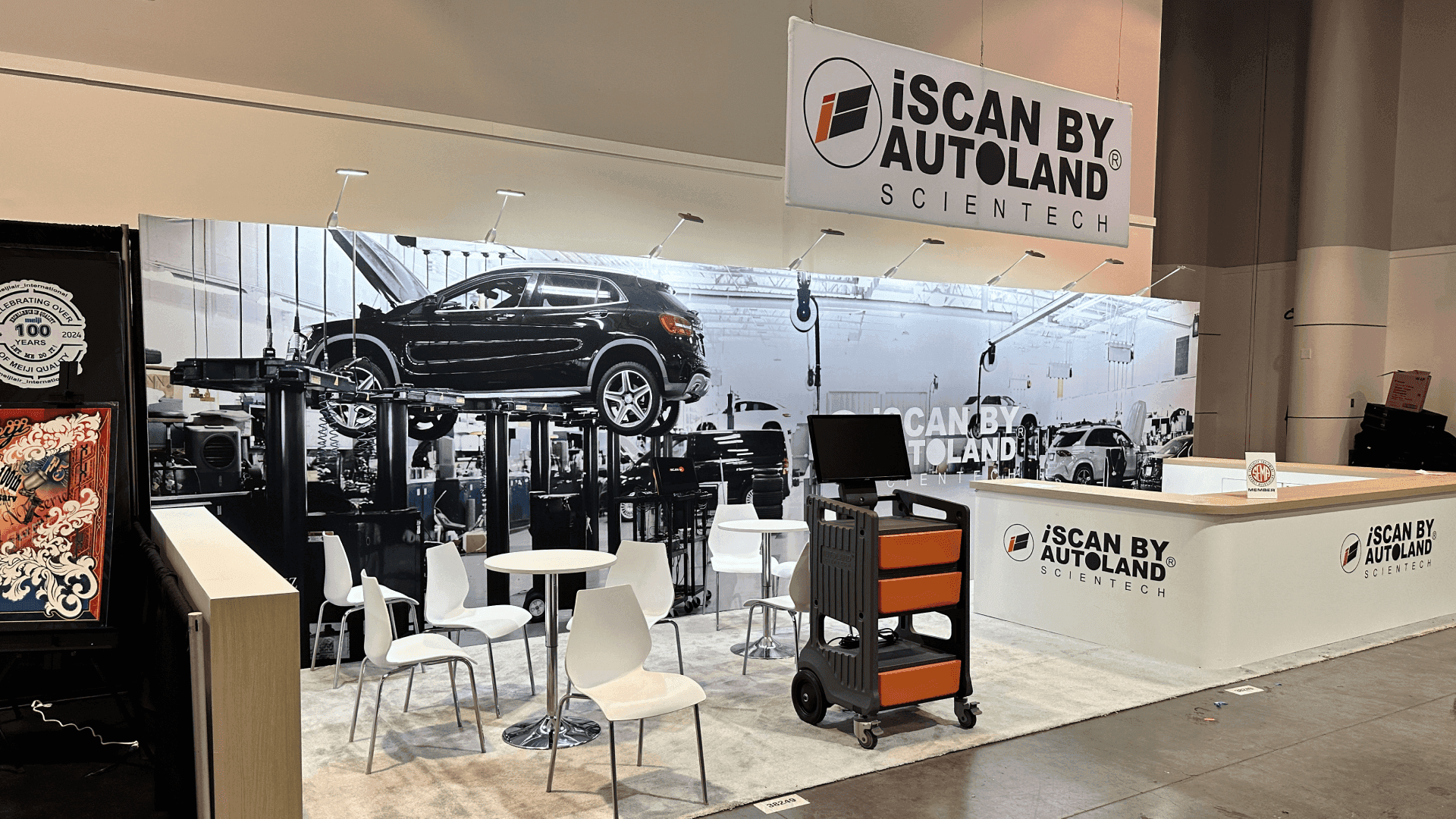

What should automotive exhibitors plan before building a Las Vegas trade show booth?
Automotive exhibitors should plan booth size, vehicle or equipment placement, product demo areas, graphics visibility, storage, power needs, freight timing, and installation sequence before production starts. A strong automotive trade show booth should make the vehicle, parts, tools, accessories, or technology easy to understand from the aisle without blocking visitor flow.
Automotive Trade Show Booth Design Needs
Automotive booths often need more planning than a standard product display. A vehicle, equipment sample, car audio wall, tool display, or aftermarket parts counter can quickly take over the booth if the layout is not planned around visitor movement, staff access, and show-site setup.
Las Vegas Automotive Trade Shows and Booth Planning Links
Las Vegas automotive booth planning is usually shaped by the event, venue, product type, and booth footprint. A SEMA vehicle display booth, an AAPEX aftermarket product booth, and a CES vehicle technology booth may all need different layouts, graphics, demo zones, and installation planning.


Automotive Exhibit Booth Features That Affect Planning
Automotive trade show booths should be planned around what visitors need to see first. Some booths are built around a full vehicle. Others focus on parts, electronics, tools, displays, software, or hands-on product demos. The booth should make that priority obvious.
Vehicle or Large Product Placement
Plan the primary display first. A vehicle, equipment unit, wheel wall, or large product sample affects aisle access, photo angles, staff position, lighting, and flooring.
Aftermarket Product Display
Parts, tools, audio systems, lighting products, interior accessories, and repair equipment need organized product zones so visitors can understand the line without searching through clutter.
Screen and Demo Explanation
Screens can help explain compatibility, performance, installation steps, or product benefits. They should support staff conversations, not replace them.
Storage and Staff Movement
Automotive booths often need hidden space for samples, packaging, bags, tools, giveaways, and staff items. Storage should be planned early so the booth stays clean during show hours.
Show-Site Setup Sequence
Flooring, structure, graphics, counters, screens, lighting, products, and vehicles should arrive and install in a clear sequence. Poor sequencing can create delays during move-in.
Graphics and Brand Presentation for Automotive Trade Show Booths
Automotive booth graphics should explain the product category quickly from the aisle. A visitor should understand whether the booth is about performance parts, vehicle technology, car audio, repair tools, accessories, service equipment, or aftermarket components before entering the space.
Strong booth graphics usually include a clear headline, product visuals, compatibility cues, demo labels, backwall graphics, lightboxes, screen content, and visible brand marks. For larger SEMA or vehicle display booths, graphics should be planned by viewing angle so the main message works from more than one aisle.
For production-ready booth graphics, backwalls, lightboxes, and brand surfaces, review Circle Exhibit’s graphics and brand presentation support.
Las Vegas Venue and Booth Setup Notes
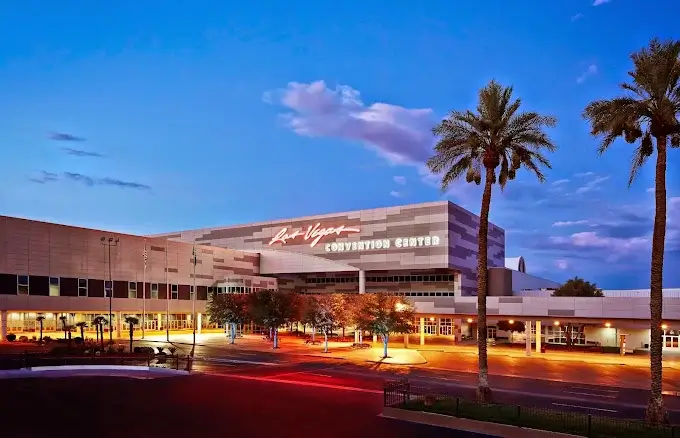
Automotive trade show booths in Las Vegas need practical show-site planning. At large venues such as LVCC, booth setup may involve freight timing, crate handling, flooring, electrical, hanging sign coordination, lighting, product placement, screen setup, and final graphics checks.
For automotive exhibitors, the most important planning question is not only what the booth looks like. It is whether the booth can be built, stocked, cleaned, staffed, and opened on time without blocking visitor flow or hiding the main product message.
LVCC planning:
Useful for SEMA, CES vehicle technology exhibits, large island booths, vehicle displays, and equipment-heavy exhibits.

Aftermarket product planning:
Useful for AAPEX-style booths where product categories, repair tools, diagnostic equipment, replacement parts, and buyer conversations need clear booth zoning.

Installation planning:
Useful when the booth includes heavy materials, product walls, screens, lighting, flooring, hanging signs, or a staged move-in schedule.
For freight timing, move-in coordination, labor planning, and show-site readiness, review Circle Exhibit’s logistics and pre-show coordination and on-site installation and dismantle support for Las Vegas automotive trade show booths.
Automotive Booth Project References
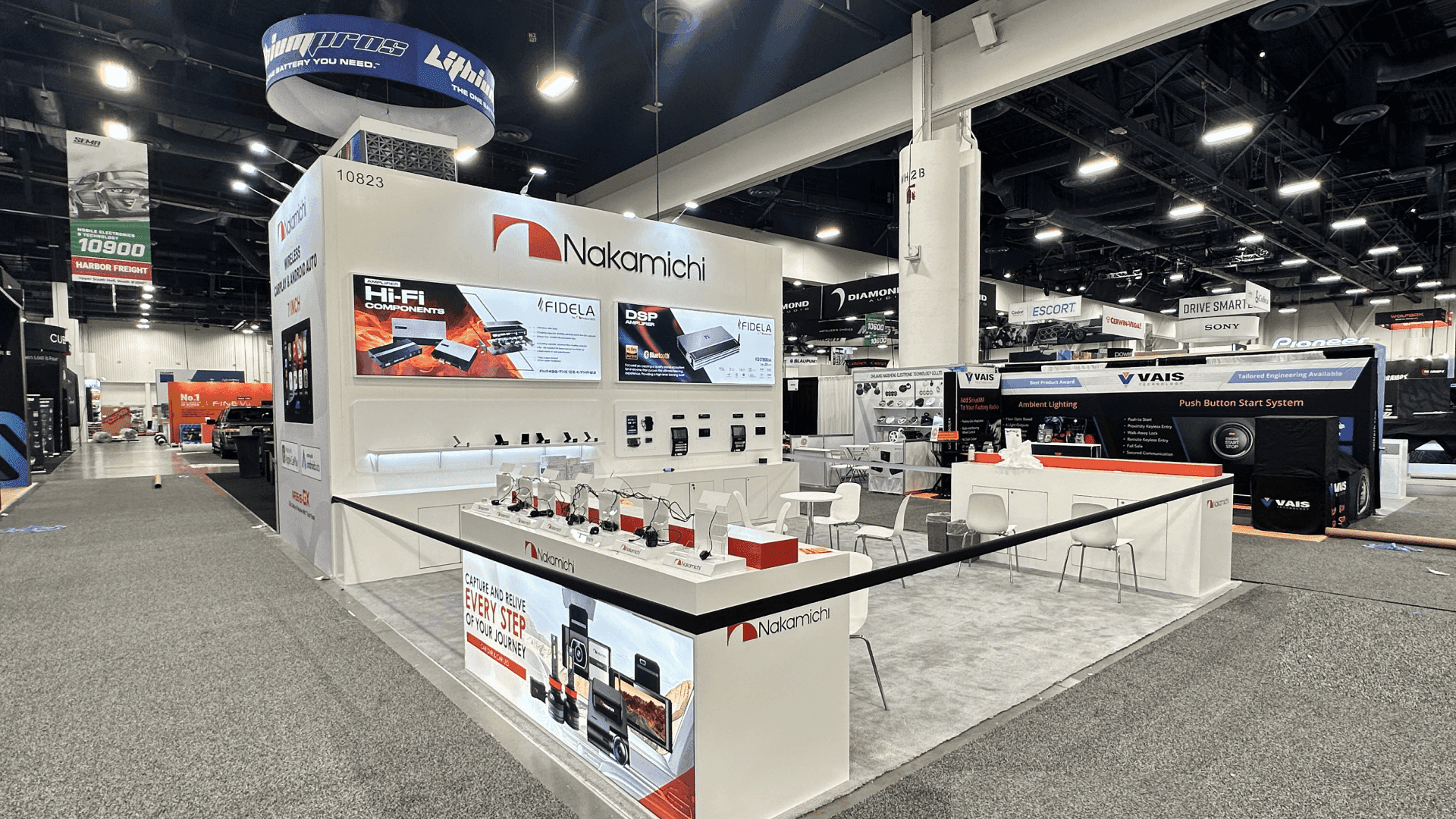
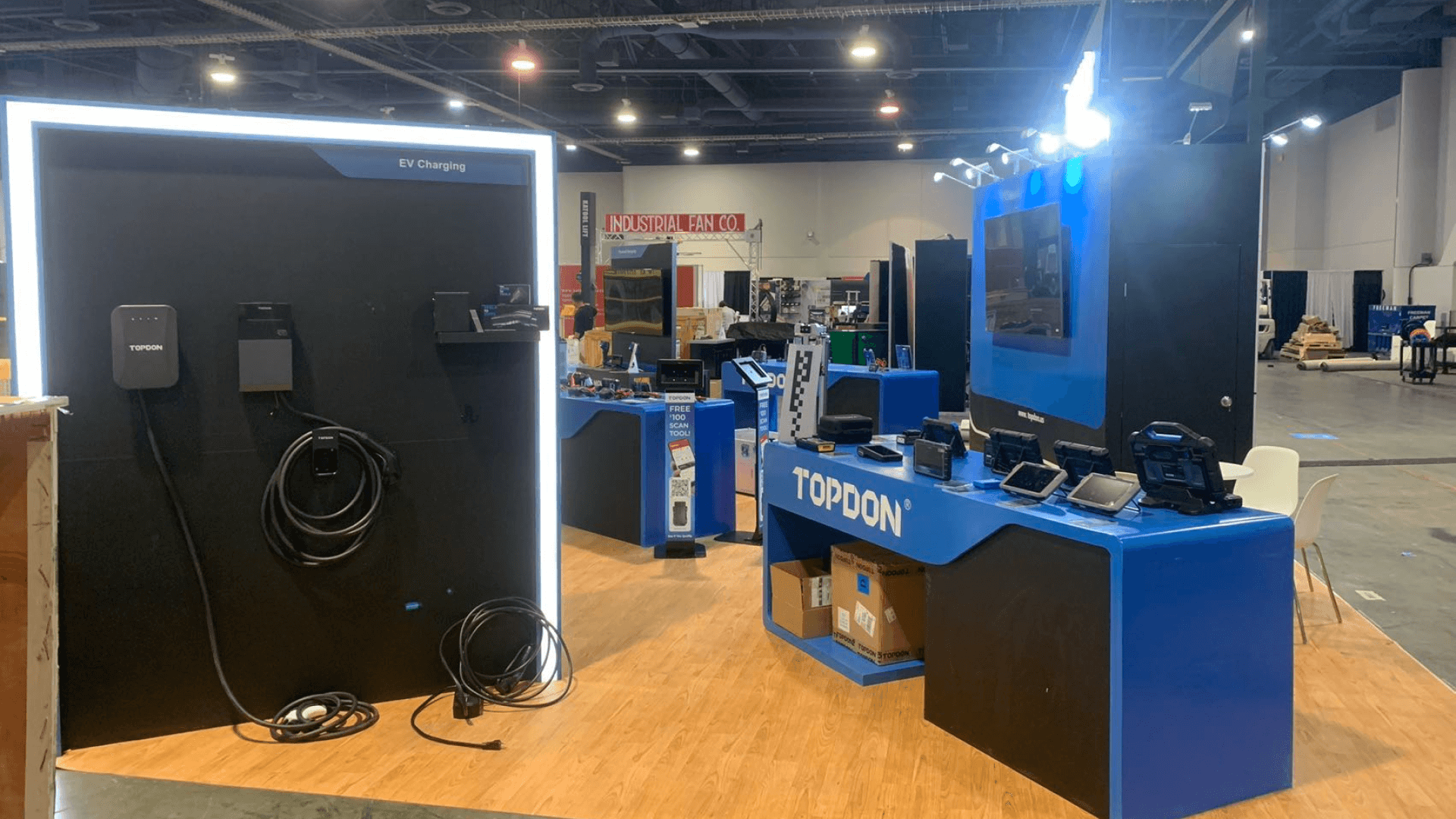
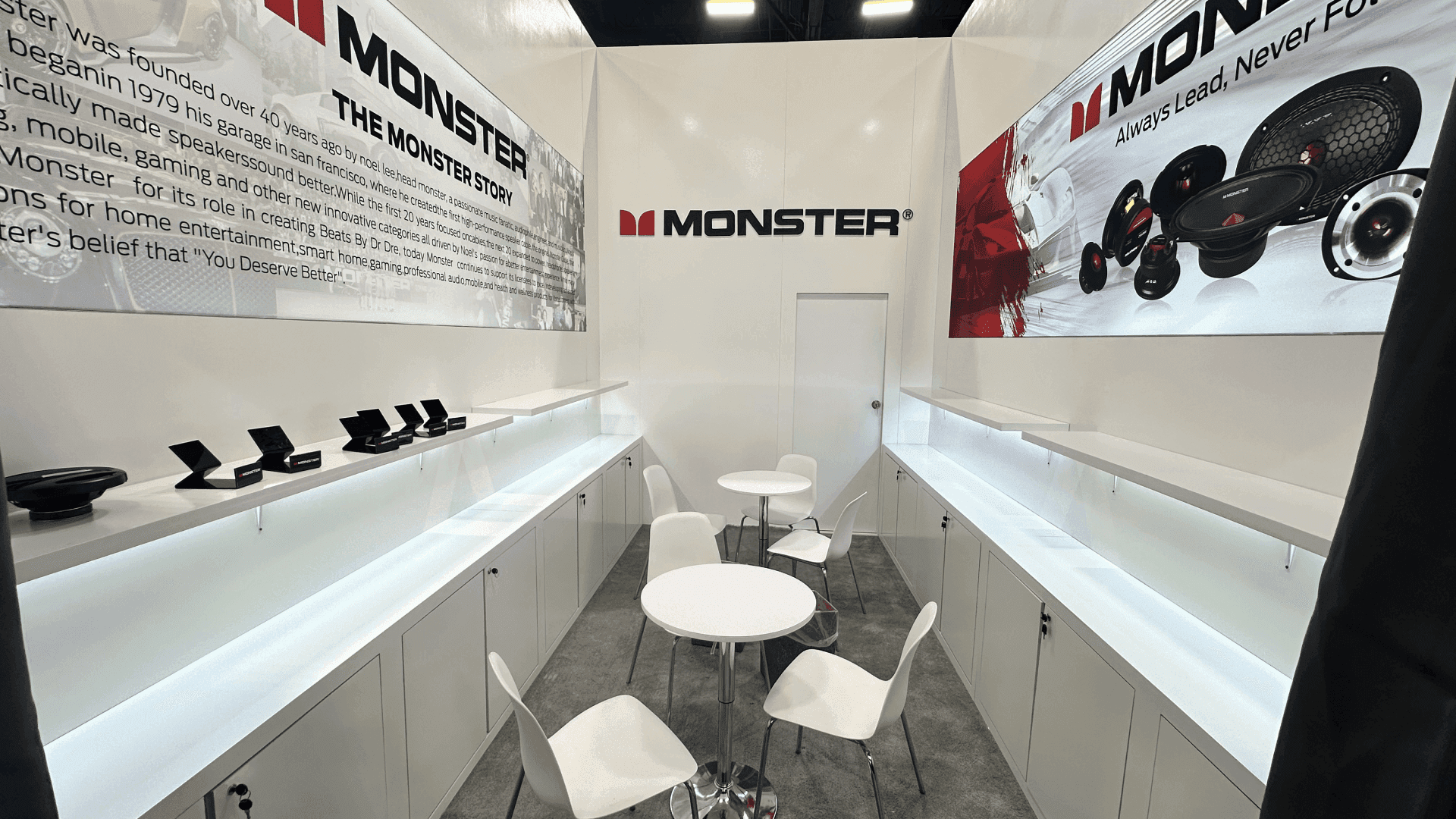
Real booth photos help automotive exhibitors understand how product display, vehicle presence, demo counters, meeting space, overhead branding, graphics, and visitor flow work on the show floor. These references show how booth size and product type affect layout decisions.
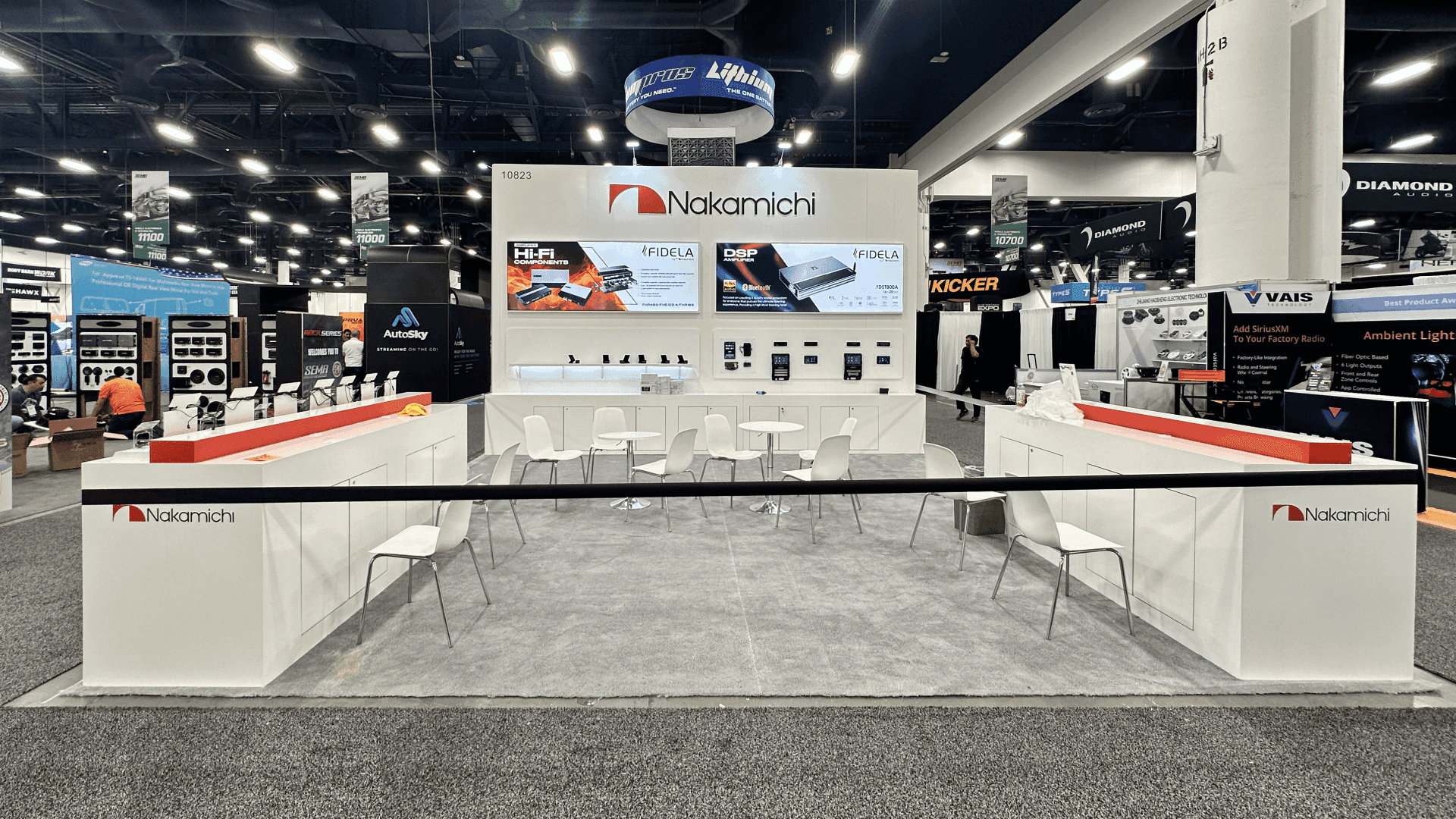
Nakamichi SEMA Show 2024 20x20 Car Audio Booth
A 20x20 SEMA booth showing how a compact automotive electronics exhibit can use product displays, screen graphics, counters, storage, and open visitor flow for car audio conversations.
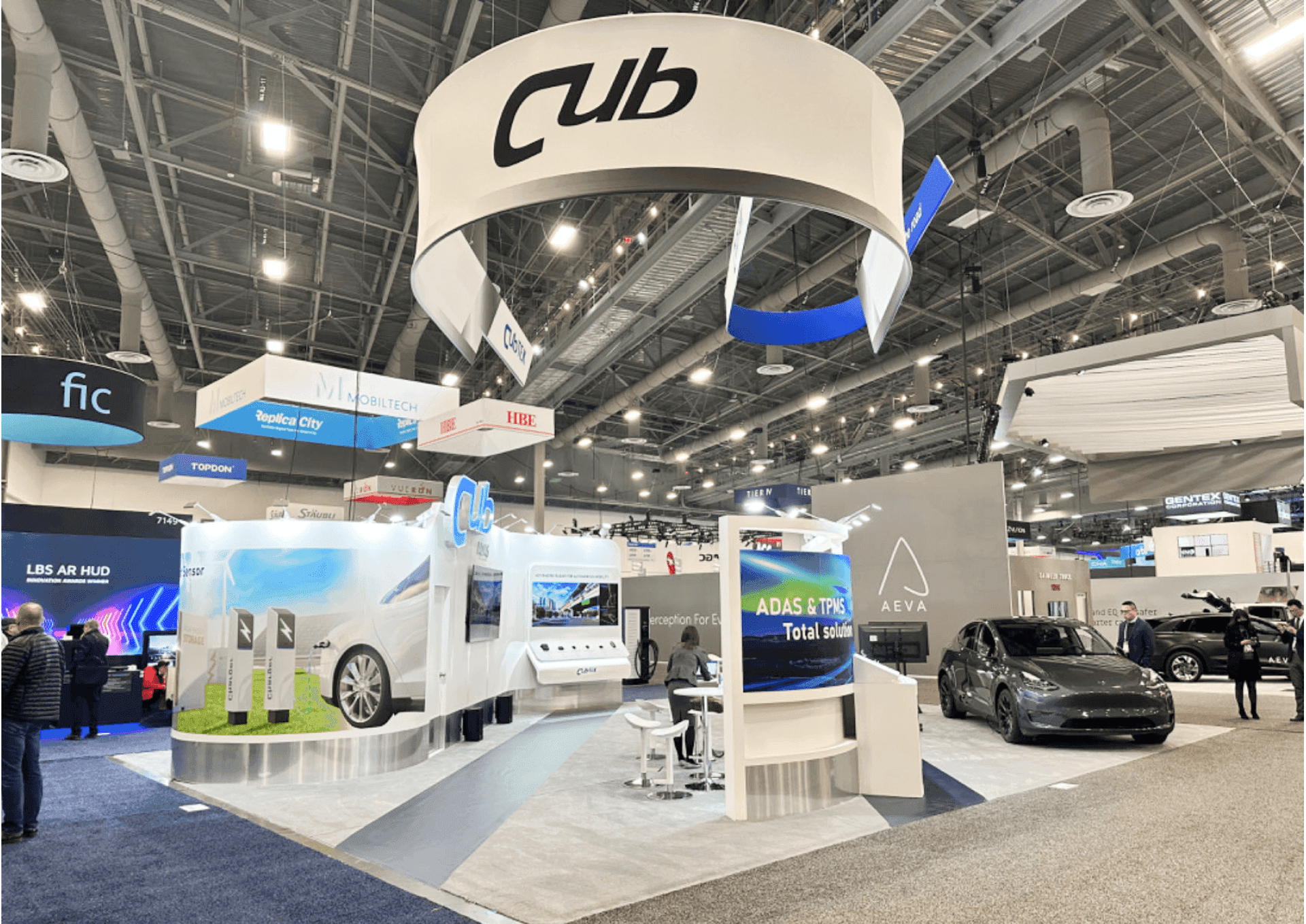
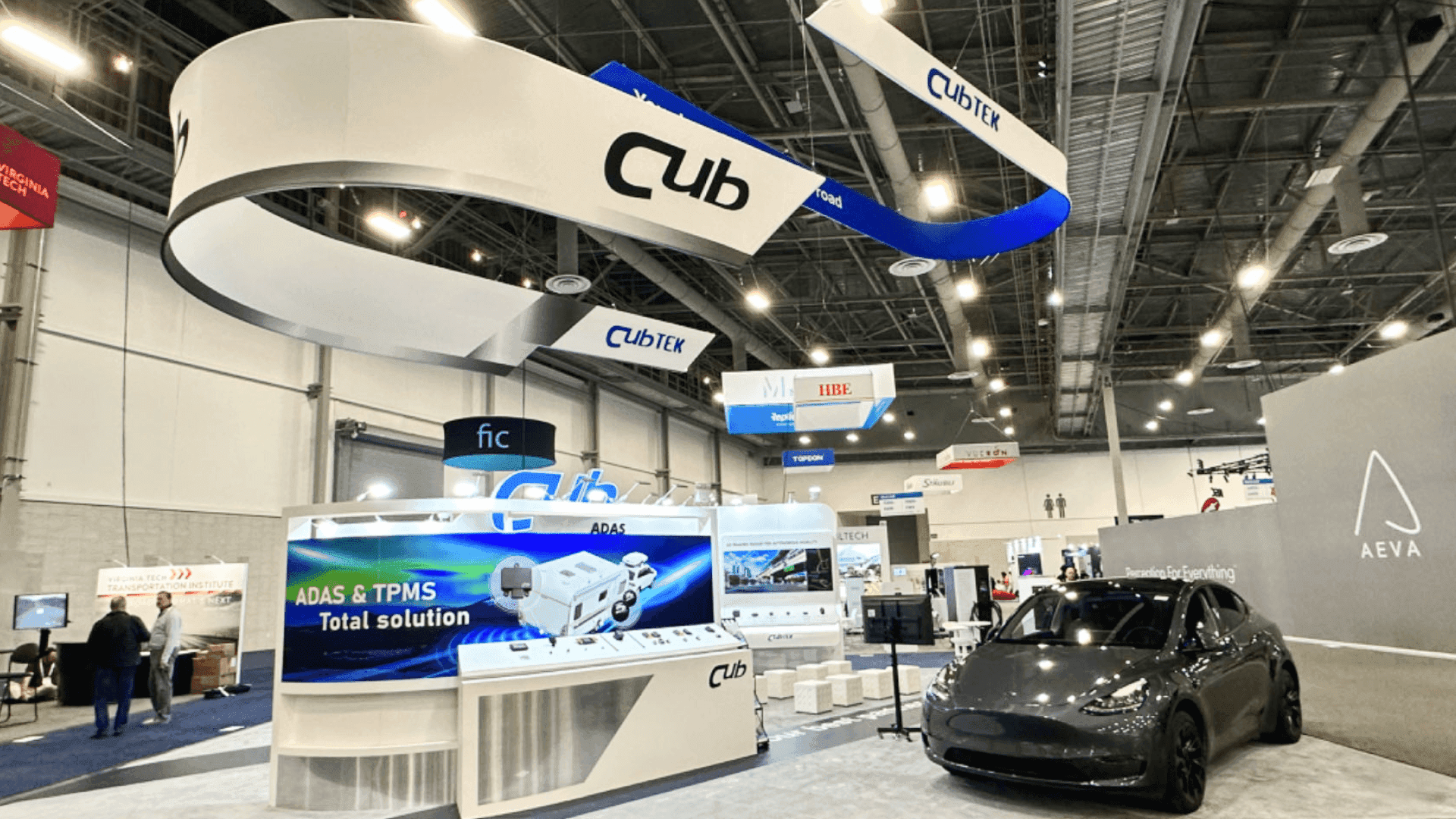
CubTek CES 2024 Vehicle Technology Booth
A vehicle technology booth with ADAS and TPMS messaging, screen-led product explanation, branded structure, and a vehicle display area for technical product conversations.
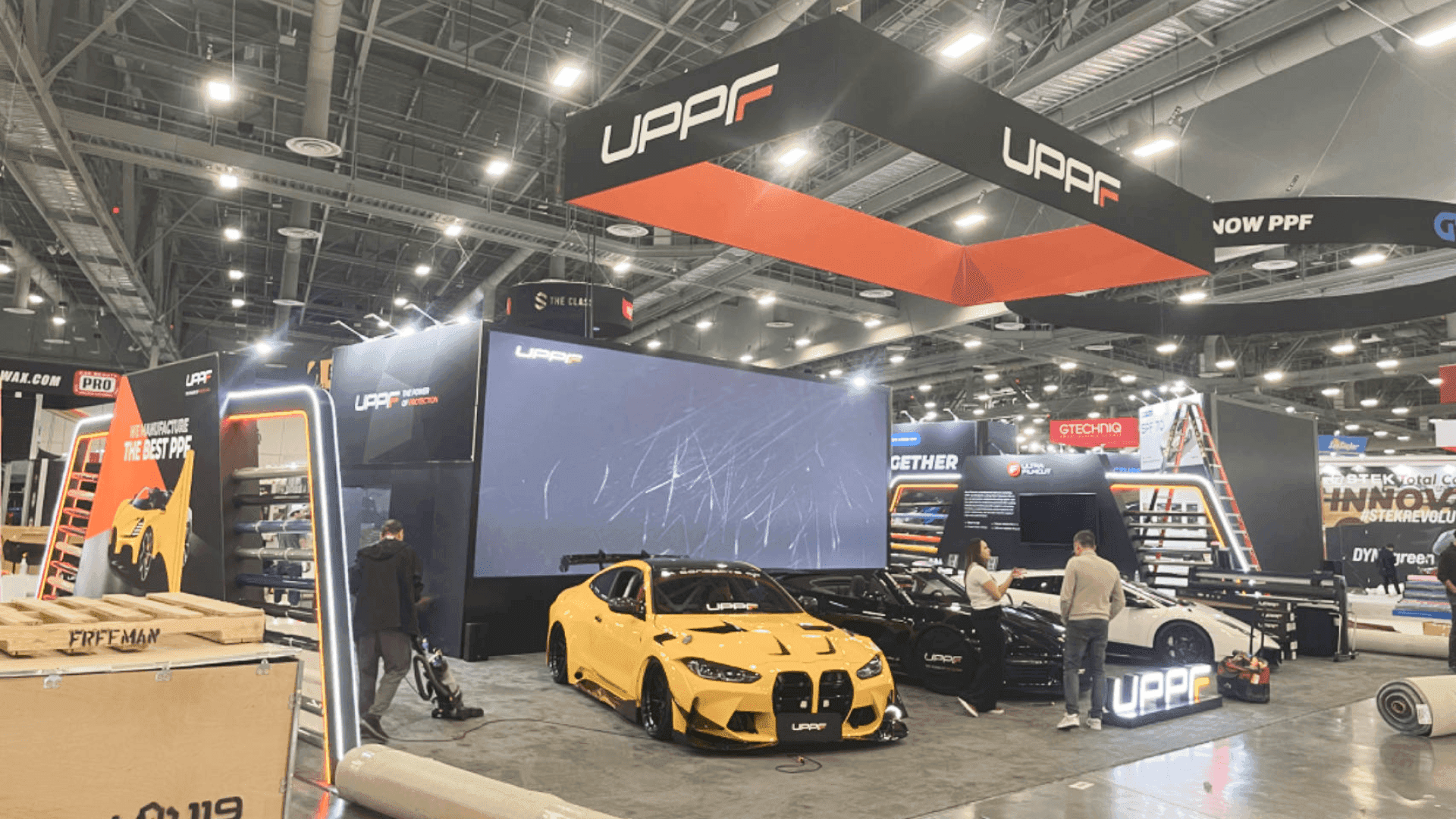
SEMA Vehicle and Equipment Display Booth
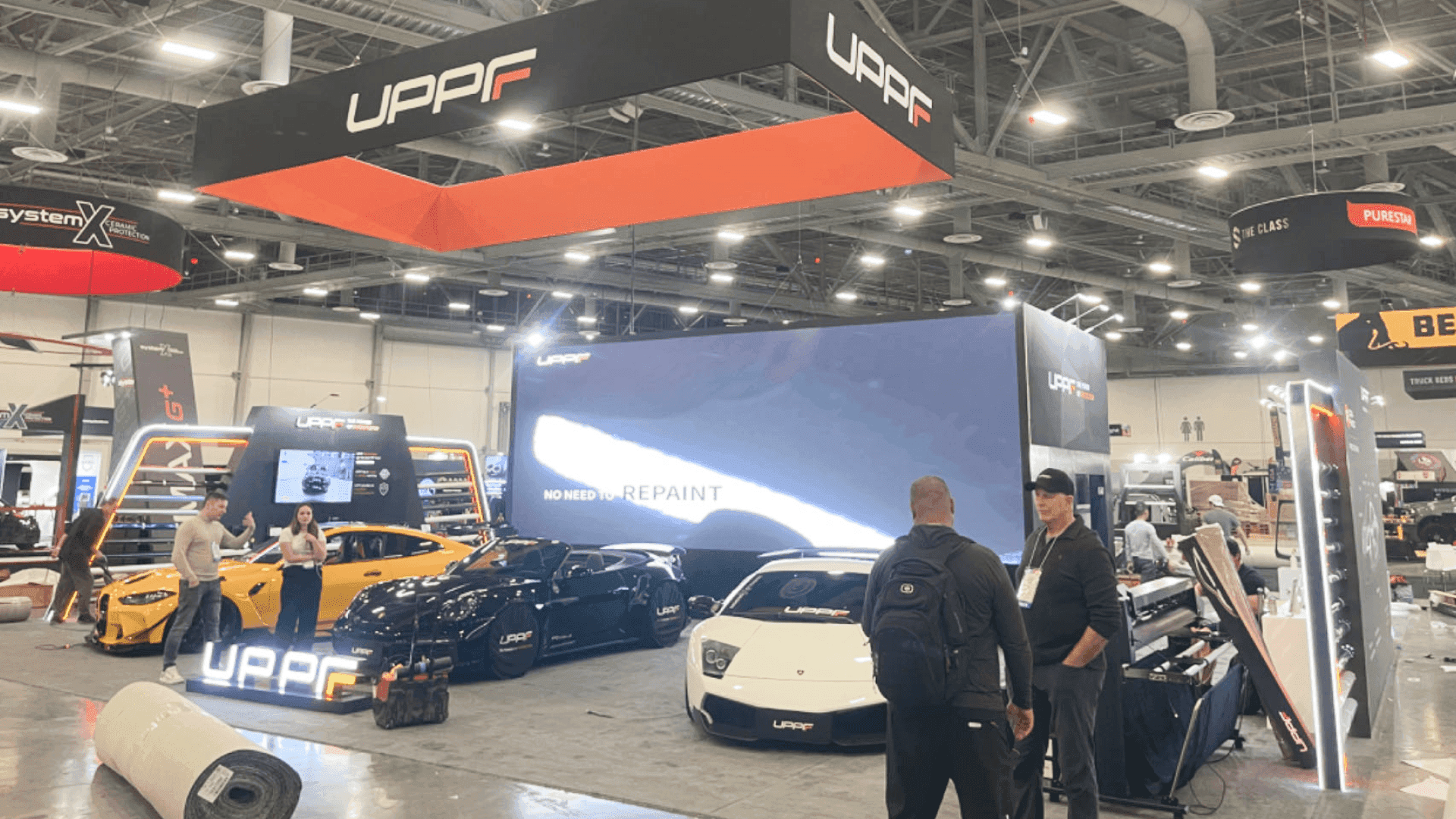
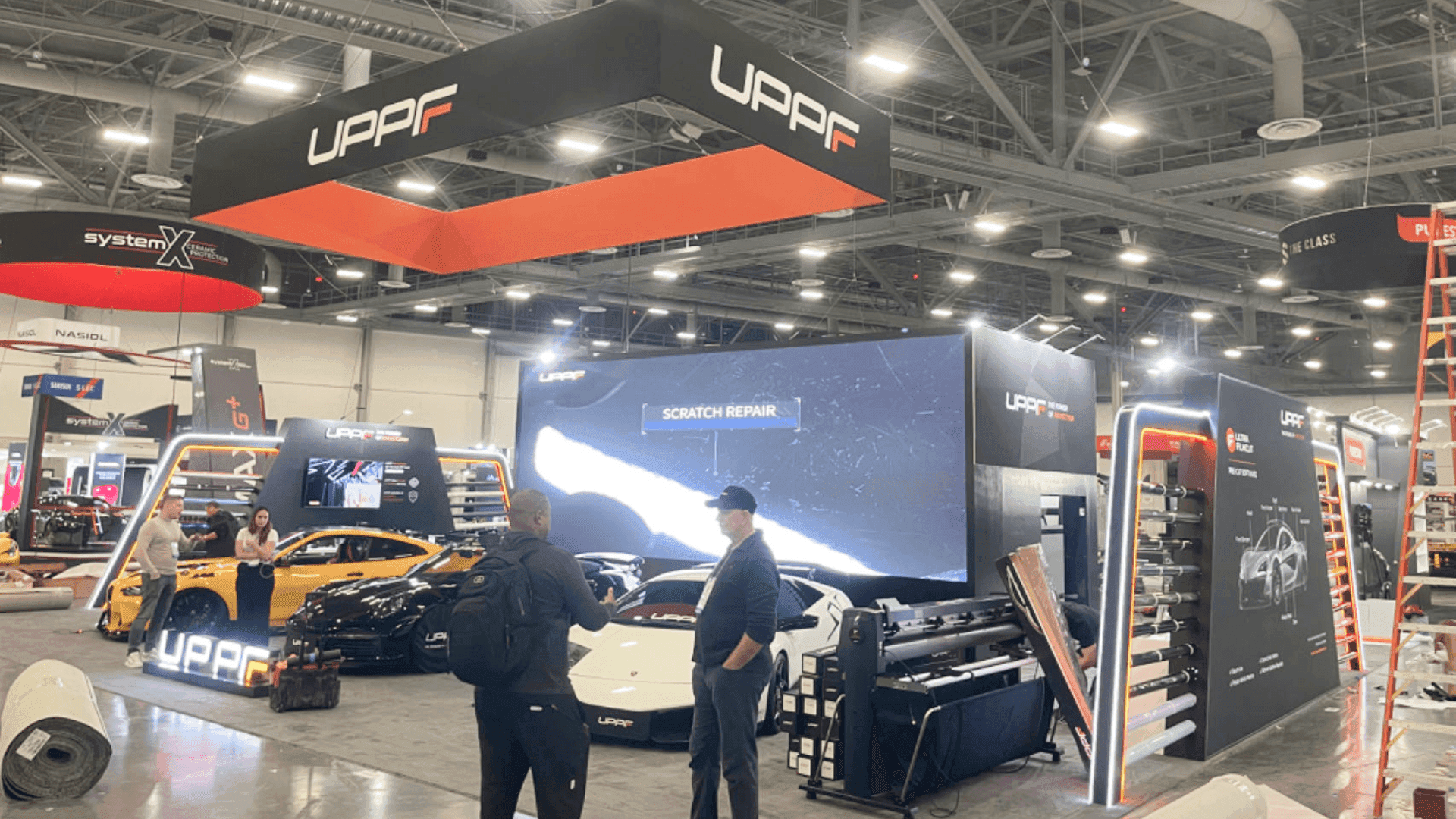
A vehicle and equipment display booth reference showing how automotive exhibitors can balance large product visibility, branded graphics, demo space, and show-floor movement.

30x40 Automotive Large Island Booth Reference
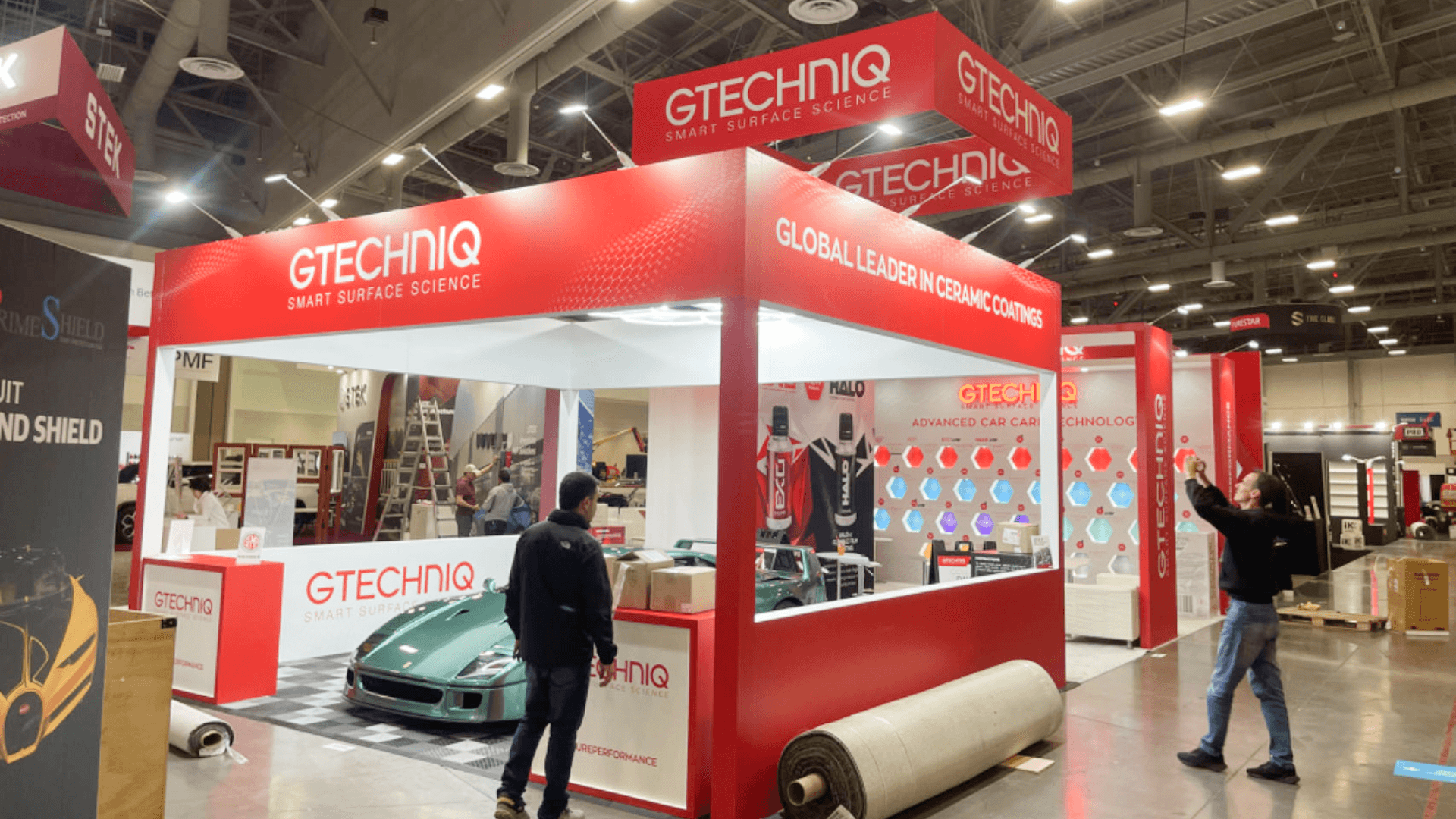
A larger island booth format for automotive exhibitors that need stronger brand presence, multiple product zones, meeting space, storage, and more controlled visitor flow.
Plan an Automotive Trade Show Booth Around the Event
Automotive booth planning should start with the event and product goal. A booth for a vehicle display, aftermarket parts line, repair tool launch, car audio demo, or connected vehicle technology exhibit will not use the same layout.
Define the Main Product Priority
Decide whether the booth should focus on a vehicle, product wall, demo counter, equipment display, software screen, buyer meeting area, or brand visibility.
Choose the Right Booth Size
Use a smaller booth for focused products and a larger island booth when the exhibit needs vehicles, multiple demos, overhead branding, storage, or meeting areas.
Map Visitor Flow Before Graphics
Plan where people enter, stop, view products, talk with staff, scan badges, and leave. Then place graphics and screens around that movement.
Confirm Freight and Installation Requirements
Automotive booths often involve larger crates, product samples, flooring, lights, screens, and heavier materials. Confirm the move-in plan before final production.
Prepare the Booth for Show Hours
Plan storage, staff positions, product restocking, cleaning, lead capture, and end-of-day reset so the booth stays organized during the event.
If your automotive booth requires a custom structure, vehicle display area, product walls, overhead branding, or more complex show-site execution, review Circle Exhibit’s Las Vegas trade show booth builder support before finalizing the booth plan.
FAQs
Quick clarity on scope, timeline, and execution workflow
What are the main automotive trade show booth planning needs in Las Vegas?
Automotive exhibitors usually need to plan booth size, vehicle or product placement, demo counters, screen content, branded graphics, storage, freight timing, power, lighting, and show-site installation. The booth should make the main product easy to understand from the aisle.
Which booth size works best for automotive trade shows?
Can automotive exhibitors use a rental booth?
What should automotive exhibitors plan for a vehicle display booth?
How early should automotive exhibitors start booth planning?
Planning an Automotive Trade Show Booth in Las Vegas?
Share your show name, booth size, product type, vehicle or equipment display needs, graphics requirements, storage needs, and installation timeline. Circle Exhibit can help plan an automotive trade show booth that is clear, practical, and ready for the Las Vegas show floor.