
SEMA BOOTH Projects for Vehicle Displays and Aftermarket Brands
Explore real SEMA booth projects built around hero vehicle visibility, aftermarket product presentation, branded display walls, and clear visitor movement on the Las Vegas show floor.
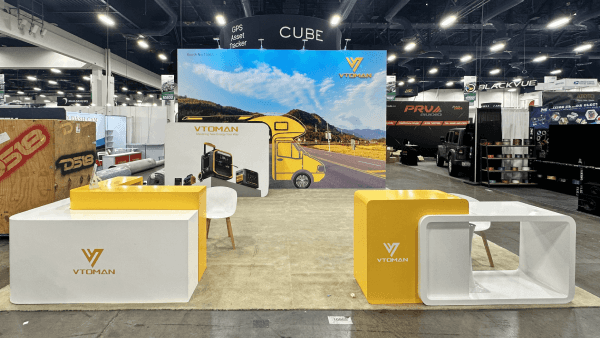
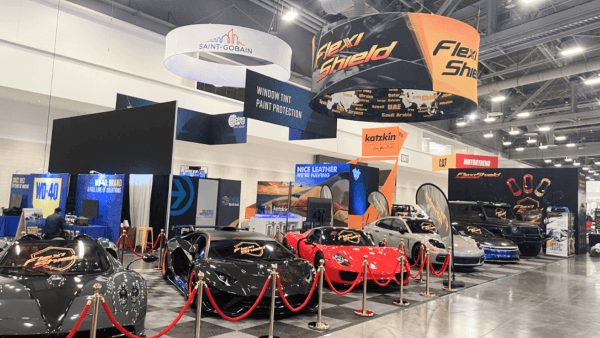
SEMA booth projects usually need more than a strong structure. Many of them have to balance vehicle sightlines, product visibility, large-format branding, aisle-facing presentation, and booth flow within the same footprint. Across past projects, Circle Exhibit teams have worked on SEMA booths shaped around different sizes, different display priorities, and different show-floor goals, from compact aftermarket product environments to larger layouts organized around featured vehicles and open visitor access.
What Makes SEMA Booth Projects Different
For exhibitors preparing for this kind of automotive trade show environment, the booth has to do more than look polished. It needs to support display presence, movement, and installation logic at the same time, especially in spaces where booth scale, freight handling, and sightlines matter. For a broader view of show-specific planning, timelines, and booth strategy, see our SEMA booth planning support. This is also where a Las Vegas trade show booth builder becomes part of the planning process rather than just the final build partner.
Featured SEMA Booth Types
Hero Vehicle Booths
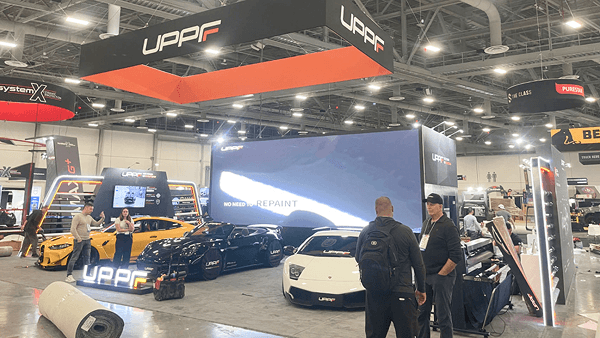
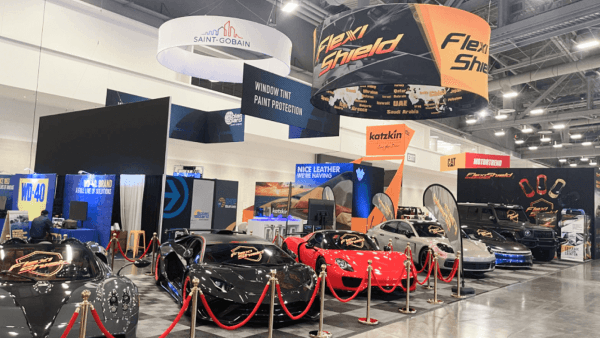
Booths in this group are built around a featured vehicle or major display object. The layout usually gives priority to front-facing visibility, open circulation, and a clean branded backdrop that supports the main display rather than competing with it.
Aftermarket Product Wall Booths
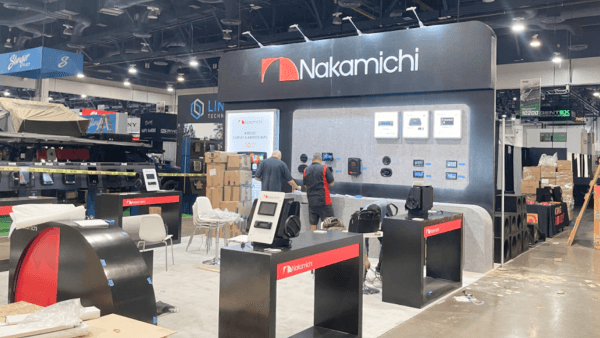
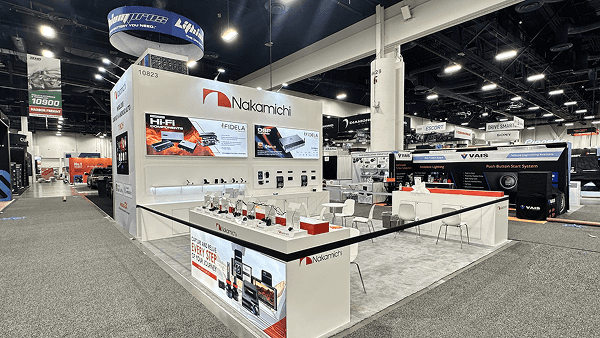
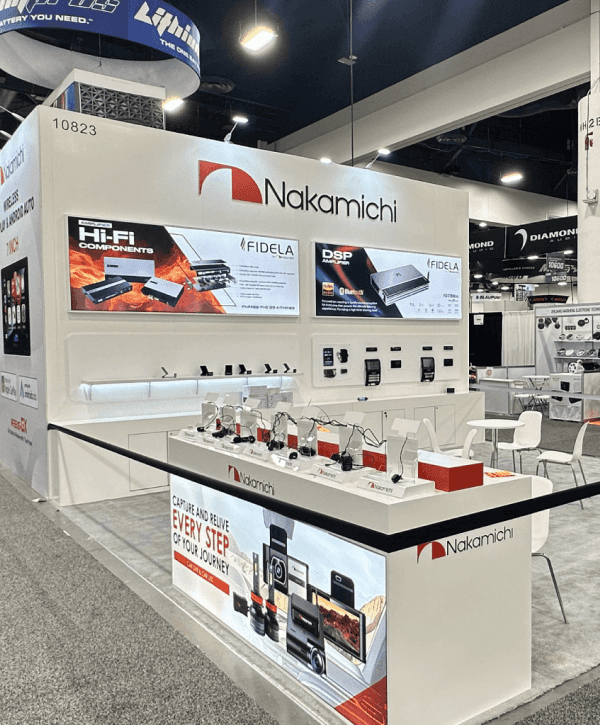
These projects focus more on parts, accessories, and supporting product presentation. They often use stronger wall hierarchy, product grouping, and cleaner aisle-facing messaging to help visitors understand the category faster.
Large Island Booths for High-Traffic Visibility
Larger SEMA booths are often organized for stronger show-floor presence. These layouts usually combine open display access, broader branded surfaces, and more flexible space for conversation without weakening the impact of the main presentation area.
Selected SEMA Project Highlights
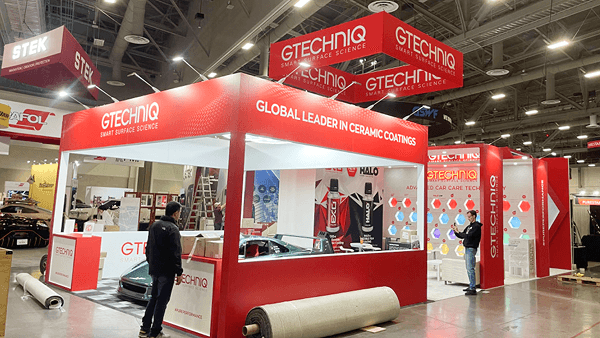
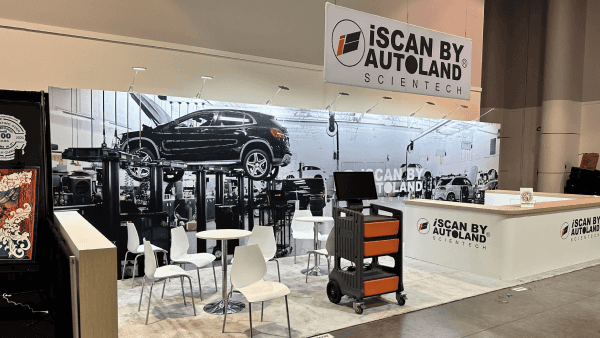
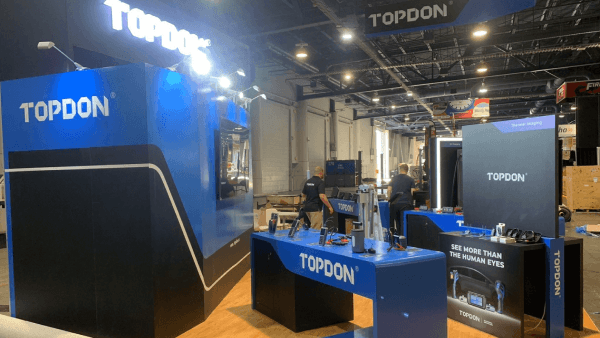
The projects below reflect several layout directions that appear repeatedly across SEMA booth work: vehicle-led display environments, aftermarket product presentation built around wall systems and branded graphics, and larger footprints designed for stronger aisle visibility and booth movement.
These projects do not represent one booth formula. Instead, they reflect several recurring spatial patterns seen at SEMA: stronger featured display presence, clearer aftermarket product hierarchy, and booth layouts that allow visibility, movement, and conversation to work together.

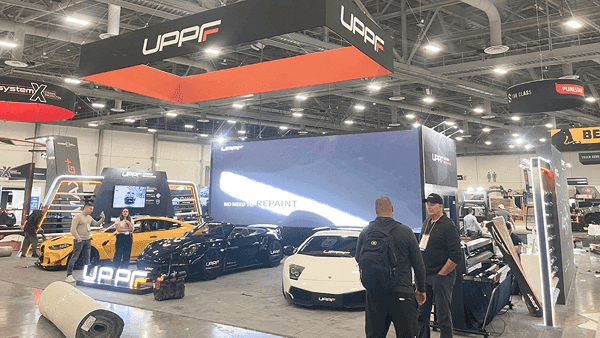
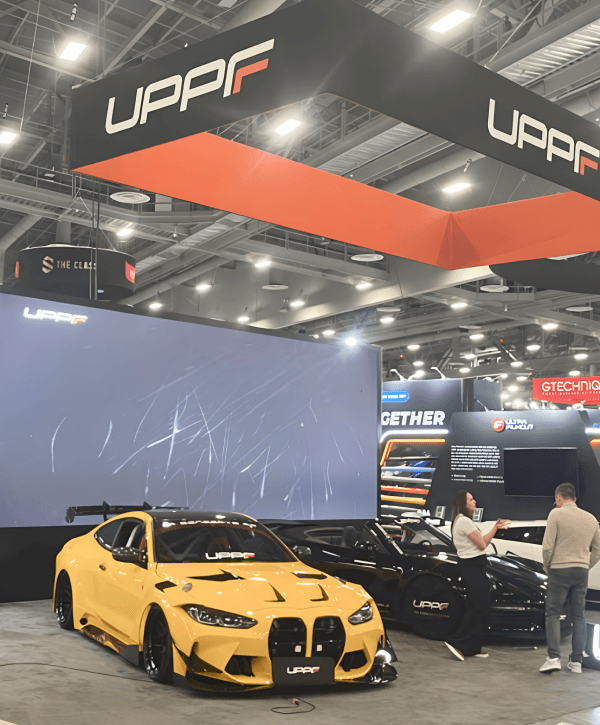
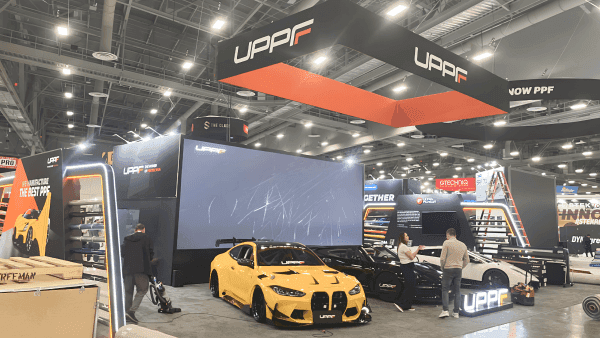
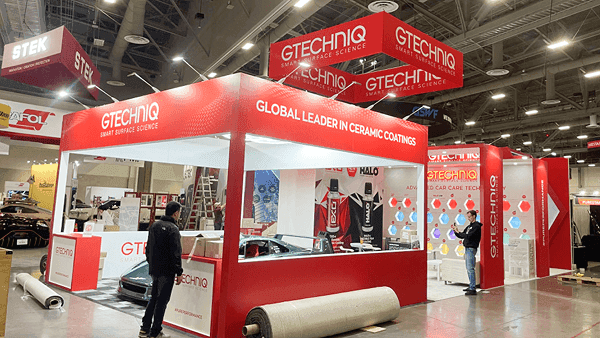
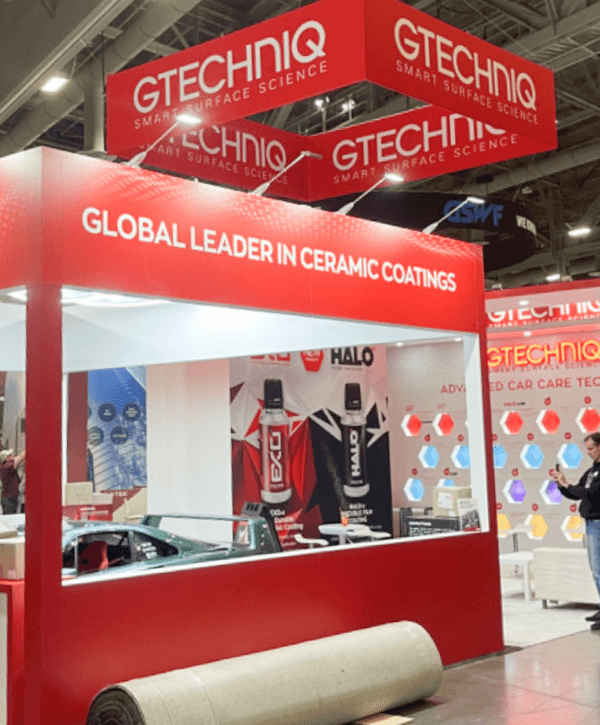
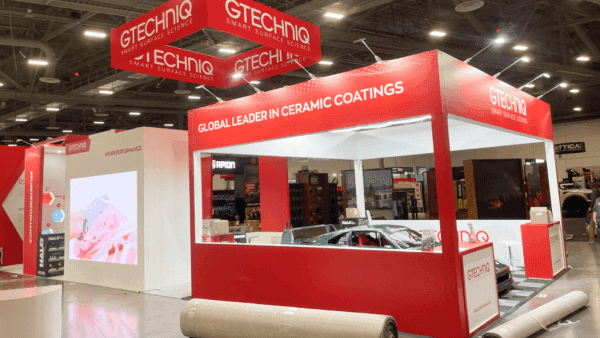

20x20 SEMA Projects
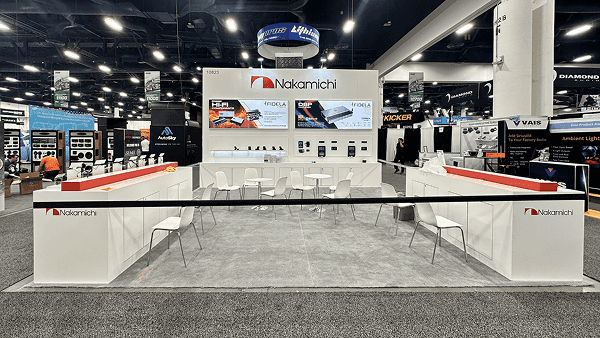
20x20 booths at SEMA are often used when exhibitors need focused aftermarket product visibility, cleaner branded messaging, and direct aisle-facing presentation within a compact space. This size works well when the booth needs to support product walls, category clarity, and short buyer conversations without overbuilding the footprint. See how this format connects to a 20x20 trade show booth planned for stronger automotive presentation.
20x30 SEMA Projects
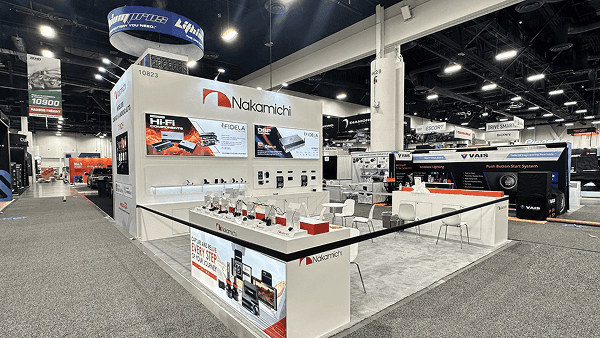
20x30 booths at SEMA are often used when exhibitors need more separation between the display area, branded wall systems, and conversation space. This size supports clearer movement and a stronger visual hierarchy, which makes it useful for layouts that need both featured presentation and more structured circulation. Explore how this relates to a 20x30 trade show booth used for organized display flow.
Larger SEMA Booth Formats
Larger booth formats at SEMA are usually shaped around vehicle display, wider visitor access, and stronger aisle visibility. These layouts often require broader branded surfaces, better spacing around the main display object, and more careful staging before the show opens. That same planning logic often appears in a 30x40 trade show booth designed for higher-impact automotive exhibits.

What Repeats Across SEMA Booth Execution
Vehicle visibility drives layout decisions
Many SEMA booths are built around a hero object that needs to be understood immediately from the aisle. That changes how the booth opens, where the main branded surfaces sit, and how supporting products are arranged around the center of attention.
Product walls work best when they support the main display
Aftermarket parts and accessories often need more than shelf space. Across SEMA projects, product walls usually perform better when they reinforce the booth story, help visitors read the category faster, and stay visually secondary to the main display.
Freight and staging matter more in automotive booths
SEMA projects often involve larger objects, heavier display components, or more staging pressure before final presentation. That is why booth planning needs to account for movement, setup order, and show-floor readiness before the visual finish of the booth can fully come together.
LVCC West Hall visibility is not the same as a demo-driven tech show
SEMA booth flow depends less on short-form demo counters and more on how the booth reads from distance, how visitors approach the main display, and how aisle-facing visibility supports booth traffic.

Planning a Vehicle-Focused Booth for SEMA Show?
SEMA booth planning usually works best when vehicle visibility, branded presentation, and show-floor execution are solved together instead of separately. Explore our SEMA event page for show-specific planning context, or see how a Las Vegas trade show booth builder supports booth execution from pre-show coordination through installation.