PEI Convention Energy Handling Equipment Display Planning


How should PEI Convention exhibitors plan an equipment display?
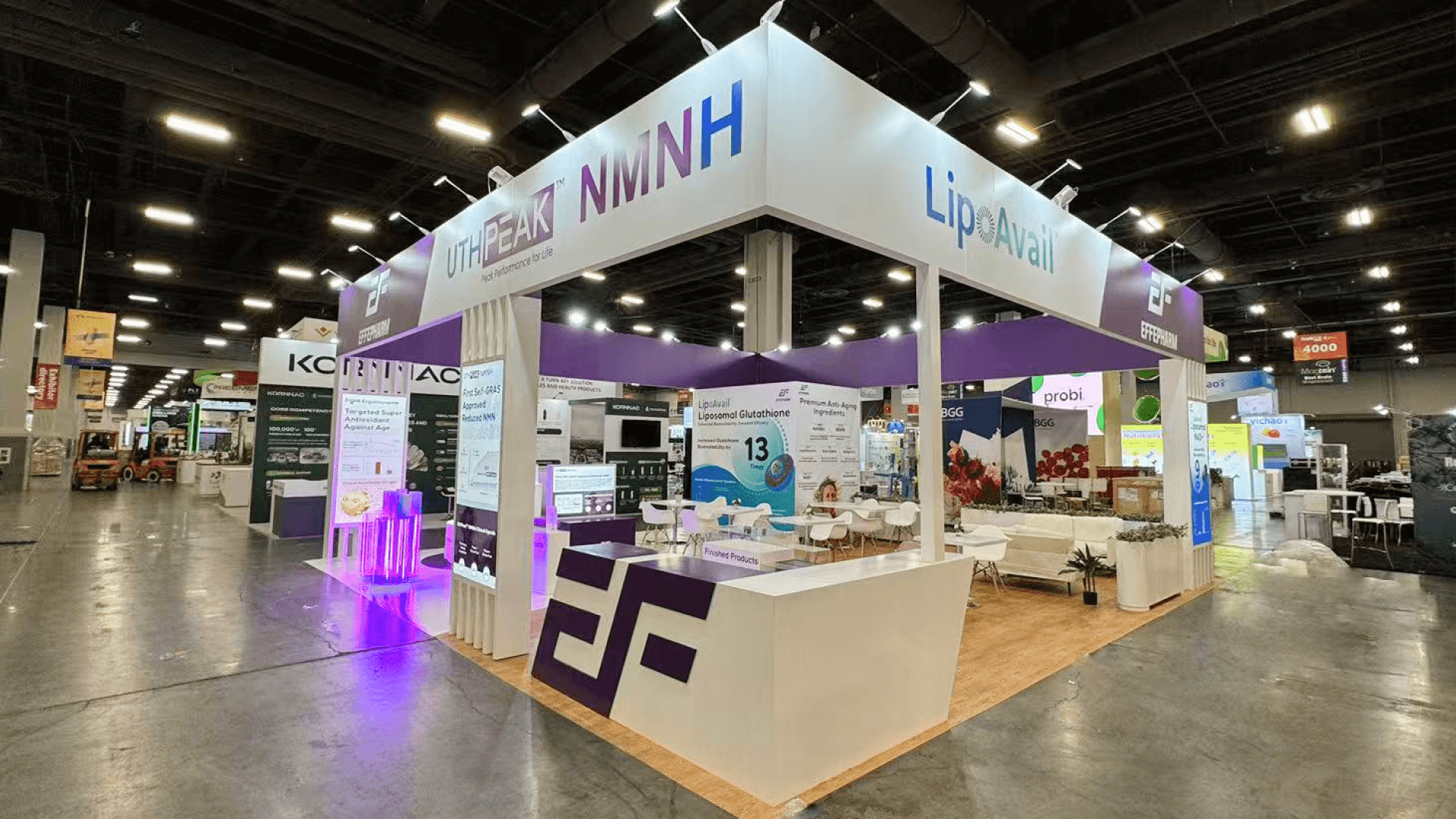
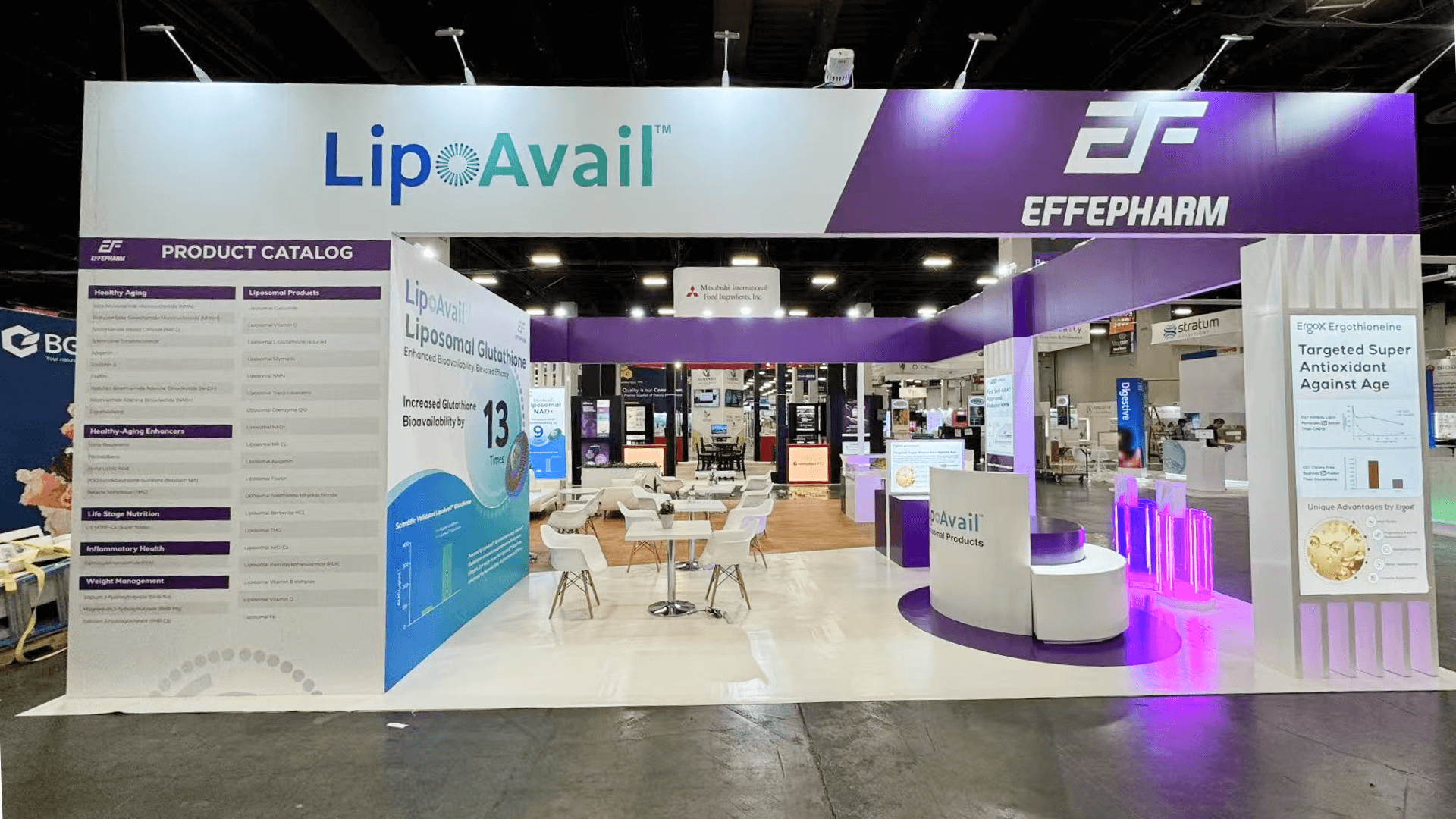
A PEI Convention equipment display should make each product’s function, system role, and application clear at a glance. Equipment, components, cutaway models, controls, diagrams, and screens should follow one logical display path, with enough room for inspection, reliable power and connectivity, concealed storage, and a placement sequence planned before move-in.
PEI Convention exhibitors may present pumps, meters, valves, monitoring hardware, control interfaces, liquid handling equipment, system components, or cutaway models. The challenge is not simply fitting products into the booth, but showing what each item does, where it fits within the system, and which application it supports without making the space feel like a parts catalog.
Equipment-heavy exhibits work best when product grouping, inspection clearance, technical graphics, utilities, freight, and show-site placement are planned together. Exhibitors still working through the wider event strategy can review the 2026 PEI Convention booth planning page. Companies whose main story is installation, maintenance, construction, or field support can use the PEI Convention service contractor booth planning resource instead.
Heavier samples, integrated controls, and multiple equipment categories often affect the structure, power access, storage, and placement order. The Las Vegas trade show booth design and build page explains how those details connect during production and show-site setup, while a 20x30 trade show booth layout shows how product inspection, technical explanation, buyer conversations, and operating materials can share the same footprint.
Why Exhibitors Choose Circle Exhibit
Clear scope, transparent quote review, nationwide booth support, and efficient setup planning for qualified rental and custom exhibit projects.
48hr
Setup Window
10+
Years Since 2014
U.S.
Trade Show Support
Real
Booth Project Proof
Choose the footprint based on equipment scale, the number of product categories, inspection clearance, technical explanation, buyer conversations, and storage requirements.
A 10x20 trade show booth suits one equipment family, a few portable samples, a technical graphic, a monitor, and a small consultation point. Keeping the product story narrow helps the booth stay clear and approachable.
A 20x30 trade show booth allows larger samples and separate product groups to be inspected without interfering with demonstrations, staff movement, or technical discussions.
A 20x20 trade show booth creates room for several components, application graphics, a demonstration screen, buyer conversations, and concealed storage. It works well when visitors need to understand how separate products fit into one system.
A 30x40 trade show booth is better suited to full-size equipment, multiple applications, wider inspection zones, meeting space, substantial storage, and coordinated freight placement.
An equipment display cannot be finalized from a product list alone. Actual dimensions, operating weight, power needs, mounting, service access, crate details, and final product files all affect the structure and setup. Use the PEI Convention booth production checklist to confirm these inputs before product bases, utility points, and graphics are approved.
Technical products need to be easy to identify, inspect, and discuss. Utilities, storage, handling, and daily reset should stay in the background rather than interrupt the visitor experience.
Show where each component fits within the system, what it controls or supports, and which operational problem it addresses.
Give visitors and technical staff enough space to view products, reach controls or access panels, and discuss details without blocking the aisle.
Confirm power, network access, monitors, controls, startup steps, and daily testing before move-in.
Keep spare parts, tools, cases, literature, and cleaning materials out of the visible display so the booth can be reset quickly.
For exhibitors bringing physical equipment, system components, product samples, cutaway models, controls, or technical demonstrations.
The 2026 Expo runs October 7–9 at Las Vegas Convention Center, with equipment displays and technical meetings held across the show floor.
The display should help buyers, distributors, installers, and service teams understand product applications, system fit, and support needs.
Not Sure Which Booth Size You Need?
Not every exhibitor knows whether a 10x20, 20x20, 20x30, or larger booth is the right fit. Circle Exhibit can help review your event goals, product display needs, demo areas, meeting space, storage, budget scope, and setup timeline before you choose a booth size.
Too Many Parts Create Clutter
Graphics Lose Their Connection to the Product
1
Set the Main Equipment Story
2
3
4
Rental Structure for Compact Components
Rental systems suit portable samples, component counters, technical graphics, screens, and focused product stories that do not require engineered product supports.
Custom Build for Integrated Equipment
A custom build is better when equipment needs reinforced bases, exact access points, integrated power, recessed placement, or support designed around the product itself.
Hybrid Booth for Reusable Product Programs
A hybrid booth combines reusable walls and storage with custom product supports, technical surfaces, and demonstration areas built for specific equipment.
Align freight arrival, utility access, booth construction, and equipment placement with the assigned LVCC move-in schedule.
Keep product labels, controls, access panels, and equipment edges clear so buyers can inspect each display without crowding the aisle.
Complete walls, graphics, lighting, counters, power access, and support surfaces before larger products or delicate components are positioned.
Before the Expo opens, test screens and controls, confirm product stability, review labels and lighting, and make sure spare materials and reset supplies are ready.
Flexible Rental Options for PEI Equipment Displays
For portable components, technical graphics, screens, and focused product stories, a customizable rental booth can provide the structure, storage, and branded surfaces without requiring a fully custom build.
What should a PEI Convention equipment display include?
Include the products buyers need to inspect, supported by application graphics, technical explanations, utilities, conversation space, and hidden storage.
What booth size works for PEI equipment exhibitors?
Should exhibitors bring full-size equipment?
Where should technical graphics be placed?
What must be confirmed before production?
READY TO PLAN YOUR NEXT BOOTH?
Let’s Build a Booth That Fits Your Event
Share your event name, booth size, city, timeline, product display needs, and design references. Circle Exhibit will review your project direction and help you choose a rental-friendly or custom exhibit path.
3000+
Booth Projects Supported
50+
U.S. Event Cities
Transparent
Quote Review
Confirm product dimensions, support surfaces, viewing distances, utility access, and visitor circulation before the structure is finalized.
Review product bases, counters, screens, graphics, and structural connections together before the exhibit leaves production.
Organize crate information, delivery timing, material handling, equipment order, storage, and return shipping before move-in.
Keep product labels, application diagrams, technical visuals, and operating information close to the hardware they explain.
Coordinate booth completion, utility access, product positioning, final checks, and dismantle around the equipment program.