2026 PEI Convention at the NACS Show Booth Planning

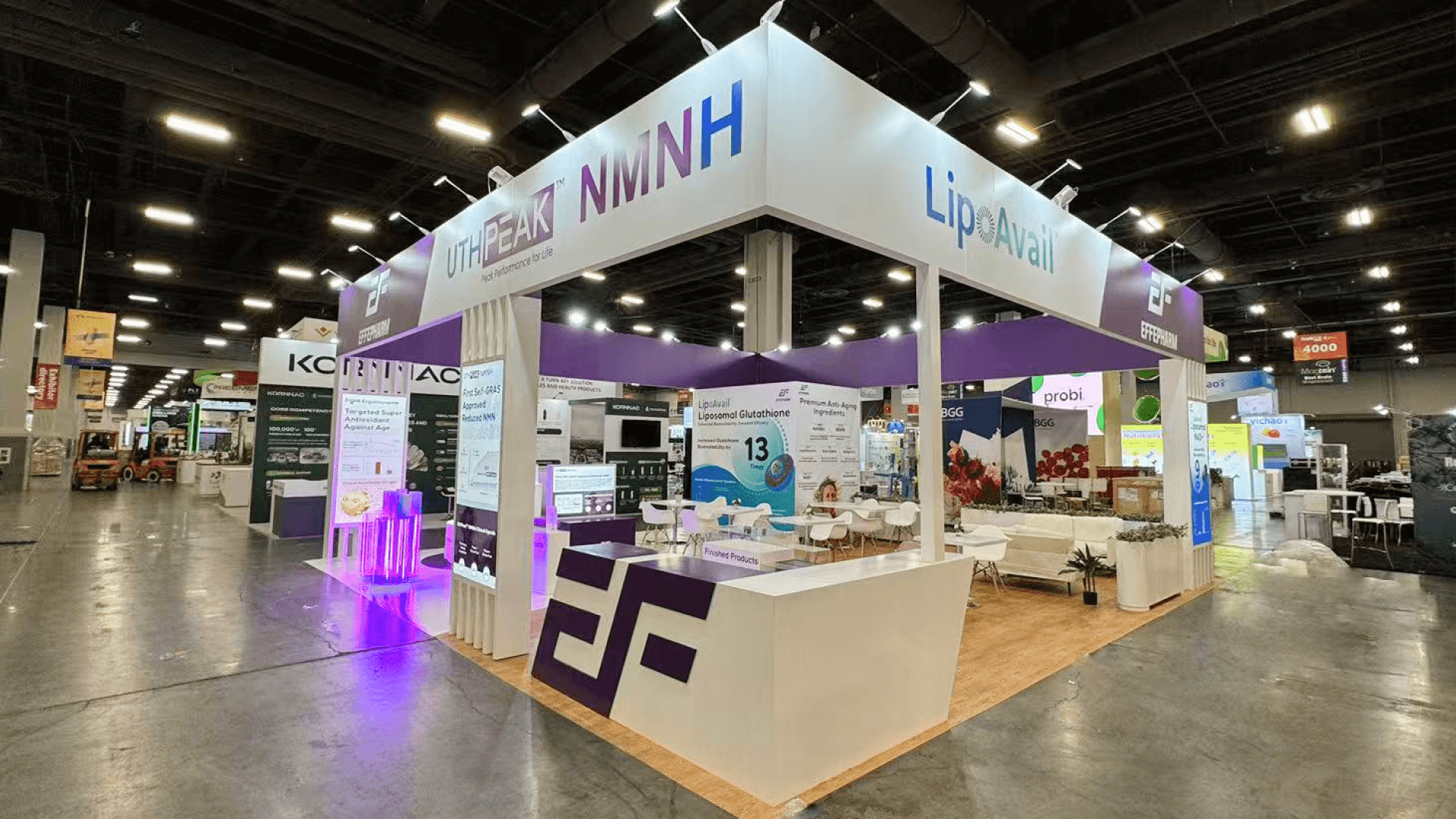
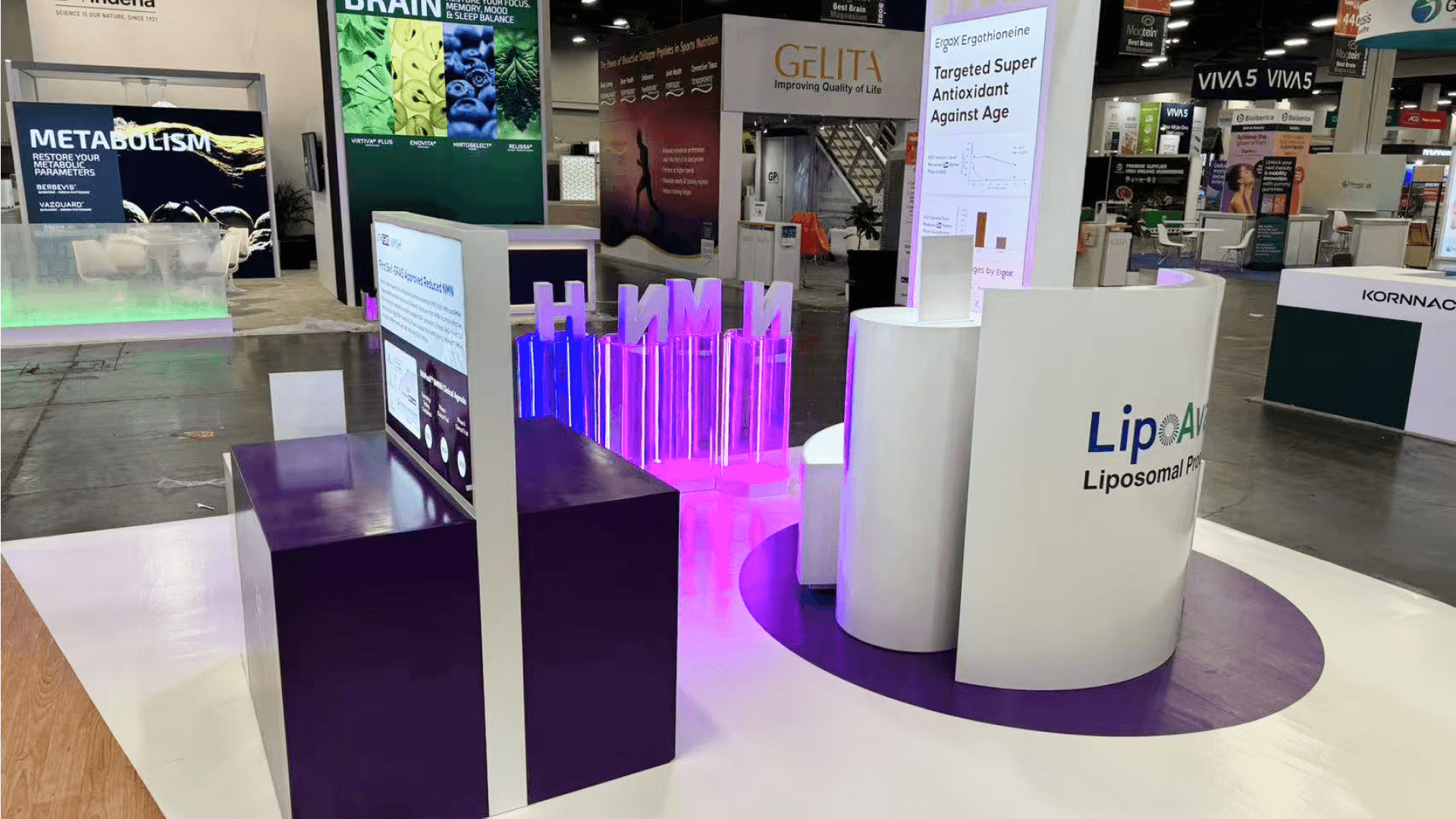

When and where is the 2026 PEI Convention at the NACS Show?
The 2026 PEI Convention at the NACS Show runs October 6–9 at the Las Vegas Convention Center, with the Expo open October 7–9. Exhibitors should plan for technical equipment, service discussions, documentation, booth size, freight, labor, and move-in timing so the space works for both product review and supplier meetings.
The 2026 PEI Convention at the NACS Show brings manufacturers, distributors, installers, service contractors, and other energy handling equipment professionals to Las Vegas Convention Center. Exhibitors need to make their company role, technical offer, and support model clear without overloading the booth with equipment, documents, or service claims.
Companies leading with physical products can review PEI Convention equipment display planning for guidance on system components, inspection space, technical graphics, and show-site placement. Exhibitors centered on installation, maintenance, construction, or field support can use PEI Convention service contractor booth planning to organize project evidence, service coverage, qualifications, and buyer discussions.
For many exhibitors, a 20x20 trade show booth offers enough room for technical displays, meeting space, graphics, and controlled storage. Early Las Vegas trade show booth design and build also helps align the layout, fabrication, utilities, freight, and move-in requirements before production is finalized.
Why Exhibitors Choose Circle Exhibit
Clear scope, transparent quote review, nationwide booth support, and efficient setup planning for qualified rental and custom exhibit projects.
48hr
Setup Window
10+
Years Since 2014
U.S.
Trade Show Support
Real
Booth Project Proof
Choose the footprint around the number of products or service programs, technical graphics, buyer conversations, staff members, and storage the booth needs to support.
A 10x10 trade show booth works for one component category, service program, or technical solution supported by concise graphics and a consultation counter.
A 20x20 trade show booth gives PEI exhibitors enough space to combine equipment or project content with technical graphics, buyer meetings, staff circulation, and controlled storage.
A 10x20 trade show booth adds room for samples, system diagrams, a screen, service information, and focused supplier conversations without making the layout feel crowded.
A 20x30 trade show booth is better suited to several equipment categories, service divisions, technical demonstrations, parallel discussions, and a larger volume of operating materials.
For PEI Convention exhibitors, late changes to equipment dimensions, utilities, graphics, staffing, storage, or freight can affect the layout, fabrication, and prebuild at the same time. The PEI Convention booth production checklist identifies the files, equipment data, handling details, and packing information that should be ready before production begins.
PEI Convention exhibitors need to make their company role, technical offer, and support model clear without overwhelming the booth with equipment, documents, or service claims.
Visitors should quickly understand whether the exhibitor is a manufacturer, distributor, installer, service contractor, or technology provider within the energy handling equipment industry.
Physical equipment, system components, installation support, maintenance programs, and field service should follow one clear story rather than compete for attention.
Use concise graphics, diagrams, labels, and supporting documents to explain petroleum equipment, liquid handling systems, applications, and technical requirements at different levels of detail.
Product review, supplier meetings, technical questions, staff movement, and document storage need defined space so longer discussions do not interrupt the main visitor path.
PEI Convention brings together manufacturers, distributors, installers, service contractors, and suppliers working across petroleum, fuel storage, and liquid handling systems.
The convention runs October 6–9, with the Expo open October 7–9 at Las Vegas Convention Center for equipment review, supplier meetings, and technical discussions.
Exhibitors present fuel equipment, tank and monitoring systems, installation support, maintenance services, and technical solutions to buyers, distributors, and project partners.
Not Sure Which Booth Size You Need?
Not every exhibitor knows whether a 10x20, 20x20, 20x30, or larger booth is the right fit. Circle Exhibit can help review your event goals, product display needs, demo areas, meeting space, storage, budget scope, and setup timeline before you choose a booth size.
Making Room for Products and Conversations
Keeping System Categories Distinct
1
Lead with the Main Equipment Story
2
3
4
Rental Booth for a Focused Product or Service Story
A rental booth suits portable equipment, technical graphics, screens, consultation space, and branded surfaces when the display does not require engineered product supports.
Custom Build for Integrated Equipment and Complex Programs
A custom build is better for full-size equipment, exact support structures, embedded utilities, multiple product or service areas, and technical meetings that need a purpose-built layout.
Hybrid Booth for Reusable Structure and Custom Details
A hybrid booth combines reusable walls and storage with custom equipment bases, technical graphics, demonstration areas, and meeting space that can be updated for future events.
Confirm LVCC move-in timing, freight release, booth construction, display delivery, and placement order before products reach the show floor. This is especially important for booths using samples, counters, monitors, or branded walls.
Fuel equipment, tank system components, and service tools need enough clearance for buyers to examine details and speak with technical staff without narrowing the visitor path.
PEI discussions may cover system fit, service reliability, compliance requirements, and supplier relationships. An open path and a defined meeting area help those conversations continue without blocking the booth.
Before the Expo opens, review graphics, monitors, literature, product stability, storage, staff materials, and meeting documents so the booth is clean, accurate, and ready for technical discussions.
For PEI Convention exhibitors that need a flexible booth structure without giving up a professional fuel equipment presentation, a PEI Convention booth rental can be a practical fit. It works well for 10x20, 20x20, and 20x30 layouts with product displays, technical graphics, service messaging, literature space, and clean aisle flow.
What booth size works for PEI Convention exhibitors?
A 20x20 trade show booth is practical for many PEI exhibitors because it can balance equipment or project content, technical graphics, supplier conversations, staff movement, and storage. Smaller or larger footprints may be more appropriate depending on the number and scale of products or service programs.
How should exhibitors plan a booth for PEI Convention?
What makes PEI Convention booth execution different?
Should PEI exhibitors bring full-size equipment?
When should freight, utilities, and setup details be confirmed?
READY TO PLAN YOUR NEXT BOOTH?
Let’s Build a Booth That Fits Your Event
Share your event name, booth size, city, timeline, product display needs, and design references. Circle Exhibit will review your project direction and help you choose a rental-friendly or custom exhibit path.
3000+
Booth Projects Supported
50+
U.S. Event Cities
Transparent
Quote Review
Balance product displays, technical graphics, supplier conversations, staff movement, and storage within the selected footprint.
Review counters, product supports, screens, graphics, storage, and structural connections together during prebuild.
Confirm crate information, delivery timing, material handling, utility access, equipment placement, and return shipping before the LVCC move-in window.
Organize equipment applications, service capabilities, system diagrams, compliance information, and product labels into a clear visual hierarchy.
Sequence booth construction, equipment placement, screens, literature, meeting areas, and opening-day checks so the exhibit is ready for technical review.