What Does the Exhibit Need to Handle?
Start with the work the exhibit has to support rather than the footprint or price.
A focused product presentation requires less complexity than several product groups that buyers need to compare. A simple branded display also has different demands from one that includes a screen, demonstration, or hands-on product interaction.
Buyer conversations matter as well. Short standing discussions can happen close to the product display, while longer or seated meetings begin to require their own working area. More staff, samples, literature, and backstock add operational pressure behind the scenes.
Brand presentation can become another factor. Some exhibitors only need a clear branded presence around one product story. Others need more control over product hierarchy, graphics, meeting activity, and how visitors move between them.
Product complexity, presentation needs, buyer interaction, operational demands, and brand control should shape the format decision. The company's age matters less than how much work the exhibit needs to support.
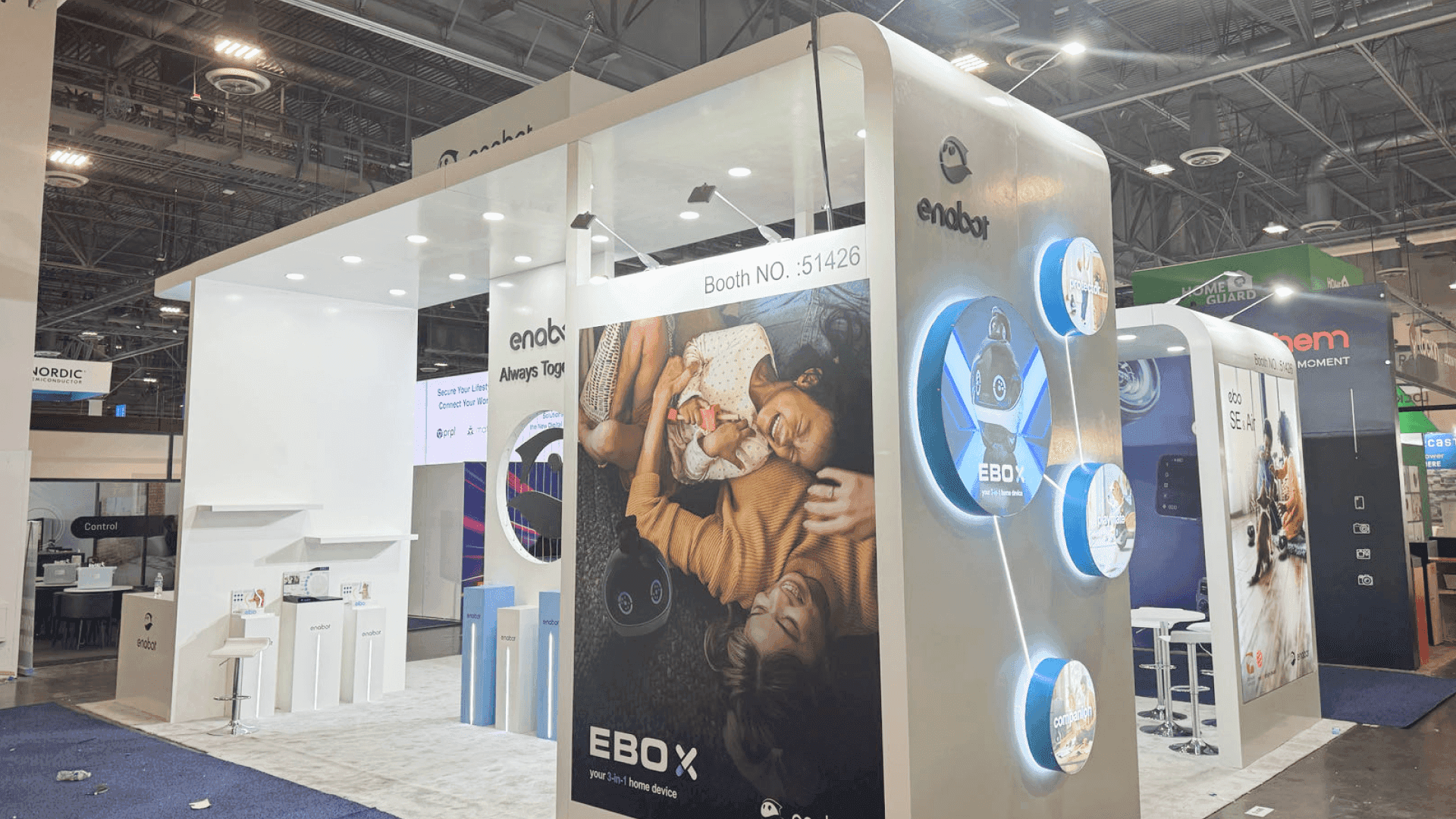
The Start-Up Pavilion can work well when the exhibit has one focused product story, a small team, and limited operational needs.
When the Start-Up Pavilion Is Enough
The Start-Up Pavilion works best when the exhibit task remains focused. Global Pet Expo's current Start-Up Pavilion / Global Innovator Exhibitor Package describes an 8x8 exhibit space with a branded kiosk as part of the 2027 package.
That format can make sense when the brand is presenting one clear product story or compact assortment, working with a small team, and expecting mostly short standing conversations.
Light samples or literature are easier to manage than significant backstock, dedicated meeting space, or demonstration equipment. A brand using the event primarily to introduce itself, test buyer response, or create early market exposure may not benefit from adding functions it does not yet need.
A young company can still have several product groups, a larger team, frequent demonstrations, or buyers who need longer discussions. In those situations, the company may qualify for the Pavilion while the exhibit itself is already asking more from the space.
When the presentation remains focused, staffing is compact, and buyer interaction is straightforward, the Pavilion may already provide enough structure for the job.

Standard exhibit space becomes more useful when product display, demonstrations, meetings, staffing, and storage need to work at the same time.
When a Standard Booth Starts to Make More Sense
Standard exhibit space gives the brand more control over how product display, demonstrations, staff activity, buyer conversations, storage, and branding work together.
Several SKUs may need clearer hierarchy. A screen or demonstration may need to operate without blocking product viewing. Staff may need to continue presenting while another team member holds a longer buyer conversation. Samples and backstock may also need to stay accessible without becoming part of the public presentation.
These needs create separate working functions rather than one compact display area.
The first move into standard space does not necessarily require a large footprint. If the exhibit still only needs a focused presentation, standing conversations, and light storage, a 10x10 booth may be enough without adding unnecessary space.
Standard exhibit space becomes more useful when additional control solves a real conflict—for example, when demonstrations interrupt buyer conversations, staff compete for the same working area, or products can no longer be presented clearly within one compact zone.
Start-Up Pavilion vs. Standard Booth
Decision Factor | Start-Up Pavilion May Be Enough | Standard Booth May Fit Better |
|---|---|---|
Product range | One focused launch or compact assortment | Multiple SKUs or product groups need clearer separation |
Staffing | Small team working from one area | Several staff need to present or meet at the same time |
Buyer discussion | Short standing conversations | Longer or seated discussions need their own space |
Demonstration | Minimal product interaction | Screen, equipment, or hands-on demo needs a working zone |
Storage | Light samples and literature | Backstock, samples, or equipment need accessible storage |
Brand control | Compact branded presence is sufficient | Greater control over graphics, product hierarchy, and visitor experience is important |
Pavilion eligibility still depends on Global Pet Expo's current program requirements; the comparison above focuses on whether the format fits the work the exhibit needs to do.
Example: When the Format Decision Changes
Consider a startup showing two related products with two staff members, light sample storage, and mostly short buyer conversations. The Pavilion may support that job without much compromise.
Now add six SKUs, four staff members, a screen demonstration, seated buyer discussions, and backstock that needs to remain close to the display. The company is still a startup, but the exhibit task has changed.
Moving into standard space makes sense when several functions need to operate together and the compact format begins forcing trade-offs.
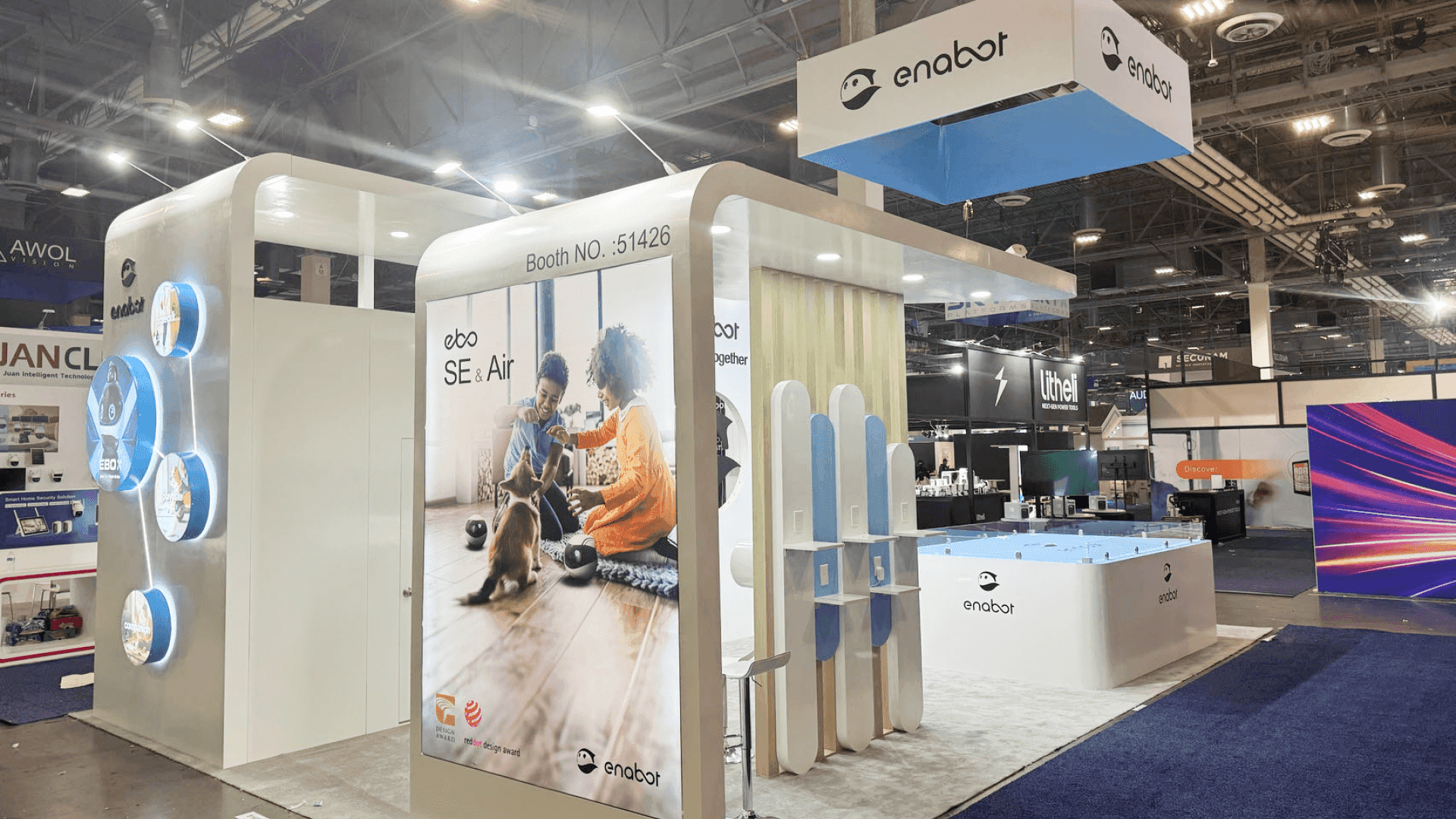
The format decision should follow the work the exhibit needs to support—not simply the age or stage of the company.
Compare the Whole Exhibit Scope, Not Just the Space Fee
A Pavilion package and standard exhibit space can involve very different scopes, so the nominal space fee alone does not give a useful comparison.
A compact package may already provide much of what a focused early-stage presentation needs. Standard exhibit space gives the exhibitor more flexibility, but the final scope may also involve additional structure, graphics, furniture, electrical service, storage, labor, freight, or meeting and demonstration requirements.
A better comparison is to look at what each format already includes and what still needs to be added for the exhibit to do its job.
For a simple product presentation, the added scope of a standard booth may remain limited. When the exhibit needs a broader assortment, a screen or demonstration, seated buyer conversations, and working storage at the same time, a 10x20 booth becomes a more relevant starting point than a compact standard setup.
That additional footprint only has value when the functions placed inside it justify the extra space and services. A larger booth should solve an actual presentation, meeting, storage, or operating problem rather than simply create more square footage.
Looking at the complete scope makes the comparison more useful because it connects cost to what the exhibit is expected to accomplish.
Signs the Pavilion Format Is Becoming Too Limiting
One of the clearest signs that the Pavilion is becoming too limiting is functional conflict inside the exhibit.
Product groups may become difficult to separate. Staff may compete for the same working area. A demonstration may interfere with buyer conversations, while samples, literature, or backstock become difficult to keep accessible without cluttering the public presentation.
Brand control can create another signal. The company may reach a point where one compact branded environment no longer gives enough separation between products, meeting activity, and the broader story buyers need to understand.
Future use matters too. If Global Pet Expo is no longer a one-show market test and the company expects the exhibit to support several events, the value of a rental, modular, or adaptable standard booth can change. The exhibit is beginning to function as part of a repeatable show program rather than a one-time startup presence.
A focused exhibit with limited operational demands may still fit the Pavilion well. Once products, meetings, demonstrations, staff activity, or storage begin competing for space and presentation control, standard exhibit space becomes the more practical option.
FAQ: Start-Up Pavilion or Standard Booth?
Who is the Start-Up Pavilion best suited for?
It is most useful when the exhibit itself is still focused: one clear product story, a compact assortment, a small staff team, short buyer conversations, and limited demonstration or storage needs. Being an early-stage company alone does not determine the right format.
When should a startup consider a standard booth instead?
Standard exhibit space becomes more practical when multiple product groups, demonstrations, meetings, storage, staff activity, or stronger independent branding need to happen at the same time. The decision becomes easier when the Pavilion starts forcing one important function to interfere with another.
Does choosing a standard booth mean the exhibit must be fully custom?
No. Standard exhibit space can use rental, modular, hybrid, or more customized structures depending on the brand's functional and presentation requirements. Moving beyond the Pavilion is primarily about gaining more control over the space, not automatically committing to a fully custom build.