NPE Recycling and Sustainability Zone Booth Planning for Circular Plastics Exhibitors

How should exhibitors plan an NPE Recycling and Sustainability Zone booth?
An NPE Recycling and Sustainability Zone booth should show how a recycling technology or material works within a circular plastics system—from input and processing to recovered output and finished application. Equipment, material samples, process graphics, recycled-content data, traceability, storage, and buyer discussion space should follow that same sequence.
The NPE Recycling and Sustainability Zone is built around technologies and materials that help plastics processors, OEMs, and brand owners increase recycled content, recover more usable material, improve traceability, reduce emissions, and meet changing circularity requirements. A strong booth should lead with one measurable improvement, then show the equipment, material, application, or verified data behind it.
The visitor path should follow the material journey: feedstock or waste stream, processing method, recovered output, finished application, and supporting proof. Before-and-after samples, process graphics, recycled-content percentages, certifications, and traceability records should be organized through graphics and brand presentation planning so visitors can separate verified results from broader sustainability messaging.
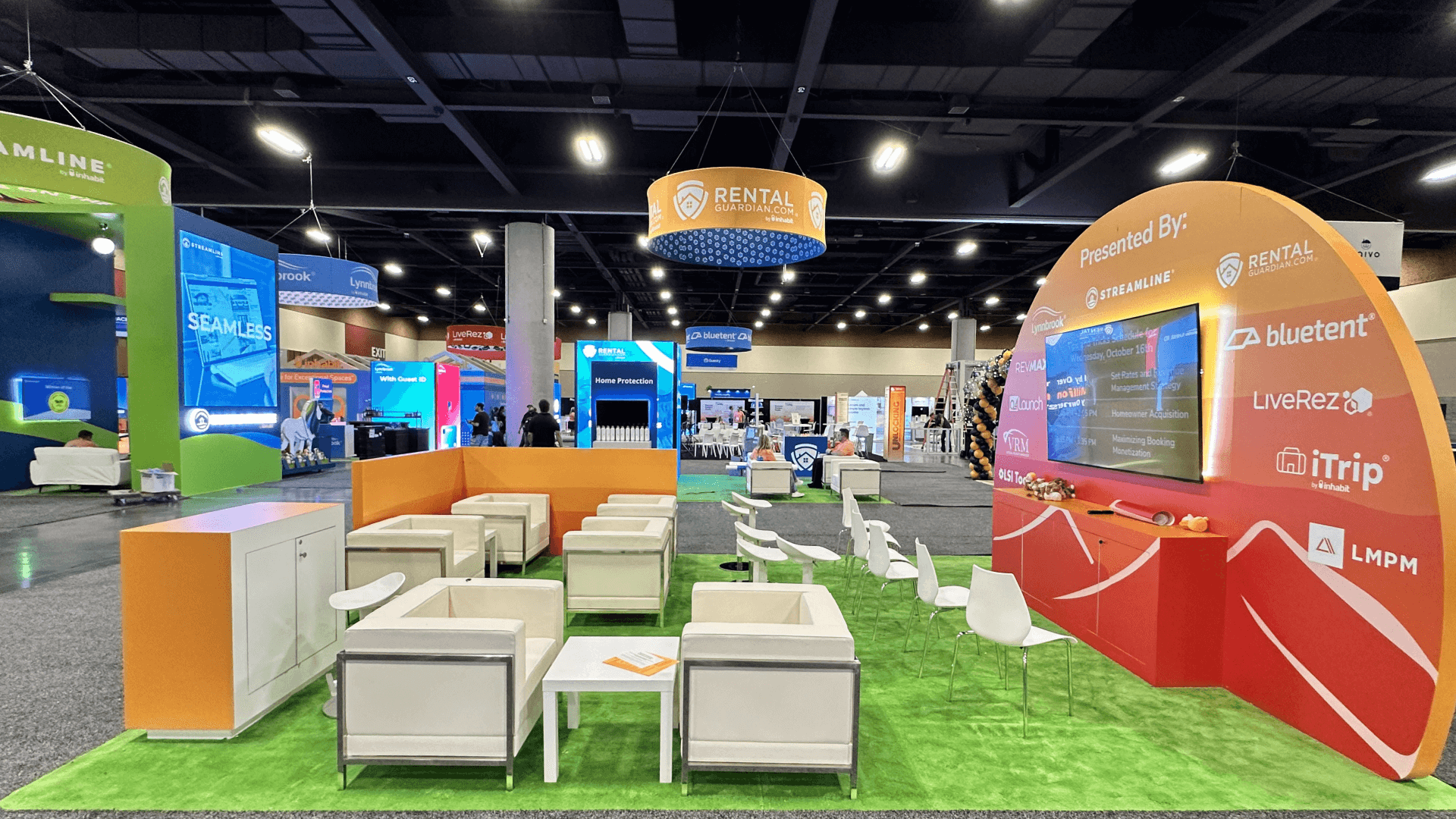
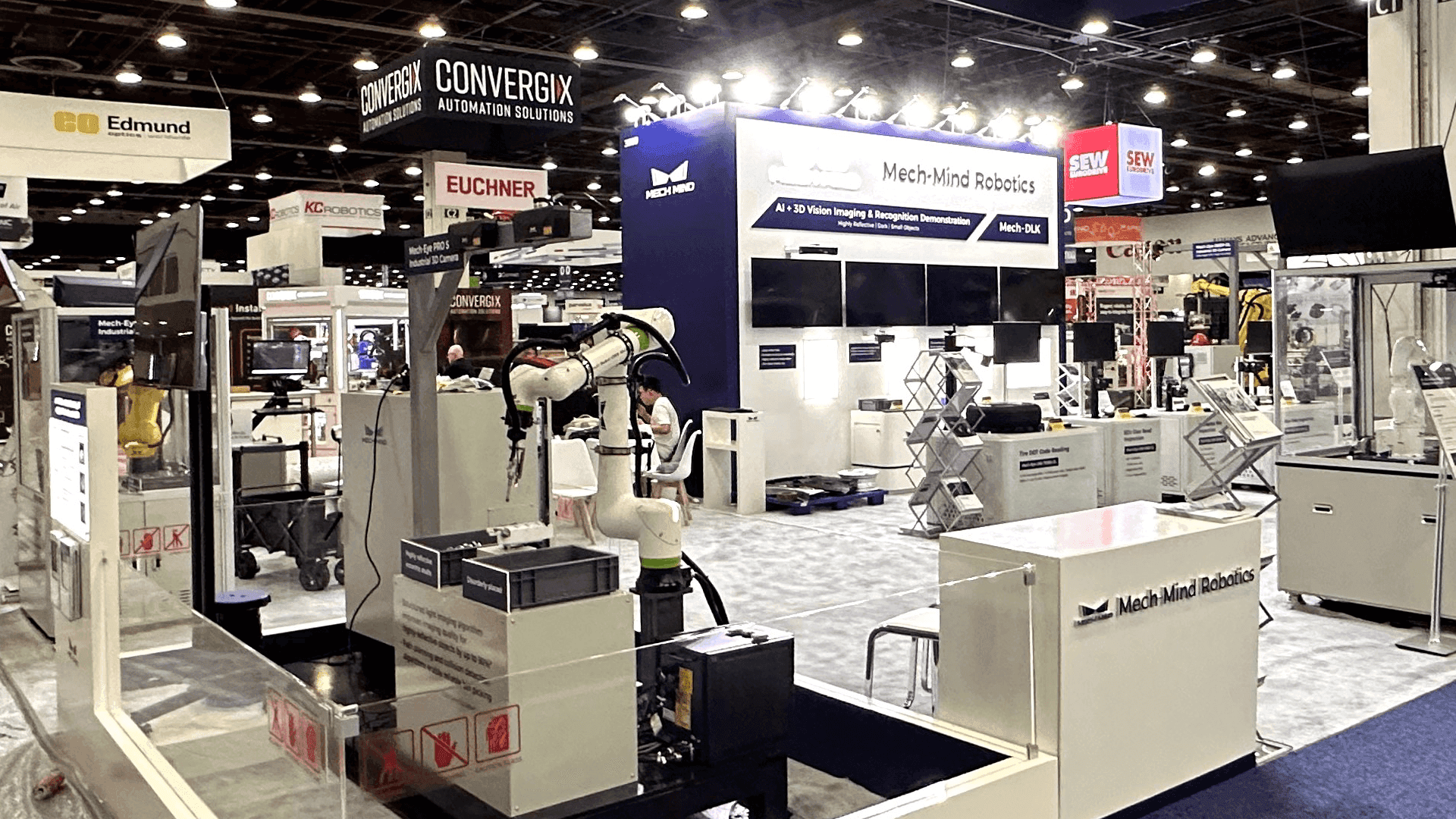
At the OCCC, equipment dimensions, utilities, freight sequence, installation access, sample storage, and screen positions can affect the layout before fabrication begins. A reusable Orlando trade show booth rental may suit material- and evidence-led exhibits, while a 20x30 booth layout gives compact recycling technology, sample comparisons, buyer discussions, and storage more defined space.
Why Exhibitors Choose Circle Exhibit
Clear scope, transparent quote review, nationwide booth support, and efficient setup planning for qualified rental and custom exhibit projects.
48hr
Setup Window
10+
Years Since 2014
U.S.
Trade Show Support
Real
Booth Project Proof
Booth size should reflect whether the exhibit is built around materials and evidence, a compact process demo, or larger recycling equipment. Each layout should keep the material journey clear—from input and processing to recovered output, finished application, and verified sustainability proof.
A 10x20 booth suits recycled resins, renewable materials, additives, pellets, flakes, finished components, application samples, certification graphics, and a focused buyer counter.
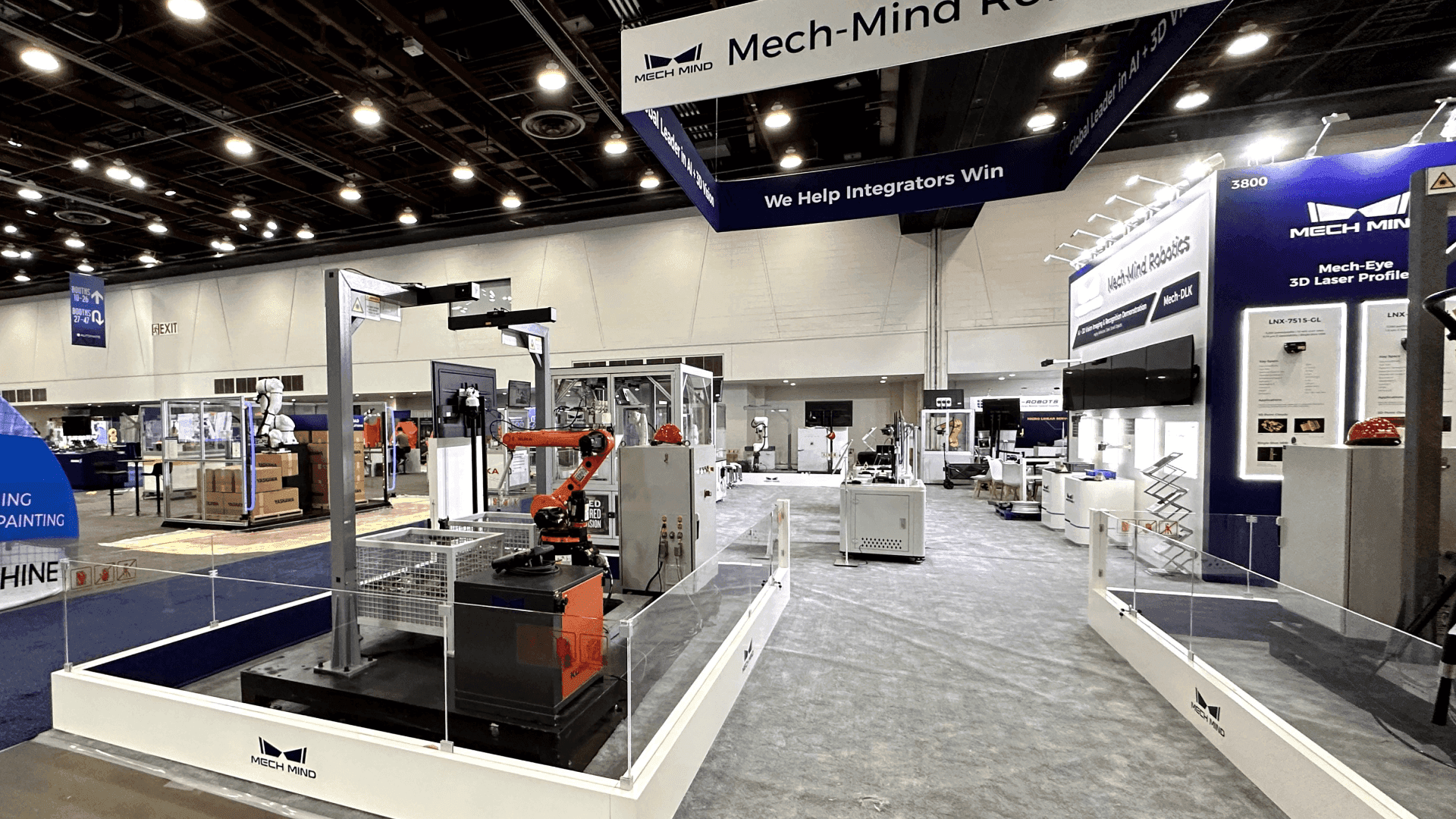
A 20x30 booth gives compact recycling equipment, before-and-after samples, process graphics, finished applications, storage, and buyer meetings clearer separation.
For sample comparisons, one process screen, sustainability data, storage, and a small technical discussion area, a 20x20 booth provides more open access without overbuilding the display.
When several processing stages, material streams, or larger machines need dedicated space, a 30x40 booth can support demonstration viewing, sample comparison, overhead identification, hidden storage, and enclosed technical discussions.
The recycled material sample and data guide explains how to arrange feedstock, processing stages, recovered output, finished applications, recycled-content data, certifications, and traceability in one readable sequence, with detailed records available in the buyer review area.
Recycling exhibits should connect the material, the process, the application, and the proof. Visitors should quickly see whether the booth centers on equipment, feedstock, a material formulation, a finished product, or a verified circularity claim.
Show the input material, processing stage, recovery or reformulation, and usable output in one clear sequence. Visitors should understand what changes and where value is recovered.
Pair feedstock, flakes, pellets, compounds, components, packaging, or finished applications so the material change is easy to compare. Labels should explain the relationship, not only name each sample.
Keep recycled-content percentages, certifications, test results, emissions data, and traceability separate from general brand messaging. Buyers should be able to tell what is verified and what remains a target.
Separate operating technology, material handling, sample storage, data review, and technical meetings. Keep the process visible while deeper conversations take place outside the active demonstration area.
The zone covers recycling technologies, recycled content, renewable materials, and circular-plastics solutions for processors, OEMs, and brand owners.
NPE2027 takes place at the Orange County Convention Center in Orlando, with exhibits across the West and South Buildings during the five-day show.
Visitors compare recycling technologies, recycled-content materials, renewable inputs, and supporting data tied to GHG reduction and circularity goals.
Not Sure Which Booth Size You Need?
Not every exhibitor knows whether a 10x20, 20x20, 20x30, or larger booth is the right fit. Circle Exhibit can help review your event goals, product display needs, demo areas, meeting space, storage, budget scope, and setup timeline before you choose a booth size.
Equipment, Samples, and Data Competing for Attention
An Incomplete Material Journey
1
Set the Circularity Result
2
3
4
Proof-Led Rental Booth for Materials and Data
A reusable Orlando trade show booth rental suits recycled resins, renewable materials, sample comparisons, process screens, certifications, traceability, storage, and focused buyer discussions when the exhibit is driven more by evidence than custom equipment interfaces.
Custom Build for Recycling Equipment
Custom fabrication fits operating machinery, machine bases, safety clearances, unusual utility routes, bulk material handling, overhead branding, or multi-stage processing. Booth fabrication and prebuild checks can confirm these interfaces before shipment.
Hybrid Booth for Process, Samples, and Buyer Review
A hybrid layout combines reusable walls, screens, storage, and meeting areas with custom equipment interfaces, material fixtures, process displays, or proof stations. It works when the technology needs custom support but the surrounding branded structure can be reused.
Plan when equipment, bulk displays, process components, sample fixtures, and finished applications arrive, and position them before surrounding structures limit access.
Store public samples apart from demo consumables, replacement materials, packaging, and staff supplies. This protects the main display and simplifies daily replenishment.
Verify recycled-content percentages, certifications, traceability records, test results, lifecycle data, and performance claims against the latest approved technical files before graphics are installed.
Walk through the exhibit from input material and processing to recovered output, finished application, and supporting evidence. Visitors should understand the relationship even without staff explanation.
Orlando Booth Rental for NPE Recycling & Sustainability Exhibitors
A reusable rental booth suits recycled resins, renewable materials, sample comparisons, process screens, traceability data, storage, and buyer meetings. Exhibits with compact recycling equipment can add custom interfaces, utility access, material fixtures, and safety details through a hybrid build.
How should recycling equipment and material samples share the booth?
The equipment should explain the transformation process, while the samples show the physical input and output. Keep them visually connected, but separate operating access, visitor viewing, sample handling, and technical review so one activity does not block another.
What evidence should support a recycled-content or circularity claim?
How should input material and finished applications be compared?
When does a material-led exhibit need more than a 20x20 booth?
How can exhibitors avoid vague sustainability messaging?
READY TO PLAN YOUR NEXT BOOTH?
Let’s Build a Booth That Fits Your Event
Share your event name, booth size, city, timeline, product display needs, and design references. Circle Exhibit will review your project direction and help you choose a rental-friendly or custom exhibit path.
3000+
Booth Projects Supported
50+
U.S. Event Cities
Transparent
Quote Review
Plan equipment clearances, process flow, material displays, screens, storage, visitor sightlines, utilities, and technical meeting areas before fabrication begins.
Organize the material journey, recycled-content information, certifications, traceability, process graphics, application examples, and buyer-facing messages.
Coordinate freight timing, equipment documentation, delivery order, utilities, sample staging, storage, and show-site contacts before move-in.
Sequence equipment placement, booth construction, graphics, utilities, samples, screens, safety details, and final readiness checks.
Use a 20x30 layout when compact equipment, material comparisons, process graphics, proof stations, storage, and technical meetings need balanced separation.