NAB Camera Demo Booth Planning for Production Technology Exhibitors


How should exhibitors plan a NAB camera demo booth?
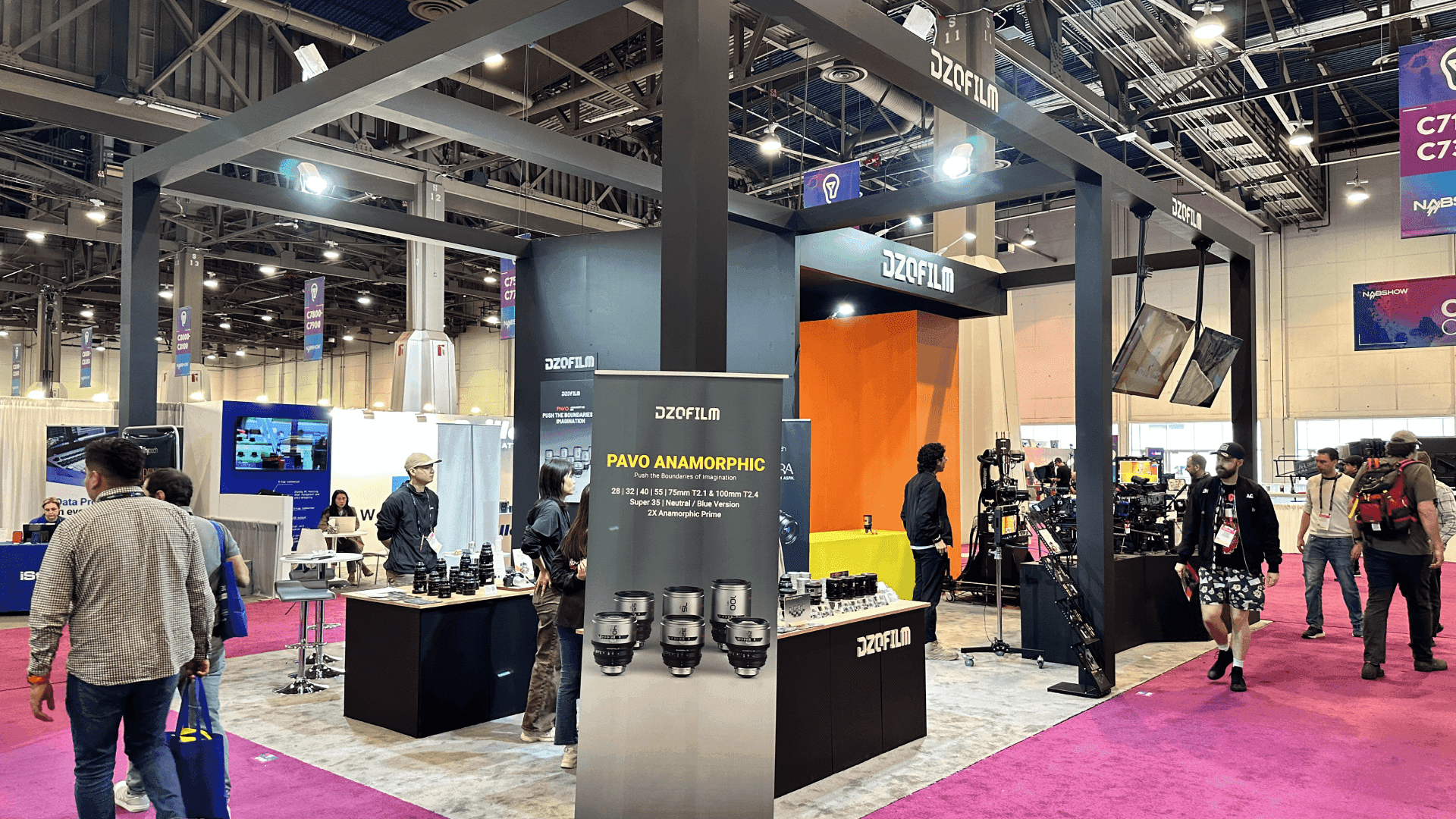
A NAB camera demo booth should be planned around hands-on testing, camera and lens visibility, monitor preview placement, demo counter access, storage, staff explanation, lead capture, and technical buyer conversations. The booth should help visitors quickly understand image quality, setup workflow, product differences, and practical use cases without crowding the demo area.
A NAB camera demo booth should make production technology easy to test, compare, and discuss. Camera and lens buyers often want to handle equipment, view image output, compare product details, ask technical questions, and understand how the system fits into real production workflows. If the booth only displays camera bodies or lenses without a clear testing path, visitors may stop briefly but leave without a deeper product conversation.
For camera equipment, lens, production hardware, and media technology exhibitors, the booth should connect product display, demo counters, preview monitors, lighting control, storage, staff positions, lead capture, and buyer conversations into one practical layout. Working with Las Vegas trade show booth builders can help align booth structure, demo visibility, graphics, counters, storage, logistics, and installation around a camera-focused exhibit plan.
This page focuses on NAB camera demo booth planning, hands-on camera testing, lens display, production hardware presentation, monitor preview placement, staff handoff, and LVCC setup. For broader event timing, booth rental options, and NAB exhibit planning, use NAB Show booth planning. For broader technology and media exhibit planning in Las Vegas, use technology trade show booths in Las Vegas, which connects NAB broadcast demos, camera equipment displays, workflow stations, screen-led presentations, and show-site setup planning. For visual messaging, product labels, and demo-area clarity, review graphics and brand presentation.
Why Exhibitors Choose Circle Exhibit
Clear scope, transparent quote review, nationwide booth support, and efficient setup planning for qualified rental and custom exhibit projects.
48hr
Setup Window
10+
Years Since 2014
U.S.
Trade Show Support
Real
Booth Project Proof
NAB camera demo booth size should be chosen around how visitors will handle, view, compare, and discuss the product. Camera demos often need product counters, monitor previews, sample footage, storage, staff positions, and enough space for visitors to pause without blocking the aisle.
A 10x20 NAB camera demo booth can work when the exhibitor needs one focused product story, one camera testing counter, a compact monitor preview, light storage, and short technical conversations. This layout should keep the demo simple and avoid displaying too many camera bodies, lenses, or accessories at once. For inline planning, review 10x20 booth planning.
A 20x30 production hardware demo booth is useful when the exhibitor needs multiple camera stations, lens comparisons, preview monitors, lighting control, storage, and a clearer demo-to-meeting path. This size can support one area for hands-on product testing and another area for technical buyer conversations. For larger layouts, review 20x30 trade show booth planning.
A 20x20 camera testing booth gives more room for a hands-on camera station, lens display, monitor preview, product counter, storage, lead capture, and a small buyer conversation area. This footprint works well when visitors need to test one product line and then ask technical questions without crowding the aisle. For general size guidance, review 20x20 trade show booth planning.
A custom camera display booth is stronger when the exhibit needs integrated counters, product mounts, secure storage, monitor walls, lighting control, lens display surfaces, or a guided product comparison path. In these cases, booth fabrication and show-site execution should be planned before production, freight, and installation details are finalized.
These supporting articles help production technology exhibitors think through camera demo booth questions before NAB Show: where hands-on testing should happen, how operator stations should be placed, how visitors should view monitor previews, and how staff should move buyers from product handling to technical conversation. Start with Where Operator Stations Actually Work Best in NAB Booth Layouts, which covers operator station placement, demo visibility, audience sightlines, staff handoff, booth flow, and common layout mistakes for NAB exhibitors. For broader NAB planning, use NAB Show booth planning. For broader technology trade show context, review technology trade show booths in Las Vegas. For visual support, graphics and brand presentation helps make camera labels, lens categories, monitor content, and product benefits easier to understand without overcrowding the booth.
NAB camera demo booths need to support product handling, image review, technical explanation, and buyer confidence. The booth should help visitors test equipment, compare features, view output, and move into the right staff conversation without creating a crowded product table.
Camera buyers often want to touch the product, test controls, check handling, compare weight, and understand how the camera performs in a real setup. The booth should give visitors enough space to try the product without blocking the main traffic path.
Lens displays, camera accessories, mounts, sample kits, and product comparison areas should be organized by use case or product category. Clear labeling helps visitors understand what they are viewing before staff starts a deeper technical explanation.
Monitor previews should show output clearly from the demo area. Visitors should be able to connect the camera or lens being tested with the image result they are seeing. Screens should support product proof, not distract from the hands-on demo.
Camera demos often move from first product handling into questions about sensors, lenses, codecs, workflow, lighting, rigging, compatibility, rental use, or production environments. The booth should make it easy to move qualified visitors from the demo counter into a staff conversation or meeting area.
NAB camera demo booths often need to support visitors who want to handle equipment, compare lens options, view monitor output, test controls, and ask practical production questions. The booth should make product testing clear before the discussion becomes highly technical.
Many visitors are camera operators, production teams, broadcast engineers, rental buyers, content creators, or media technology decision-makers. A camera demo booth should help them understand product handling, output quality, setup needs, and use cases quickly.
Camera demo booths depend on demo devices, lenses, mounts, cables, monitors, sample footage, storage, lighting control, and staff preparation. These details should be confirmed before the booth opens so the product testing area stays organized.
Not Sure Which Booth Size You Need?
Not every exhibitor knows whether a 10x20, 20x20, 20x30, or larger booth is the right fit. Circle Exhibit can help review your event goals, product display needs, demo areas, meeting space, storage, budget scope, and setup timeline before you choose a booth size.
Making Monitor Output Easy to Understand
Protecting Demo Flow During Hands-On Testing
1
Define the Main Camera Demo Story
2
3
4
Rental Booth Option for Focused NAB Camera Demos
A rental-based booth can work when the exhibitor needs branded graphics, one or two camera demo counters, monitor preview support, light storage, lead capture, and a practical LVCC setup path. This option is best when the booth has a focused product story and does not require complex integrated display structures. For this direction, review Las Vegas trade show booth rental.
Custom Build Support for Camera Testing and Lens Display
Custom build support is stronger when the booth needs integrated counters, product mounts, secure storage, controlled lighting, monitor walls, custom lens display surfaces, or a more polished visitor path. In these cases, booth fabrication and show-site execution helps keep the camera demo booth consistent from design to installation.
Choosing Based on Product Handling and Display Control
Choose based on how visitors need to interact with the product. If visitors only need one focused camera demo and a simple staff conversation, rental may be enough. If the booth needs multiple testing stations, product security, lighting control, or a structured comparison path, custom support may be safer.
Camera bodies, lenses, demo footage, memory cards, monitors, mounts, chargers, and backup devices should be prepared before setup begins. Staff should know which products are for handling, display, monitor preview, or technical discussion.
Camera counters, preview monitors, laptops, chargers, control devices, and lead capture tools need early placement planning. Clean cable paths and accessible power support help the booth stay safer and easier to operate during hands-on demos.
A camera demo booth needs storage for cases, lenses, cables, cleaning tools, backup batteries, printed materials, staff supplies, and product support items. Storage should stay close enough for staff access but outside the main visitor testing area.
Before opening, the team should check camera devices, lenses, monitors, screen content, counter organization, storage access, cable safety, product labels, staff positions, lead capture, and visitor flow. [**Logistics and pre-show coordination**](/services/logistics-pre-show-coordination) helps keep these camera booth details aligned before opening.
Related NAB Camera Demo Booth Planning Pages
Need a Flexible NAB Camera Demo Booth Rental?
A rental-based booth can work when a NAB camera demo needs branded graphics, camera testing counters, monitor support, light storage, lead capture, and a practical LVCC setup path. This option is best when the demo flow is focused and the booth does not require custom lighting control, secured product mounts, or multiple integrated testing stations.
What is a NAB camera demo booth?
A NAB camera demo booth is an exhibit layout planned around hands-on camera testing, lens display, monitor preview, product explanation, staff conversation, storage, and lead capture. The goal is to help visitors understand product handling, image output, workflow fit, and practical production use cases.
What should a camera demo booth include?
Is a 20x20 booth enough for a NAB camera demo?
How should monitors be used in a camera demo booth?
How should exhibitors prepare a NAB camera demo booth before the show opens?
READY TO PLAN YOUR NEXT BOOTH?
Let’s Build a Booth That Fits Your Event
Share your event name, booth size, city, timeline, product display needs, and design references. Circle Exhibit will review your project direction and help you choose a rental-friendly or custom exhibit path.
3000+
Booth Projects Supported
50+
U.S. Event Cities
Transparent
Quote Review
Use the main NAB Show event page for broader booth planning, booth size choices, rental vs custom build decisions, LVCC setup notes, and NAB project references.
For camera exhibitors that need a focused product testing area, monitor preview, product counter, storage, lead capture, and a small buyer conversation zone.
For camera, lens, and production hardware exhibitors that need multiple demo counters, larger screen support, storage, and a more structured product comparison path.
For NAB booths that need product labels, lens category graphics, monitor messaging, aisle-facing brand surfaces, and clearer camera demo explanation.
For exhibitors considering a rental-based camera demo booth structure with branded graphics, counters, monitor support, storage, and practical show-site setup.