HIMSS Patient Experience & Wellness Booth Planning
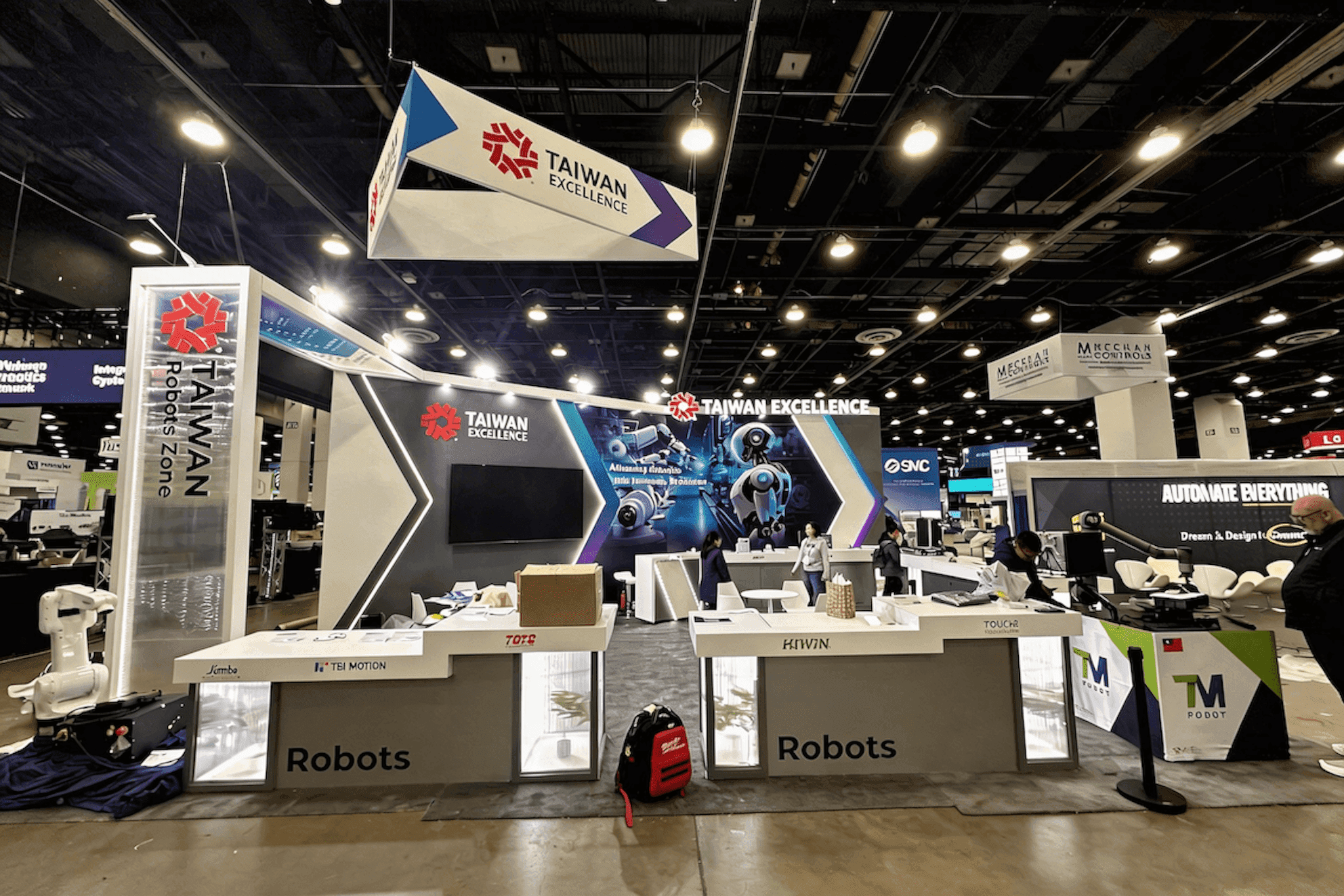
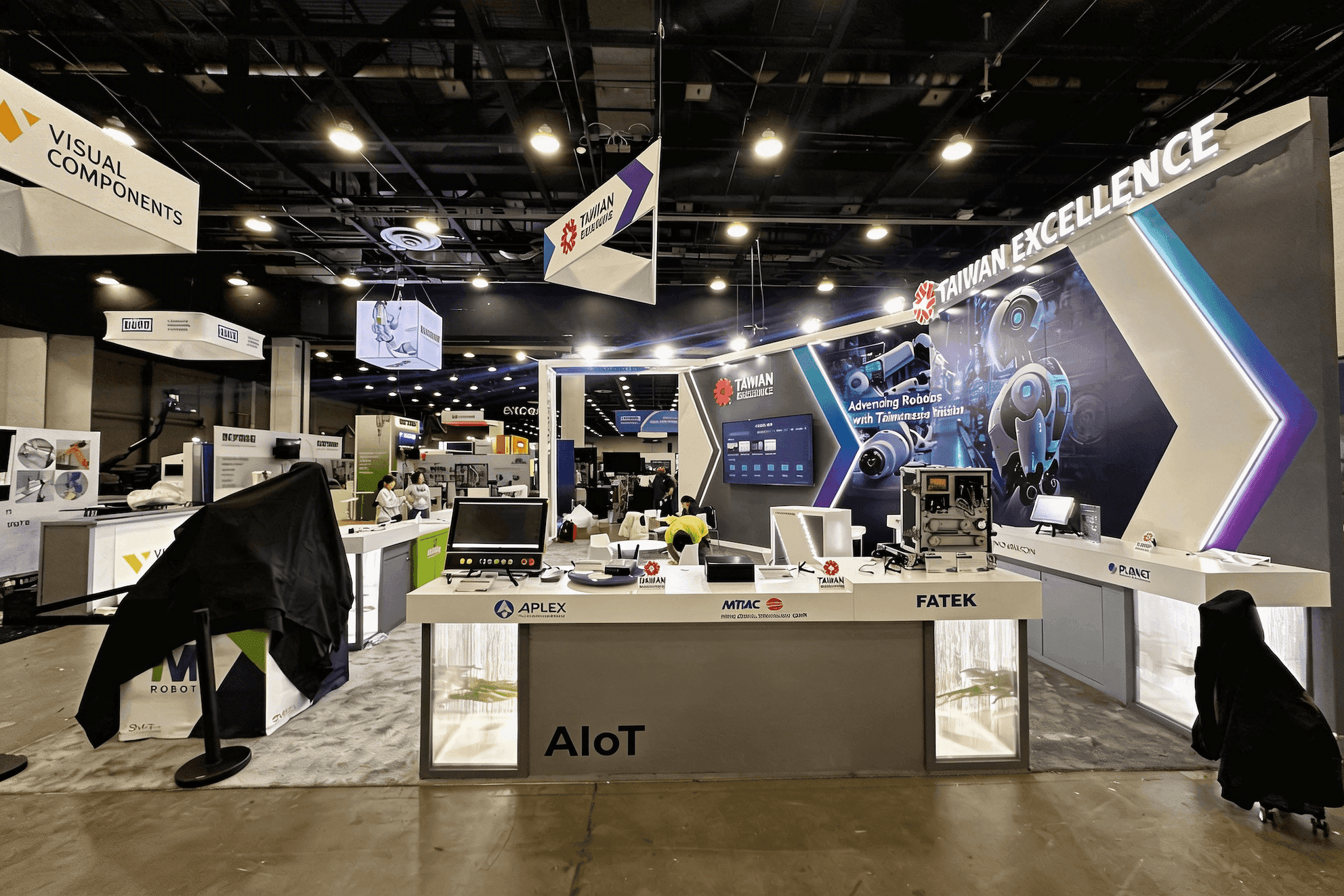
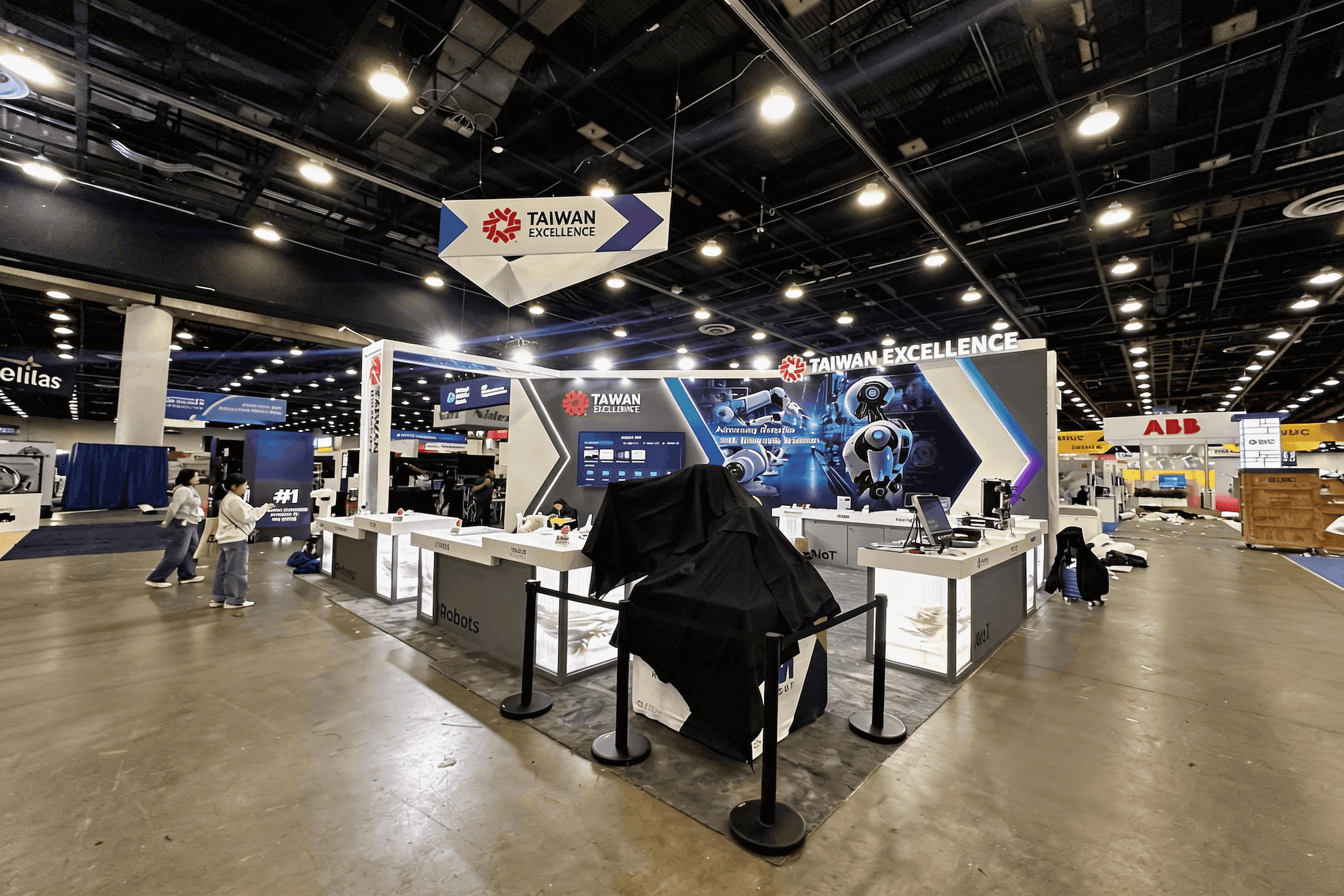

How should exhibitors plan a HIMSS patient experience booth?
A HIMSS patient experience booth should make one patient journey easy to follow, from the first interaction through device or platform response to clinical follow-up. The space needs distinct patient and clinician views, accessible interfaces, controlled demo timing, privacy prompts, meeting space, reliable connectivity, charging, sanitation, concealed storage, and a repeatable reset process.
HIMSS Patient Experience & Wellness exhibits may feature telehealth platforms, remote patient monitoring, patient engagement tools, wellness applications, connected devices, patient portals, and digital care services. The booth should show what the patient does, how the technology responds, and where the clinician or care team enters the journey.
Patient and clinician interfaces should feel connected without blending into one presentation. The HIMSS27 booth planning hub provides the broader event context, while Interop+Smart Experience planning is relevant when the patient journey depends on connected clinical systems.
Charging, network access, screen placement, accessibility, sanitation, backup devices, and reset procedures should be resolved before production. These requirements also affect Chicago show-site coordination, while 20x20 booth planning offers a practical reference for combining one patient journey, a clinician view, meetings, and storage.
Why Exhibitors Choose Circle Exhibit
Clear scope, transparent quote review, nationwide booth support, and efficient setup planning for qualified rental and custom exhibit projects.
48hr
Setup Window
10+
Years Since 2014
U.S.
Trade Show Support
Real
Booth Project Proof
Choose the footprint based on the patient journey, demo length, devices, clinician views, meetings, accessibility, charging, storage, and reset needs.
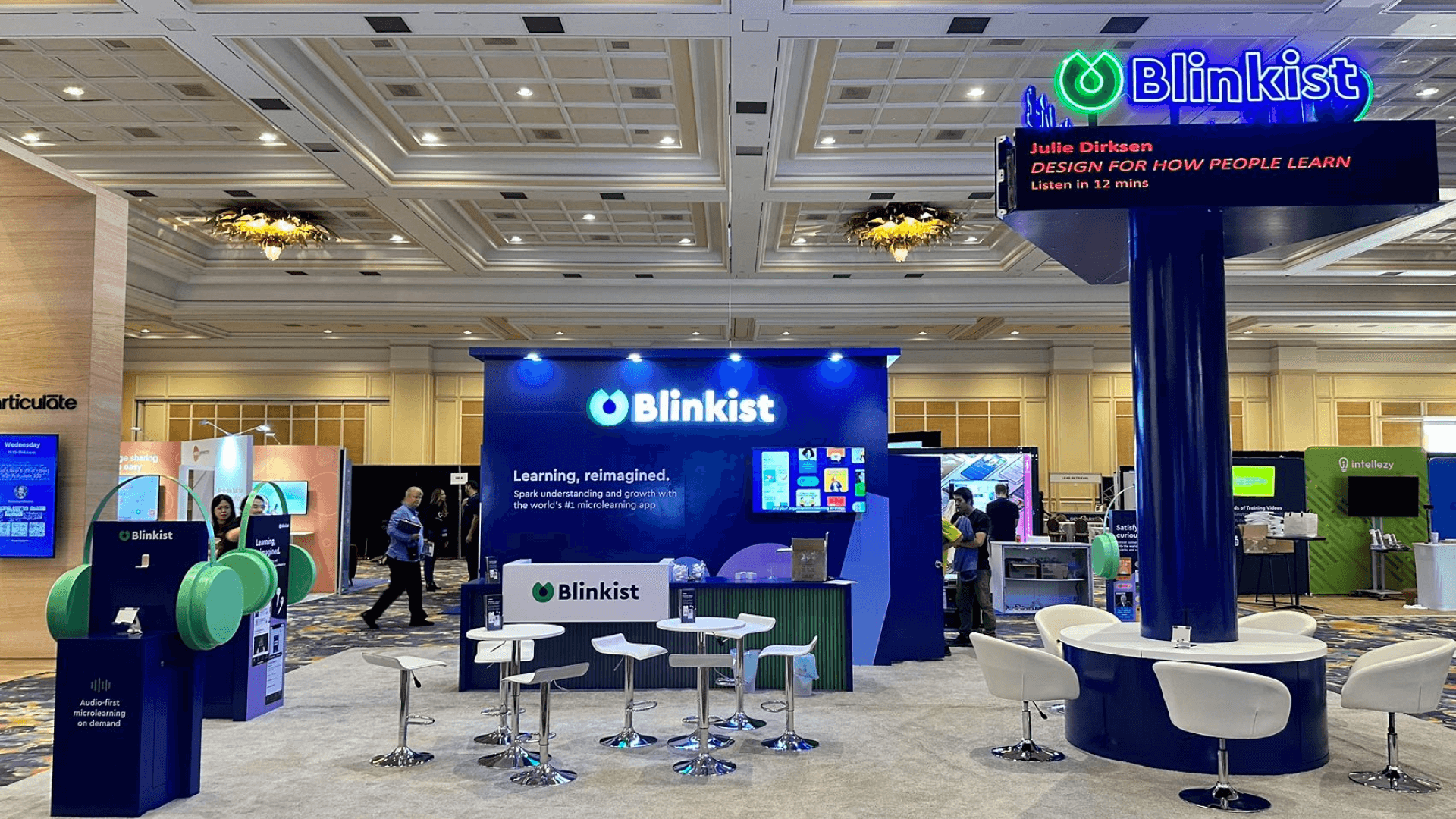
This footprint works for one patient-facing platform, a guided device or telehealth demo, and short buyer conversations. 10x20 booth planning helps balance screens, counters, and storage.
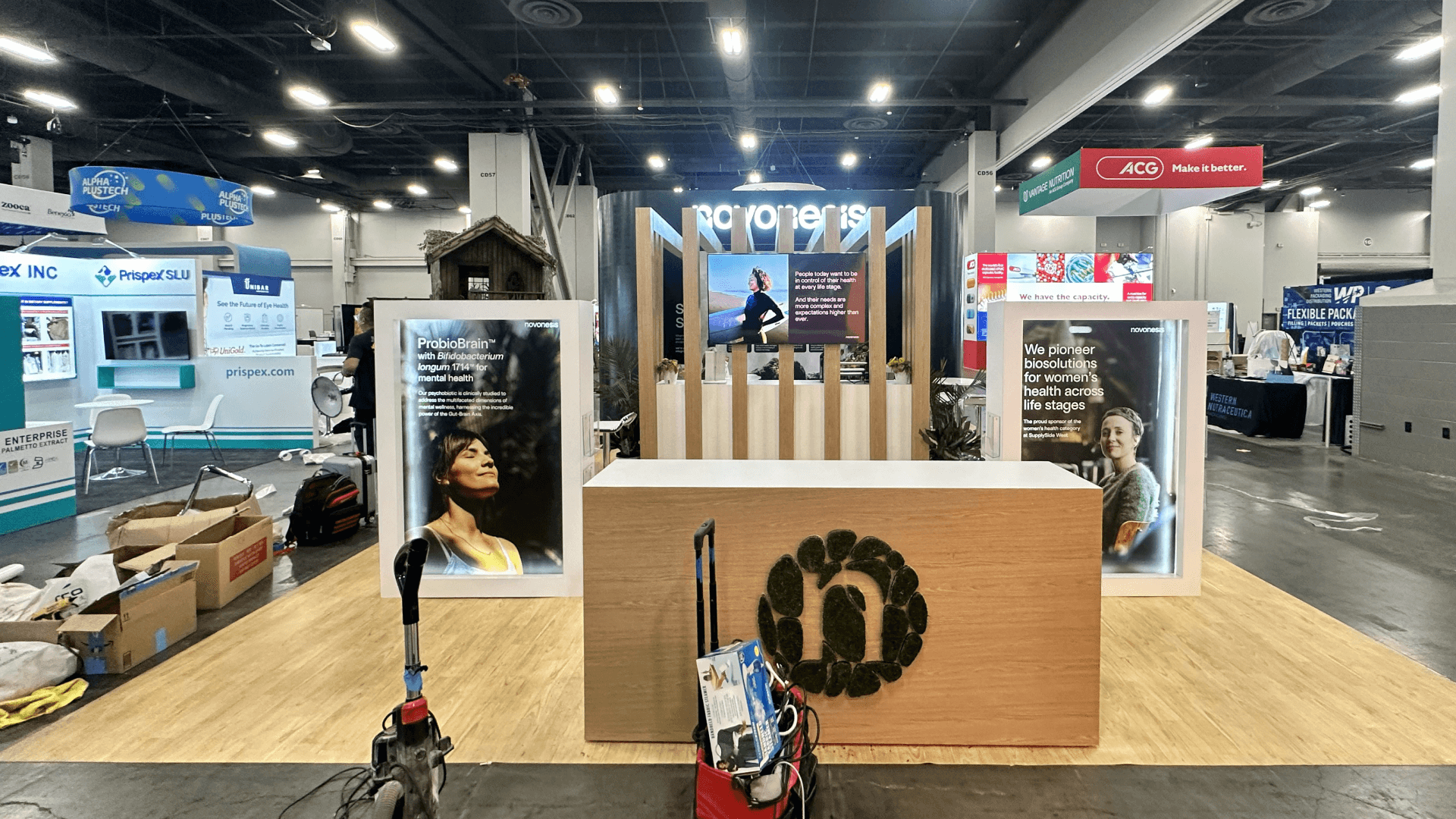
A larger footprint creates clearer separation between device interaction, platform demos, clinical follow-up, and longer buyer meetings. 20x30 booth planning supports more defined visitor and conversation zones.
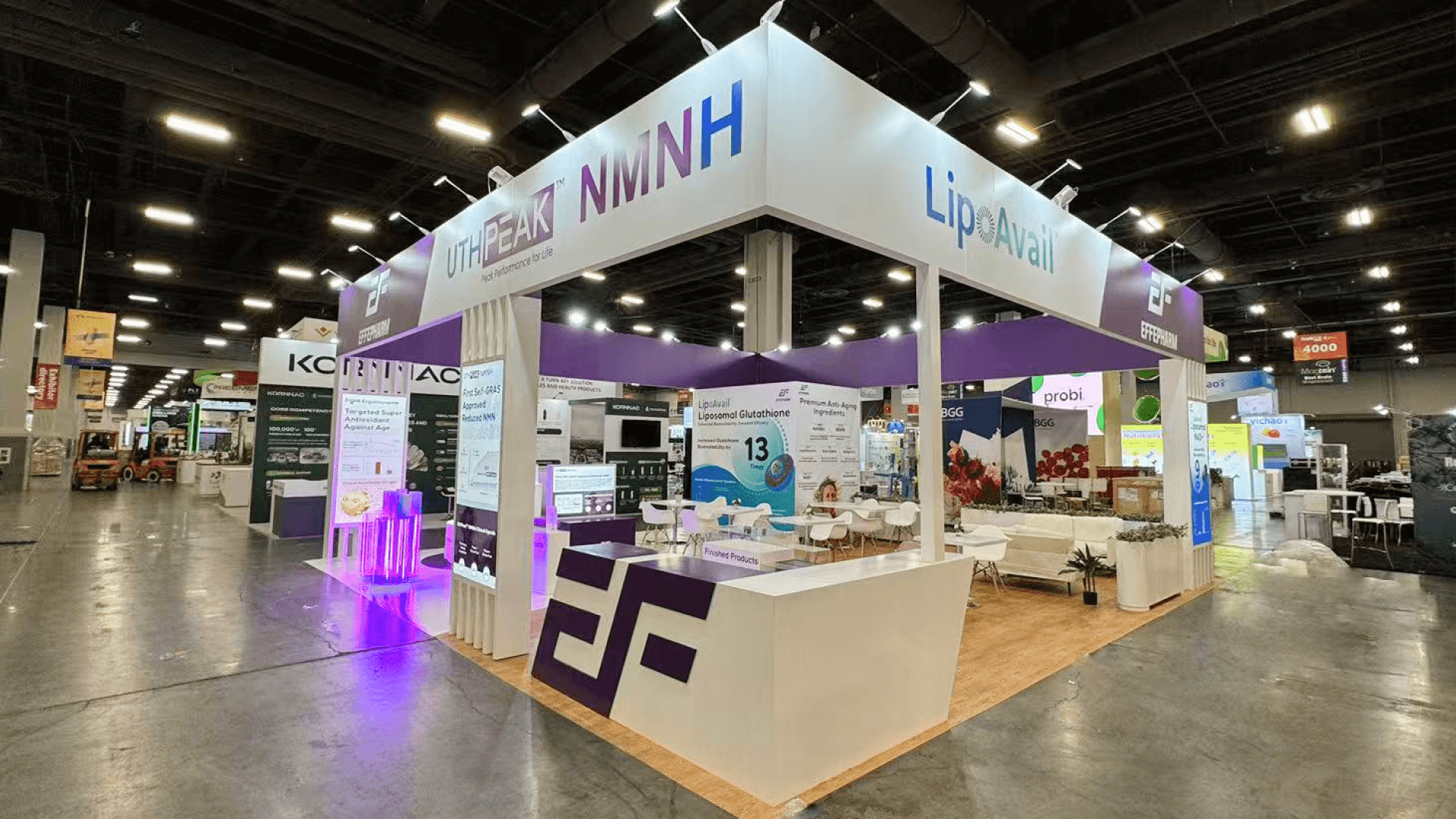
The added space supports one patient journey, a separate clinician view, meetings, and concealed device storage. 20x20 booth planning helps organize these functions without crowding the demo.
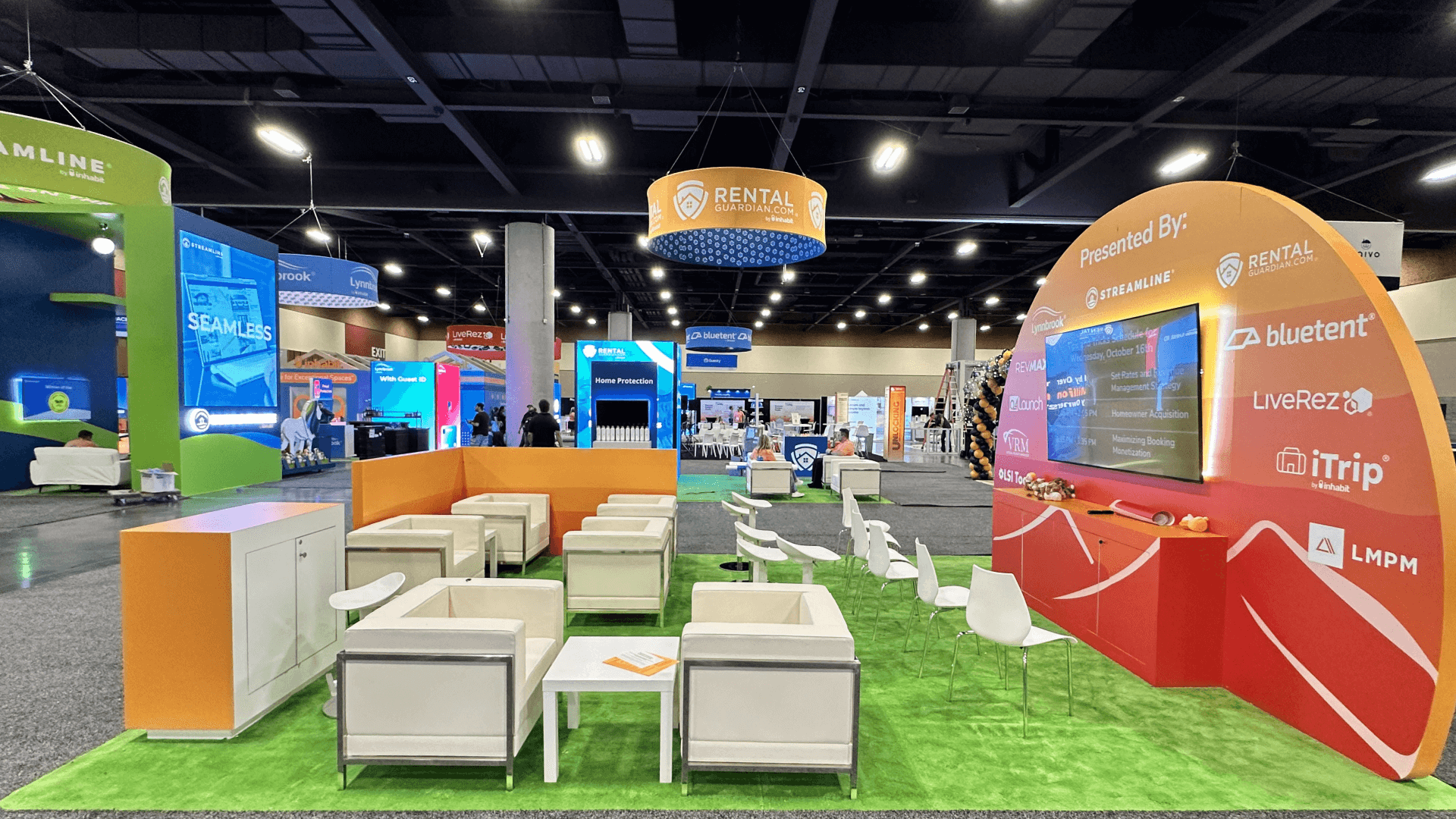
This scale can accommodate multiple patient solutions, partner demos, private meetings, larger AV systems, and back-of-house device support. 30x40 booth planning helps organize these functions within one connected environment.
Patient-facing products often depend on mobile apps, EHRs, care-team views, connected devices, or remote platforms working within one journey. Live vs Recorded Healthcare Interoperability Demos provides an auxiliary framework for deciding which patient interaction should remain live, which backend steps need a controlled sequence, and how the story continues after a system failure. The Patient Experience & Wellness page remains focused on accessibility, device interaction, clinician handoffs, and booth planning.
Patient experience exhibits should connect patient actions, devices, platforms, and clinical follow-up in one clear, accessible journey that can be repeated throughout the show.
Start with one patient need or care moment, then show how the technology responds and what next step follows.
Keep the patient interface and clinician dashboard connected but visually distinct so each action and result is easy to follow.
Plan screen height, text size, touch access, seating, audio, and pacing for different users and interaction needs.
Keep consent prompts, sanitation, charging, backup devices, storage, and reset controls easy for staff to manage without interrupting visitor flow.
This HIMSS specialty area highlights telehealth, remote monitoring, patient engagement, wellness platforms, connected devices, and continuous-care solutions.
HIMSS27 runs April 5–8, 2027, at McCormick Place in Chicago. The Conference & Exhibition is open April 6–8.
Patient experience leaders, clinicians, nurses, digital care teams, health IT leaders, operations executives, and provider organizations evaluate adoption and care workflows.
Not Sure Which Booth Size You Need?
Not every exhibitor knows whether a 10x20, 20x20, 20x30, or larger booth is the right fit. Circle Exhibit can help review your event goals, product display needs, demo areas, meeting space, storage, budget scope, and setup timeline before you choose a booth size.
Device Interaction Without a Clear Journey
Accessibility Added Too Late
1
Map One Patient Action and Outcome
2
3
4
Rental Booth for One Guided Patient Journey
A rental booth works for one telehealth, monitoring, or engagement journey with screens, device counters, meetings, graphics, and concealed storage.
Custom Build for Integrated Device Experiences
A custom build suits multiple devices, seated demos, private discussions, accessibility features, integrated technology, and separate patient journeys.
Hybrid Booth for Reusable and Custom Elements
A hybrid booth combines reusable architecture with custom device counters, graphics, lighting, AV integration, privacy features, charging, and meeting areas.
Confirm electrical, network, AV, rigging, and material-handling requirements before finalizing screens, devices, counters, meetings, and storage.
Plan charging, hardline or wireless access, backup devices, cable paths, local files, and staff controls as part of the booth structure.
Keep cleaning supplies, replacement accessories, device storage, and reset controls accessible to staff but outside the main visitor path.
After installation, test the patient interface, device response, clinician view, privacy prompts, connectivity, accessibility, charging, and reset sequence.
Planning a HIMSS Patient Experience Booth in Chicago?
Circle Exhibit can coordinate booth design, device displays, graphics, AV integration, logistics, installation, and demo-readiness planning for patient experience exhibitors at McCormick Place.
What should a HIMSS patient experience booth include?
The booth should include one clear patient journey, separate patient and clinician views, accessible device interaction, meeting space, privacy information, charging, storage, and reset procedures.
What booth size works for patient experience exhibitors?
How should patient and clinician interfaces be displayed?
How should demo devices be managed during HIMSS?
Why does McCormick Place setup planning matter?
READY TO PLAN YOUR NEXT BOOTH?
Let’s Build a Booth That Fits Your Event
Share your event name, booth size, city, timeline, product display needs, and design references. Circle Exhibit will review your project direction and help you choose a rental-friendly or custom exhibit path.
3000+
Booth Projects Supported
50+
U.S. Event Cities
Transparent
Quote Review
Plan patient and clinician views, device counters, seating, meetings, charging, storage, accessibility, and circulation around one connected experience.
Use graphics to separate patient actions, platform responses, clinical follow-up, privacy information, and buyer-level proof without overcrowding the booth.
Coordinate devices, monitors, chargers, accessories, backup units, sanitation supplies, storage, labeling, and delivery around the setup sequence.
Coordinate screen mounting, counters, power, charging, cable routing, network access, device placement, testing, sanitation access, and dismantle at McCormick Place.
A 20x30 footprint can separate device interaction, patient and clinician views, longer demonstrations, meetings, charging, and back-of-house storage.