HIMSS Interop+Smart Experience Booth Planning
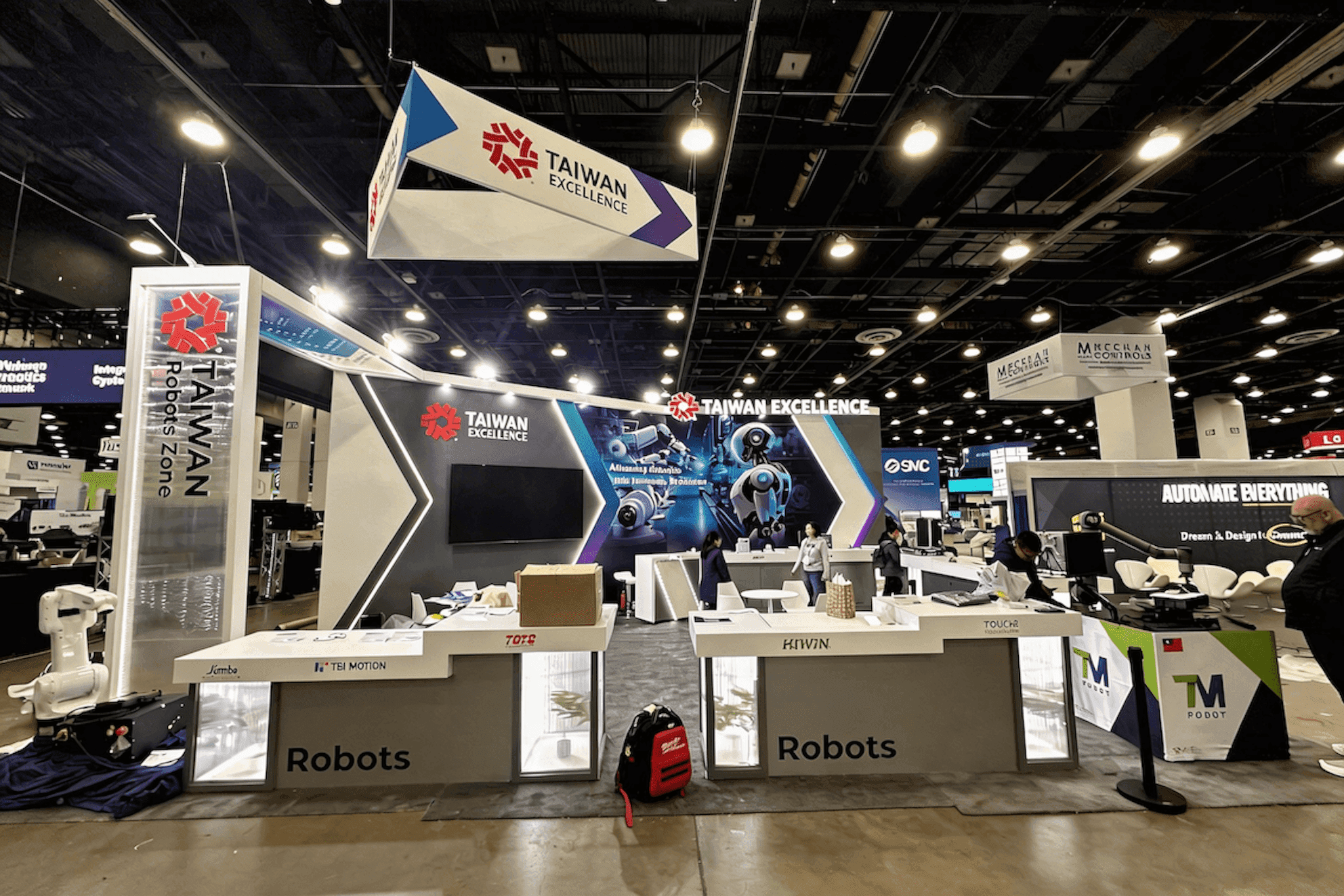
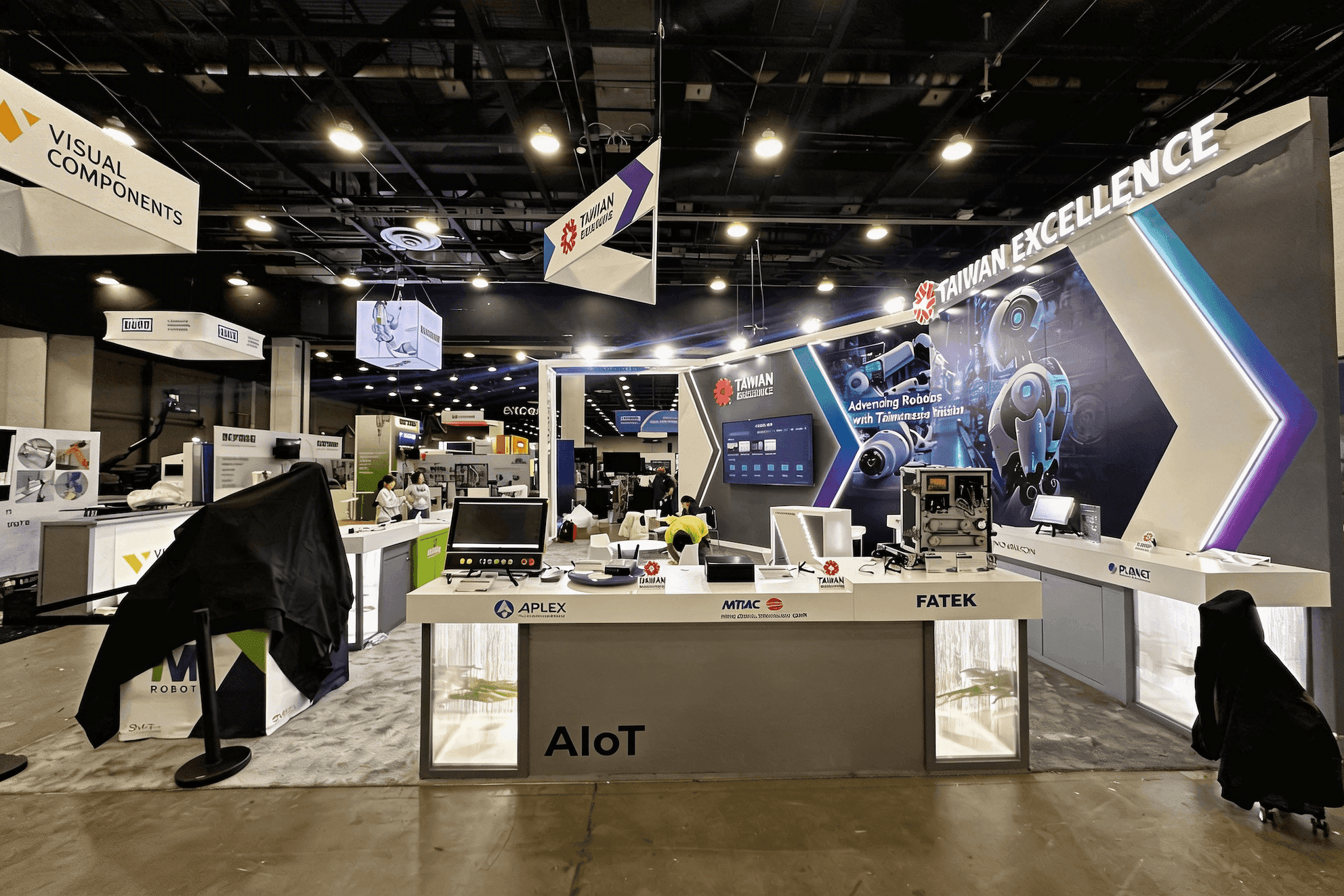


How should exhibitors plan a HIMSS interoperability booth?
A HIMSS interoperability booth should organize the experience around one clear healthcare data journey instead of separate software screens. Exhibitors need defined system roles, visible data handoffs, a clear clinical or operational outcome, coordinated partner presentations, reliable network access, meeting space, and a continuation plan that keeps the buyer conversation moving if a connection fails.
HIMSS interoperability exhibits may include SMART on FHIR applications, EHR integrations, health information exchanges, connected devices, APIs, and workflow platforms. The booth should show where healthcare data starts, which systems participate, and what clinical or operational action follows.
One patient, clinical, administrative, or operational journey should guide the visitor instead of turning each platform into a separate product station. The HIMSS27 booth planning hub provides the wider event context, while teams focused on protection and resilience can continue to HIMSS Cybersecurity Command Center booth planning.
Partner platforms, presentation computers, network access, screens, and backup assets should be coordinated before the booth structure is finalized. Chicago trade show booth builder support is relevant when those systems need local execution, while 20x30 booth planning provides room for connected demos, technical discussions, partner handoffs, and meetings.
Why Exhibitors Choose Circle Exhibit
Clear scope, transparent quote review, nationwide booth support, and efficient setup planning for qualified rental and custom exhibit projects.
48hr
Setup Window
10+
Years Since 2014
U.S.
Trade Show Support
Real
Booth Project Proof
Choose the footprint based on the number of connected systems, partner roles, demo length, screens, meetings, equipment, and technical support.
This footprint works for one integration use case, connected screens, and short technical conversations. 10x20 booth planning helps balance counters, graphics, and storage.
A larger footprint separates the main workflow, partner systems, technical discussions, and executive meetings. 20x30 booth planning supports clearer zoning for each role.
The added space supports one end-to-end data journey, multiple system views, meetings, and concealed AV equipment. 20x20 booth planning helps organize these functions without crowding the demo.
This scale can accommodate multiple integrations, partner demos, private meetings, larger AV systems, and technical support. 30x40 booth planning helps bring these elements into one connected environment.
A multi-system demonstration should not rely on every API, login, and partner platform working at once. Live vs Recorded Healthcare Interoperability Demos explains how to select one meaningful live handoff, protect fragile steps, assign system ownership, and prepare a reset path. The Event page carries those decisions into partner-system zones, technical follow-up, and the wider HIMSS interoperability experience.
Interoperability exhibits should turn technical architecture into a clear healthcare journey, with visible system roles, data handoffs, outcomes, and a reliable continuation plan.
Use one patient, clinical, administrative, or operational scenario to connect the participating systems. Visitors should understand the journey without first decoding an architecture diagram.
Give each platform, application, interface, or partner one visible role. Avoid showing multiple dashboards without explaining who handles each step.
Show where the data starts, how it moves, which system receives it, and what action follows. Keep the clinical or operational outcome more prominent than the connection itself.
Assign an owner to each system, login, partner handoff, and reset process. Confirm network dependencies and prepare a continuation path if one connection fails.
This HIMSS specialty experience highlights interoperability platforms, SMART on FHIR applications, connected workflows, partner systems, and secure healthcare data exchange.
HIMSS27 runs April 5–8, 2027, at McCormick Place in Chicago. The Conference & Exhibition is open April 6–8.
CIOs, informatics leaders, integration teams, developers, technology partners, operations leaders, and health system executives evaluate connectivity and implementation readiness.
Not Sure Which Booth Size You Need?
Not every exhibitor knows whether a 10x20, 20x20, 20x30, or larger booth is the right fit. Circle Exhibit can help review your event goals, product display needs, demo areas, meeting space, storage, budget scope, and setup timeline before you choose a booth size.
Architecture Shown Instead of Action
Partner Platforms Competing for Attention
1
Define One Data Journey
2
3
4
Rental Booth for One Connected Workflow
A rental booth works for one integration story, several screens, a technical counter, meetings, and concealed equipment.
Custom Build for Multi-Partner Ecosystems
A custom build suits multiple partners, larger AV systems, private technical discussions, integrated architecture, and separate workflow zones.
Hybrid Booth for Reusable Structure and Integrated AV
A hybrid booth combines reusable architecture with custom counters, partner stations, graphics, screens, network access, and meeting areas.
Confirm hardline, dedicated, wireless, electrical, and AV requirements before finalizing connected-system demo stations.
Assign one owner to every live platform, login, data handoff, presentation computer, and partner-controlled sequence.
Plan screens, computers, switches, AV racks, backup devices, local files, charging, and cable paths as part of the booth structure.
After installation, test the full data journey, presenter handoffs, network recovery, continuation sequence, screen readability, and reset timing.
Planning a HIMSS Interoperability Booth in Chicago?
Circle Exhibit can coordinate booth design, graphics, AV integration, connected-system logistics, installation, and demo-readiness planning for interoperability exhibitors at McCormick Place.
What should a HIMSS interoperability booth include?
The booth should include one connected healthcare journey, clearly assigned system roles, visible data handoffs, a meaningful outcome, technical discussion space, and a tested continuation plan.
What booth size works for interoperability exhibitors?
How many systems should an interoperability demo show?
How should multiple partners share one interoperability demo?
Why does McCormick Place setup planning matter?
READY TO PLAN YOUR NEXT BOOTH?
Let’s Build a Booth That Fits Your Event
Share your event name, booth size, city, timeline, product display needs, and design references. Circle Exhibit will review your project direction and help you choose a rental-friendly or custom exhibit path.
3000+
Booth Projects Supported
50+
U.S. Event Cities
Transparent
Quote Review
Coordinate presentation computers, monitors, switches, AV racks, backup devices, storage, and delivery around the sequence required for setup and testing.
Use graphics to identify each system, show data handoffs, separate technical detail, and keep the clinical or operational outcome visible.
Coordinate monitor mounting, computers, cable routing, switches, AV equipment, network connections, testing, reset access, and dismantle at McCormick Place.
Plan demo stations, partner positions, screens, meetings, equipment access, storage, and circulation around one connected healthcare workflow.
A 20x30 footprint can separate the main data journey, partner platforms, technical discussions, meetings, and back-of-house equipment.