GolfCarting Expo Product Demo Booth Planning


What should exhibitors plan for a GolfCarting Expo product demo booth?
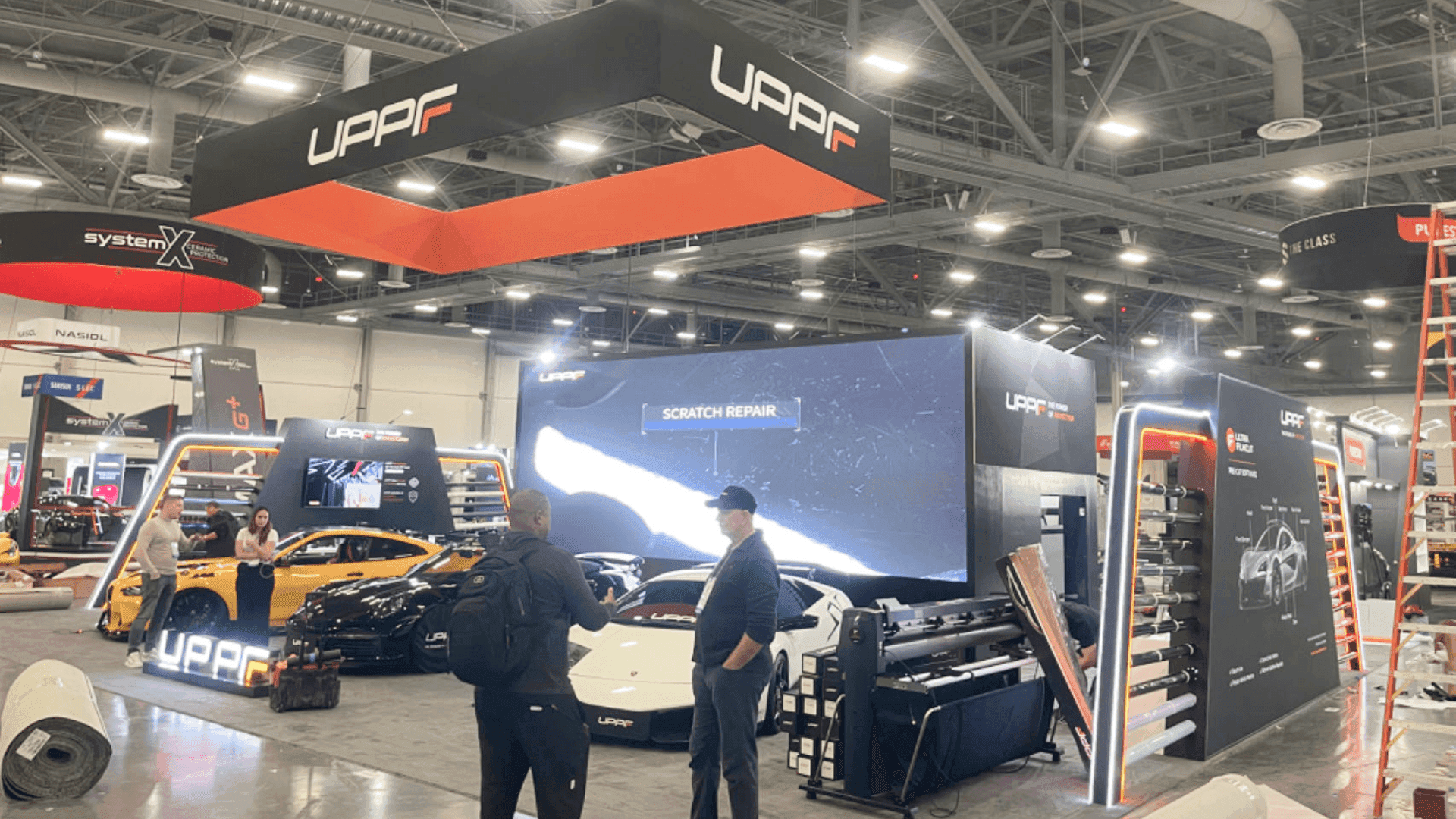
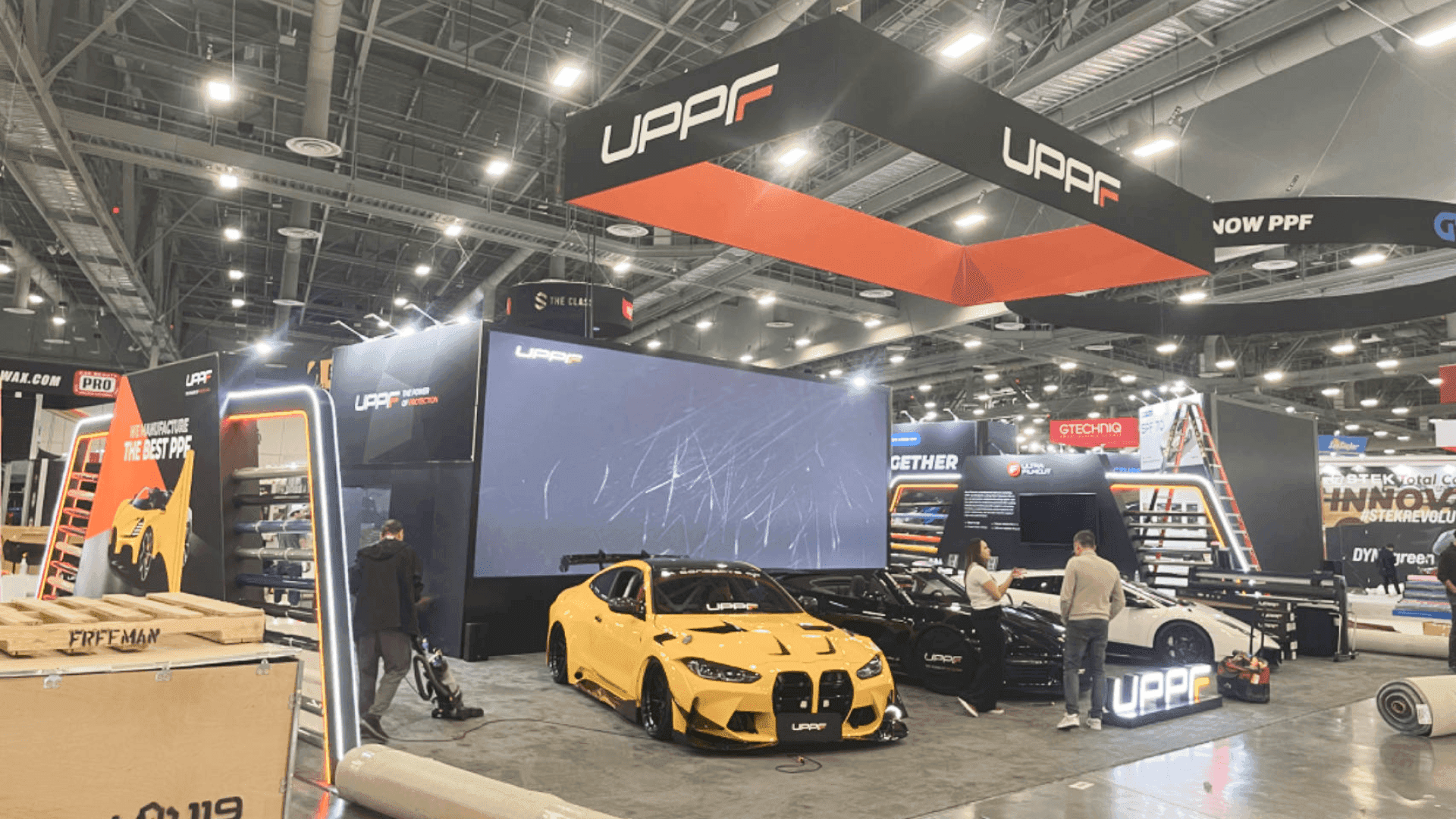
A GolfCarting Expo product demo booth starts with the vehicle or system at the center of the presentation. The space may need vehicle access, power, charging, product samples, clear sightlines, staff-controlled demo areas, storage, and coordination with Tech Sessions or test drives. Confirm these requirements early so the demonstration can run smoothly without interrupting buyer movement.
A complete cart or LSV sets the conditions for the rest of the booth. Access, charging, product supports, staff movement, and buyer sightlines all need to work around the vehicle and the demonstration it supports.
For vehicle and component exhibitors within GolfCarting Expo & Dealer Summit booth planning, the main questions are what buyers may touch, where staff need working room, and how powered products will be tested. Software, financing, warranty, and consultation-led exhibits follow a separate planning path.
Vehicle clearance, equipment loads, power locations, product supports, and demo access belong in the trade show booth design and engineering phase before production begins.
Why Exhibitors Choose Circle Exhibit
Clear scope, transparent quote review, nationwide booth support, and efficient setup planning for qualified rental and custom exhibit projects.
48hr
Setup Window
10+
Years Since 2014
U.S.
Trade Show Support
Real
Booth Project Proof
Choose the footprint around the main product, demo type, staff access, power, storage, and the space buyers need to watch without entering the work area.
A 10x10 booth plan suits batteries, chargers, controllers, accessories, one screen, and short staff-led explanations.
A 20x20 booth plan can hold one cart or LSV, related components, controlled viewing, technician access, and technical conversations.
A 10x20 booth plan adds room for larger hardware, product comparisons, a working demo, storage, and buyer questions.
A 20x30 booth plan gives the vehicle, demo area, component displays, storage, and meetings more separation. Confirm custom-space availability with the organizer.
A vehicle demo works best when buyers can see the product clearly without entering the work area. The golf cart and LSV product demo layout guide covers vehicle clearance, viewing zones, technician access, component placement, charging, test-drive handoff, and how 20x20 and larger custom spaces change the setup.
The display should reveal the main vehicle or system, the change the product makes, what visitors may interact with, and whether the next demonstration is ready.
Use the complete cart, LSV, battery system, or other primary product as the visual reference for the supporting components and explanations.
Demonstrate the effect on performance, charging, control, serviceability, comfort, safety, or another practical outcome rather than presenting only specifications.
Make the difference between open samples, staff-assisted products, and technician-only equipment visible before the demonstration begins.
Staff need access to replacement samples, charged devices, tools, cleaning materials, and reset space without closing the entire exhibit.
Live product demos and Tech Sessions let exhibitors show how carts, LSVs, components, and service equipment work in practice.
Vendors can indicate interest in OEM test drives or on-site technical training. Final participation and operating details require organizer approval.
GolfCarting Expo & Dealer Summit 2026 takes place at North Charleston Convention Center in North Charleston, South Carolina.
Not Sure Which Booth Size You Need?
Not every exhibitor knows whether a 10x20, 20x20, 20x30, or larger booth is the right fit. Circle Exhibit can help review your event goals, product display needs, demo areas, meeting space, storage, budget scope, and setup timeline before you choose a booth size.
Vehicle Access Changes the Booth Requirements
Components Need a Visible Relationship
1
Choose the Main Demonstration
2
3
4
Component Displays for Parts and Accessories
A rental setup can handle batteries, chargers, controllers, wheels, lighting, and accessories through samples, graphics, screens, and storage.
One Vehicle With Custom Display Support
A hybrid booth gives a cart or LSV the platform, mounts, counters, screens, and storage it needs without making the entire structure custom.
Integrated Vehicle and Technical Demonstration
A custom build is better suited to vehicle entry, engineered supports, heavy equipment, powered systems, and controlled work areas.
Setup opens at 9:00 a.m. on September 30, with move-out after the show closes on October 3. Recheck the final schedule before booking freight, labor, or vehicle delivery.
Confirm approval, timing, staffing, route access, and vehicle readiness before adding technical training or OEM test drives to the show plan.
Set the vehicle and major equipment before finalizing power, charging, screens, tools, and cable routes.
Run the full demonstration before opening, including visitor boundaries, staff handoff, and reset. Keep charged devices, tools, and replacement samples ready.
Bringing a Cart or LSV Into the Booth?
Share the vehicle dimensions, related components, demonstration type, equipment loads, power needs, staff access, and test-drive plans before the layout is fixed.
What products work well in GolfCarting Expo Product Demos?
Carts, LSVs, batteries, chargers, motors, controllers, suspension parts, wheels, lighting, audio systems, accessories, and service equipment all fit when buyers benefit from seeing the product operate or comparing it in person.
How much space does a golf cart product demo need?
What must be confirmed before offering test drives?
What should be checked for power and charging?
Do hands-on demonstrations need staff supervision?
READY TO PLAN YOUR NEXT BOOTH?
Let’s Build a Booth That Fits Your Event
Share your event name, booth size, city, timeline, product display needs, and design references. Circle Exhibit will review your project direction and help you choose a rental-friendly or custom exhibit path.
3000+
Booth Projects Supported
50+
U.S. Event Cities
Transparent
Quote Review
Connect the vehicle, components, technical details, and screen content through clear labels, diagrams, and aisle-facing messages.
Test platforms, component mounts, counters, screens, cables, storage, and demo equipment together before packing the booth.
Track vehicle delivery, freight records, equipment lists, service orders, carrier timing, and move-in changes in one plan.
Coordinate booth assembly, vehicle placement, service connections, final demo checks, and move-out around the show schedule.
Store reusable structures, product mounts, graphics, cables, and demo equipment between shows, with condition checks before reuse.