GolfCarting Expo & Dealer Summit Booth Planning


What should exhibitors plan for a GolfCarting Expo booth?
A GolfCarting Expo booth should start with the main buying decision: a complete cart or LSV, a related component system, or a dealer-facing service. From there, plan for product comparison, live demonstrations, buyer conversations, power, storage, and vehicle access. The booth should help visitors quickly understand what the offer does and why it matters to dealers or end users.
GolfCarting Expo brings together companies showing complete carts and LSVs, vehicle systems, accessories, dealer software, and business services. The booth should make the main offer clear from the aisle, then support the right kind of interaction—product comparison, a live demonstration, or a focused dealer conversation.
Software and service exhibitors can use GolfCarting Expo Dealer Education exhibit planning for screen demos and consultations. Manufacturers and component suppliers can use GolfCarting Expo Product Demo booth planning for vehicles, technical products, Tech Sessions, and test-drive activity. Power, storage, staff access, and demonstration needs should be confirmed before the layout is finalized.
Why Exhibitors Choose Circle Exhibit
Clear scope, transparent quote review, nationwide booth support, and efficient setup planning for qualified rental and custom exhibit projects.
48hr
Setup Window
10+
Years Since 2014
U.S.
Trade Show Support
Real
Booth Project Proof
The right footprint depends on the main exhibit—parts, dealer software, a complete cart or LSV, or a larger technical demonstration. Staff access, storage, power, and buyer circulation should be considered before the layout is finalized.
A 10x10 booth plan works for one product group, one screen, short conversations, lead capture, and limited hidden storage.
A 20x20 booth plan can support one cart or LSV, related components, controlled viewing, staff access, and buyer discussions.
A 10x20 booth plan adds room for product comparisons, a second demo point, or a compact seated conversation.
A 20x30 booth plan provides more separation between the vehicle, technical demonstration, component displays, storage, and meeting space.
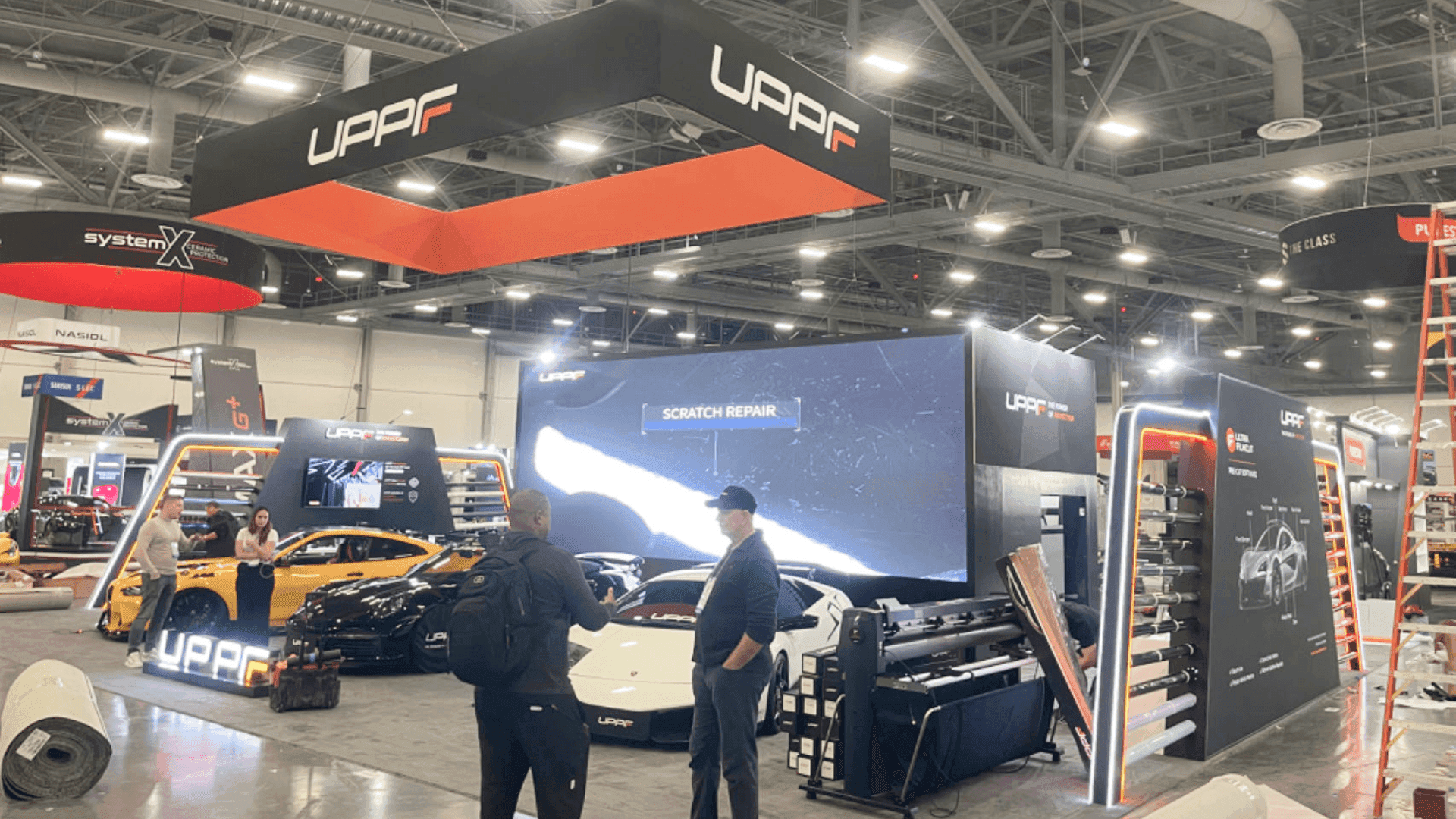
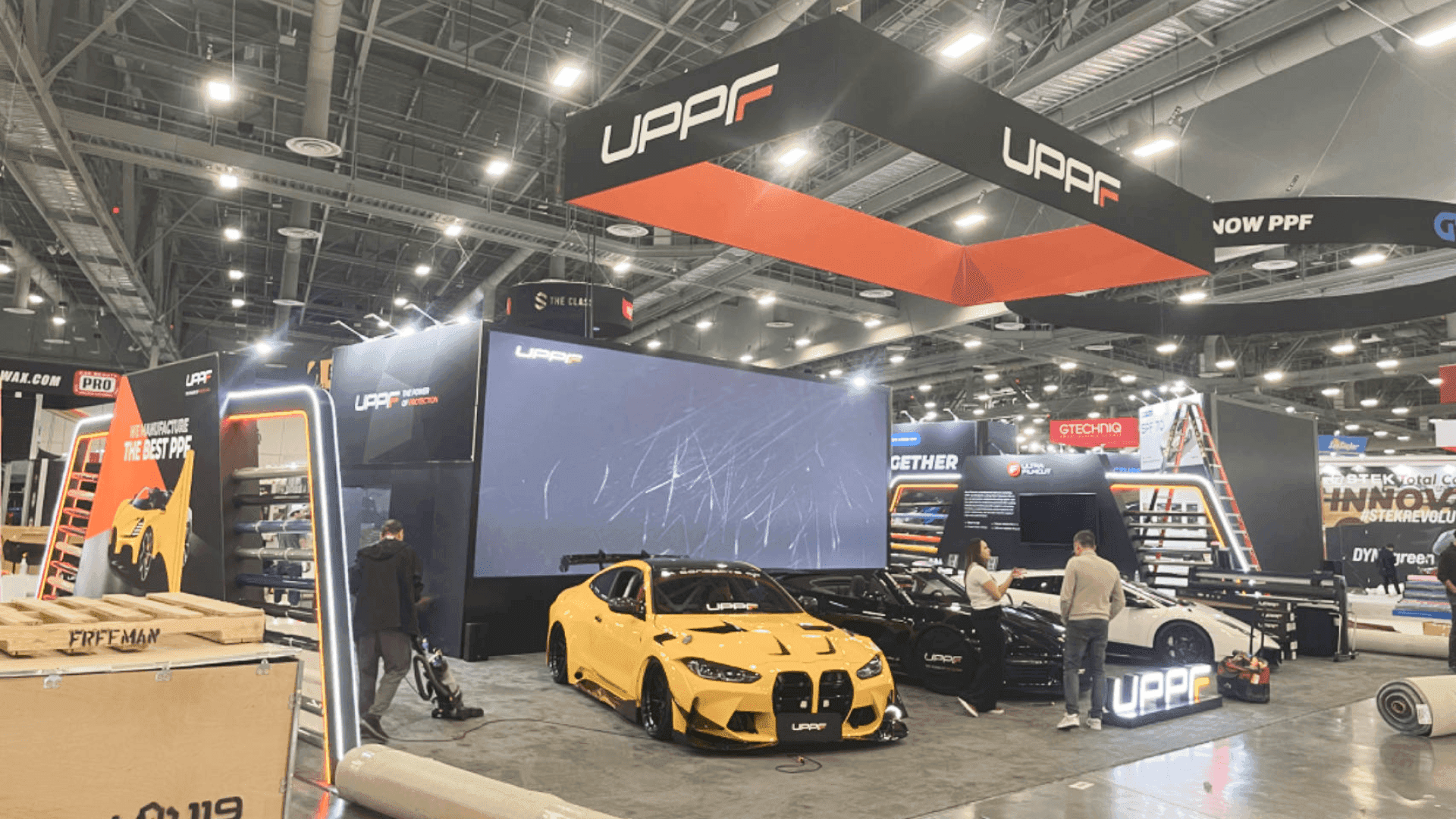
For exhibitors bringing carts, LSVs, batteries, chargers, motors, controllers, or accessories, the golf cart and LSV product demo layout guide covers vehicle clearance, buyer sightlines, technician access, component grouping, charging, and test-drive handoff. The layout should make the demonstration easy to follow without pulling visitors into the work area.
The display should connect each cart, component, technology platform, or dealer service with its practical use, buyer value, and next conversation.
Visitors should recognize the vehicle type and main selling point from the aisle without walking into the technical work area.
Group batteries, chargers, motors, controllers, suspension parts, wheels, and accessories by the vehicle system or use case they support.
Screens and graphics should show whether the solution addresses sales, inventory, service, marketing, warranty, financing, or customer management.
Vehicles, components, screens, samples, cables, and lead-capture tools should be tested together before the show opens.
Dealers, manufacturers, suppliers, distributors, and buyers meet around carts, LSVs, parts, technology, services, and dealer education.
GolfCarting Expo 2026 takes place at North Charleston Convention Center in North Charleston, South Carolina.
The program includes dealer education, Tech Sessions, live demos, and networking, with interest options for technical training or OEM test drives.
Not Sure Which Booth Size You Need?
Not every exhibitor knows whether a 10x20, 20x20, 20x30, or larger booth is the right fit. Circle Exhibit can help review your event goals, product display needs, demo areas, meeting space, storage, budget scope, and setup timeline before you choose a booth size.
Vehicle Scale Changes the Floor Plan
Components Need System Context
1
Choose the Main Buyer Decision
2
3
4
Focused Products and Services
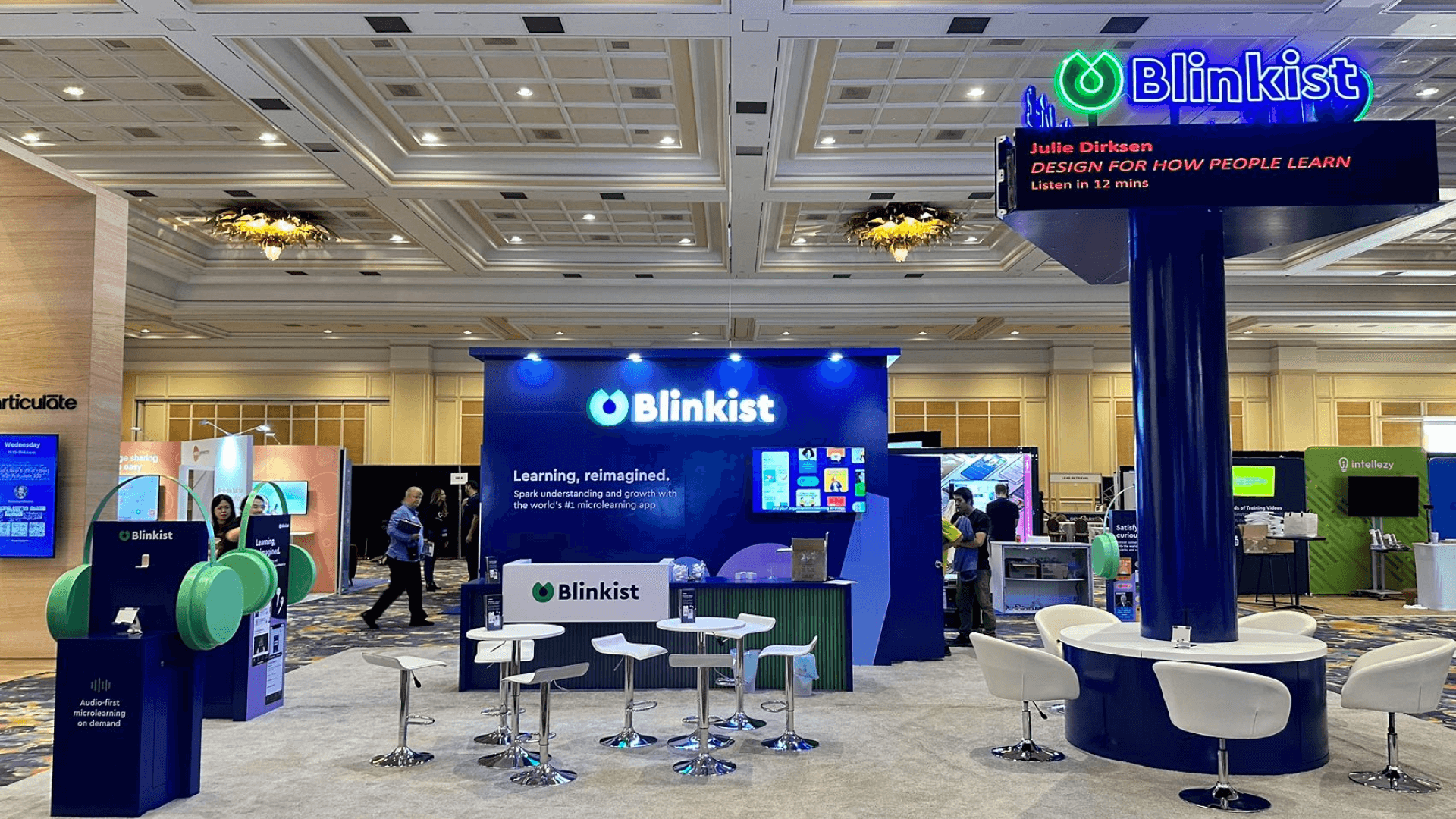
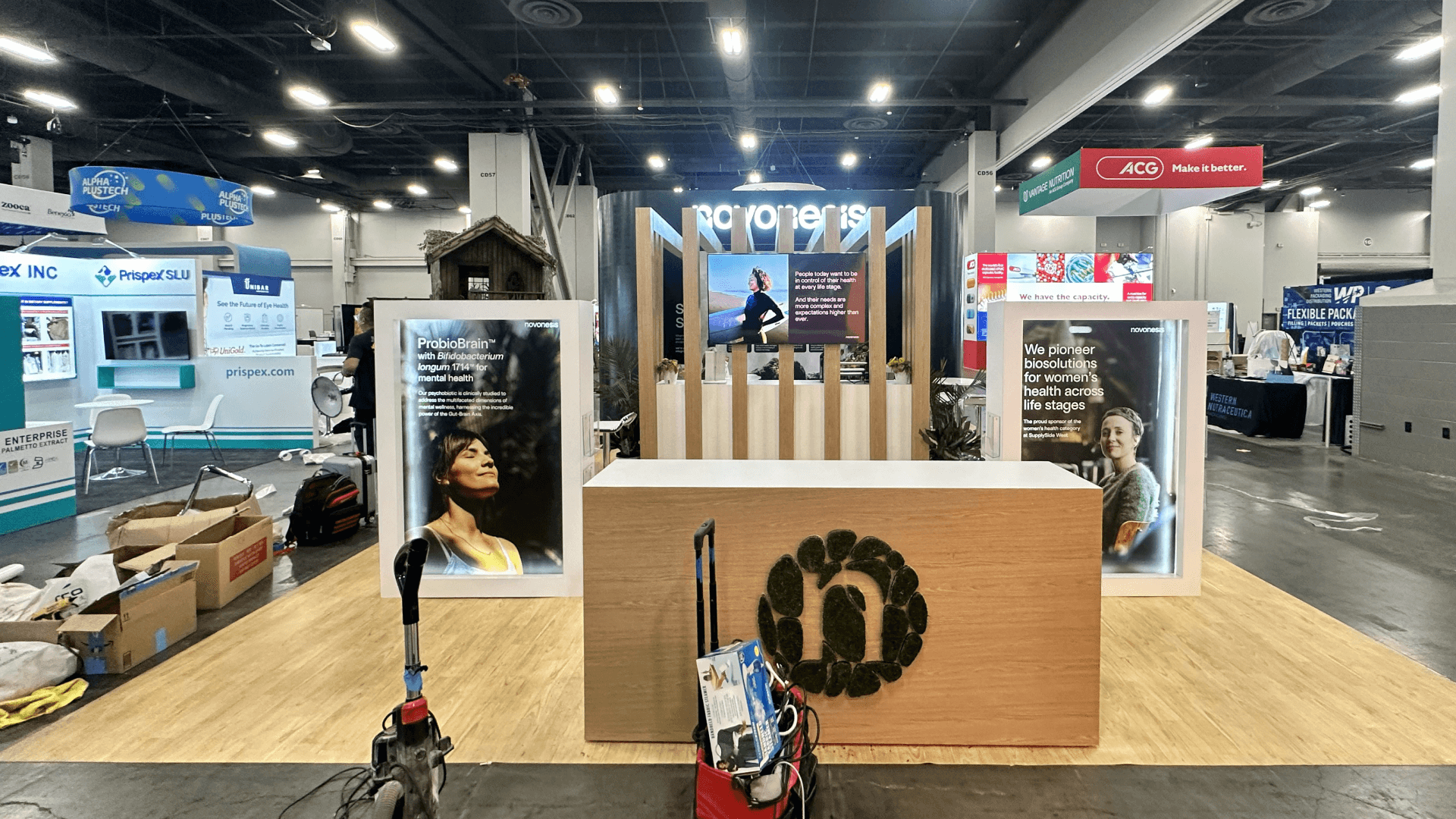
A customizable rental works well for accessories, software, financing, warranty, and other focused offers that rely on clear graphics, screens, lead capture, and compact consultation space.
Vehicle-Led Displays
A cart or LSV display may need custom entry clearance, product supports, electrical planning, storage, and technician access that a standard rental layout cannot easily provide.
Mixed Demo and Meeting Needs
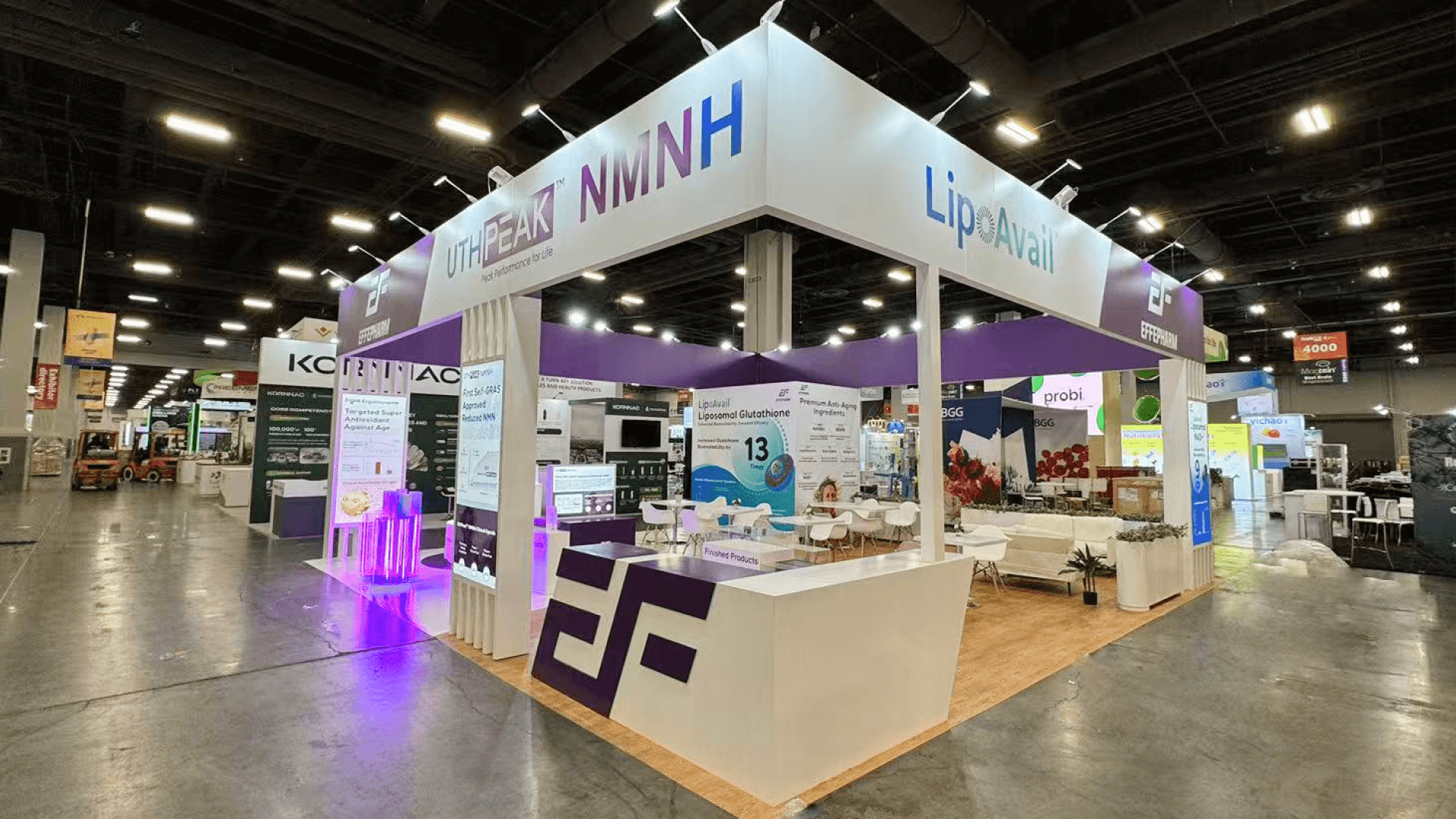
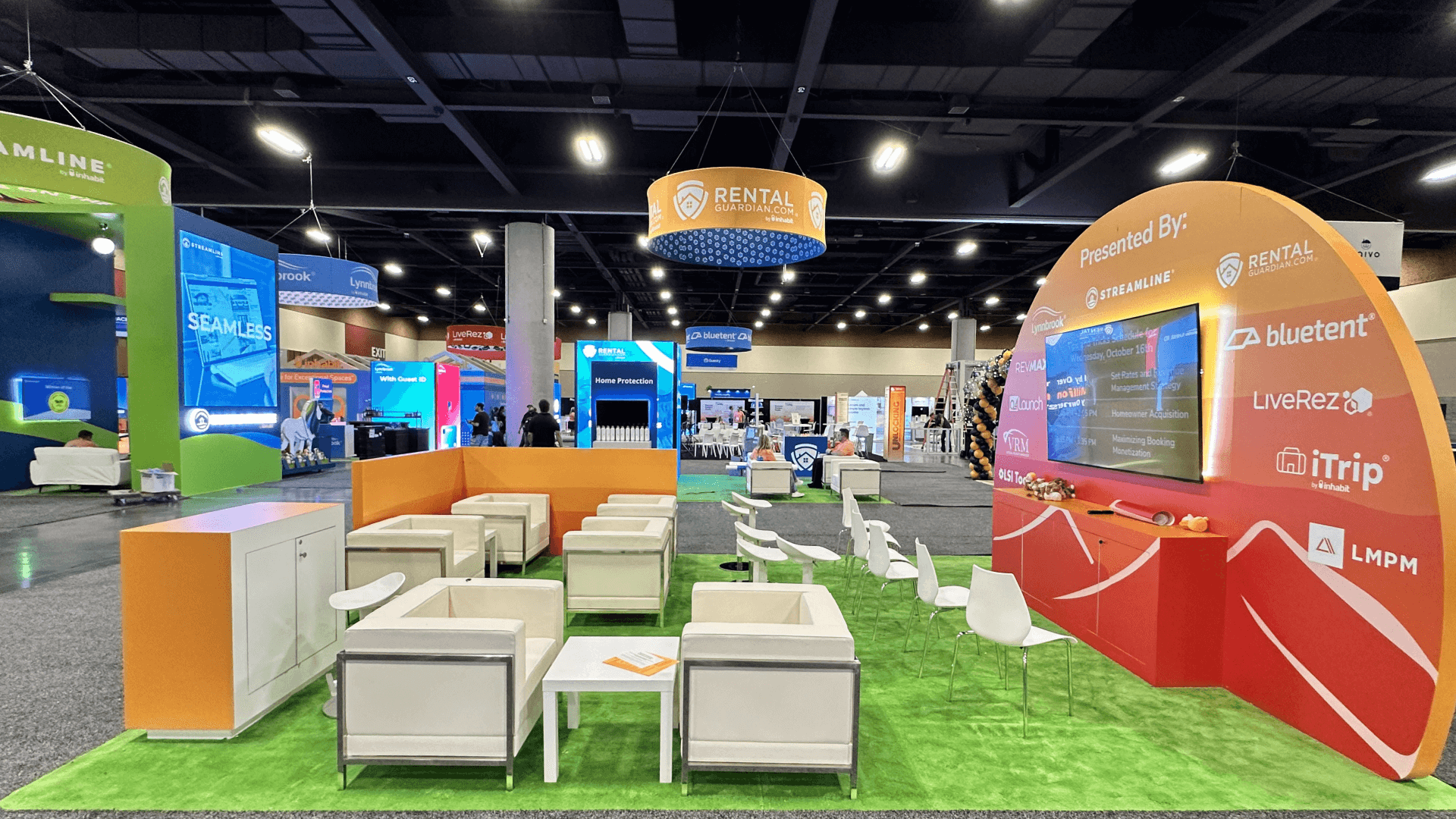
A hybrid booth can pair a reusable structure with custom graphics, component displays, screens, storage, and selected vehicle-demo features while preserving room for dealer conversations.
Setup begins at 9:00 a.m. on September 30, with move-out after the show closes on October 3. Recheck the final schedule before booking labor or delivery.
Confirm receiving instructions, carrier timing, vehicle access, crate count, and equipment details before dispatch.
Test chargers, screens, accessories, and lead-capture tools after services are active. Leave time to adjust equipment and cable routes.
Confirm organizer approval, timing, staffing, vehicle readiness, and visitor handoff before adding training or OEM test drives to the schedule.
Planning What Needs to Enter the Booth?
Share the booth size, main product, vehicle or equipment list, demonstration needs, power requirements, and meeting scope. The layout can then be planned around what the team must display, operate, and discuss.
What should a GolfCarting Expo booth include?
Start with the exhibitor’s main offer. A vehicle-led booth may need clear sightlines, technical access, related components, and power, while a dealer-service exhibit may rely more on screens, consultation, lead capture, and concise business messaging.
What booth sizes are currently listed for GolfCarting Expo exhibitors?
What should exhibitors confirm before setup begins?
READY TO PLAN YOUR NEXT BOOTH?
Let’s Build a Booth That Fits Your Event
Share your event name, booth size, city, timeline, product display needs, and design references. Circle Exhibit will review your project direction and help you choose a rental-friendly or custom exhibit path.
3000+
Booth Projects Supported
50+
U.S. Event Cities
Transparent
Quote Review
Resolve vehicle clearance, product supports, equipment loads, power locations, sightlines, and demo boundaries before production begins.
Connect carts, components, software, and dealer services with clear labels, system diagrams, aisle-facing messages, and supporting screen content.
Keep vehicle delivery, freight records, service orders, carrier timing, and move-in changes in one working plan before setup.
Coordinate booth assembly, vehicle placement, service connections, final testing, and move-out around the confirmed show schedule.