BG Color

OUR SERVICES

OUR SERVICES

Storage, Maintenance & Reuse

Turn post-show assets into a repeatable system—inventory, labeling, repair planning, and next-show readiness.

BG Color

OUR SERVICES

Storage, Maintenance & Reuse

Turn post-show assets into a repeatable system—inventory, labeling, repair planning, and next-show readiness.

What’s Included

We convert post-show chaos into a manageable asset workflow—what can be reused, what needs repair, and what should be replaced.

Inventory & classification

Count modules/parts, flag missing items, and categorize what’s reusable vs. needs attention.

Labeling system

Standardize crate/box IDs, module IDs, and “open-first” markings for faster installs next time.

Protection & packing optimization

Upgrade protection for finishes, graphics, and hardware to reduce damage in transport and storage.

Maintenance & repair plan

Define touch-ups, paint repairs, hardware replacement, and structural reinforcement scope.

Reuse strategy & adaptation

Plan what can stay the same and what must change when booth size/layout shifts.

Next-show readiness list

Create a prep and replenishment checklist aligned with install sequence and venue requirements.
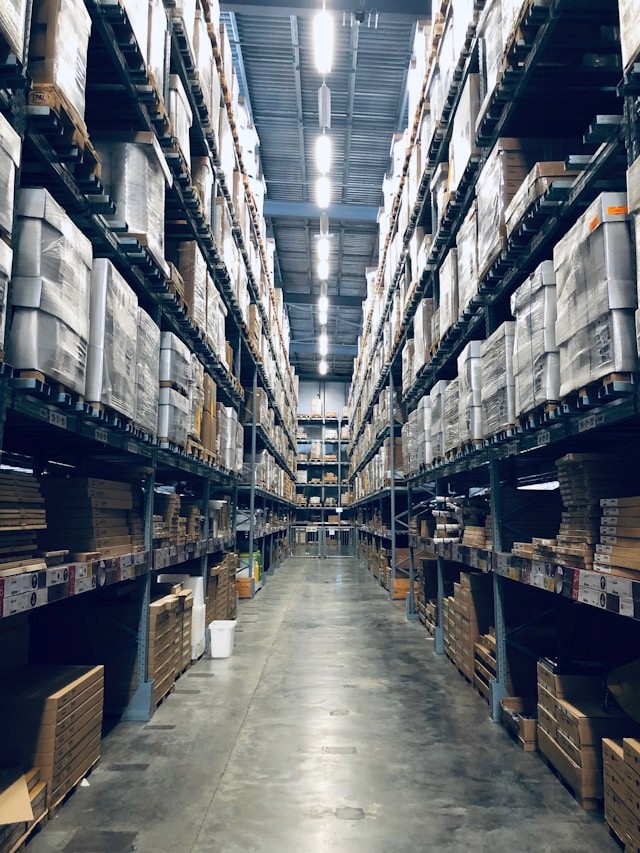
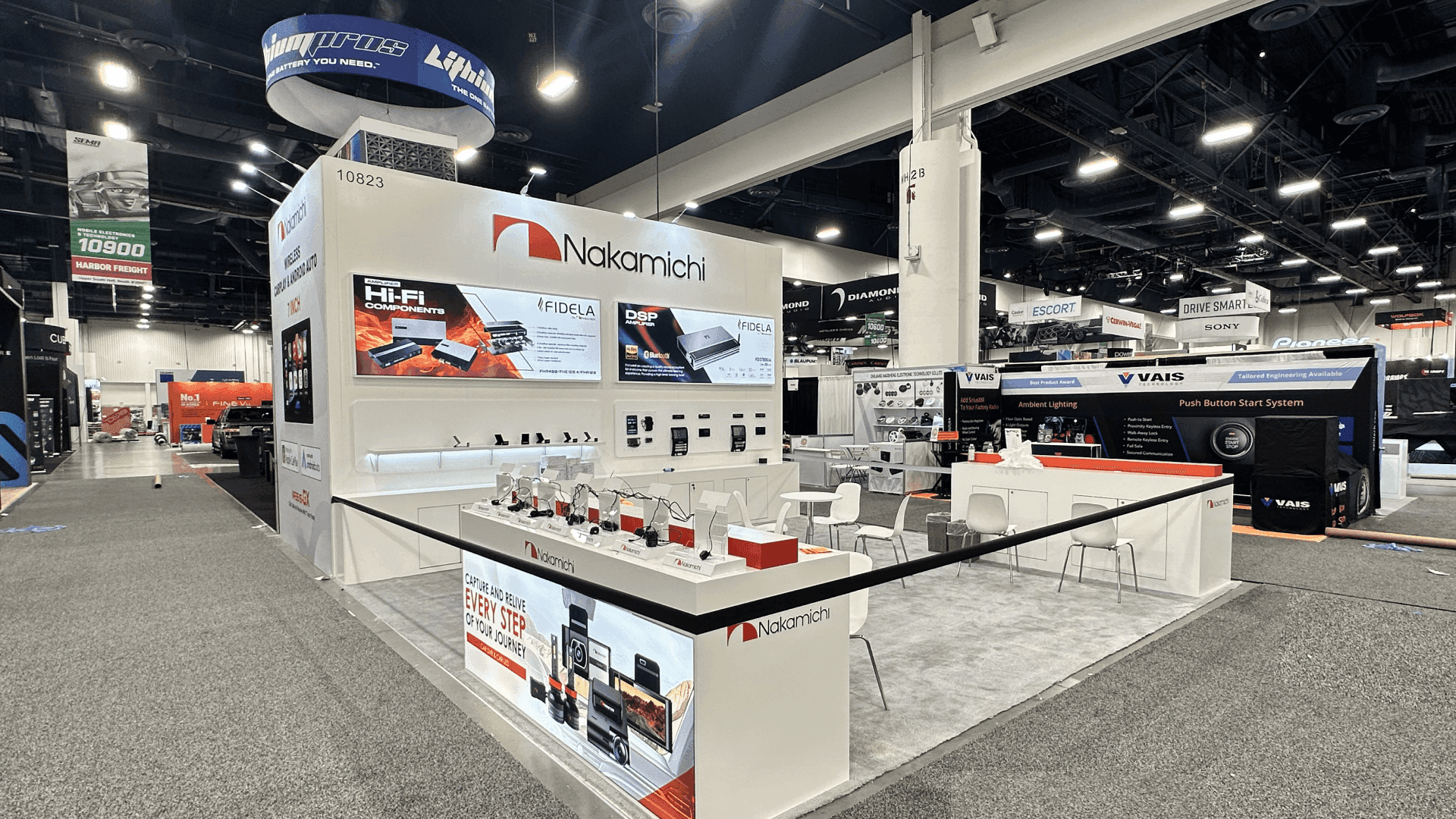
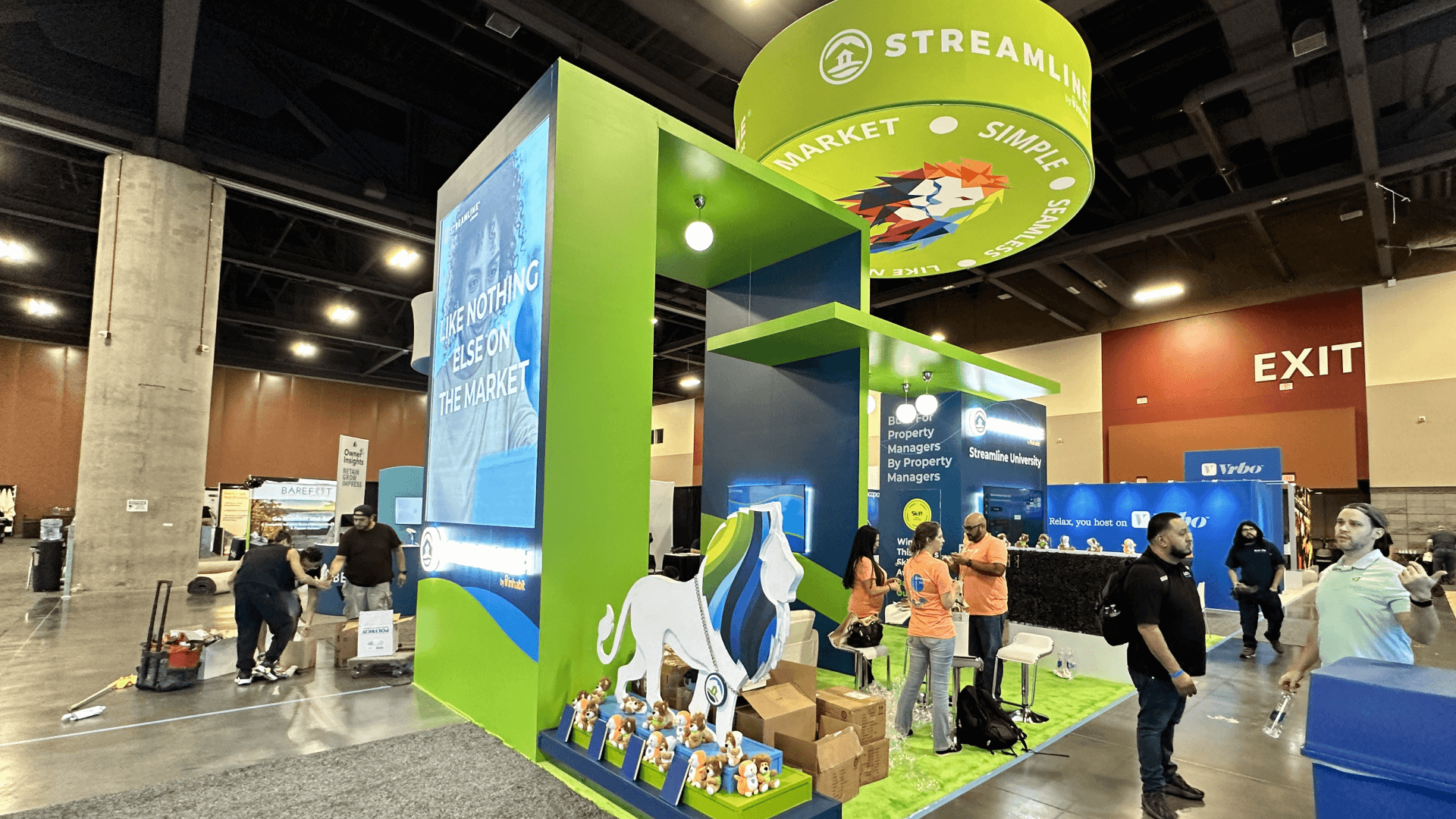
Trade show booth storage and reuse planning with inventory review and next-show preparation

Deliverables You Receive

Deliverables You Receive

Working deliverables for real reuse—useful for internal reporting, vendor coordination, and guiding the next show build.

Inventory list & missing-parts log

A counted inventory with missing/damaged items noted for replacement and repair decisions.

Inventory list & missing-parts log

A counted inventory with missing/damaged items noted for replacement and repair decisions.

Inventory list & missing-parts log

A counted inventory with missing/damaged items noted for replacement and repair decisions.

Module & crate labeling system

A consistent ID scheme for modules and crates, including “open-first” and install-order notes.

Module & crate labeling system

A consistent ID scheme for modules and crates, including “open-first” and install-order notes.

Module & crate labeling system

A consistent ID scheme for modules and crates, including “open-first” and install-order notes.

Maintenance & repair task list

A repair and touch-up plan covering finishes, hardware, and structural reinforcement (as needed).

Maintenance & repair task list

A repair and touch-up plan covering finishes, hardware, and structural reinforcement (as needed).

Maintenance & repair task list

A repair and touch-up plan covering finishes, hardware, and structural reinforcement (as needed).

Reuse adaptation guidance

Clear options for reuse, partial upgrades, or rebuild zones when the next booth footprint changes.

Reuse adaptation guidance

Clear options for reuse, partial upgrades, or rebuild zones when the next booth footprint changes.

Reuse adaptation guidance

Clear options for reuse, partial upgrades, or rebuild zones when the next booth footprint changes.

Replenishment & spares list

Recommendations for packing protection, stacking limits, and storage handling to prevent damage.

Replenishment & spares list

Recommendations for packing protection, stacking limits, and storage handling to prevent damage.

Replenishment & spares list

Recommendations for packing protection, stacking limits, and storage handling to prevent damage.

Next-show readiness checklist (timeline)

A practical checklist and timeline for replenishment, prep, and readiness before the next move-in.

Next-show readiness checklist (timeline)

A practical checklist and timeline for replenishment, prep, and readiness before the next move-in.

Next-show readiness checklist (timeline)

A practical checklist and timeline for replenishment, prep, and readiness before the next move-in.

Why Storage & Reuse Matters

Without a reuse system, a booth turns from an asset into a consumable—missing parts, damage, confusion, and rush fixes increase cost and risk.

Without a reuse system, a booth turns from an asset into a consumable—missing parts, damage, confusion, and rush fixes increase cost and risk.

Without a reuse system, a booth turns from an asset into a consumable—missing parts, damage, confusion, and rush fixes increase cost and risk.

icon
Prevents missing parts on install day

Inventory and labeling reduce last-minute surprises that stall crews and burn labor hours.

icon
Prevents missing parts on install day

Inventory and labeling reduce last-minute surprises that stall crews and burn labor hours.

icon
Prevents missing parts on install day

Inventory and labeling reduce last-minute surprises that stall crews and burn labor hours.

Reduces damage across shipping cycles

Protection and packing rules lower the risk of finish wear, graphic scuffs, and hardware loss.

Reduces damage across shipping cycles

Protection and packing rules lower the risk of finish wear, graphic scuffs, and hardware loss.

Reduces damage across shipping cycles

Protection and packing rules lower the risk of finish wear, graphic scuffs, and hardware loss.

Speeds next-show planning

Knowing what can be reused vs. rebuilt makes budgeting and scheduling more predictable.

Speeds next-show planning

Knowing what can be reused vs. rebuilt makes budgeting and scheduling more predictable.

Speeds next-show planning

Knowing what can be reused vs. rebuilt makes budgeting and scheduling more predictable.

Improves install efficiency and sequencing

Crate “open-first” and module IDs help crews follow the intended build order on-site.

Improves install efficiency and sequencing

Crate “open-first” and module IDs help crews follow the intended build order on-site.

Improves install efficiency and sequencing

Crate “open-first” and module IDs help crews follow the intended build order on-site.

Extends booth lifespan and ROI

A maintenance plan keeps assets in show-ready condition for multiple events, not one-off use.

Extends booth lifespan and ROI

A maintenance plan keeps assets in show-ready condition for multiple events, not one-off use.

Extends booth lifespan and ROI

A maintenance plan keeps assets in show-ready condition for multiple events, not one-off use.

How We Move From Teardown to Next-Show Readiness

A consistent workflow: inventory → classify → maintain → plan reuse → prepare for the next show.


How We Move From Teardown to Next-Show Readiness

A consistent workflow: inventory → classify → maintain → plan reuse → prepare for the next show.


How We Move From Teardown to Next-Show Readiness

A consistent workflow: inventory → classify → maintain → plan reuse → prepare for the next show.


Step 1

Recovery inventory & status tagging

Count assets, flag missing/damaged items, and tag reuse readiness by module.

Step 2

Labeling and crate logic standardization

Assign module IDs, crate IDs, and “open-first” rules tied to install sequence.

Step 3

Maintenance & repair scheduling

Plan repairs, touch-ups, and hardware replacement with clear scope boundaries.

Step 4

Reuse adaptation & risk review

Document what changes when booth size/layout shifts and what must be re-engineered.

Step 5

Next-show readiness checklist & milestone alignment

Create a prep list and timeline aligned with move-in windows and venue requirements.

Step 1

Recovery inventory & status tagging

Count assets, flag missing/damaged items, and tag reuse readiness by module.

Step 2

Labeling and crate logic standardization

Assign module IDs, crate IDs, and “open-first” rules tied to install sequence.

Step 3

Maintenance & repair scheduling

Plan repairs, touch-ups, and hardware replacement with clear scope boundaries.

Step 4

Reuse adaptation & risk review

Document what changes when booth size/layout shifts and what must be re-engineered.

Step 5

Next-show readiness checklist & milestone alignment

Create a prep list and timeline aligned with move-in windows and venue requirements.

Step 1

Recovery inventory & status tagging

Count assets, flag missing/damaged items, and tag reuse readiness by module.

Step 2

Labeling and crate logic standardization

Assign module IDs, crate IDs, and “open-first” rules tied to install sequence.

Step 3

Maintenance & repair scheduling

Plan repairs, touch-ups, and hardware replacement with clear scope boundaries.

Step 4

Reuse adaptation & risk review

Document what changes when booth size/layout shifts and what must be re-engineered.

Step 5

Next-show readiness checklist & milestone alignment

Create a prep list and timeline aligned with move-in windows and venue requirements.

Trade show booth storage maintenance and reuse workflow including inventory, labeling, and repair planning

What We Need From You

The clearer the inputs, the more accurate the reuse plan—especially next-show size and venue requirements.

Next show details (show/city/venue/move-in windows)

Next booth size and type (inline/corner/island)

Reuse goal (maximize reuse / partial upgrade / rebuild key zones)

Current condition notes (missing parts, damage, graphic updates)

Functional changes (demo weight, power needs, storage, security)

Approval owner & turnaround (who signs off and response timing)

  • Cta Image
  • Cta Image
  • Cta Image
  • Cta Image
  • Cta Image
  • Cta Image
  • Cta Image
  • Cta Image
  • Cta Image
  • Cta Image
  • Cta Image
  • Cta Image

Proof of Delivery

See real builds across sizes and complexity, including logistics-sensitive deliveries.

Proof of Delivery

See real builds across sizes and complexity, including logistics-sensitive deliveries.

  • Cta Image
  • Cta Image
  • Cta Image
  • Cta Image
  • Cta Image
  • Cta Image
  • Cta Image
  • Cta Image
  • Cta Image
  • Cta Image
  • Cta Image
  • Cta Image

Proof of Delivery

See real builds across sizes and complexity, including logistics-sensitive deliveries.

Related Pages

Related Pages

Completed trade show booth case studies showing on-site installation and execution results

View Case Studies

Explore real booth builds by size, complexity, and execution approach.
Overview of trade show booth services including design, fabrication, logistics, and installation

Back to Services

Back to Services

Back to Services

View all service modules and end-to-end delivery scope.

Major trade show environment with exhibition stage and audience at CES

Browse Trade Shows

Planning notes and venue considerations for major trade shows.
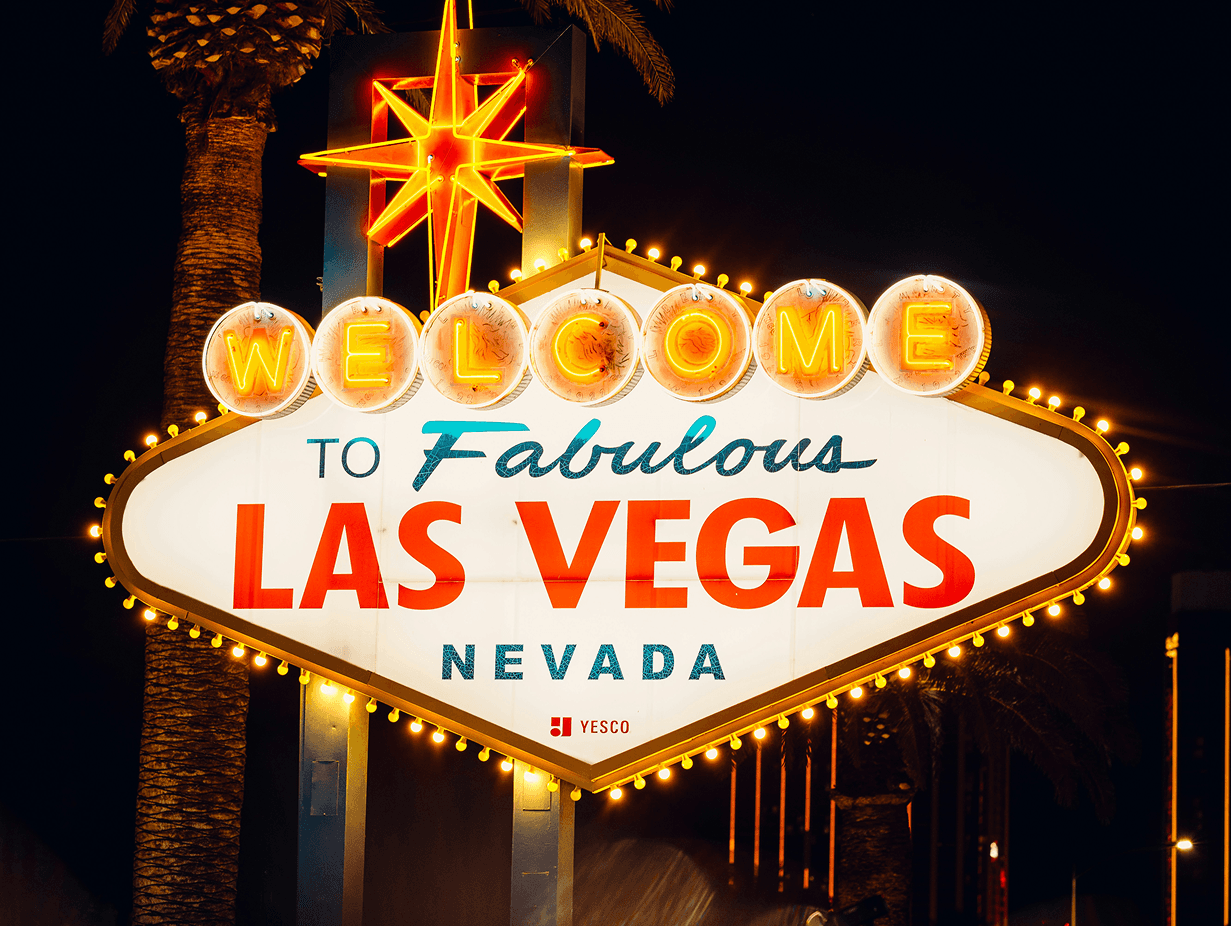
Las Vegas trade show execution reference including local labor rules and on-site coordination

Las Vegas Execution Reference

Local labor rules, drayage flow, and on-site coordination in Las Vegas.

Frequently Asked Questions

Quick clarity on build readiness, timelines, and pre-build checkpoints.
When should we start inventory after the show?
As soon as possible. Immediate inventory reduces missing parts and mixed packing, and makes issues easier to trace.
Which parts most commonly impact reuse?
Connectors/hardware, edge/finishing parts, visible panels, and graphics—labeling, protection, and spares are critical.
Can you reuse the booth if the next show footprint changes?
Often yes through partial reuse and adaptation. We propose a reuse percentage, modification path, and risk notes.
How do you prevent missing parts during the next install?
Use box-level indexes, module IDs, and “open-first” markings—place critical-path items where they’re easiest to access.
What if our branding or graphics need updates for the next event?
Usually it impacts graphics and some visible panels. We separate structural reuse from graphic updates to limit scope and waste.
Do you provide a readiness checklist and milestones for the next show?
Yes. We align maintenance completion, replenishment, shipping, and move-in readiness to reduce last-minute rush risk.
When should we start inventory after the show?

As soon as possible. Immediate inventory reduces missing parts and mixed packing, and makes issues easier to trace.

Which parts most commonly impact reuse?

Connectors/hardware, edge/finishing parts, visible panels, and graphics—labeling, protection, and spares are critical.

Can you reuse the booth if the next show footprint changes?

Often yes through partial reuse and adaptation. We propose a reuse percentage, modification path, and risk notes.

How do you prevent missing parts during the next install?

Use box-level indexes, module IDs, and “open-first” markings—place critical-path items where they’re easiest to access.

What if our branding or graphics need updates for the next event?

Usually it impacts graphics and some visible panels. We separate structural reuse from graphic updates to limit scope and waste.

Do you provide a readiness checklist and milestones for the next show?

Yes. We align maintenance completion, replenishment, shipping, and move-in readiness to reduce last-minute rush risk.

When should we start inventory after the show?
As soon as possible. Immediate inventory reduces missing parts and mixed packing, and makes issues easier to trace.
Which parts most commonly impact reuse?
Connectors/hardware, edge/finishing parts, visible panels, and graphics—labeling, protection, and spares are critical.
Can you reuse the booth if the next show footprint changes?
Often yes through partial reuse and adaptation. We propose a reuse percentage, modification path, and risk notes.
How do you prevent missing parts during the next install?
Use box-level indexes, module IDs, and “open-first” markings—place critical-path items where they’re easiest to access.
What if our branding or graphics need updates for the next event?
Usually it impacts graphics and some visible panels. We separate structural reuse from graphic updates to limit scope and waste.
Do you provide a readiness checklist and milestones for the next show?
Yes. We align maintenance completion, replenishment, shipping, and move-in readiness to reduce last-minute rush risk.

Want your next show to be faster, leaner, and more predictable?

Share your next show and booth size—we’ll propose a reuse assessment, maintenance plan, and readiness checklist.

View Las Vegas execution notes →

Office

4935 Steptoe Street #300,Las Vegas, NV 89122

Telephone