Urology Medical Device Booth Planning for AUA2027

How should exhibitors plan a urology medical device booth for AUA2027?
An AUA2027 urology medical device booth should be planned around the device families on display and how clinicians move from product discovery to a useful conversation. Group related equipment by clinical use, pair each product with the right screen or evidence, and leave enough room for access, accessories, storage, and staff support without making the booth feel like a crowded equipment showroom.
A urology product portfolio can become difficult to follow even when the booth still has enough floor space. Endoscopy systems, treatment platforms, diagnostics, instruments, implants, accessories, and consumables often need different displays, screens, evidence, and staff support. The first step is to group related devices by clinical use, procedure, workflow, or buyer need, then decide which product family should lead the exhibit.
Those relationships should shape the product zones, graphics, screen content, clinical evidence, and staff coverage. The AUA2027 exhibit planning hub covers the broader booth scope and project requirements. Companies presenting one integrated robotic platform should instead review surgical robotics exhibit planning.
Before the layout is approved, confirm device dimensions, power and data needs, video inputs, accessories, shipping cases, storage, service access, and testing requirements. San Diego exhibit delivery and installation support helps carry those details into the show-site plan. When several related devices share one clinical story, a 20x20 booth layout may be sufficient; portfolios with separate screens, demonstrations, or technical discussions usually need more room.
Why Exhibitors Choose Circle Exhibit
Clear scope, transparent quote review, nationwide booth support, and efficient setup planning for qualified rental and custom exhibit projects.
48hr
Setup Window
10+
Years Since 2014
U.S.
Trade Show Support
Real
Booth Project Proof
Choose the footprint based on how each device family will be displayed, explained, and supported. Separate screens, accessories, storage, staff coverage, technical access, and longer conversations often matter more than product count alone.
Best for one device family with a main display, supporting screen, light storage, and short clinical conversations. A focused 10x20 booth plan works when accessories and daily-use materials can stay compact.
When the portfolio covers different procedures or buyer needs, this footprint provides clearer separation between product areas, screens, storage, and staff circulation. A 20x30 booth plan also gives longer technical discussions room without breaking the overall clinical narrative.
Related devices can share this footprint when they rely on the same clinical message and staff team. 20x20 booth planning can balance a primary display, supporting screens, concealed storage, and technical conversations without creating a separate zone for every product.
Larger equipment or a broad urology portfolio may require scheduled education, private discussions, and more support space. 30x40 booth planning can organize device families, clinical evidence, meetings, storage, and technical access within one readable exhibit.
When several device families are shown in one booth, each active station needs a clear product context, supporting screen, operator position, attendee viewing line, accessory access, and reset plan. The medical device demo station and attendee-flow guide shows how single-station, two-station, and rotating layouts can work without mixing product messages or blocking circulation.
A multi-device exhibit becomes difficult to follow when product families, screens, evidence, and support materials compete for attention. Organize the booth around clinical use, then connect each device with the right explanation, proof, and access.
Start with the procedure, workflow, clinical application, or buyer need. Device size affects placement, but it should not be the main reason products are grouped together.
Use each screen to explain the adjacent device—its interface, imaging output, workflow, treatment process, or supporting evidence. Generic video may add movement but often weakens product understanding.
Keep indications, clinical data, specifications, product status, and safety information close to the product family they support. Attendees should not have to cross-reference one booth area with another.
Handpieces, cables, sterile packs, disposables, tools, literature, backup products, and shipping cases need planned access and storage. Keep only what supports the current product interaction visible.
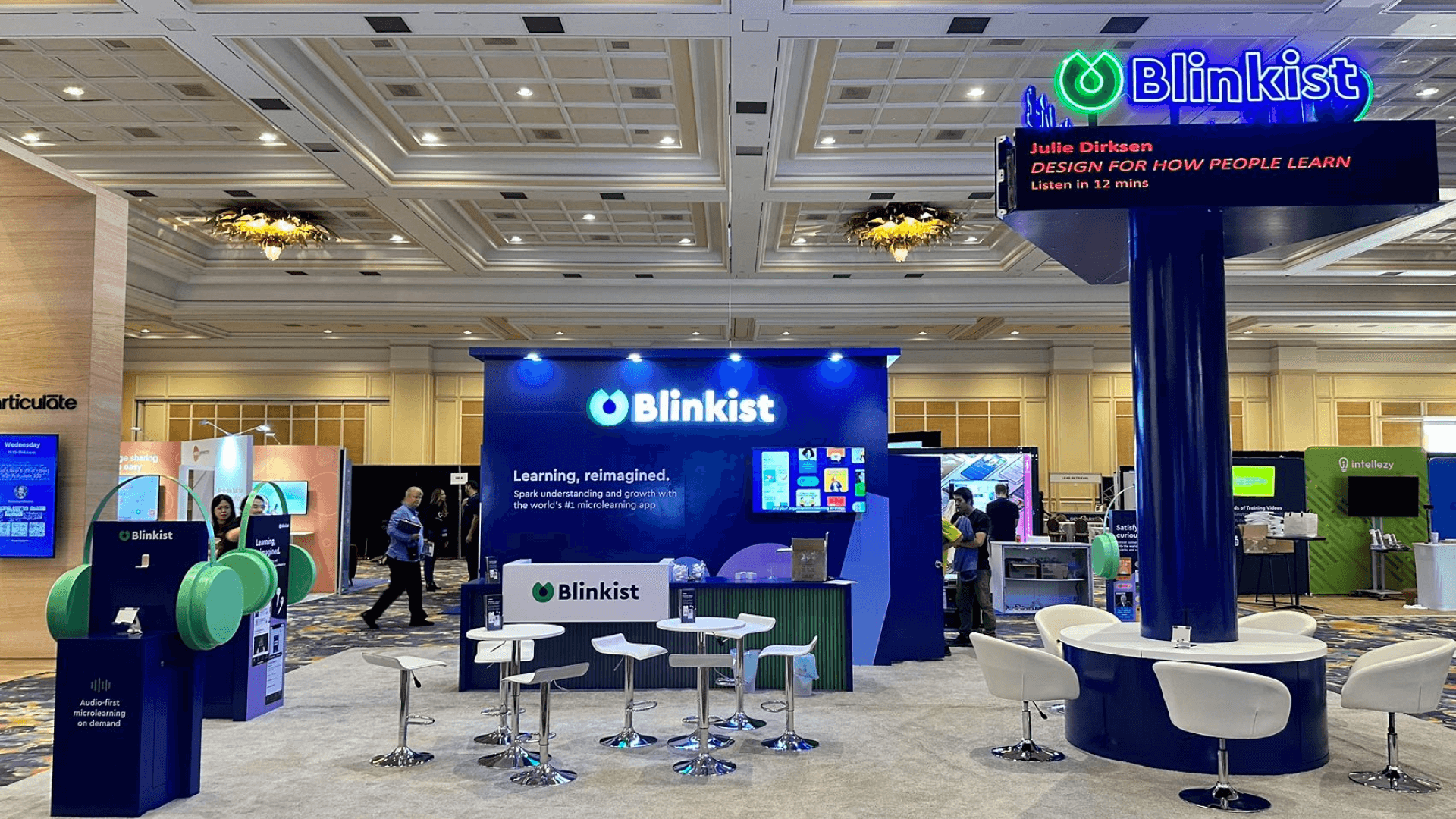
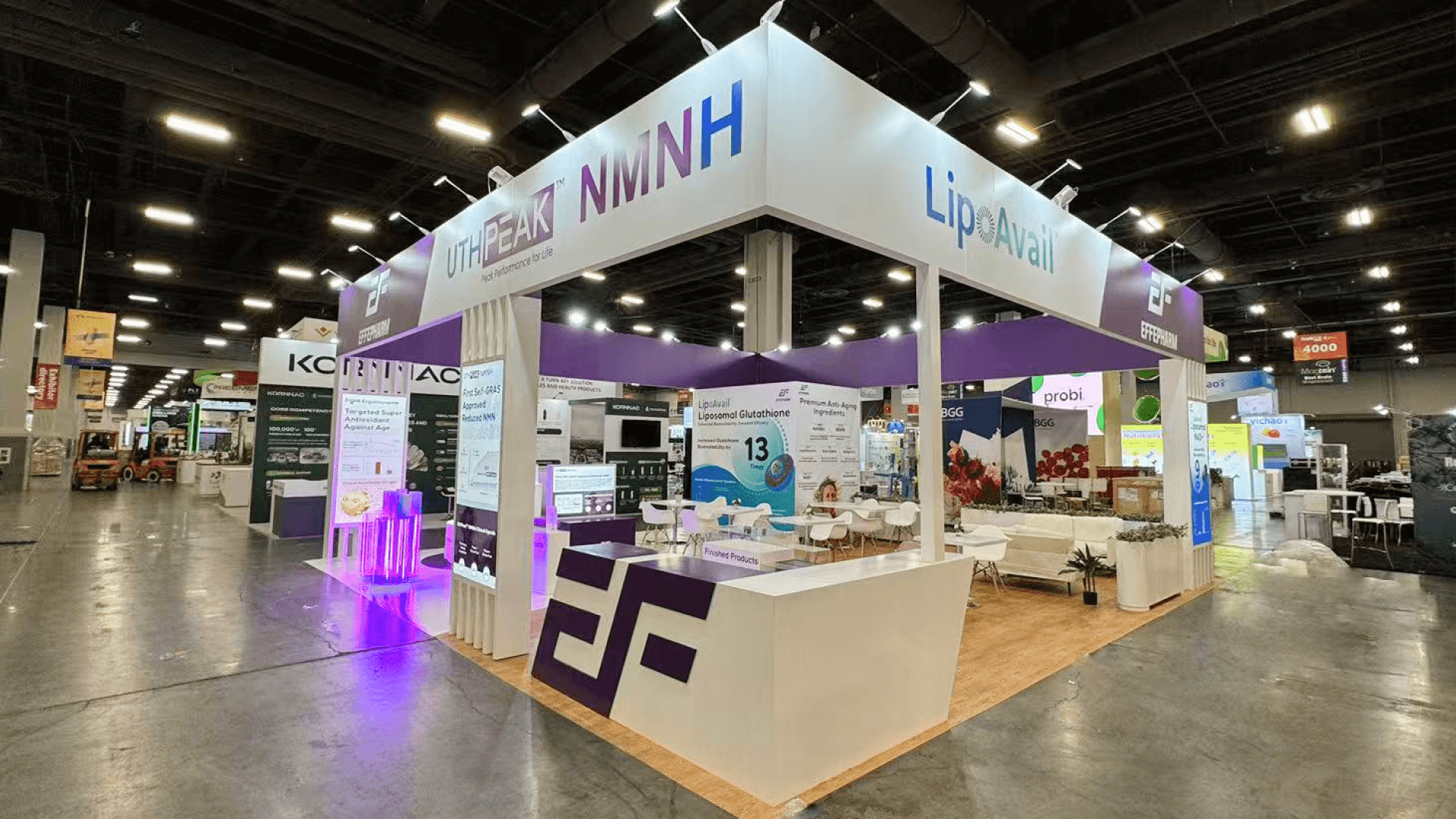
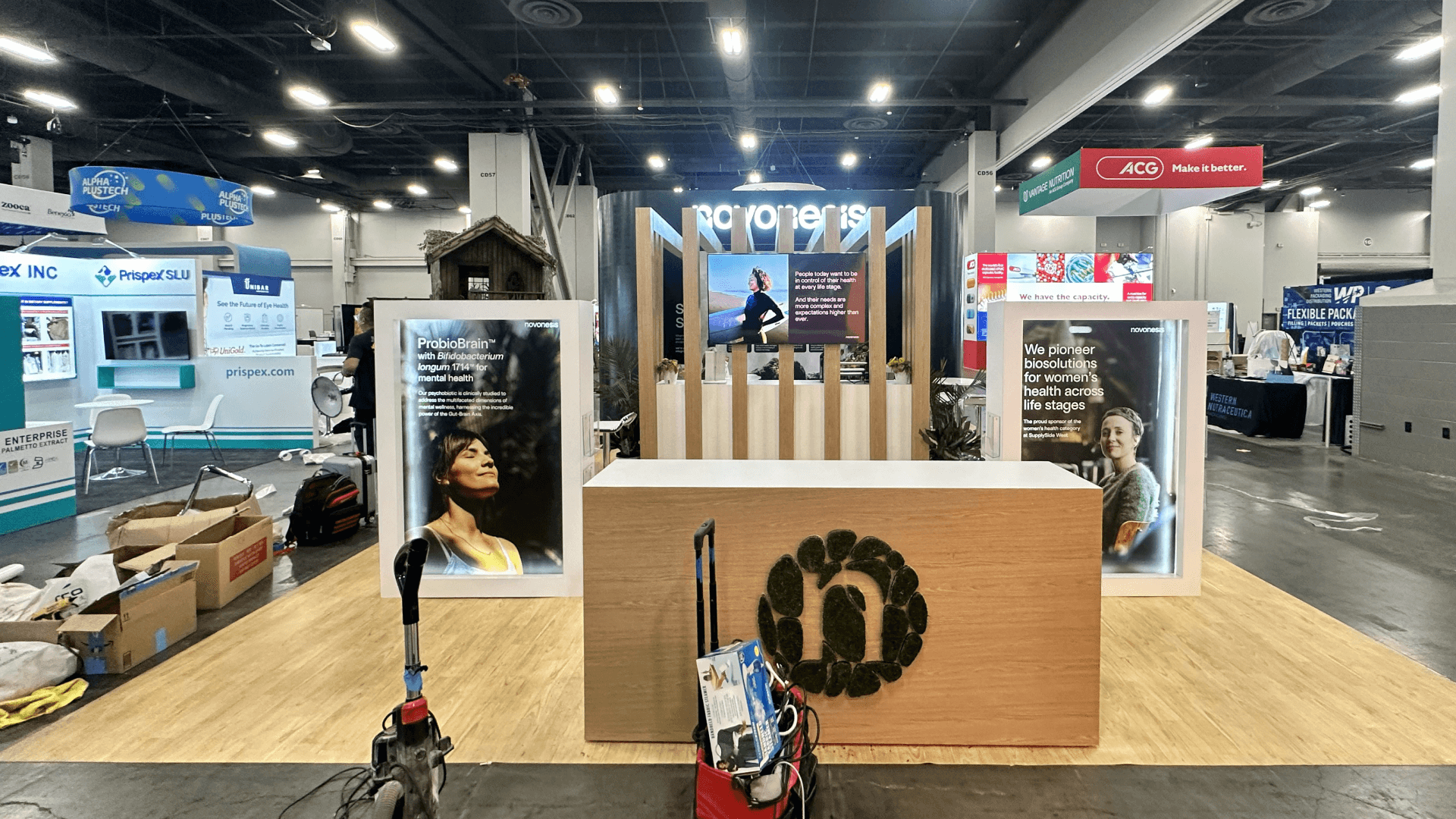
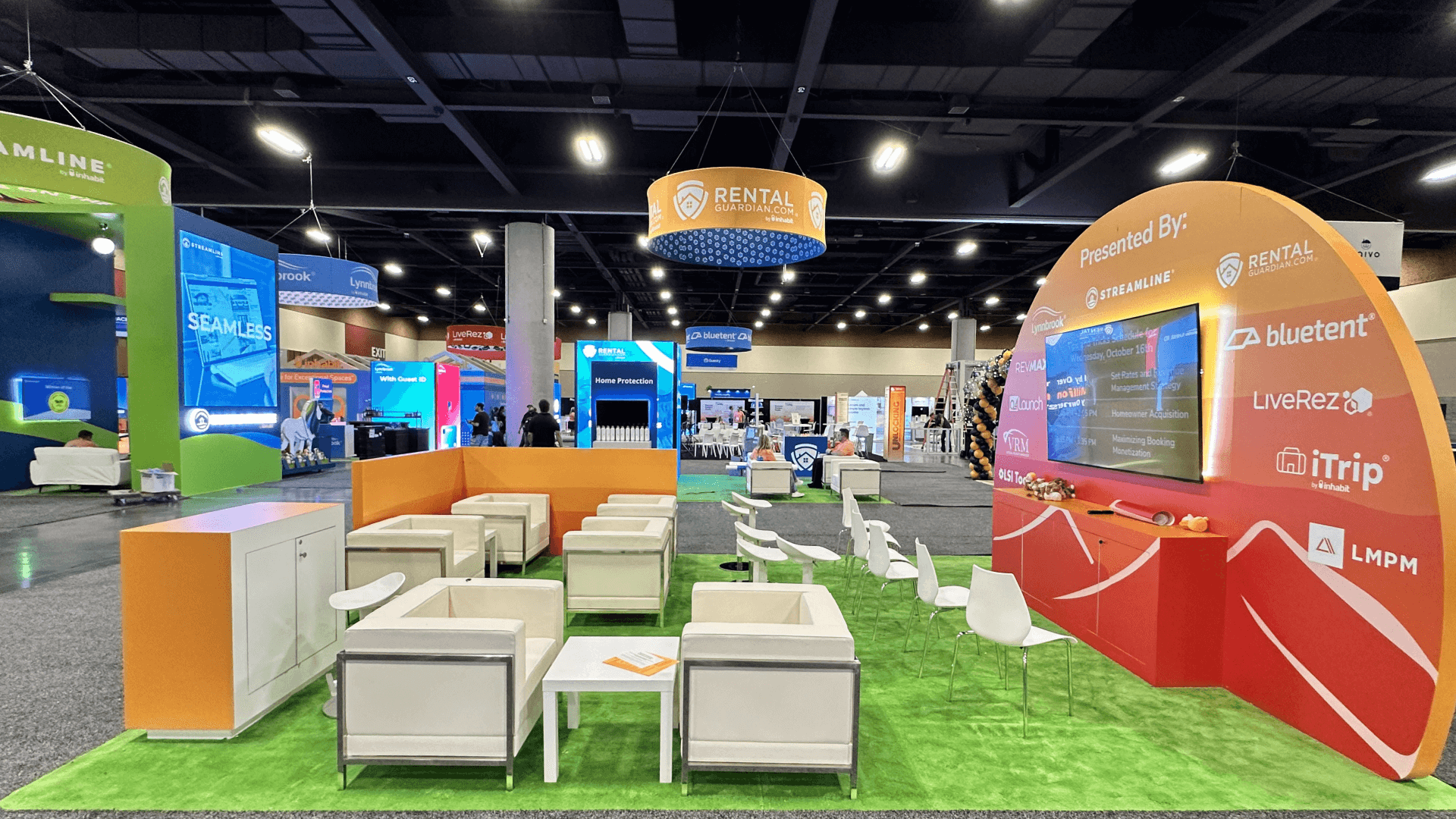
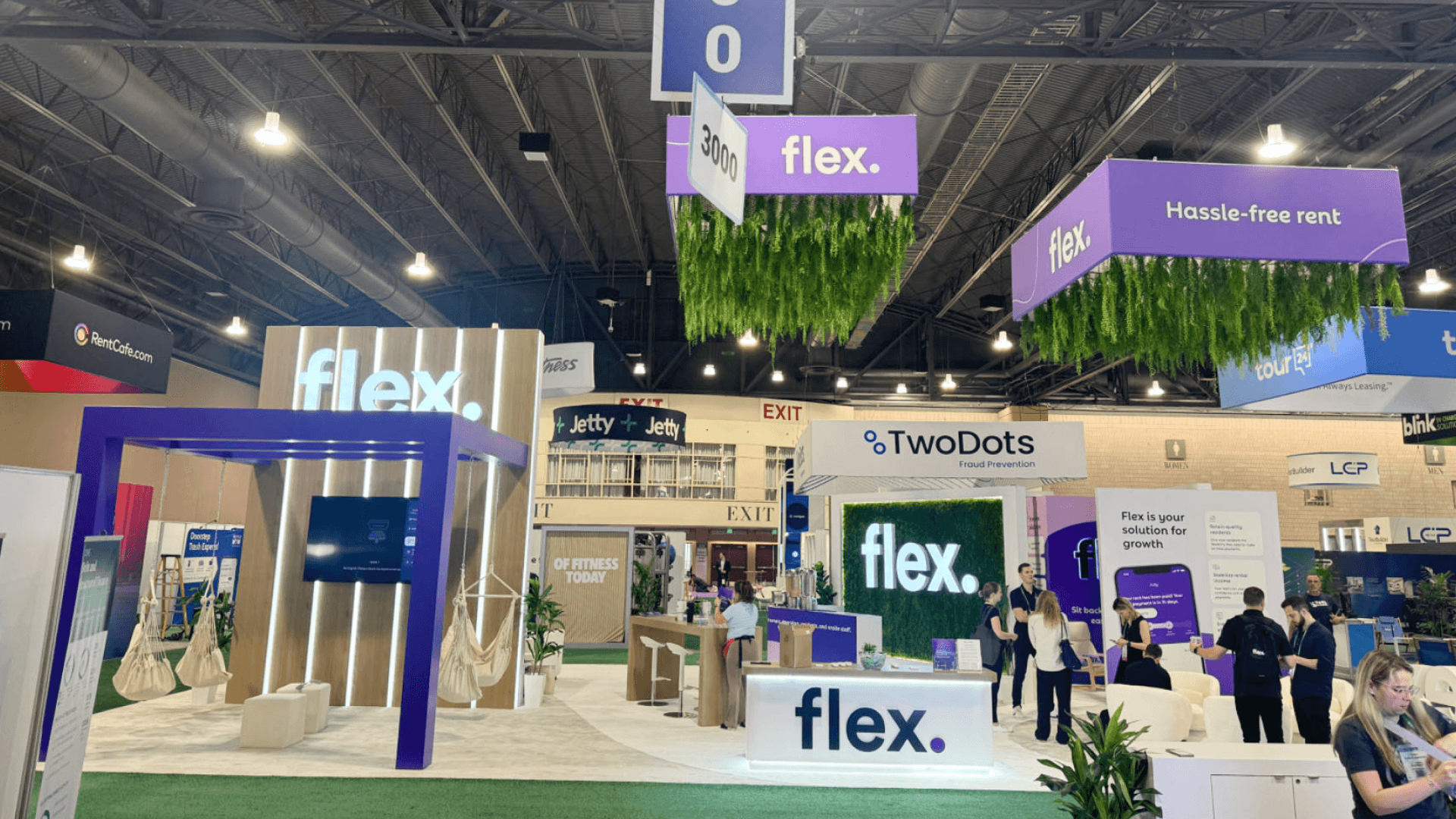
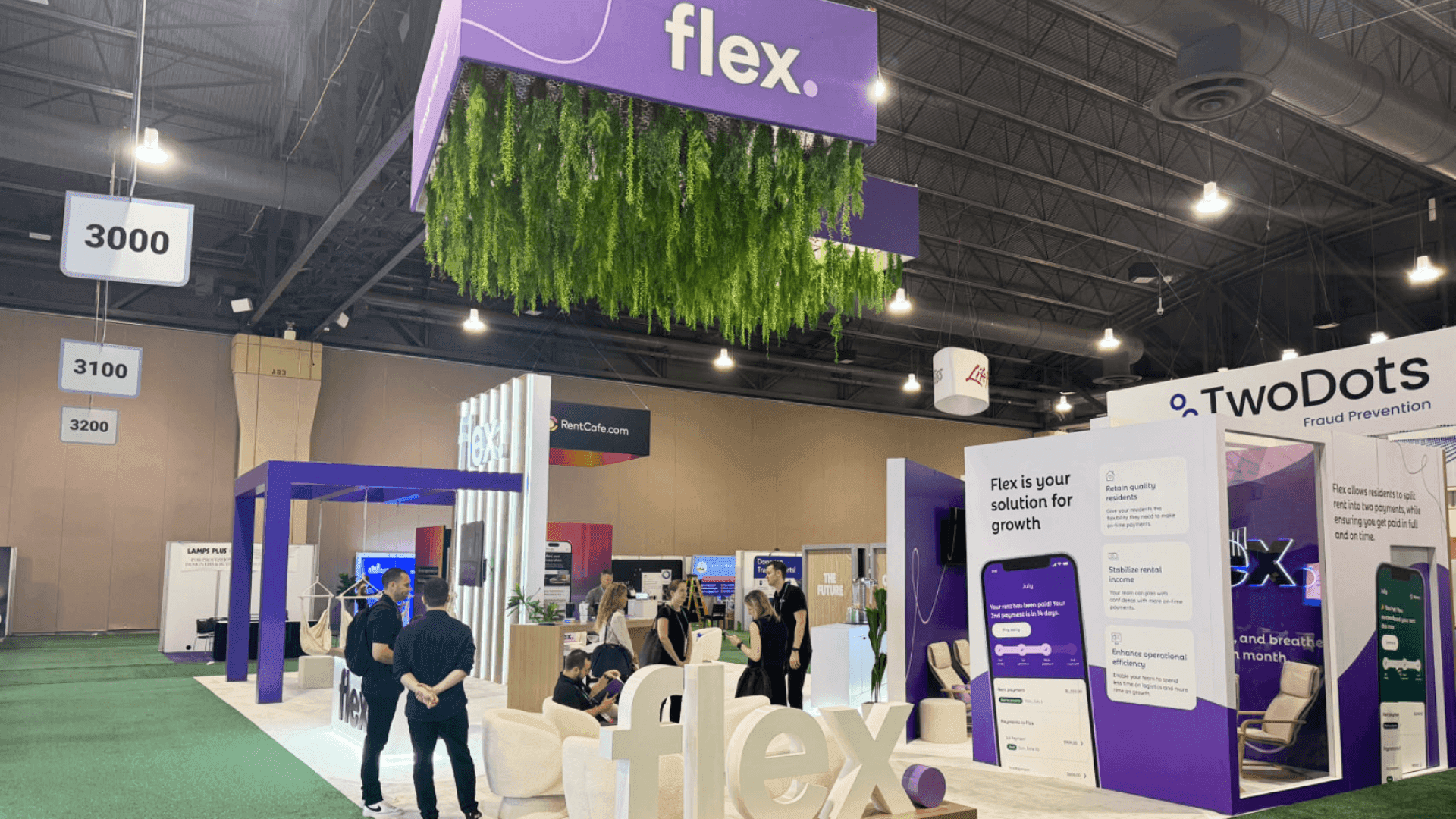
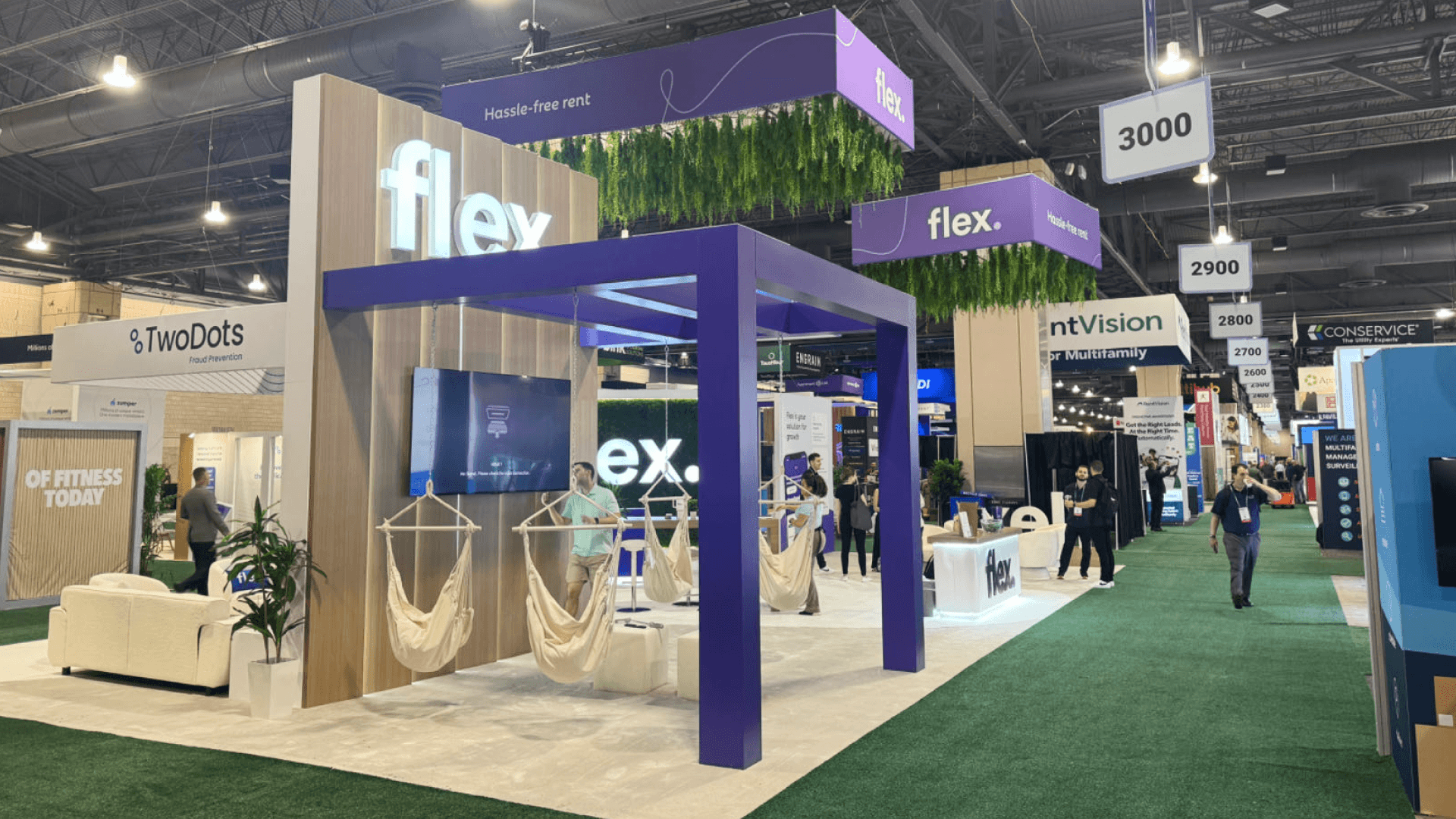
AUA2027 medical device exhibitors may present several related device families in one booth, supported by product screens, clinical evidence, accessories, storage, and technical discussions.
AUA2027 runs May 21–24 at the San Diego Convention Center. The confirmed dates and venue give exhibitors a clear schedule for freight, installation, staffing, and final product checks.
Attendees include urologists, surgeons, allied health professionals, researchers, hospital teams, practice leaders, and medical technology decision-makers evaluating products and clinical applications.
Not Sure Which Booth Size You Need?
Not every exhibitor knows whether a 10x20, 20x20, 20x30, or larger booth is the right fit. Circle Exhibit can help review your event goals, product display needs, demo areas, meeting space, storage, budget scope, and setup timeline before you choose a booth size.
Equipment Does Not Share One Footprint
Screens Must Explain Nearby Products
1
Build the Device List First
2
3
4
Rental Booth for Focused Device Displays
A rental booth is a good fit when one or two related device families can work within standard walls, counters, screens, storage, and meeting areas. Custom graphics and product details can still make the exhibit specific without adding unnecessary build complexity.
Custom Build for Equipment-Specific Layouts
Custom construction becomes more practical when devices need dedicated mounts, unusual clearances, integrated work surfaces, controlled lighting, enclosed storage, or AV tied directly to a clinical workflow.
Hybrid Booth for Reuse with Custom Device Features
A hybrid booth keeps the main structure reusable while adding custom counters, mounts, lighting, cable access, storage, screens, or product interfaces where needed. It suits exhibitors that want repeatable architecture without forcing the equipment into a generic layout.
Power, internet, AV, material handling, equipment access, and installation can affect counter positions, screens, storage, product mounts, and cable routes. Resolve these requirements while the floor plan is still flexible.
Product presentations and attendee viewing should remain within the booth footprint. Check the latest AUA exhibitor requirements before confirming demonstrations, equipment use, and audience space.
Label devices, screens, accessories, tools, and backup materials by installation sequence. Supporting structures, power access, and cable routes should be ready before sensitive equipment is placed.
Before opening, power up the equipment and check screens, connections, product labels, evidence graphics, cable protection, storage access, and backup content. Essential materials should remain easy for staff to reach without interrupting attendee movement.
Start with the Device List, Not a Generic Floor Plan
Share the product dimensions, screens, accessories, storage needs, power requirements, shipping cases, and intended visitor conversations. Those details reveal how the booth should be divided before design work begins.
How should multiple urology devices be organized in one AUA2027 booth?
Group devices by clinical application, workflow, product family, or buyer need rather than giving every item equal visual priority. Each group should have a clear message, supporting screen or evidence, and defined storage.
What booth size works for an AUA medical device exhibitor?
How should screens support physical medical devices?
Where should device accessories and backup materials be stored?
Why should equipment requirements be confirmed before booth production?
READY TO PLAN YOUR NEXT BOOTH?
Let’s Build a Booth That Fits Your Event
Share your event name, booth size, city, timeline, product display needs, and design references. Circle Exhibit will review your project direction and help you choose a rental-friendly or custom exhibit path.
3000+
Booth Projects Supported
50+
U.S. Event Cities
Transparent
Quote Review
The design should begin with device dimensions, access, counters, screens, product groupings, storage, staff reach, and cable paths rather than adding equipment after the architecture is complete.
Graphics can distinguish product families, clinical applications, evidence, and specifications while preserving a clear connection between the different areas of the exhibit.
Logistics planning should account for equipment protection, shipping cases, accessories, backup products, screens, delivery timing, service orders, and the order in which items will be unpacked.
Structures, counters, graphics, screens, power access, and cable routes often need to be ready before sensitive equipment is placed and checked on the show floor.
A 20x20 layout works when related devices can share screens, evidence, storage, staff, and visitor space. If every product needs its own operating environment, a larger footprint will be easier to manage.