Surgical Robotics Demo Booth Planning for AUA2027

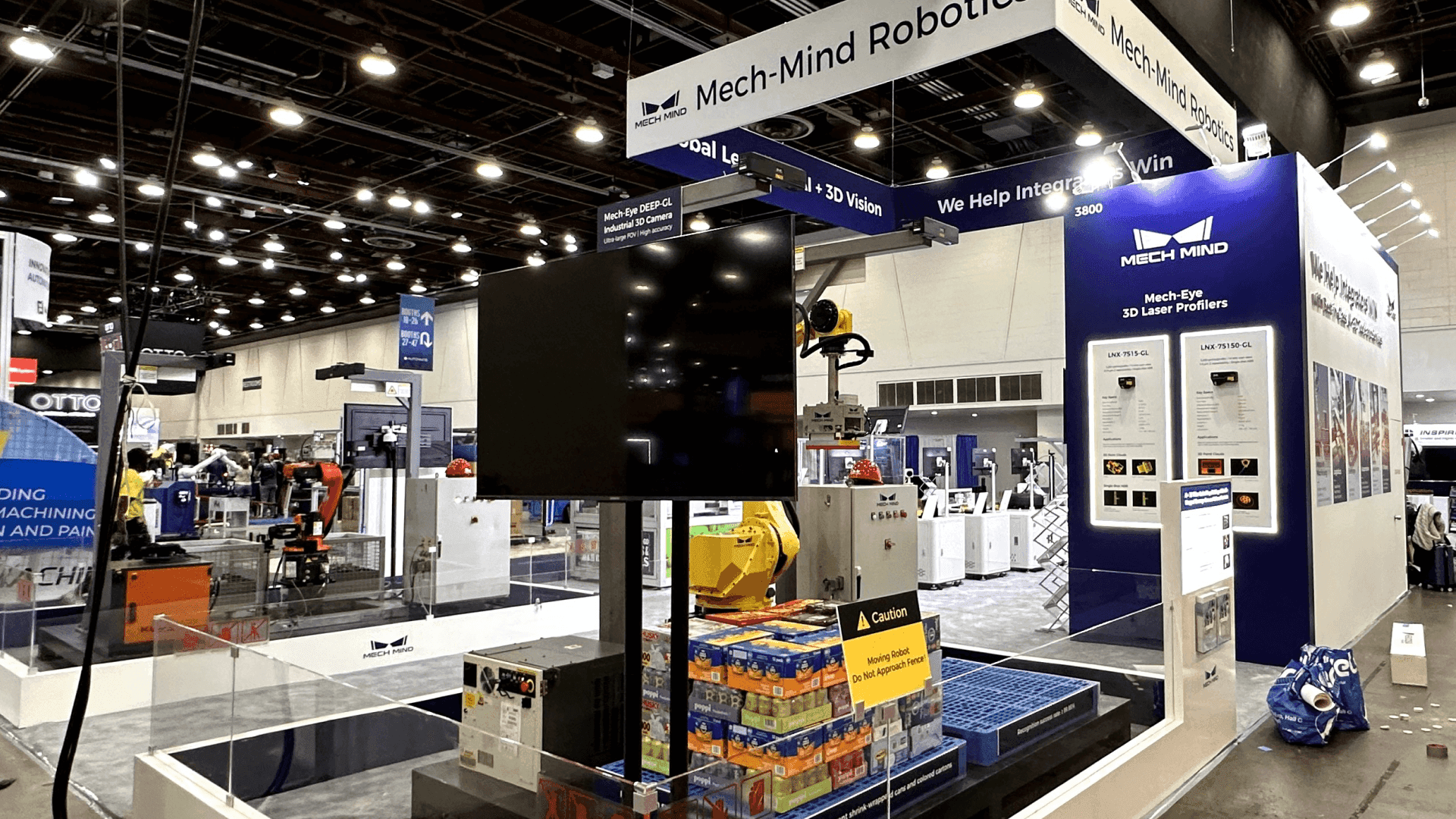
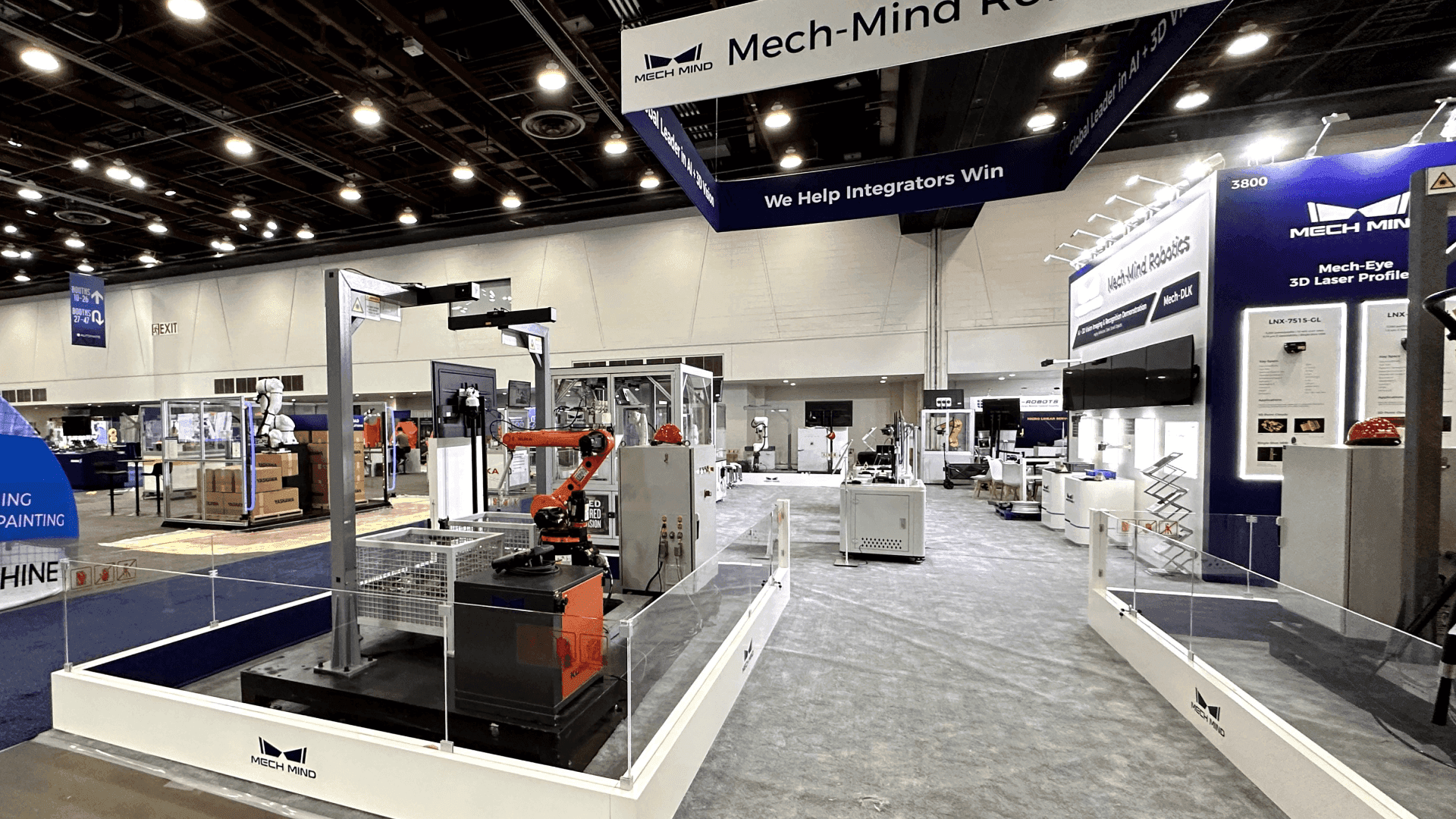

How should exhibitors plan a surgical robotics booth for AUA2027?
An AUA2027 surgical robotics booth should be planned around the working relationship between the robotic platform, surgeon console, visualization system, and technical team. The layout needs protected equipment clearance, controlled attendee access, clear procedure views, reliable power and data, and room for clinical or procurement discussions without disrupting installation, testing, or system operation.
A surgical robotics exhibit should make the system understandable at a glance. The robotic platform may attract attention first, but attendees also need to see how the surgeon console, instruments, imaging, software, and procedure visualization work together.
The booth should keep those relationships visible without crowding the operating or service areas. Screens can connect console inputs with platform response, while technical staff retain access to controls, cables, and equipment. The AUA2027 exhibit planning hub covers the wider booth scope and project requirements. Companies presenting several independent urology devices should instead review multi-device exhibit planning.
Before the structure is finalized, confirm the platform dimensions, console position, video sources, power and data needs, cable routes, freight method, and installation sequence. San Diego booth rental and show-site support can carry those requirements into the on-site plan. When the platform, console, visualization, technical access, and attendee viewing all need dedicated space, a 20x30 booth layout is often a practical starting point.
Why Exhibitors Choose Circle Exhibit
Clear scope, transparent quote review, nationwide booth support, and efficient setup planning for qualified rental and custom exhibit projects.
48hr
Setup Window
10+
Years Since 2014
U.S.
Trade Show Support
Real
Booth Project Proof
The footprint has to accommodate system relationships: platform and console, visualization and audience, technical access and visitor circulation, equipment clearances and meetings, plus the route used to install and commission the system.
Best suited to a focused robotics story without the full platform, such as instruments, navigation, software, or screen-led visualization. A 10x20 booth plan works when one capability leads and technical support remains light.
Once the robotic platform and surgeon console need to be understood together, a 20x30 booth layout gives the operator, audience, and technical team enough separation while preserving the connection between system components.
A 20x20 can accommodate a surgeon console, selected instruments, one main screen, and compact technical conversations. 20x20 booth planning is most effective when the full platform and a large viewing audience are not part of the exhibit.
A complete surgical robotics system may need wider equipment clearance, several viewing positions, scheduled demonstrations, technical workspace, storage, and private hospital discussions. 30x40 booth planning helps keep those functions connected rather than scattered across the exhibit.
A technically sound system can still be difficult to understand from the aisle. The guide to live demonstration and product-testing layouts looks at viewing space, screen visibility, buffer zones, visitor movement, and the support required to keep repeated presentations clear and manageable.
The robotic platform cannot explain the system by itself. Attendees need to see how the surgeon console, instruments, imaging, software, and procedure view connect, while operators retain a protected working area.
The platform and console may need physical separation, but their control relationship should remain visible. Sightlines, screen content, and staff positioning should help attendees understand how console input becomes robotic movement.
External screens should carry the procedure view, instrument movement, navigation, imaging, and software workflow to the audience. They should explain what is happening at the console rather than run unrelated brand video.
Operators and technical specialists need clear access to controls, cables, service panels, computers, and recovery tools. Keep that working zone available even when the attendee side of the booth is busy.
Interest may quickly move from clinical capability to workflow, training, integration, service, or acquisition. A nearby discussion area allows those conversations to continue without interrupting the system presentation.
This exhibit centers on one connected robotics environment rather than several independent device families. The platform, surgeon console, instruments, visualization, software, and technical support must be planned as one operating system.
AUA2027 takes place May 21–24, 2027, at the San Diego Convention Center. The confirmed schedule and venue provide a clear basis for freight, installation, technical setup, staffing, and final system checks.
The booth should support quick clinical orientation, detailed system explanations, workflow discussions, and hospital-level questions about integration, training, service, and acquisition.
Not Sure Which Booth Size You Need?
Not every exhibitor knows whether a 10x20, 20x20, 20x30, or larger booth is the right fit. Circle Exhibit can help review your event goals, product display needs, demo areas, meeting space, storage, budget scope, and setup timeline before you choose a booth size.
Protecting Equipment and Service Access
Keeping the Console and Platform Connected
1
Build the System Inventory
2
3
4
Rental Booth for Focused Robotics Displays
A rental structure can work for robotic instruments, software, navigation, a surgeon console, screens, graphics, compact meetings, and storage when the exhibit does not require platform-specific construction or complex system integration.
Custom Build for a Full Robotics System
Custom construction becomes more practical when the robotic platform needs dedicated clearances, integrated visualization, product-specific interfaces, protected operator access, technical workspace, private meetings, or a controlled demonstration sequence.
Hybrid Booth for Reuse and System Integration
A hybrid booth keeps the main walls and architecture reusable while adding custom console stations, platform interfaces, AV integration, cable access, lighting, storage, graphics, and meeting elements where the system requires them.
Confirm crate dimensions, equipment weight, unloading method, material handling, aisle and booth access, flooring protection, and final placement order. The robotic system must be able to reach its operating position without forcing late structural changes.
Electrical service, network connections, video sources, computers, screens, AV routing, cable protection, and technician access should follow one technical plan. Separate decisions can conflict once the platform and surgeon console are in place.
Complete the flooring, structure, power access, screens, and cable routes before bringing in the robotic platform and console. Once the equipment is positioned, connect the components, load the content, and begin commissioning and technical validation.
Before opening, test platform operation, console response, instruments, visualization, software, connections, staff access, visitor sightlines, safety conditions, backup content, and recovery procedures as the exhibit will actually operate.
Start with the Robotics System Requirements
Share the platform dimensions, console requirements, video sources, power and data needs, equipment clearances, freight method, installation sequence, technical staffing, and commissioning window. Those inputs should shape the exhibit before the architecture is finalized.
What should an AUA surgical robotics booth include?
The booth should connect the robotic platform, surgeon console, instruments, visualization, technical access, attendee viewing, storage, and buyer conversations as one system. Power, data, AV, freight, installation, and testing should be planned before production.
What booth size works for a surgical robotics exhibitor?
How should the surgeon console relate to the robotic platform?
Why is visualization important in a robotics exhibit?
Why is pre-show commissioning important for robotics equipment?
READY TO PLAN YOUR NEXT BOOTH?
Let’s Build a Booth That Fits Your Event
Share your event name, booth size, city, timeline, product display needs, and design references. Circle Exhibit will review your project direction and help you choose a rental-friendly or custom exhibit path.
3000+
Booth Projects Supported
50+
U.S. Event Cities
Transparent
Quote Review
Design and engineering should resolve the platform, console, clearances, screens, technical access, audience area, storage, meetings, cable paths, and installation route as one connected plan.
Clinical applications, procedure views, instruments, workflow, software, evidence, and system components need a visual hierarchy that helps visitors understand how the technology operates.
Crates, platform protection, console handling, screens, computers, instruments, tools, backup components, and delivery timing should follow the order required for installation and commissioning.
Flooring, structure, power access, data routes, screens, and cable paths may need to be complete before the platform and console are placed, connected, checked, and handed over to the technical team.
A 20x30 layout can reveal whether the platform, console, visualization, operator, audience, technical access, storage, and buyer discussions have enough separation to function without feeling disconnected.