AUA2027 Trade Show Booth Rental and Exhibit Planning
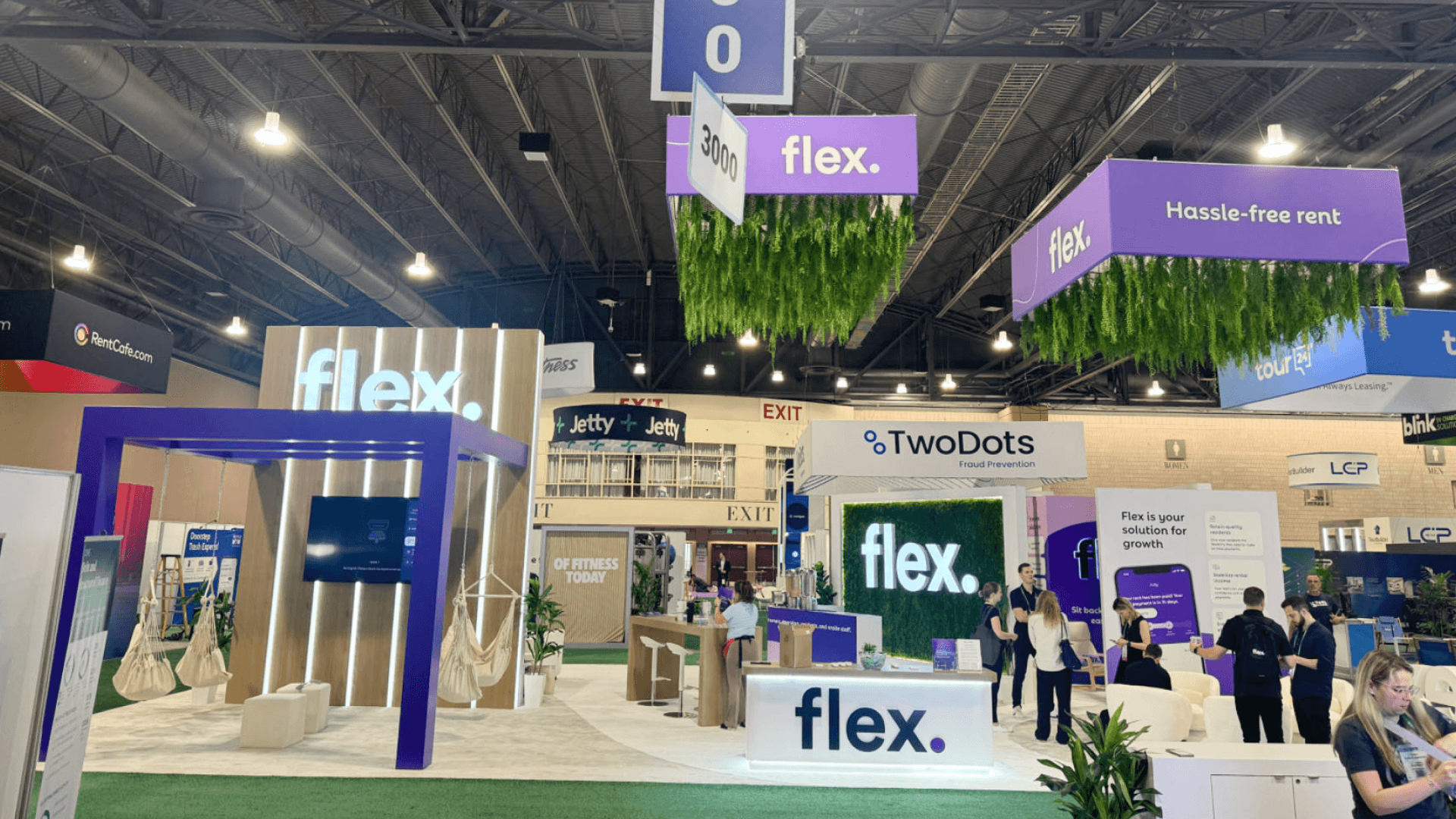
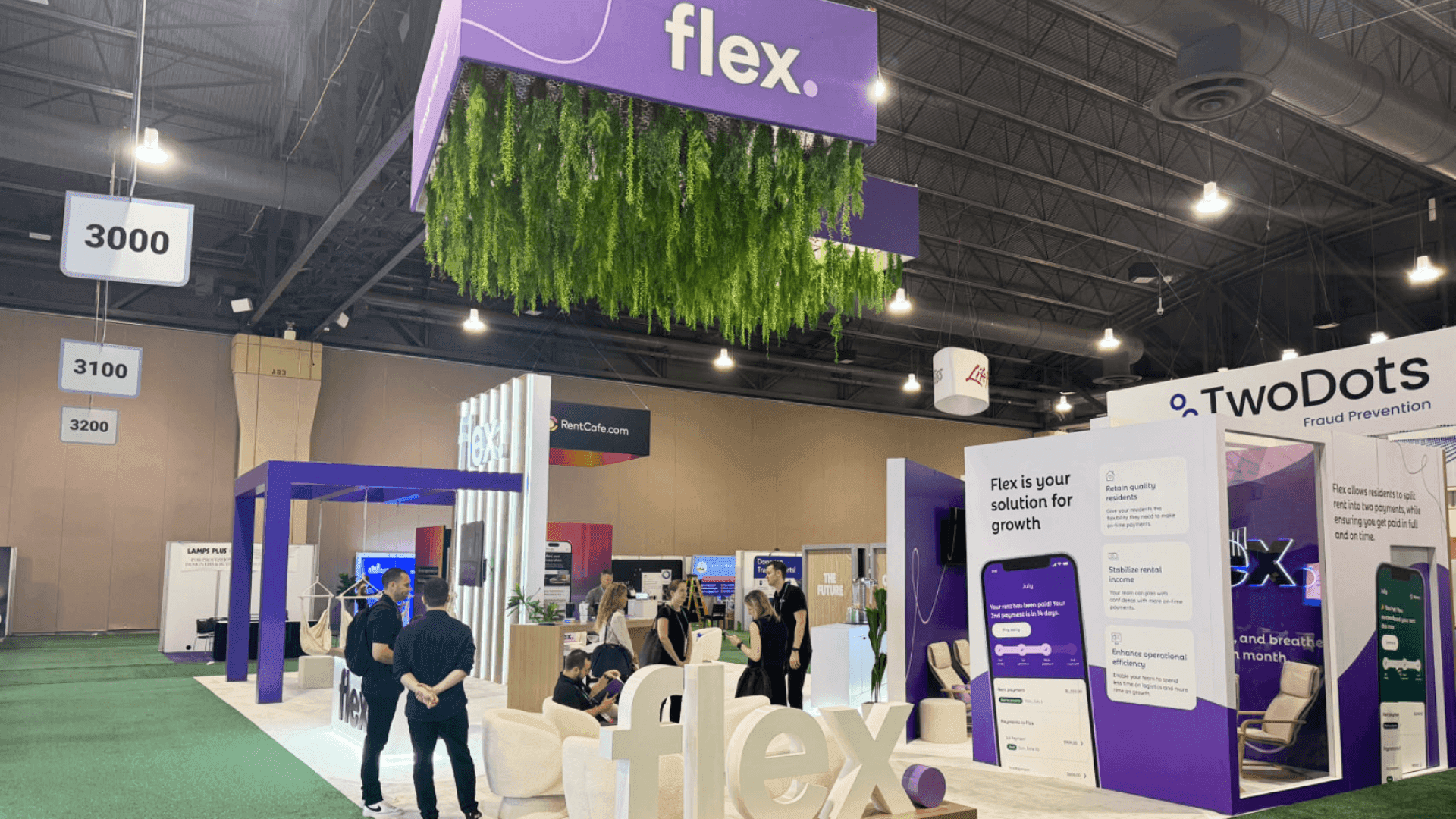
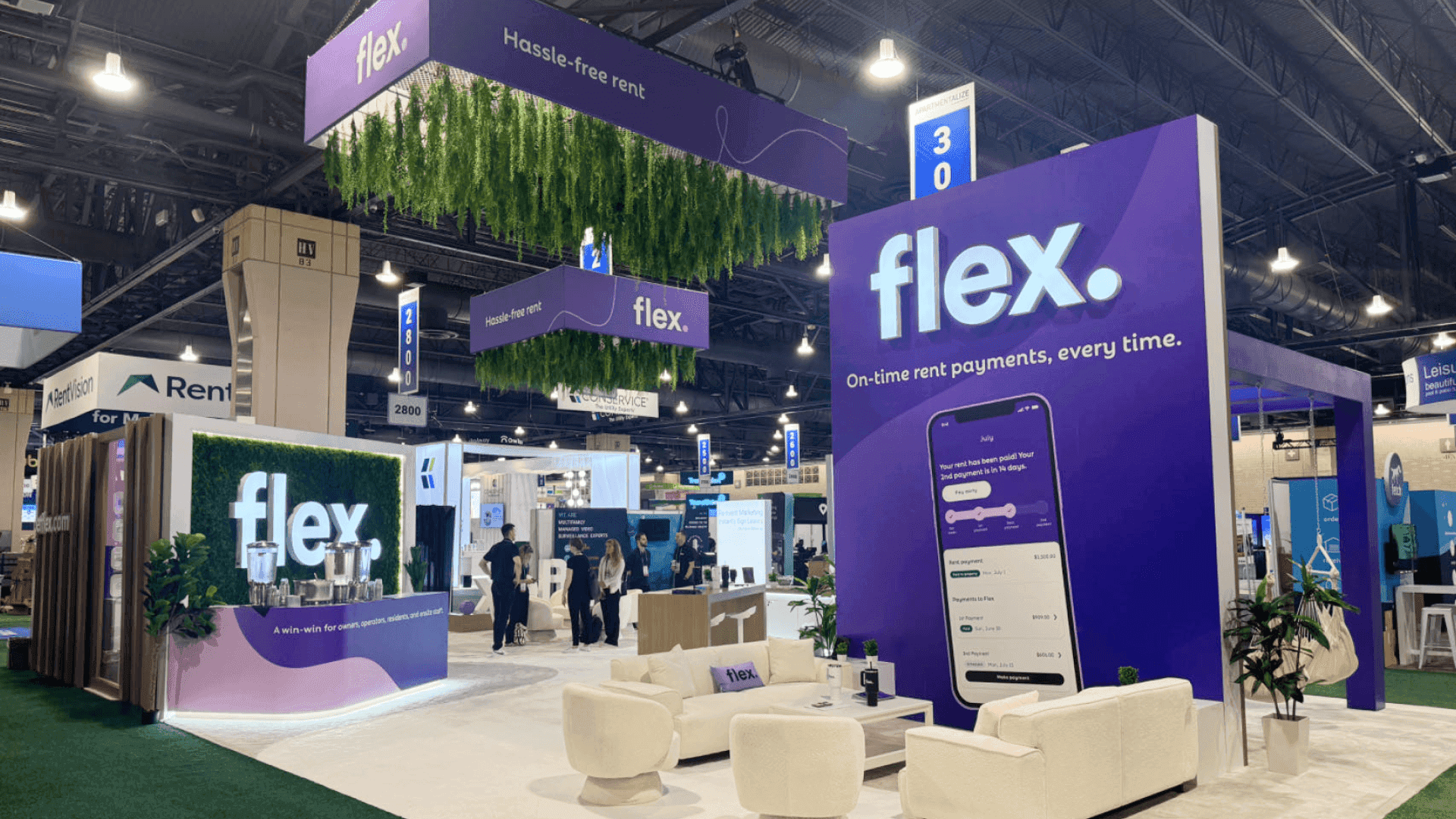

What should exhibitors plan for an AUA2027 booth?
An AUA2027 booth should help urologists and clinical decision-makers quickly understand what the exhibitor offers, where it fits in urologic care, and why it deserves a closer look. The layout should connect a clear aisle message with product presentation, demonstrations, supporting evidence, qualified conversations, storage, and the power, internet, freight, and installation requirements needed for a reliable San Diego show-site setup.
AUA2027 visitors often decide within seconds whether an exhibit is relevant to their work. From the aisle, the booth should make three things clear: what the company offers, where it fits in urologic care, and what an attendee can expect to see, discuss, or evaluate inside.
Once attendees enter, the layout should guide them from the main product message to a display, demonstration, supporting evidence, or a conversation with the appropriate clinical or technical team. Companies presenting several device categories can review multi-device AUA exhibit planning. Exhibitors bringing an integrated robotic platform will need a more system-focused approach to surgical robotics exhibit planning.
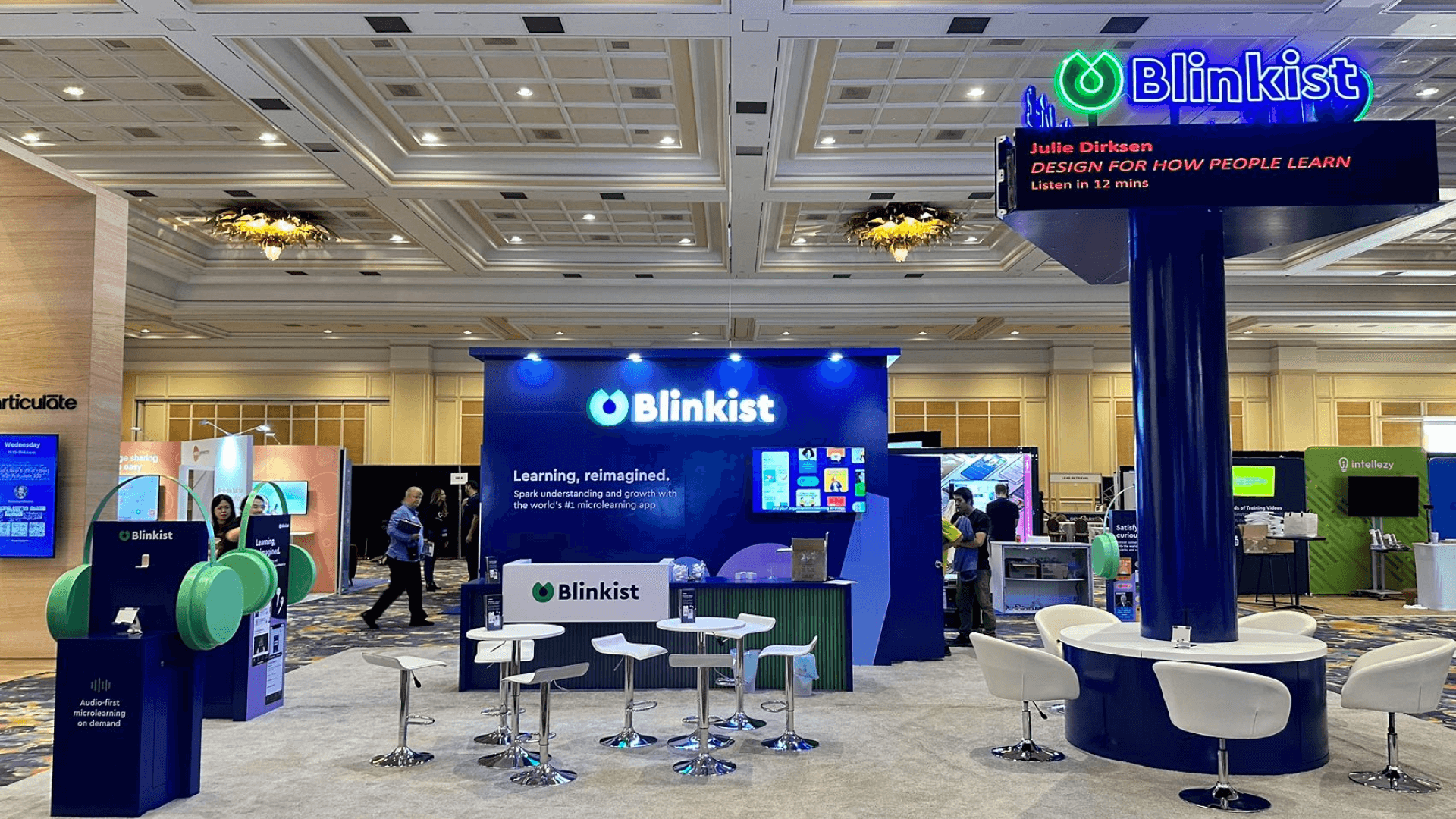
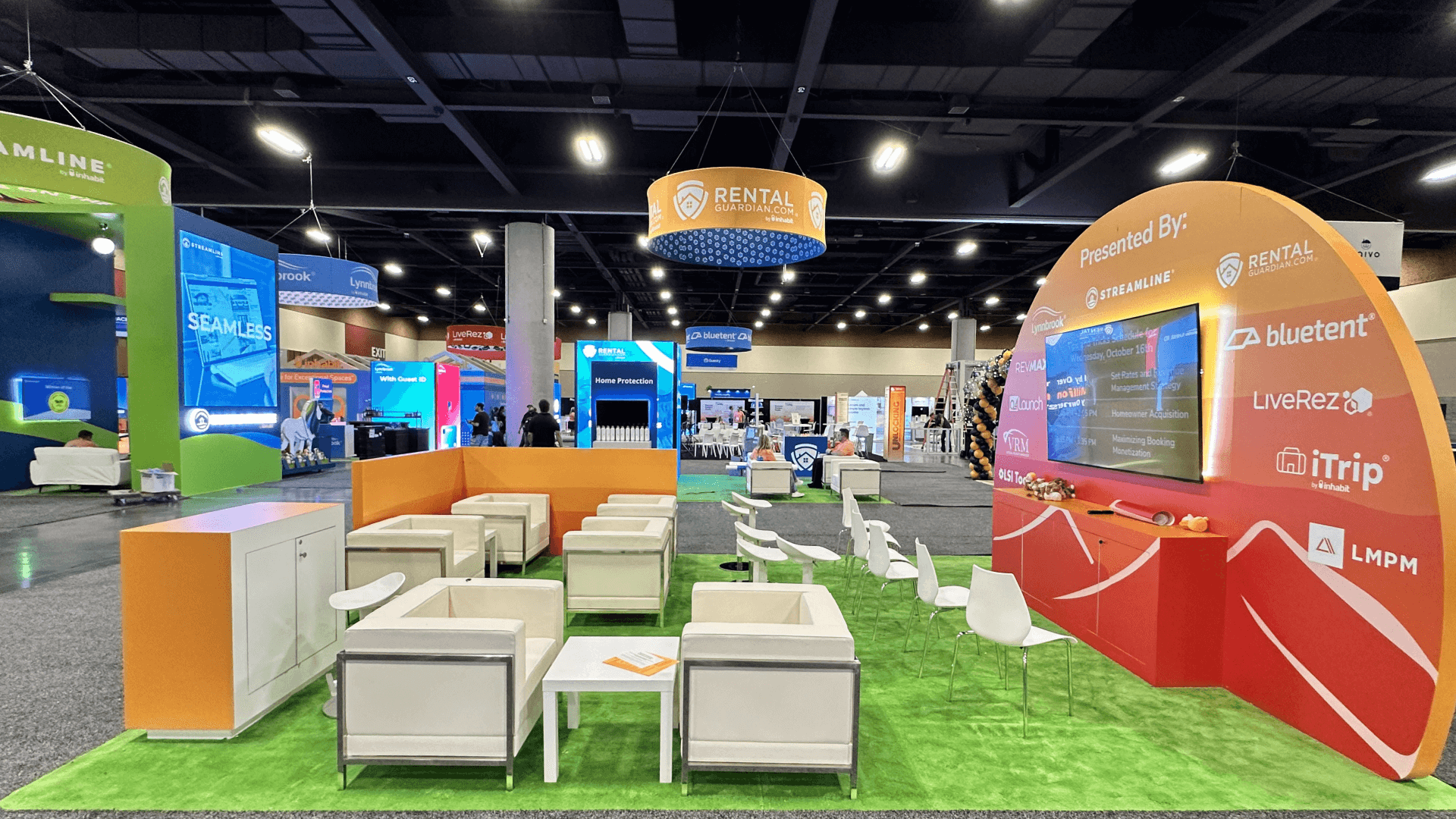
The booth plan must also account for freight delivery, power, internet, AV, equipment access, installation, and final testing at the San Diego Convention Center. San Diego exhibit rental and show-site support can connect these requirements with the build and installation plan. When the exhibit centers on one primary product story, a demonstration, and compact buyer conversations, a 20x20 booth layout is often a practical starting point.
Why Exhibitors Choose Circle Exhibit
Clear scope, transparent quote review, nationwide booth support, and efficient setup planning for qualified rental and custom exhibit projects.
48hr
Setup Window
10+
Years Since 2014
U.S.
Trade Show Support
Real
Booth Project Proof
The right footprint depends on what attendees need to do inside the booth—understand one product, watch a demonstration, compare technologies, or continue into a longer discussion. Equipment size, screens, staffing, storage, technical access, and meeting needs should guide the final layout.
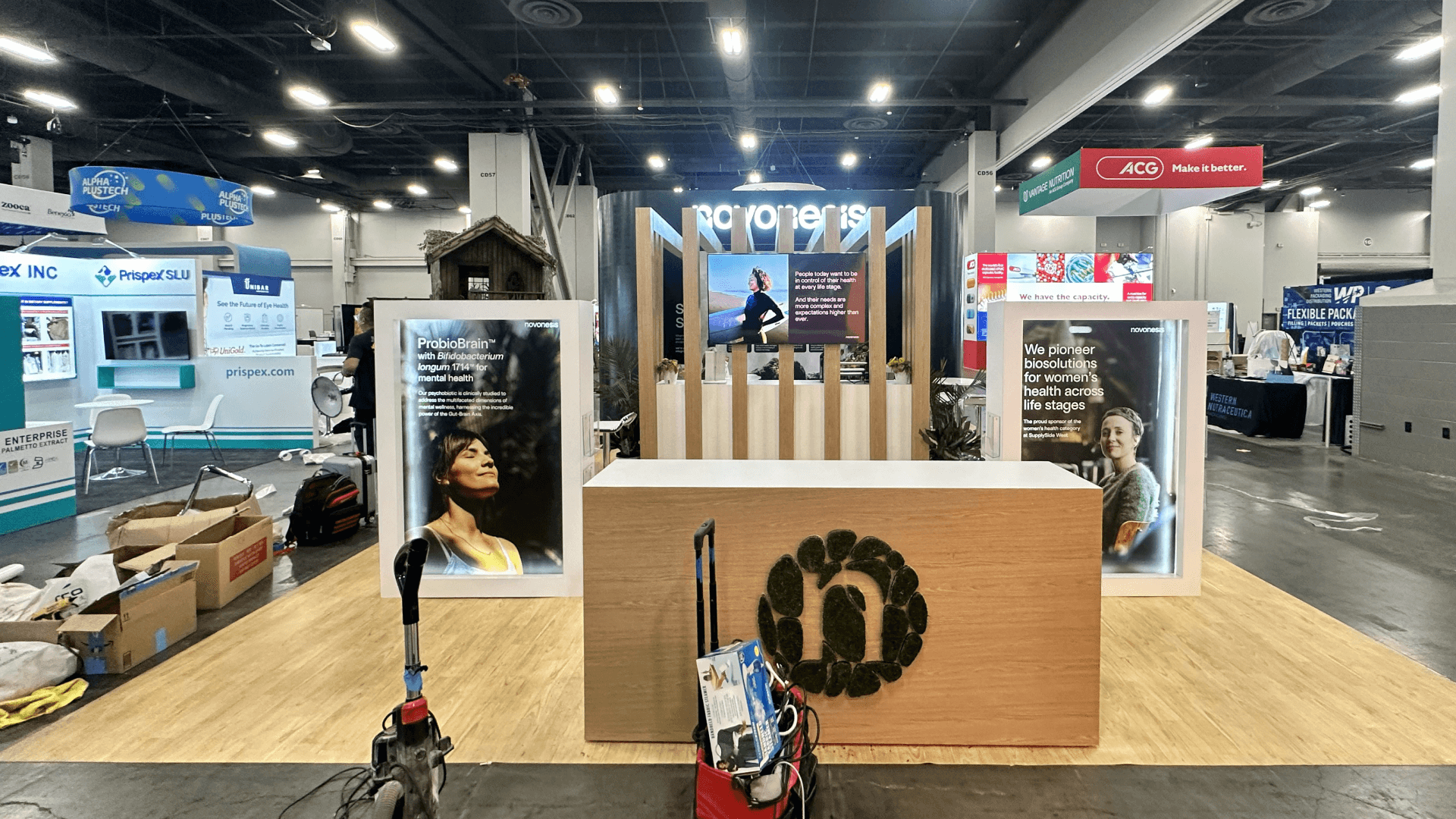
Best for one focused product or service with a clear message, a single display point, light storage, and short conversations. Careful 10x20 booth planning keeps the inline space open and practical.
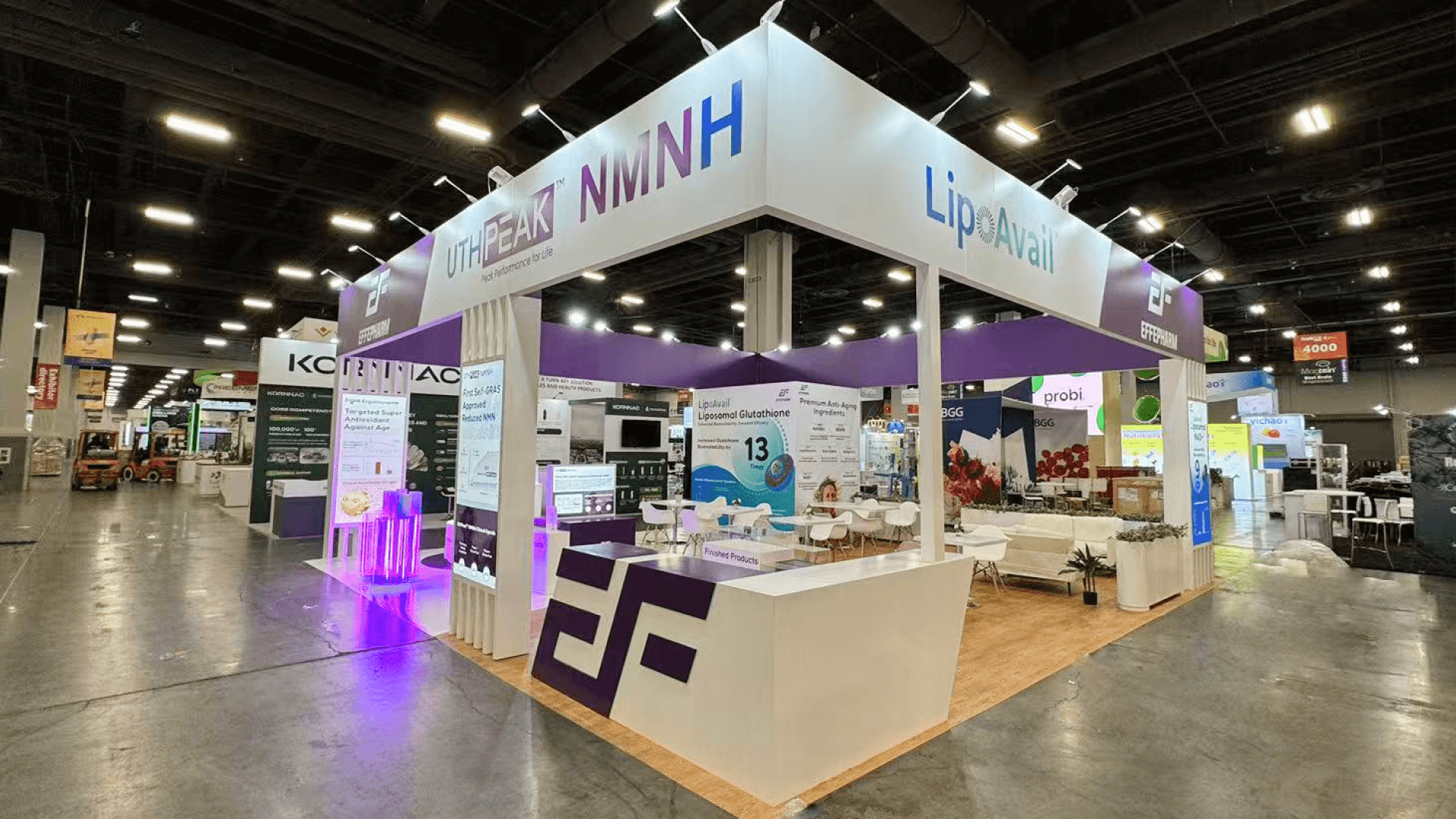
Useful when product displays, demonstrations, technical discussions, and quieter meetings need separate areas. A 20x30 booth plan also improves staff circulation, storage access, and attendee flow.
A good fit when one demonstration or product presentation leads the exhibit, with room for viewing, concealed storage, lead capture, and compact meetings. A balanced 20x20 booth layout keeps the main activity easy to follow.
Designed for multiple technologies, larger equipment, scheduled presentations, private meetings, and more involved AV support. Effective 30x40 booth planning brings these functions together without making the exhibit feel crowded.
Medical device demonstrations need more than equipment space. Operators, presenters, screens, waiting attendees, reset materials, and follow-up conversations all compete for room. The medical device demo station planning guide explains how to organize station count, viewing lines, queue space, lead capture, nearby storage, and pre-show rehearsal.
Clinical attendees often decide within seconds whether an exhibit is relevant. The booth should introduce the product and its place in urologic care first, then provide evidence and technical detail as interest grows.
From the aisle, attendees should understand what the company offers, which clinical need it addresses, and why it matters in practice.
Equipment, screens, presenters, and viewing space should work as one scene. The activity needs to be visible without leaving the audience gathered at the aisle edge.
Clinical data, indications, workflow details, specifications, and safety information are most useful after the product is understood. Graphics can reveal that detail in stages instead of presenting everything at once.
Some attendees only need a quick answer. Others want clinical, technical, or commercial detail. The booth should allow both without turning every interaction into a formal meeting.
AUA2027 features medical devices, pharmaceuticals, diagnostics, surgical technology, healthcare platforms, and professional services developed for urologic care.
The 2027 AUA Annual Meeting will be held May 21–24 at the San Diego Convention Center.
Attendees include urologists, surgeons, allied health professionals, researchers, residents, practice leaders, hospital teams, and healthcare technology decision-makers.
Not Sure Which Booth Size You Need?
Not every exhibitor knows whether a 10x20, 20x20, 20x30, or larger booth is the right fit. Circle Exhibit can help review your event goals, product display needs, demo areas, meeting space, storage, budget scope, and setup timeline before you choose a booth size.
Demonstrations Can Crowd the Entrance
Clinical Evidence Can Arrive Too Early
1
Set the Main Visitor Goal
2
3
4
Rental Booth for a Focused Exhibit
A rental booth is a practical choice when one main product, demonstration, or clinical message leads the exhibit. Adaptable structures can support branded graphics, a screen, light storage, and short buyer conversations without overcomplicating the build.
Custom Build for Specialized Requirements
Custom construction makes more sense when larger equipment, product-specific interfaces, integrated AV, private meetings, or a defined presentation sequence shape the layout. The booth can then be designed around the way the technology needs to be shown and discussed.
Hybrid Booth for Reuse and Custom Integration
A hybrid booth combines reusable structures with selected custom elements such as counters, equipment interfaces, lighting, graphics, storage, and AV. It works well when standard components cover the basic architecture but the product experience still needs tailored details.
Freight, power, internet, AV, rigging, material handling, labor, and equipment access can affect product and screen locations. Resolve these requirements before the floor plan is locked.
Demonstrations and presentations can attract attention without blocking the aisle. Review the latest AUA exhibitor requirements when planning equipment use, viewing space, and the final booth footprint.
Flooring, structure, graphics, screens, power access, and cable routes usually need to be ready before sensitive products are placed. This gives the technical team room to connect and test equipment without working around unfinished elements.
Test the products, screens, content, lighting, and connections. Check storage access, sightlines, staff positions, safety conditions, and backup materials from the same areas attendees will use.
Bring the AUA2027 Booth Brief Together
Start with the show dates, booth size, exhibit goals, product list, meeting needs, and known technical requirements. Those inputs make it easier to define a realistic San Diego build and execution scope.
What should an AUA2027 booth include?
An AUA2027 booth should include one clear product or clinical story, readable graphics, an appropriate display or demonstration area, qualified conversation space, storage, and planned power, internet, AV, logistics, and installation support.
What booth size works for AUA2027 exhibitors?
How should product demonstrations be considered in an AUA2027 booth?
Should an AUA2027 booth use rental, custom, or hybrid construction?
Why is show-site planning important for AUA2027 exhibitors?
READY TO PLAN YOUR NEXT BOOTH?
Let’s Build a Booth That Fits Your Event
Share your event name, booth size, city, timeline, product display needs, and design references. Circle Exhibit will review your project direction and help you choose a rental-friendly or custom exhibit path.
3000+
Booth Projects Supported
50+
U.S. Event Cities
Transparent
Quote Review
Design and engineering bring the visitor path, product areas, presentation space, meetings, storage, technical access, and structural requirements into one coordinated layout.
Graphics should help visitors move from the product category to its clinical relevance, supporting evidence, technical information, and the next conversation without reading a wall of equal-weight claims.
Early logistics planning helps align crates, products, screens, accessories, service orders, delivery timing, and the sequence in which the exhibit must be installed.
Show-site planning covers the structure, graphics, screens, product placement, cable access, final adjustments, dismantle, repacking, and outbound handoff after the meeting.
A 20x20 footprint is most effective when one product story, one main visitor activity, compact conversations, and concealed storage can share the space without competing for attention.