AACR Annual Meeting 2027 Booth Planning for Cancer Research Exhibitors
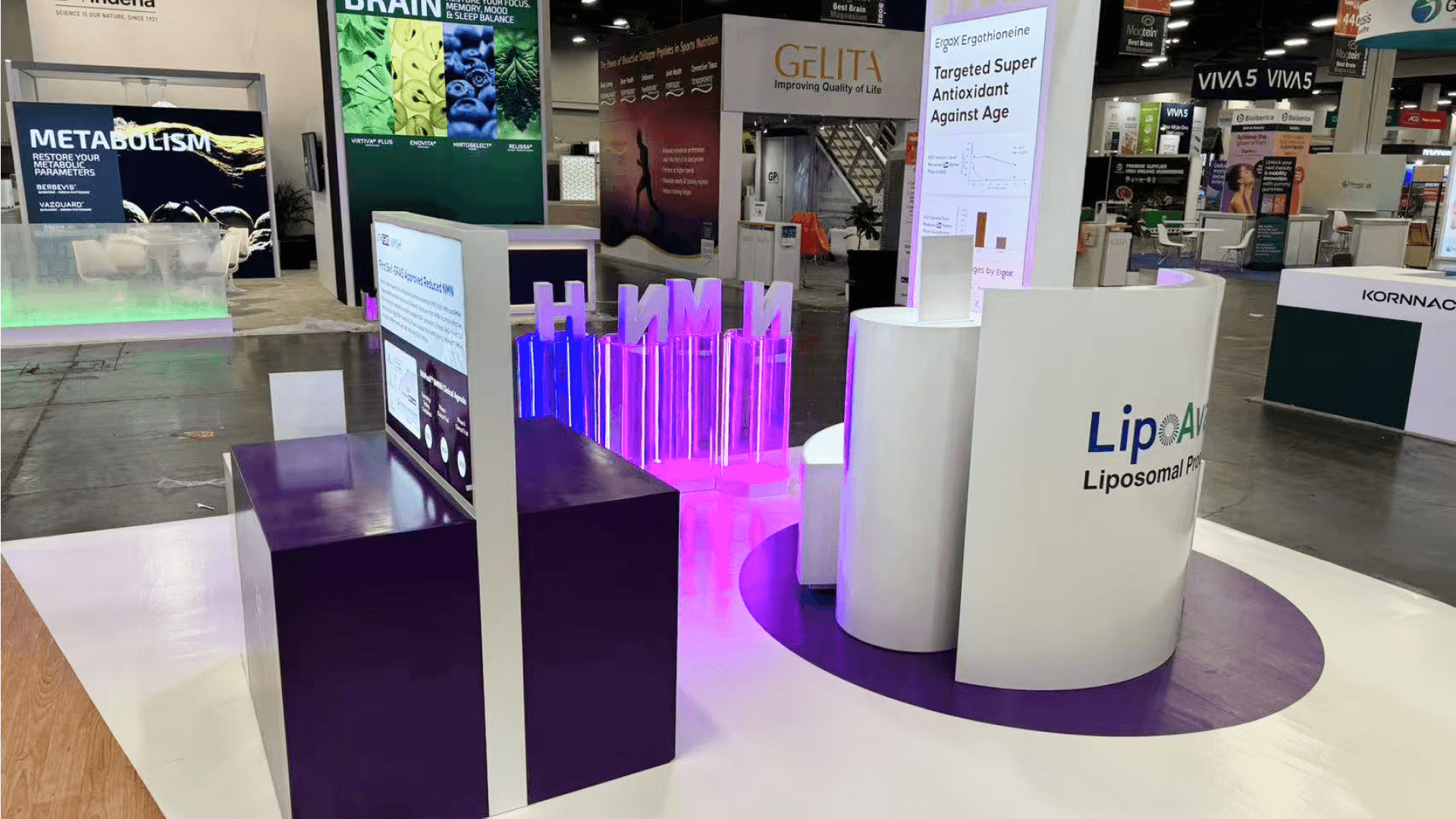


How should exhibitors plan an AACR Annual Meeting booth?
An AACR booth should help a qualified visitor answer three questions: Is this research relevant to me? What evidence or demonstration supports it? Who should I speak with next? The scientific message, booth size, screens, staff roles, meeting space, storage, and OCCC setup should all support that progression.
Most AACR visitors arrive with a specific research question already in mind. They are unlikely to stop and study a company’s full portfolio from the aisle, so the first view of the booth should make the research, technology, or development capability easy to recognize before methods, evidence, and technical detail take over the conversation.
The layout should reflect what is actually being presented. An operating instrument needs working clearance, an operator position, a visible result, and enough room for visitors to observe without entering the technical area; laboratory technology demo planning focuses on those equipment-led requirements. Evidence-led exhibits need a different balance of screens, staff handoffs, literature, and discussion space.
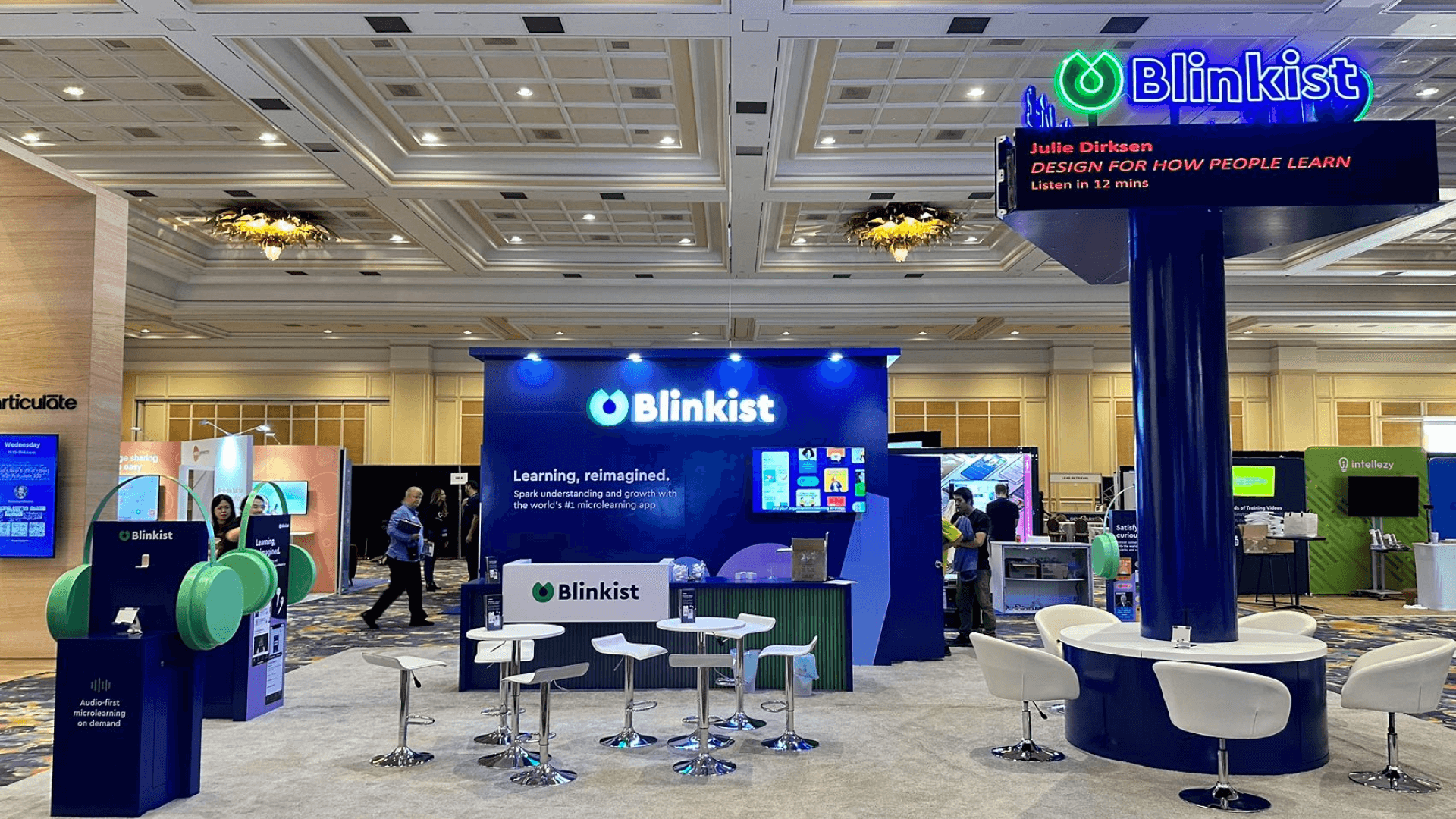
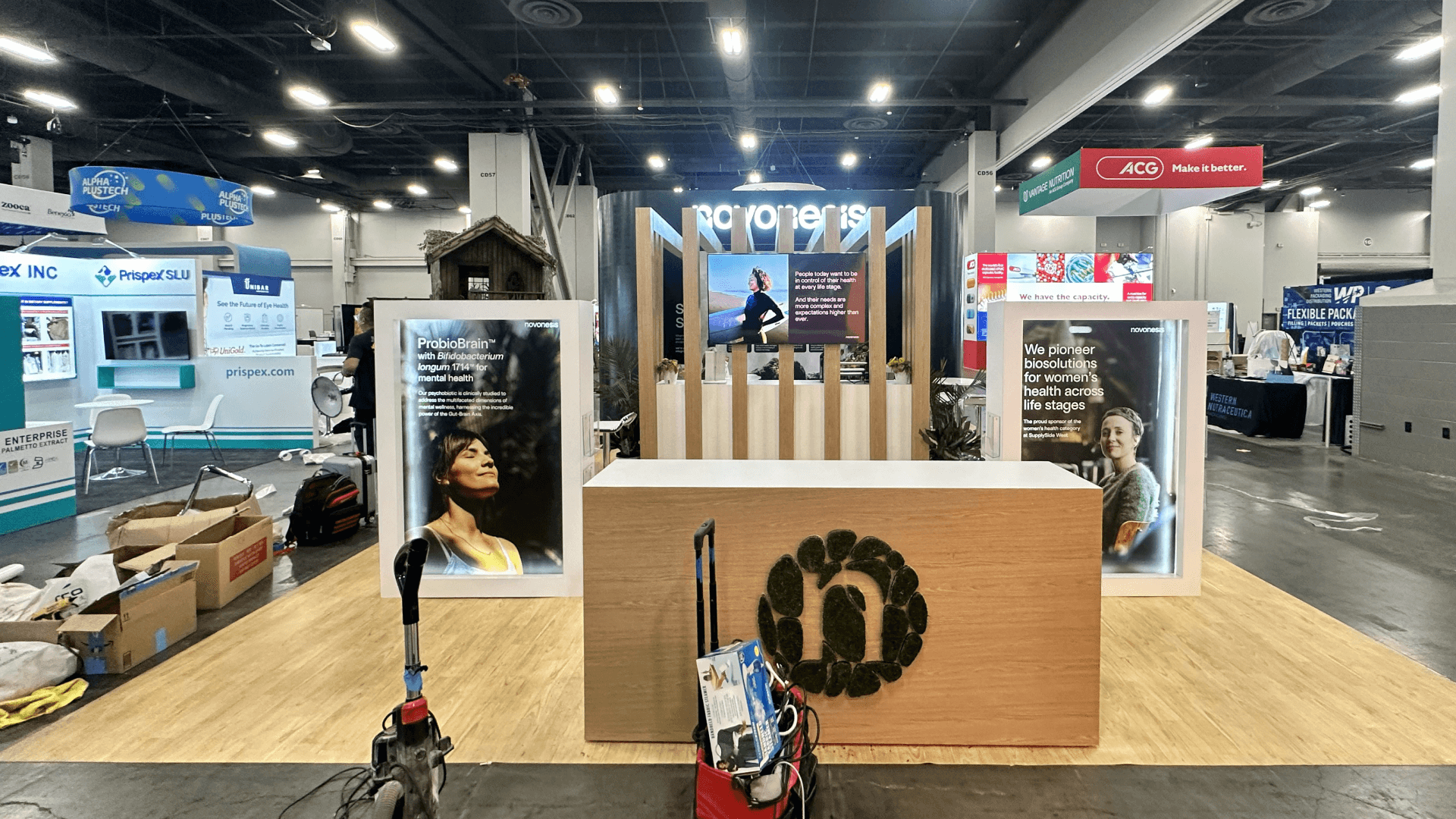
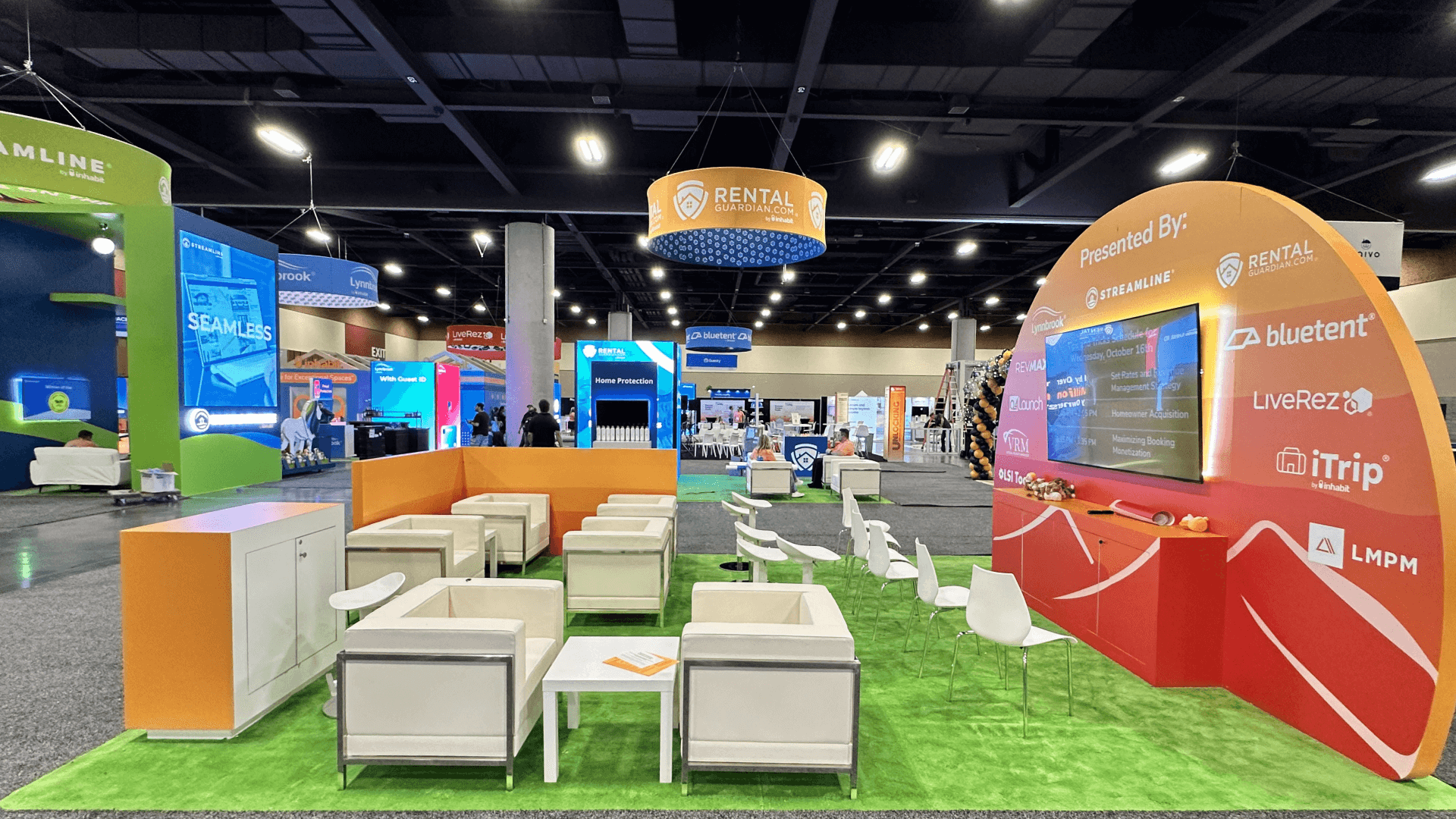
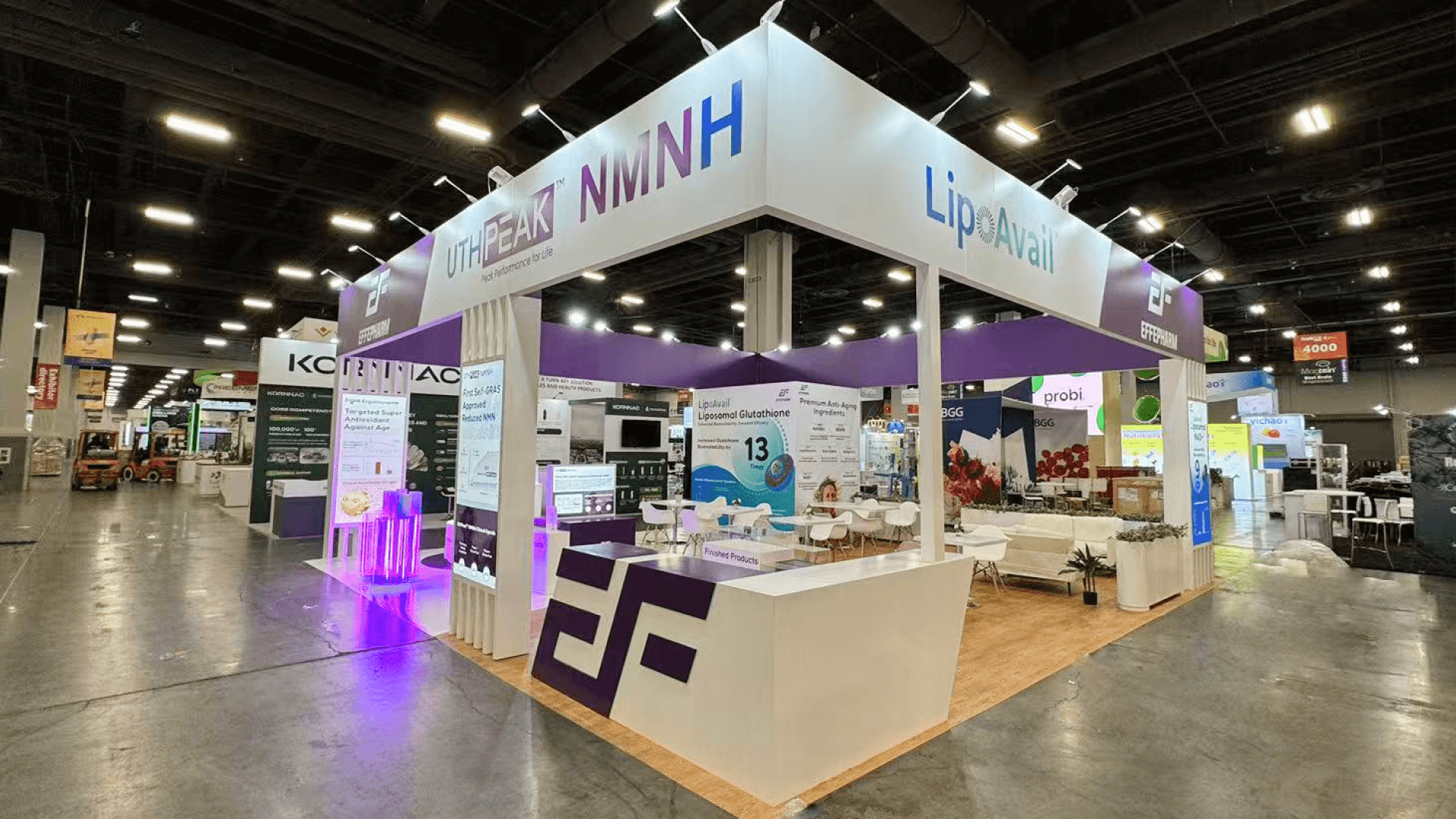
Booth size should follow those interaction needs. A 10x10 or 10x20 footprint can support one focused scientific proposition, while 20x20 and 20x30 layouts provide more room for demonstrations, evidence screens, storage, and longer conversations. At the Orange County Convention Center, freight access, utilities, installation, and equipment movement should be coordinated with the final layout. Once those planning requirements are clear, trade show booth design and build in Orlando can be developed around the scientific presentation, visitor flow, and show-site needs.
Why Exhibitors Choose Circle Exhibit
Clear scope, transparent quote review, nationwide booth support, and efficient setup planning for qualified rental and custom exhibit projects.
48hr
Setup Window
10+
Years Since 2014
U.S.
Trade Show Support
Real
Booth Project Proof
Booth size should reflect what visitors will see, watch, discuss, and do next. The number of scientific subjects, demonstrations, screens, staff roles, meeting types, and storage requirements matters more than the visual impact of a larger footprint.
A 10x10 booth works when one research proposition, compact display, or screen is enough to begin a useful conversation. Detailed evidence and longer meetings can move beyond the main footprint.
A 20x30 booth becomes useful when media, demonstrations, several staff roles, stored materials, and longer conversations need to operate without interrupting one another.
A 20x20 booth gives a demonstration or evidence screen enough separation from circulation, technical questions, and concealed storage.
A 30x40 booth can accommodate several research areas, scheduled presentations, or meeting teams. A larger exhibit still needs one central idea that connects the experience.
A Spotlight Theater session may bring attendees back to the booth for additional evidence or a more focused scientific discussion. That session-to-booth follow-up is separate from the AACR move-in and equipment sequence, which covers freight, material handling, utilities, equipment placement, testing, and return shipping.
AACR exhibits should establish scientific relevance before asking visitors to review methods, evidence, products, or partnership opportunities. The booth needs a clear first message, layered proof, an obvious next step, and documentation that supports the conversation.
The first message should identify the problem, workflow, therapeutic area, platform, or service being addressed—not attempt to summarize the entire company.
A short statement establishes relevance. A screen, graphic, or sample can explain the method. Detailed evidence remains available for visitors who want to continue.
Visitors should be able to tell whether the next step is watching a demonstration, reviewing evidence, speaking with a scientist, or moving into a longer meeting.
Research literature and technical documentation should be available without taking over the public display. Staff also need a reliable way to record what interested each visitor.
AACR brings together laboratory scientists, clinical investigators, and other professionals working across discovery, translational, and clinical cancer research.
The meeting takes place April 2–7, 2027 at the Orange County Convention Center. The exhibit hall is open April 4–6.
Visitors may be comparing research tools, therapeutic approaches, laboratory services, data platforms, development capabilities, or potential research partnerships.
Not Sure Which Booth Size You Need?
Not every exhibitor knows whether a 10x20, 20x20, 20x30, or larger booth is the right fit. Circle Exhibit can help review your event goals, product display needs, demo areas, meeting space, storage, budget scope, and setup timeline before you choose a booth size.
Choosing What Deserves a Live Interaction
Letting Evidence Support the Discussion
1
Begin With the Visitor’s First Useful Question
2
3
4
Rental for Focused Scientific Exhibits
When one scientific proposition, supporting media, and a small discussion area carry most of the visitor experience, the structure can remain straightforward. Orlando booth rental can provide the graphics, screens, storage, and meeting elements needed without adding unnecessary fabrication.
Custom for Integrated Technical Requirements
Custom design and engineering becomes more relevant when equipment, utilities, screen positions, sightlines, or meeting privacy depend on exact physical requirements.
Hybrid for Reusable Scientific Displays
A hybrid approach keeps the main structure reusable while adding AACR-specific graphics, screens, counters, equipment supports, or meeting elements where they improve visitor understanding or solve a real operating requirement.
Large island exhibits may enter before general setup. Freight, labor, utilities, equipment, and technical staff should follow the assigned access window.
The plan should not depend on visitors standing in the aisle. Demonstrations, waiting positions, and conversation areas need to remain inside the footprint.
Power, internet, handling, screens, equipment access, and labor affect one another. Treating them as separate orders can create conflicts during installation.
Before opening, approach from the aisle and check what is understood first, where the next step occurs, and whether staff can guide visitors without interrupting another interaction.
Rental Booth for a Focused AACR Exhibit
A rental booth in Orlando can suit an AACR exhibit built around one clear scientific proposition, standard media surfaces, practical storage, and a defined discussion area. It works best when the scientific message and visitor path do not depend on complex structural integration.
What should an AACR booth communicate first?
It should first communicate which cancer research problem, workflow, platform, product, therapeutic area, or service the exhibitor addresses.
How much scientific detail belongs in the booth?
Which booth size works for AACR?
Should every research program have its own display?
What needs to be tested before opening?
READY TO PLAN YOUR NEXT BOOTH?
Let’s Build a Booth That Fits Your Event
Share your event name, booth size, city, timeline, product display needs, and design references. Circle Exhibit will review your project direction and help you choose a rental-friendly or custom exhibit path.
3000+
Booth Projects Supported
50+
U.S. Event Cities
Transparent
Quote Review
Demonstrations, media, staff positions, meetings, circulation, and storage often begin as separate requirements. Design and engineering planning becomes relevant when those requirements need to work together in one floor plan.
The issue may not be missing content, but the absence of a clear viewing order. Graphics and brand presentation helps separate aisle-level relevance, screen content, close-view evidence, and technical literature.
Equipment, screens, service orders, utilities, storage, and labor cannot always be planned separately. Logistics and pre-show coordination connects them through the same preparation timeline.
Structure and graphics may be finished while media, equipment, literature, or testing remains incomplete. Installation and dismantle planning addresses the order from setup through final readiness and return freight.
The 20x30 booth planning page provides more detail for exhibits that combine media, demonstrations, staff movement, storage, and longer discussions without immediately moving into a large island program.